Hello, I am Dr. Peter C. Kang.
Today, I would like to introduce the case of a patient whose severe nostril asymmetry and upturned nose were improved with autologous rib cartilage reconstruction.
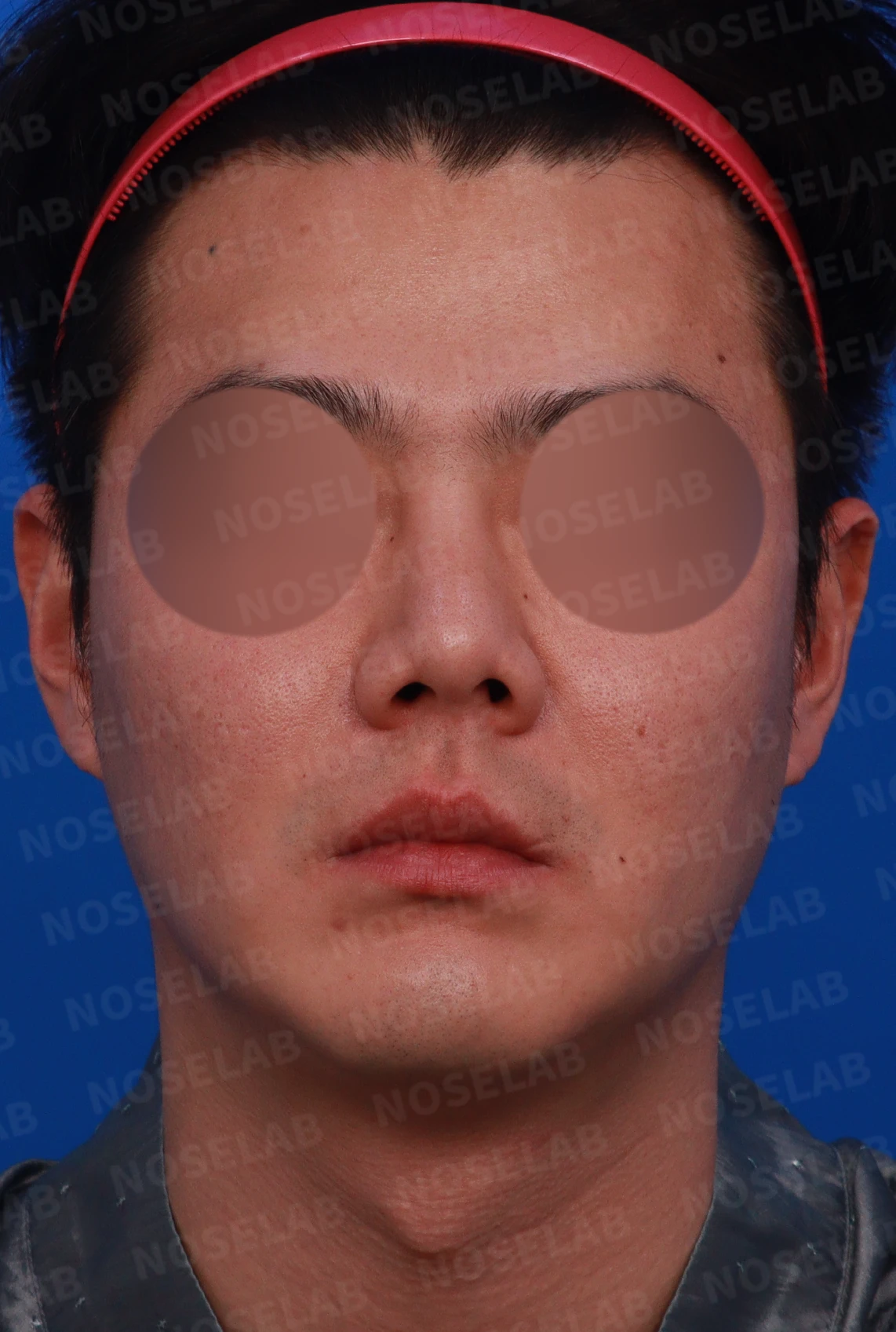
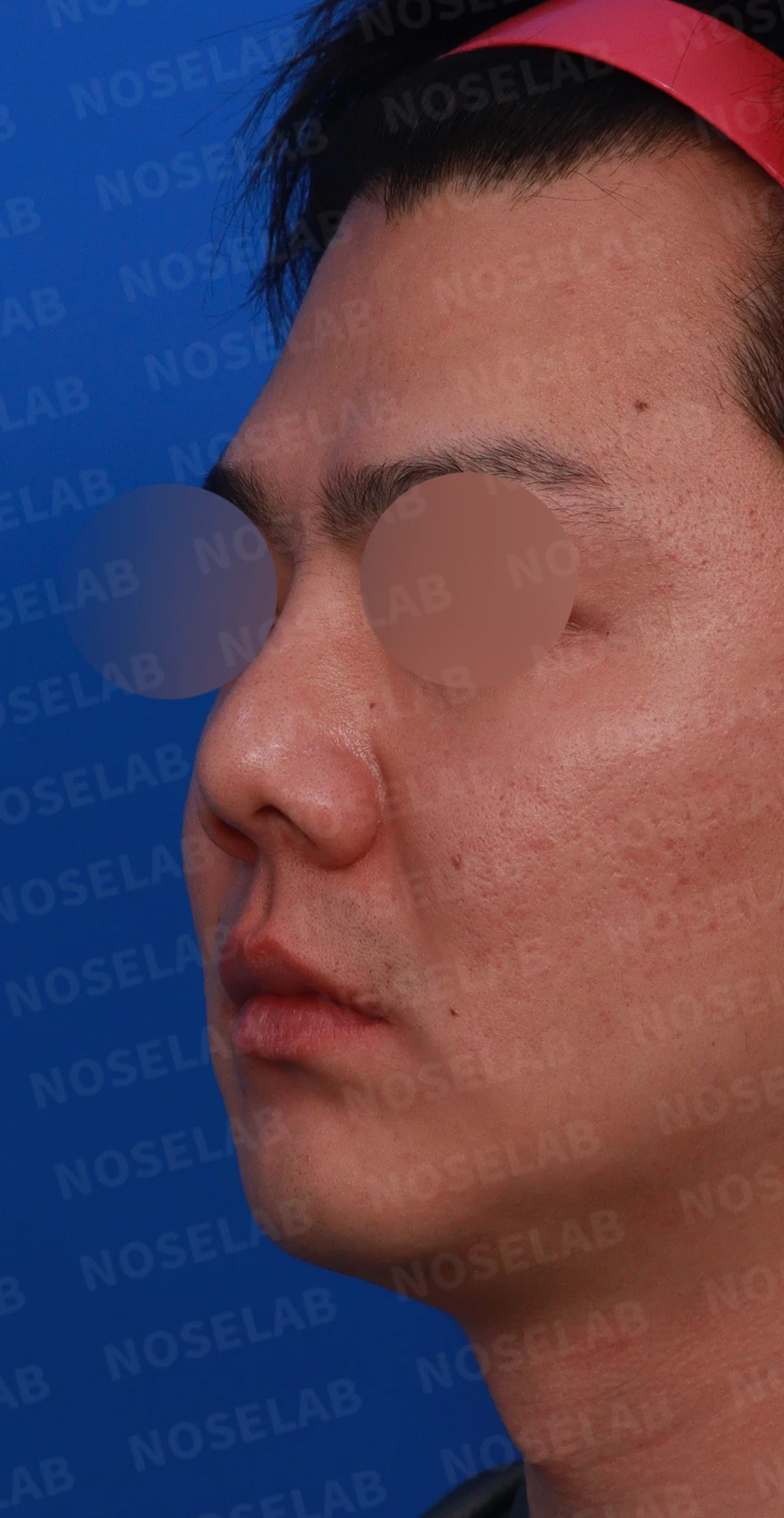
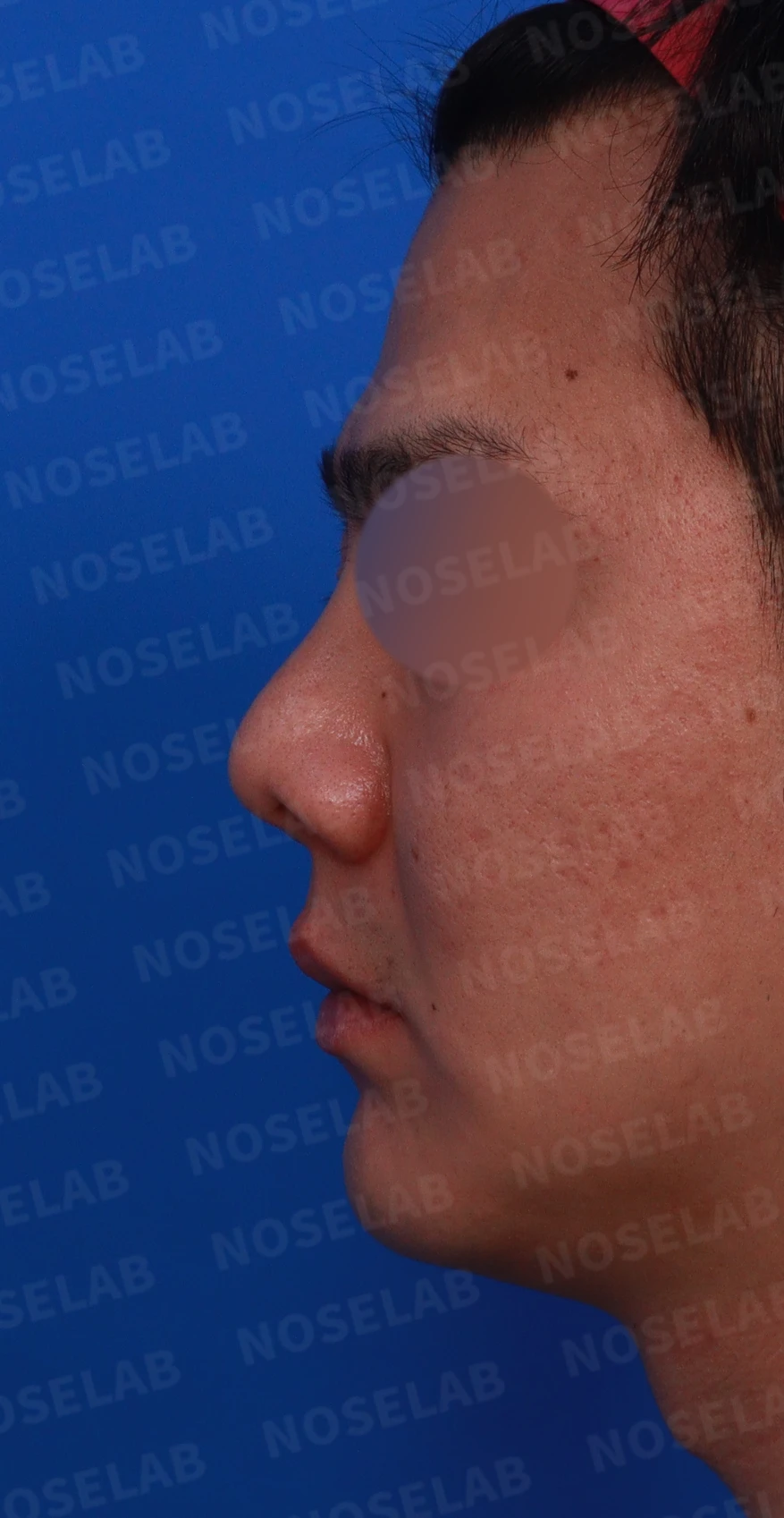
Front, left profile, and oblique views during design consultation
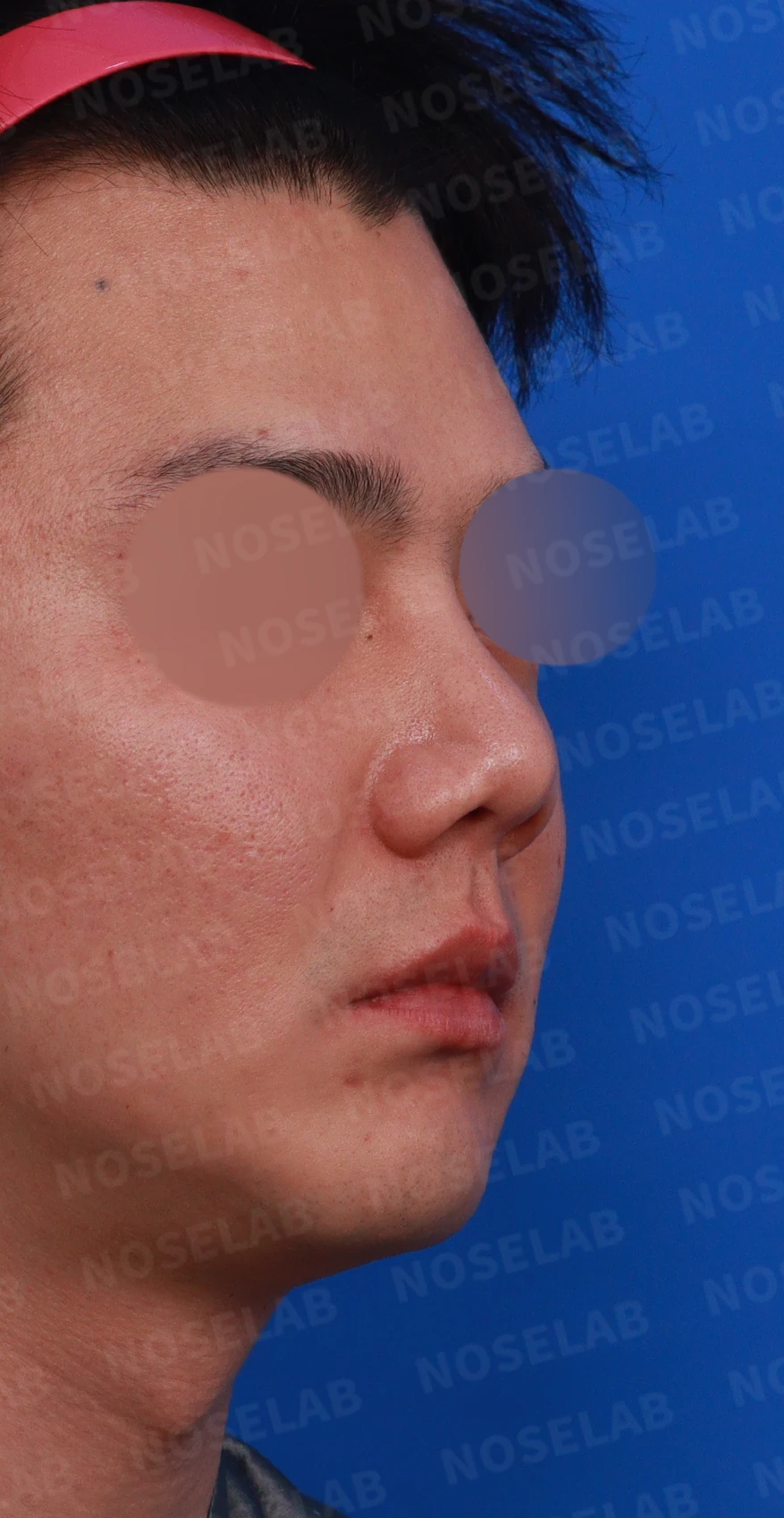
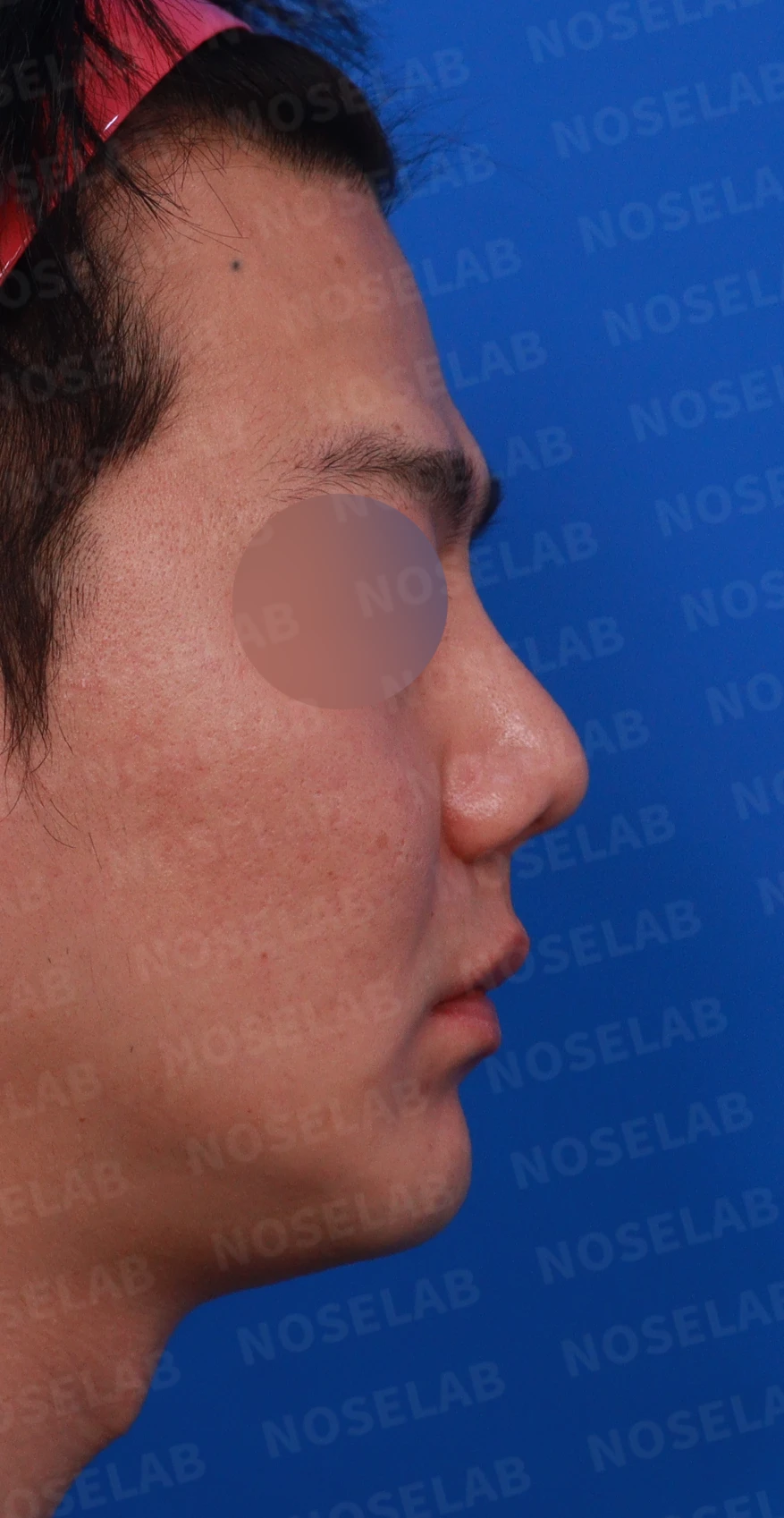
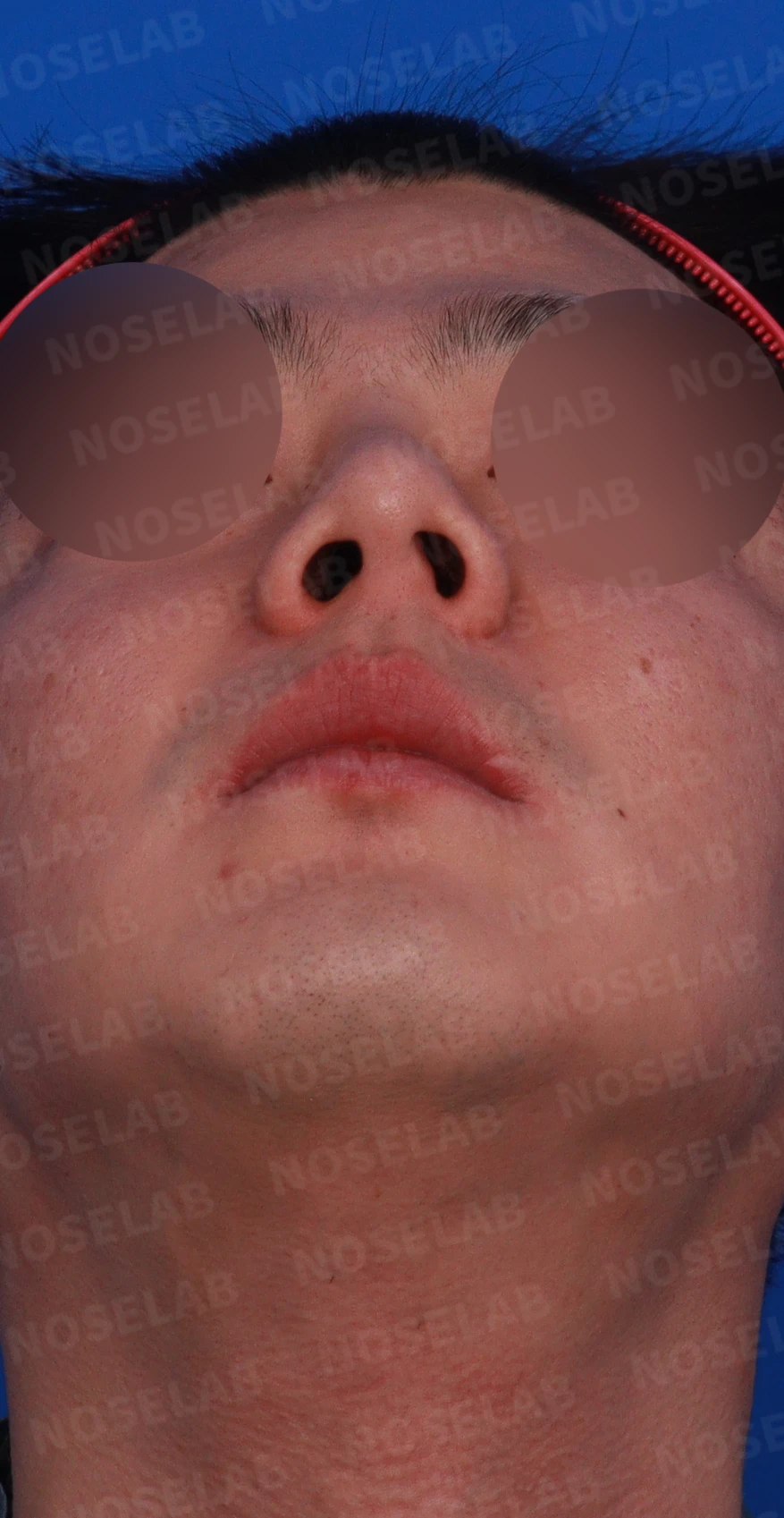
Design consultation: right oblique, profile, and basal (nostril) views
📍 Surgical history
Previous surgery with septal extension + donor rib cartilage + silicone implant
🔎 Initial consultation findings
Deviated nose
Upturned nose
Leftward columellar deviation
Severe nostril asymmetry
Imbalance occurring without alar reduction
✨ Patient's requests
Improvement of nostril asymmetry
Crooked nose correction
Correction of an upturned nose
Desired a Hyun Bin-style nose
💉 Surgical procedure details
Structural improvement
Lateral nasal bone osteotomy
Correction of deviated septum
Septal extension using autologous rib cartilage
2. Functional improvement
Septoplasty
Radiofrequency submucosal resection of the inferior turbinates
Improvement of nasal obstruction
3. Shape improvement
Correction of pinched right ala
Adjustment of nasal tip position
Correction of the deviated columella
✅ Surgical results
Because there was significant intraoperative bleeding in this patient, overall swelling was relatively pronounced. Particularly in upturned nose correction, intraoperative bleeding can directly affect the early appearance. As the swelling subsides, the nasal tip is expected to settle a bit further down.
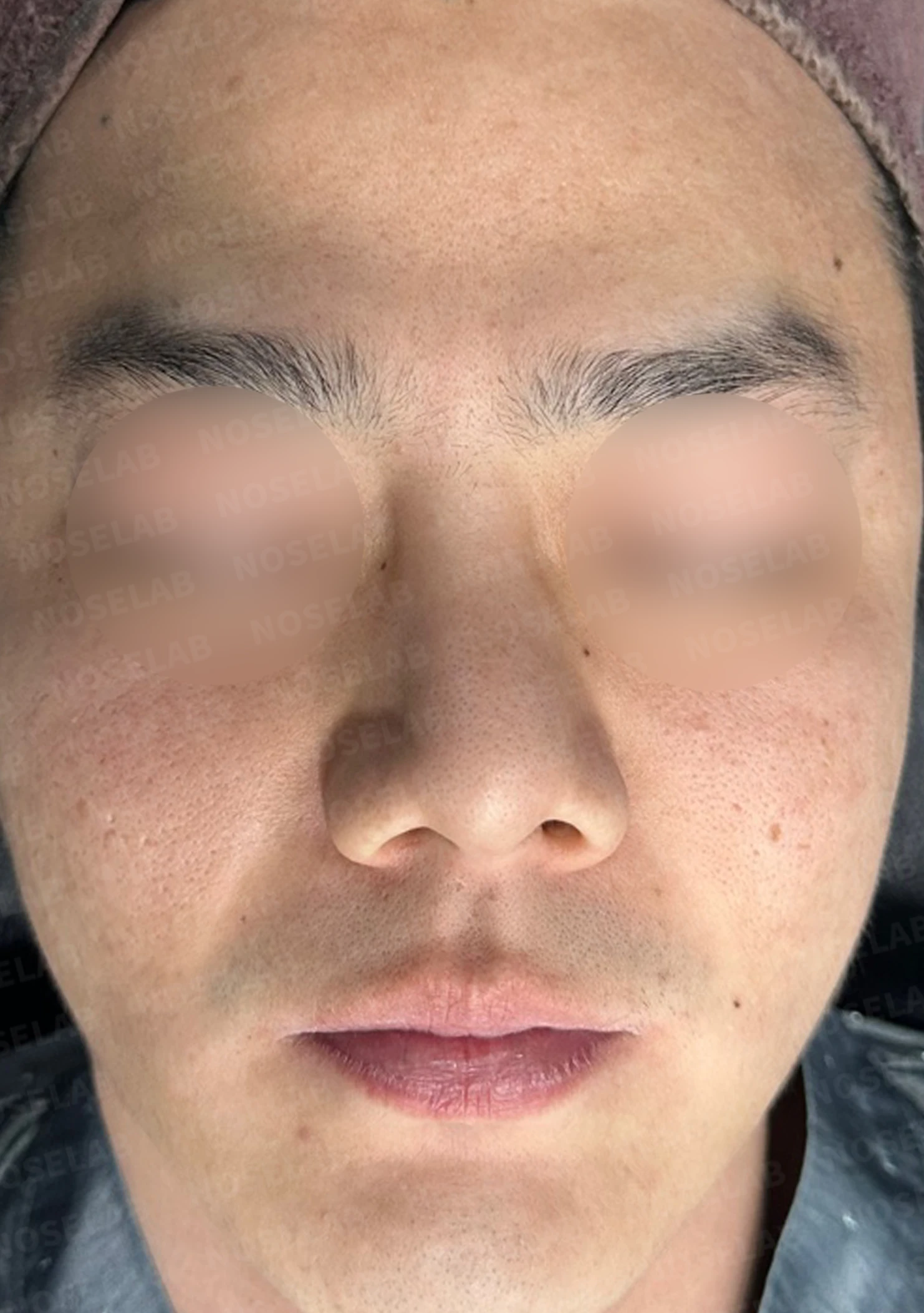
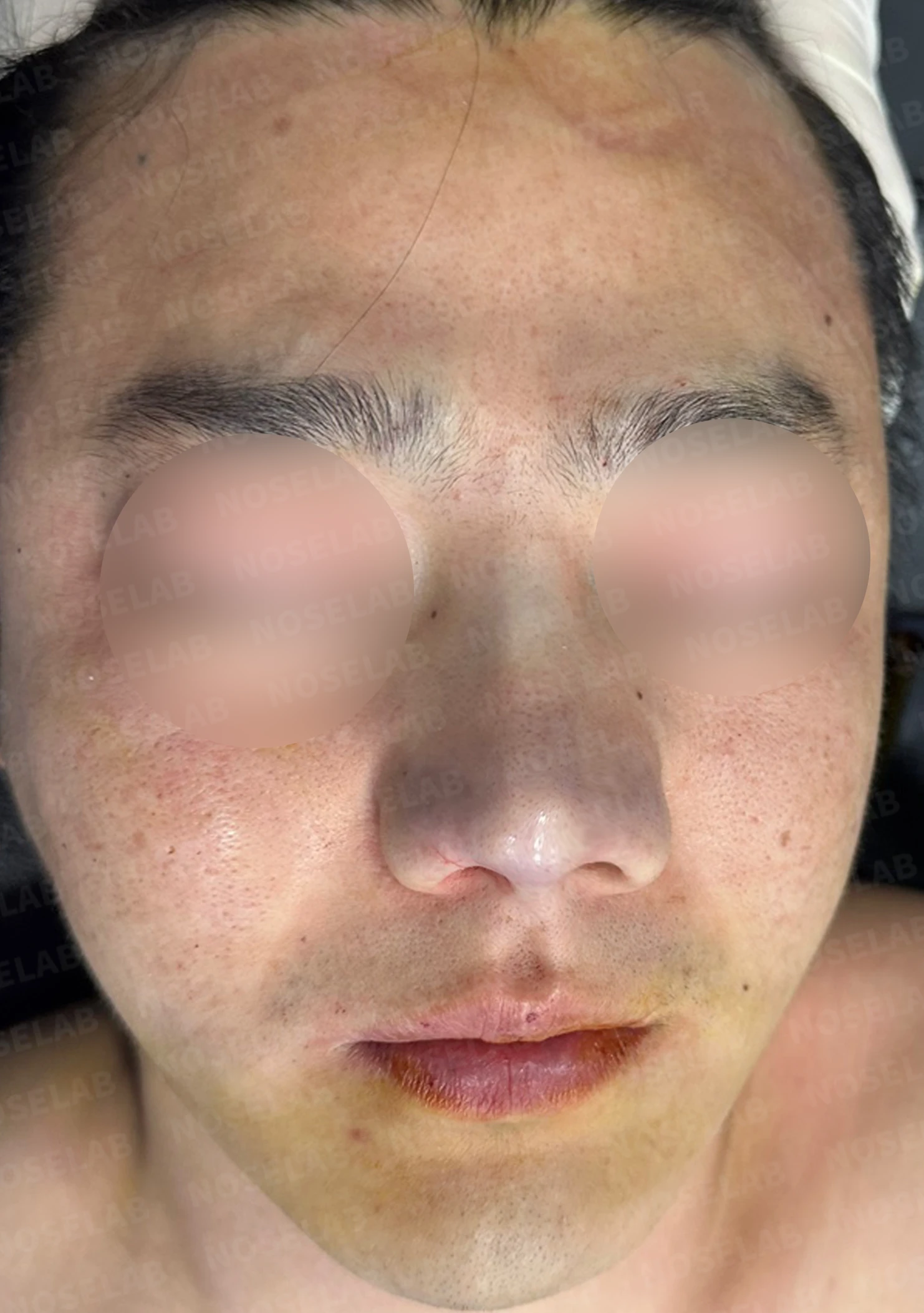
Before surgery / Day 0 immediately after surgery Photos taken immediately after surgery show swelling and may differ from the final result.
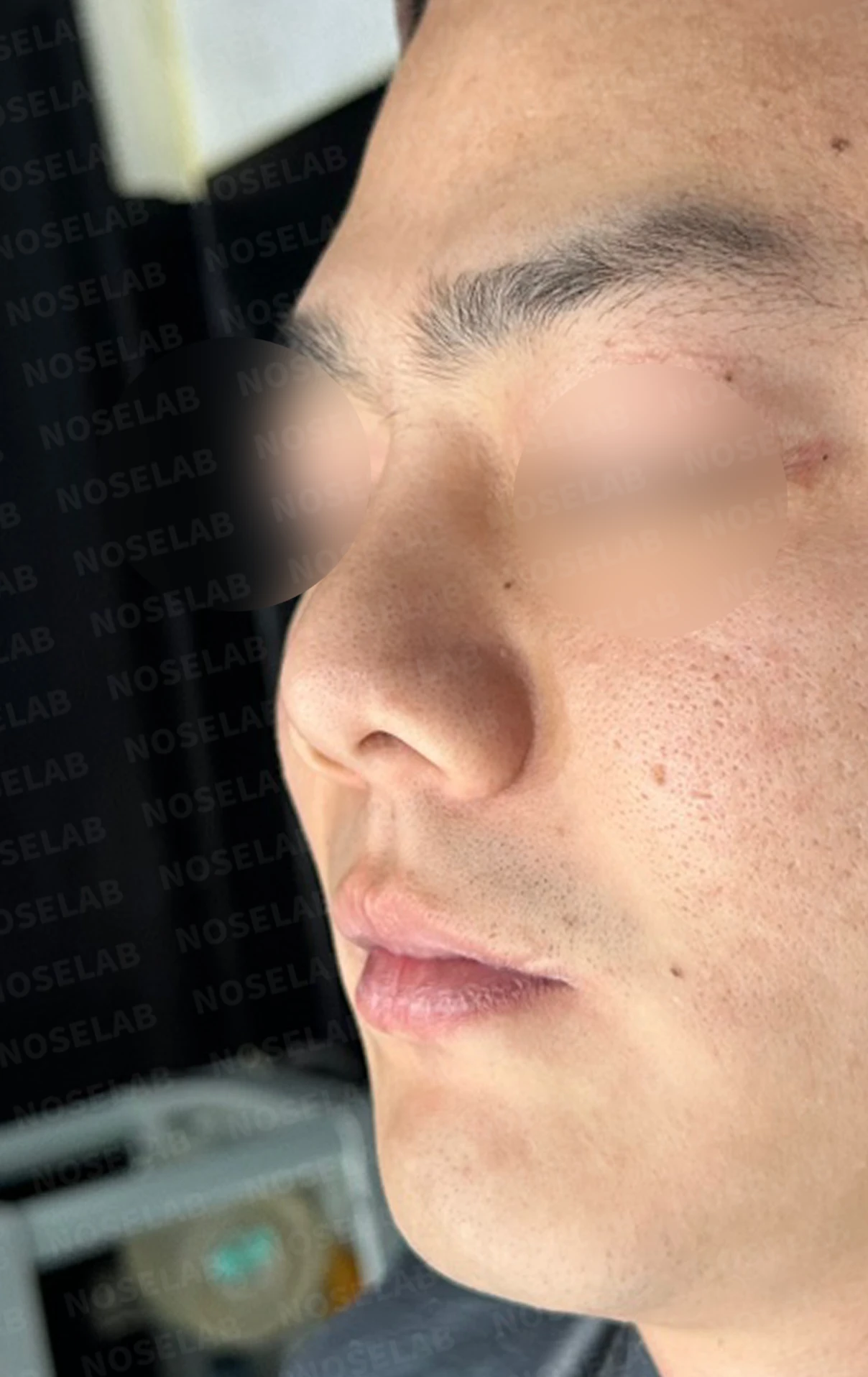
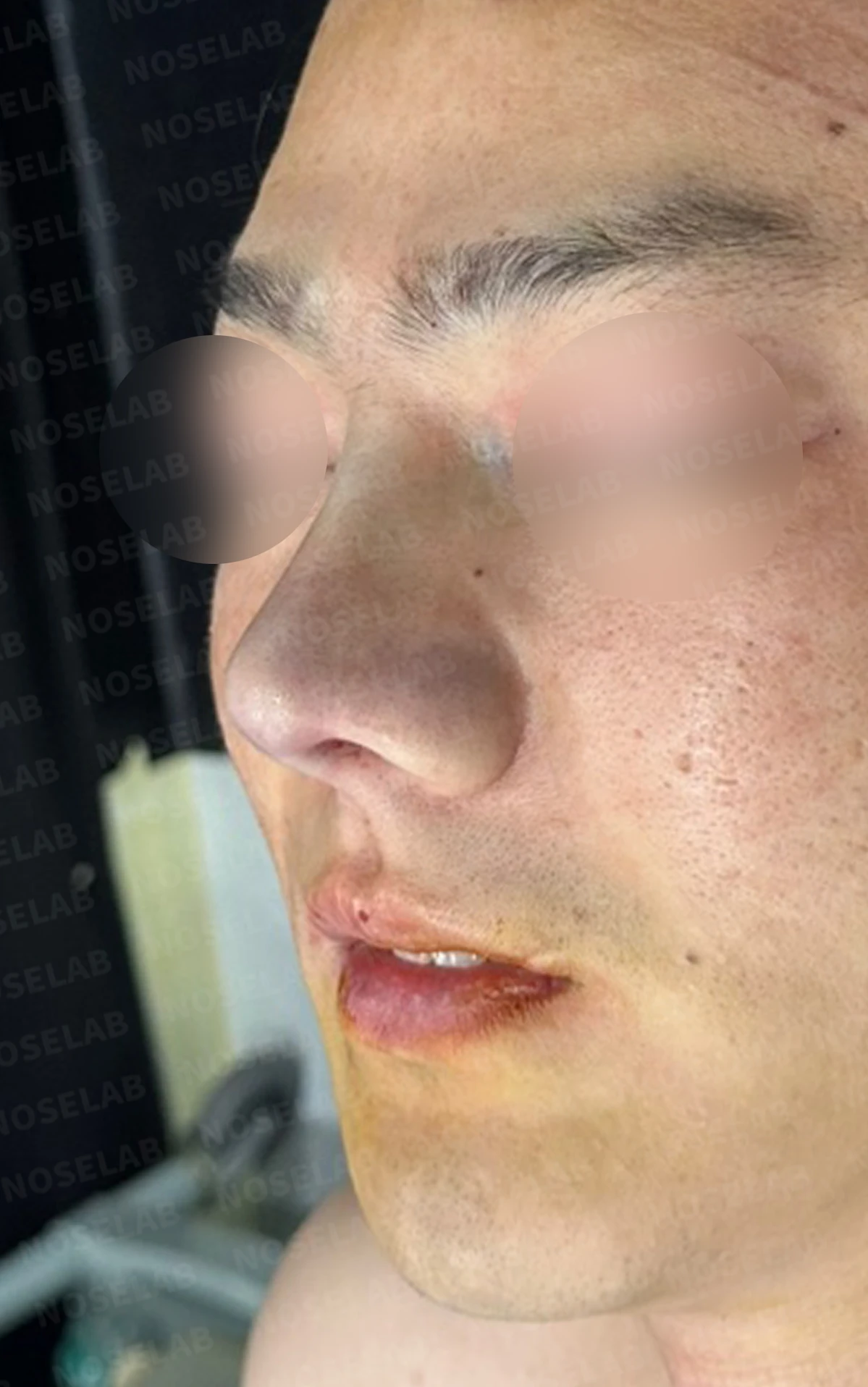
Front view improvement
Improvement of crooked nose
Balanced nostril symmetry
More natural alar contours
Before surgery / Day 0 immediately after surgery Photos taken immediately after surgery show swelling and may differ from the final result.
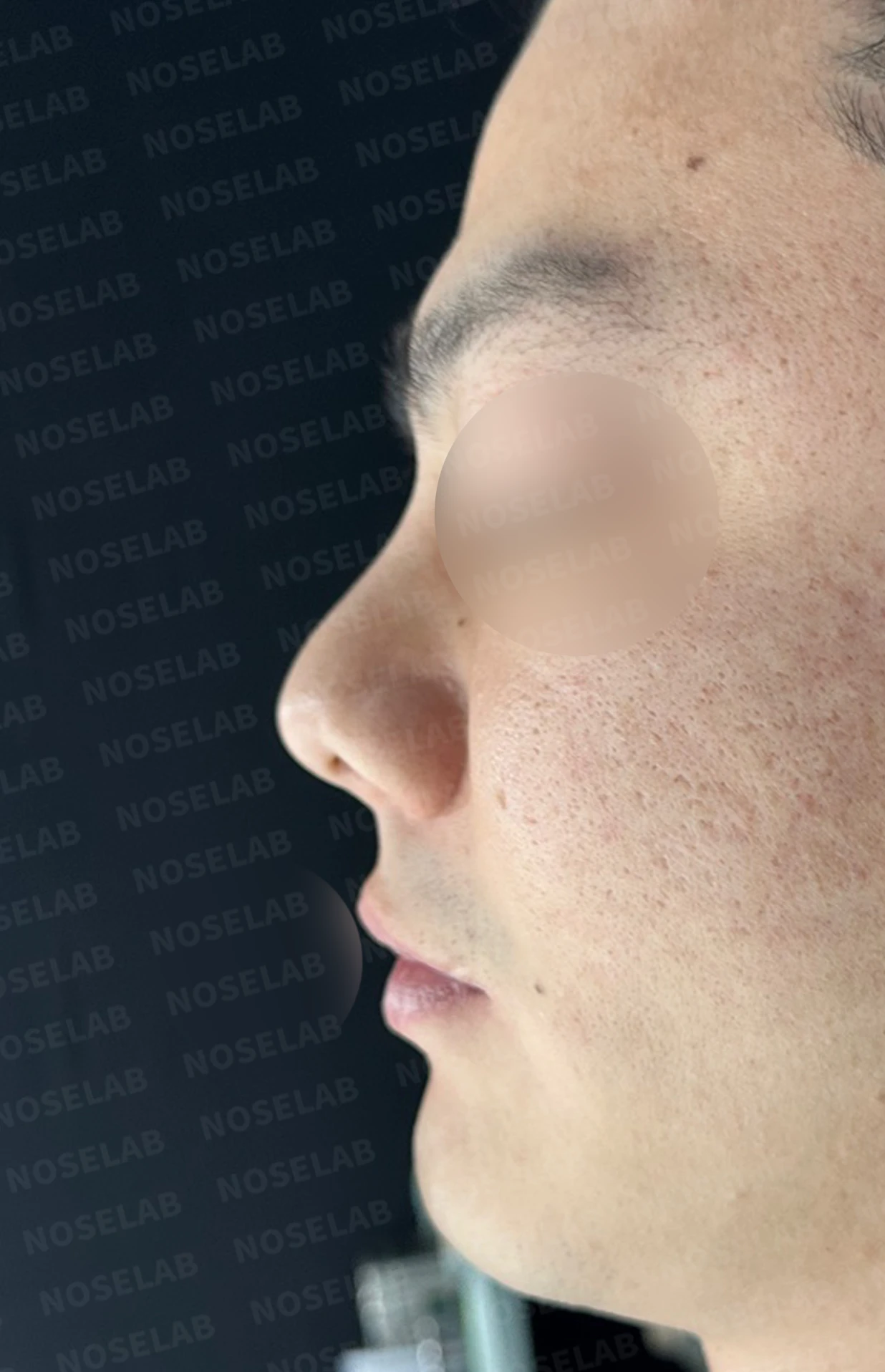
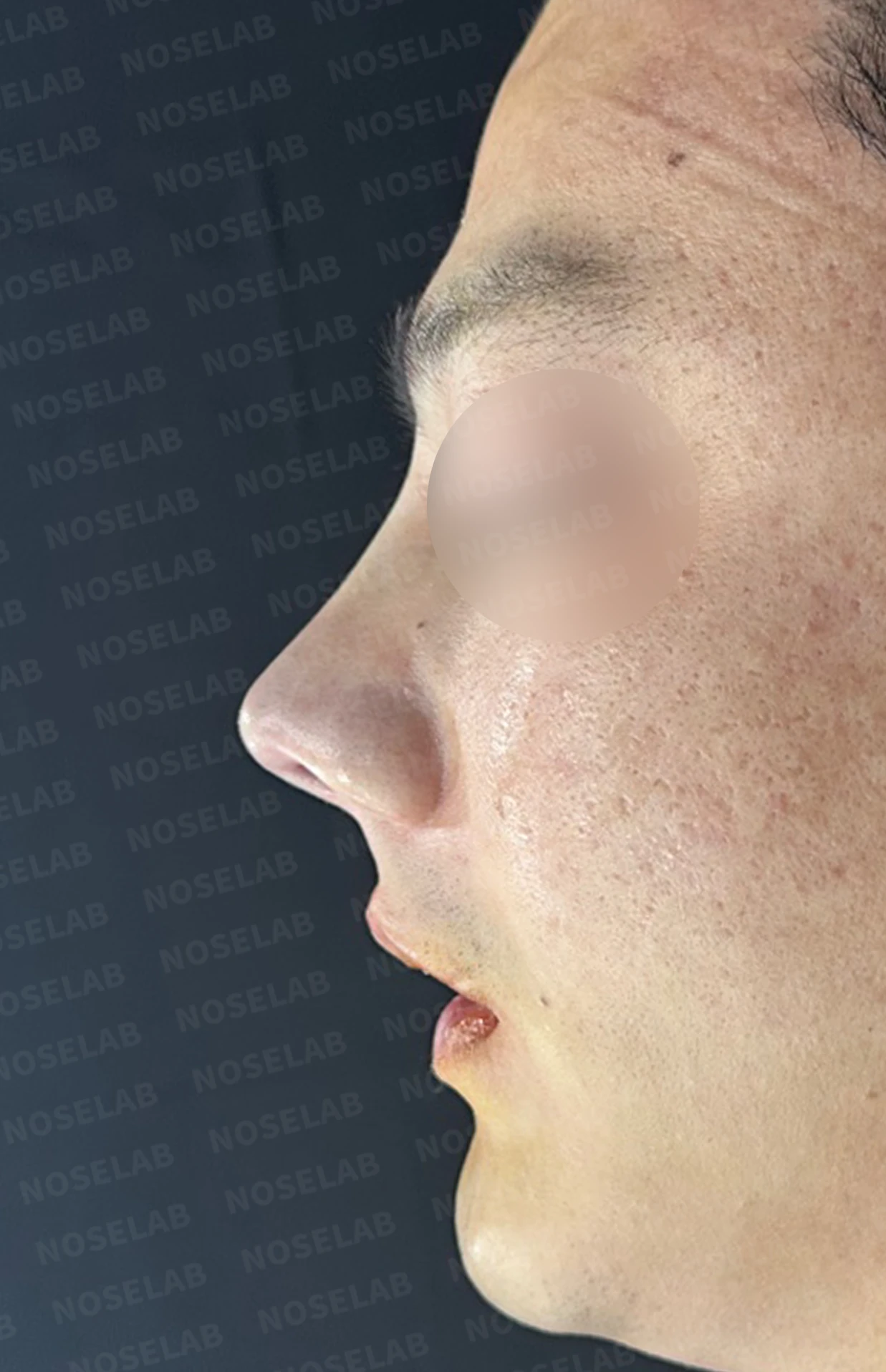
2. Profile view improvement
Stable tip position
Refined into a straight line
Correction of an upturned nose; the nasal tip is expected to settle further during future recovery
Before surgery / Day 0 immediately after surgery Photos taken immediately after surgery show swelling and may differ from the final result.
3. Nostril improvement
Symmetric nostril shape
Straightened columella
Balanced overall structure
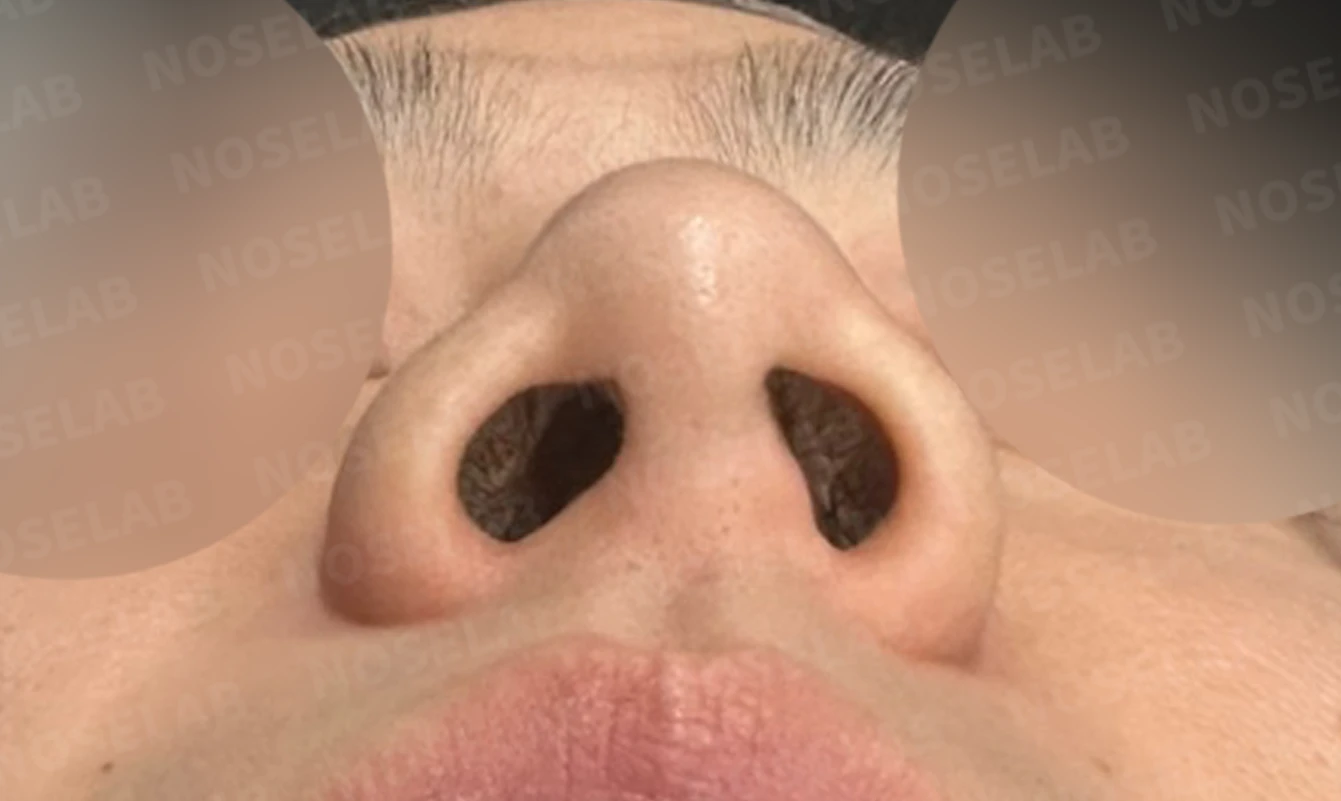
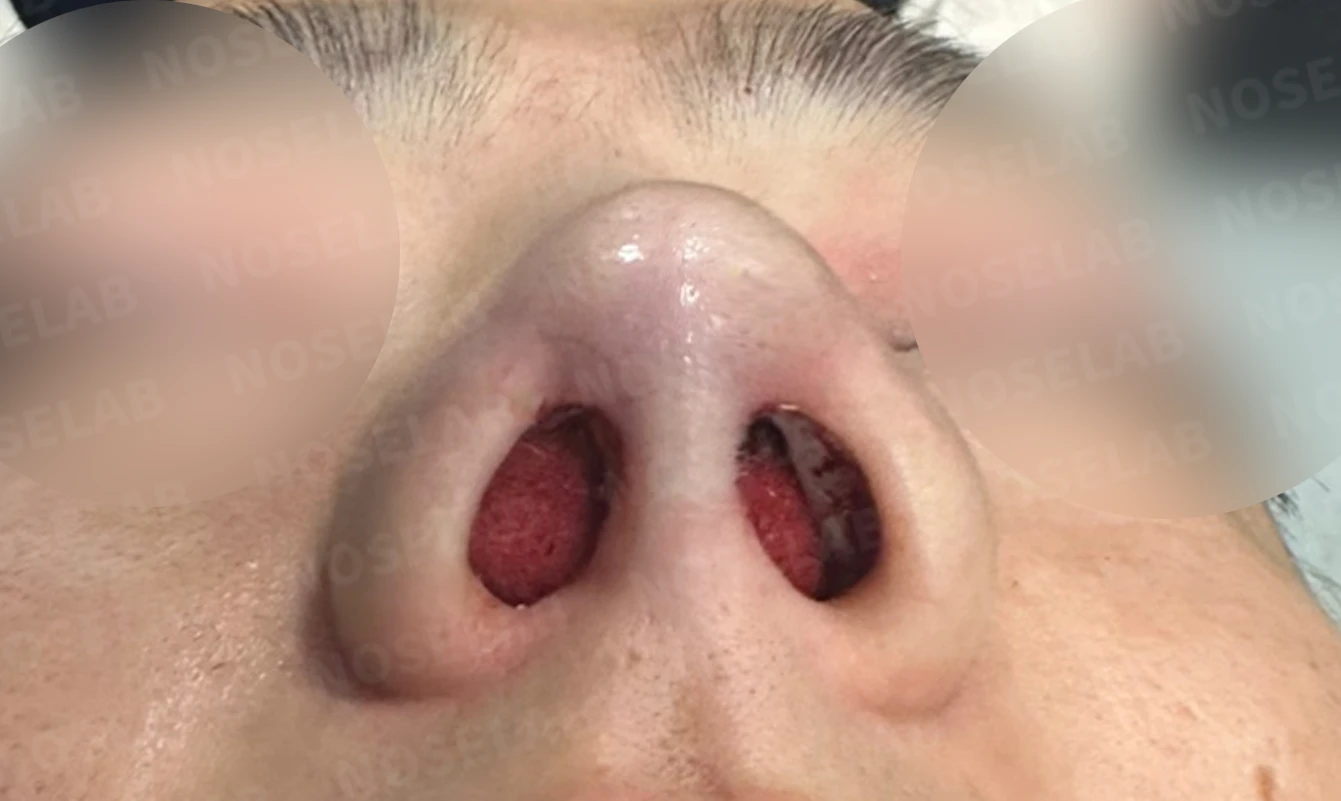
Before surgery / Day 0 immediately after surgery Photos taken immediately after surgery show swelling and may differ from the final result.
👨⚕️ Specialist's assessment
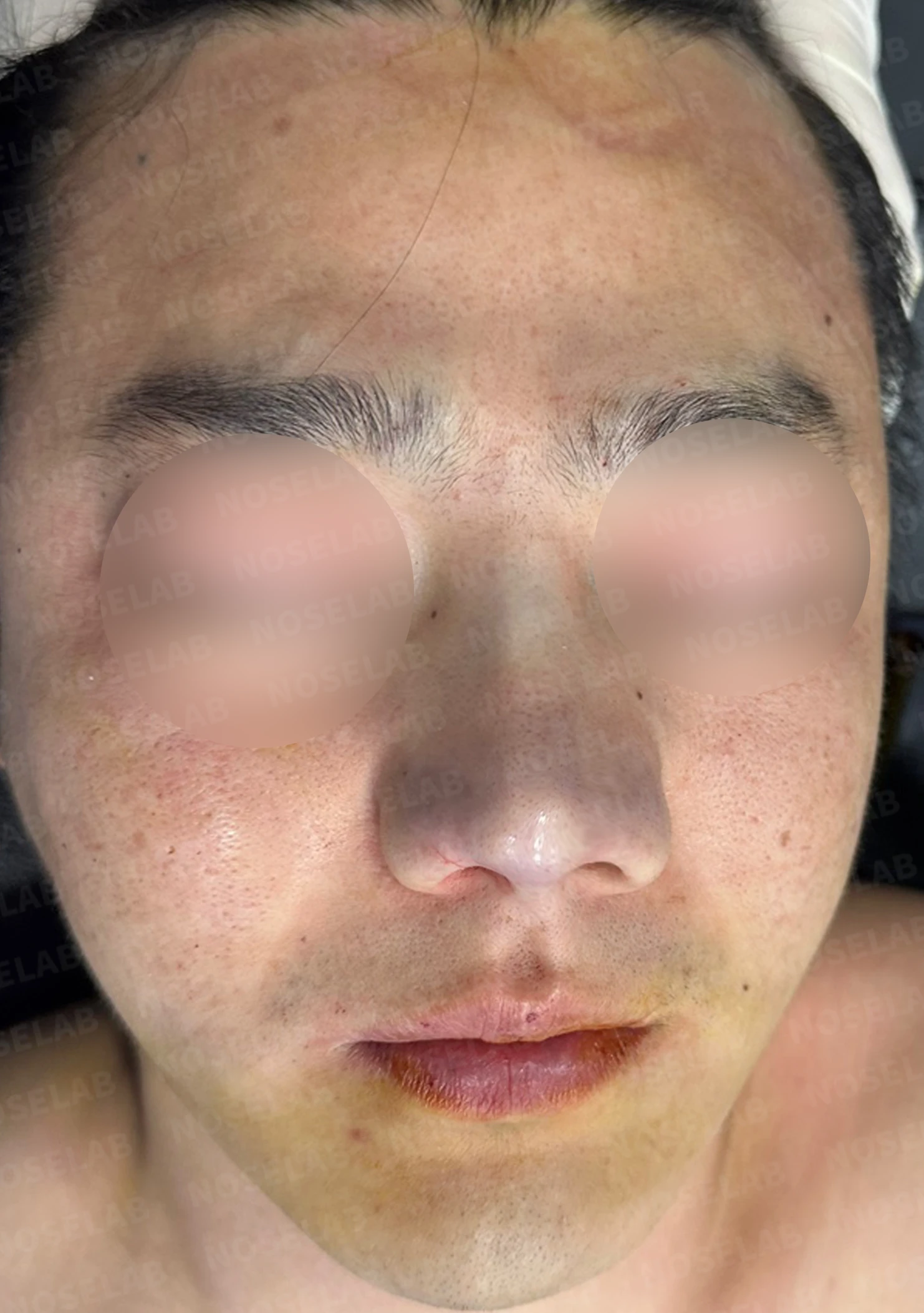
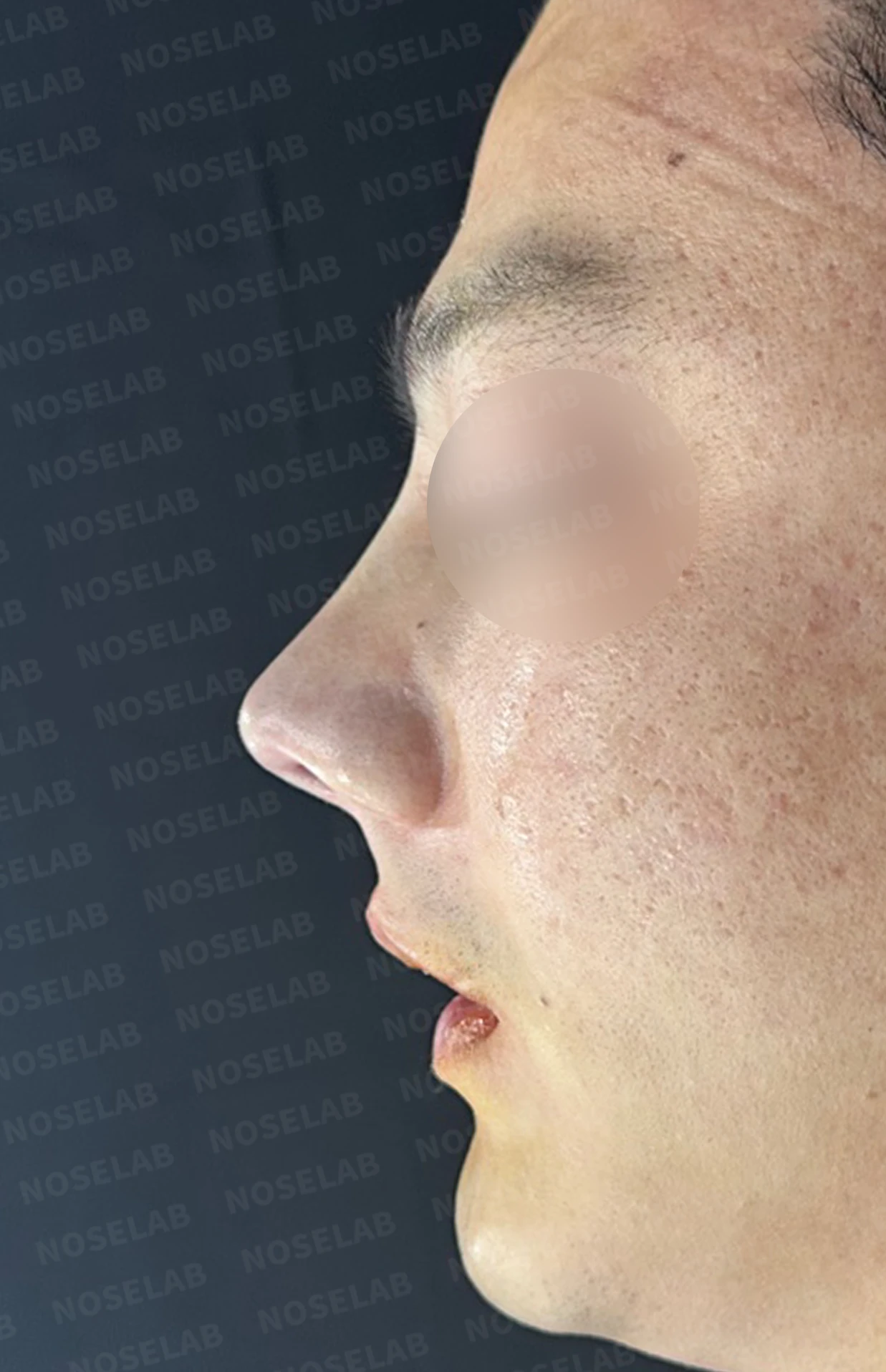
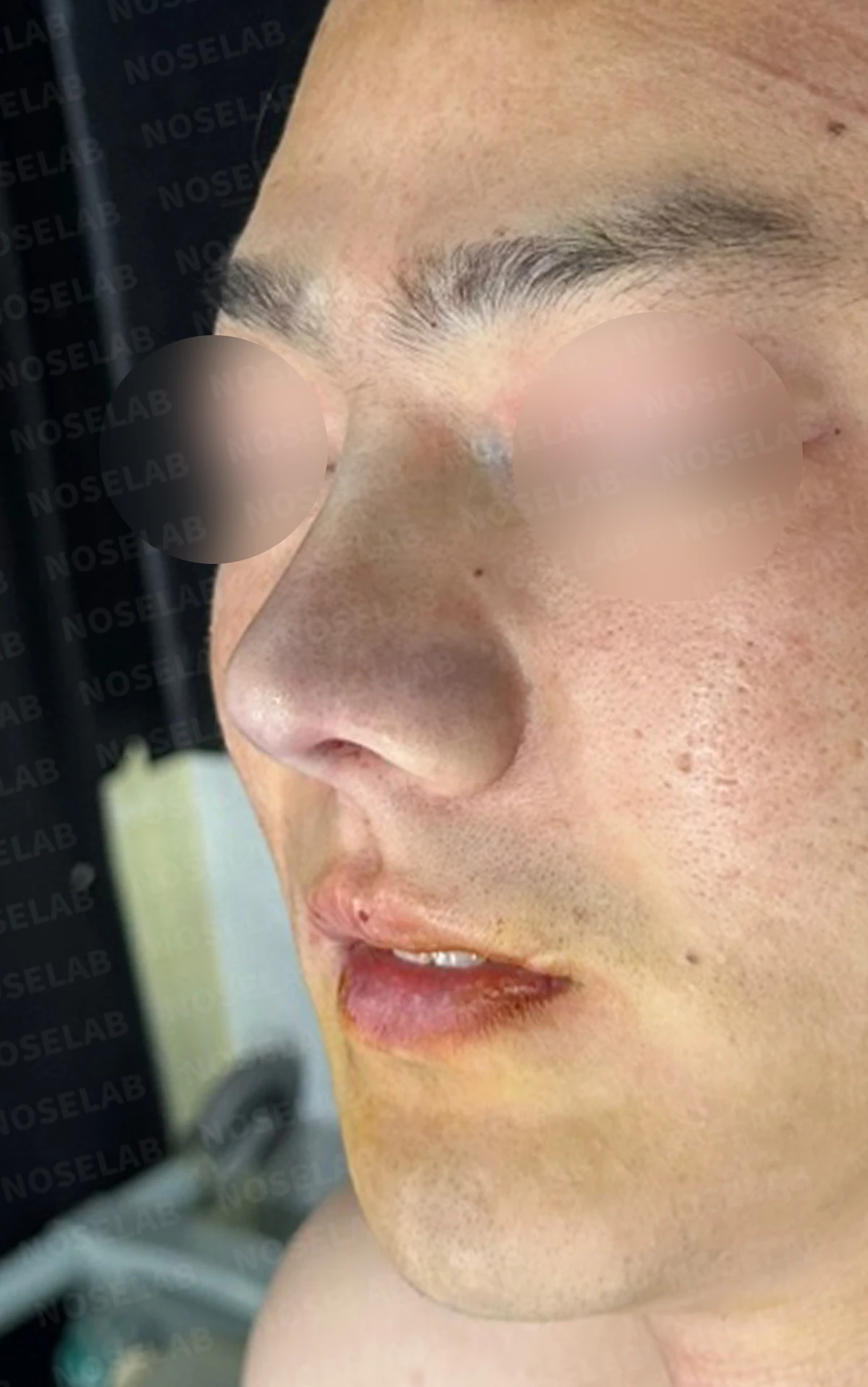
Front, profile, and oblique views immediately after surgery on day 0 Photos taken immediately after surgery show swelling and may differ from the final result.
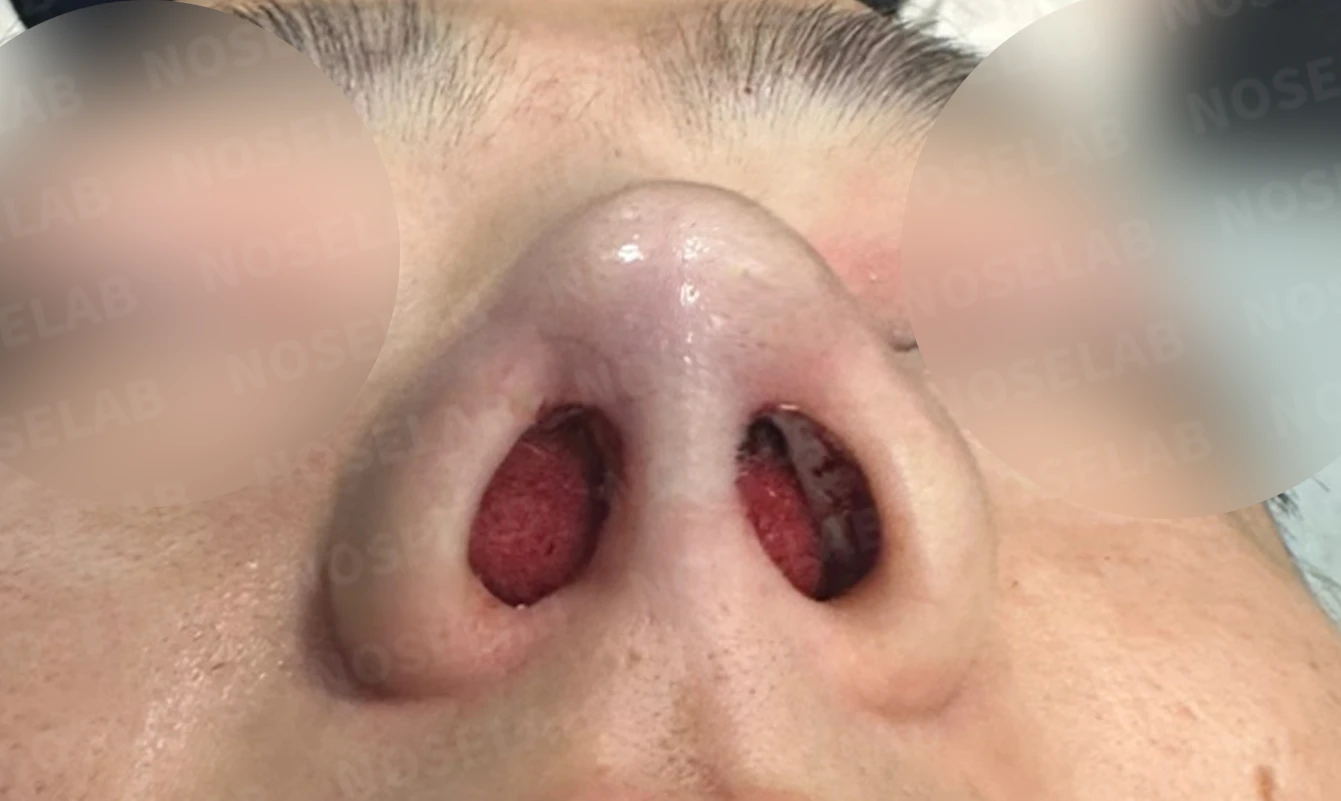
Nostril view on day 0 immediately after surgery Photos taken immediately after surgery show swelling and may differ from the final result.
In this type of case, severe nostril asymmetry that developed without prior alar reduction was the primary target for improvement. Structural stability was established by combining septal extension using autologous rib cartilage with lateral osteotomy to correct the crooked nose. We were able to achieve the balanced nasal shape desired by the patient while also improving nasal function. In particular, although the patient experienced higher intraoperative blood pressure leading to heavier bleeding, the surgery was carried out smoothly using appropriate antihypertensive medications. However, when there is significant bleeding, more postoperative swelling is expected during recovery; because of this, the correction of the upturned appearance may look less pronounced in the early recovery period, but it is expected to improve further as swelling subsides.
This was Dr. Peter C. Kang. Thank you.
Thank you.
#closedrhinoplasty #revisionrhinoplasty #autologousribcartilage #nostrilcorrection #customrhinoplasty

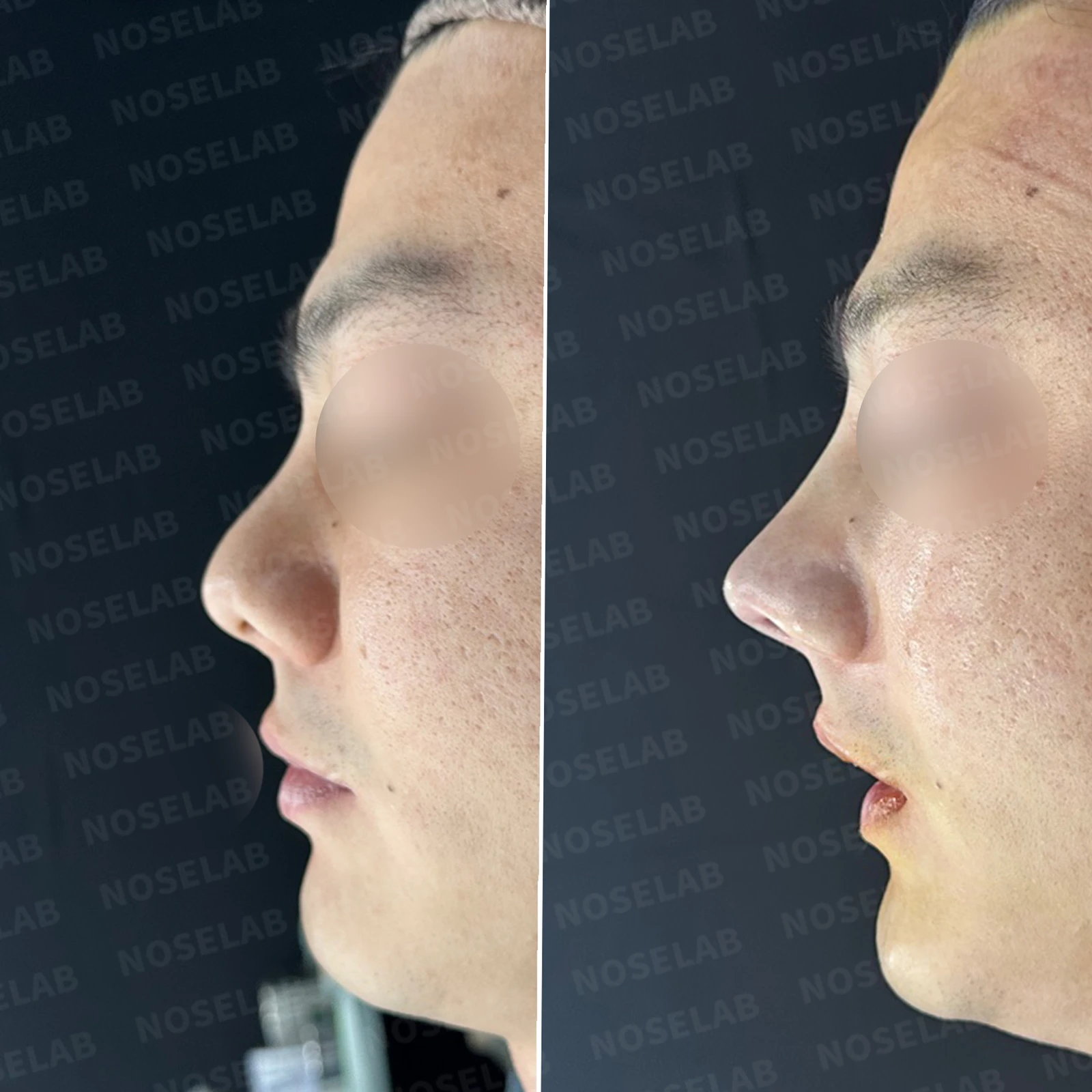
Limitations and risks
When autologous rib cartilage is used, scarring and pain may remain at the donor site on the chest, and pneumothorax (pleural injury) can occur rarely. Over time, the grafted cartilage may warp or undergo partial resorption.
When using donor rib cartilage, long-term follow-up is necessary because the grafted cartilage may resorb or warp.
When the septum is corrected at the same time, nasal obstruction may persist or recur, and in rare cases, septal perforation or changes in smell may occur.
Common potential risks include infection, bleeding, asymmetry, scarring, skin necrosis, and insufficient improvement; results vary depending on individual skin condition and previous surgical history.