Hello, I am Dr. Peter C. Kang.
Today, I would like to introduce a corrective surgery case of a patient who was troubled by a bulbous and short nose.
This patient desired correction of a short and upturned nose, a flared nose, a bulbous nose, and a dorsal hump, hoping for an implant-free surgery.
1. Preoperative design consultation
Let us analyze the patient's preoperative condition in detail:
Front view:
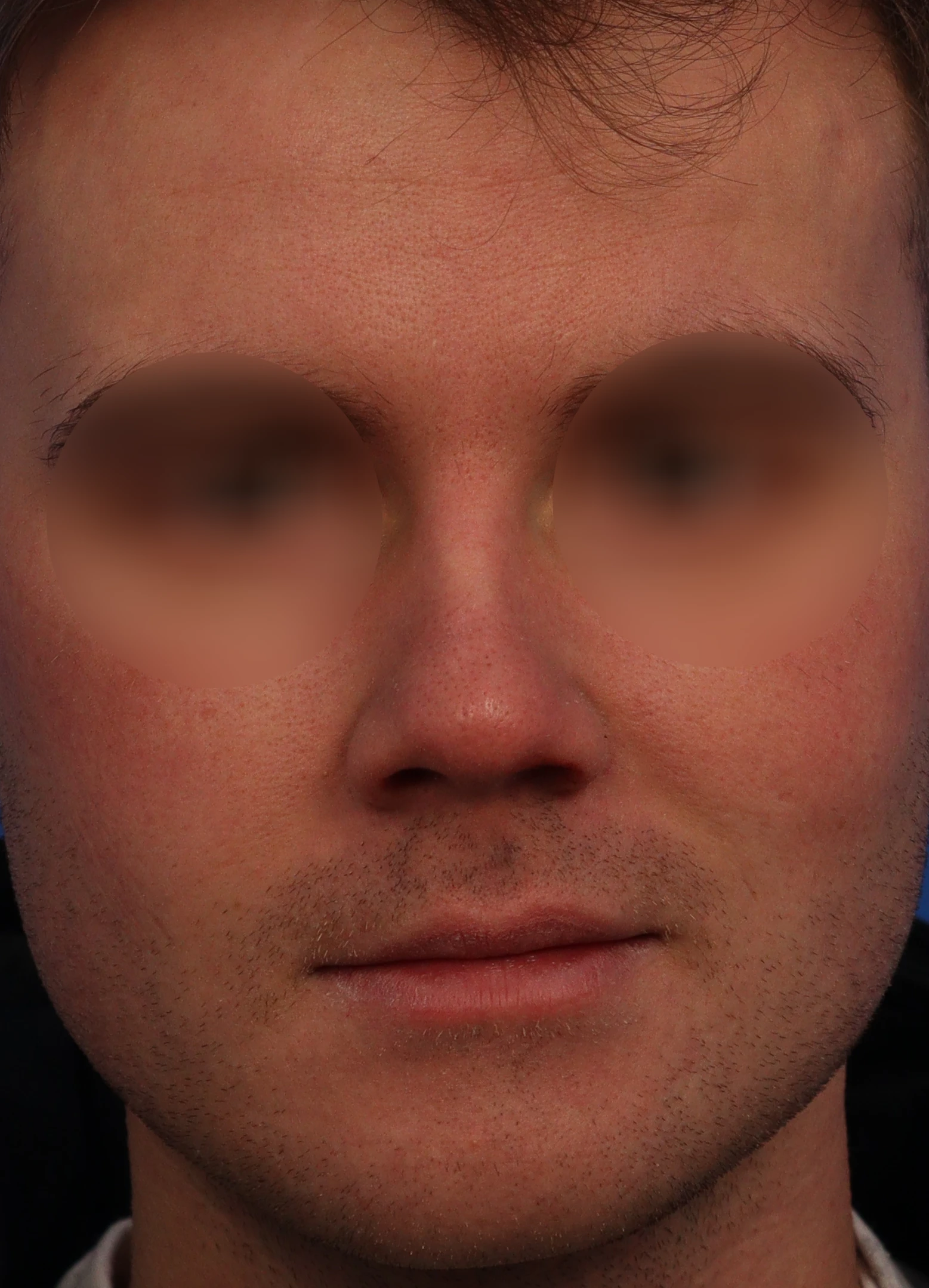
Front view
- The nose appears overall bulbous and wide
- The nasal tip appears flared
- The nose appears short
Profile view:
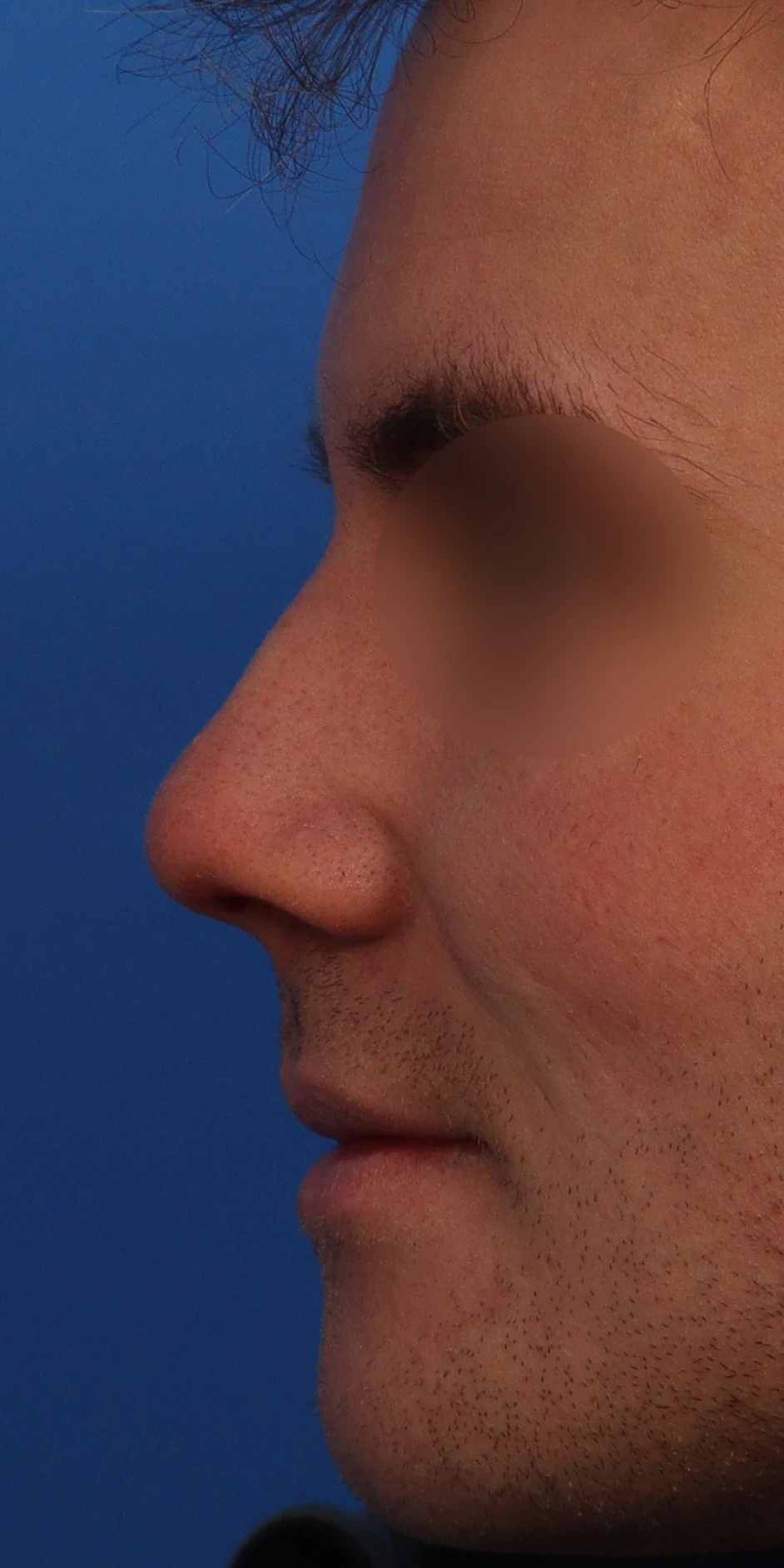
Profile view
- Tendency toward a dorsal hump
- The nasal tip is slightly upturned
- The nasal bridge is uneven
- Overall, the nose looks short
Oblique view:
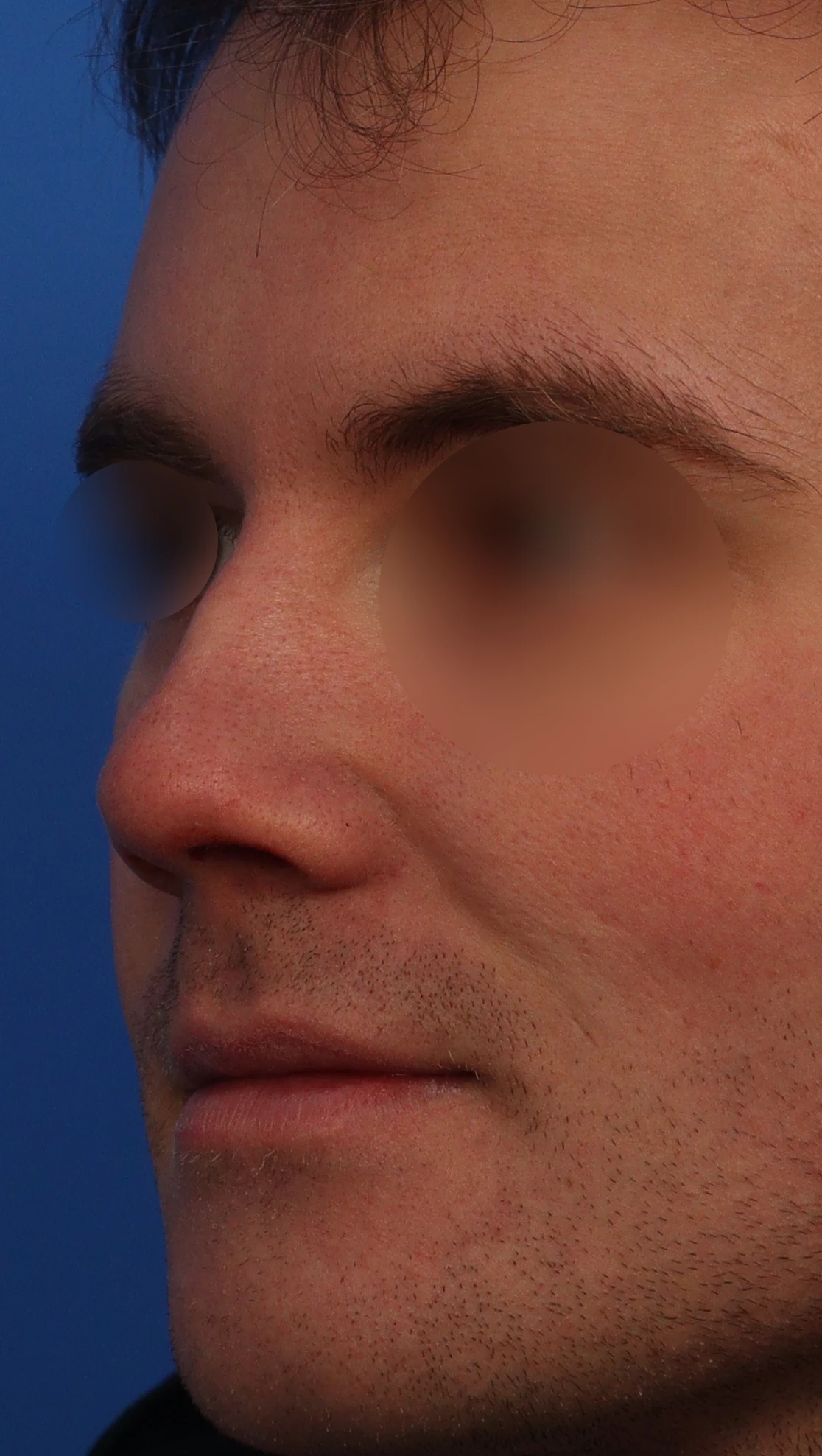
Oblique view
- The nasal bridge has an uneven feel
- Characteristics of both a dorsal hump and a short nose are clearly visible
Nostrils:
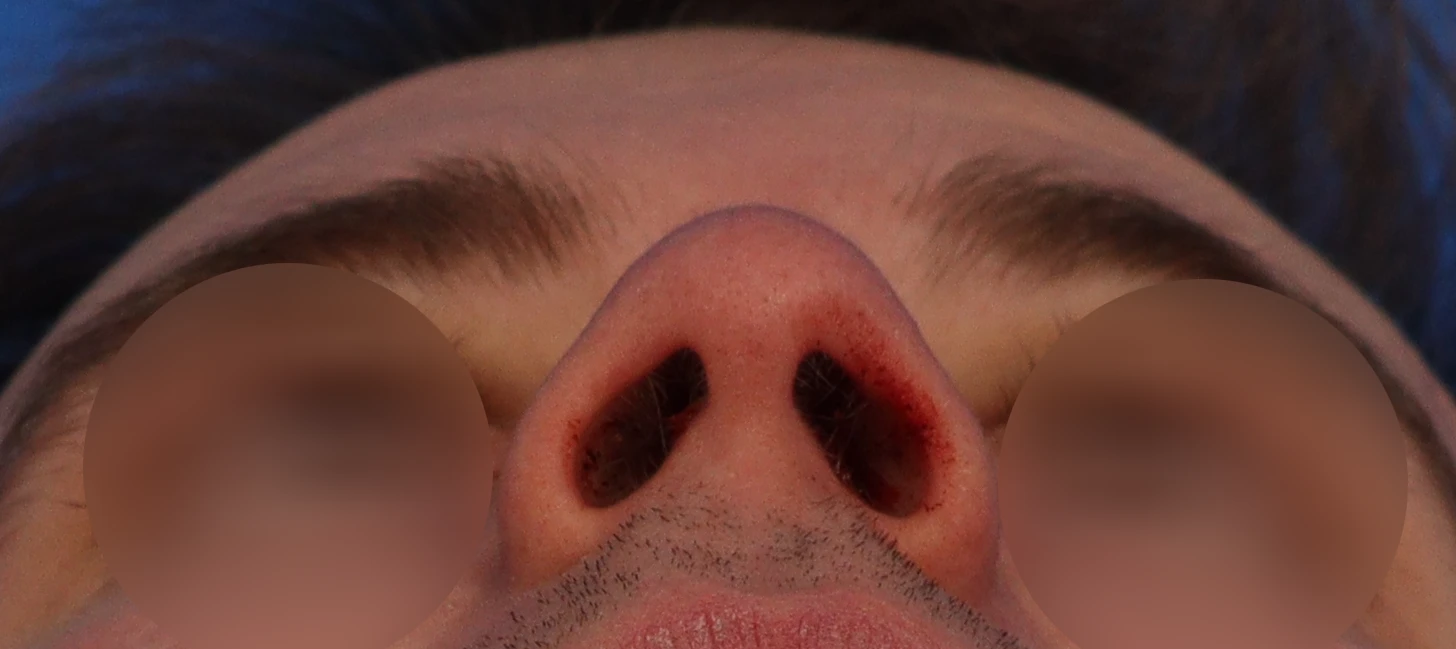
Basal (nostril) view
- The left nostril appears wide
- The nasal tip is slightly spread
The patient's requests:
Correction of short nose
Correction of dorsal hump
Correction of bulbous nose
Improvement of nasal obstruction
2. Surgical plan
Taking into account the patient's condition and requests, the following surgical plan was established:
a) Septal extension graft using autologous rib cartilage
b) Correction of deviated septum to address nasal obstruction
c) Correction of dorsal hump
d) Nasal bridge augmentation using autologous rib cartilage
e) Lower lateral cartilage repositioning
3. Surgical procedure
The following procedures were performed using a closed approach:
a) Autologous rib cartilage harvest and grafting:
- A sufficient amount of cartilage needed for the bridge and tip surgery was harvested.
b) Septal extension graft:
- The septum was extended and reinforced using autologous rib cartilage.
- Through this, the short nose was made to look naturally longer, and the upturned nasal tip was corrected.
c) Deviated septum correction:
- Straightening the deviated septum also improved the functional aspects of the nose.
d) Dorsal hump correction:
- The protruding nasal bone was carefully rasped to improve the dorsal hump.
e) Augmentation of the nasal bridge:
- Using autologous rib cartilage, the nasal bridge was naturally elevated to harmonize with the nasal tip.
f) Lower lateral cartilage repositioning:
- The lower lateral cartilages were repositioned to refine the bulbous tip.
- Through this, the definition of the nasal tip was clarified, improving the overall shape.
All procedures were performed using a closed approach, completing the surgery without external scars.
4. Comparison of before-and-after photos
Comparing photos taken immediately after surgery on day 0 shows the following improvements: Photos taken immediately after surgery show swelling and may differ from the final result.
Front view:
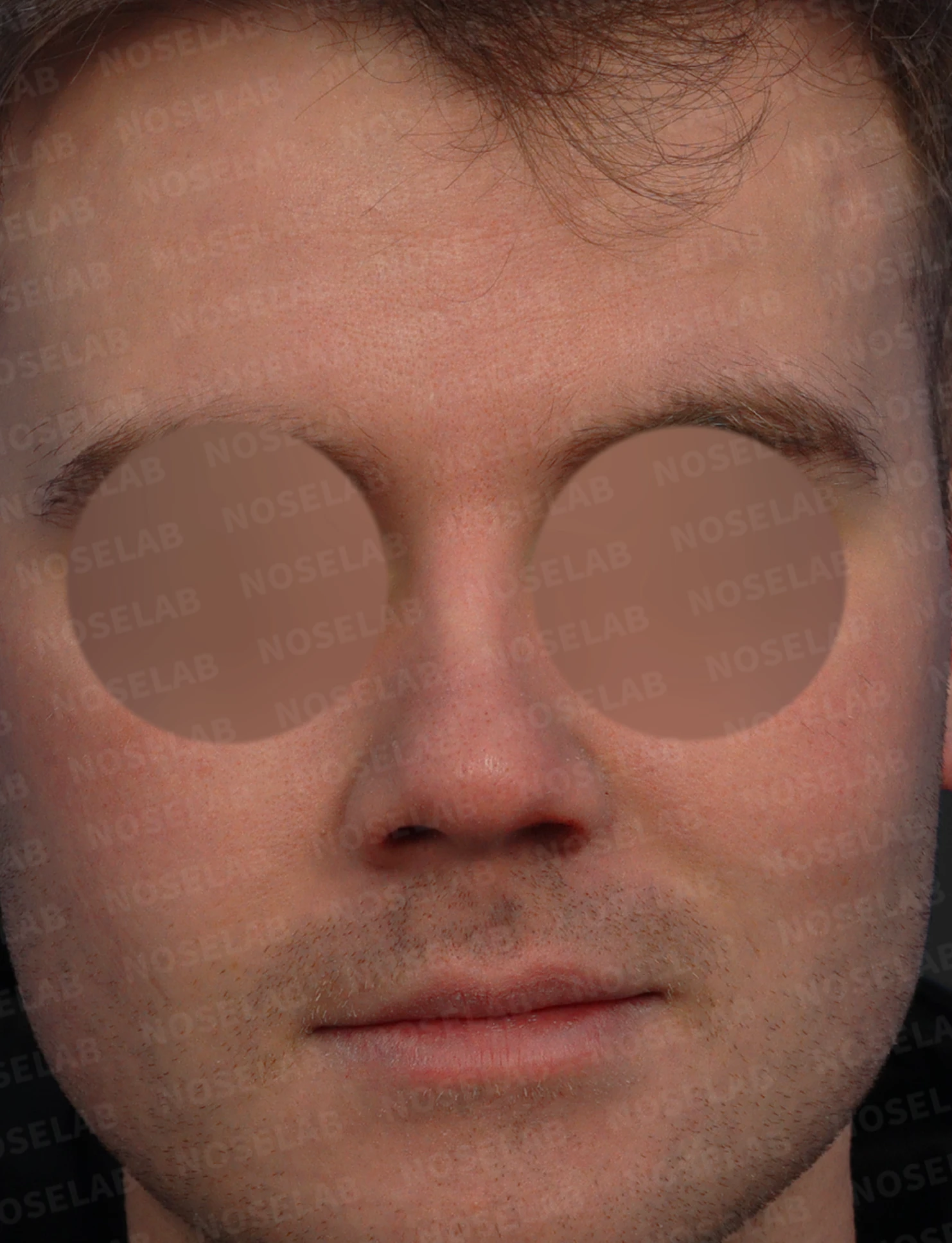
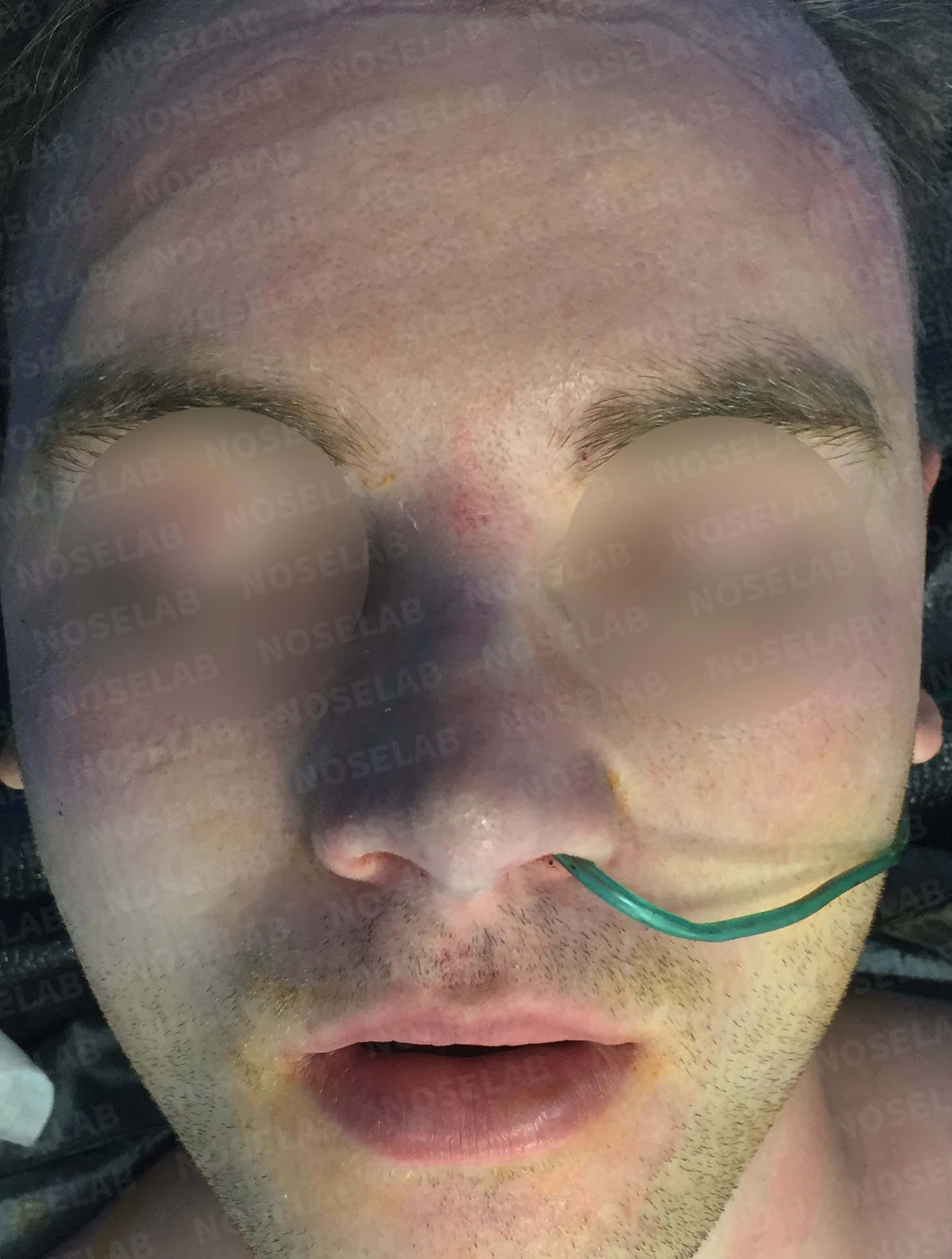
Before surgery / Day 0 immediately after surgery Photos taken immediately after surgery show swelling and may differ from the final result.
- The nose, which appeared bulbous and wide, was refined into a slimmer and more defined shape.
- The previously spread tip was gathered appropriately, presenting a more defined look.
- The nose appears longer overall, improving facial balance.
Profile view:
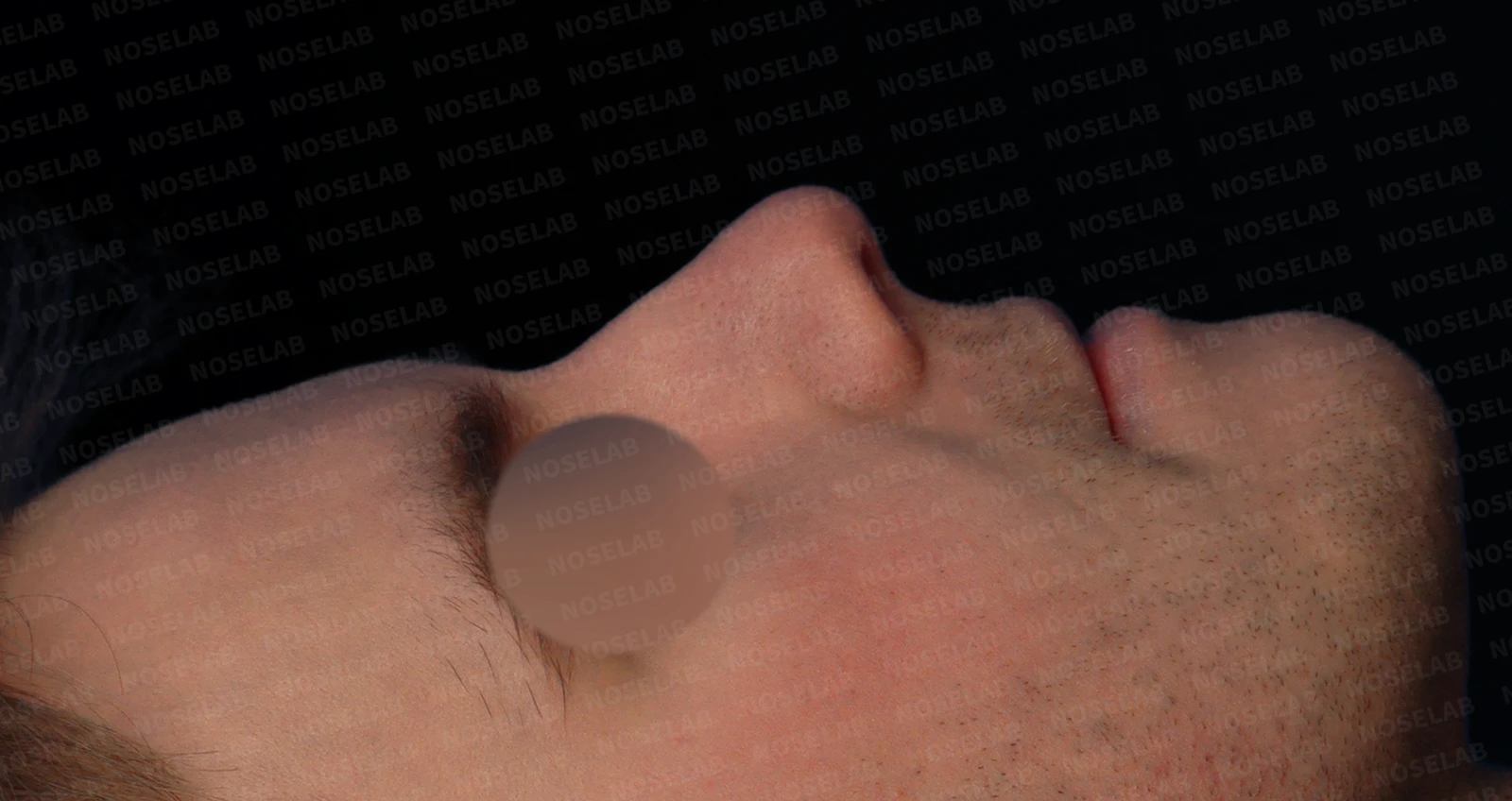
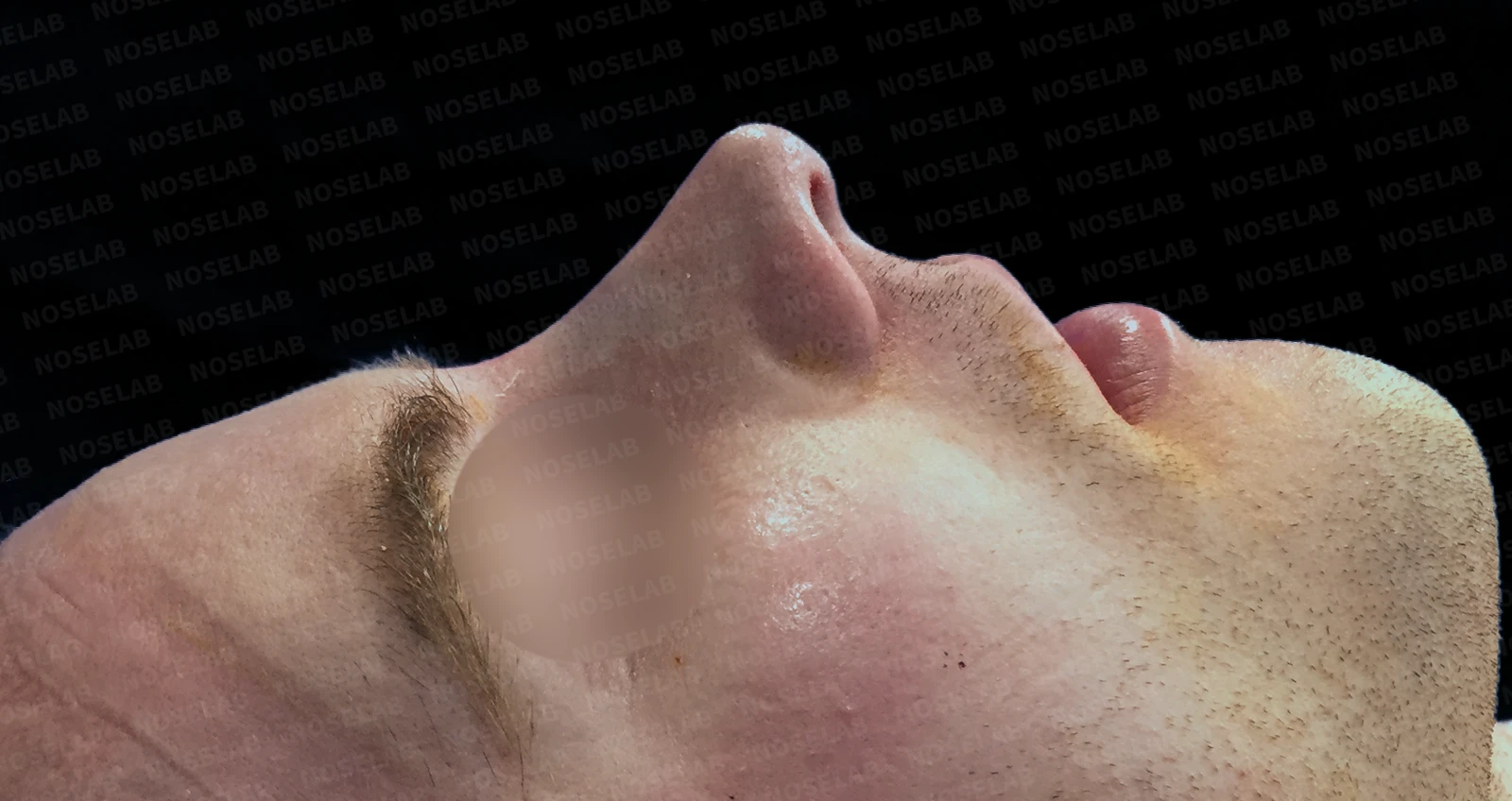
Before surgery / Day 0 immediately after surgery Photos taken immediately after surgery show swelling and may differ from the final result.
- The dorsal hump was naturally corrected to form a smooth straight line.
- The upturned nasal tip was brought down appropriately, bringing harmony to the overall appearance.
- The length of the nose was naturally extended, improving facial proportions.
Oblique view:
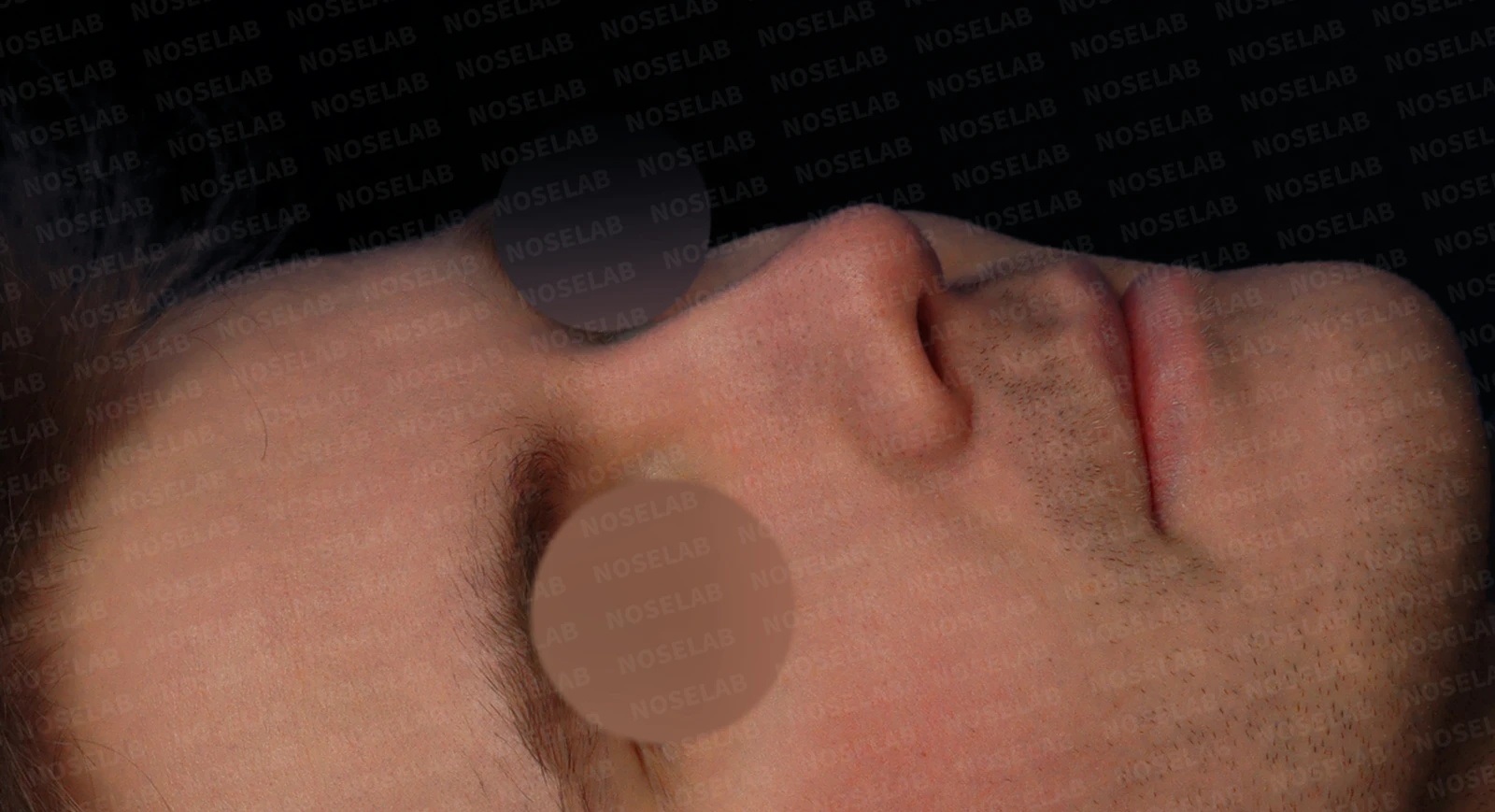
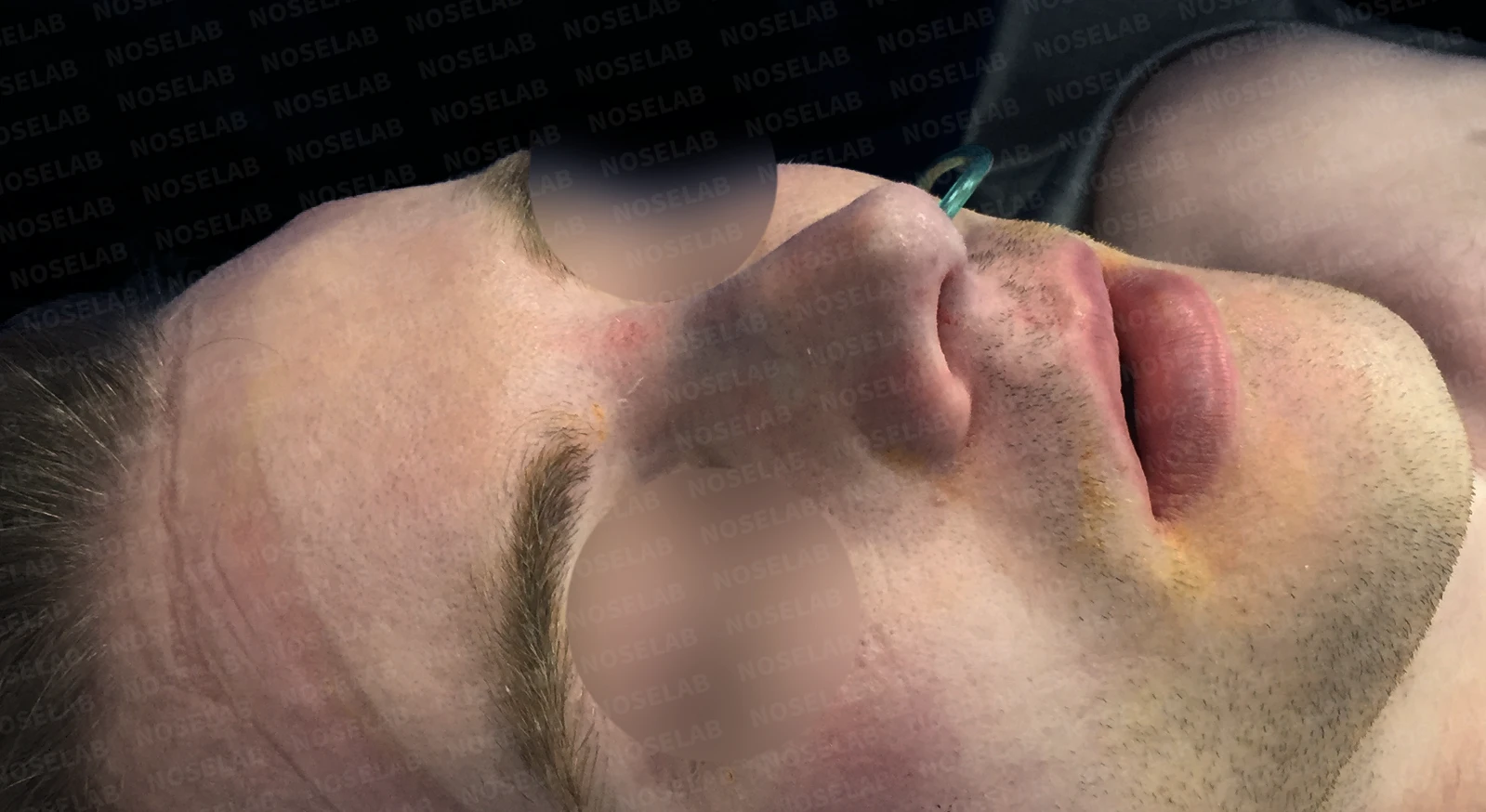
Before surgery / Day 0 immediately after surgery Photos taken immediately after surgery show swelling and may differ from the final result.
- The bulbous nasal tip was refined into a refined, natural contour.
- With the hump correction and bridge augmentation, the overall nasal profile changed into a smooth and refined line.
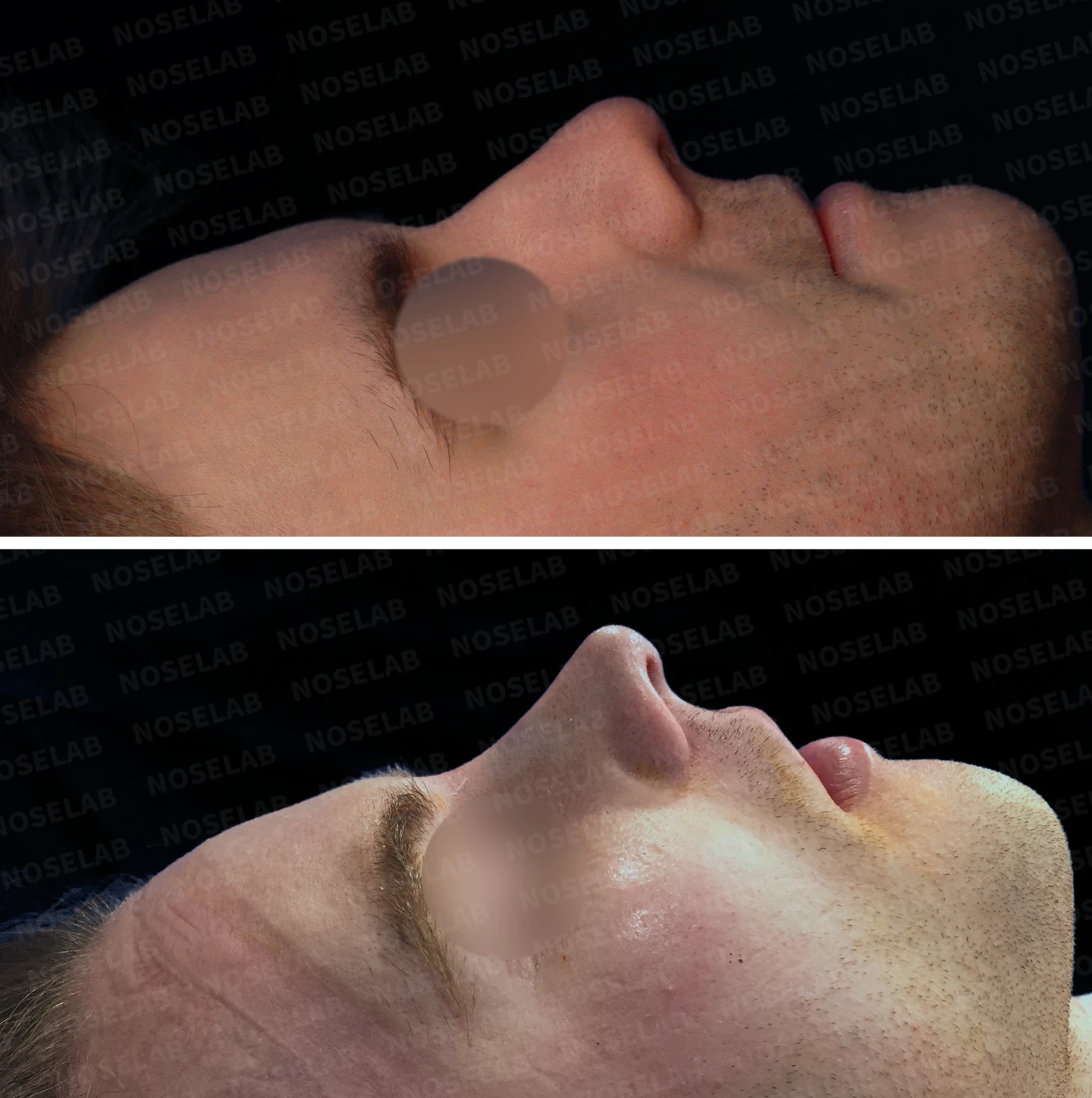
Nostrils:
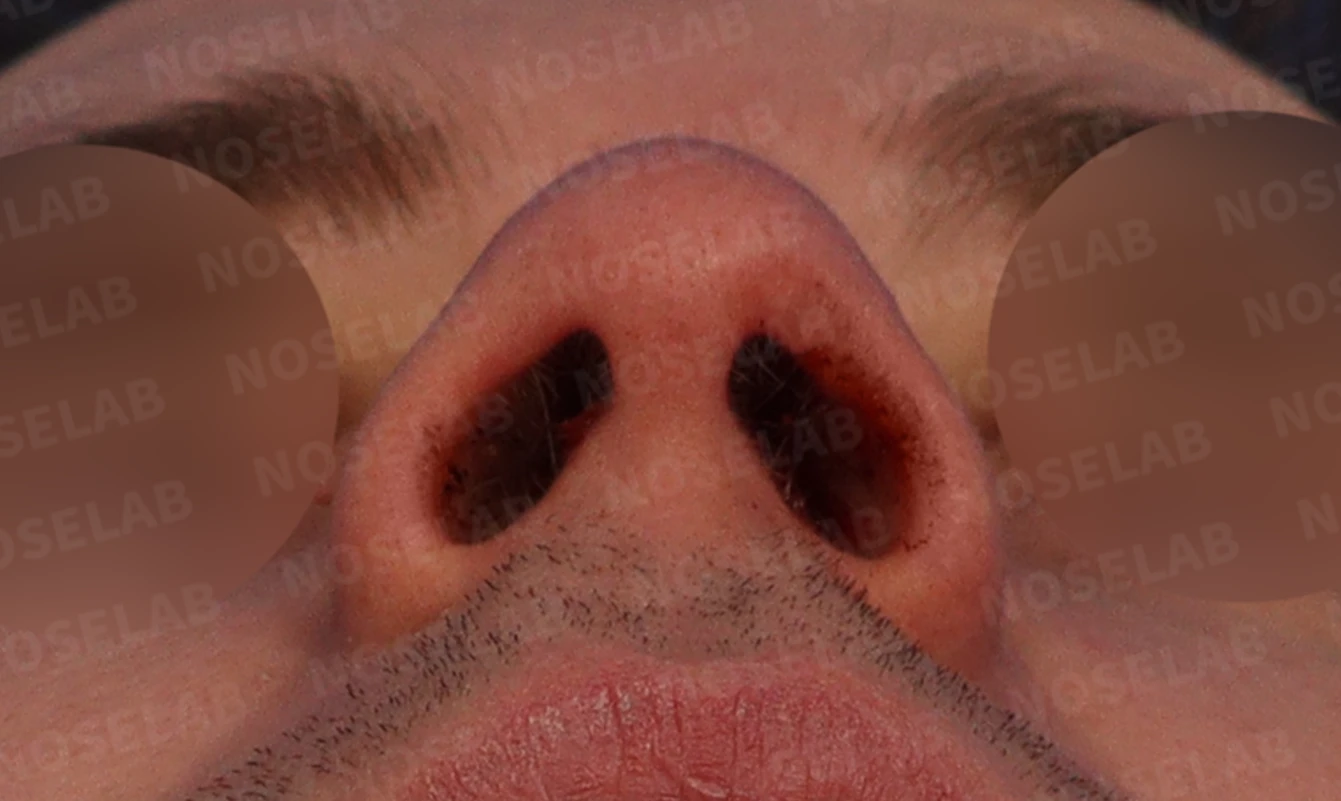
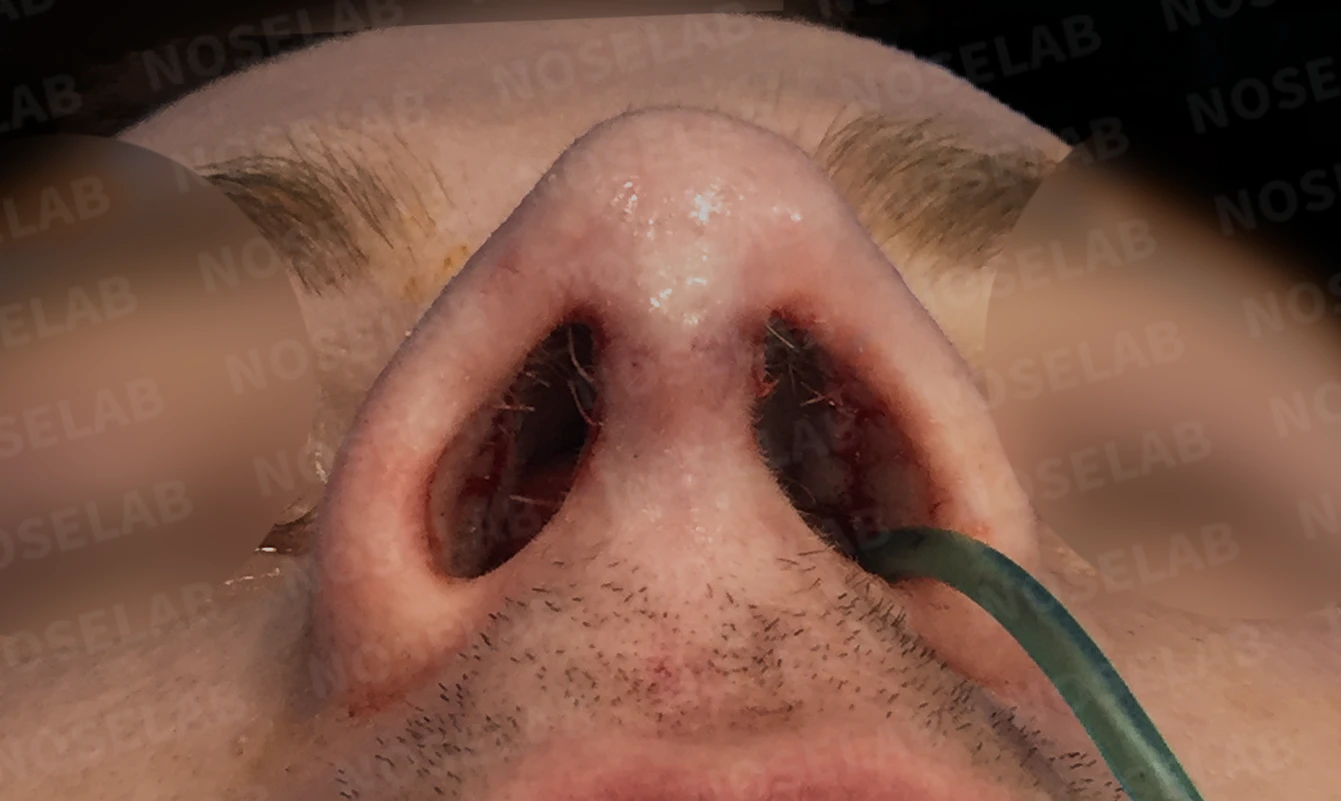
Before surgery / Day 0 immediately after surgery Photos taken immediately after surgery show swelling and may differ from the final result.
- The asymmetrical nostrils were changed into a balanced shape.
5. Photos immediately after surgery on day 0 Photos taken immediately after surgery show swelling and may differ from the final result.
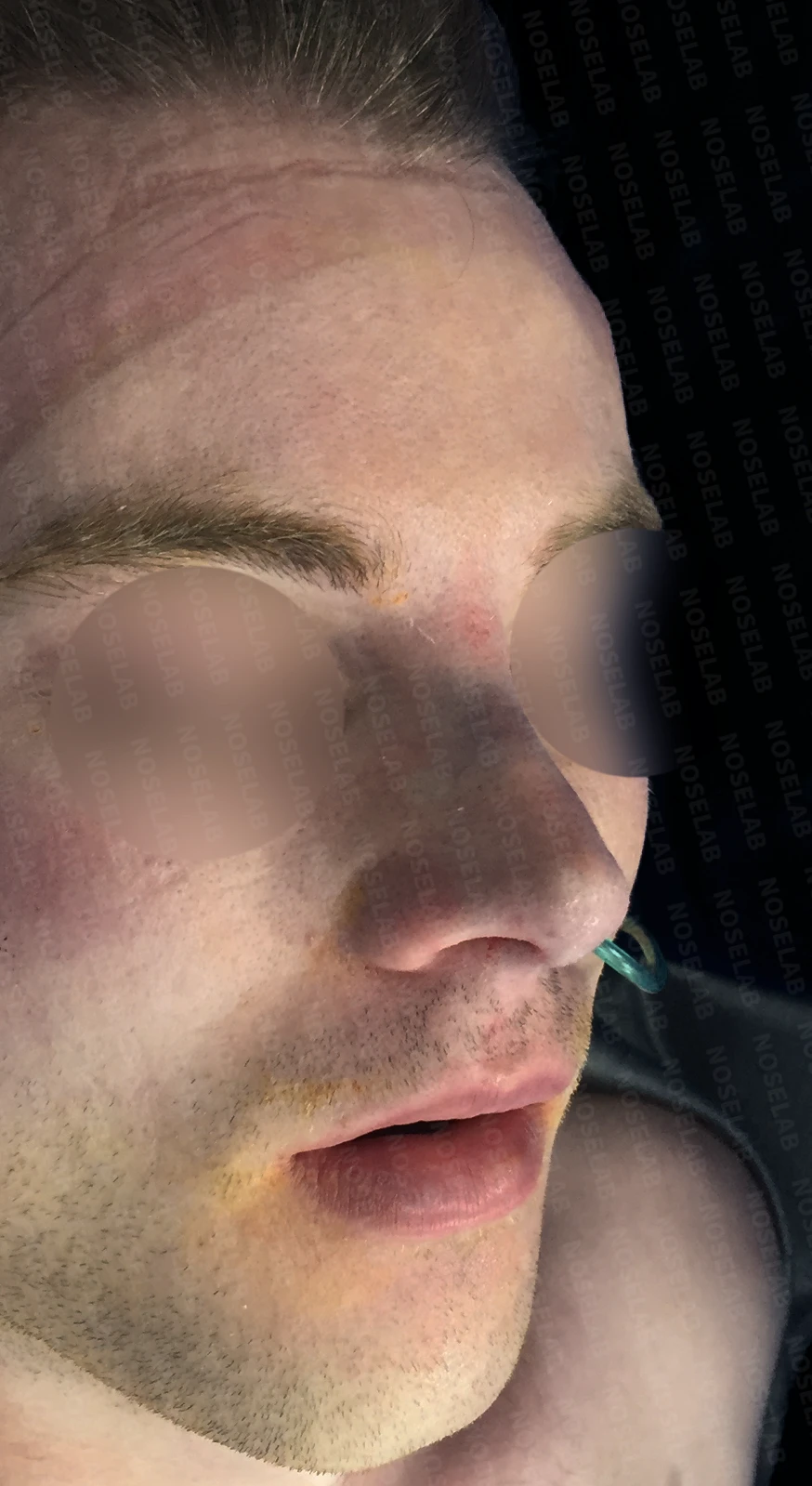
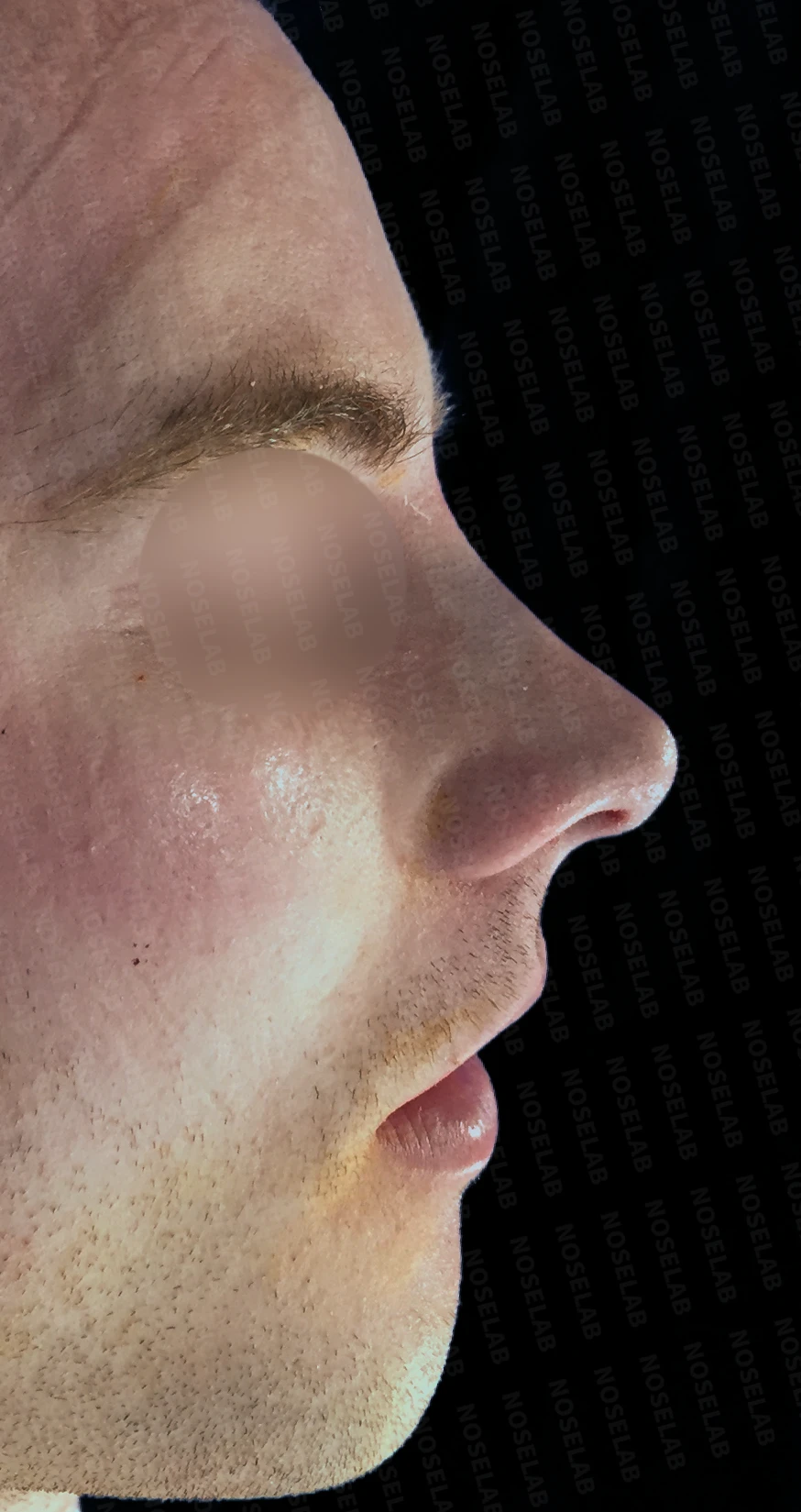
Front, oblique, and profile views on day 0 immediately after surgery Photos taken immediately after surgery show swelling and may differ from the final result.
Basal (nostril) view immediately after surgery (Day 0)Immediate postoperative photos show swelling and may differ from the final result.
6. Overall evaluation
This case addressed multiple combined concerns simultaneously, including a bulbous, short nose and a dorsal hump. In particular, an implant-free approach requested by the patient allowed for a natural result.
Implant-free rhinoplasty is a technique that maximizes the use of one's own nasal bridge. Therefore, it may not be recommended if the patient's native bridge is excessively low or severely crooked. For this reason, it is not suitable for everyone and must be chosen carefully based on individual conditions.
Many people mistakenly assume from its name that implant-free surgery places nothing on the bridge. In reality, implant-free rhinoplasty uses biological tissue—such as cartilage, fascia, or dermis—on the bridge instead of artificial implants like silicone. Over time, these biological tissues undergo an engraftment process during which partial absorption can occur.
Because different types of biological tissue have varying resorption rates, predictability is substantially lower. Consequently, it has the drawback that the bridge may lose height or develop unevenness after as short as 6 months or as long as several years. Patients must fully understand these characteristics before deciding on this surgical method.
At present, implant-free rhinoplasty still has certain limitations when it comes to completely replacing silicone implants from an aesthetic standpoint. However, it can be a good choice for patients who desire natural-looking results.
In this surgery, septal extension using autologous rib cartilage corrected the short nose and naturally lowered the upturned tip. In addition, lower lateral cartilage repositioning improved the bulbous tip, and dorsal hump correction created a natural overall nasal line.
By performing deviated septum correction concurrently, both aesthetic and functional improvements were achieved.
7. Conclusion
I hope this case offers encouragement to those troubled by complex nasal concerns such as a bulbous tip, short nose, and dorsal hump. Because these issues are interrelated, resolving only one may not achieve a sufficient improvement. Therefore, a comprehensive approach is necessary, which requires the help of a surgeon with extensive experience and expertise.
It is important for those considering implant-free rhinoplasty to fully understand both the advantages and disadvantages of this technique. At NOSELAB, we carefully consider each patient's condition and goals to suggest the most suitable surgical approach.
Drawing on anatomical knowledge and extensive surgical experience as a board-certified otolaryngologist, I provide surgical plans tailored to each individual patient. Through a comprehensive approach that considers both functional and cosmetic improvement, I strive to create a beautiful and healthy nose.
I will be with you every step of the way to achieve a beautiful and healthy nose.
This was Dr. Peter C. Kang. Thank you.
Thank you.
#rhinoplasty #bulbousnoserevision #shortnoserevision #dorsalhumpcorrection #implantfreerhinoplasty #autologousribcartilagegraft #closedrhinoplasty #septalextension #entrhinoplasty #plannedwithsafetyinmind #nasalbridgecorrection #nasaltiprhinoplasty

Limitations and risks
When autologous rib cartilage is used, scarring and pain may remain at the donor site on the chest, and pneumothorax (pleural injury) can occur rarely. Over time, the grafted cartilage may warp or undergo partial resorption.
When the septum is corrected at the same time, nasal obstruction may persist or recur, and in rare cases, septal perforation or changes in smell may occur.
Common potential risks include infection, bleeding, asymmetry, scarring, skin necrosis, and insufficient improvement; results vary depending on individual skin condition and previous surgical history.