Hello, I am Dr. Peter C. Kang.
Today, I would like to share a case of a patient who was troubled by a large 15×10 mm septal perforation and severely damaged septal cartilage, where we safely reconstructed the septum using autologous rib cartilage and created a defined, glamorous profile.
🔍 Surgical history
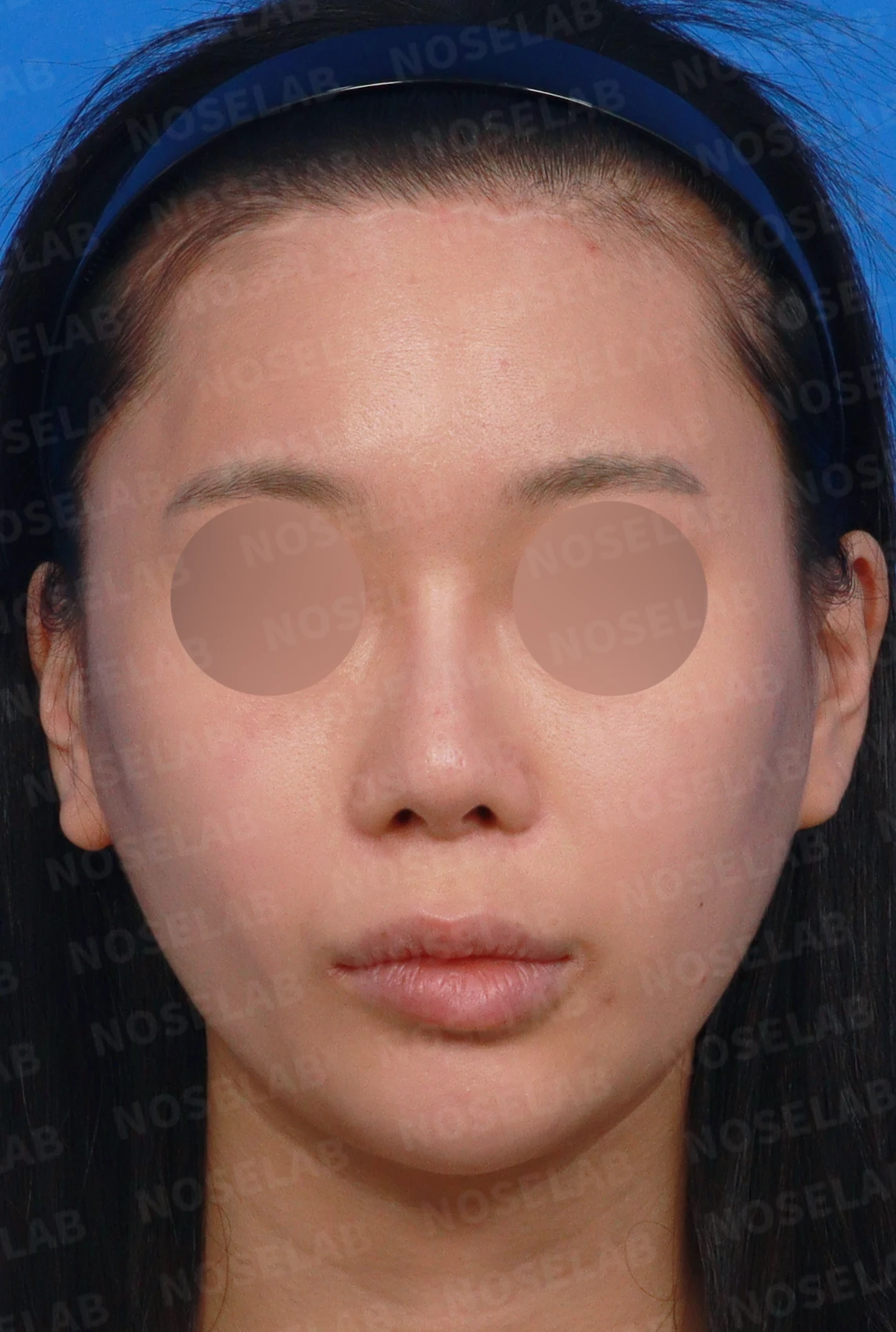
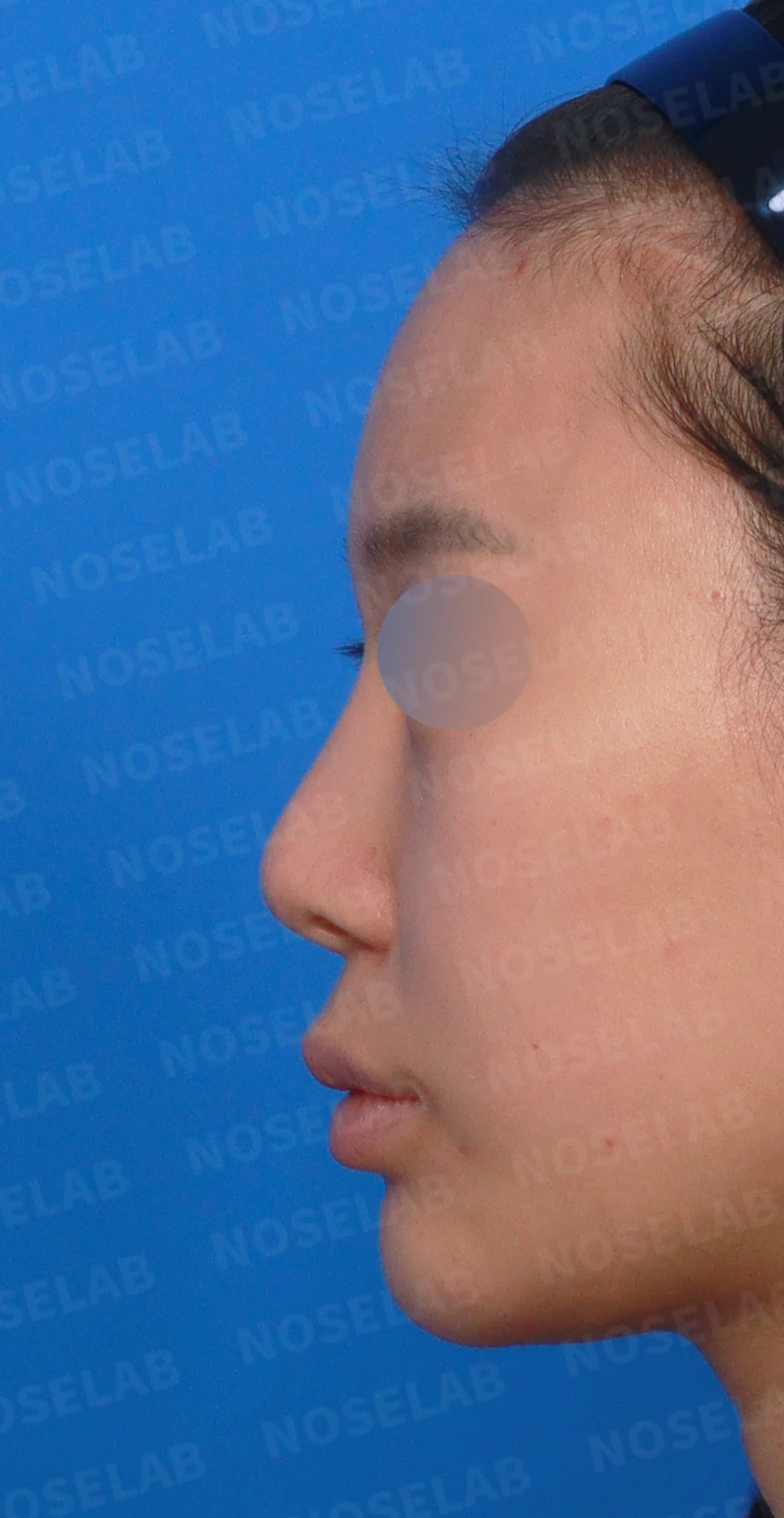
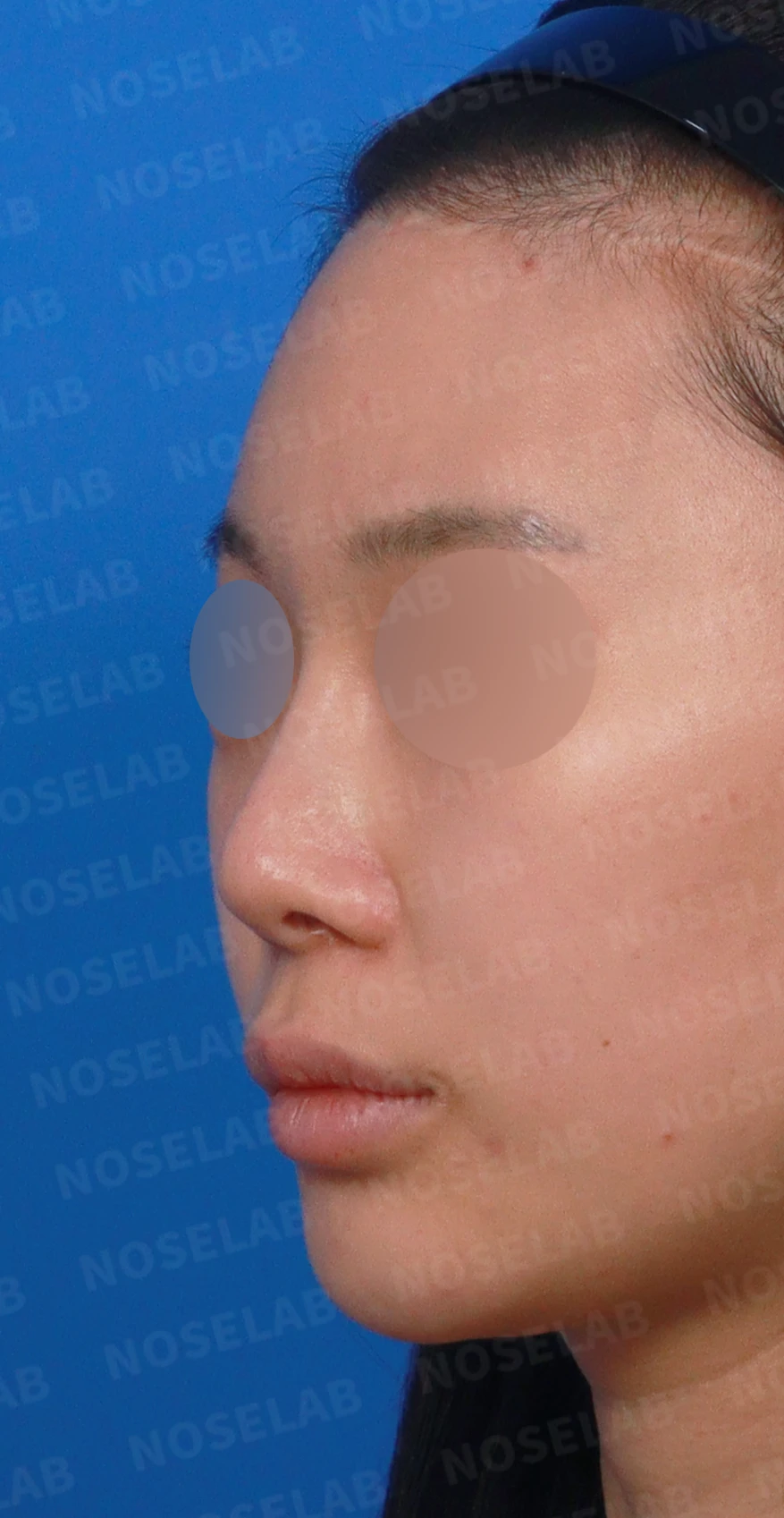
Front, left profile, and oblique views during design consultation.
Past history:
Severe septal damage from previous surgery
Main concerns:
Septal perforation measuring 15×10 mm (a very large perforation)
Almost no remaining septal cartilage
Structural collapse of the septum
Insufficient nasal height
💉 Patient requests
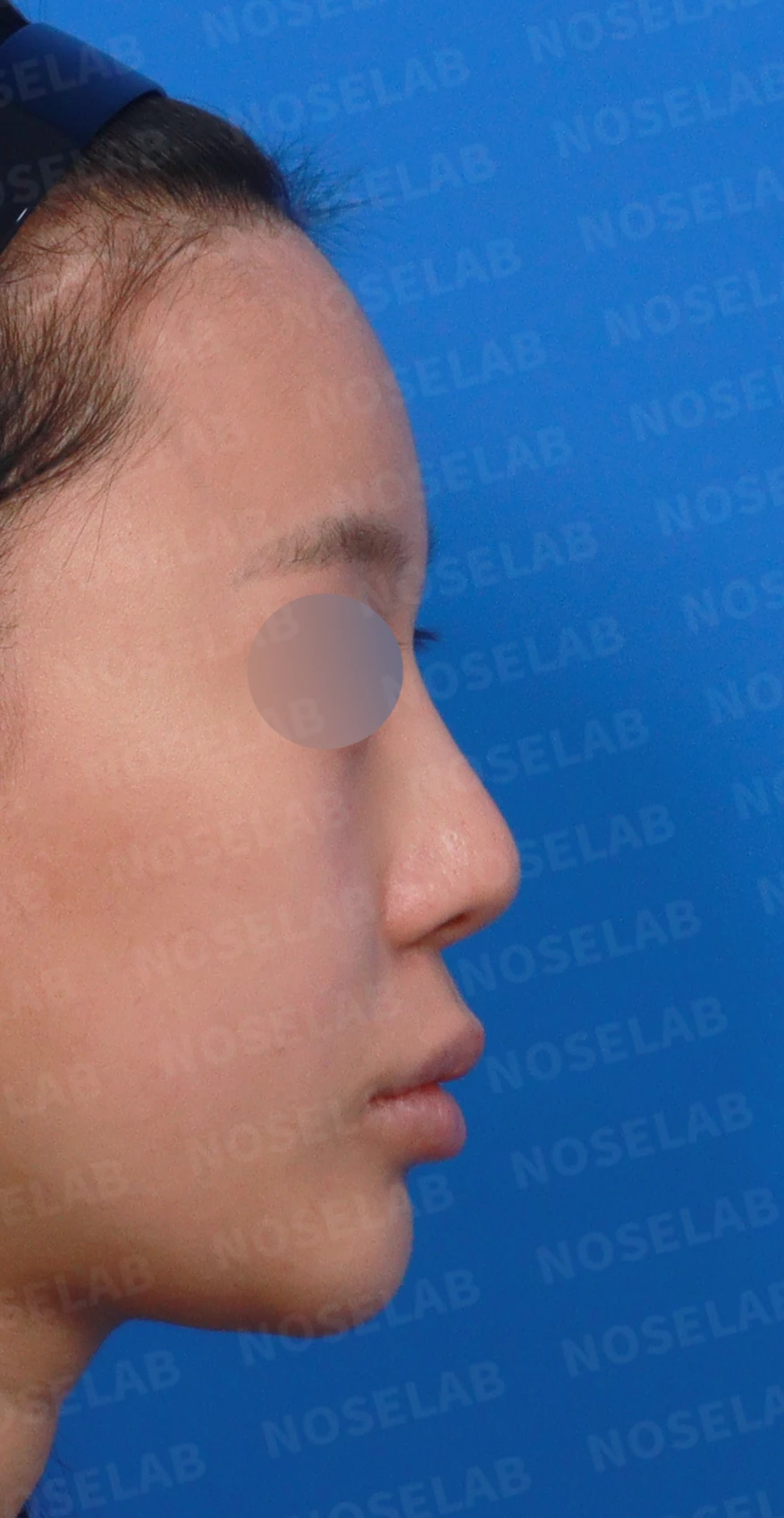
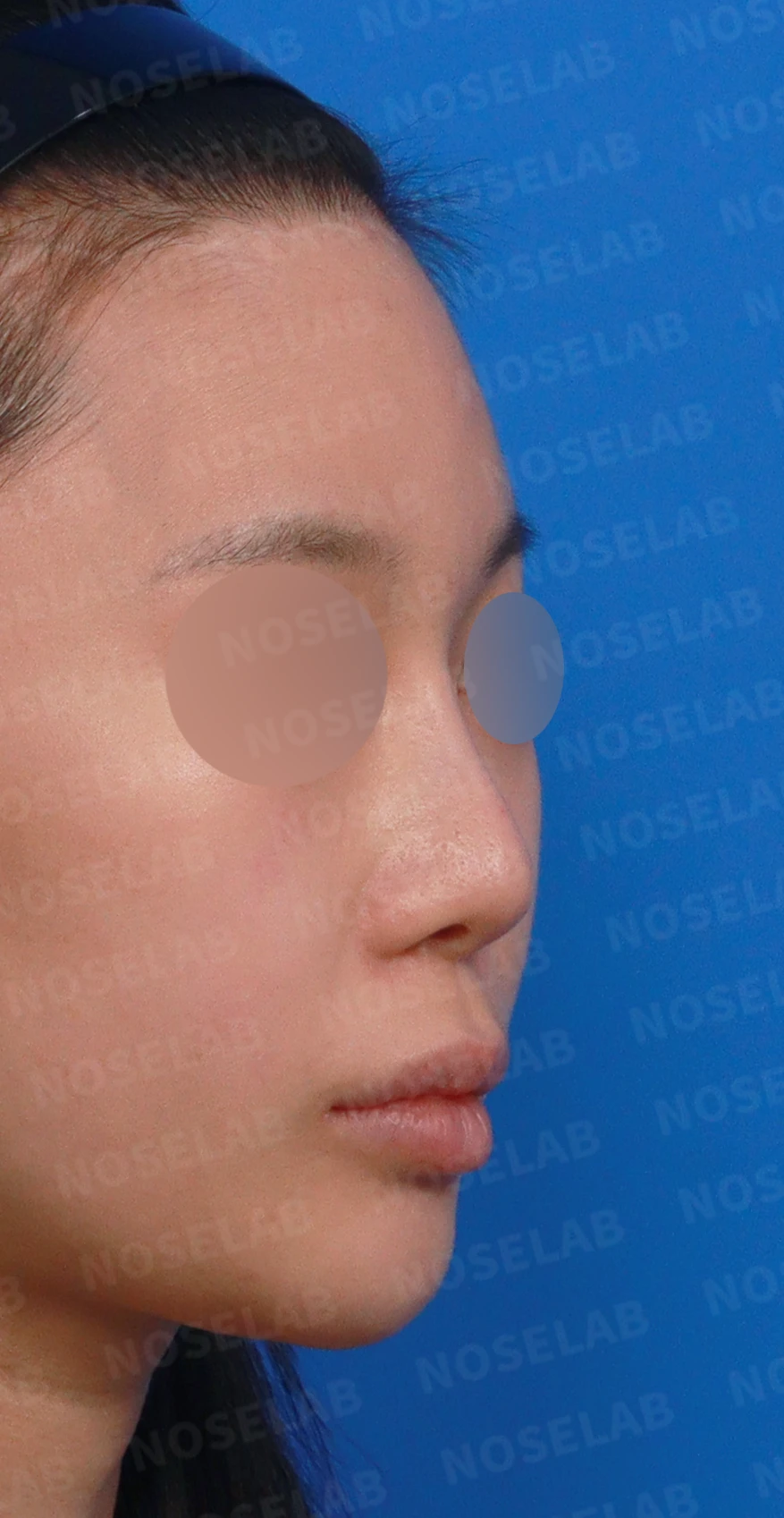
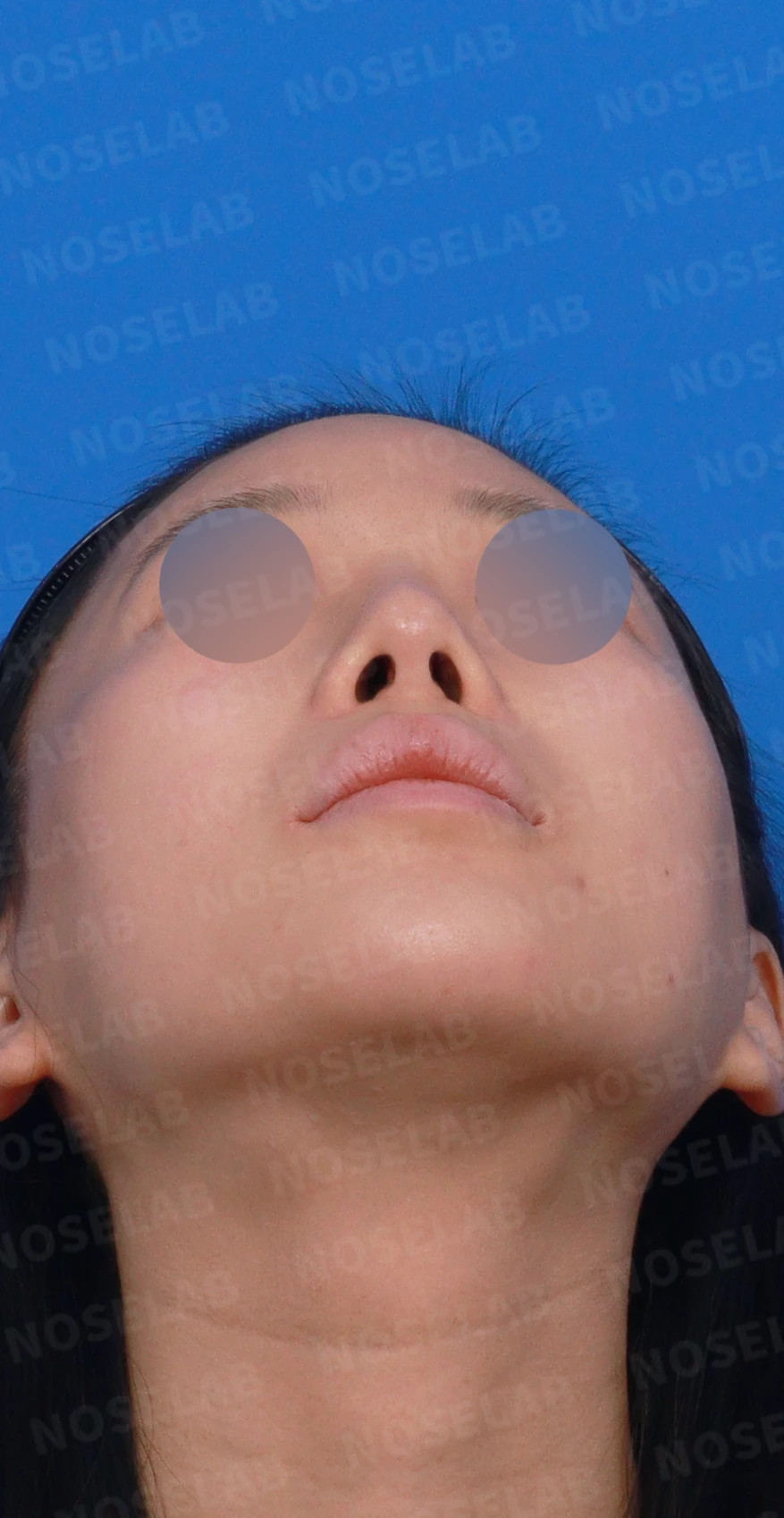
Right profile, oblique, and nostril views during design consultation.
Safe repair of the septal perforation
A tall nose with a defined, glamorous feel
Overall improvement in nasal height
Securing a stable support structure
🔧 Surgical plan and procedure
1. Repairing the septal perforation using a skin graft
The large 15×10 mm perforation was closed safely with a skin graft. Because a perforation causes breathing difficulties and structural instability, closing it completely established a stable foundation.
2. Septal reconstruction using autologous rib cartilage
Since there was almost no remaining cartilage, the septum was completely reconstructed using autologous rib cartilage. Creating a sturdy central support made it possible to stably support the nasal tip.
3. Achieving maximum height within a safe range
Because the patient preferred a more glamorous style, the nasal height was raised as much as possible within a safe range through septal reconstruction. The strength of the autologous rib cartilage helps maintain a stable height.
🌟 Surgical results
Complete repair of the 15×10 mm septal perforation using a skin graft
Firm support established through septal reconstruction with autologous rib cartilage
Refined line completed with maximum height within a safe range
Realization of the glamorous aesthetic desired by the patient
An overall stable and balanced nose completed
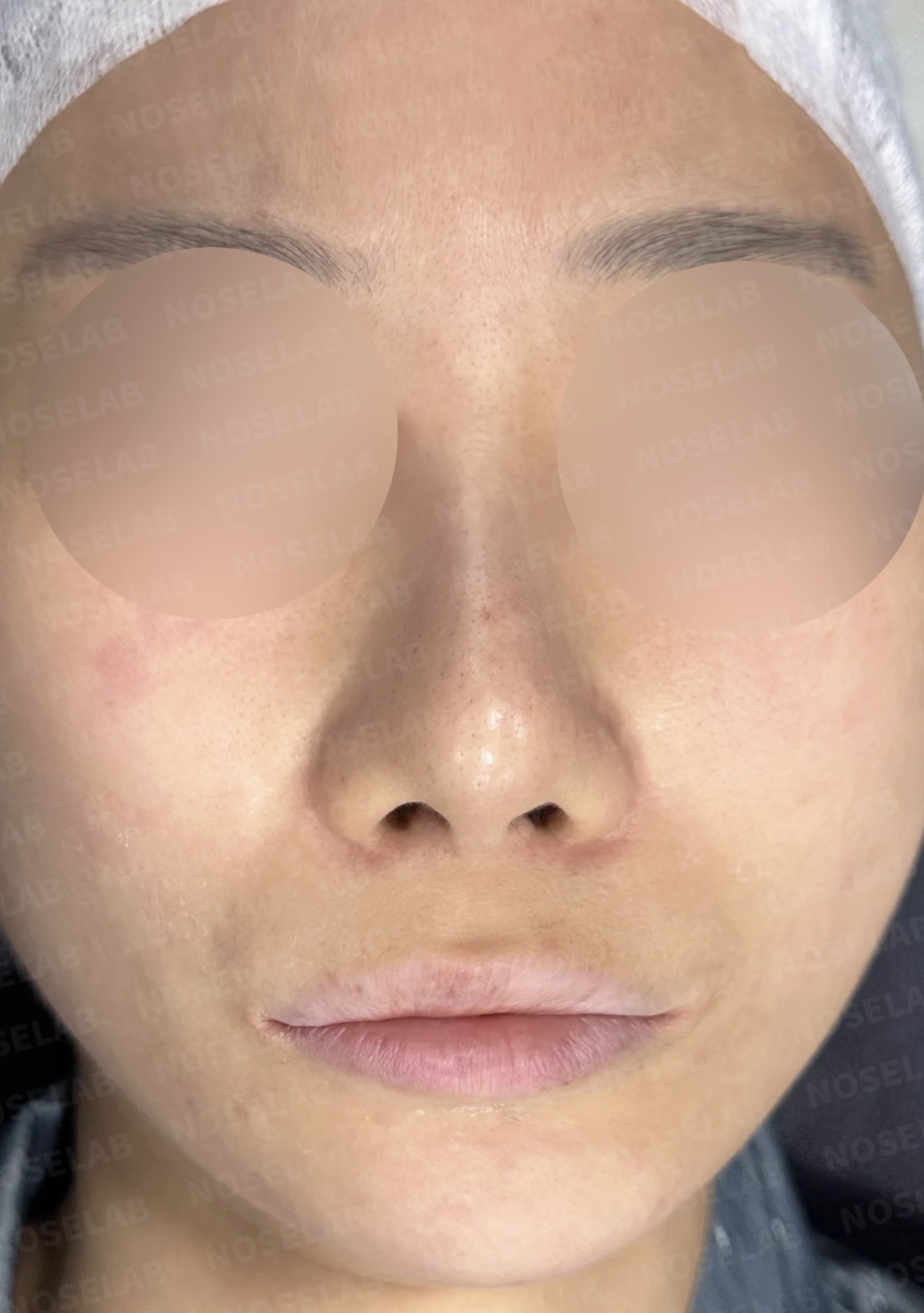
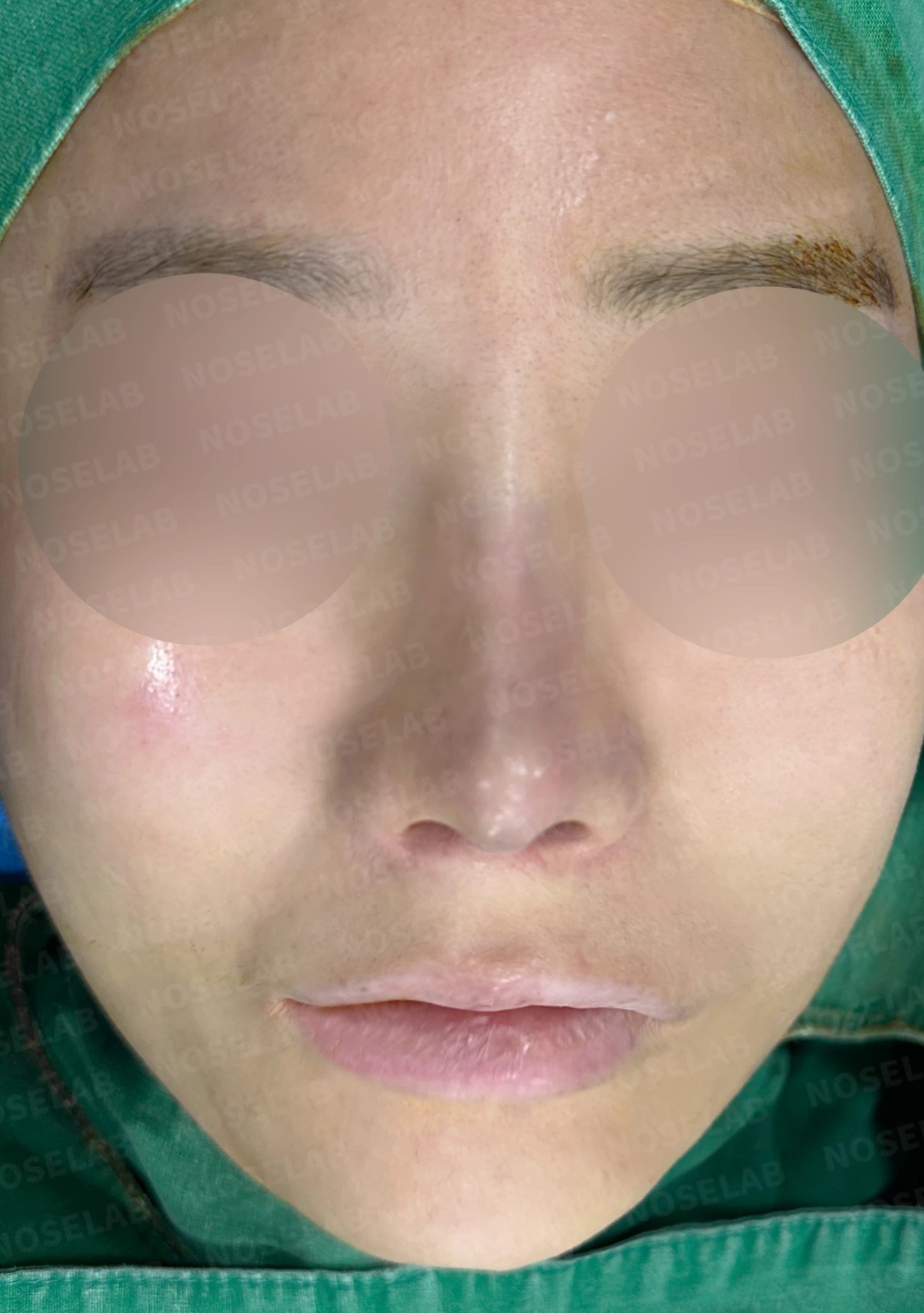
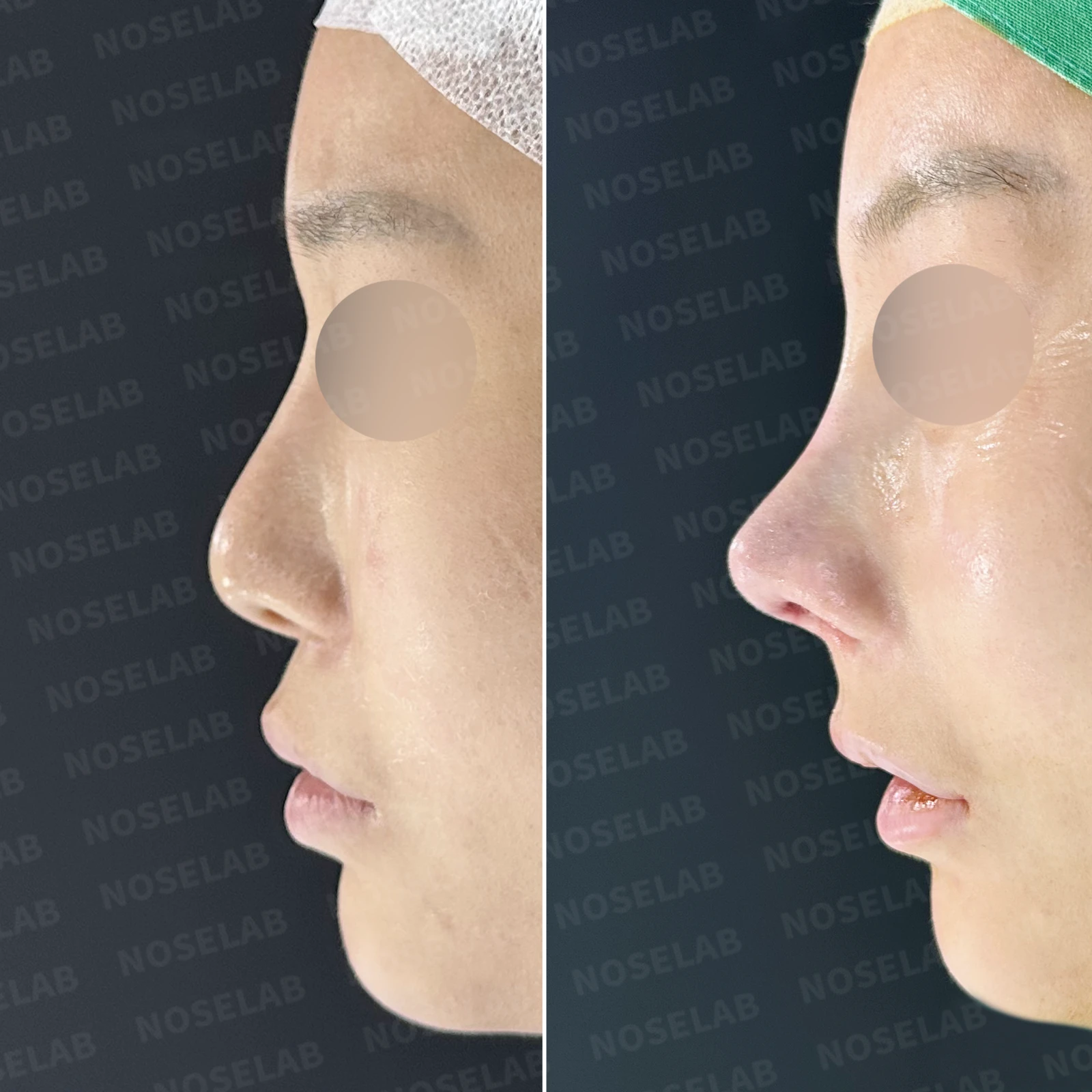
Before surgery / Day 0 immediately after surgery Photos taken immediately after surgery show swelling and may differ from the final result.
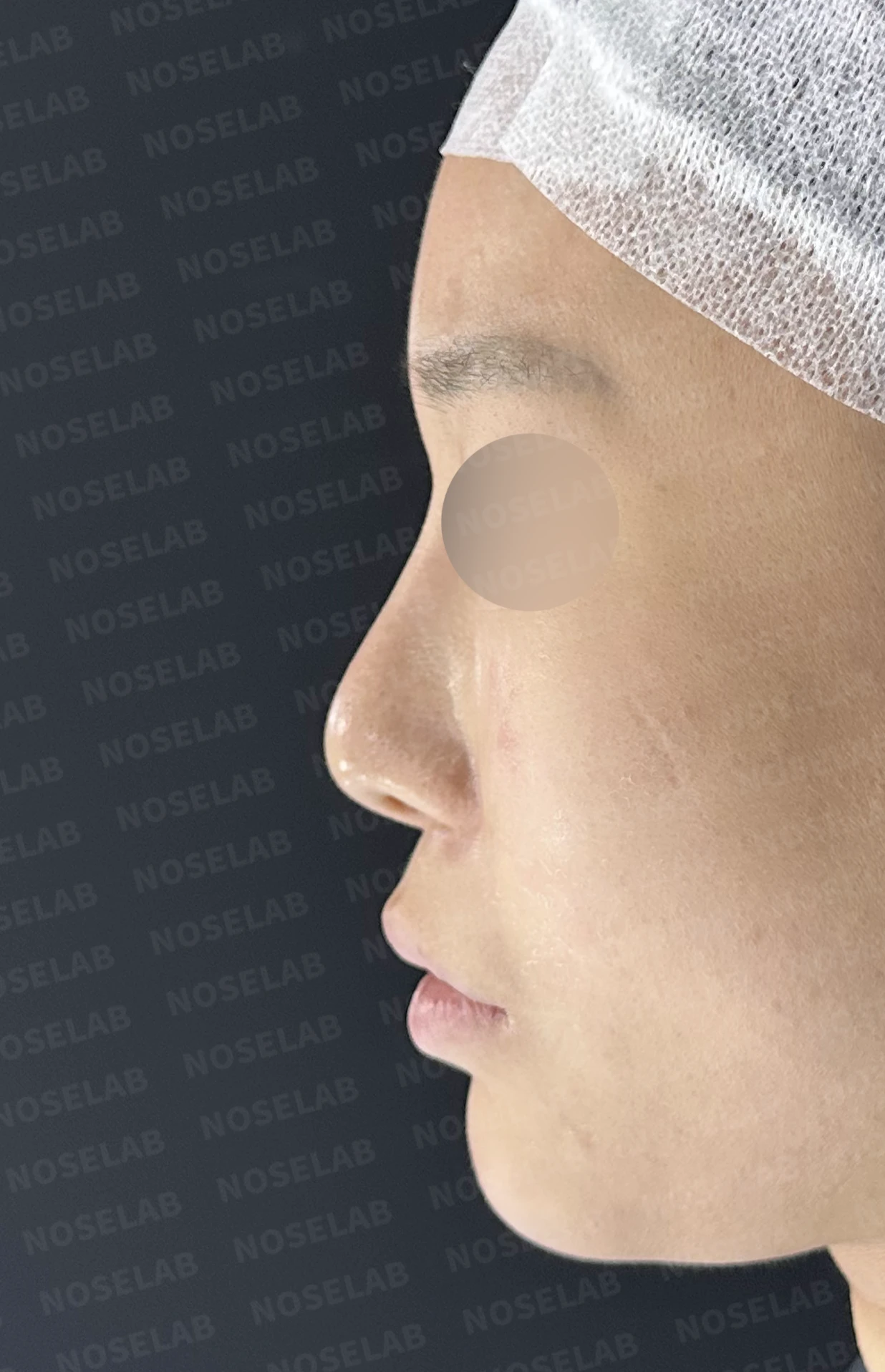
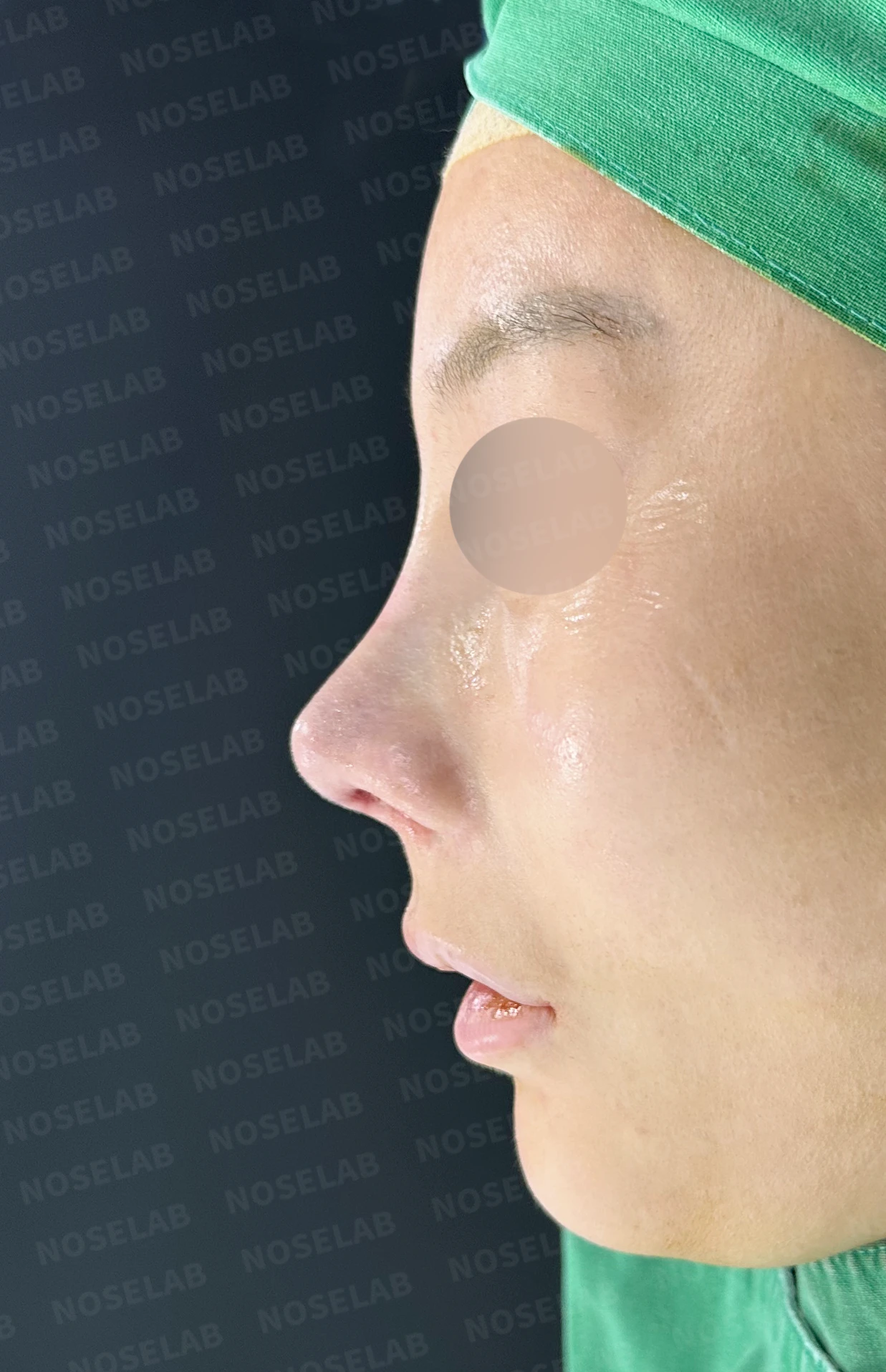
Before surgery / Day 0 immediately after surgery Photos taken immediately after surgery show swelling and may differ from the final result.
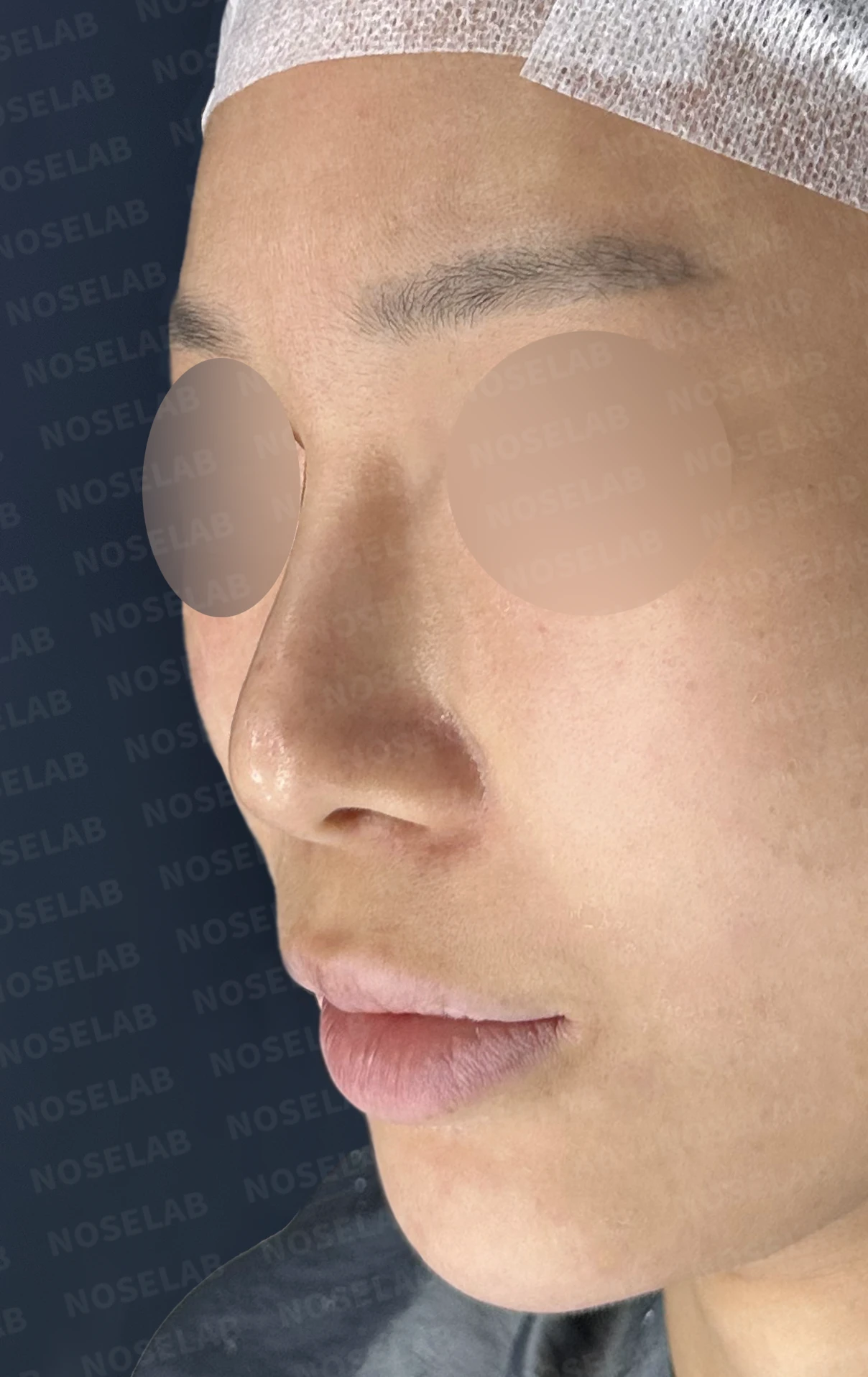
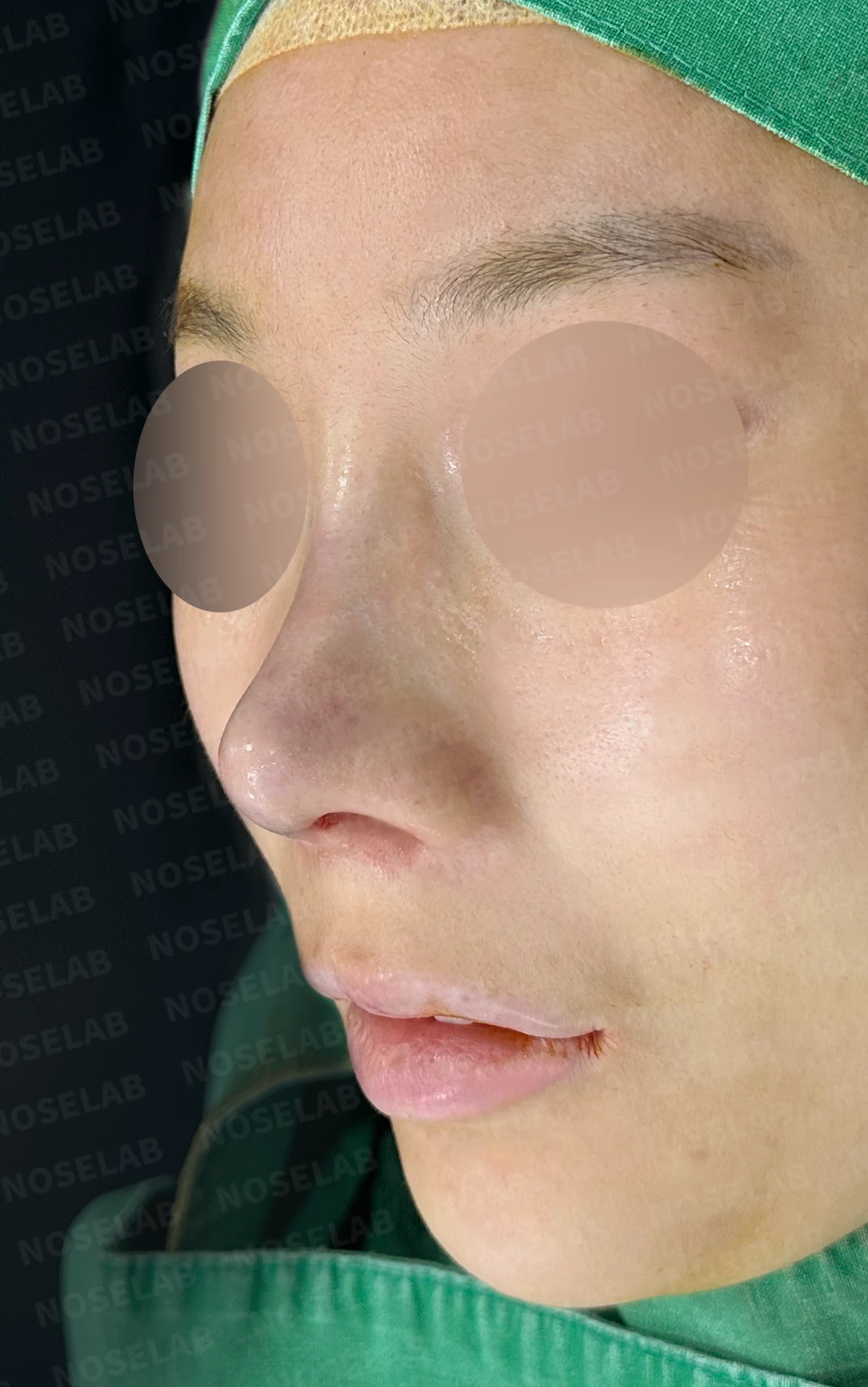
Before surgery / Day 0 immediately after surgery Photos taken immediately after surgery show swelling and may differ from the final result.
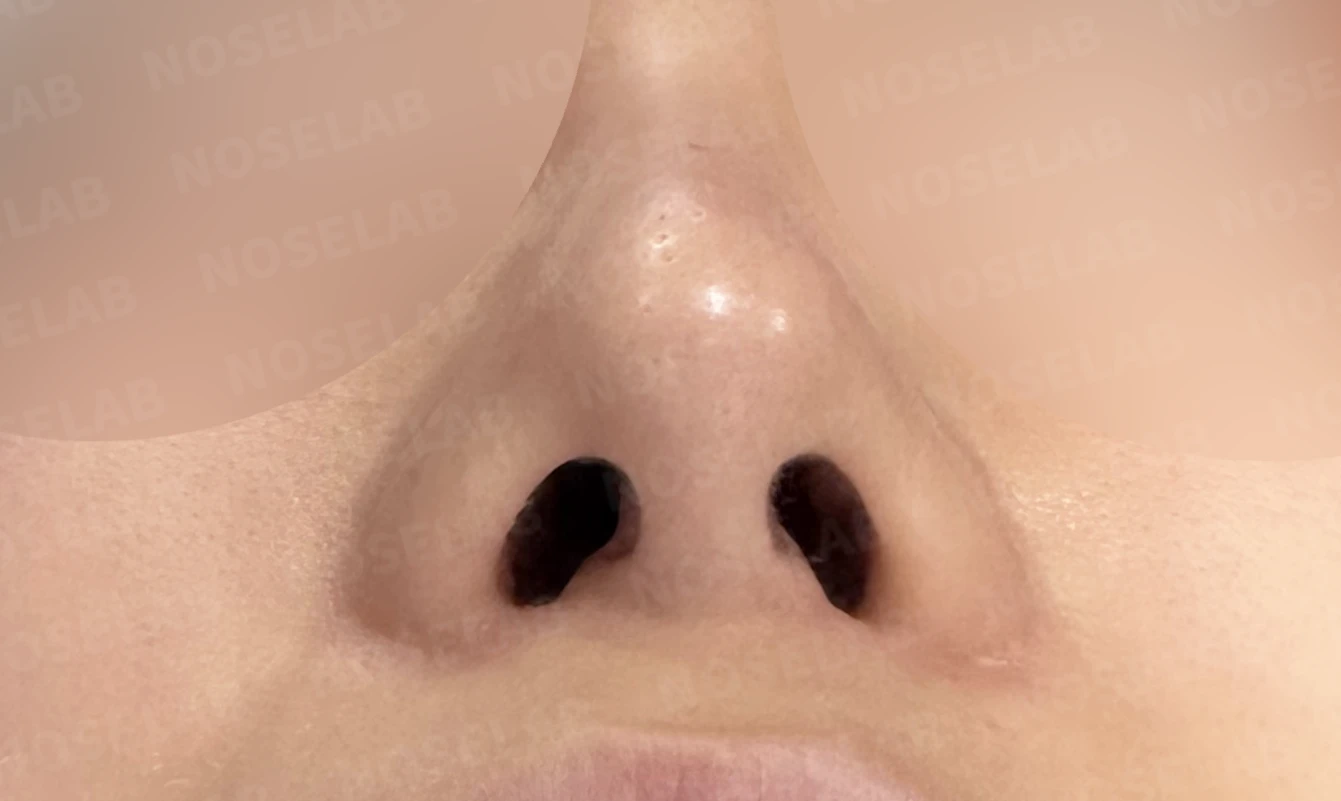
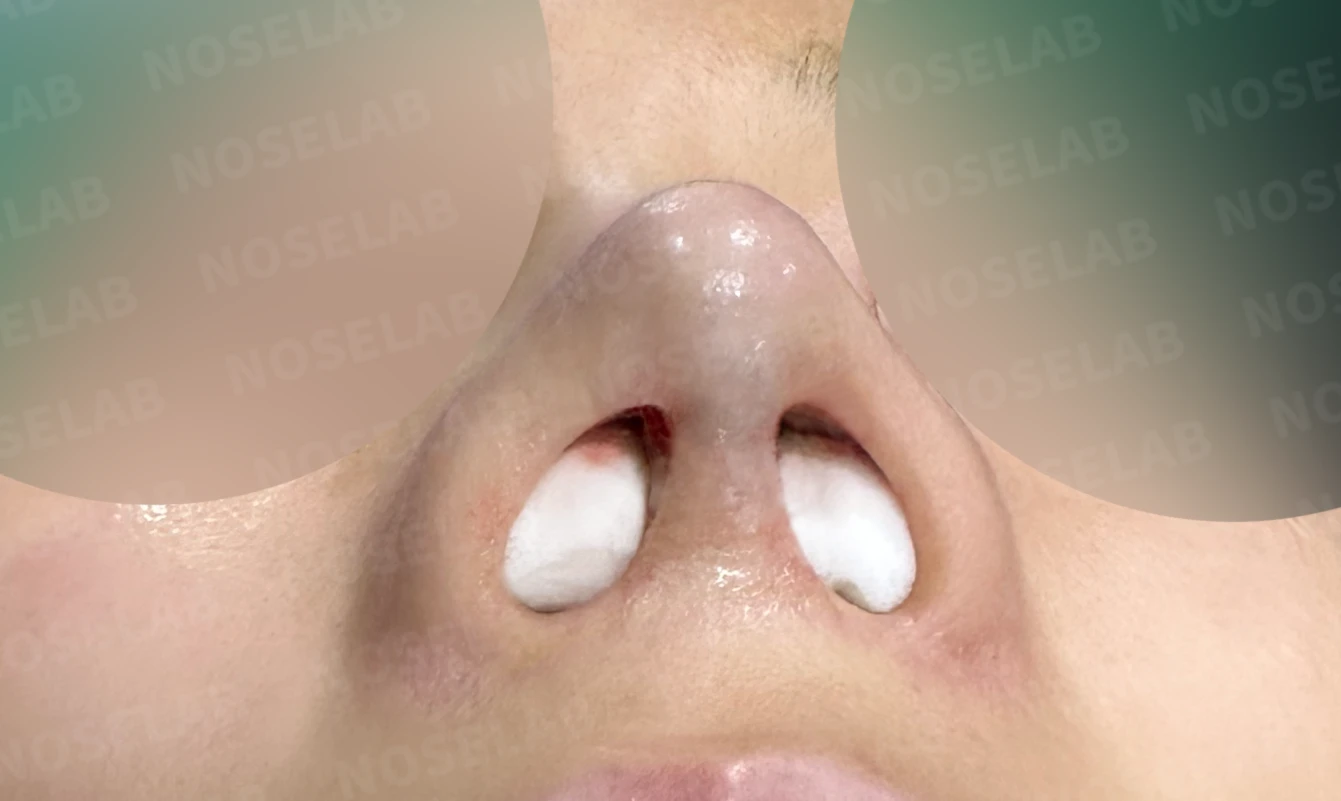
Before surgery / Day 0 immediately after surgery Photos taken immediately after surgery show swelling and may differ from the final result.
💡 Specialist opinion
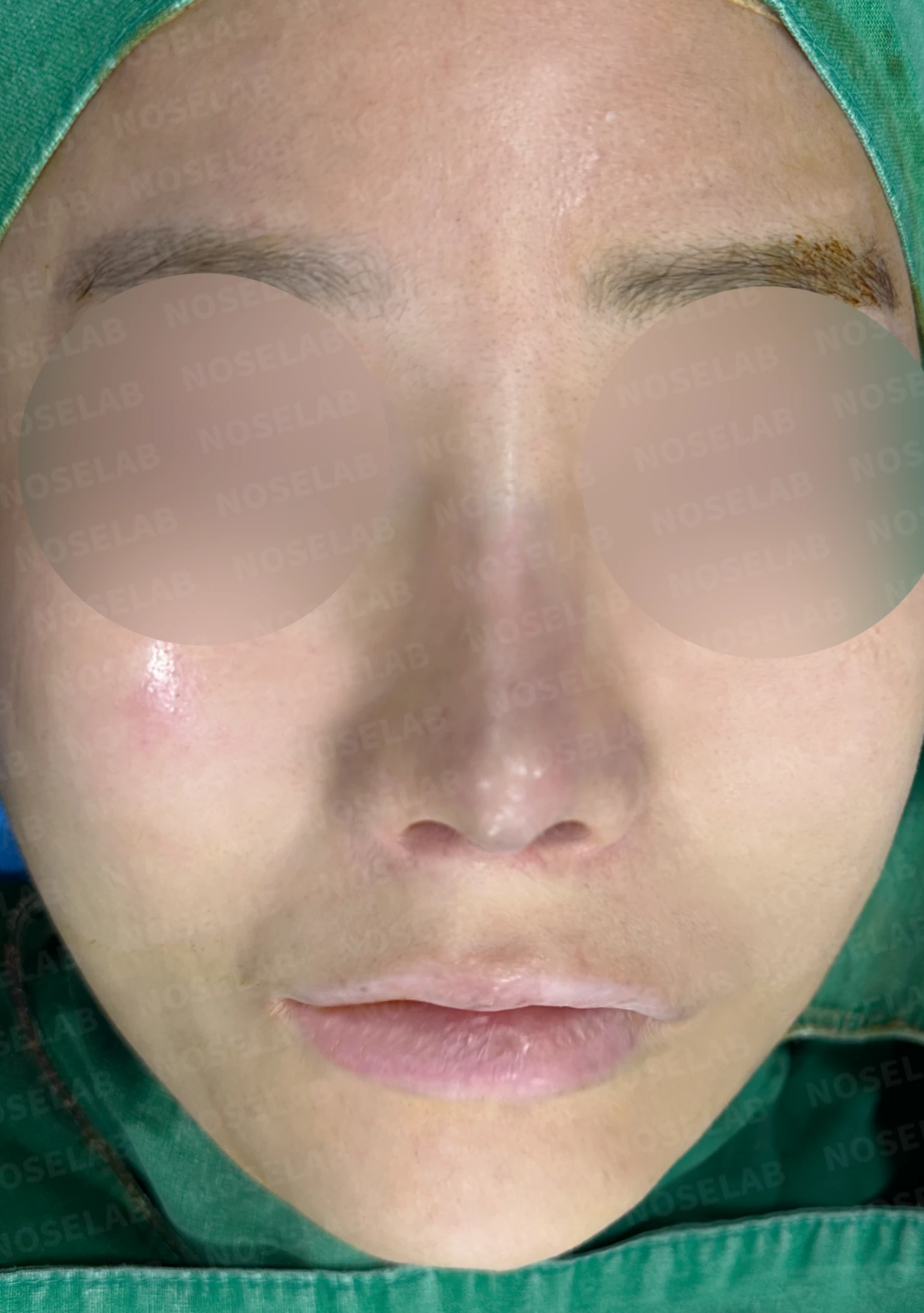
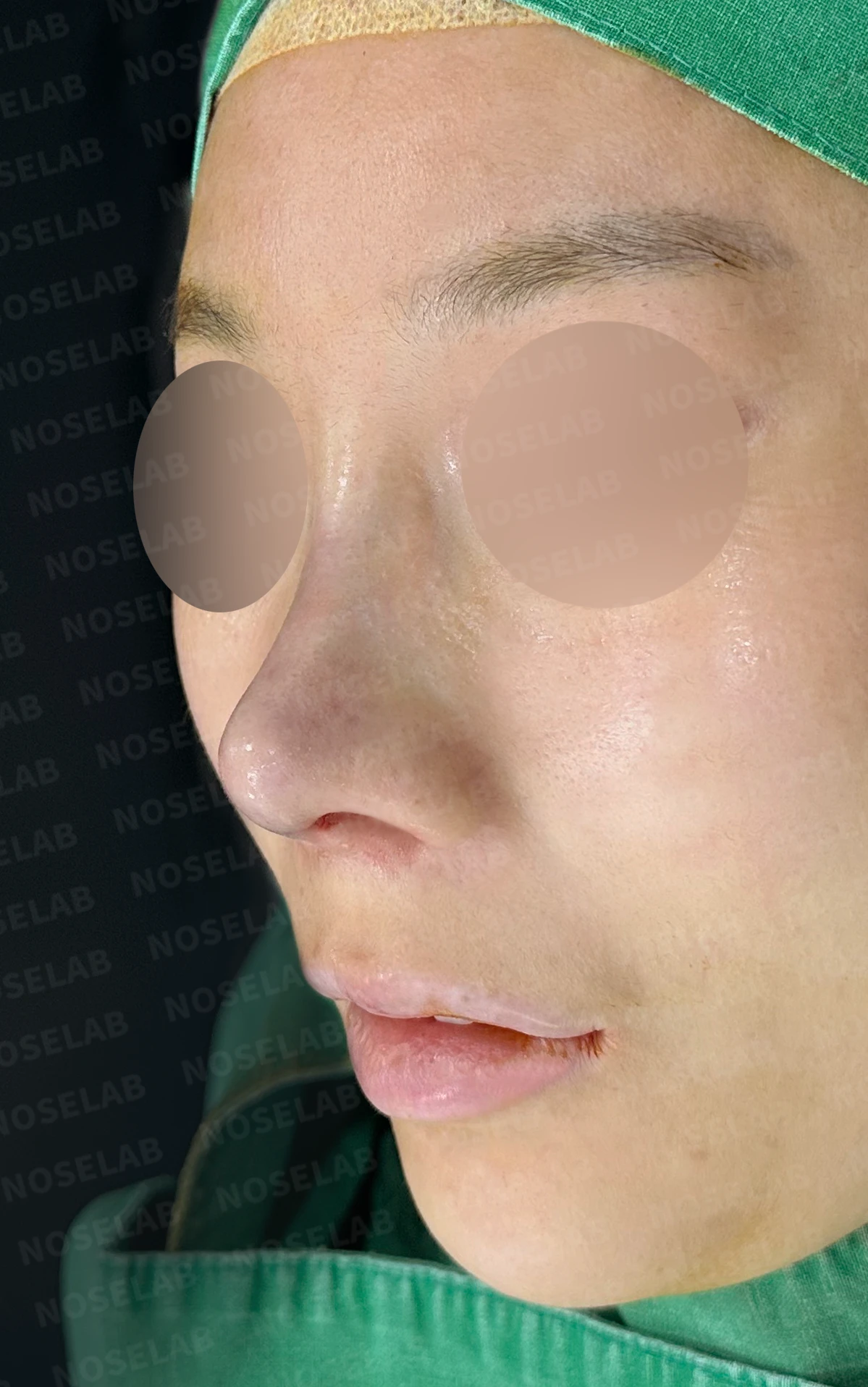
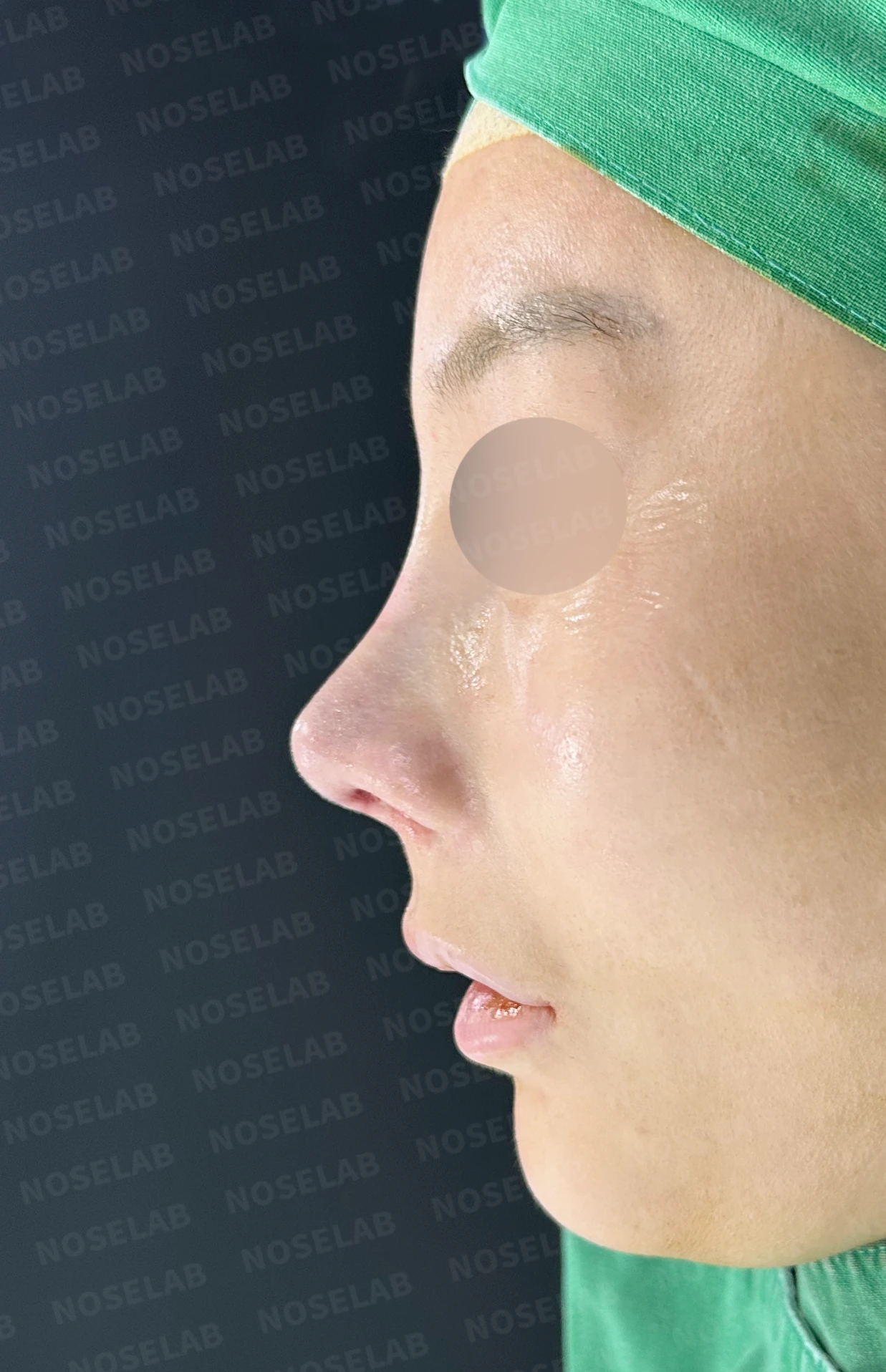
Front, oblique, and profile views on day 0 immediately after surgery. Photos taken immediately after surgery show swelling and may differ from the final result.
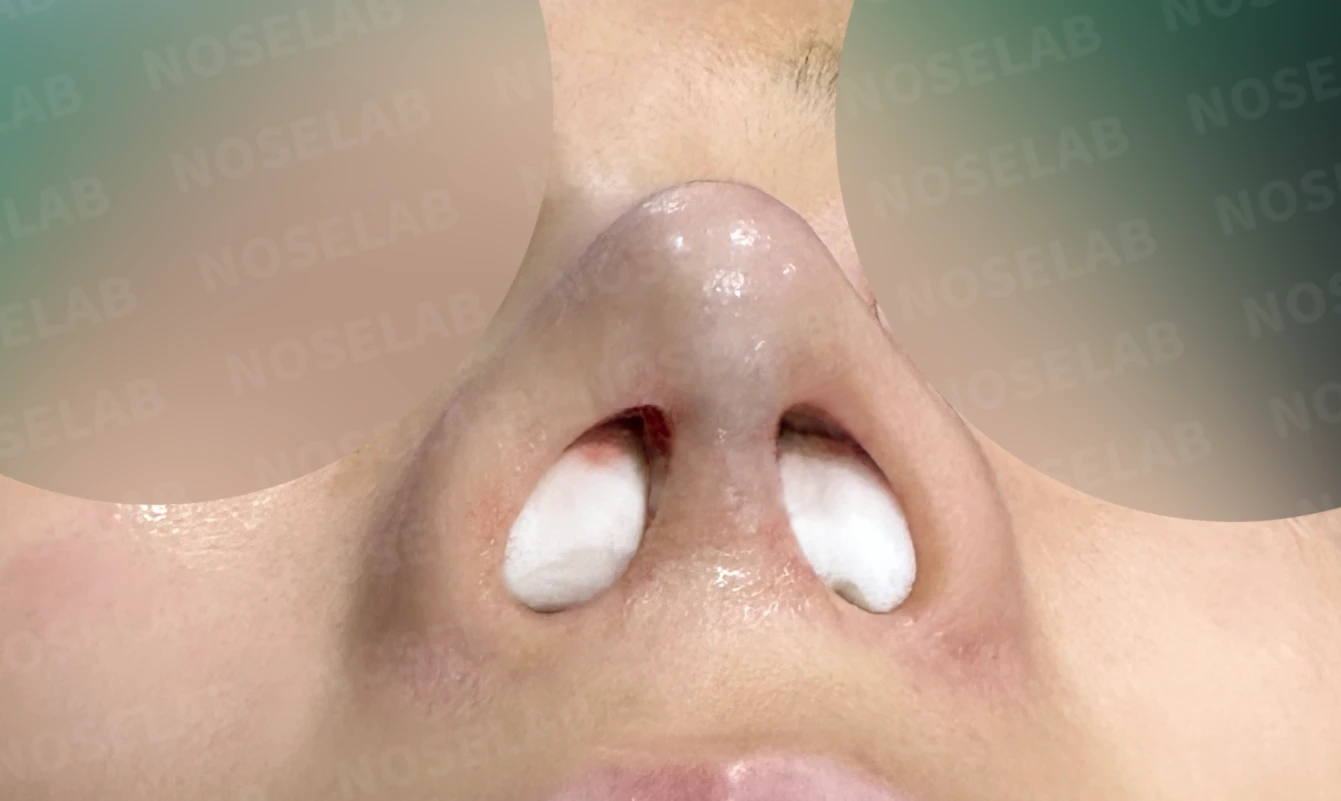
Nostril view on day 0 immediately after surgery. Photos taken immediately after surgery show swelling and may differ from the final result.
This was a highly complex case that required repairing a large septal perforation and reconstructing a severely damaged septum.
Severity of septal perforations
A 15×10 mm perforation is very large. When a perforation is present, breathing can be difficult, frequent crusting occurs, and the nose becomes structurally unstable. It must be completely closed with a skin graft to prevent further damage.
The necessity of septal reconstruction
If there is almost no remaining cartilage, tip projection and shaping cannot be achieved because there is no tip support. Reconstructing the septum with autologous rib cartilage creates a sturdy central axis. Since it uses the patient's own tissue, there is no foreign body reaction, and it provides long-term stability.
The importance of safe height
Although the patient wanted a glamorous look, safety is the top priority. After securing sufficient support through septal reconstruction, maximum height was created within a safe range. Forcing excessive height may cause the perforation to recur or lead to structural collapse.
Precautions during the recovery period
Postoperative recovery care is critical after septal perforation reconstruction. Be cautious of external impact, and you must never blow your nose forcefully or insert cotton swabs or tissue paper into the nostrils. Active care is necessary until the perforation site stabilizes.
Going forward, we will continue to do our best as a specialized revision clinic that safely addresses complex issues like septal perforations to achieve the results patients desire. This has been Medical Director Dr. Peter C. Kang. Thank you.
#closedrhinoplasty #closedrevisionrhinoplasty #septalperforationreconstruction #autologousribcartilage #septalreconstruction #glamorousrhinoplasty #highnose #revisionspecialist

Limitations and risks
When autologous rib cartilage is used, scarring and pain may remain at the donor site on the chest, and pneumothorax (pleural injury) can occur rarely. Over time, the grafted cartilage may warp or undergo partial resorption.
When the septum is corrected at the same time, nasal obstruction may persist or recur, and in rare cases, septal perforation or changes in smell may occur.
Common potential risks include infection, bleeding, asymmetry, scarring, skin necrosis, and insufficient improvement; results vary depending on individual skin condition and previous surgical history.