Hello, I am Dr. Peter C. Kang.
Today, I would like to share the case of a patient whose persistent nasal obstruction and crooked nose following prior surgery were improved through reconstruction using autologous rib cartilage.
📍 Surgical history
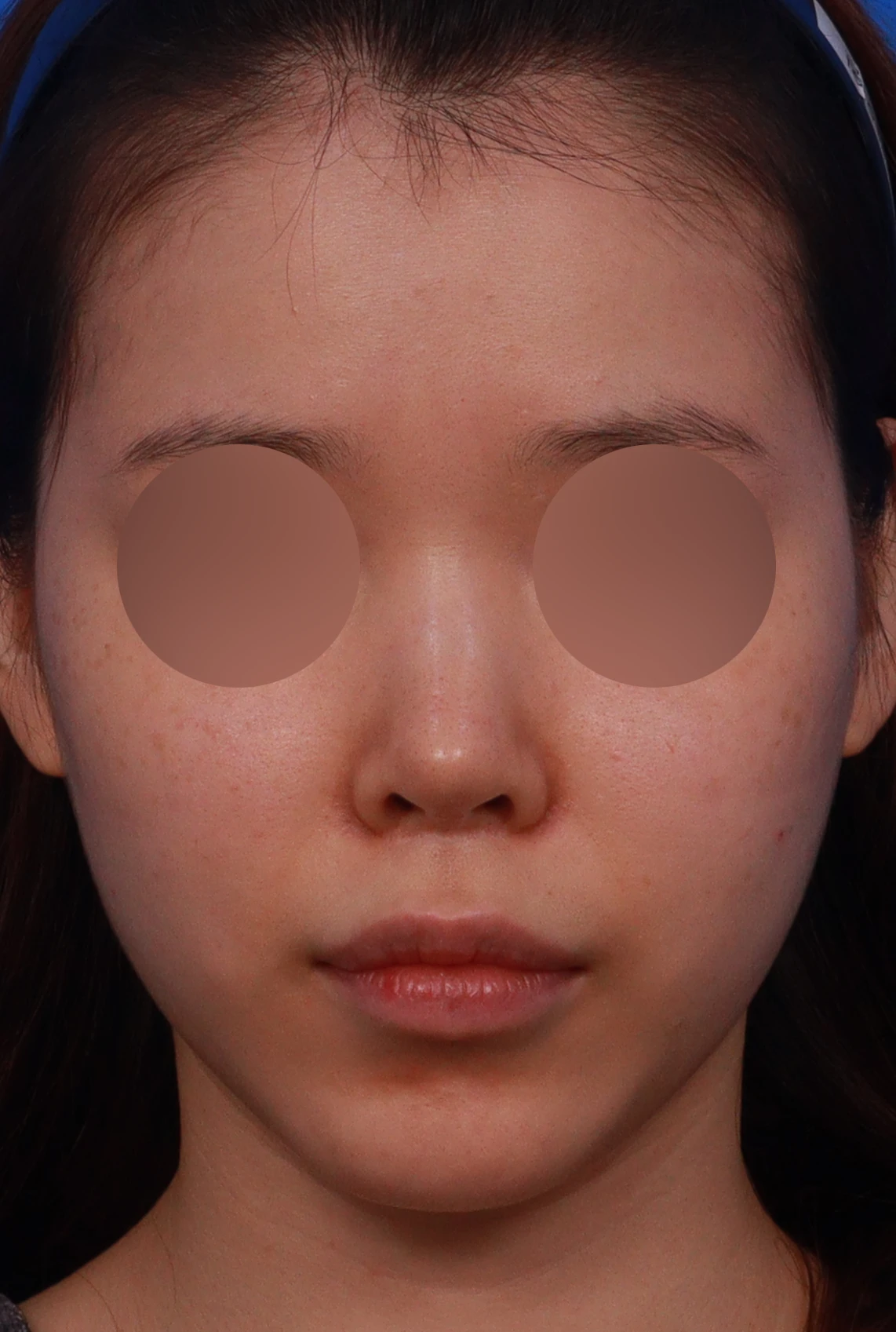
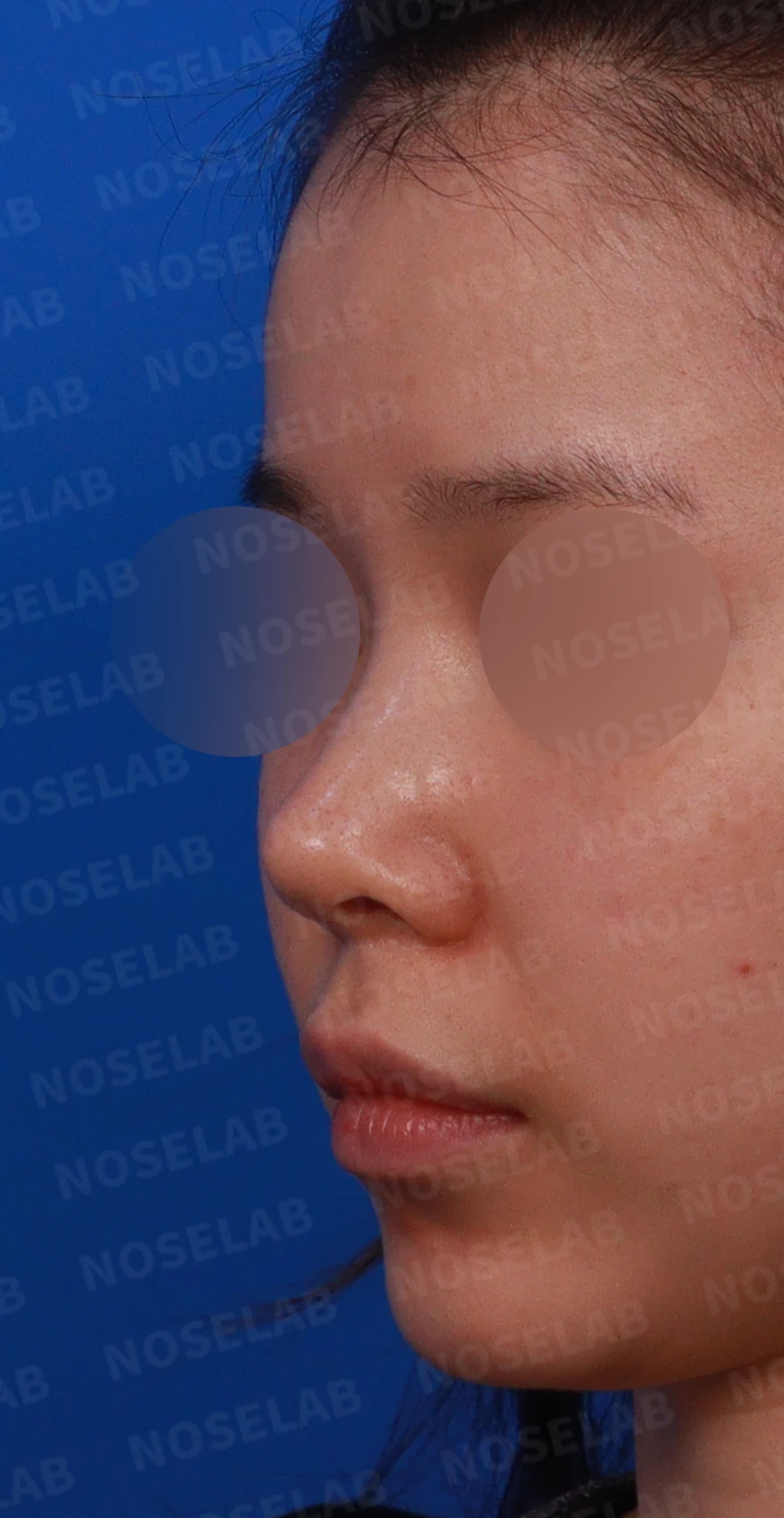
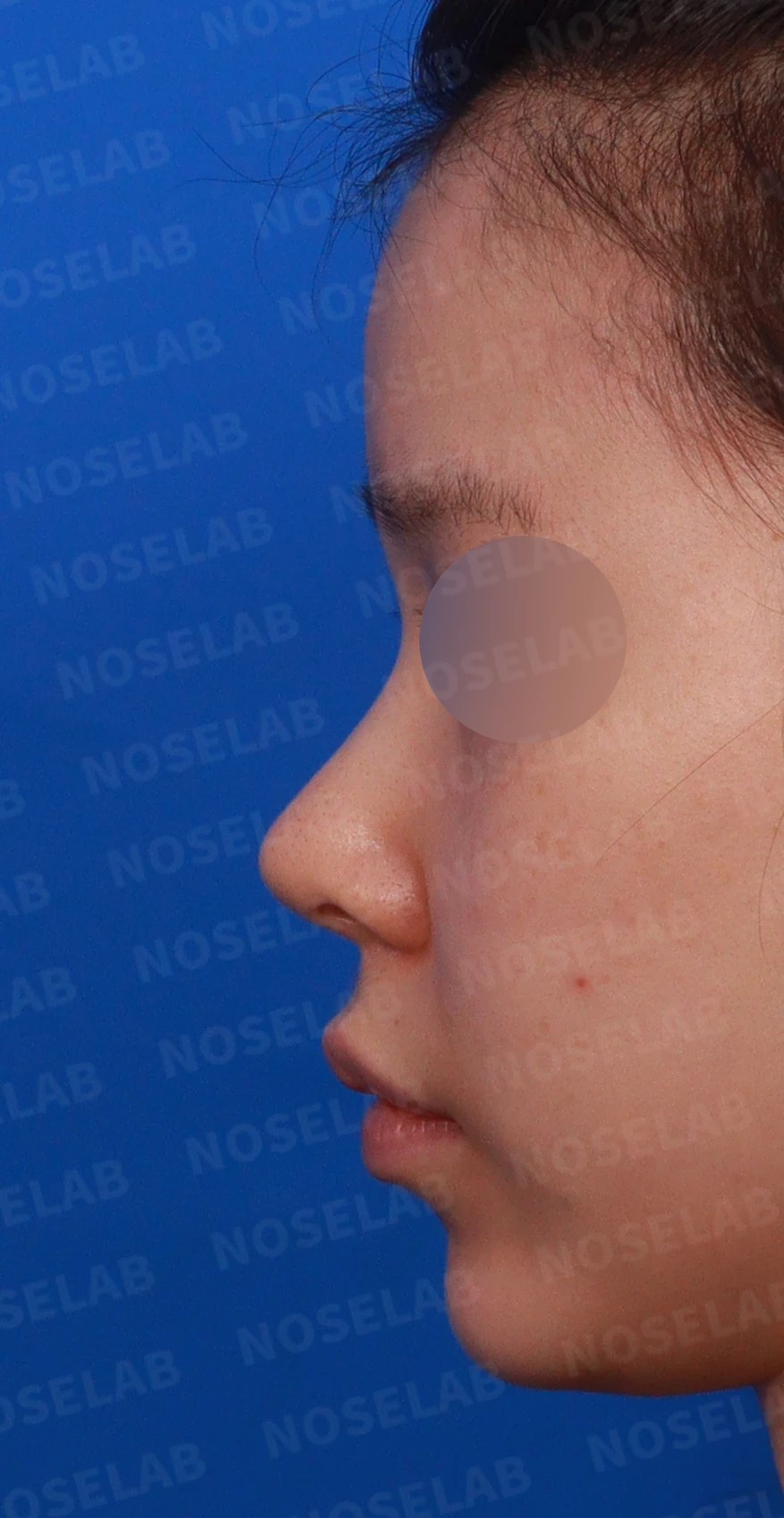
These are design consultation photos: front, oblique, and left profile views.
6 to 7 years ago
Alar reduction surgery
5 years ago
Ear cartilage (nasal tip only) + osteotomy + dorsal hump correction
🔎 Initial consultation findings
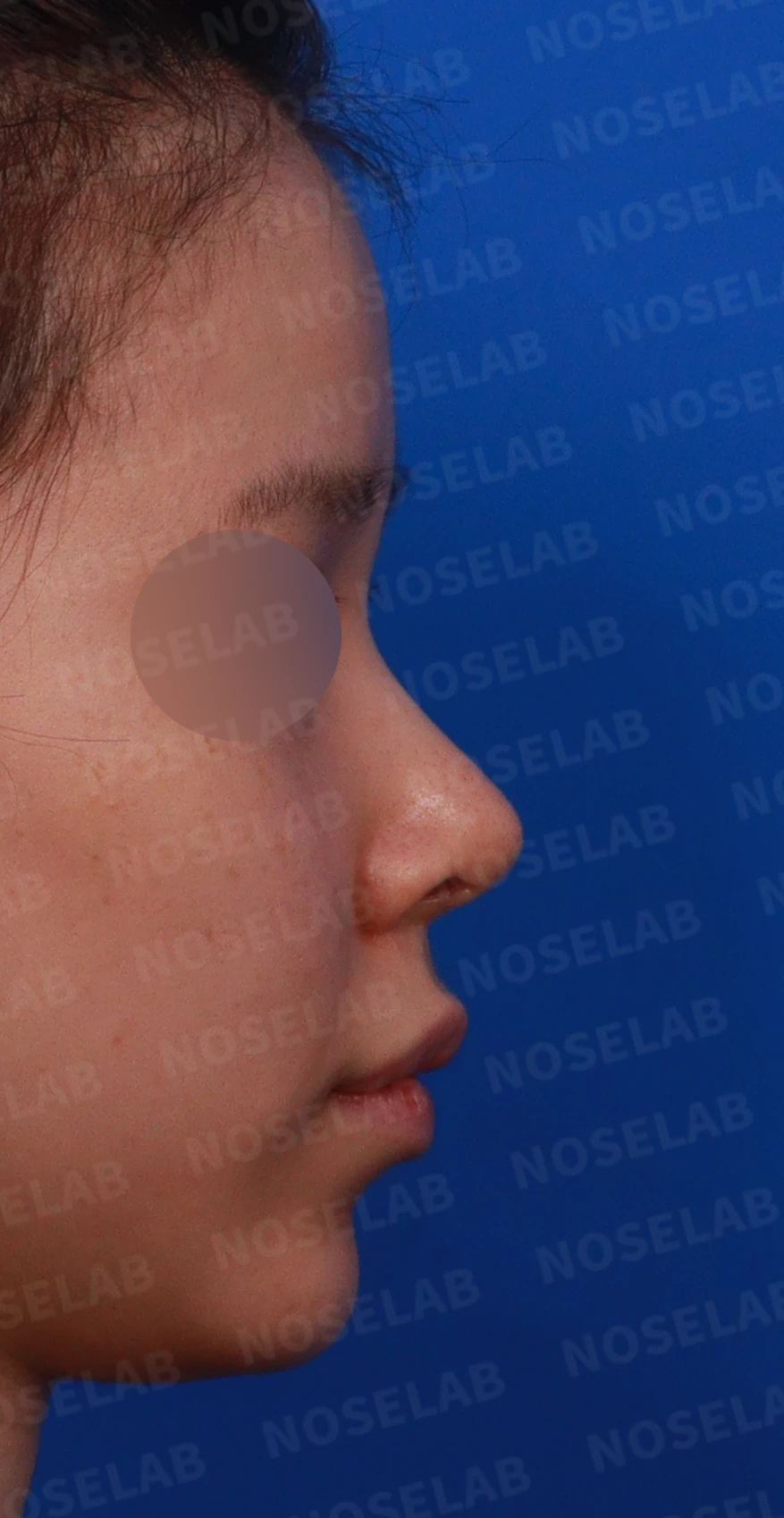
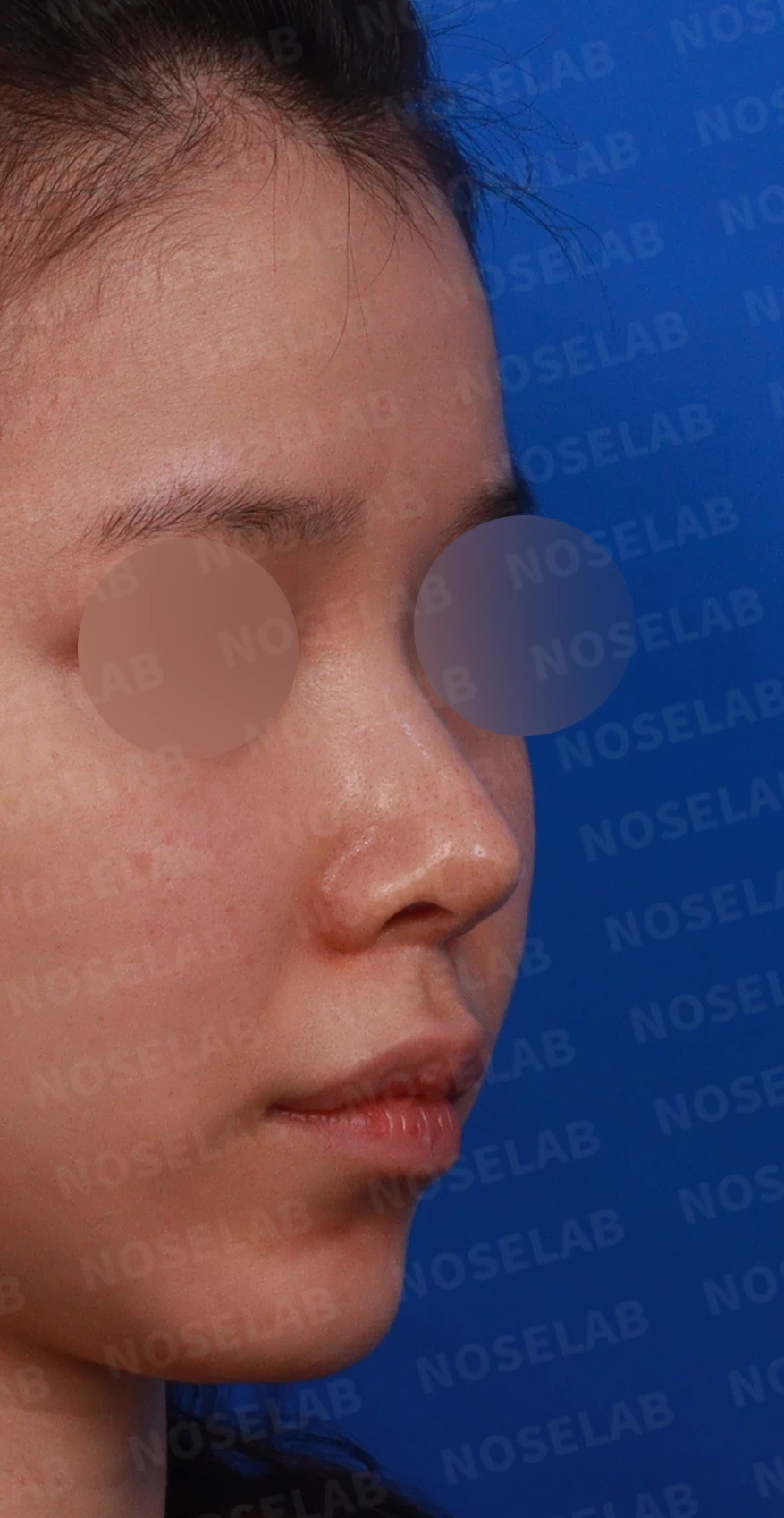
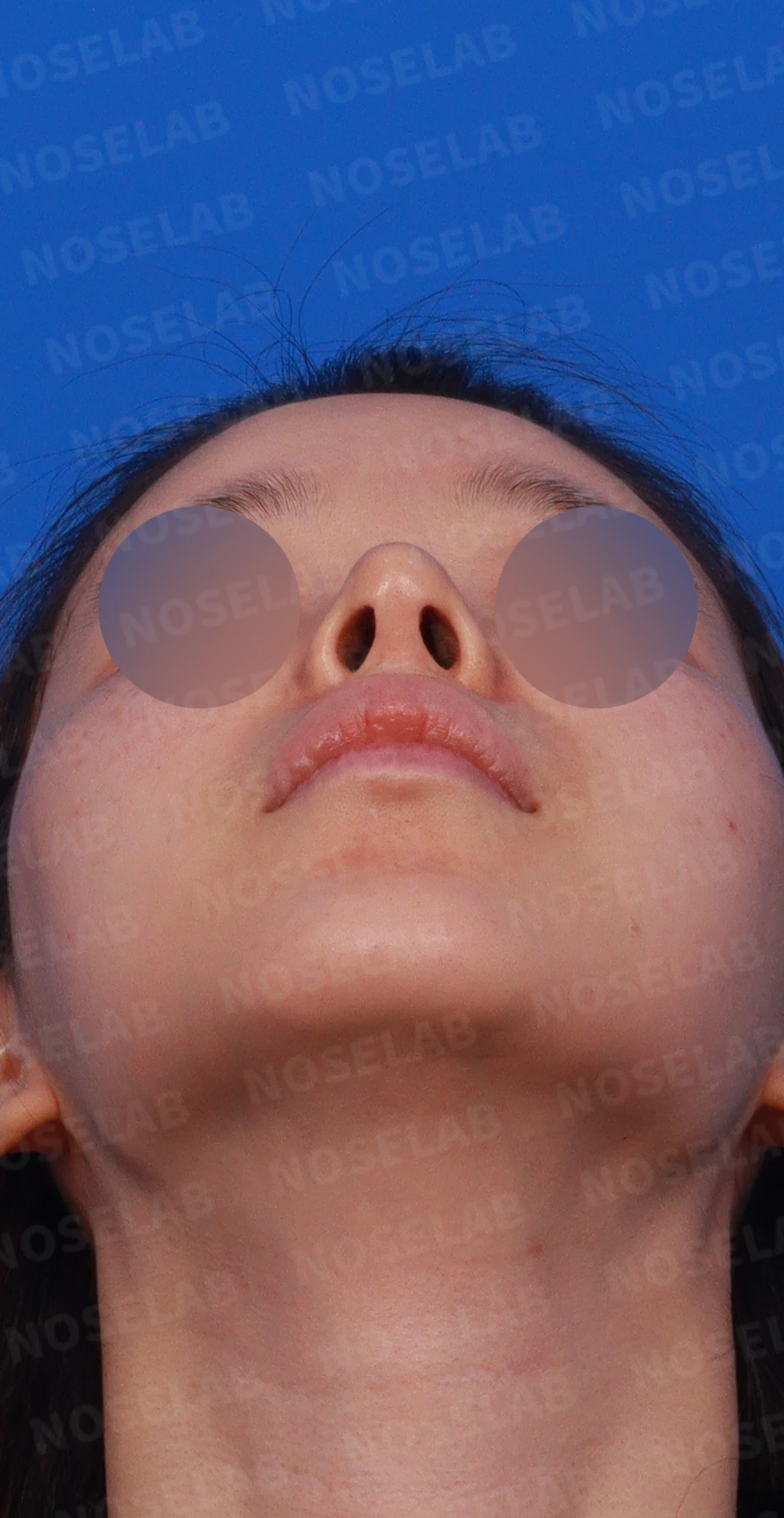
Right profile, oblique, and nostril views during design consultation.
Functional issues
Frequent nasal obstruction
Deviated septum
Chronic rhinitis
Aesthetic concerns
A crooked-appearing nose
Retracted columella (the columella is barely visible)
Recurrent dorsal hump
Protruding mouth findings
An overly thinned nasal bridge
Special notes
Functional issues persisting despite previous surgery
Structural instability resulting from multiple surgeries
Lack of nasal tip support
✨ Patient's requests
Improve columellar show
Correction of the crooked-appearing nose
Recorrection of the dorsal hump
Make the mouth appear less prominent (improving a protruding mouth)
Prevent the nasal bridge from appearing too narrow
💉 Surgical procedure details
Structural reconstruction
Full reconstruction using autologous rib cartilage
Reinforcing the pre-existing unstable framework
Precise realignment to correct the crooked nose
Improvement in shape
Increased columellar show
Recorrection of the dorsal hump
Securing adequate nasal bridge width
Creating a natural overall nasal contour
Functional improvement
Fundamentally resolving nasal obstruction with septoplasty
Improving rhinitis with inferior turbinate surgery
Correction of the nasolabial angle
Improvement of protruding mouth
An effect where the mouth appears less prominent
Harmonious overall facial proportions
✅ Surgical results
Functional improvement
Complete relief of nasal obstruction symptoms
Restoration of smooth breathing function
Marked relief of rhinitis symptoms
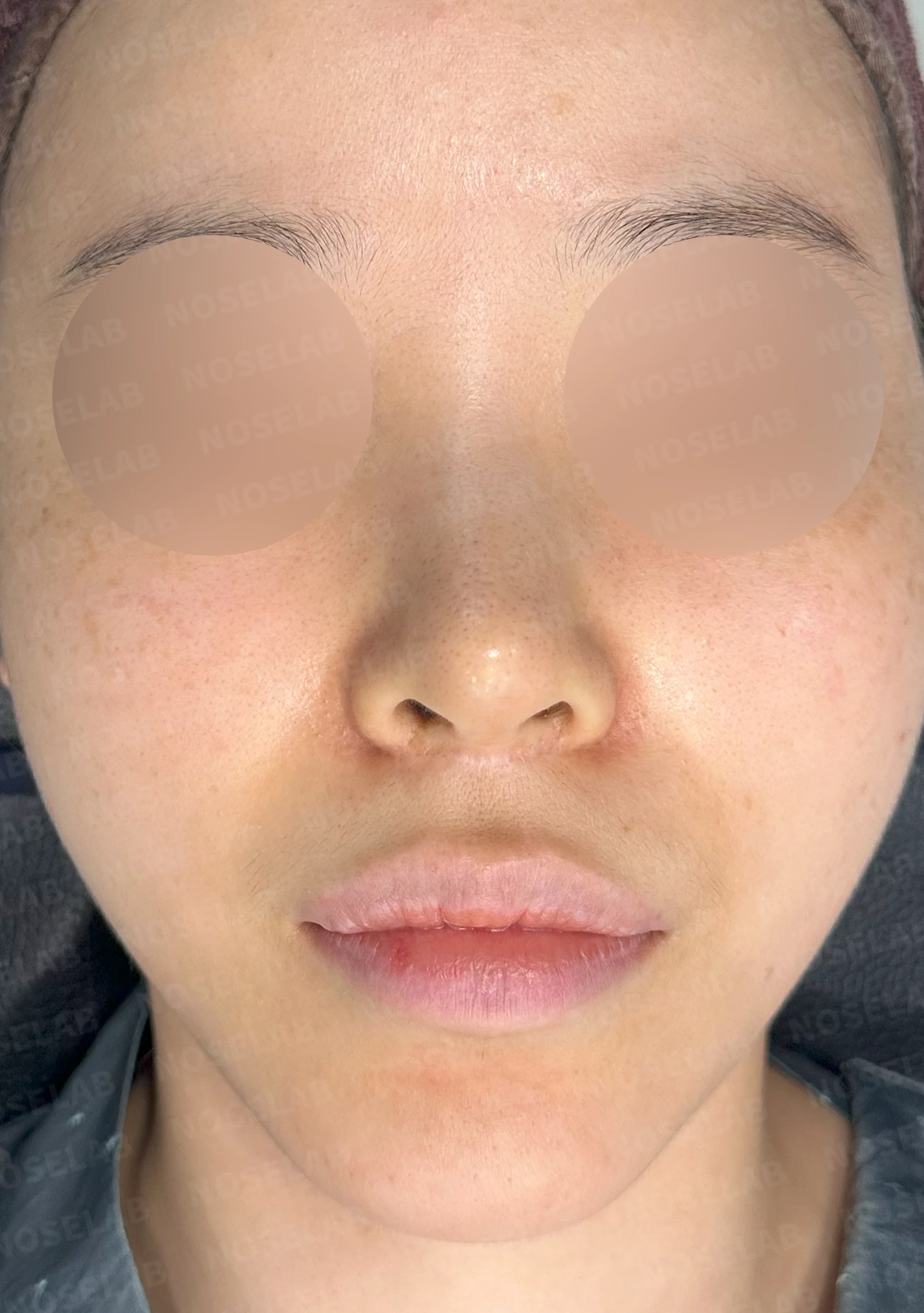
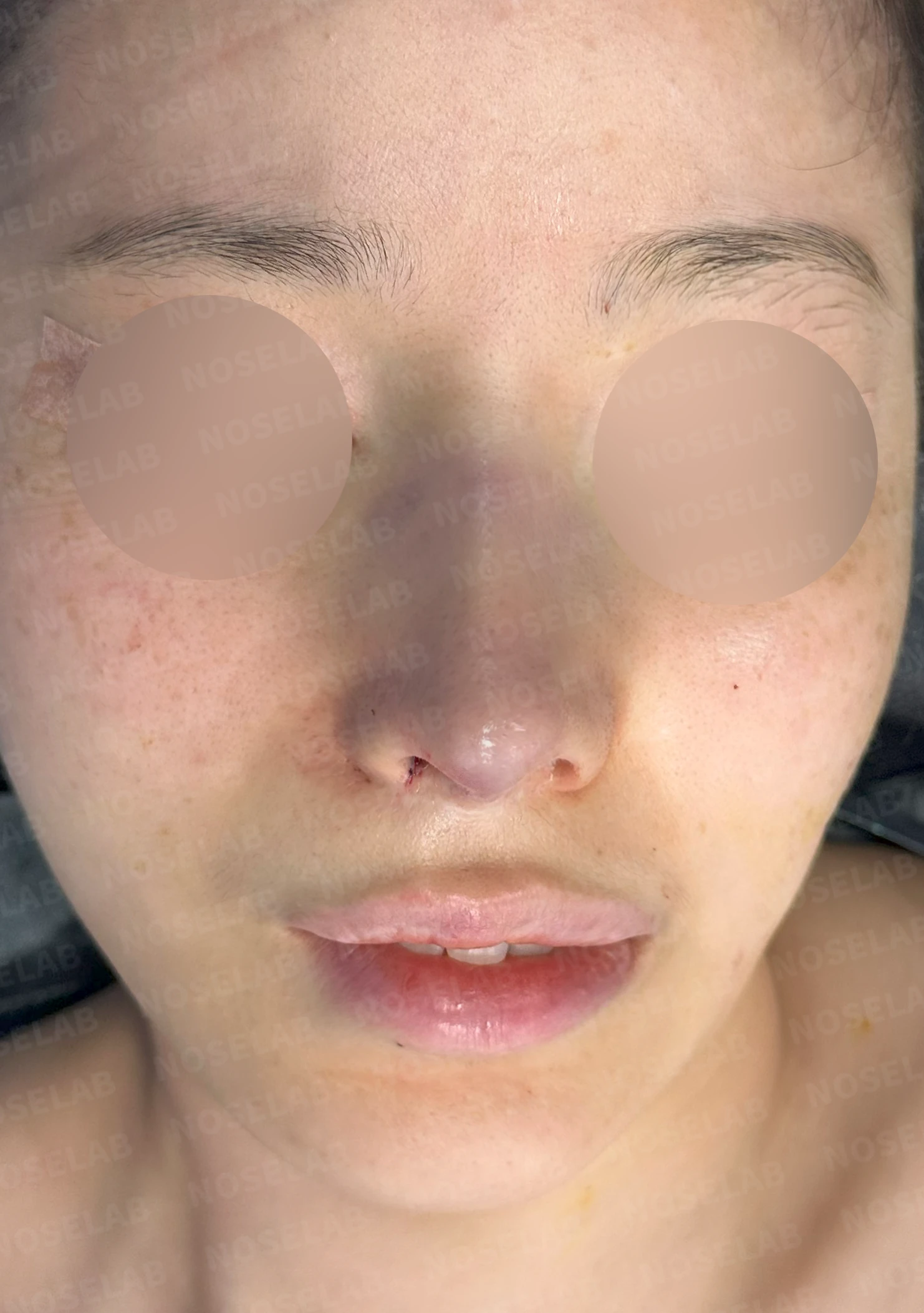
Before surgery / Day 0 immediately after surgery Photos taken immediately after surgery show swelling and may differ from the final result.
Front view
Corrected crooked nose
A natural nasal bridge with appropriate width
Balanced overall facial proportions
Corrected dorsal hump
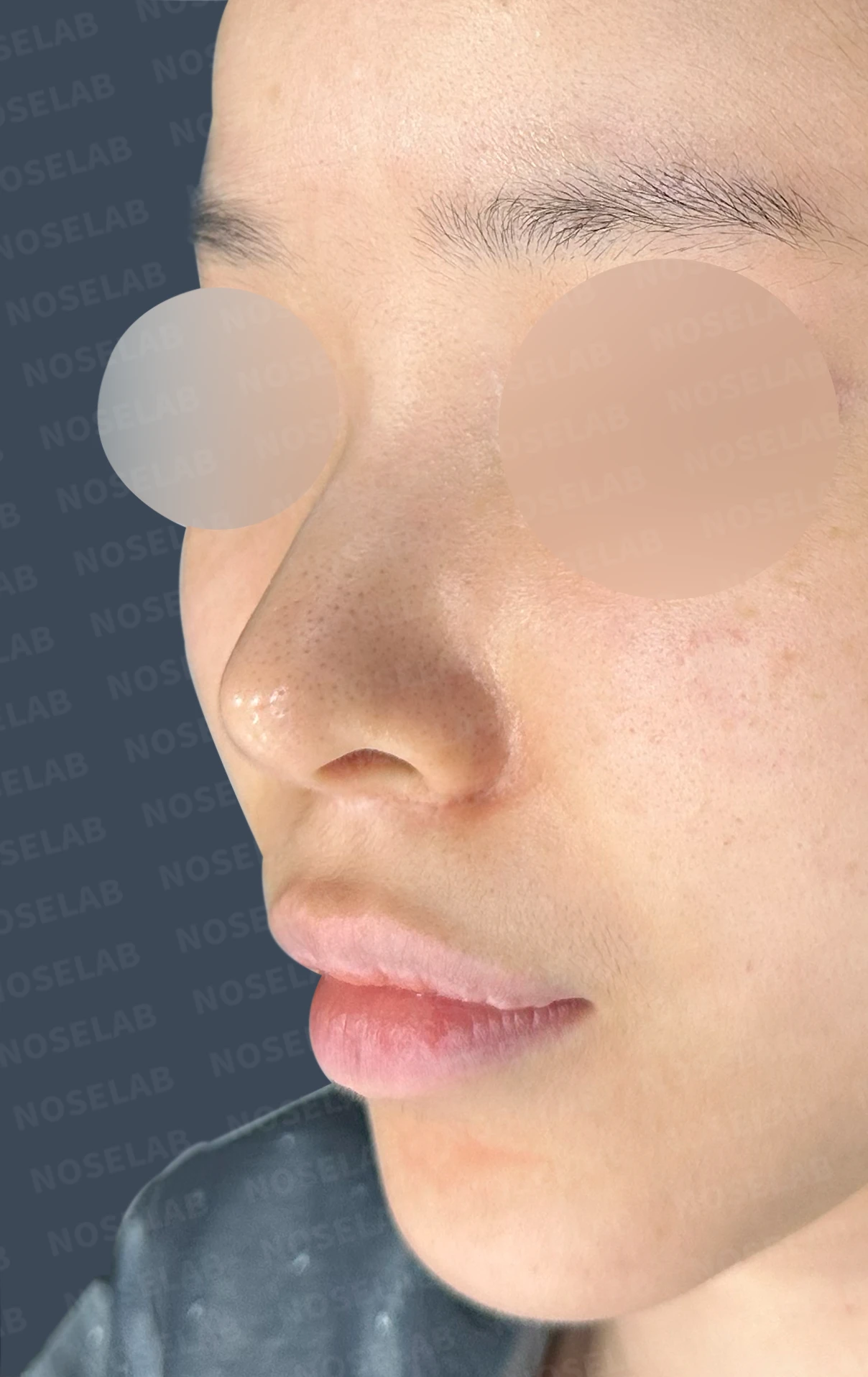
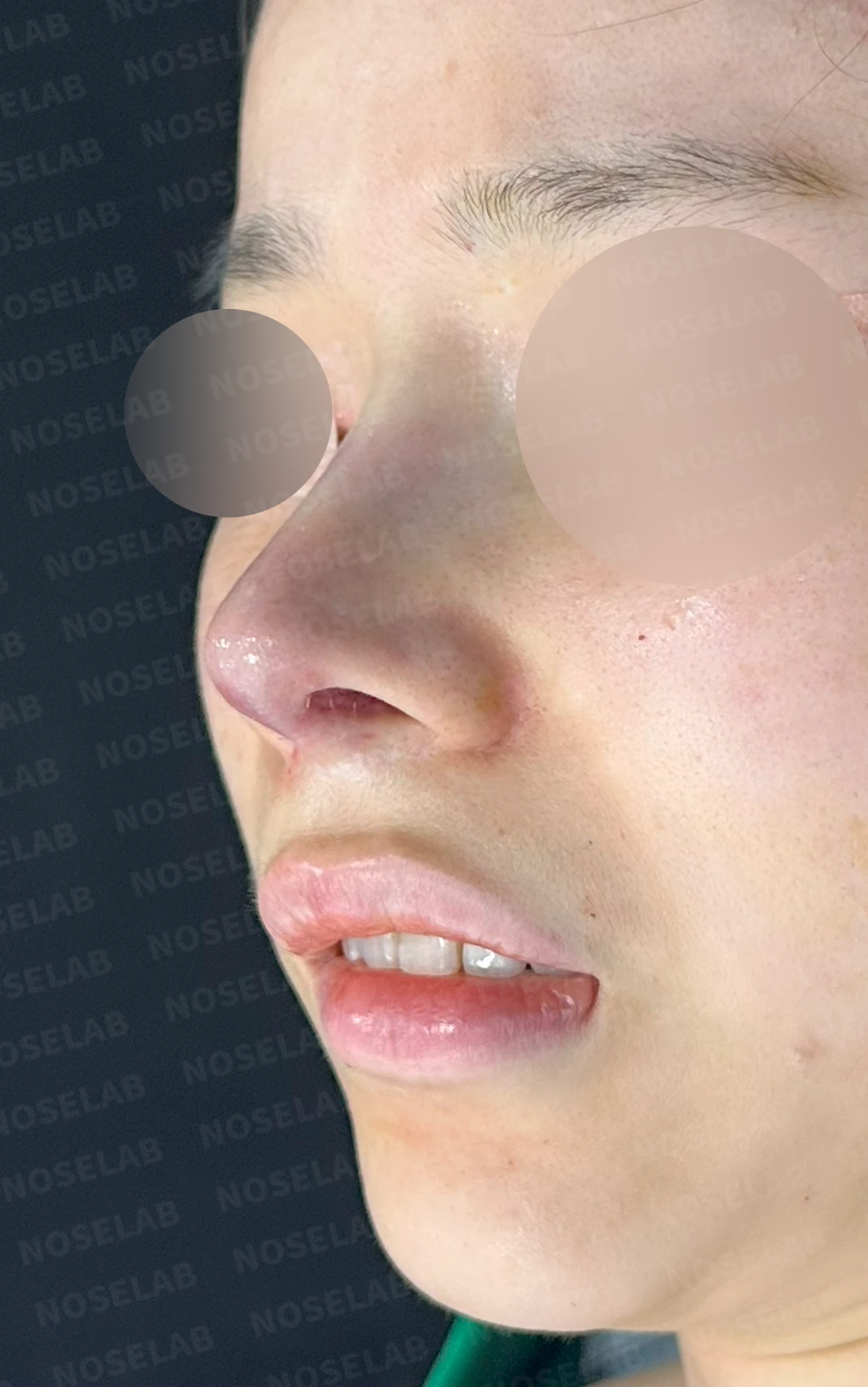
Before surgery / Day 0 immediately after surgery Photos taken immediately after surgery show swelling and may differ from the final result.
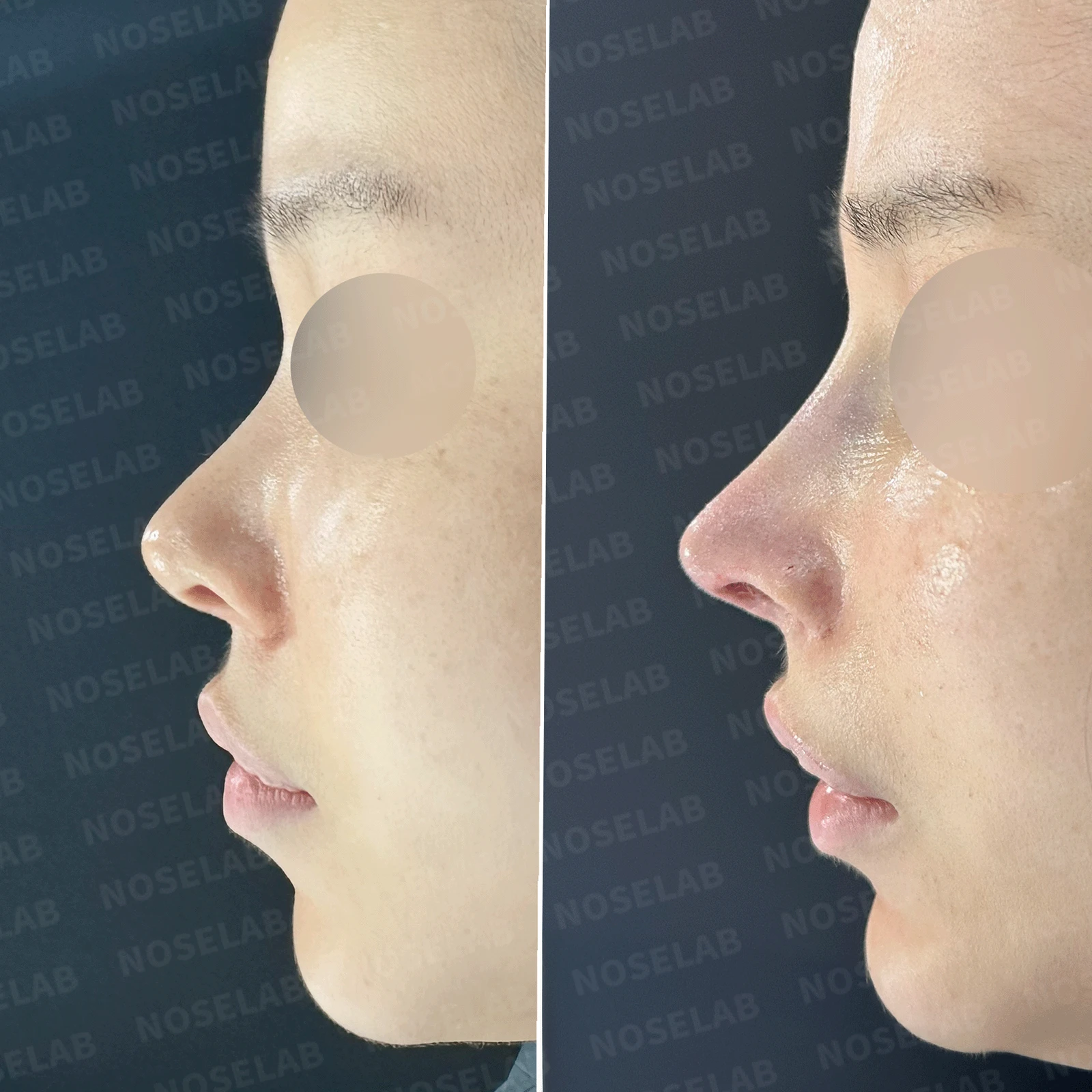
Profile view
Improved columellar show
Natural nasal tip position
Improved nasolabial angle
Softened appearance of a protruding mouth
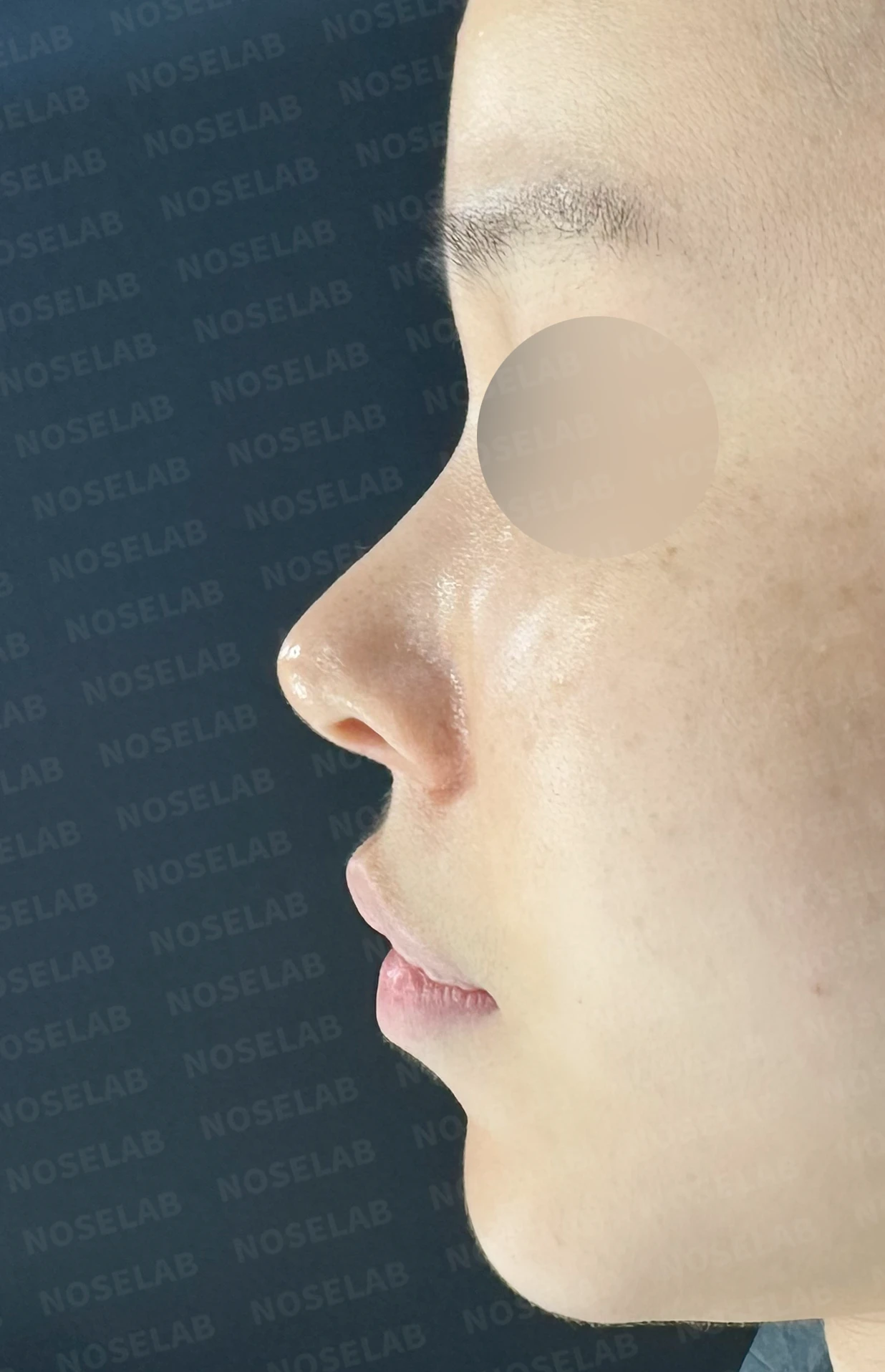
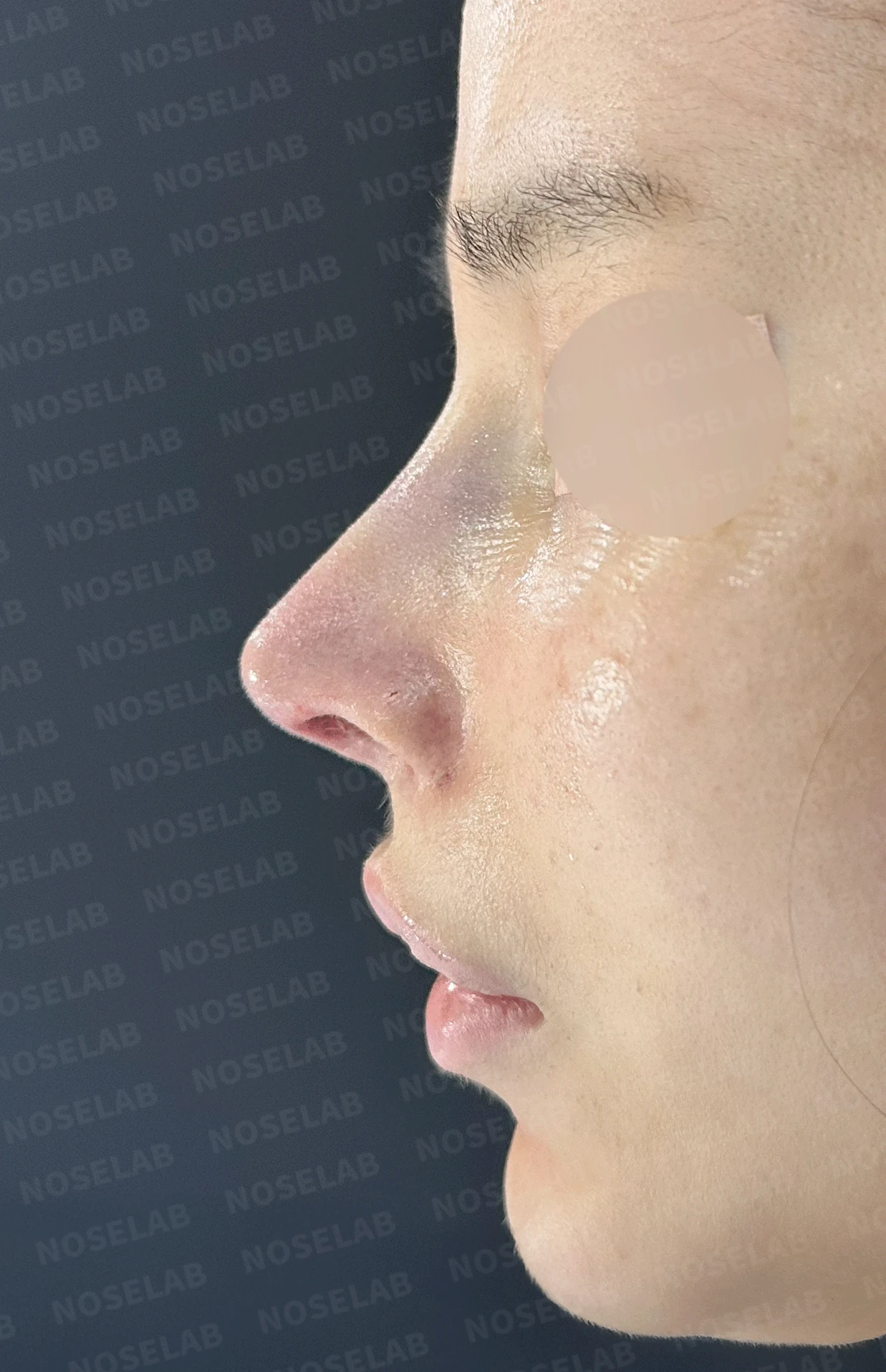
Before surgery / Day 0 immediately after surgery Photos taken immediately after surgery show swelling and may differ from the final result.
Overall changes
Stable nasal framework
A natural and refined impression
Harmonious overall facial proportions
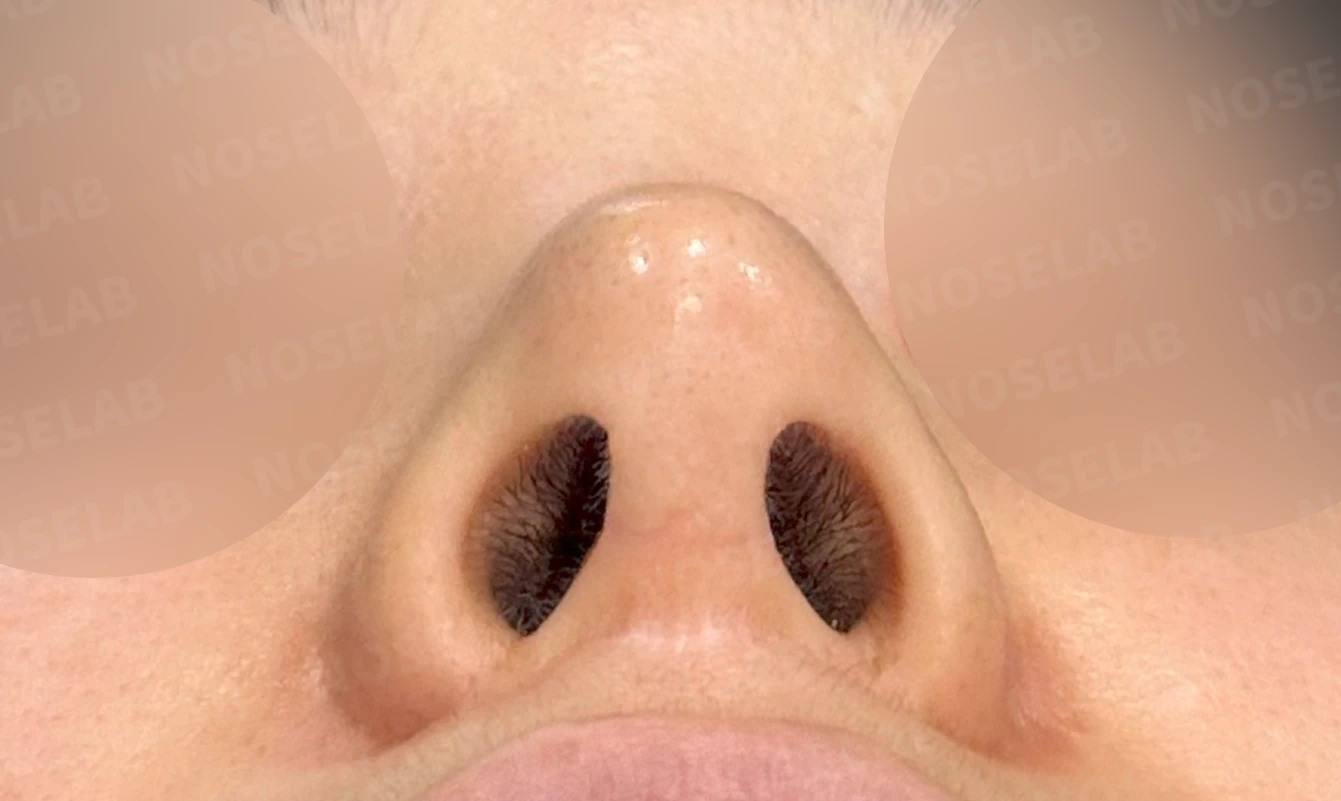
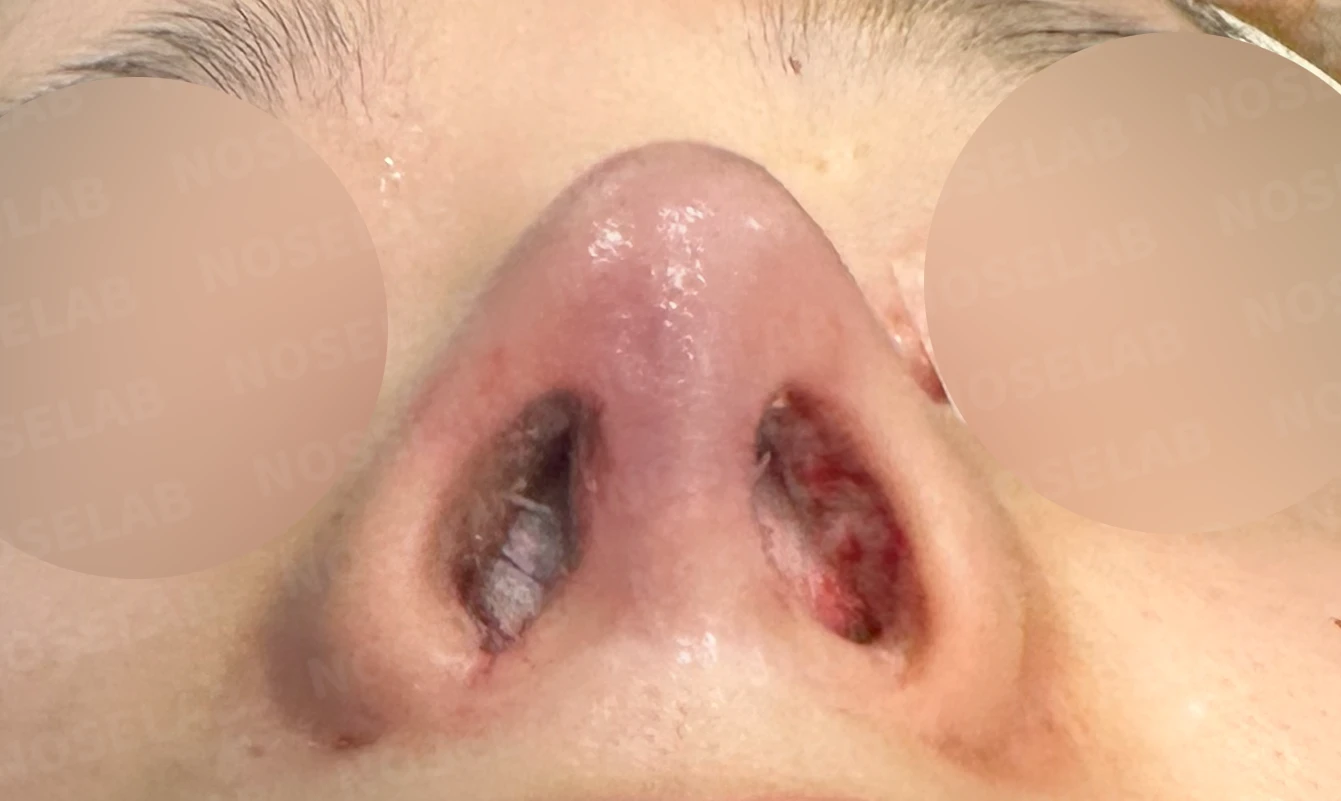
Before surgery / Day 0 immediately after surgery Photos taken immediately after surgery show swelling and may differ from the final result.
👨⚕️ Specialist's assessment
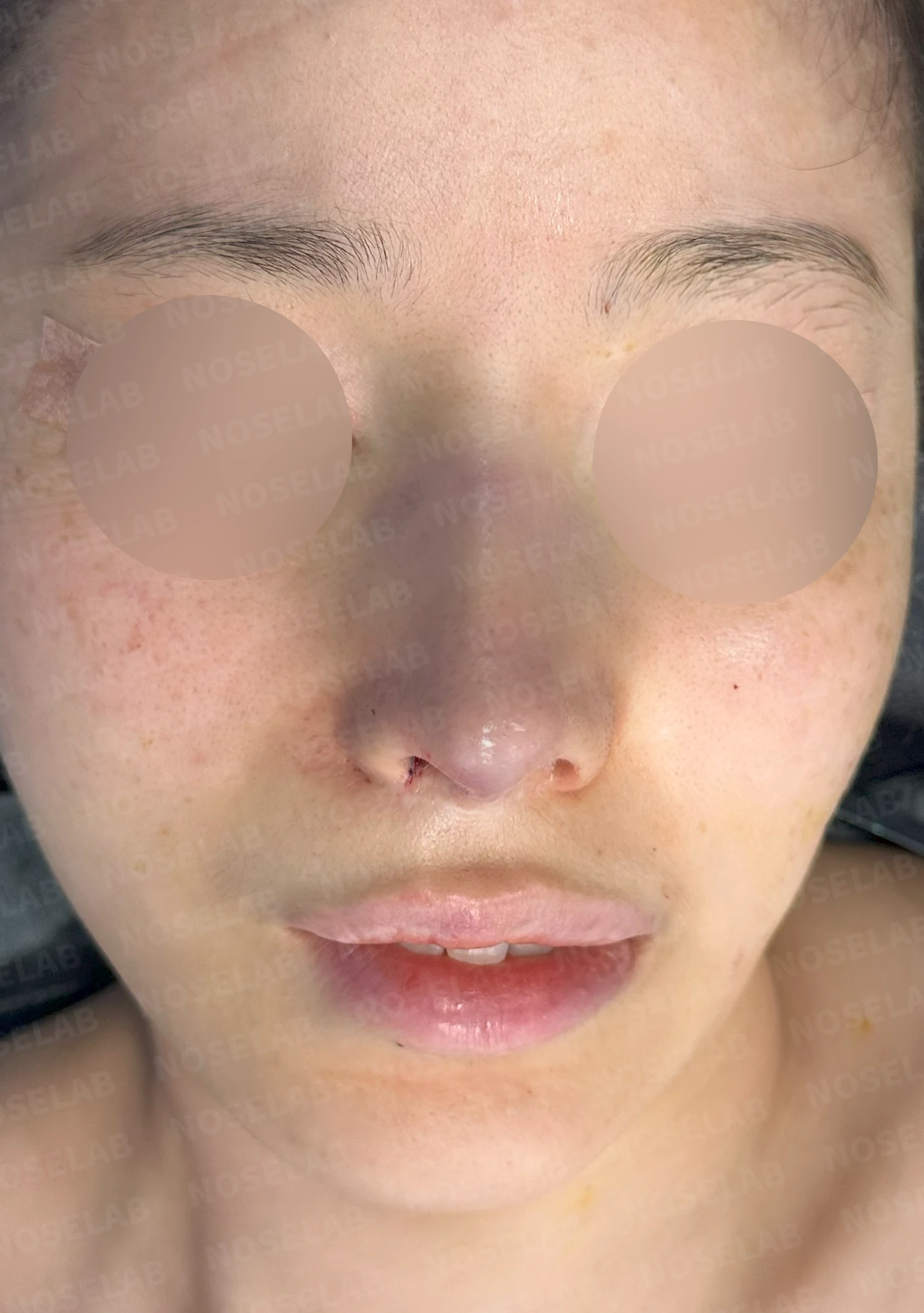
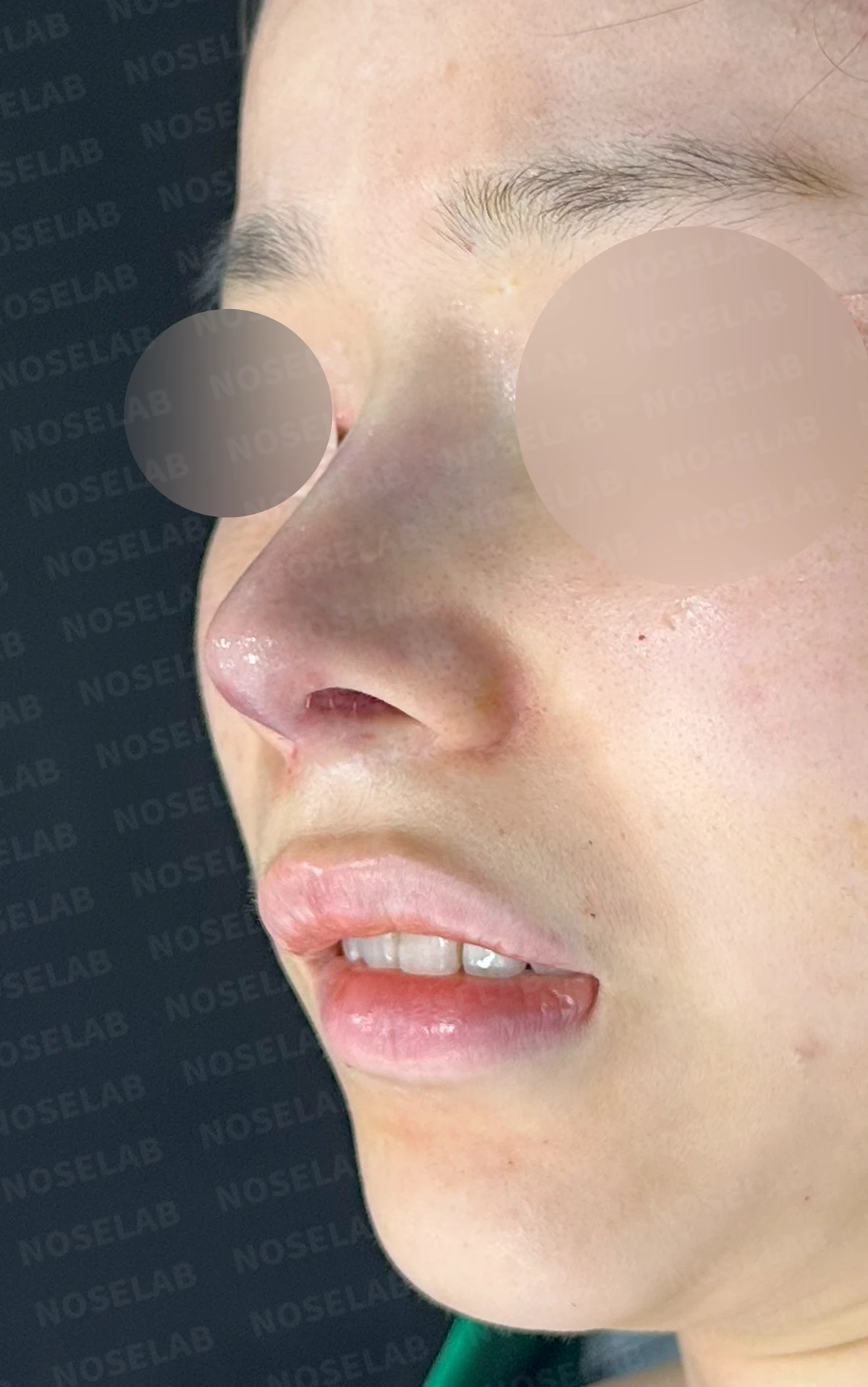
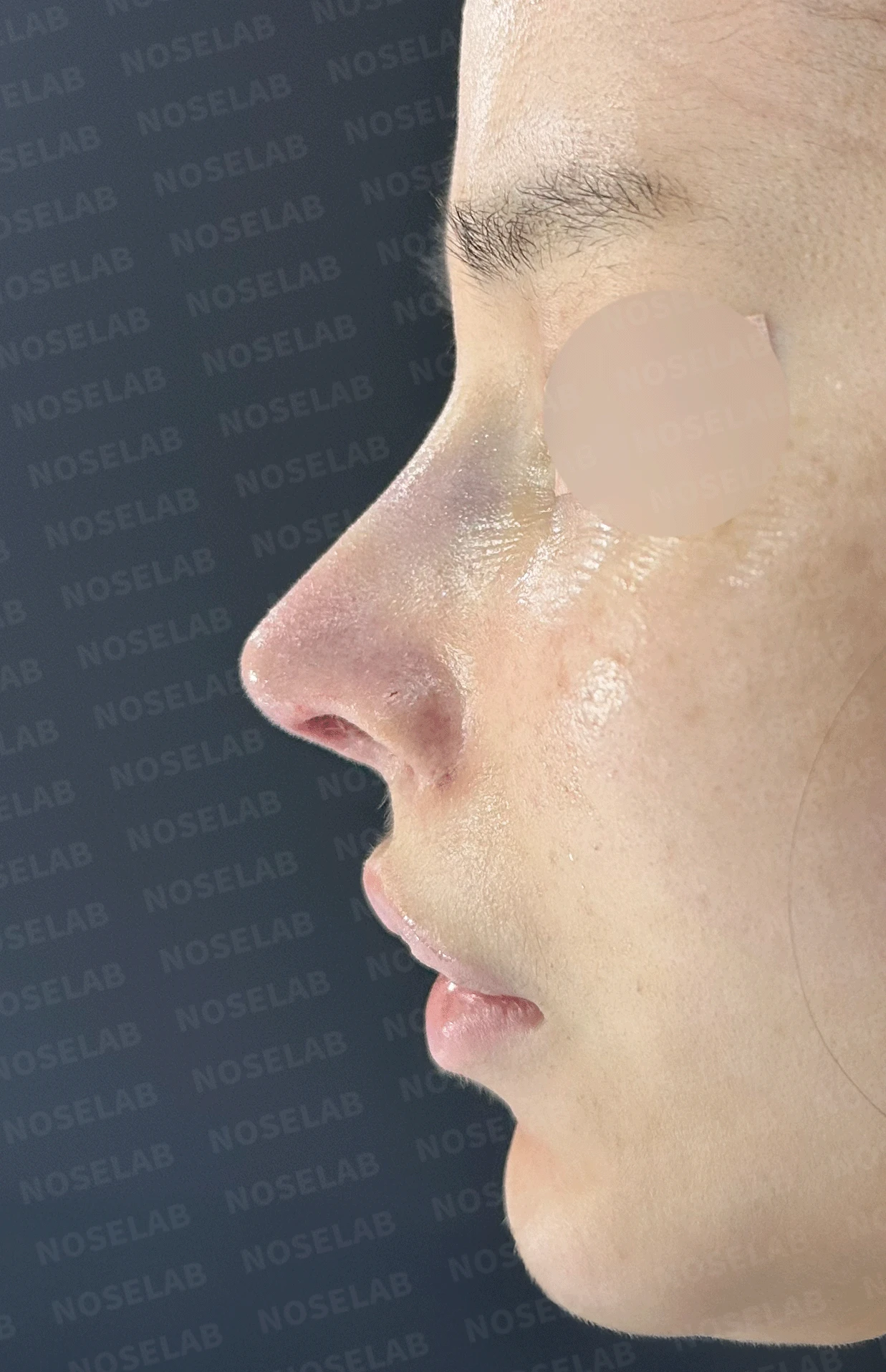
Front, oblique, and profile views on day 0 immediately after surgery Photos taken immediately after surgery show swelling and may differ from the final result.
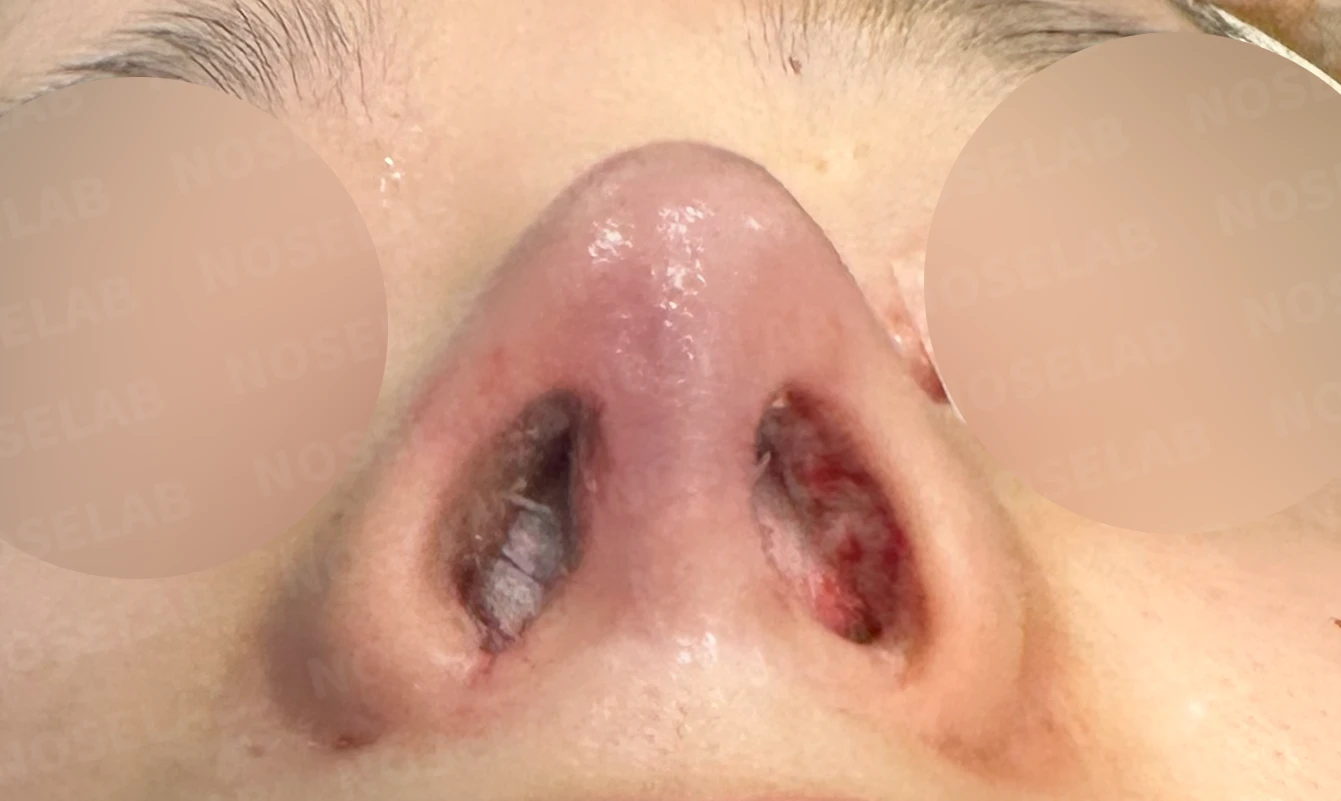
Nostril view on day 0 immediately after surgery Photos taken immediately after surgery show swelling and may differ from the final result.
This revision rhinoplasty case involved a patient who had persistent nasal obstruction and aesthetic concerns despite previous surgery. In particular, even after the surgery performed 5 years ago, frequent nasal blockage, a crooked nose, and a retracted columella persisted, requiring a fundamental solution.
A precise examination revealed that the previous surgery had not sufficiently addressed the functional issues, and that ear cartilage alone lacked the long-term structural stability needed to support the nasal tip. Furthermore, despite osteotomy and dorsal hump correction having been performed, the nose still appeared crooked and a residual dorsal hump remained.
To resolve these complex issues, a full reconstruction using autologous rib cartilage was planned. Because autologous rib cartilage provides significantly stronger support compared to ear cartilage, it allows for the correction of a crooked nose while supporting a stable result over the long term.
When correcting the crooked nose, both functional aspects and aesthetic concerns were addressed. Because a deviated septum was the primary cause of the nasal obstruction, it was accurately corrected to improve respiratory function. Inferior turbinate surgery was also performed concurrently to address the discomfort caused by chronic rhinitis.
Improving columellar show was a key priority for the patient. Due to retraction from the prior surgery, the columella was hardly visible; through meticulous reconstruction using autologous rib cartilage, a natural and appropriately defined columella was created.
For the dorsal hump recorrection, the areas that had not been fully addressed in the previous surgery were precisely refined. To address the patient's concern regarding an overly thinned bridge, an appropriate width was preserved while achieving a natural line.
By adjusting the nasolabial angle, an improvement in the appearance of a protruding mouth was also achieved, fulfilling the patient's goal of making the mouth appear less prominent.
As a result, both the functional and aesthetic concerns that remained unresolved from the previous surgery were comprehensively addressed. In particular, structural reconstruction using autologous rib cartilage provided long-term stability, and the patient is very satisfied.
This was a meaningful case demonstrating that issues persisting after previous surgery can be thoroughly resolved through accurate diagnosis and systematic reconstruction.
This was Dr. Peter C. Kang. Thank you.
Thank you.
#closedrhinoplasty #revisionrhinoplasty #autologousribcartilage #crookednosecorrection #nasalobstructiontreatment #columellacorrection #customrhinoplasty

Limitations and risks
When autologous rib cartilage is used, scarring and pain may remain at the donor site on the chest, and pneumothorax (pleural injury) can occur rarely. Over time, the grafted cartilage may warp or undergo partial resorption.
When the septum is corrected at the same time, nasal obstruction may persist or recur, and in rare cases, septal perforation or changes in smell may occur.
Common potential risks include infection, bleeding, asymmetry, scarring, skin necrosis, and insufficient improvement; results vary depending on individual skin condition and previous surgical history.