Hello, this is Dr. Peter C. Kang, medical director.
Today, I will introduce a case of dorsal hump correction and improvement of a spread nasal tip using a 3D-printed custom implant.
🔎 Initial consultation findings
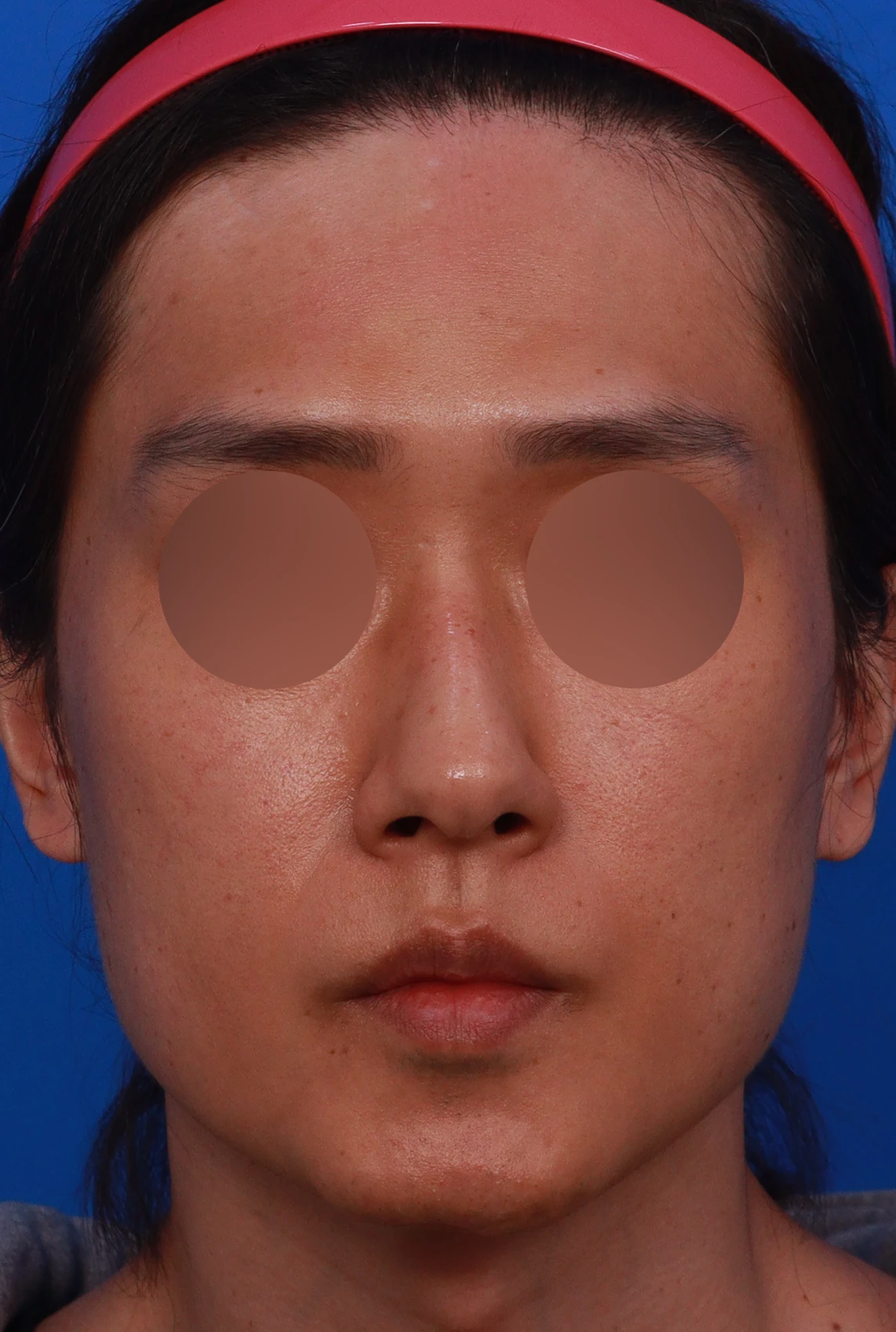
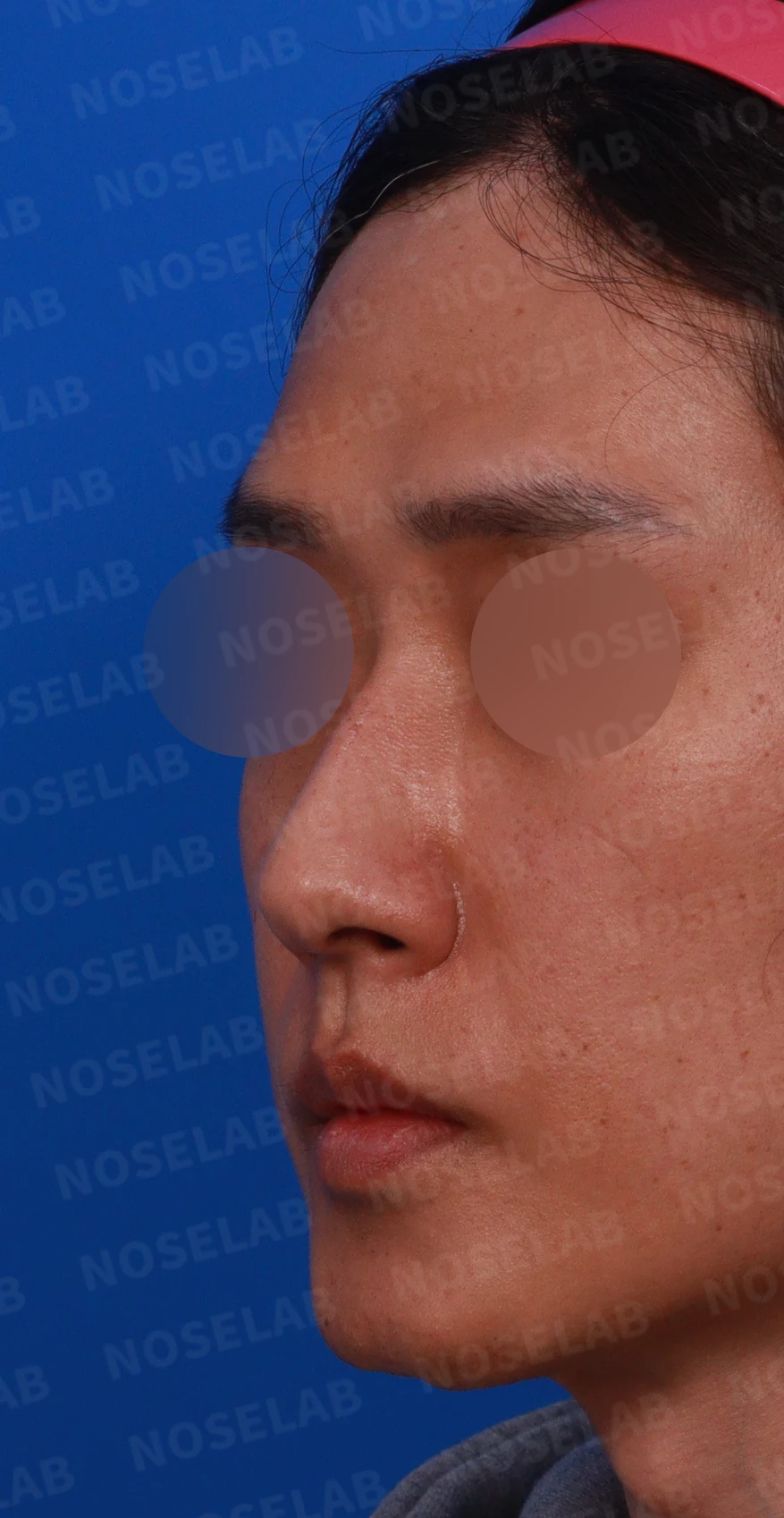
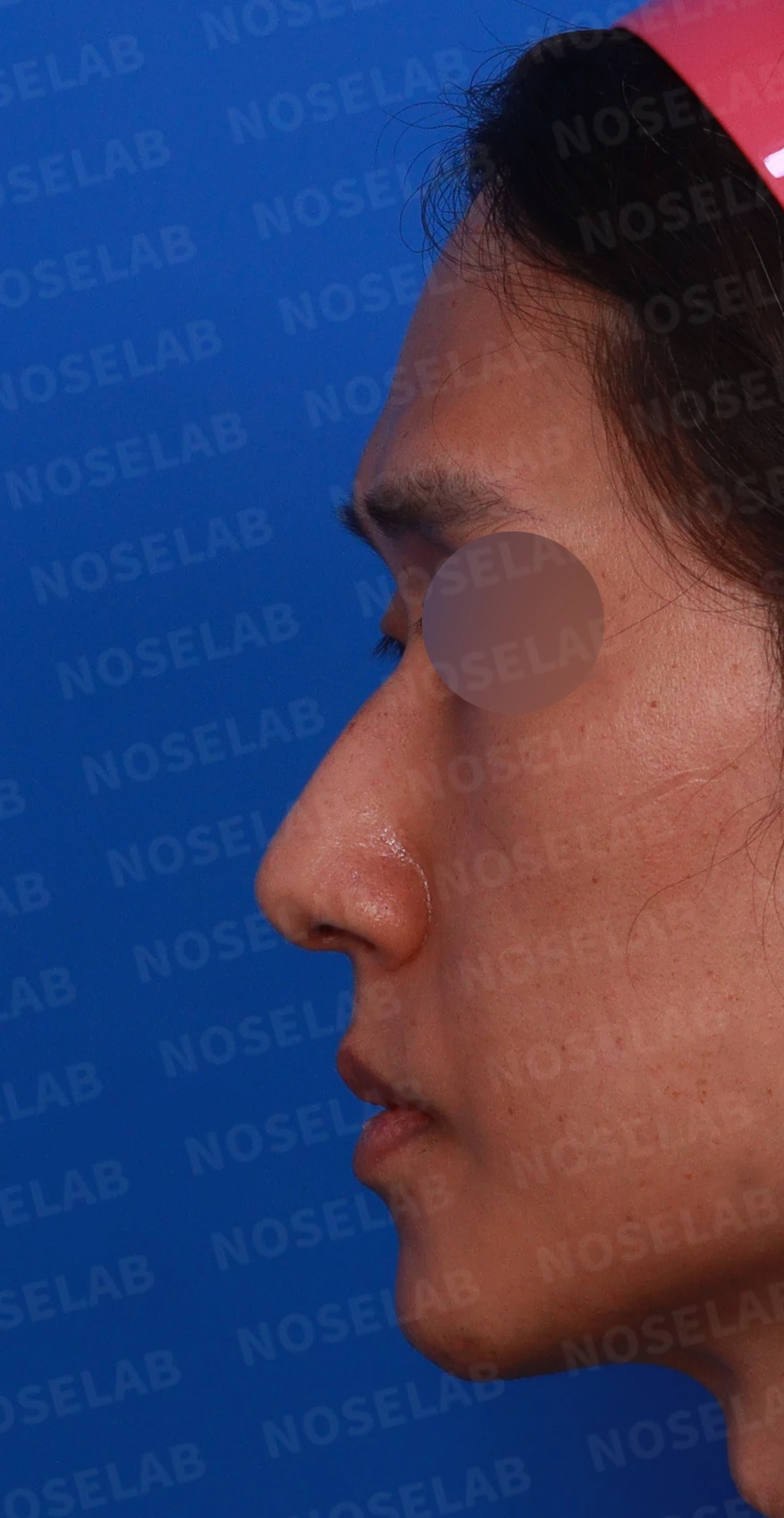
Design consultation photos: front, oblique, and left profile views.
Functional issues
Rhinitis symptoms
Aesthetic concerns
Dorsal hump
Flared nasal tip
Nose appears asymmetrically crooked from the front due to congenital facial asymmetry
Prominent brow bones
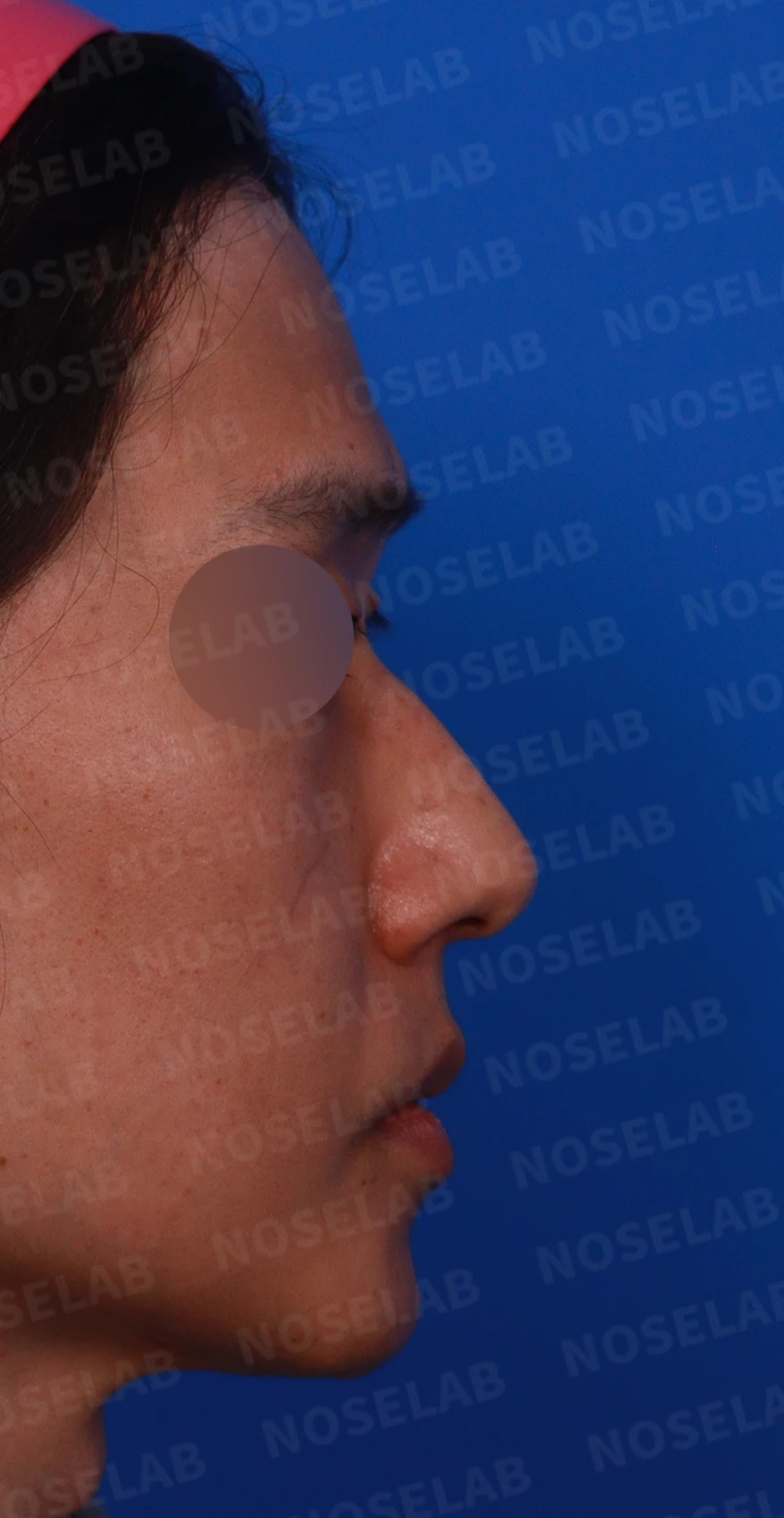
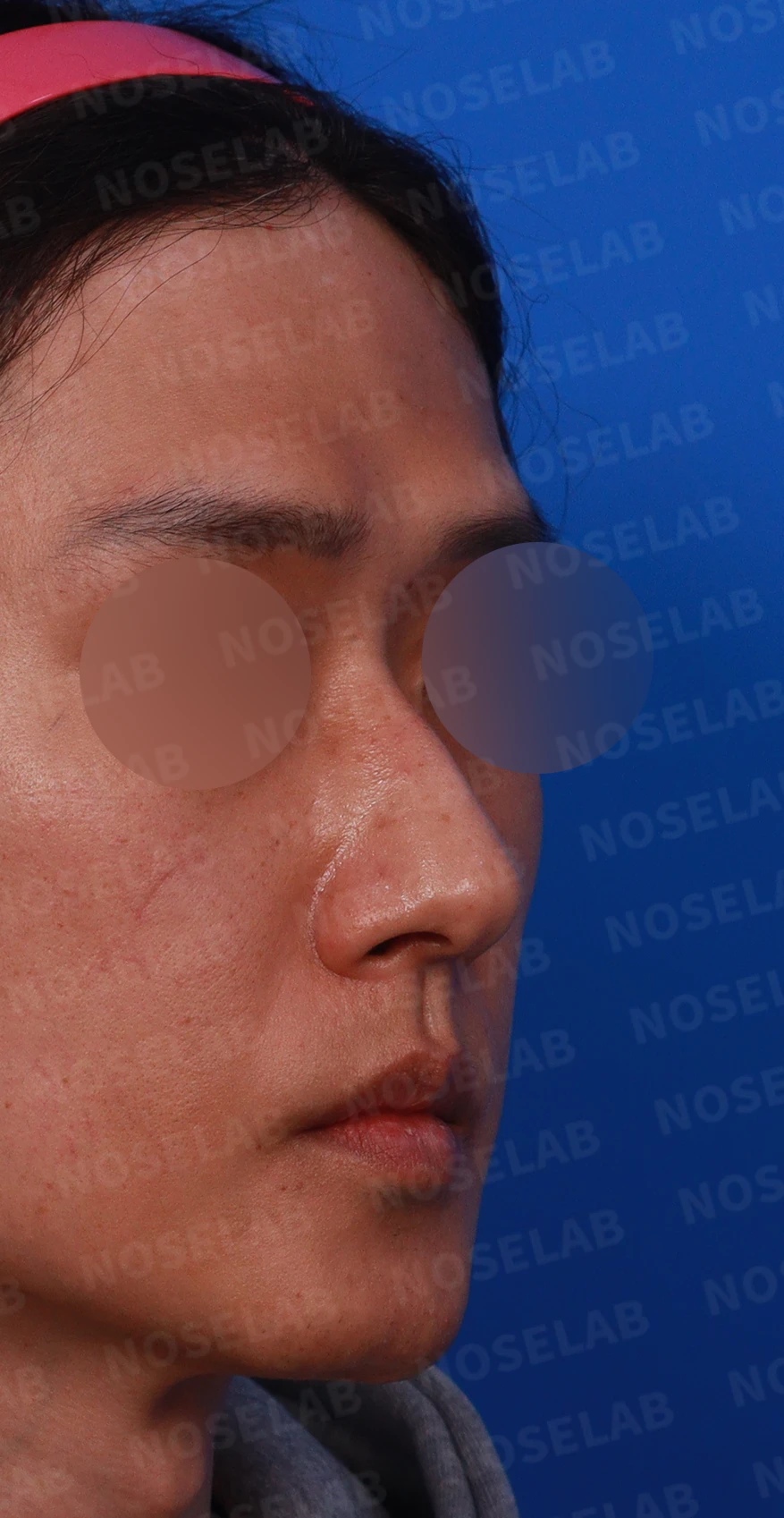
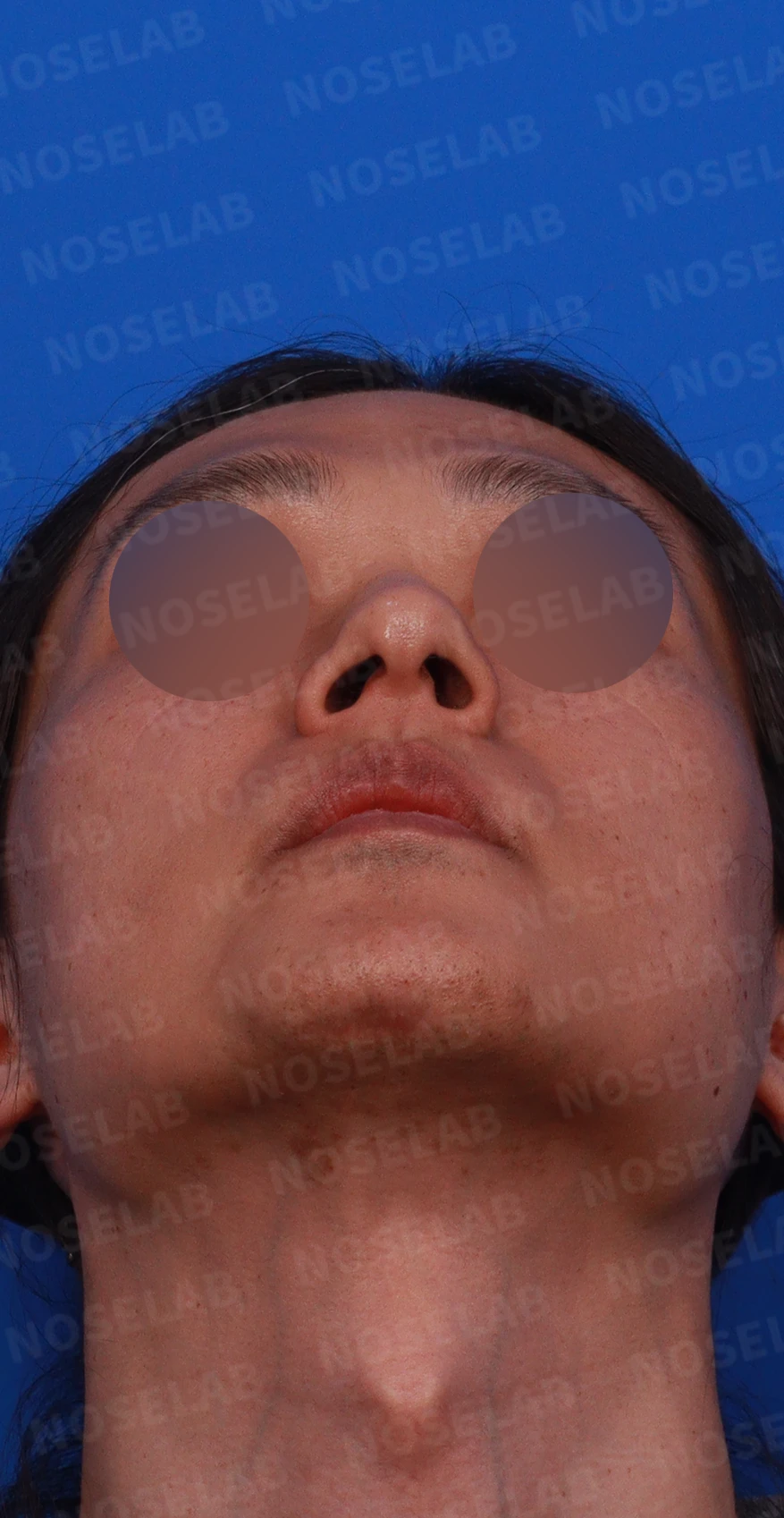
These are design consultation photos: right profile, oblique, and nostril views.
✨ Patient's requests
Preference for a defined, dramatic nasal line
Dorsal hump reduction
Improvement of a wide nasal tip
💉 Surgical procedure details
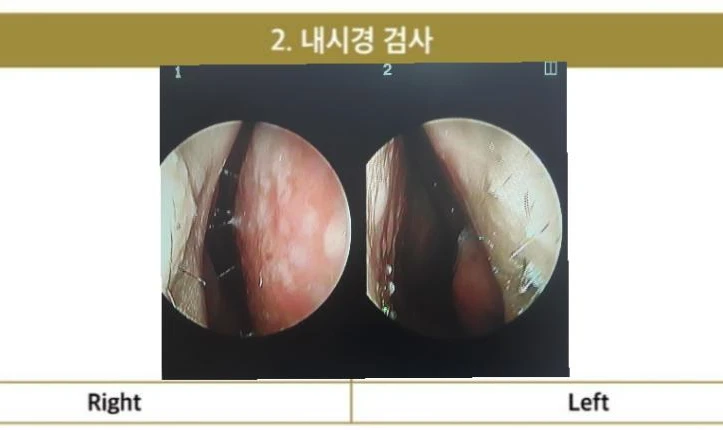
Endoscopic photo
3D-printed custom implant
Use of a 3D-printed implant custom-tailored to the patient's facial anatomy
Precise design accounting for congenital facial asymmetry and prominent brow bones
Realization of a defined yet natural line
Structural improvement
Tip plasty using autologous rib cartilage
Dorsal hump reduction
Improvement of a wide nasal tip
Functional improvement
Improvement of rhinitis through septoplasty and radiofrequency submucosal turbinoplasty of the inferior turbinates
✅ Surgical results
Functional improvement
Alleviation of rhinitis symptoms
Smooth breathing function
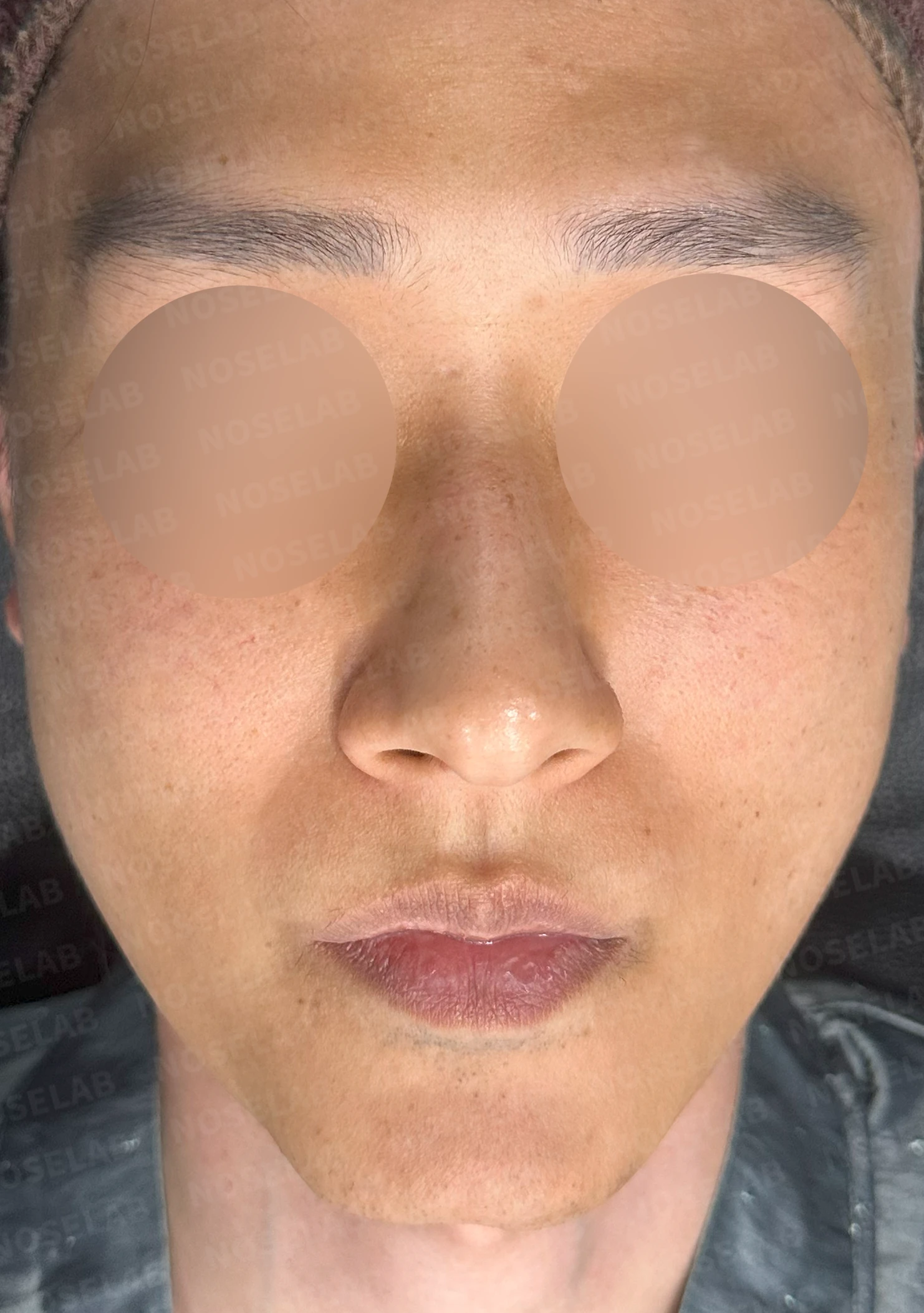
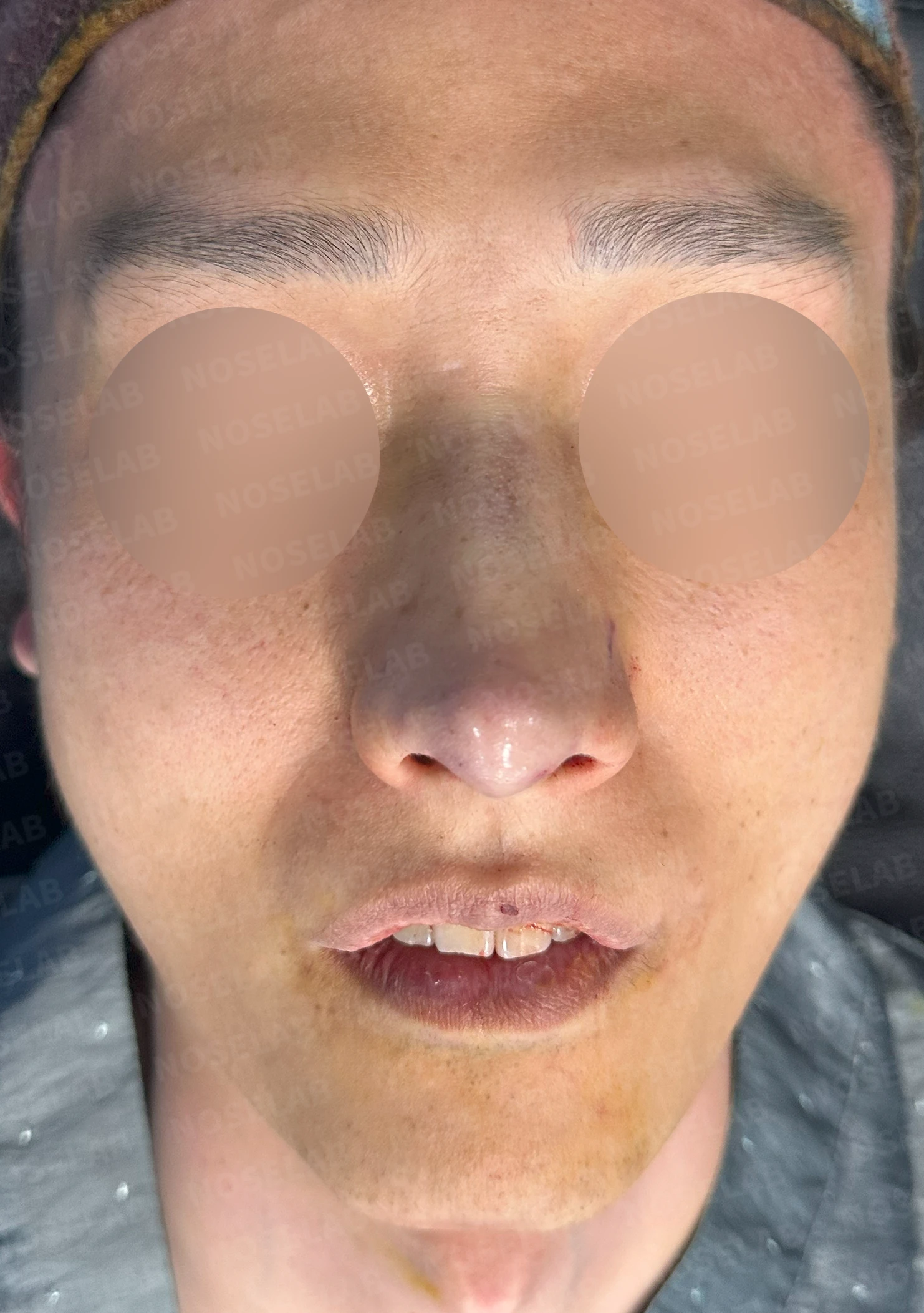
Before surgery / Day 0 immediately after surgery Photos taken immediately after surgery show swelling and may differ from the final result.
Front view
Natural correction of the dorsal hump
Improved spread nasal tip
A defined and refined appearance
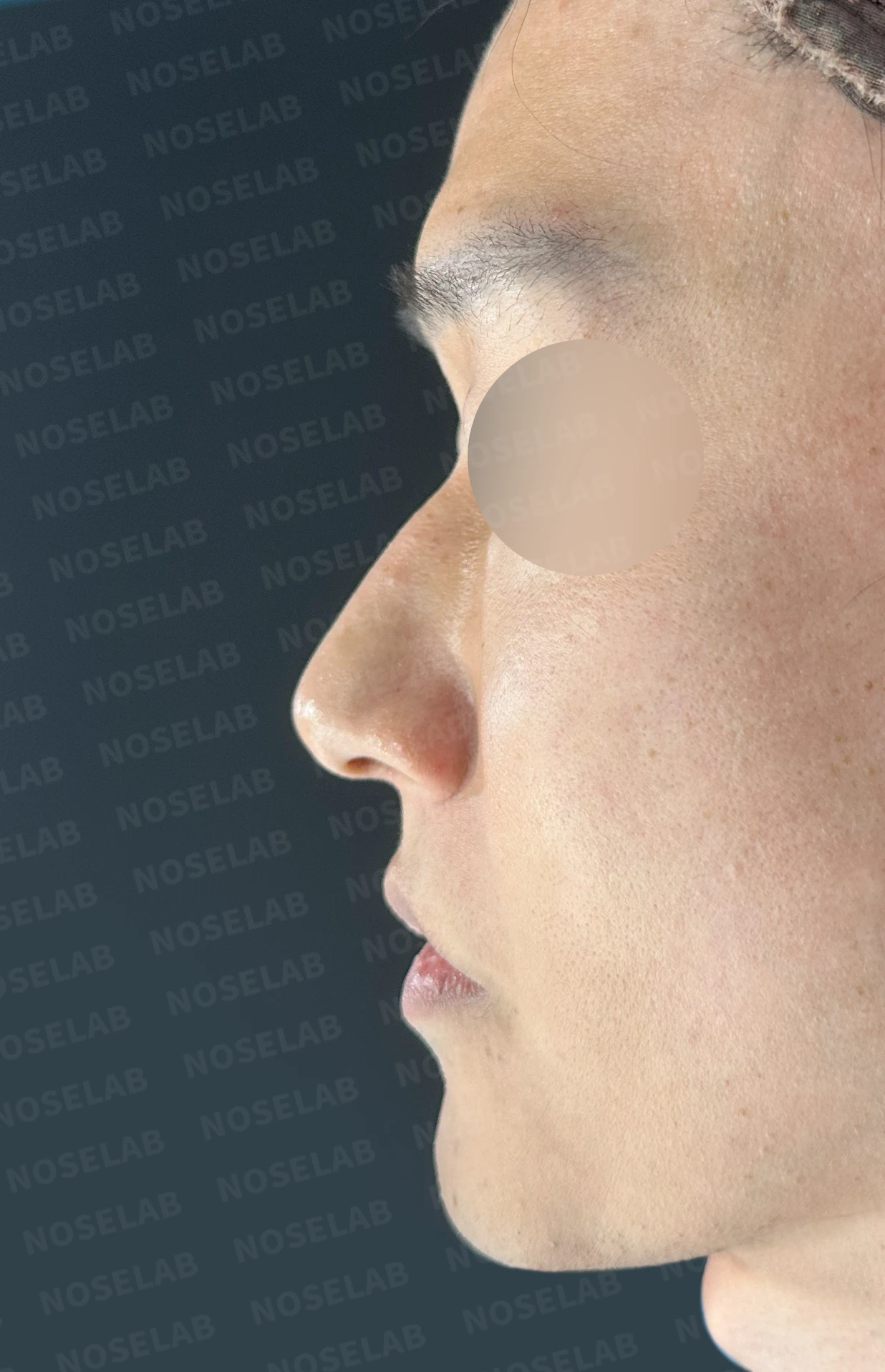
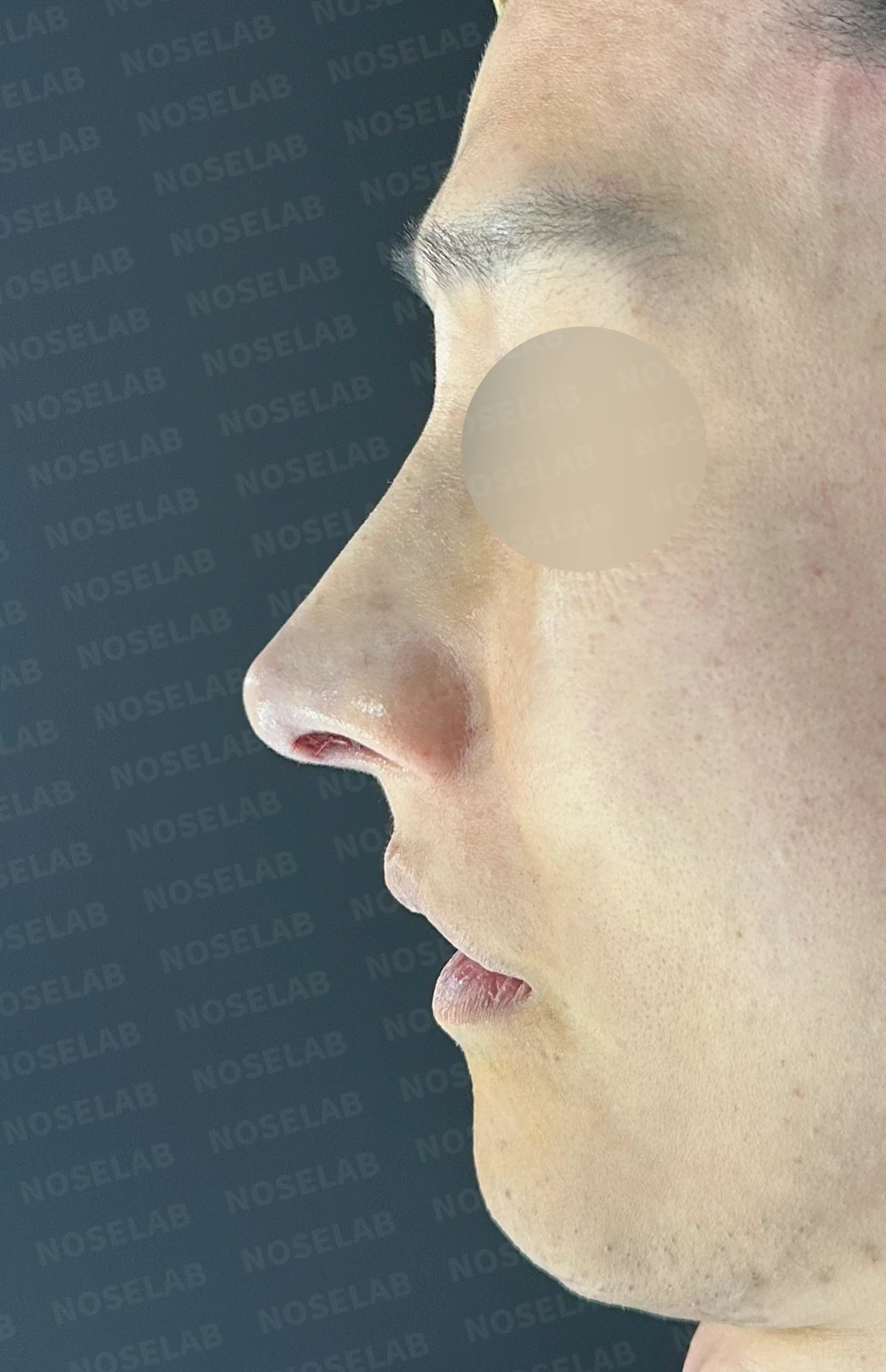
Before surgery / Day 0 immediately after surgery Photos taken immediately after surgery show swelling and may differ from the final result.
Profile view
Smooth and elegant line
Harmonious transition with the prominent brow bones
The defined nasal shape desired by the patient
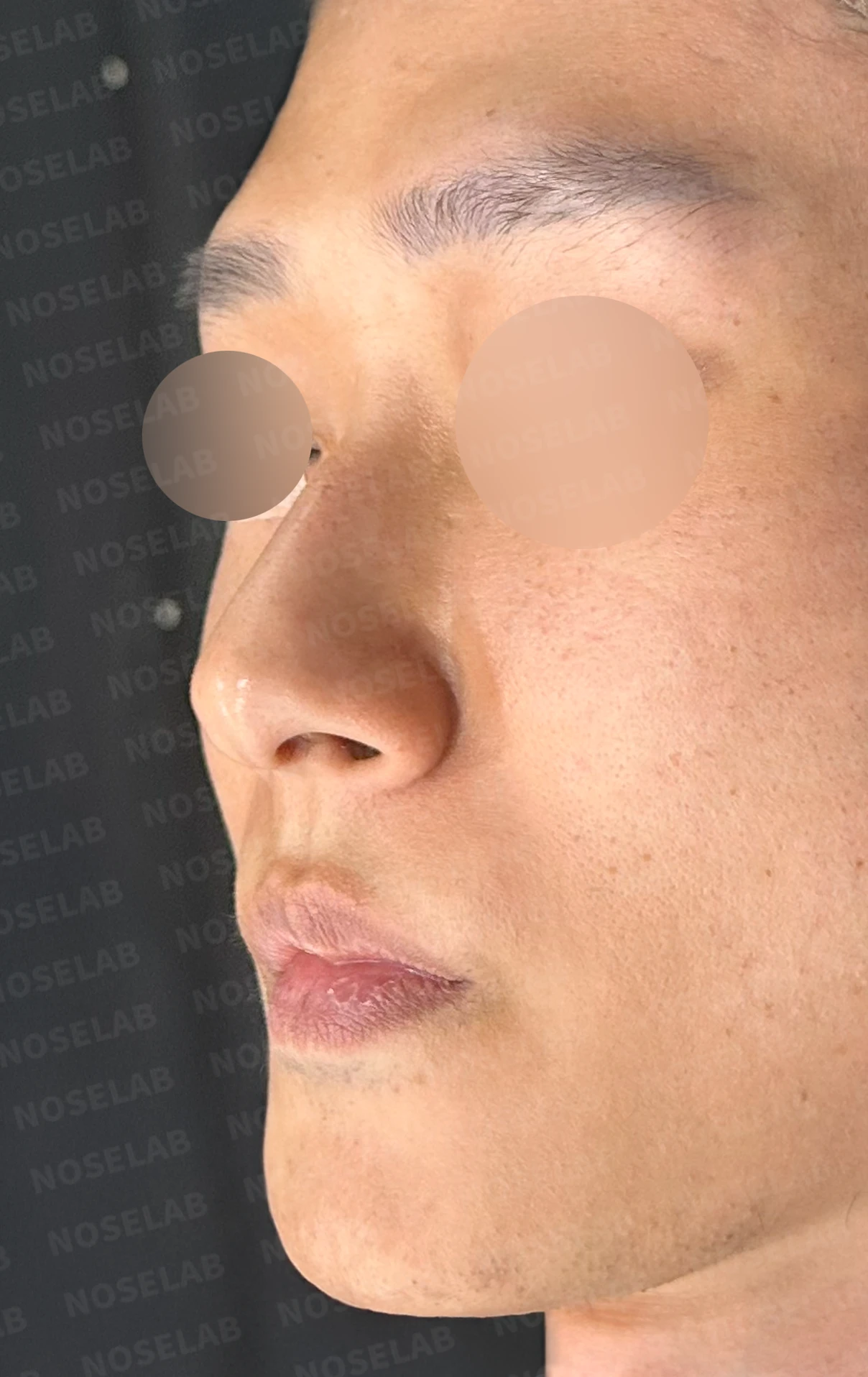
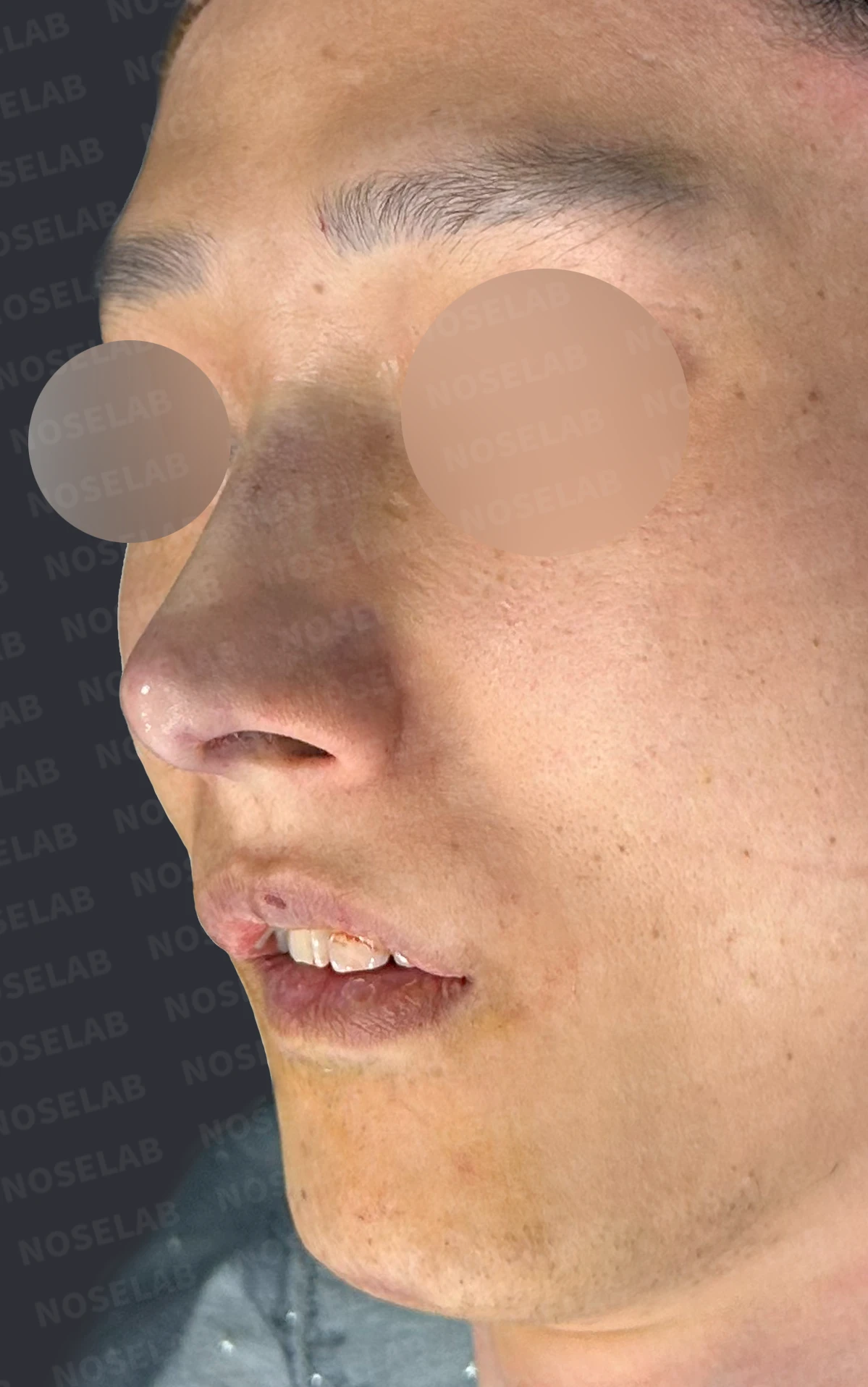
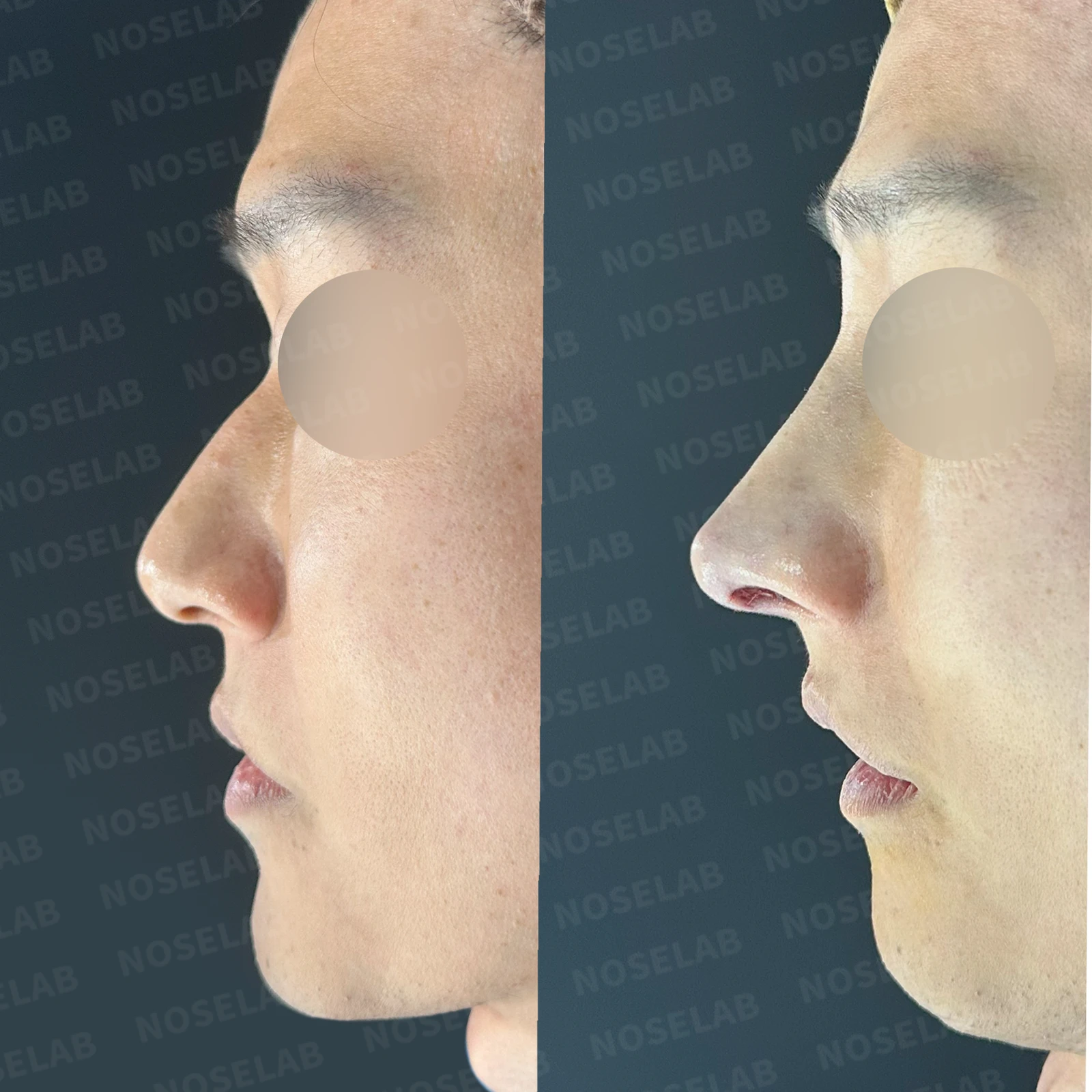
Before surgery / Day 0 immediately after surgery Photos taken immediately after surgery show swelling and may differ from the final result.
Advantages of 3D printing
Individualized fabrication accounting for facial asymmetry and prominent brow bones
Precise fit to complex facial anatomy
Natural and stable results
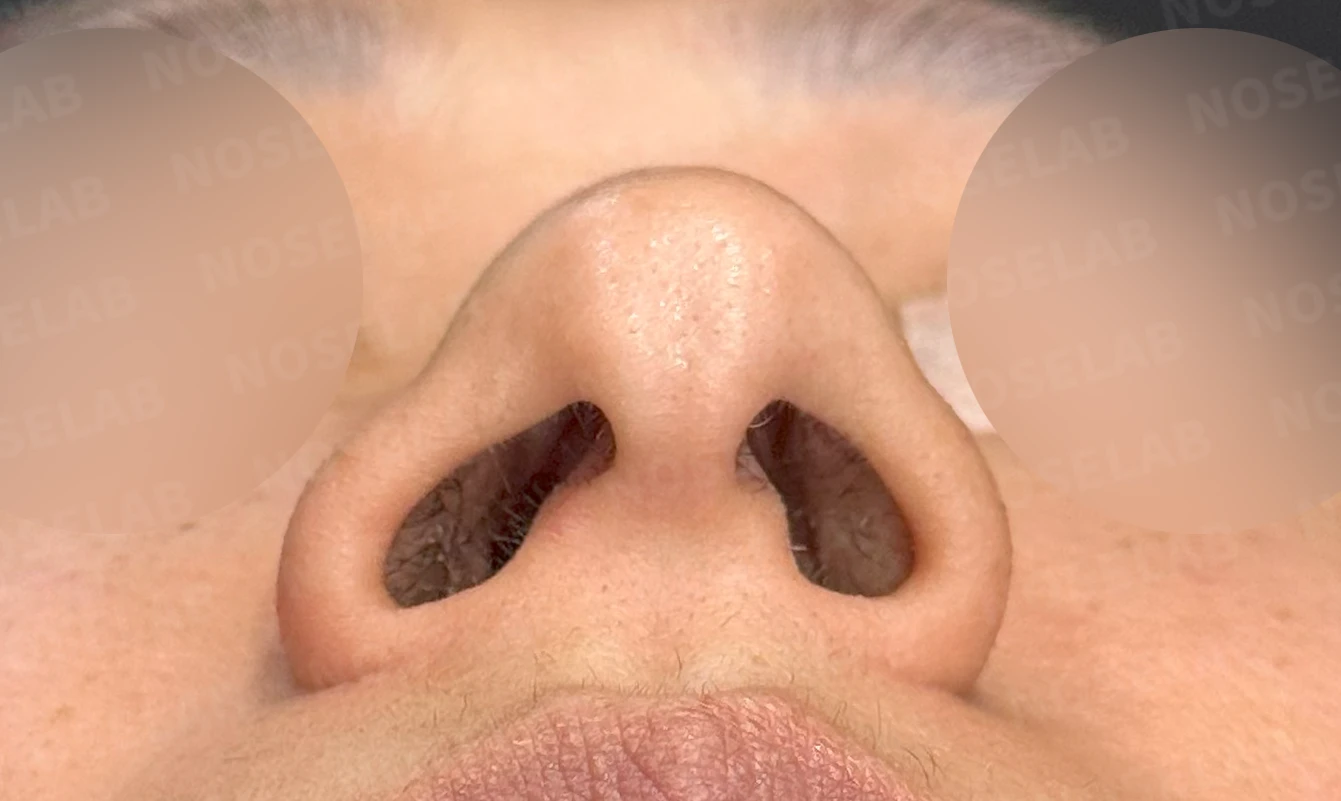
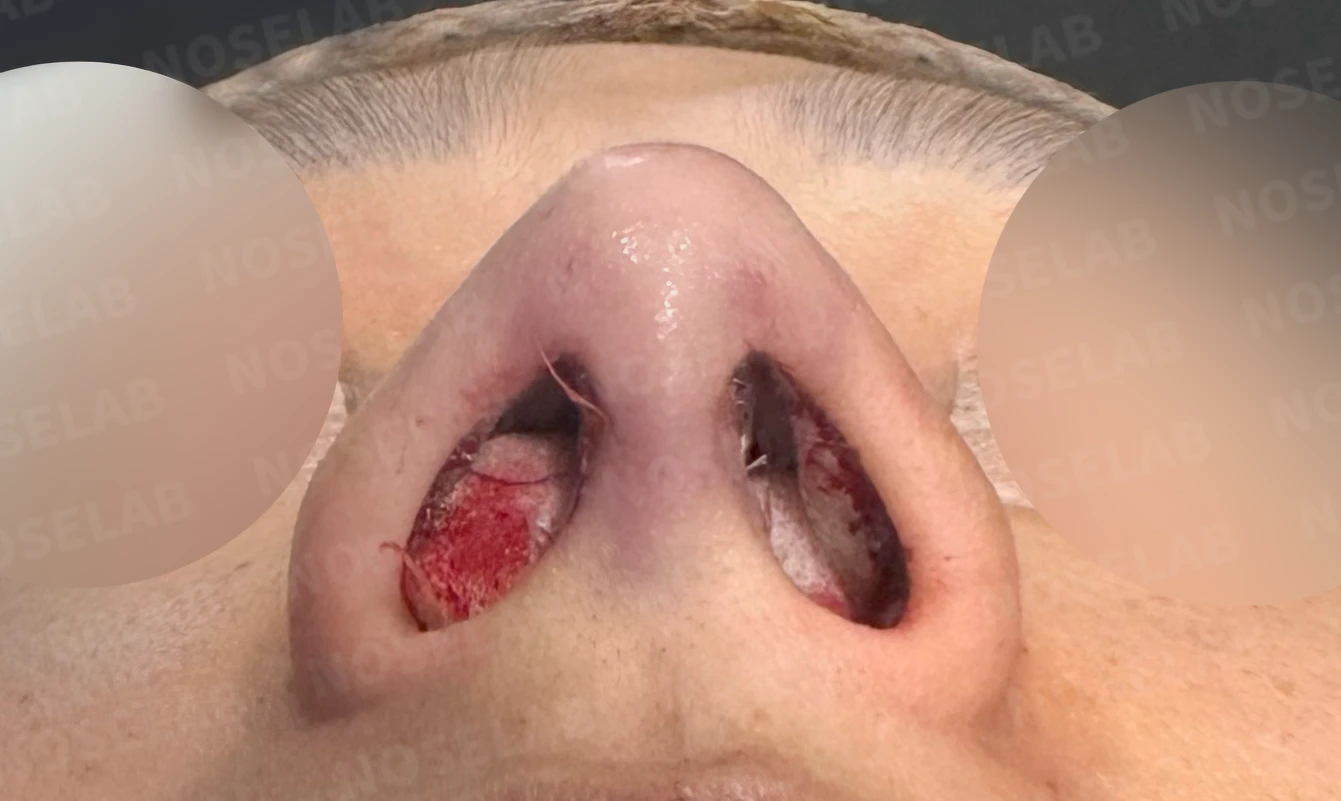
Before surgery / Day 0 immediately after surgery Photos taken immediately after surgery show swelling and may differ from the final result.
👨⚕️ Specialist's assessment
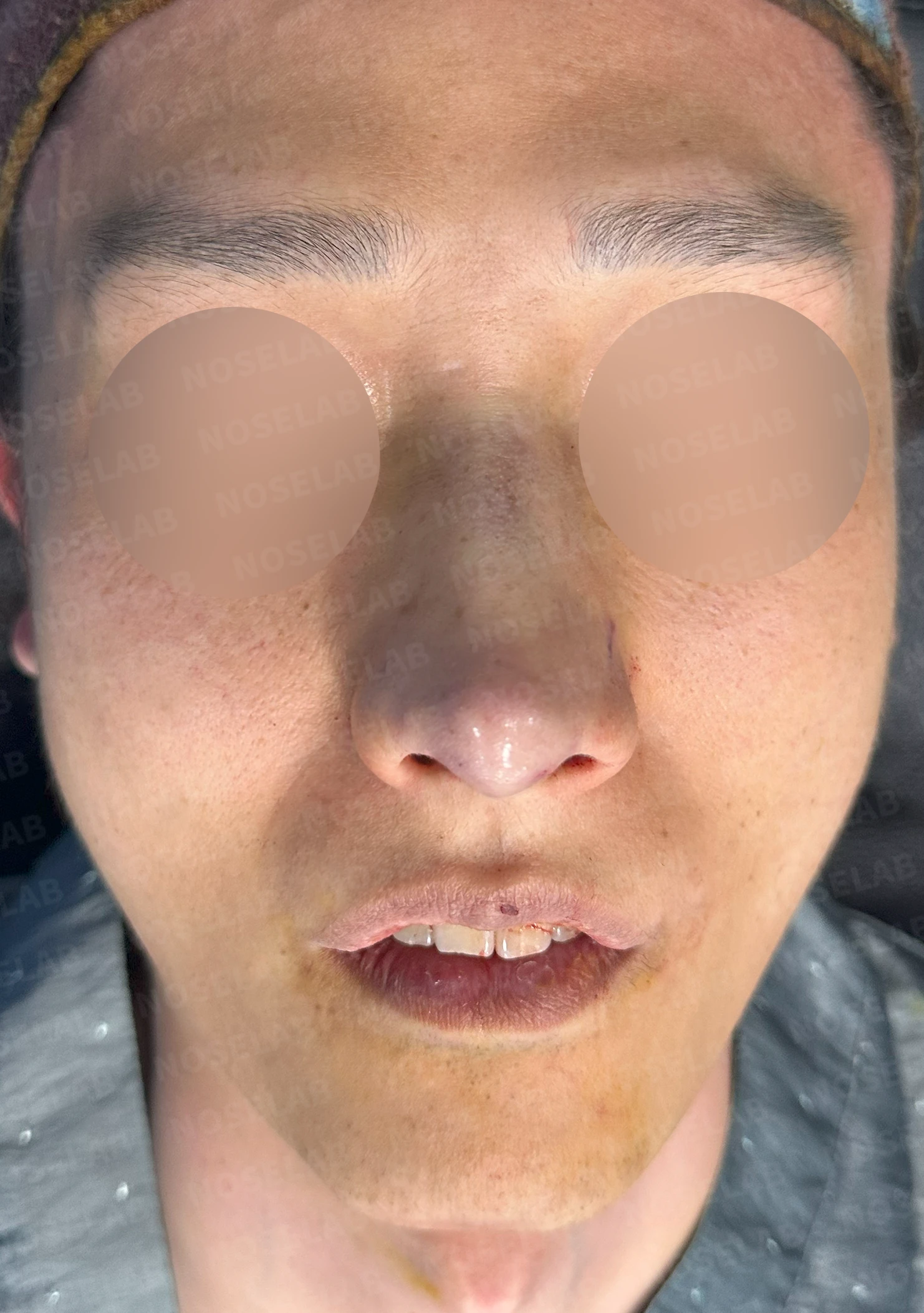
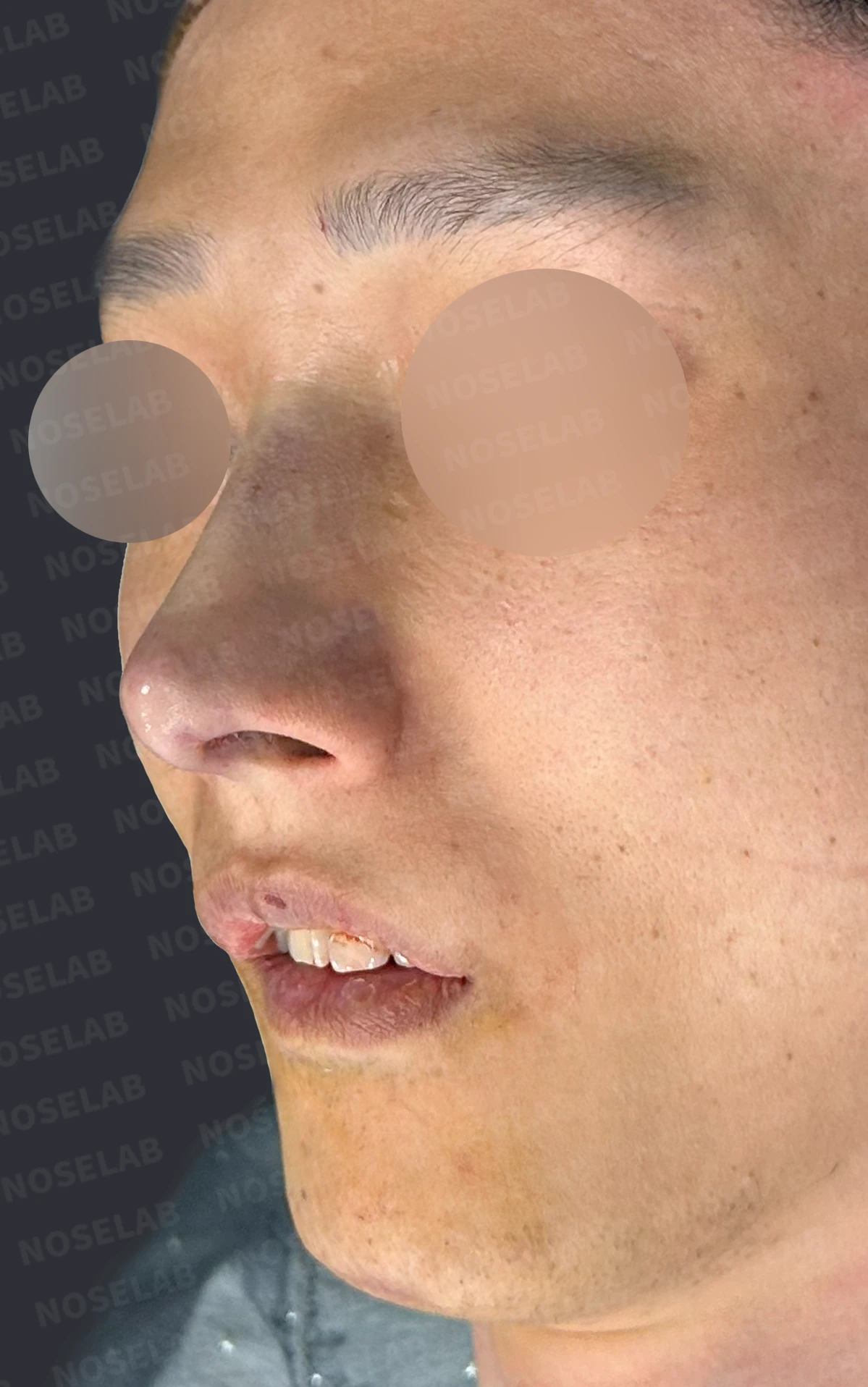
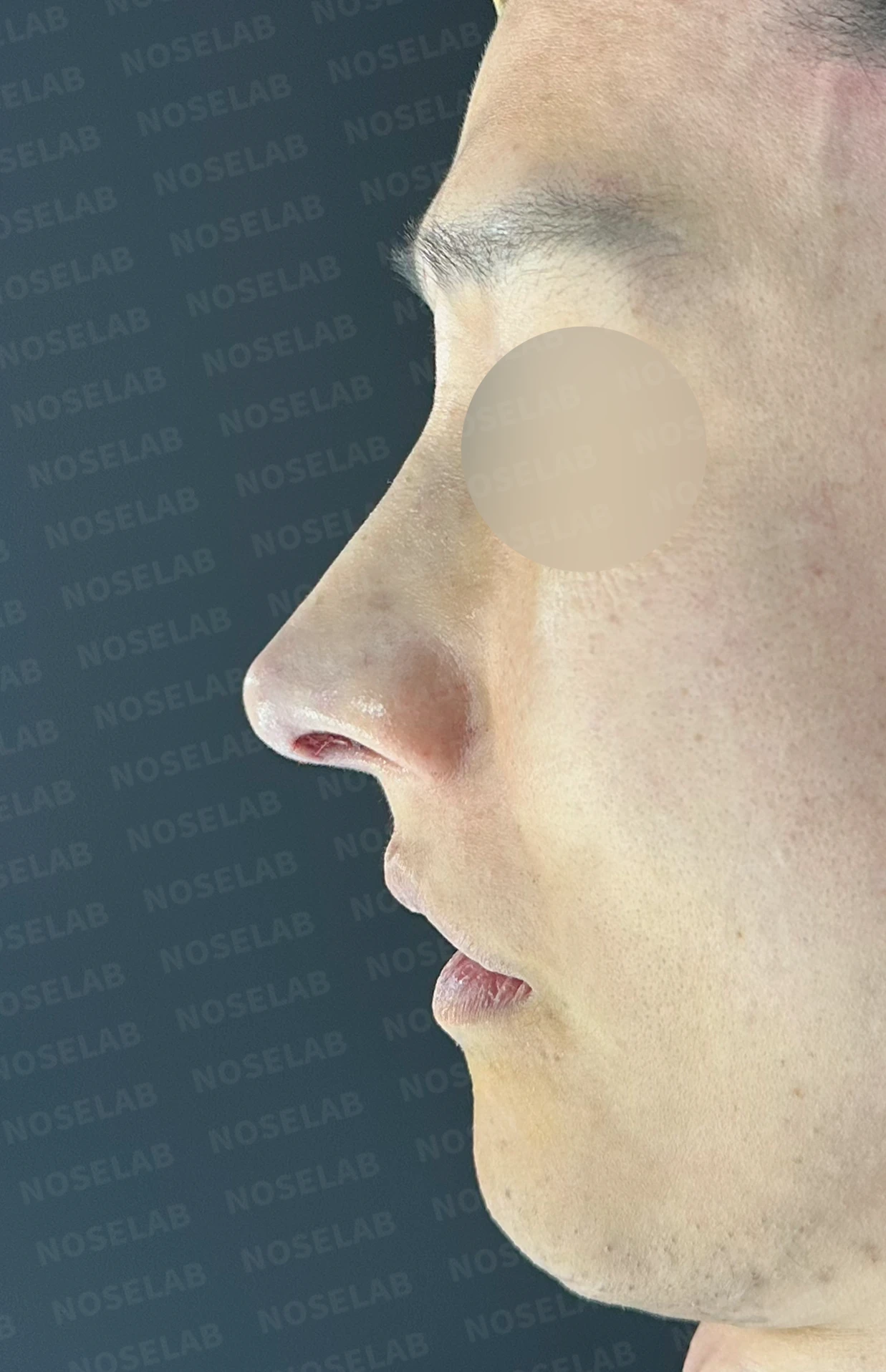
Front, oblique, and profile views on day 0 immediately after surgery Photos taken immediately after surgery show swelling and may differ from the final result.
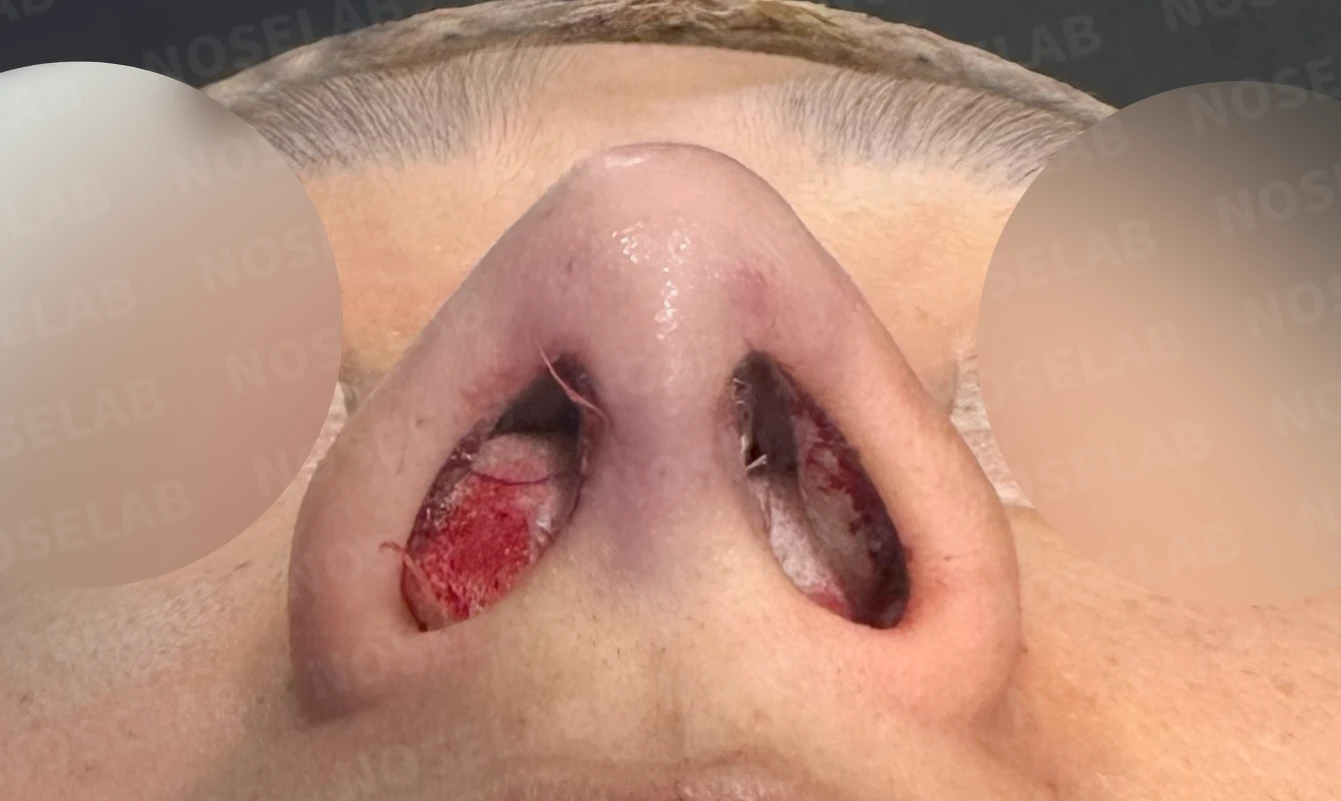
Nostril view on day 0 immediately after surgery Photos taken immediately after surgery show swelling and may differ from the final result.
This patient preferred a defined, glamorous nasal line while seeking improvement for a dorsal hump and a spread nasal tip. In particular, because of severe congenital facial asymmetry, the nose appearing noticeably crooked from the front was the greatest concern. Additionally, having prominent brow bones made it difficult to achieve a natural result using conventional prefabricated implants.
Correcting a crooked nose caused by congenital facial asymmetry is one of the more challenging surgeries. Rather than simply correcting the nose alone, the overall facial asymmetry must be taken into account. In particular, when the brow bones are prominent as in this case, even more precise calculations are required.
Detailed analysis of the patient's facial structure revealed an optical illusion where the nose appeared more deviated than it actually was, caused by the facial asymmetry and prominent brow bones. In the presence of such complex structural features, using a standard prefabricated implant could lead to an unnatural outcome, so I recommended surgery with a 3D custom implant.
Cases with pronounced brow bones and severe facial asymmetry represent one of the primary indications for 3D custom implant surgery. By precisely analyzing each individual's complex facial anatomy using CT data and utilizing an implant fabricated to match those contours, a natural and harmonious result can be achieved.
To address this, I recommended a 3D-printed custom implant. The 3D-printed implant is designed based on the patient's CT data to fit the individual facial anatomy accurately. Especially when there is a significant step-off between the forehead and the glabella, accurately calculating the relative height differences allows for the creation of a natural, well-balanced line.
The advantages of 3D printing were also prominently demonstrated in correcting the dorsal hump. Rather than simply shaving down the dorsal hump, we could account for facial asymmetry to achieve the defined nasal line the patient desired while balancing the overall facial proportions. The nose, which appeared crooked from the front, was naturally straightened, yielding a very satisfying result.
Correction involving congenital facial asymmetry was a challenging procedure, but utilizing a 3D custom implant allowed us to accurately reflect each structural feature and address the issues effectively.
To improve the spread nasal tip, precise tip plasty was performed using autologous rib cartilage. The nasal tip was refined to harmonize with the defined bridge line created by the 3D-printed implant, achieving overall balance.
The greatest advantage of a 3D-printed implant is that it is fabricated specifically for each individual patient. Unlike standard preformed implants, minimal intraoperative adjustments are required, supporting predictable outcomes. In addition, it is manufactured from highly biocompatible materials, supporting long-term stability.
To improve rhinitis, septoplasty and radiofrequency submucosal inferior turbinectomy were performed concurrently, addressing the functional concerns as well.
As a result, we were able to deliver the defined nose the patient desired while achieving a natural outcome that harmonized with complex structural features, including congenital facial asymmetry and prominent brow bones. In particular, this was a meaningful case where the nose that appeared deviated from the front was successfully corrected using a 3D-printed custom implant.
This has been Dr. Peter C. Kang, medical director.
Thank you.
#closedrhinoplasty #3Dprintedimplant #dorsalhumpcorrection #customrhinoplasty #glamorousnose #spreadtipcorrection

Limitations and risks
When autologous rib cartilage is used, scarring and pain may remain at the donor site on the chest, and pneumothorax (pleural injury) can occur rarely. Over time, the grafted cartilage may warp or undergo partial resorption.
When the septum is corrected at the same time, nasal obstruction may persist or recur, and in rare cases, septal perforation or changes in smell may occur.
Common potential risks include infection, bleeding, asymmetry, scarring, skin necrosis, and insufficient improvement; results vary depending on individual skin condition and previous surgical history.