Hello, I am Dr. Peter C. Kang.
Today, I would like to introduce a unique case in which structural problems that arose after multiple surgeries were corrected.
There are often instances where the external appearance of the nose seen during preoperative consultation differs significantly from the internal condition discovered during surgery. The patient I am introducing today was also a case where the internal condition of the nose was far worse than its external shape suggested.
🔍 Surgical history
23 years ago: Surgery with ear cartilage
13 years ago: Surgery with silicone implant
10 years ago: Septal cartilage + ear cartilage + silicone implant
💉 Patient's requests
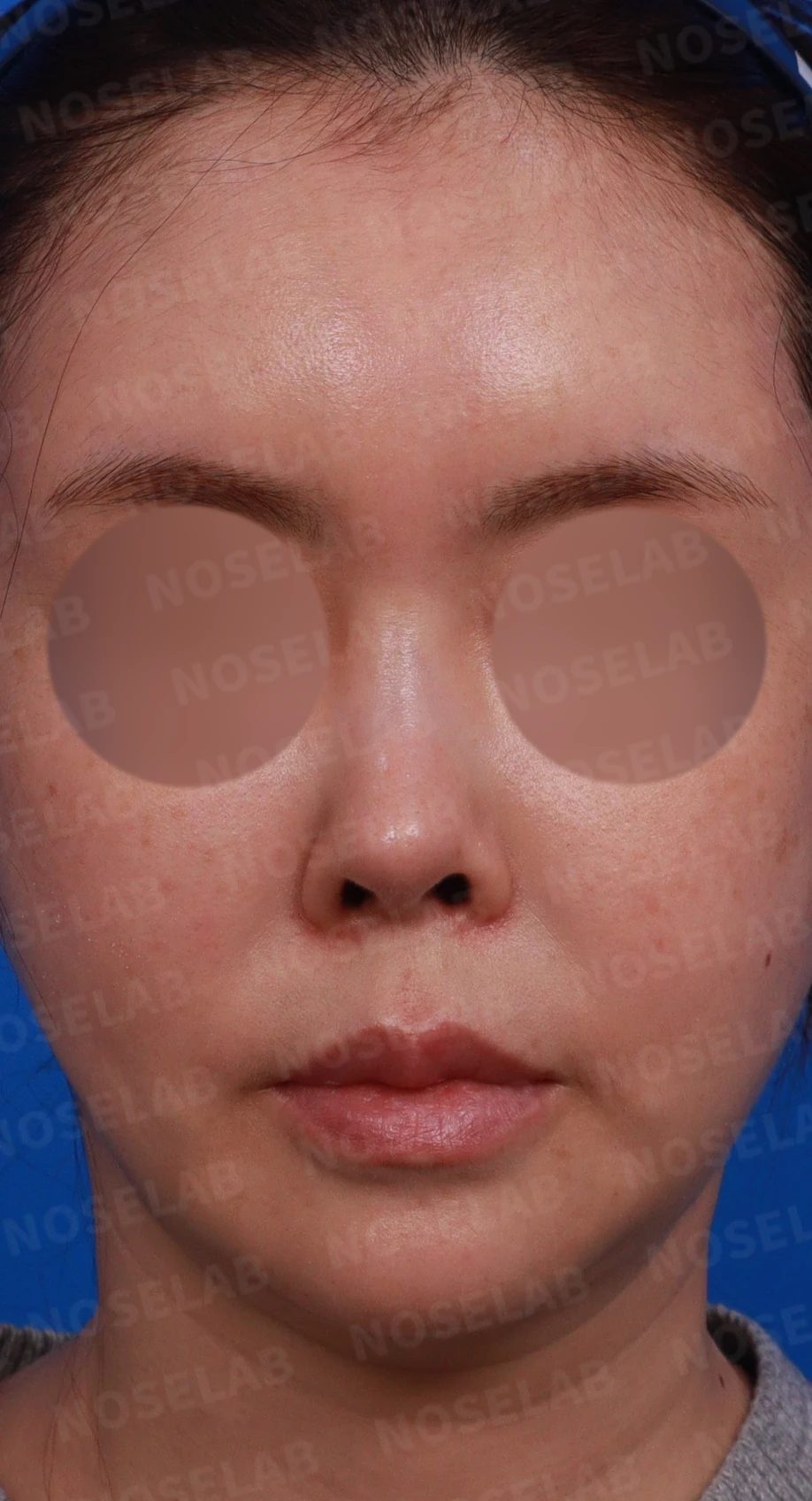
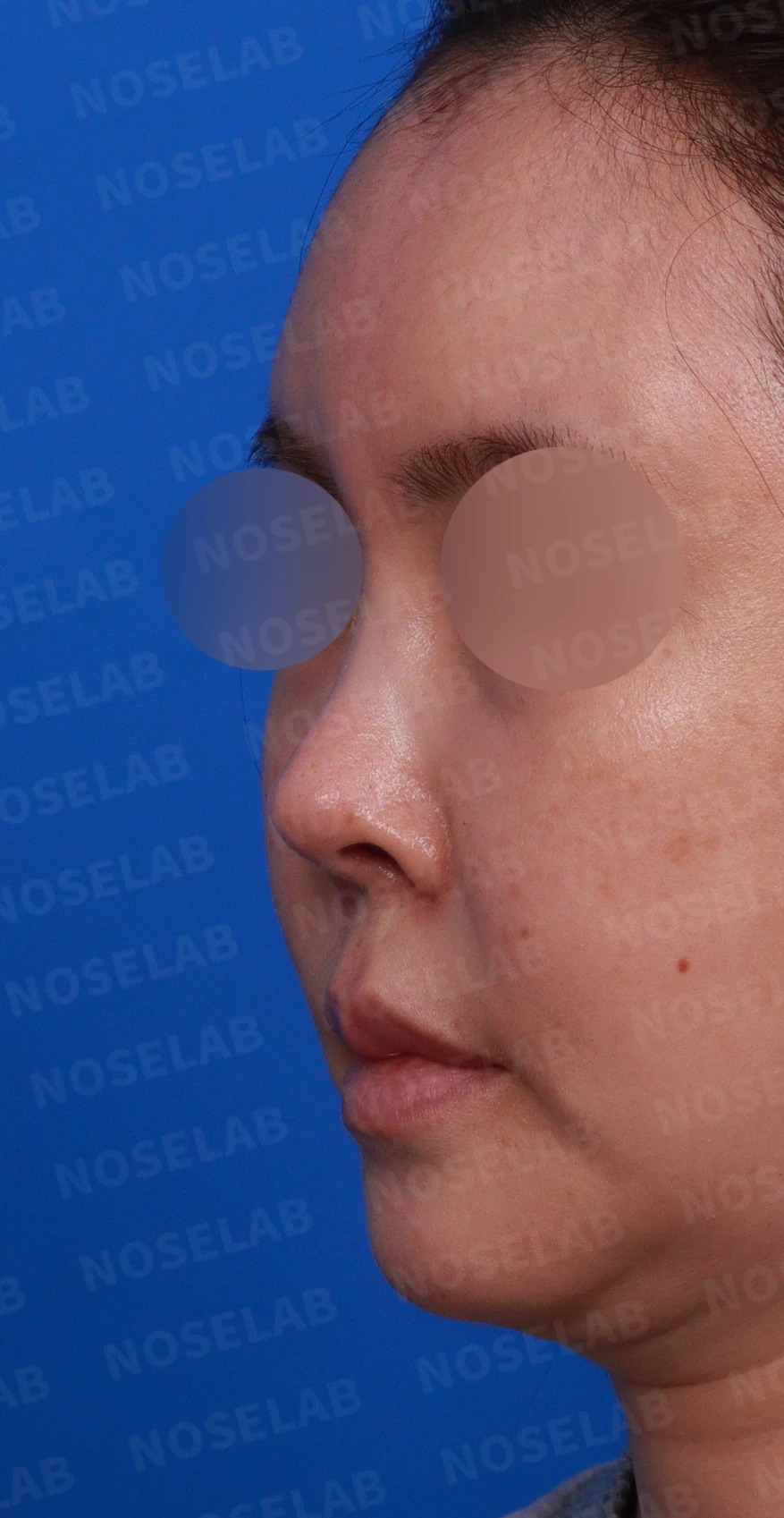
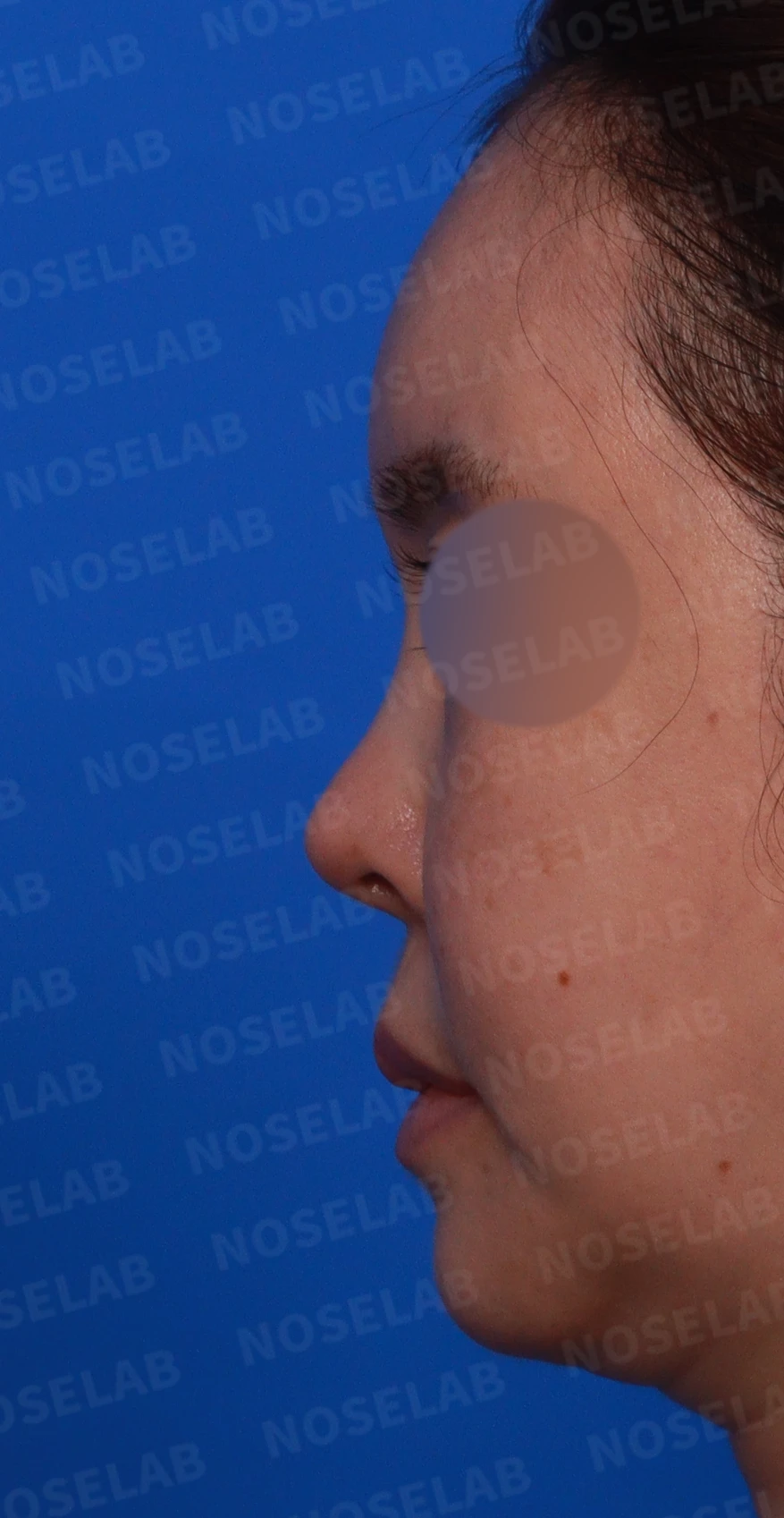
Design consultation: front, left oblique, and profile views.
Reduce visible nostril show
Make the philtrum appear shorter
Correction of upturned nose
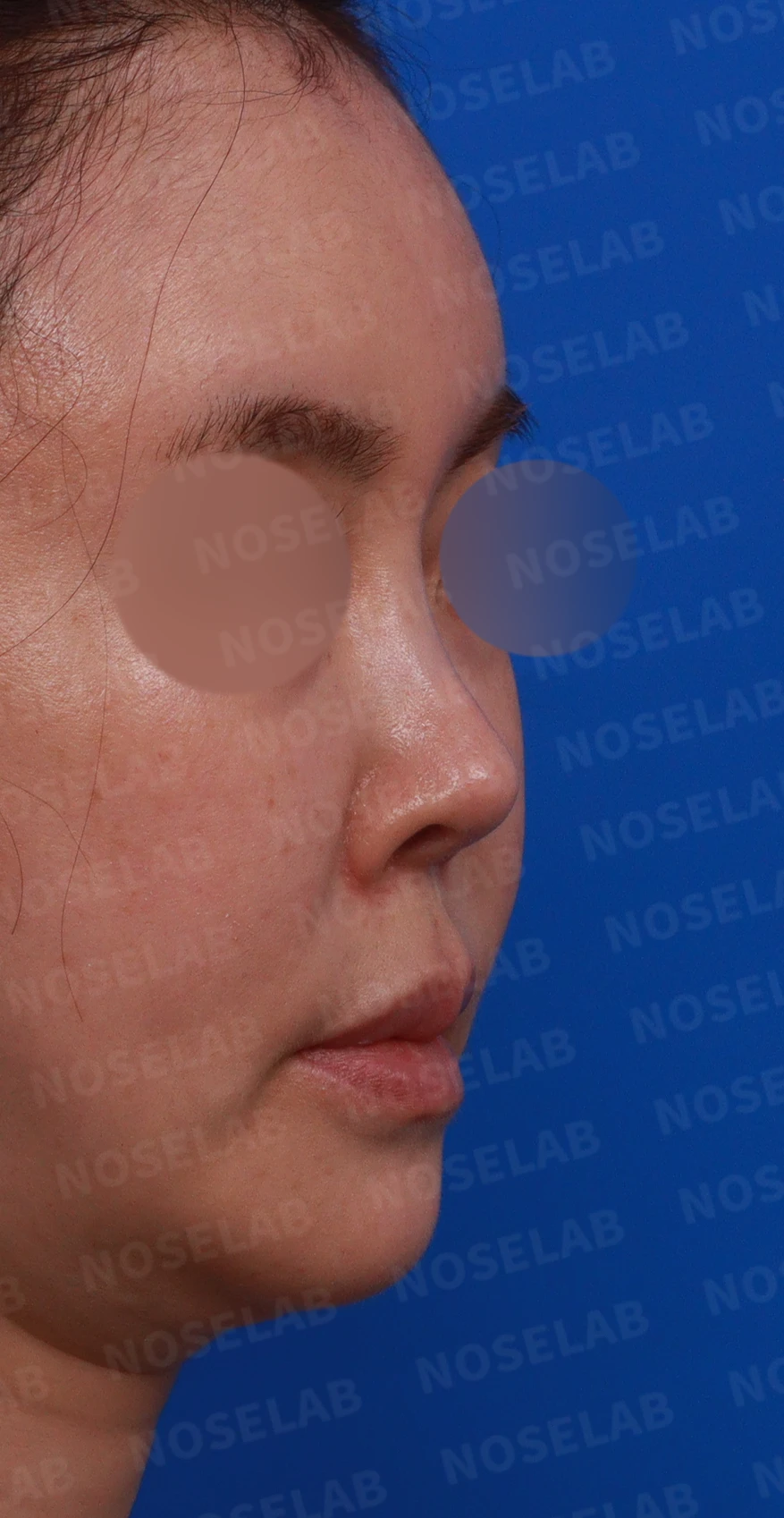
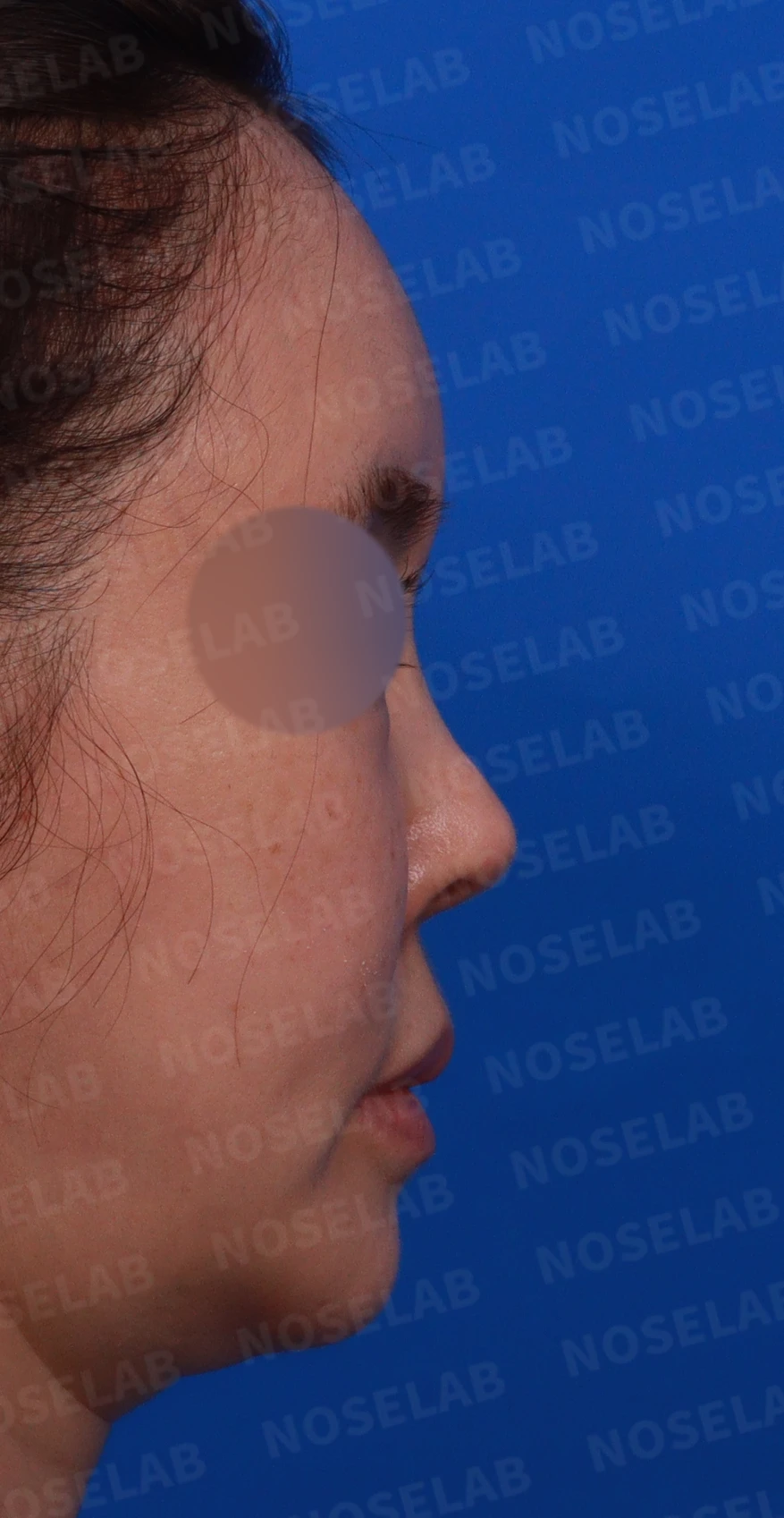
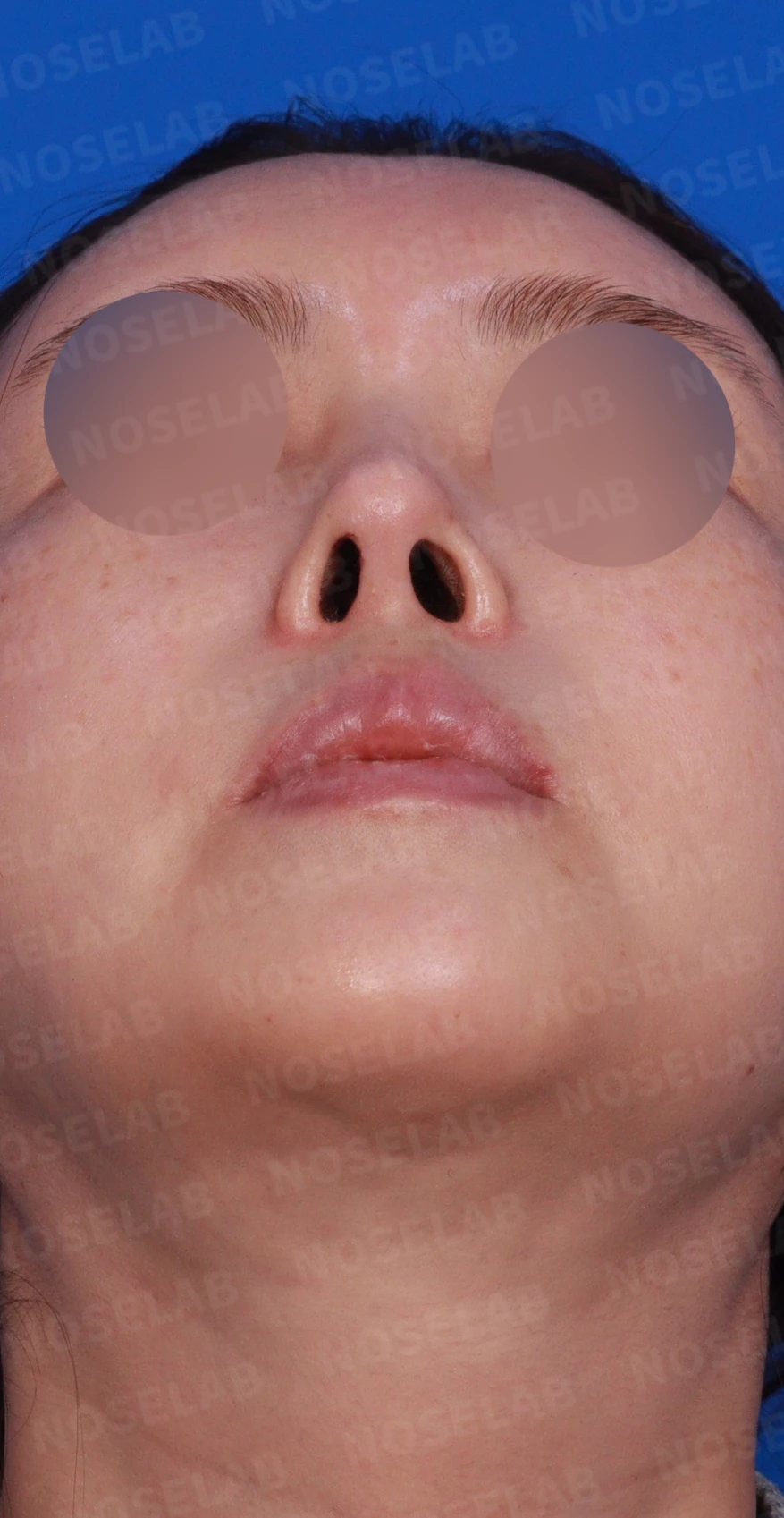
Design consultation: right oblique, profile, and basal (nostril) views.
🔧 Preoperative analysis
Front view
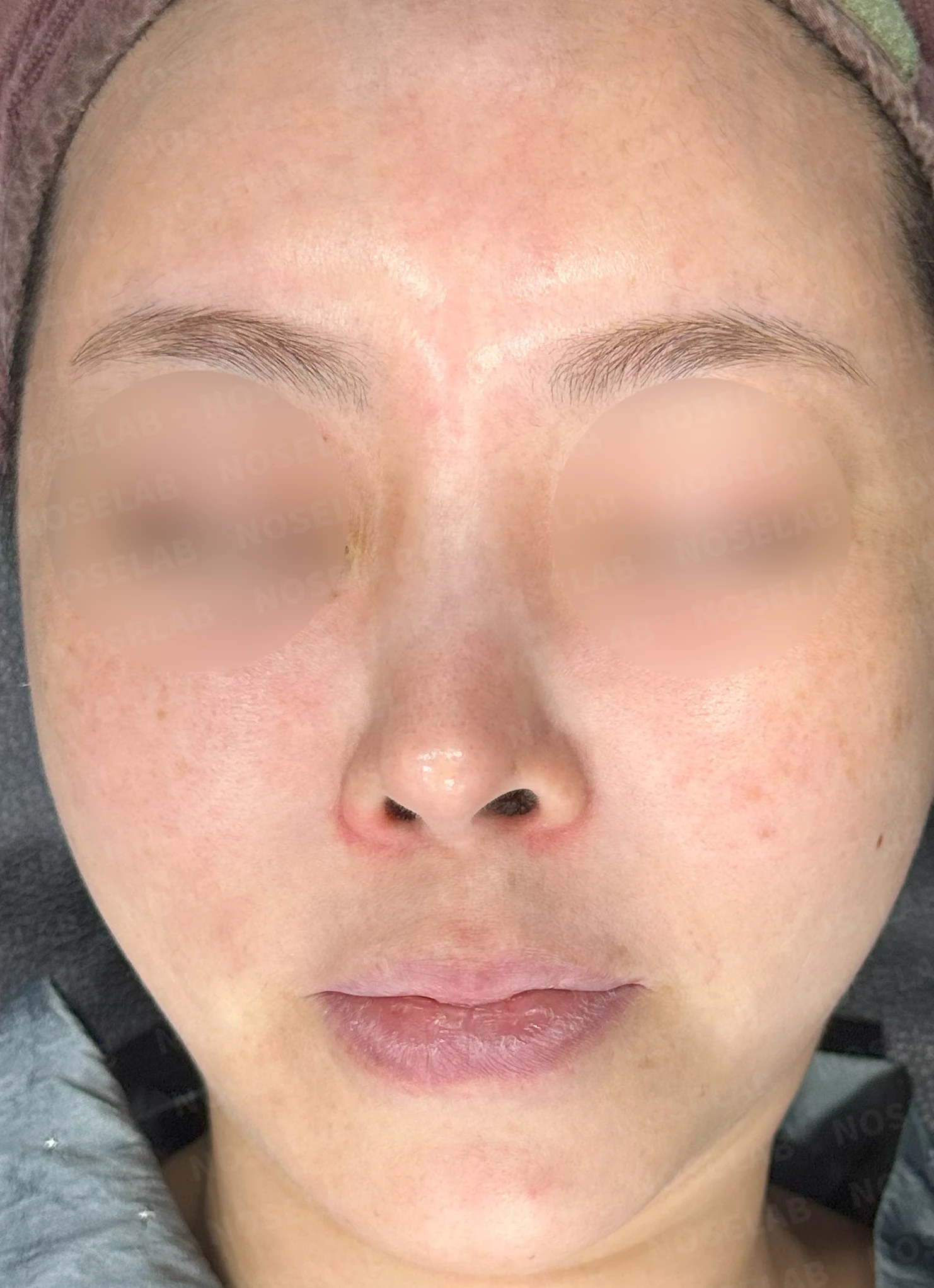
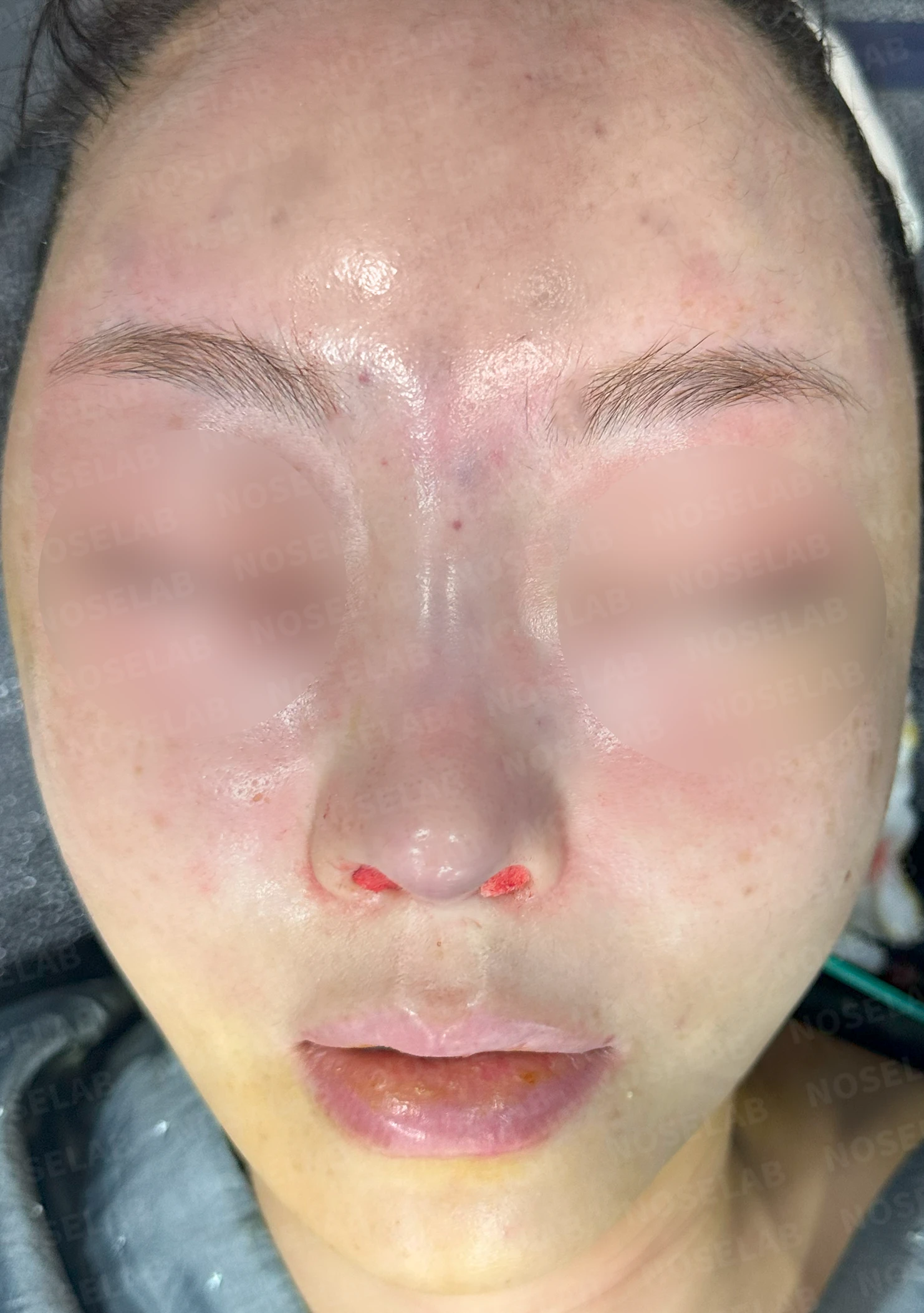
Before surgery / Day 0 immediately after surgery Photos taken immediately after surgery show swelling and may differ from the final result.
Excessive nostril show
Nostril asymmetry
Deviated nose
Broad nasal bridge
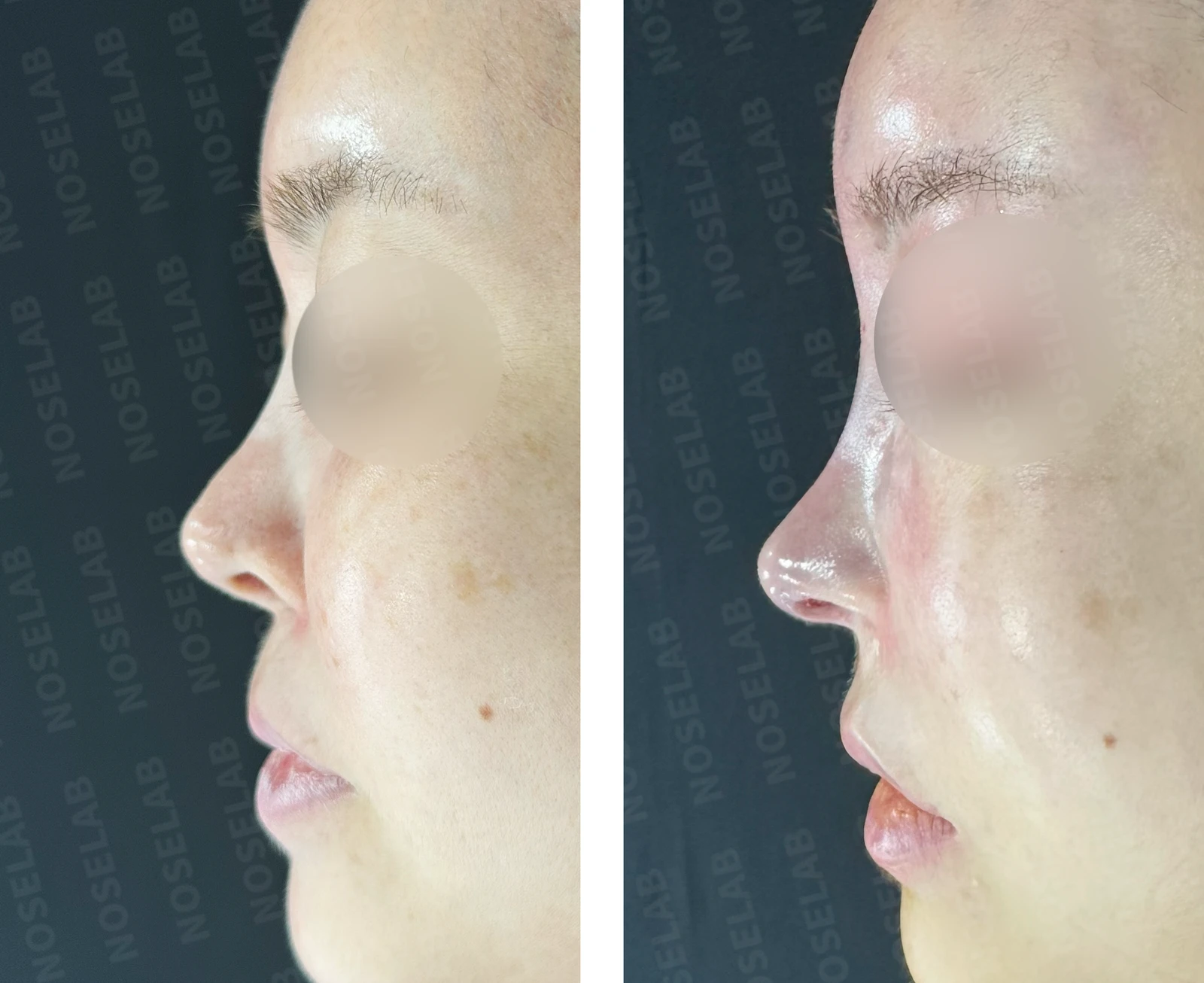
2. Profile view
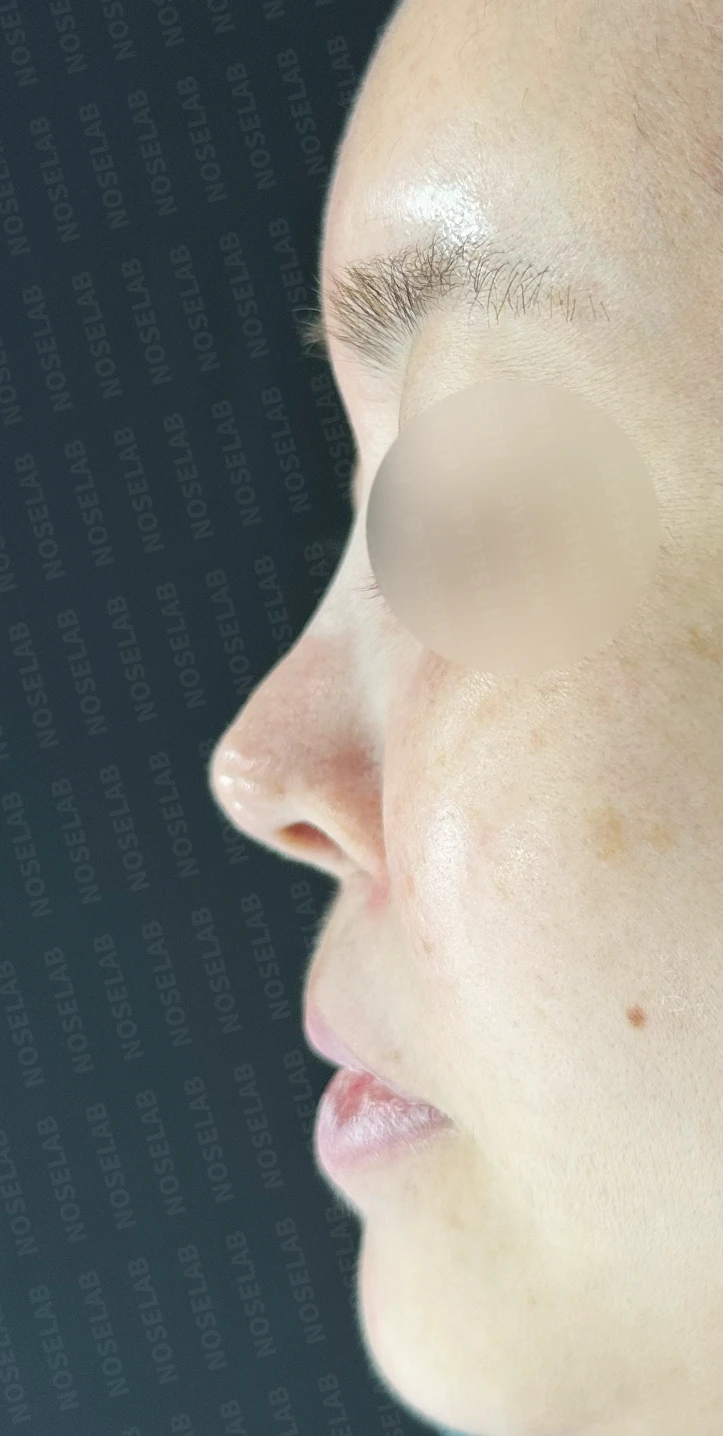
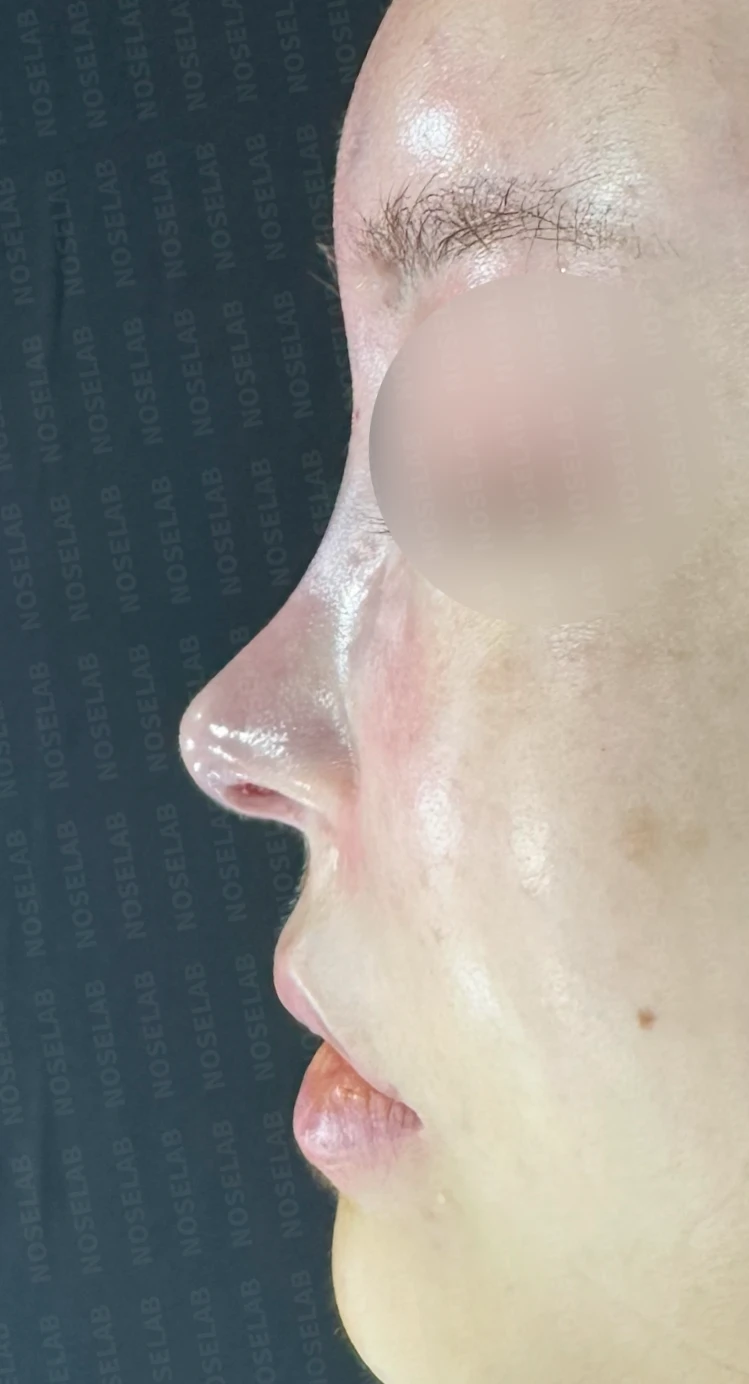
Before surgery / Day 0 immediately after surgery Photos taken immediately after surgery show swelling and may differ from the final result.
Upturned nasal tip
High radix
Protruding mouth findings
3. Oblique view
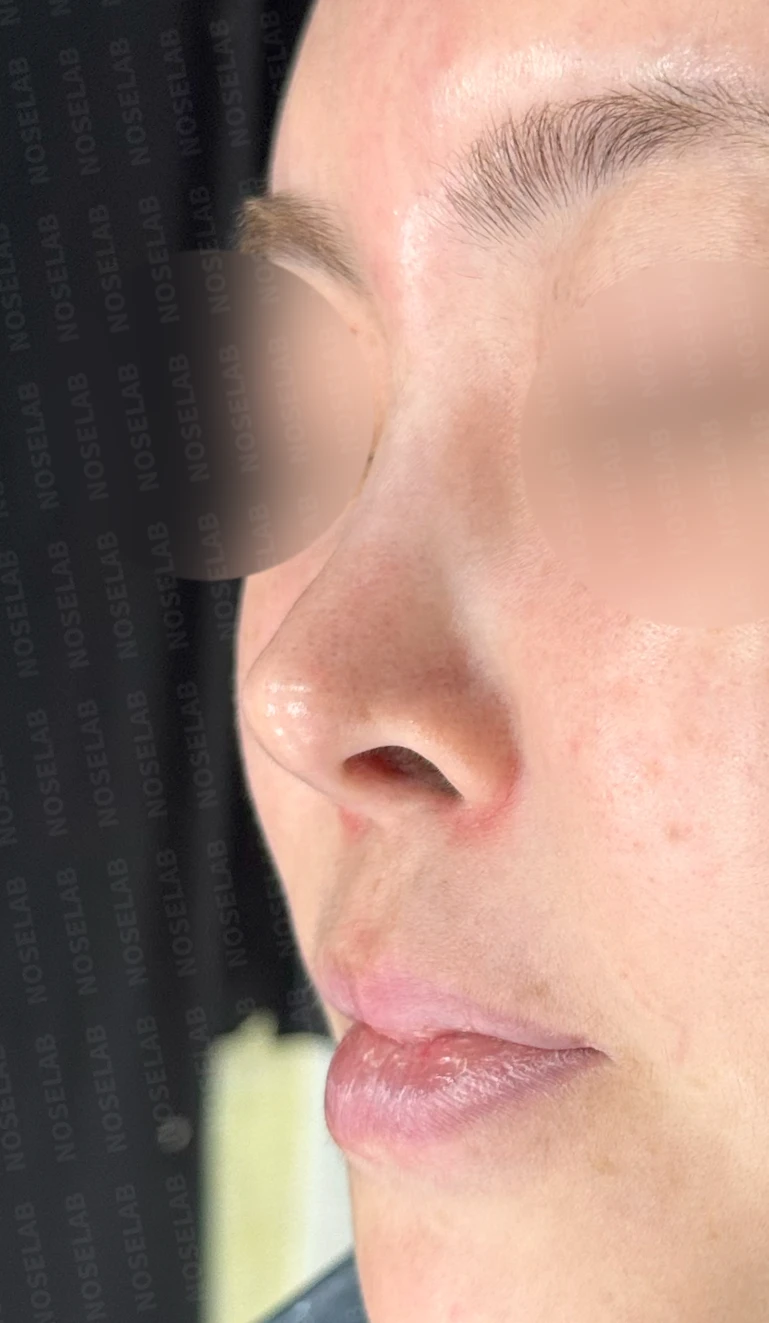
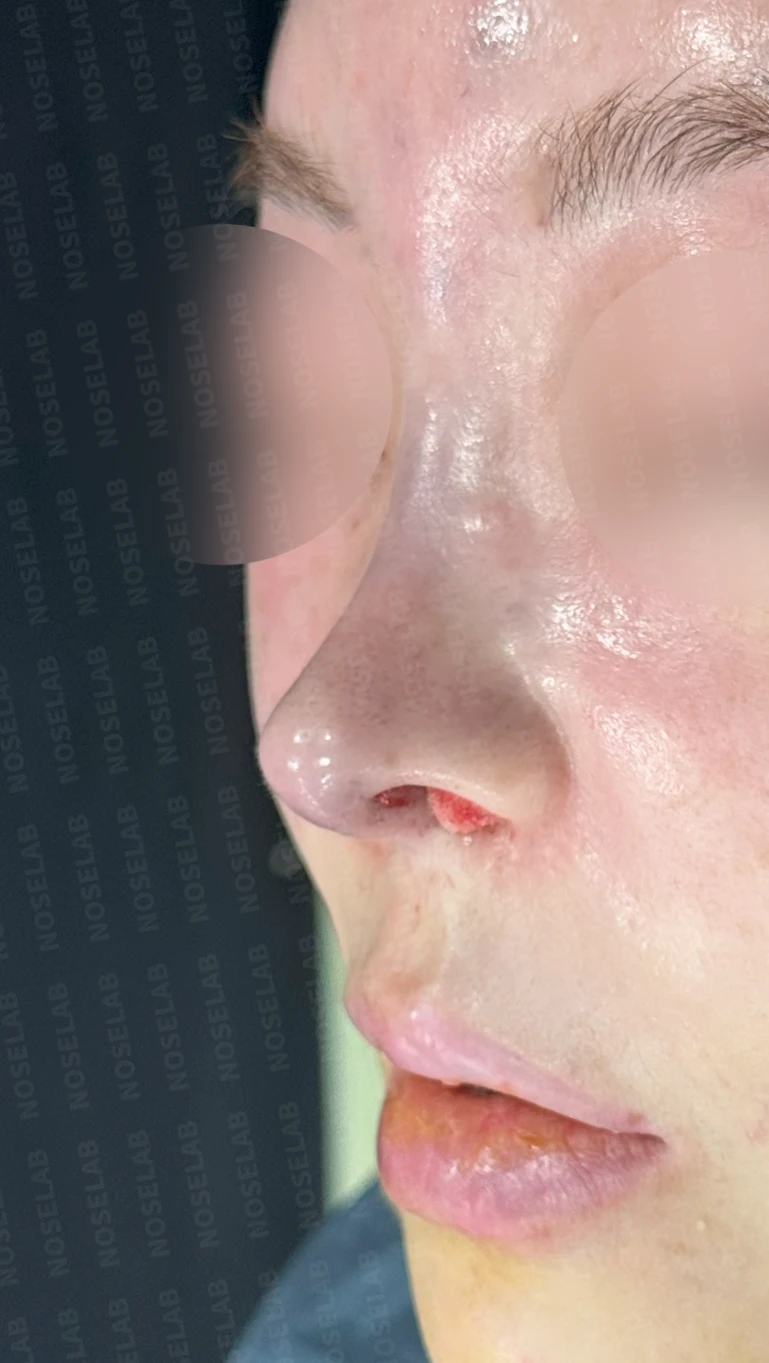
Before surgery / Day 0 immediately after surgery Photos taken immediately after surgery show swelling and may differ from the final result.
Retracted columella
High radix starting point
4. Nostril view
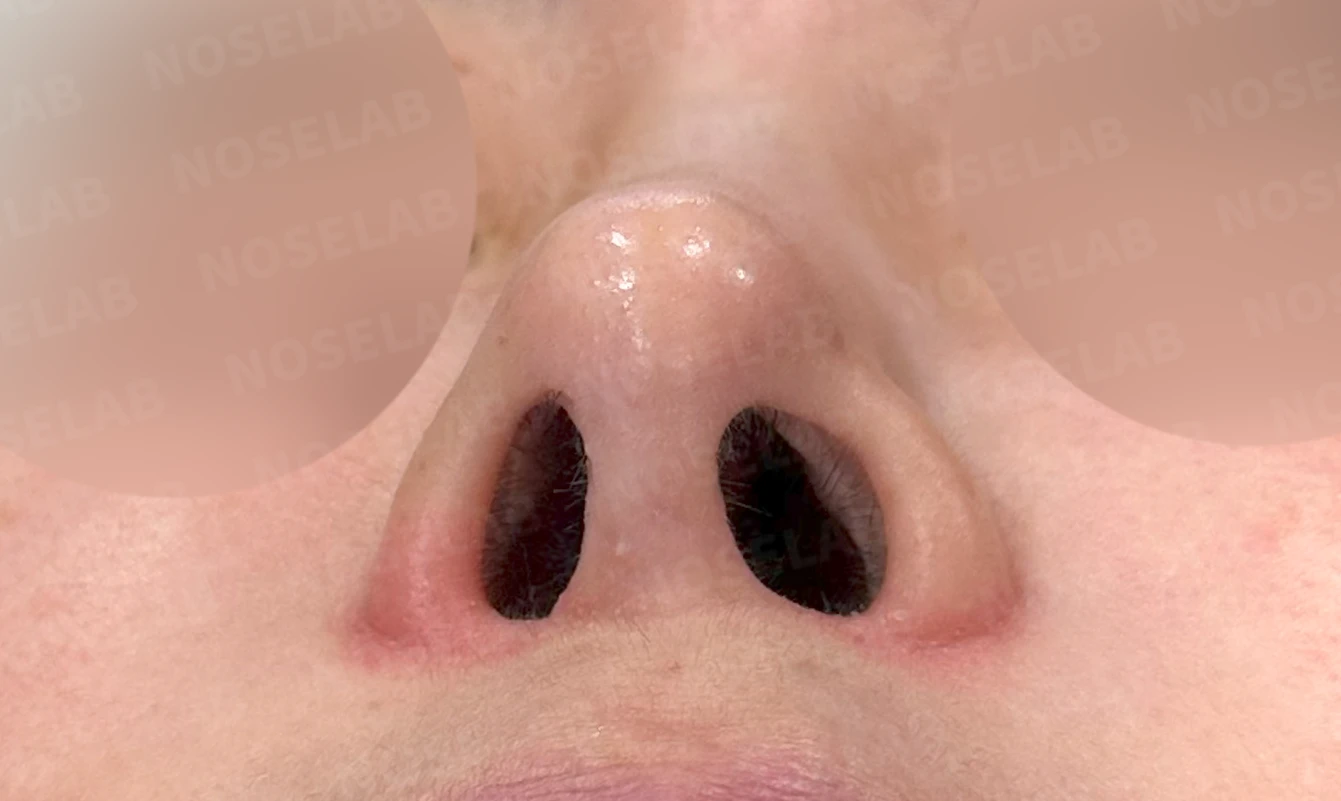
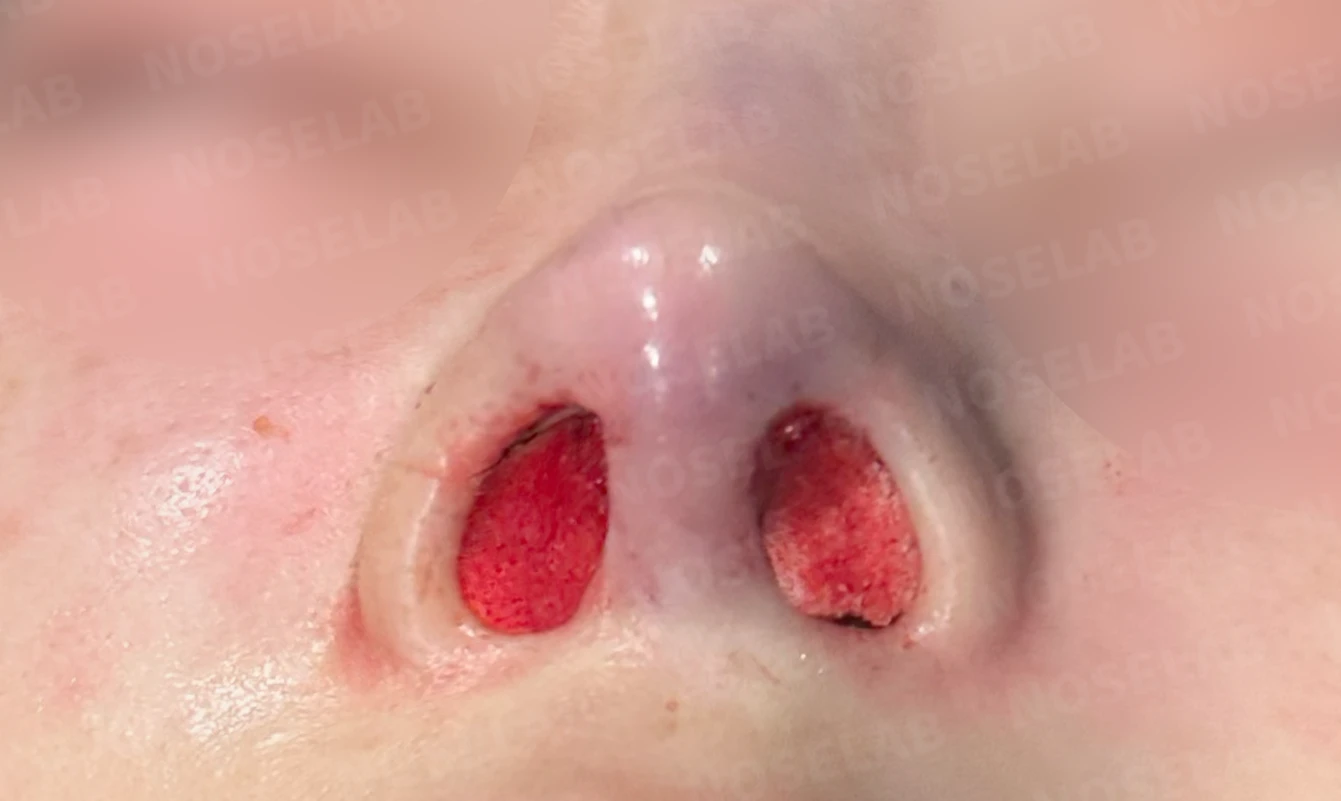
Before surgery / Day 0 immediately after surgery Photos taken immediately after surgery show swelling and may differ from the final result.
Severe left-right asymmetry
💉 Intraoperative findings and surgical procedures
Structural problems
Loss of the septum caused by excessive harvesting of septal cartilage
Remaining septum completely deviated to the right
Severely damaged lower lateral cartilages
2. Reconstruction process
Septal reconstruction using autologous rib cartilage
Septum shifted to the left and secured
Alar cartilage reconstructed using ear cartilage from previous surgery
🌟 Surgical results
Front, profile, and oblique views taken immediately after surgery (day 0).Immediate postoperative photos show swelling and may differ from the final result.
Nostril view on day 0 immediately after surgery. Photos taken immediately after surgery show swelling and may differ from the final result.
Structural improvement
Septal cartilage reconstructed stably in the midline
Both lower lateral cartilages reconstructed
Septum extended with autologous rib cartilage to lower the upturned nasal tip with structural stability in mind
Support for the nasal tip was improved
2. Aesthetic improvement
Excessive nostril show from the front view was improved
Natural nasal tip position
Improved nostril asymmetry
The previously elongated-appearing philtrum now looks more natural
The radix was lowered, creating three-dimensional contour
💡 Specialist's opinion
This case involved reconstructing nasal structures that were severely damaged after multiple surgeries. Although there was extensive damage, particularly to the septum and lower lateral cartilages, a successful reconstruction was achieved through the effective use of autologous rib cartilage and existing ear cartilage.
I will continue to strive for the intended result even in complex revision surgeries.
I hope this is helpful to those with similar concerns.
This was Dr. Peter C. Kang. Thank you.
Thank you.
#revisionrhinoplasty #septalreconstruction #autologousribcartilage #functionalimprovement #customrhinoplasty #closedrhinoplasty

Limitations and risks
When autologous rib cartilage is used, scarring and pain may remain at the donor site on the chest, and pneumothorax (pleural injury) can occur rarely. Over time, the grafted cartilage may warp or undergo partial resorption.
When the septum is corrected at the same time, nasal obstruction may persist or recur, and in rare cases, septal perforation or changes in smell may occur.
Common potential risks include infection, bleeding, asymmetry, scarring, skin necrosis, and insufficient improvement; results vary depending on individual skin condition and previous surgical history.