Hello, I am Dr. Peter C. Kang.
Today, through this case of improving a short nose, low nose, and male nose in a 26-year-old male patient, let us look in detail at the importance of customized rhinoplasty.
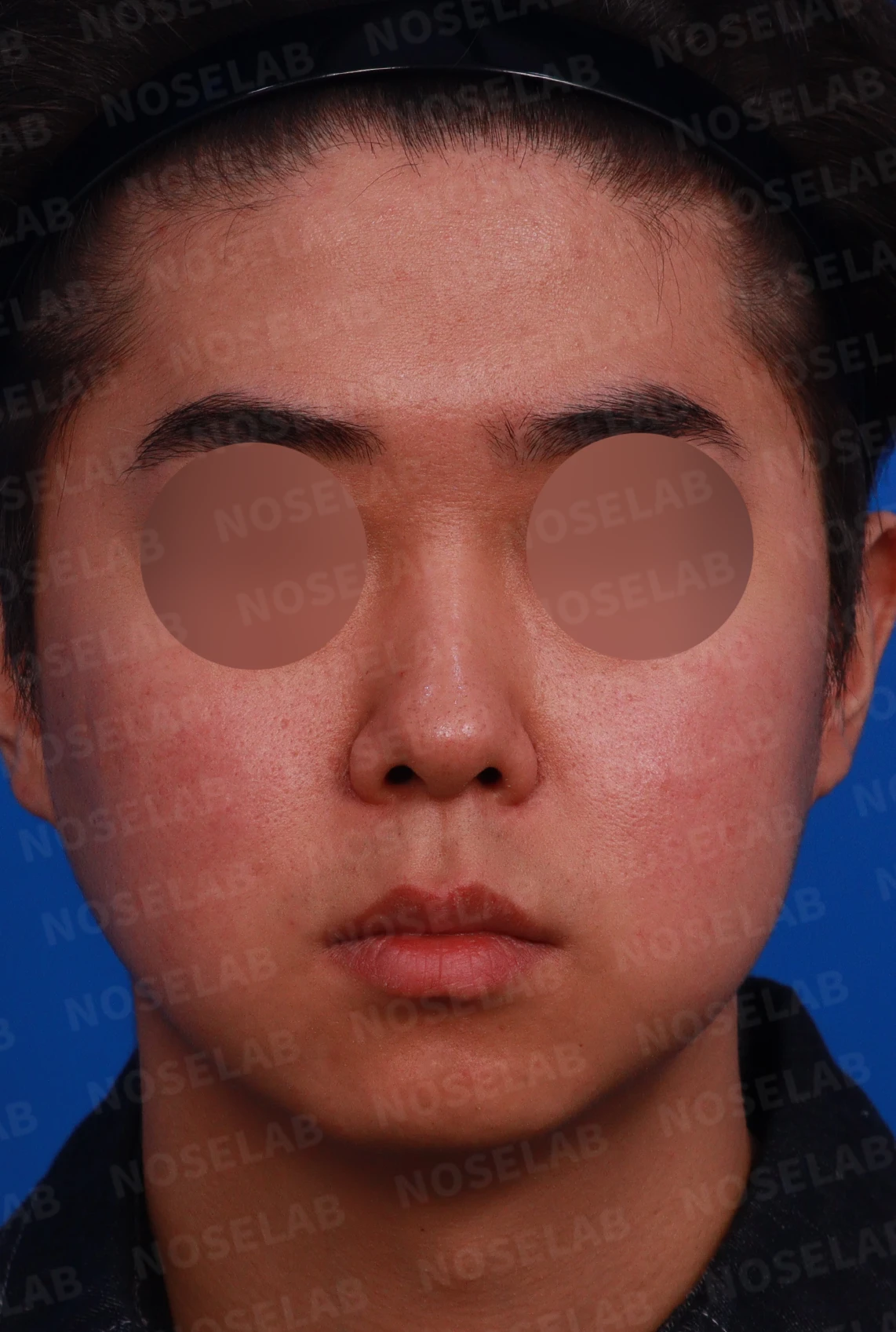
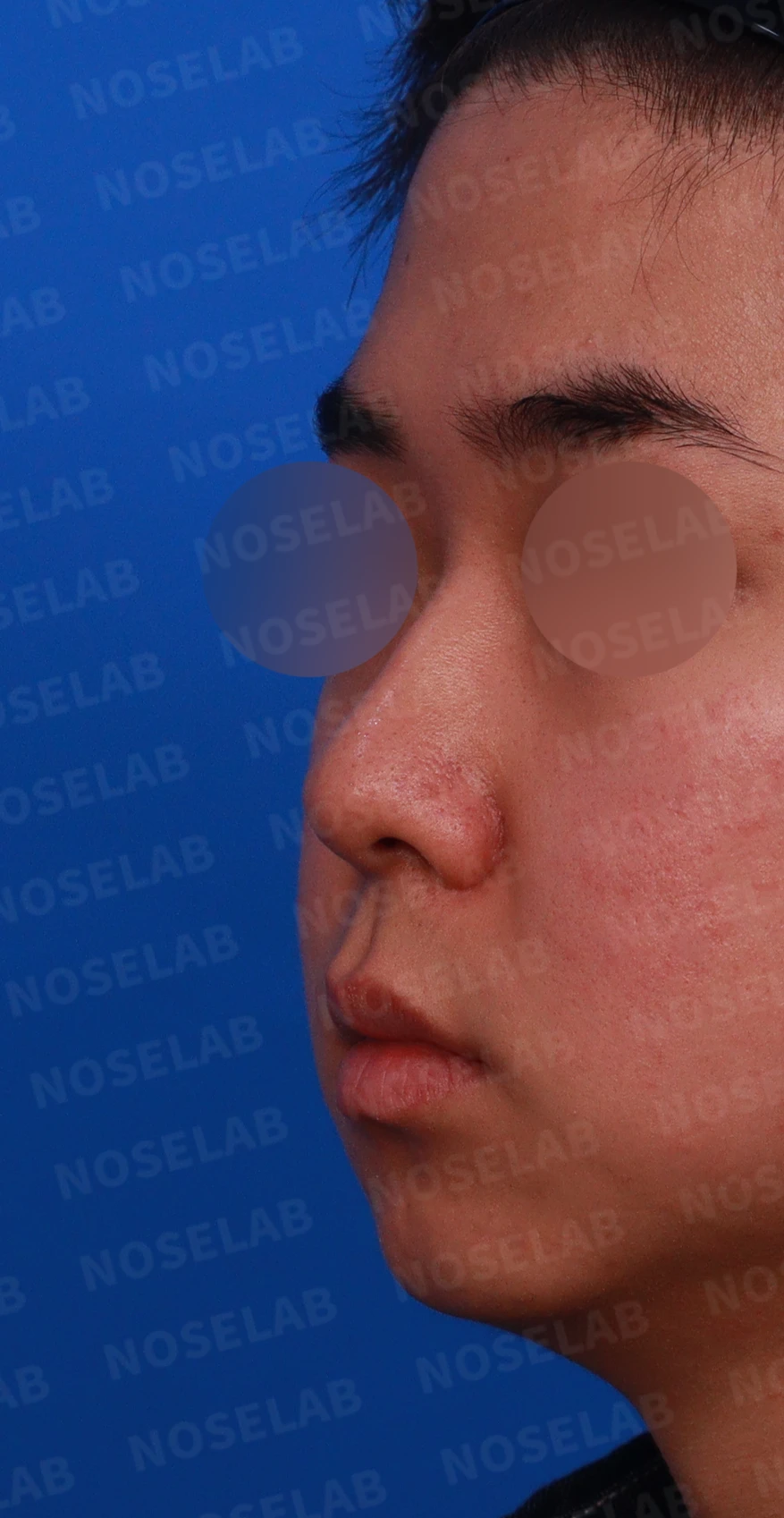
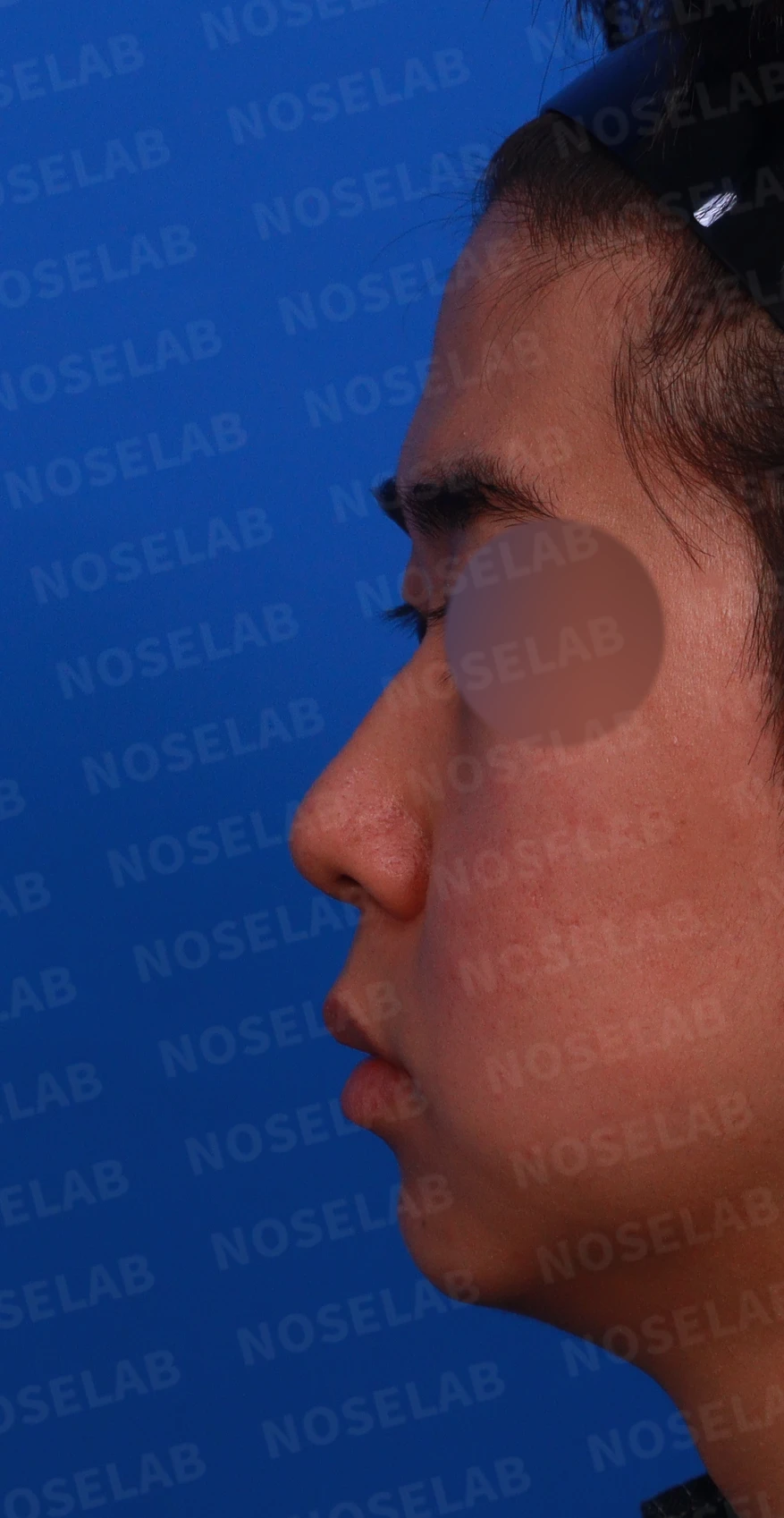
Design consultation: front, left oblique, and profile views
Patient information and requests
26 / Male
Nose that appears low and small relative to the face
Nasal obstruction symptoms
Desires overall nasal height augmentation
💉 Preoperative analysis
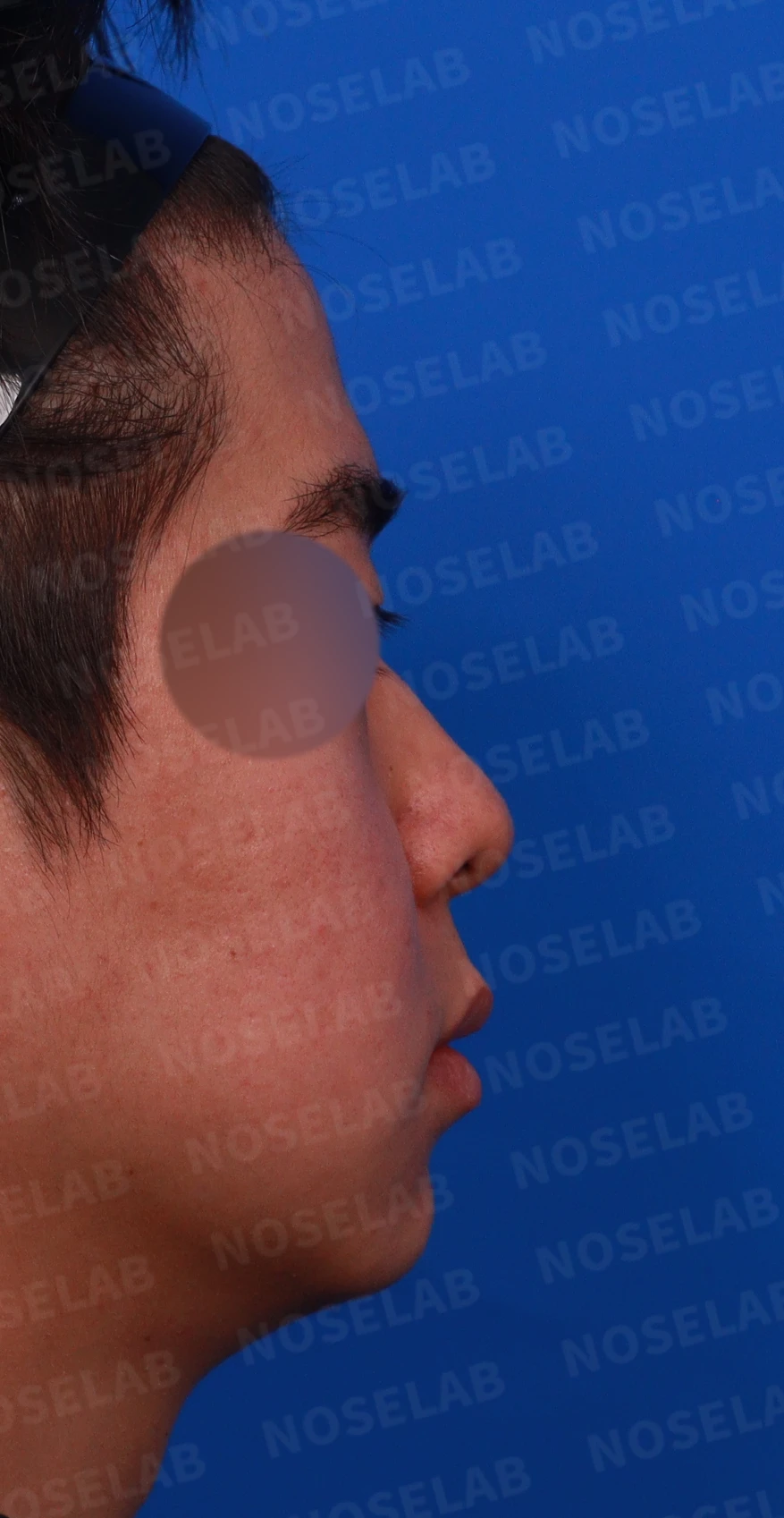
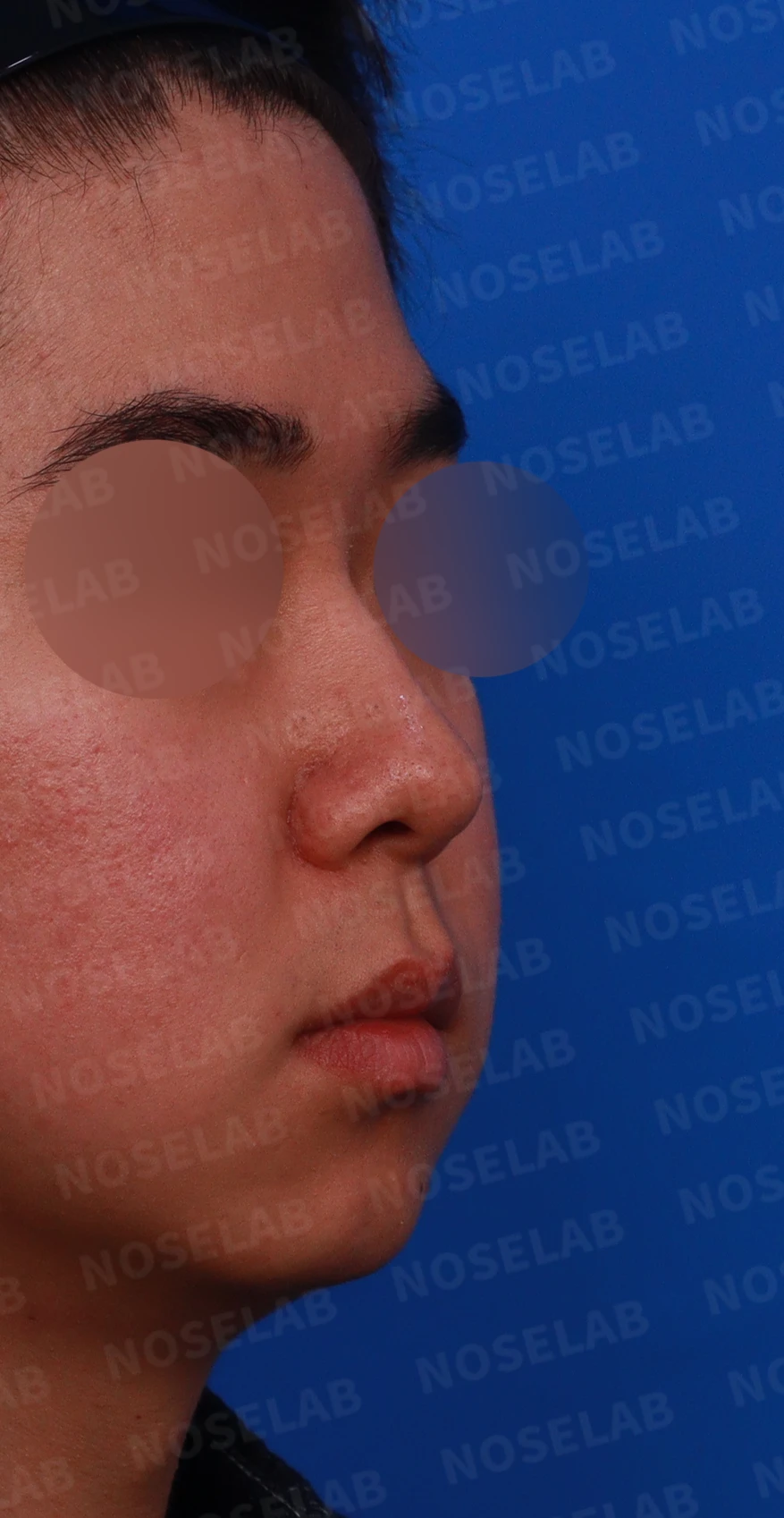
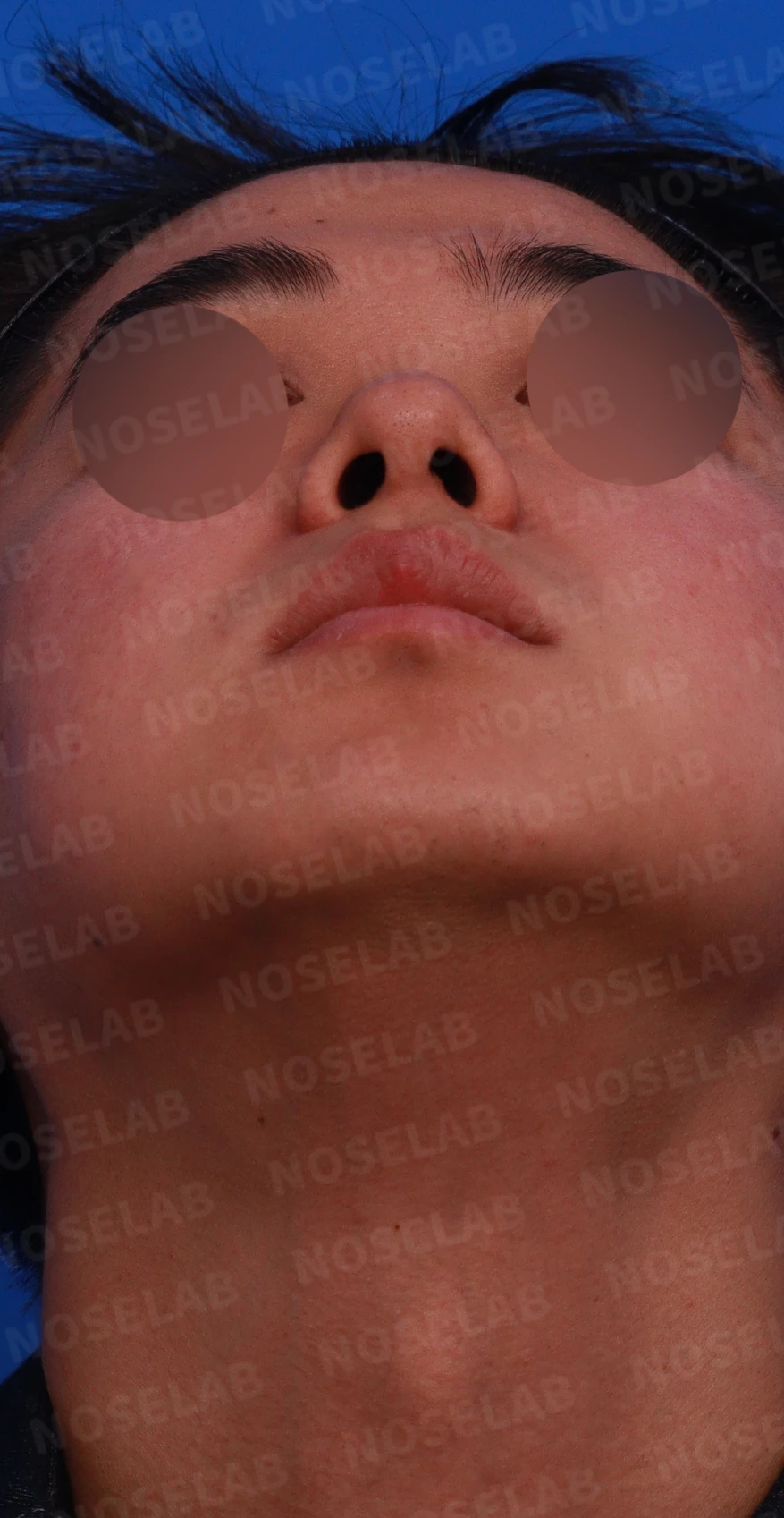
Right profile, oblique, and nostril views during design consultation
Front: short nose, low glabella, wide tip
Profile: prominent brow bone, low-appearing glabella, dorsal hump, drooping tip
Nostril view: blunt and wide tip
🔧 Surgical plan and details
Septoplasty (correction of deviated septum)
Radiofrequency laser submucosal resection of the inferior turbinate (rhinitis surgery)
Partial septal reconstruction (performed because the septal cartilage was thinner and more deviated than anticipated)
Septal extension using autologous rib cartilage (aimed at elevating the drooping tip)
Lower lateral cartilage repositioning and tying (correcting the blunt tip)
Nasal bridge augmentation using a silicone implant
Dorsal hump correction
🌟 Surgical results
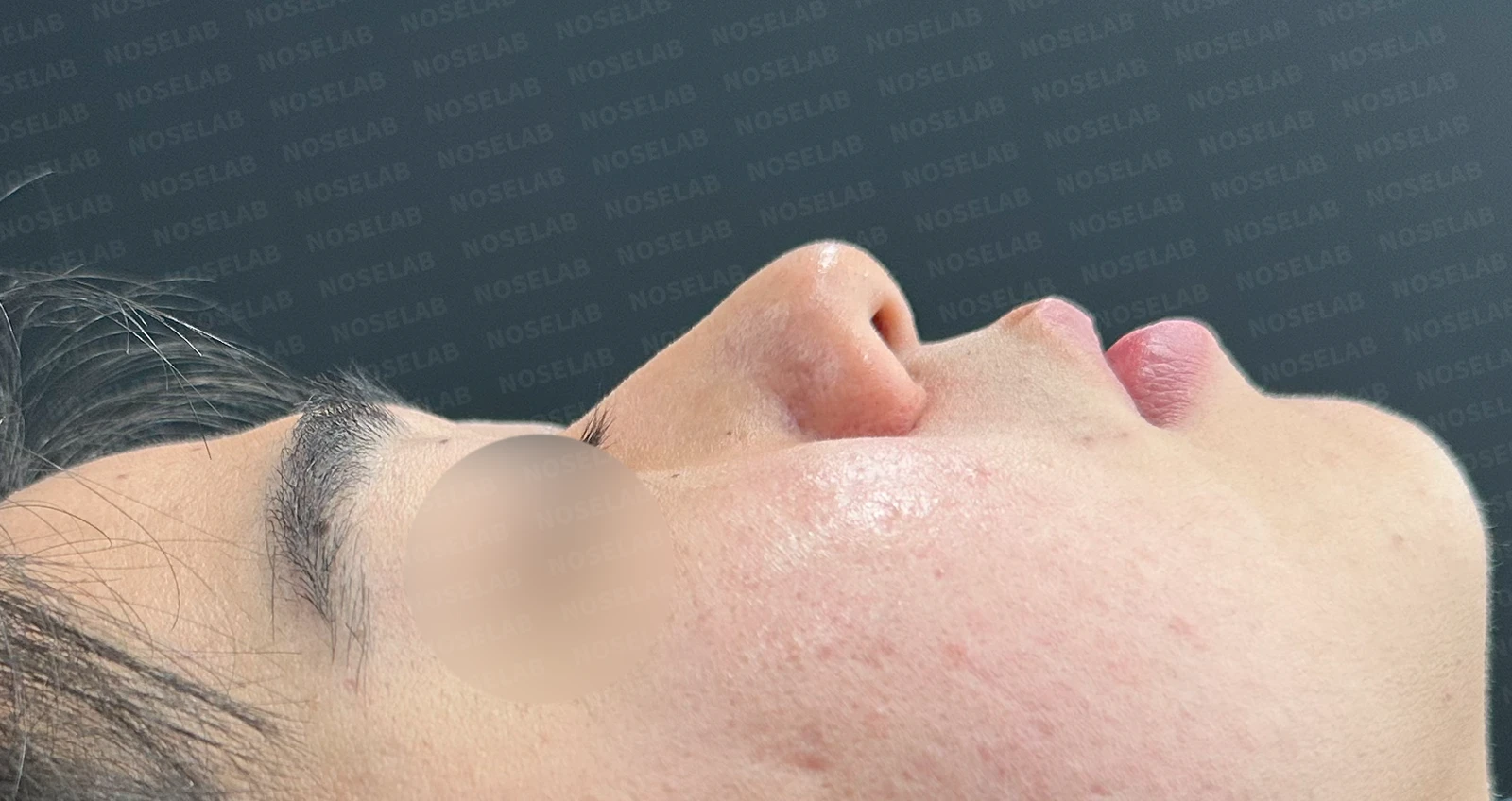
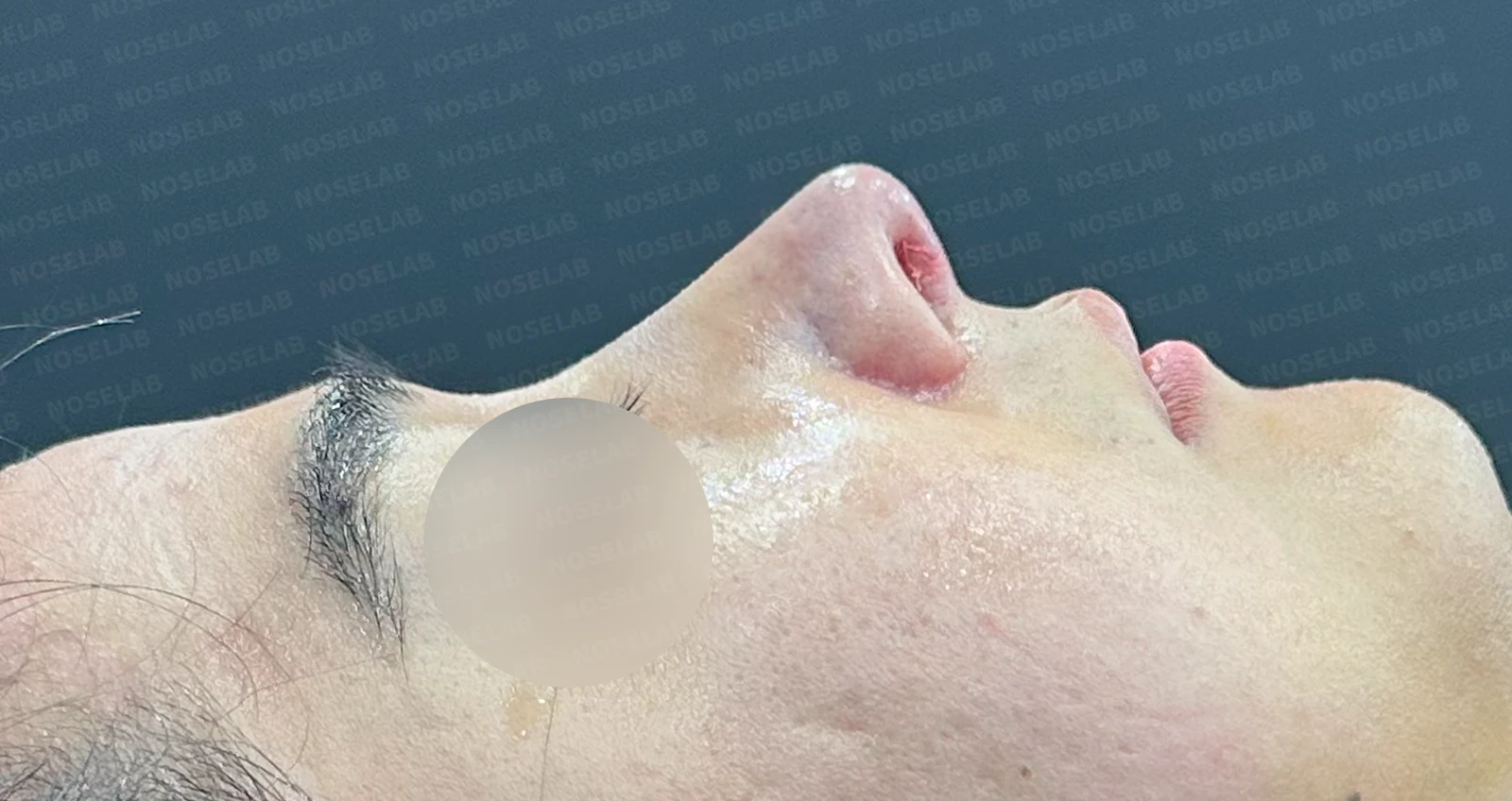
Before surgery / Day 0 immediately after surgery Photos taken immediately after surgery show swelling and may differ from the final result.
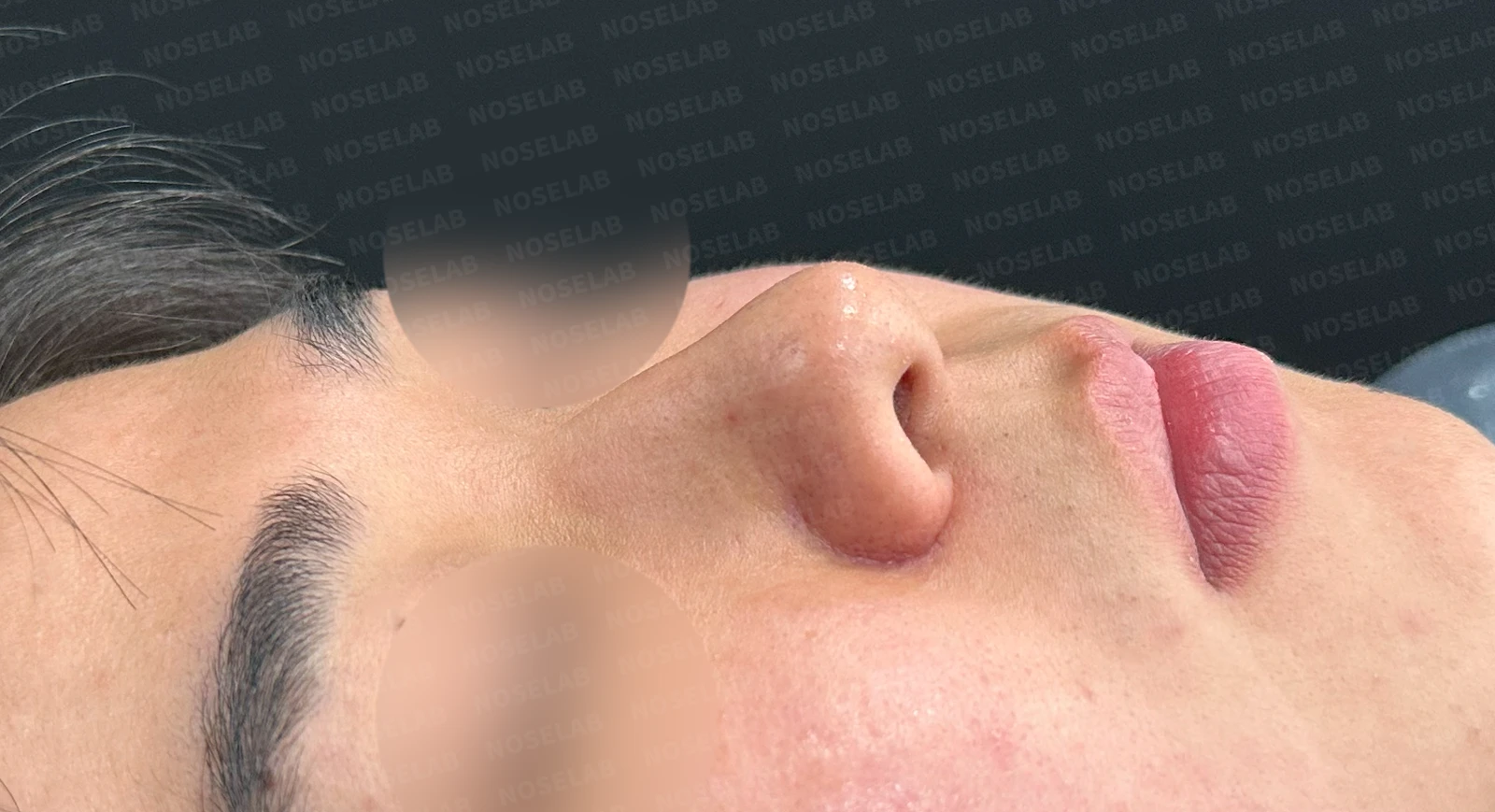
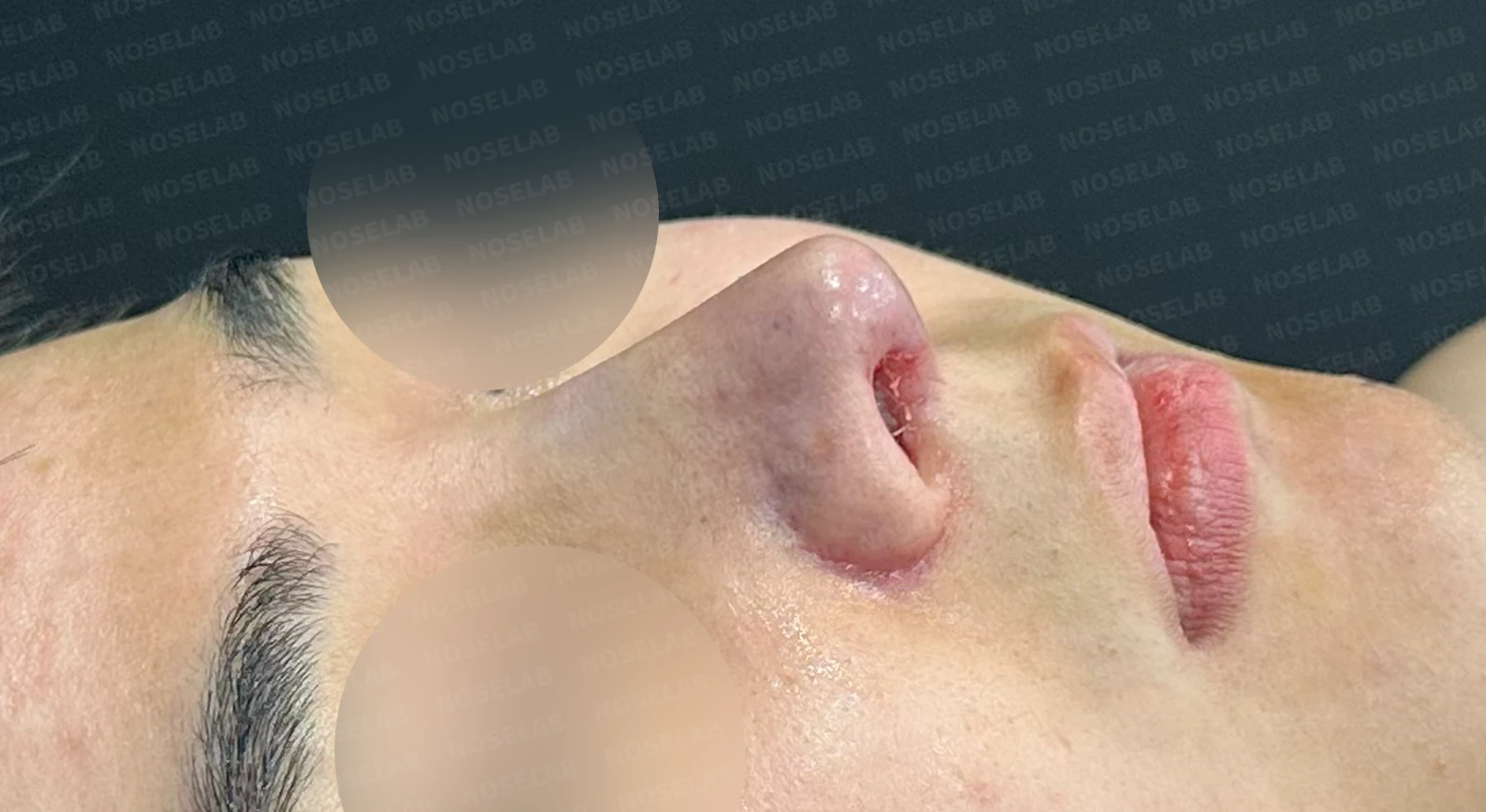
Before surgery / Day 0 immediately after surgery Photos taken immediately after surgery show swelling and may differ from the final result.
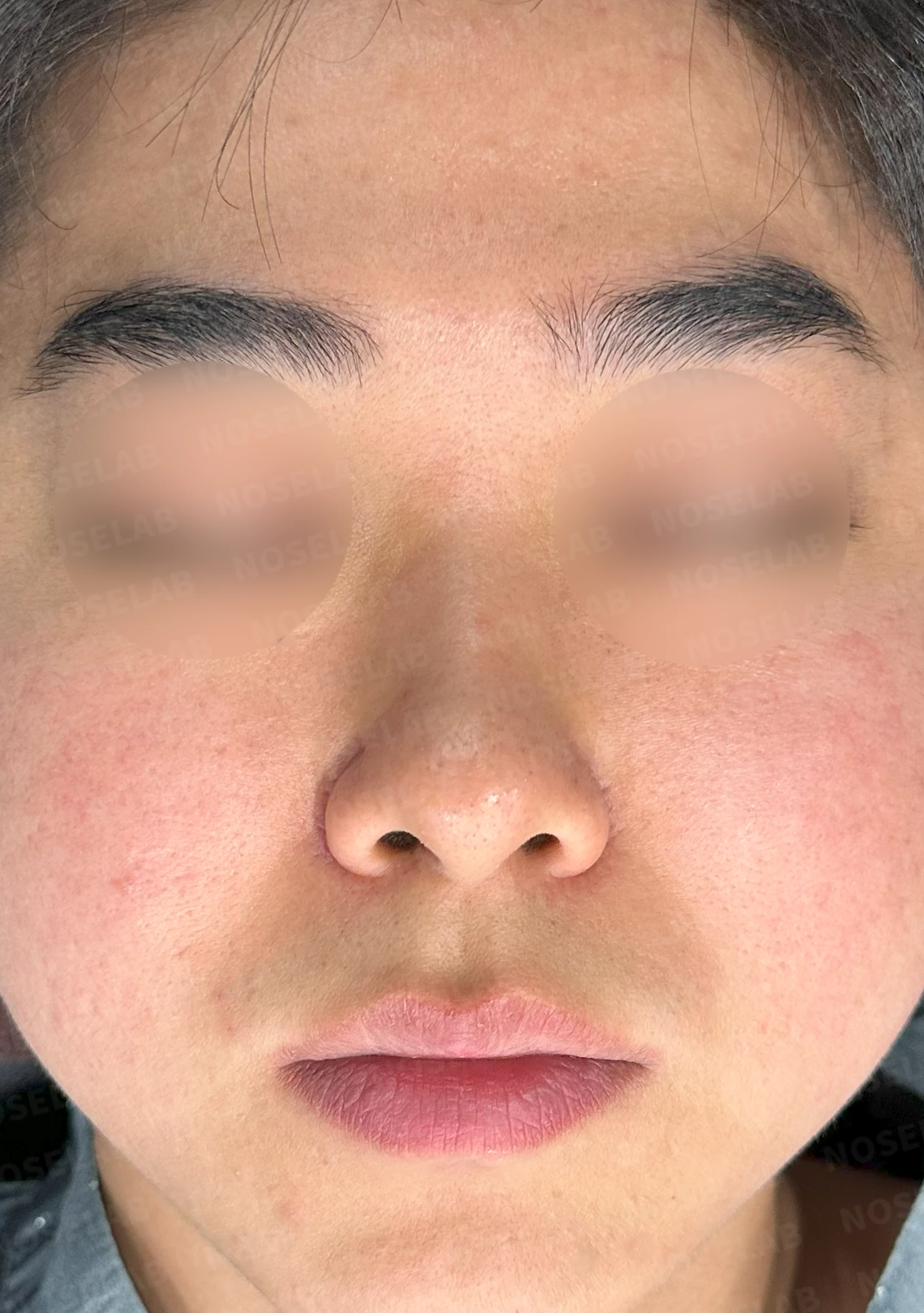
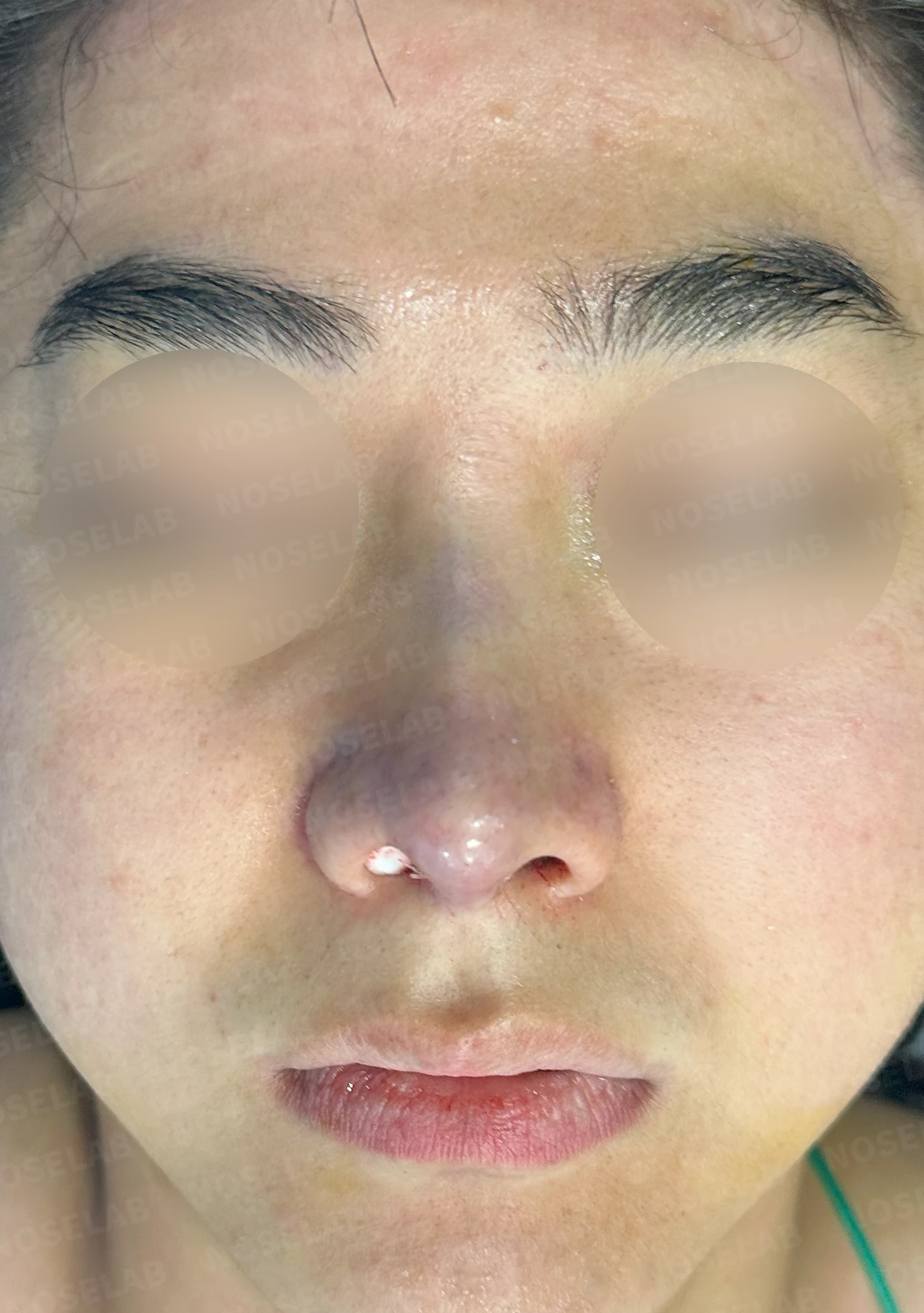
Before surgery / Day 0 immediately after surgery Photos taken immediately after surgery show swelling and may differ from the final result.
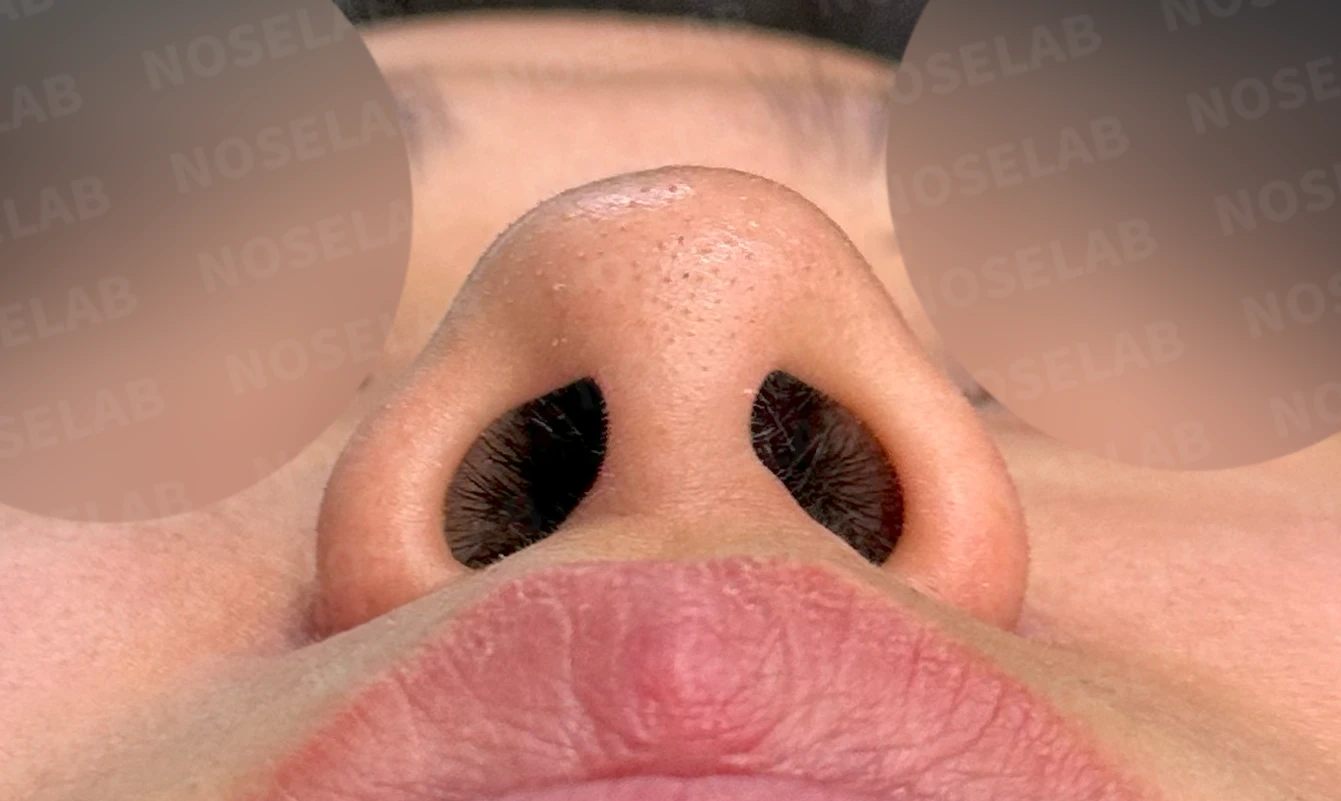
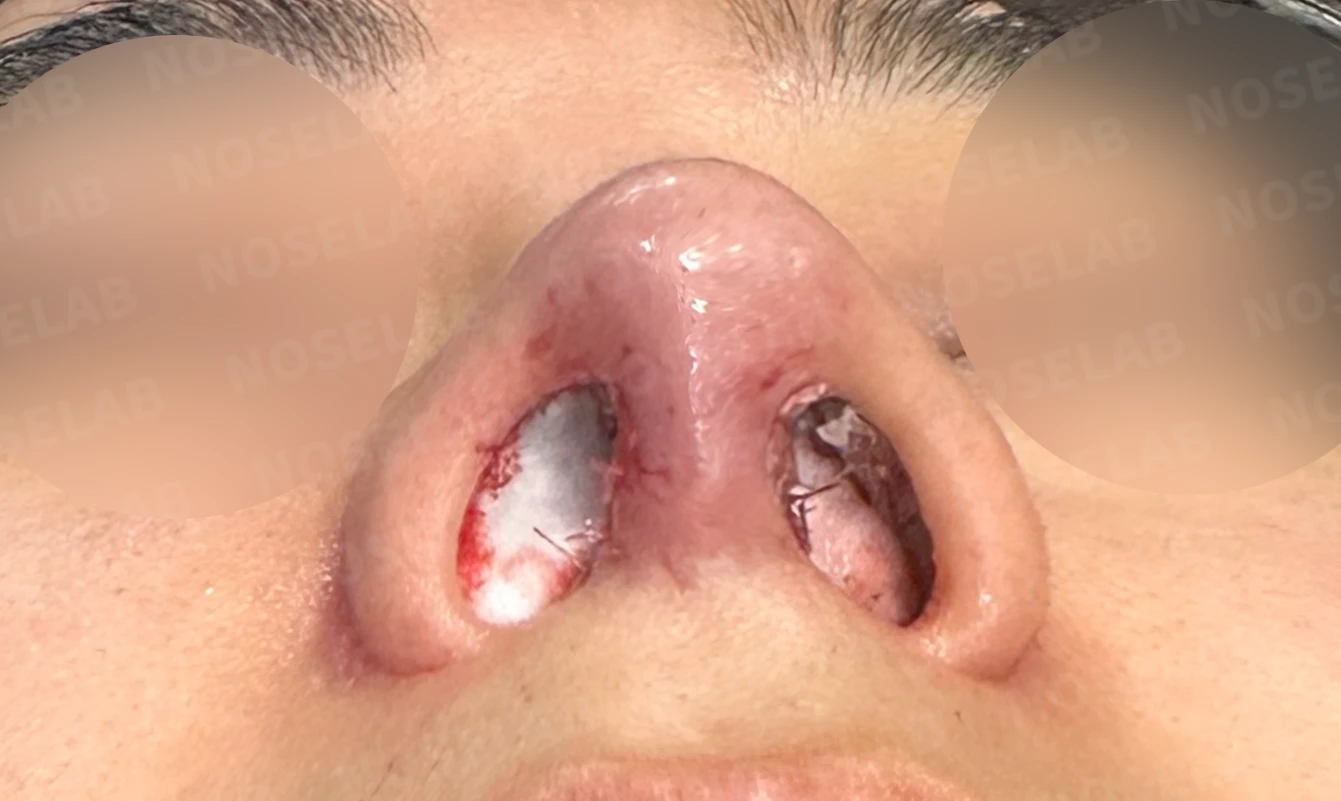
Before surgery / Day 0 immediately after surgery Photos taken immediately after surgery show swelling and may differ from the final result.
Front: improvement of the short, low, and wide nose
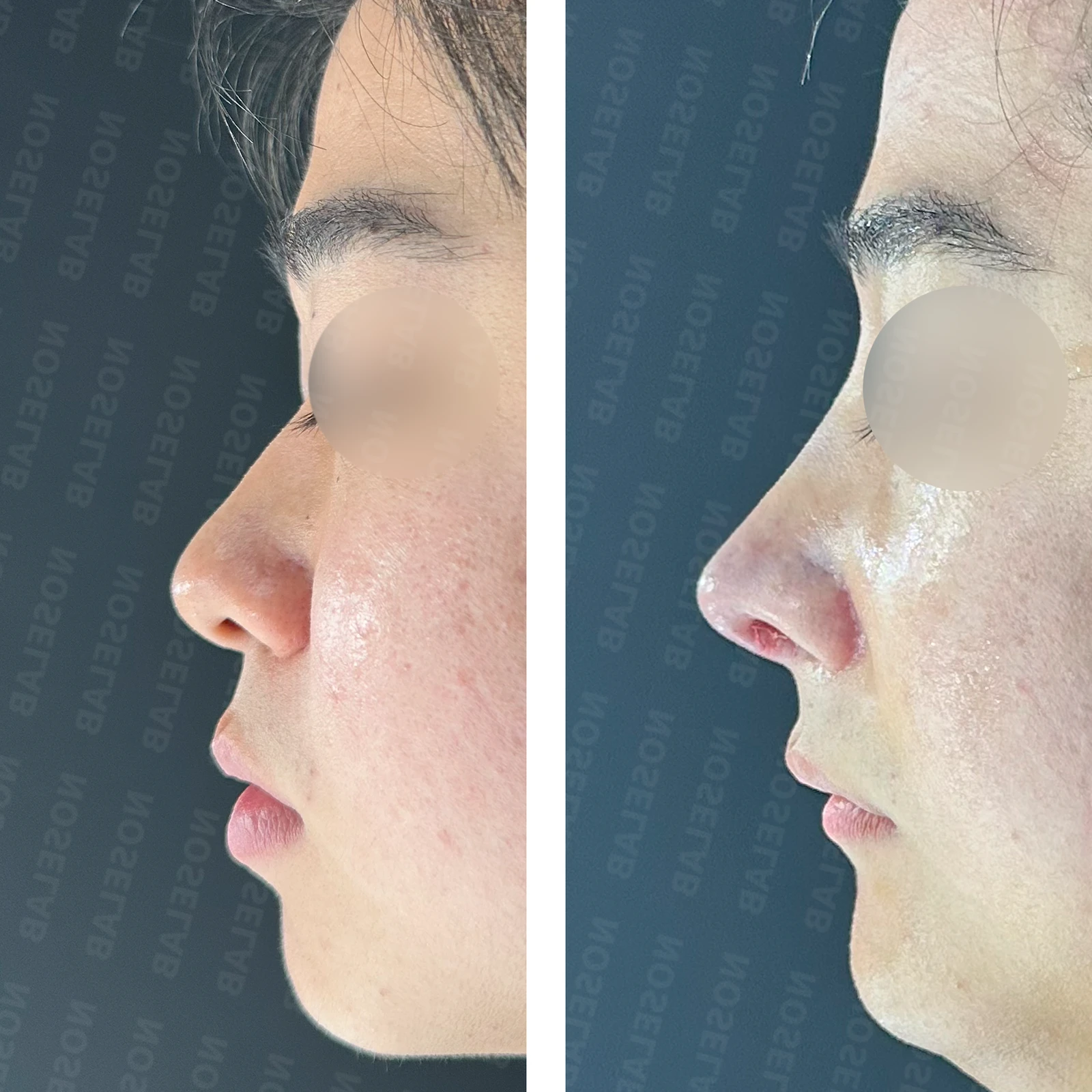
Profile: natural transition from the brow bone, dorsal hump removal, correction of the drooping tip, overall elevated straight nose
Nostril view: naturally narrowed tip
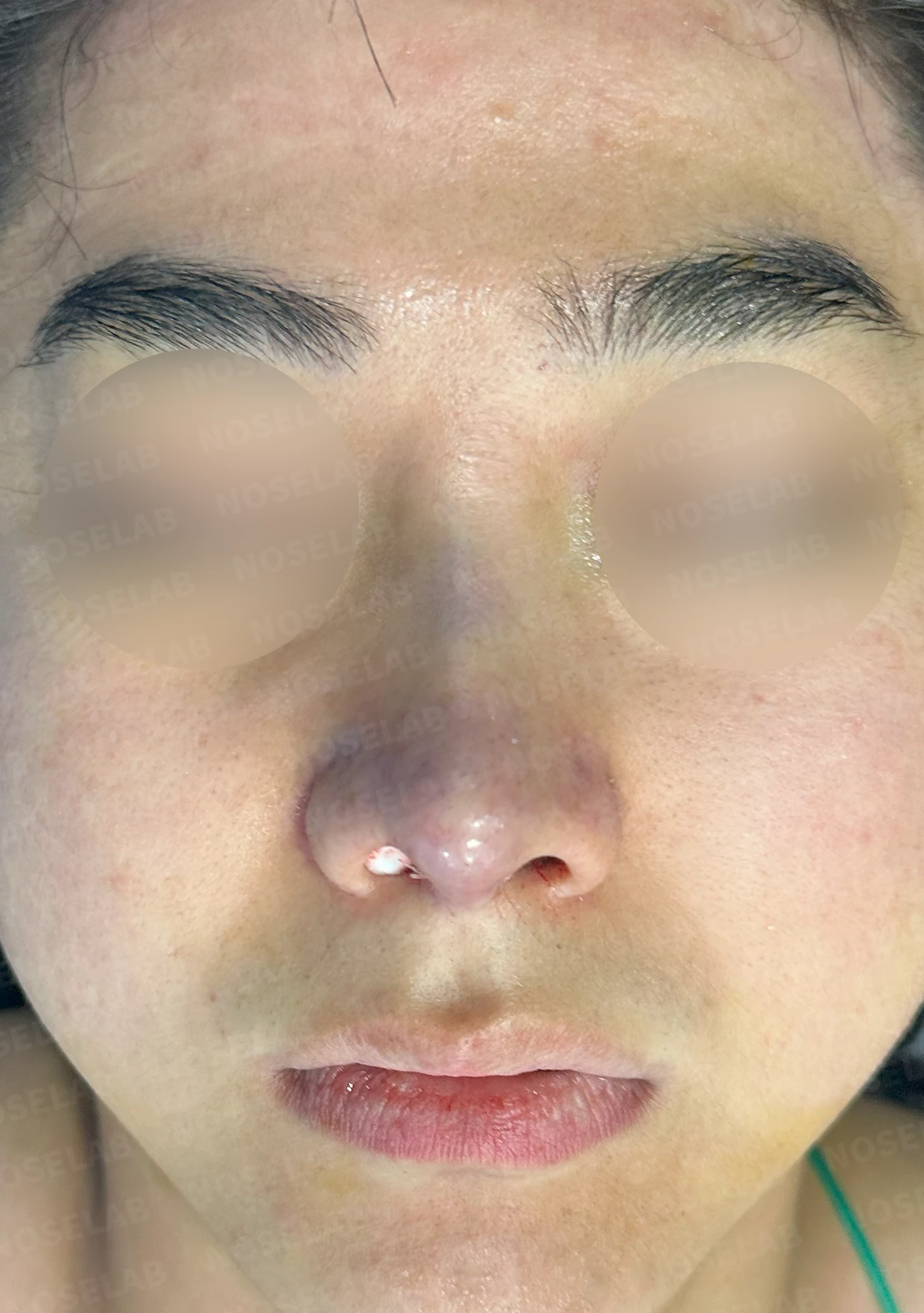
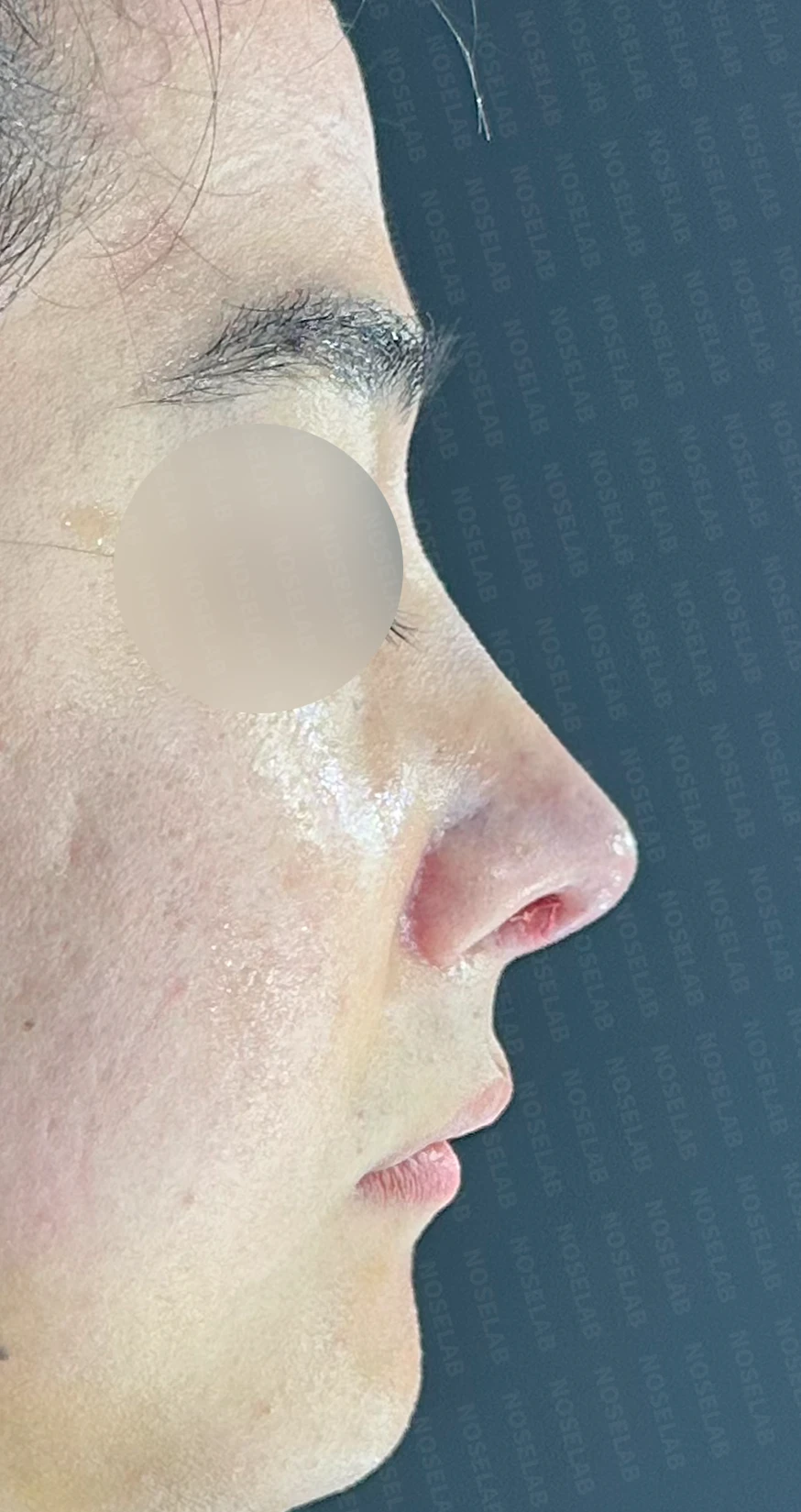
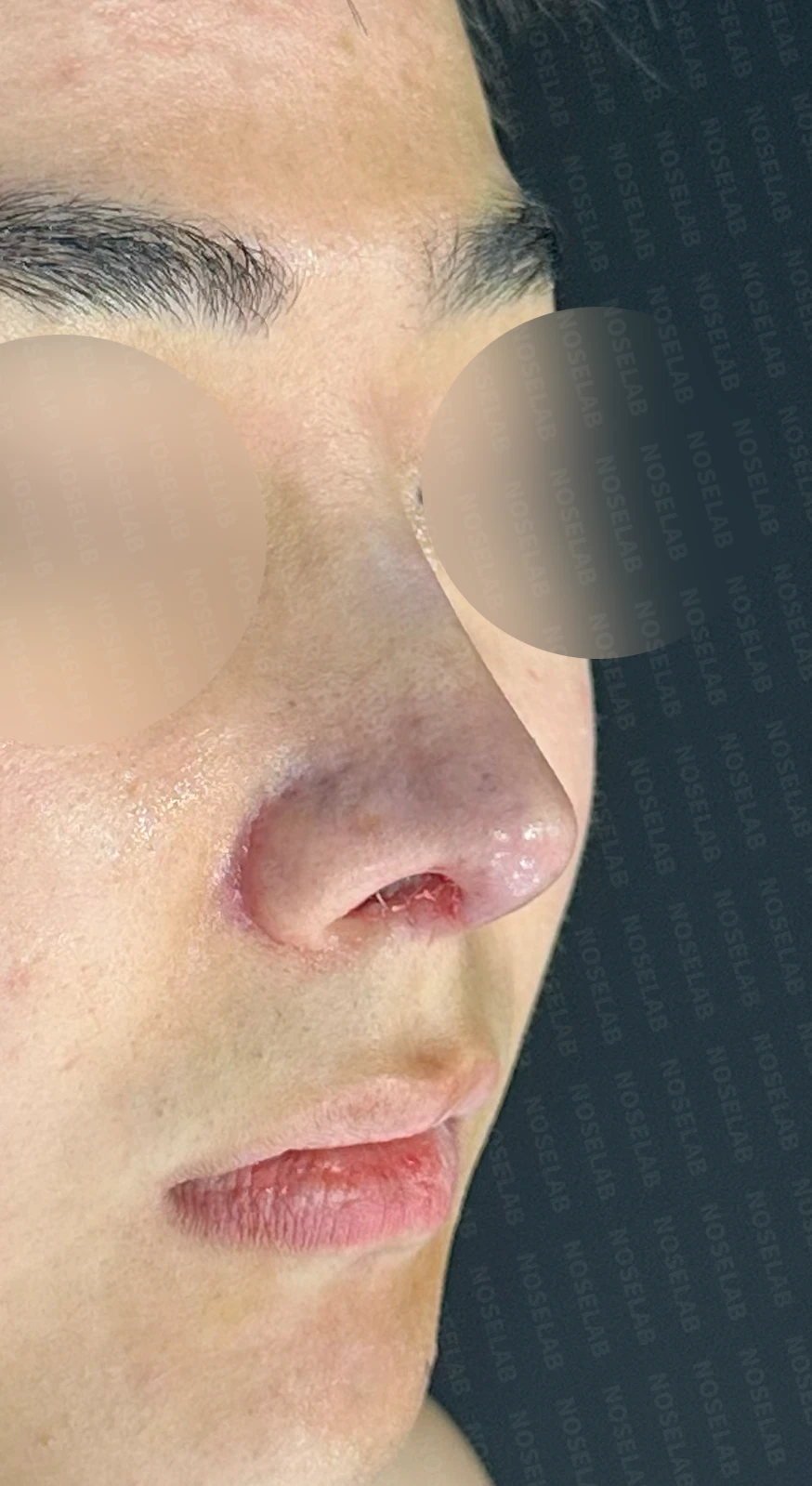
Immediately after surgery (Day 0) front, profile, and oblique viewsImmediate postoperative photos show swelling and may differ from the final result.
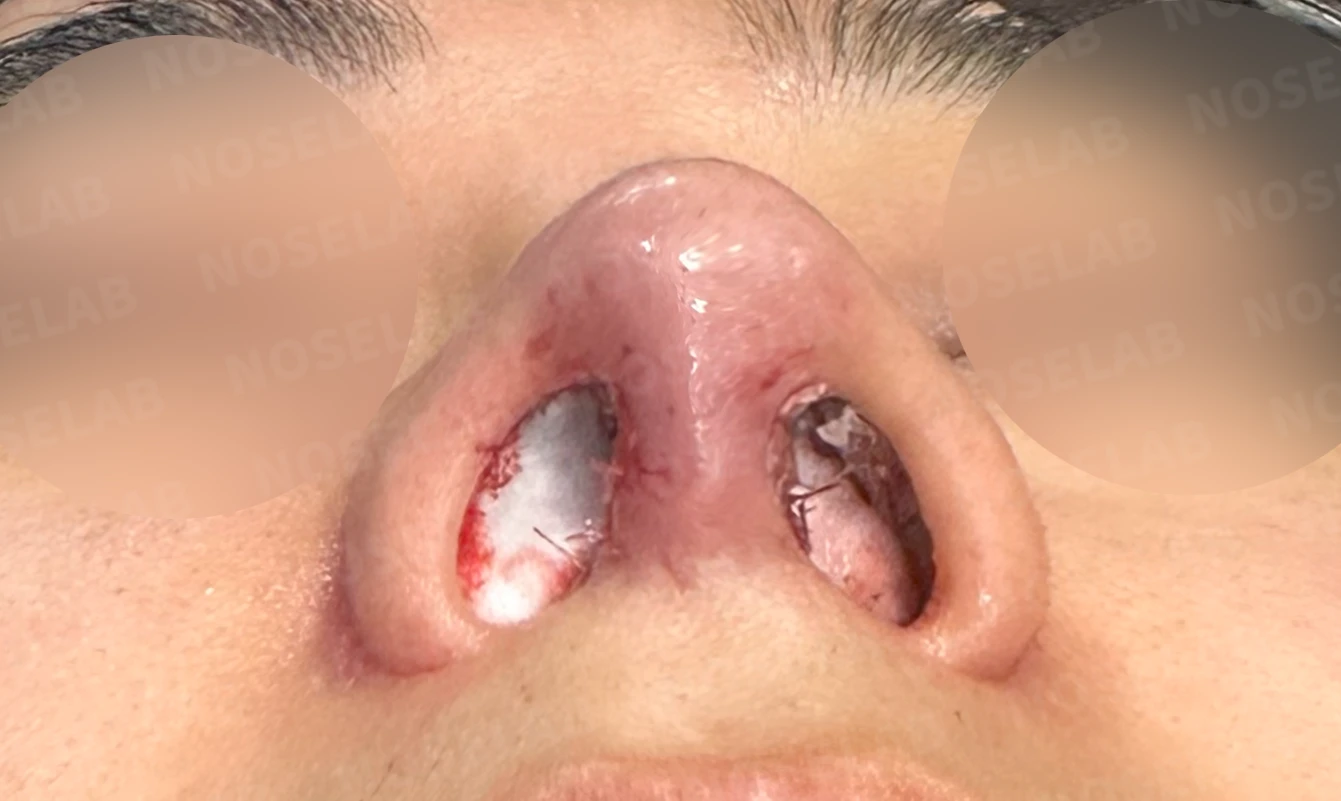
Immediately after surgery (Day 0) nostrilsImmediate postoperative photos show swelling and may differ from the final result.
Key point: Precise carving of the silicone implant is critical in male low nose rhinoplasty when the brow bone is prominent. Carving the implant meticulously to match the height of the brow bone minimizes the gap between the implant and bone. This plays a key role in preventing complications such as inflammation, displacement, and deviation associated with silicone implants.
For a male nose that appears short and small, simply augmenting the height is not enough. A multifaceted approach that considers the balance of the entire face and an individualized surgical plan are necessary. In this case as well, multiple concerns—including nasal obstruction relief, bridge elevation, and dorsal hump correction—were addressed simultaneously to achieve a harmonious result.
I always strive to carefully analyze each patient's individual facial features to create the most natural and harmonious result.
If you are considering male rhinoplasty, please be sure to consult with a specialist to choose the approach best suited for you.
If you have any questions, please feel free to leave a comment. I will answer with care.
This was Dr. Peter C. Kang. Thank you.
#malerhinoplasty #shortnosecorrection #lownoseaugmentation #prominentbrowbone #nasalobstructionrelief #customizedrhinoplasty #siliconeimplant #autologousribcartilagegraft #closedrhinoplasty #tiprhinoplasty #dorsalhumpcorrection

Limitations and risks
When autologous rib cartilage is used, scarring and pain may remain at the donor site on the chest, and pneumothorax (pleural injury) can occur rarely. Over time, the grafted cartilage may warp or undergo partial resorption.
When the septum is corrected at the same time, nasal obstruction may persist or recur, and in rare cases, septal perforation or changes in smell may occur.
Common potential risks include infection, bleeding, asymmetry, scarring, skin necrosis, and insufficient improvement; results vary depending on individual skin condition and previous surgical history.