Hello.
I am Dr. Peter C. Kang, medical director.
Today, I would like to introduce a rhinoplasty case of a patient who was concerned about a long nose and a wide nose.
This patient visited our clinic with the primary goal of correcting a drooping nose.
1. Preoperative design consultation
Patient's requests:
- Improvement of drooping nose
- Natural shape
- Increase in nasal height
- Creation of a straight bridge line
- Nasal bridge that is not overly narrow
- Rounded nasal tip
Let us analyze the patient's preoperative condition in detail:
Front view:
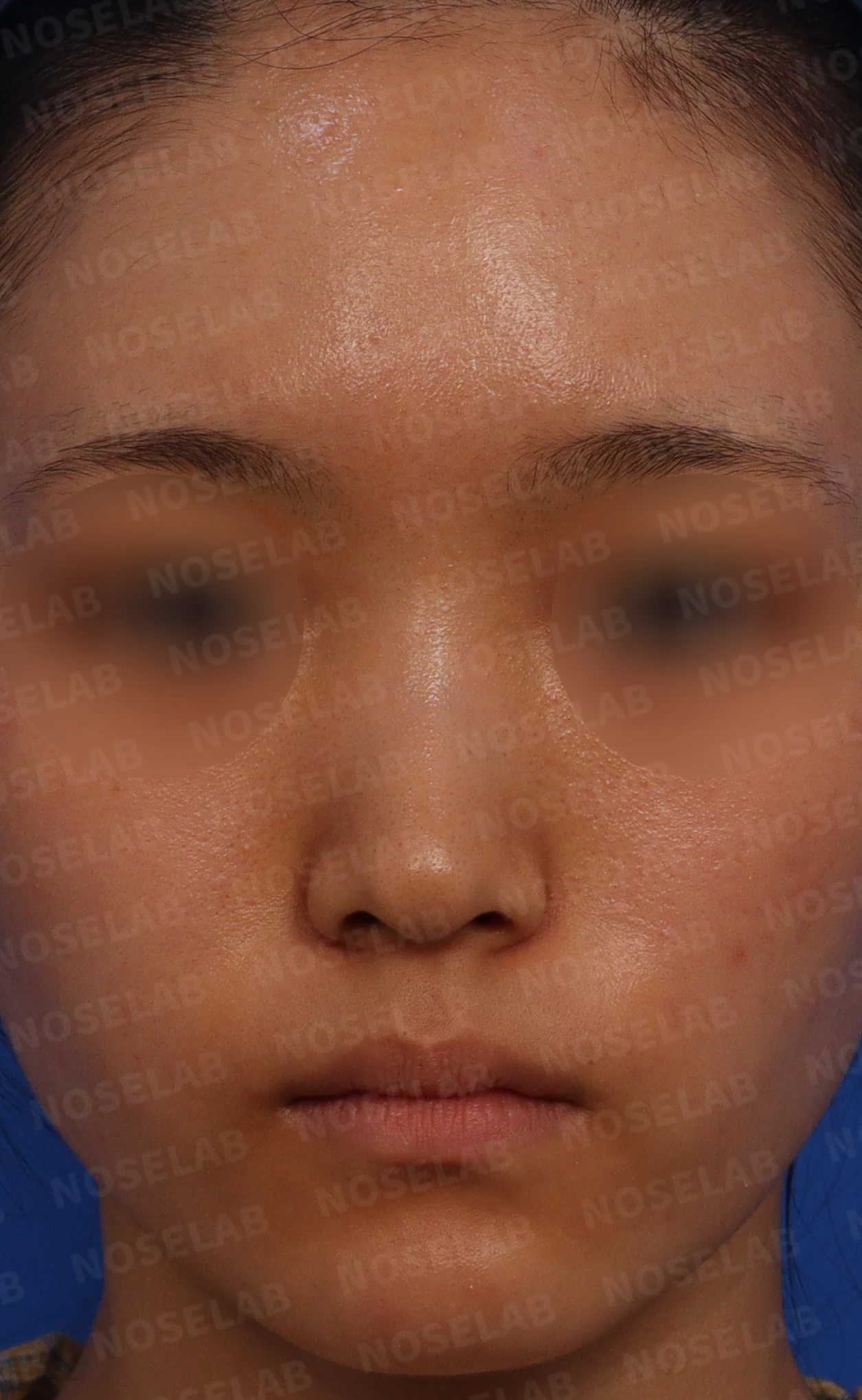
Front view
- The nose appears wide overall
- Strong impression of length
Profile view:
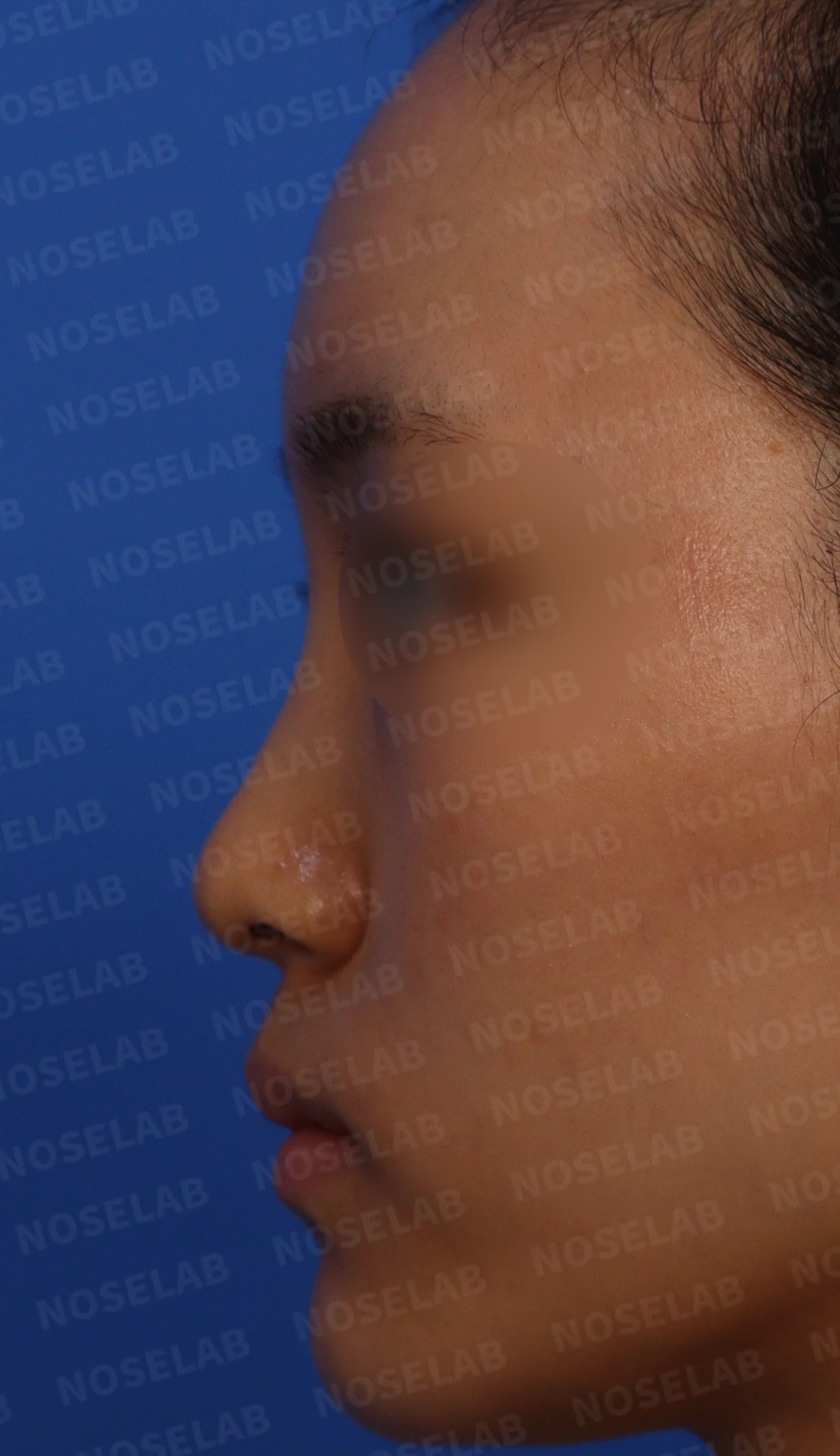
Profile view
- Signs of a protruding mouth
- The radix is high
- Nasal tip appears long
- Lack of three-dimensional dimension
- Currently undergoing orthodontic treatment
Oblique view:
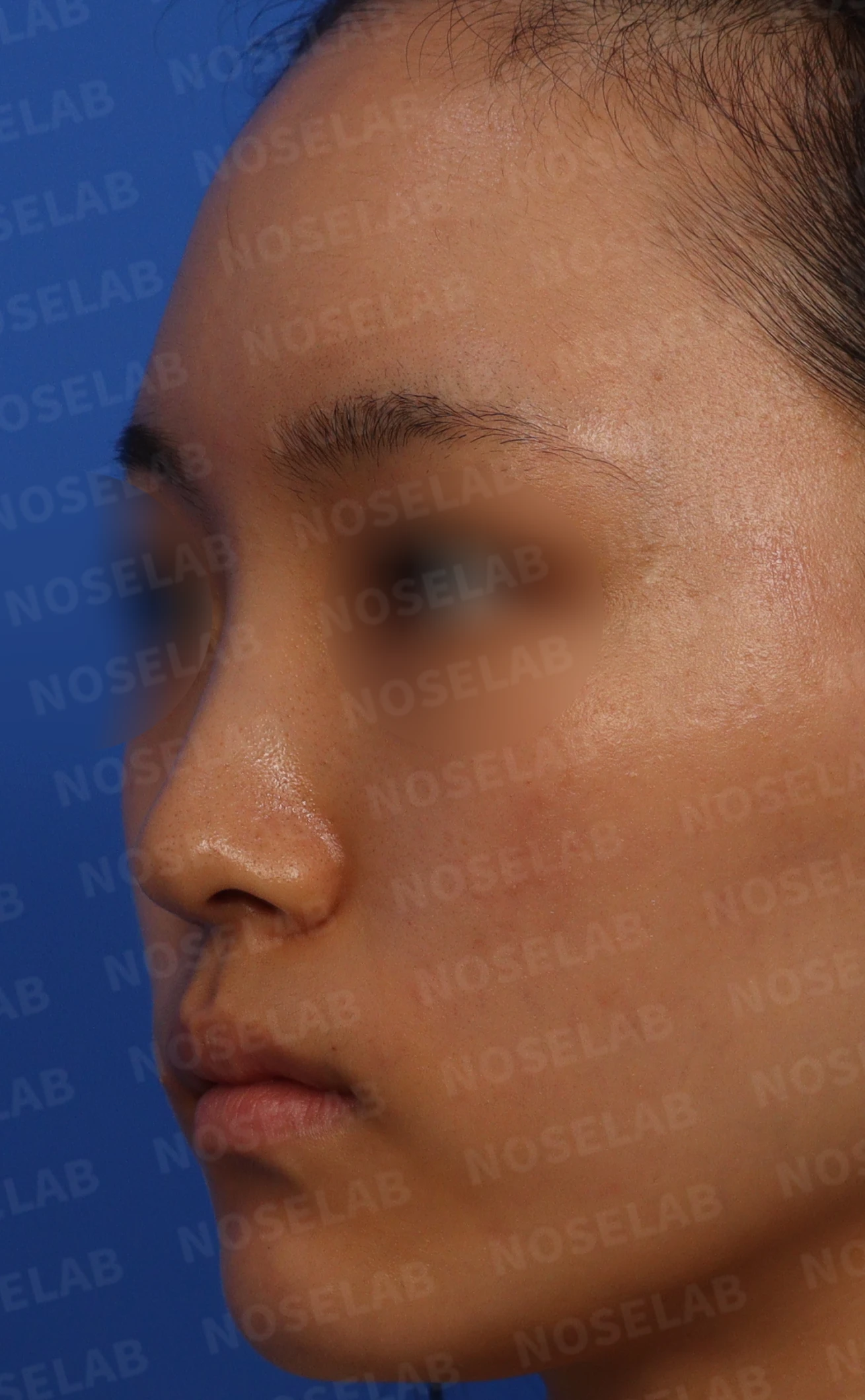
Oblique view
- The radix is high
- Overall impression of a long nose
Nostrils:
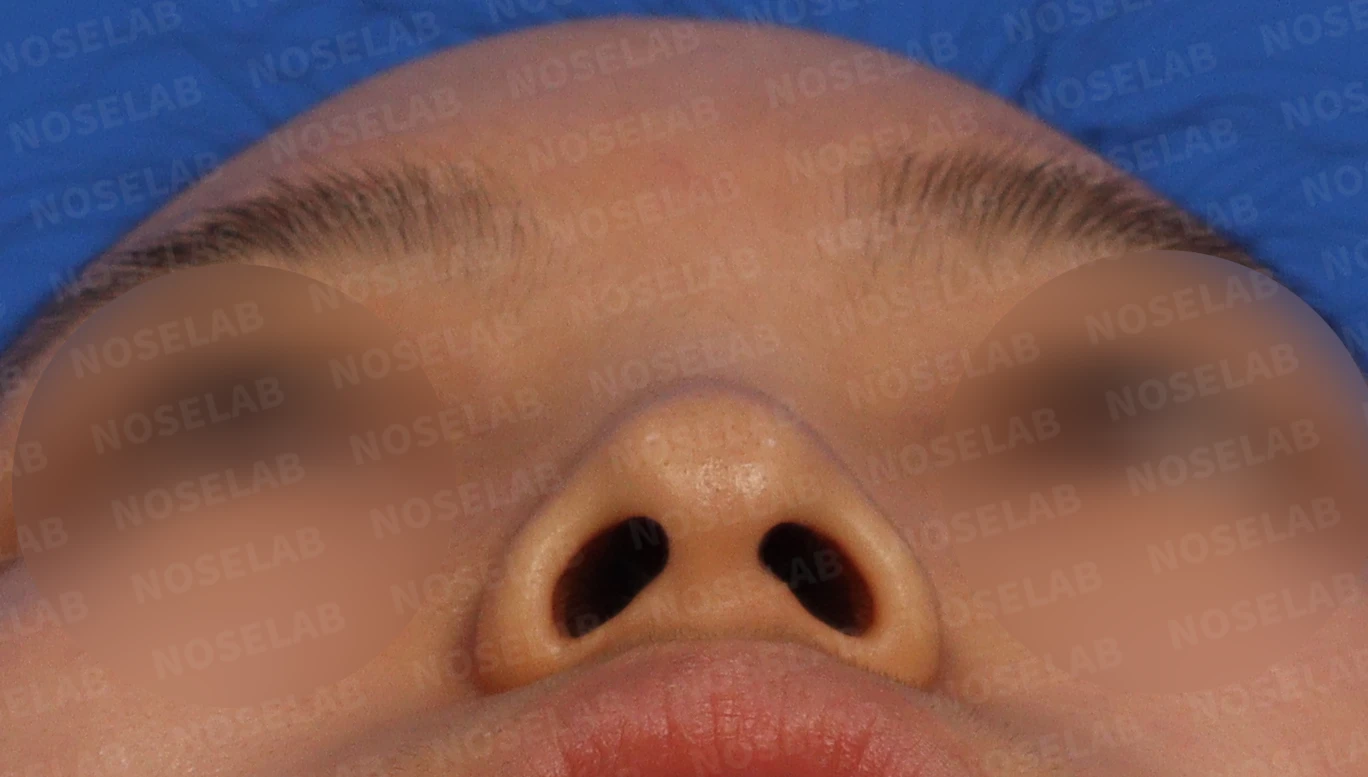
Basal (nostril) view
- The right nostril is larger and wider
- Nostril asymmetry observed
2. Surgical plan
Taking into account the patient's condition and requests, the following surgical plan was established:
a) Nasal tip correction:
- Donor rib cartilage and septal cartilage used together per the patient's request
- Septal extension performed
b) Nasal bridge correction:
- Lateral osteotomy planned to reduce the wide appearance
c) Correction of nostril asymmetry:
- Lower lateral cartilage repositioning
- Cartilage suturing technique applied
Originally, I recommended using autologous rib cartilage to project the nasal tip, but per the patient's request, we decided to use donor rib cartilage.
3. Surgical procedure
The following procedures were performed using a closed approach:
a) Septal and nasal tip correction:
- Intraoperative evaluation showed that the septal cartilage was deviated to the right, but its size was sufficient.
- The nasal tip procedure was performed using donor rib cartilage together with septal cartilage.
- The blunt, drooping appearance was corrected while maintaining as rounded a feel at the nasal tip as possible.
b) Nasal bridge correction:
- Lateral osteotomy was performed to improve the wide appearance.
c) Correction of nostril asymmetry:
- The lower lateral cartilages were repositioned and cartilage suturing was applied to improve asymmetry.
During the surgical process, particular attention was paid to the shape of the nasal tip. Whether a nasal tip feels rounded or sharp is quite subjective, making it difficult to match expectations precisely. Especially when the nose is not large, elevating the nasal tip thins the skin and can inadvertently make it look sharp. To prevent this, I carefully adjusted the width of the tip cartilages and meticulously shaped the columella to minimize any sharp appearance.
4. Comparison of before-and-after photos
Comparing photos taken immediately after surgery on day 0 shows the following improvements: Photos taken immediately after surgery show swelling and may differ from the final result.
Front view:
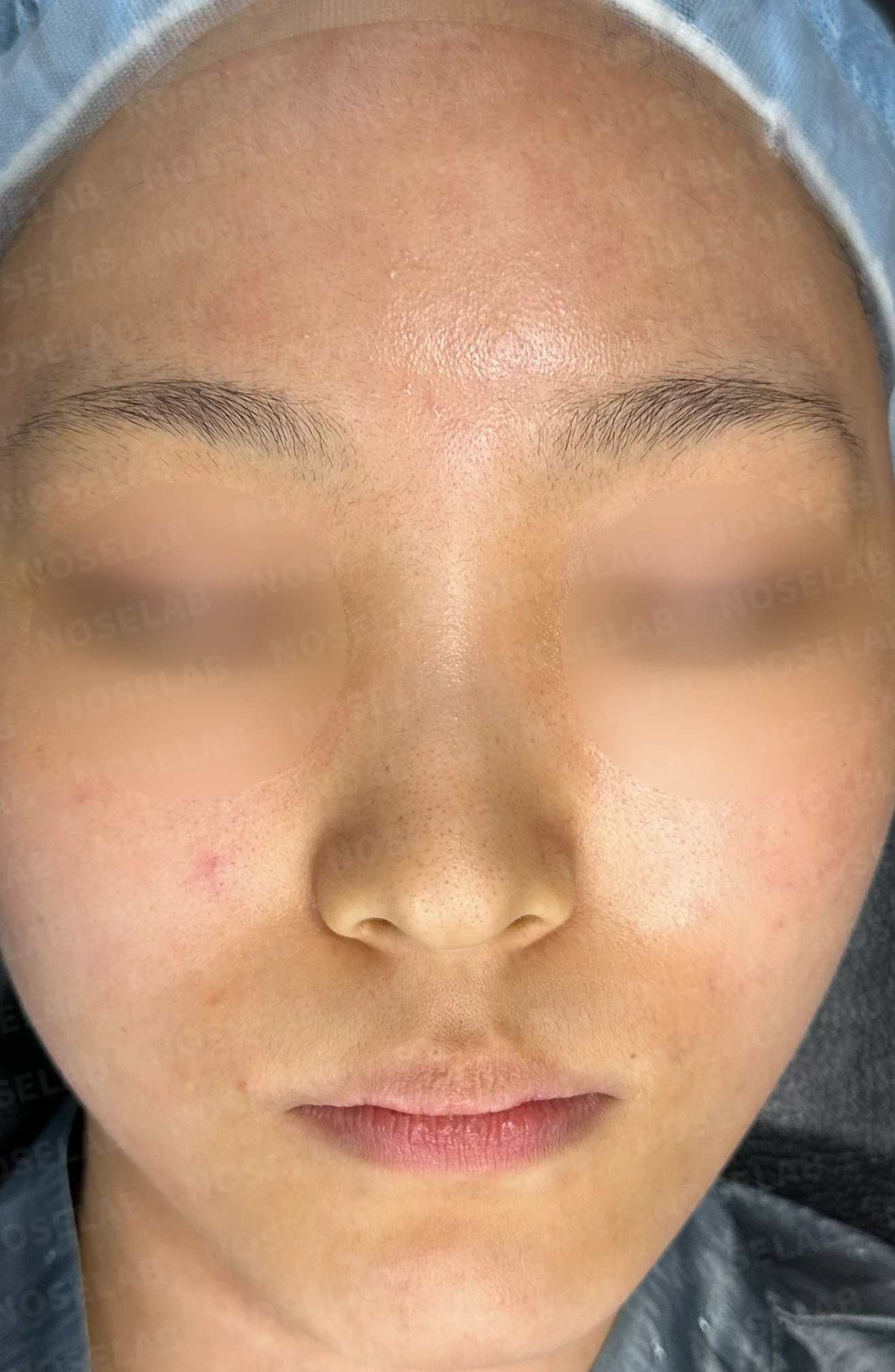
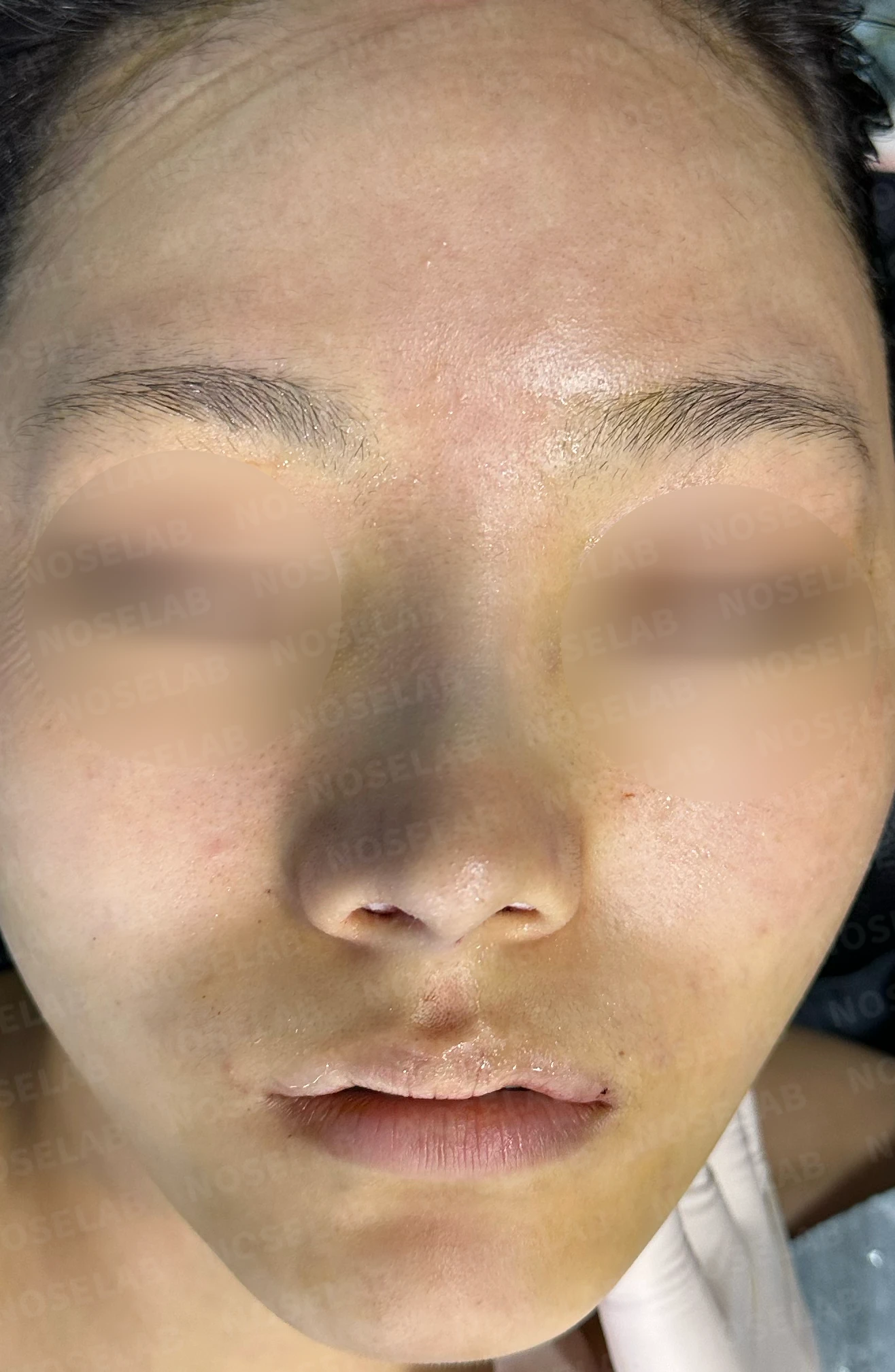
Before surgery / Day 0 immediately after surgery Photos taken immediately after surgery show swelling and may differ from the final result.
- The previously wide nose has become slimmer overall.
- The elongated look has improved, achieving better harmony with the face.
- Nostril asymmetry improved.
Profile view:
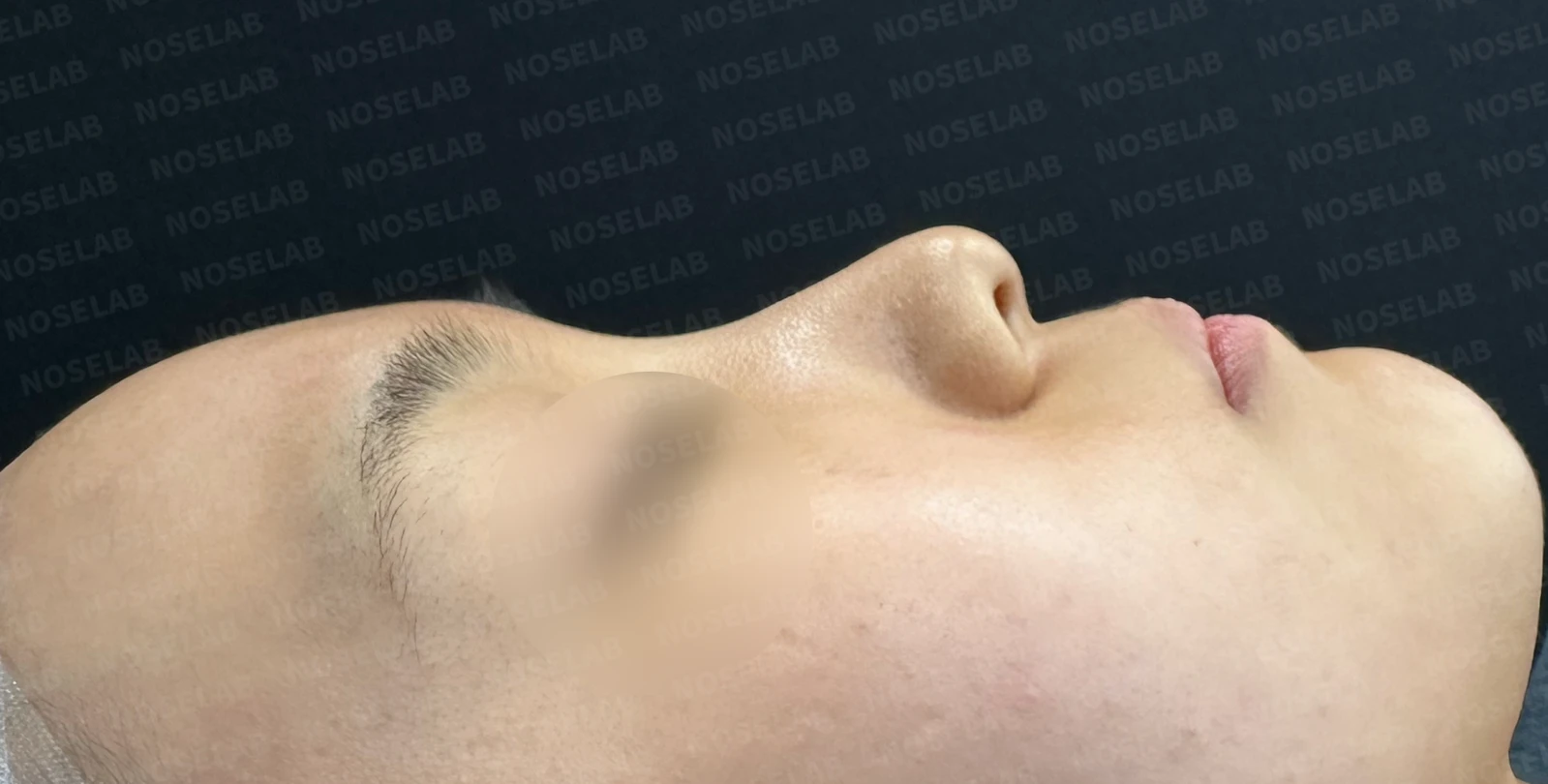
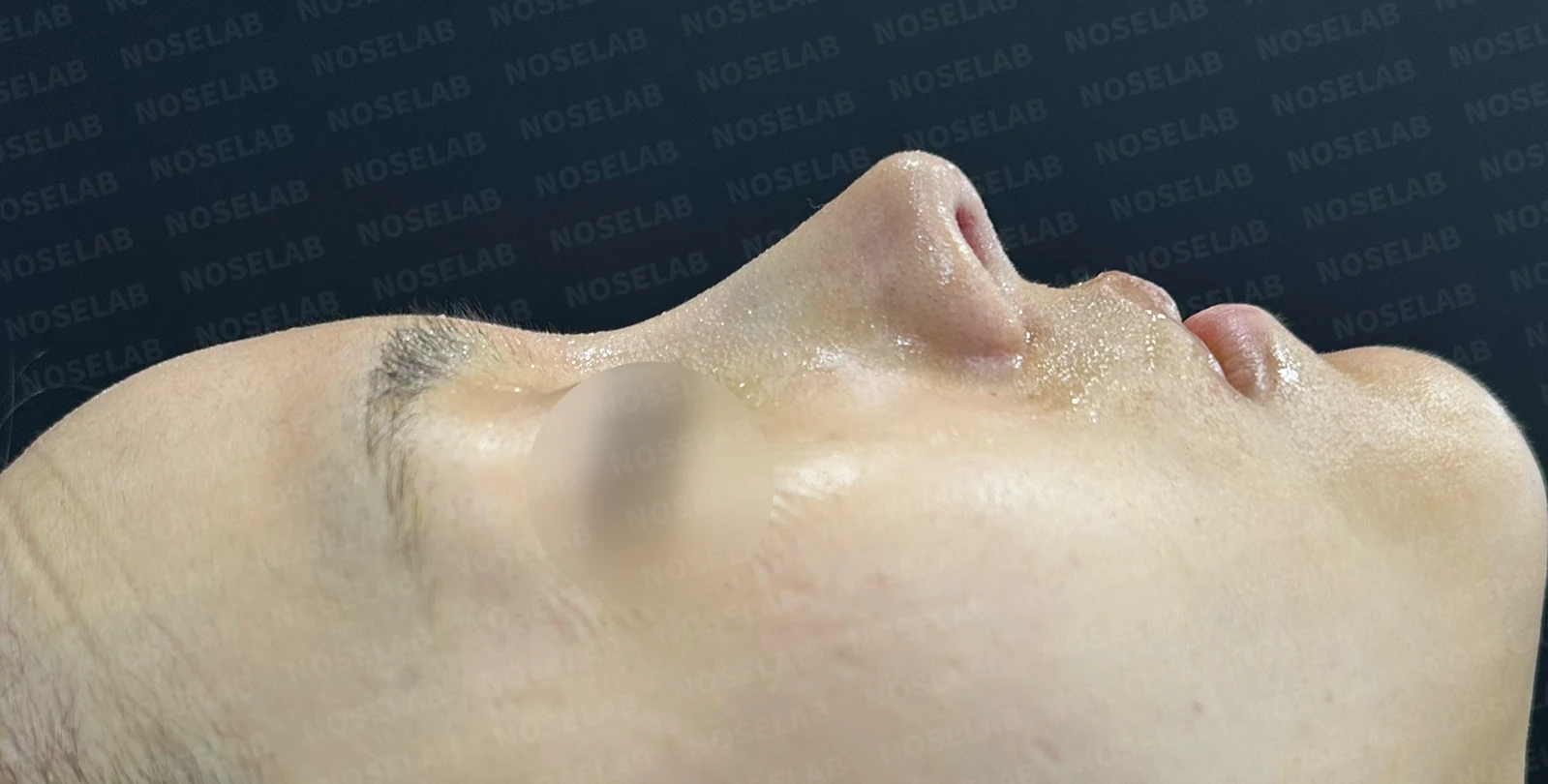
Before surgery / Day 0 immediately after surgery Photos taken immediately after surgery show swelling and may differ from the final result.
- The drooping nasal tip was appropriately elevated, improving overall balance.
- The appearance of a protruding mouth has softened.
- The radix was adjusted naturally.
- Three-dimensional dimension has improved.
Oblique view:
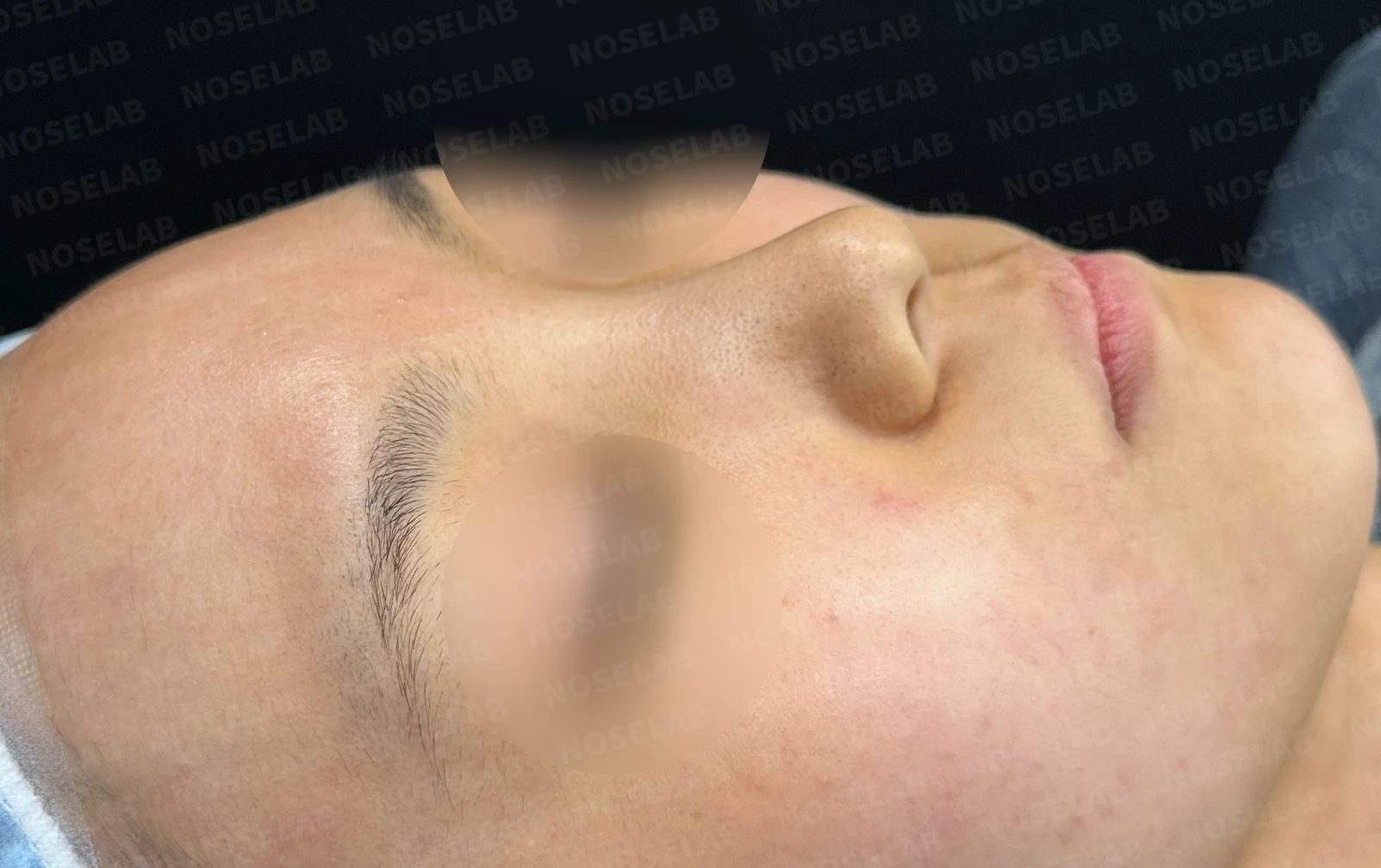
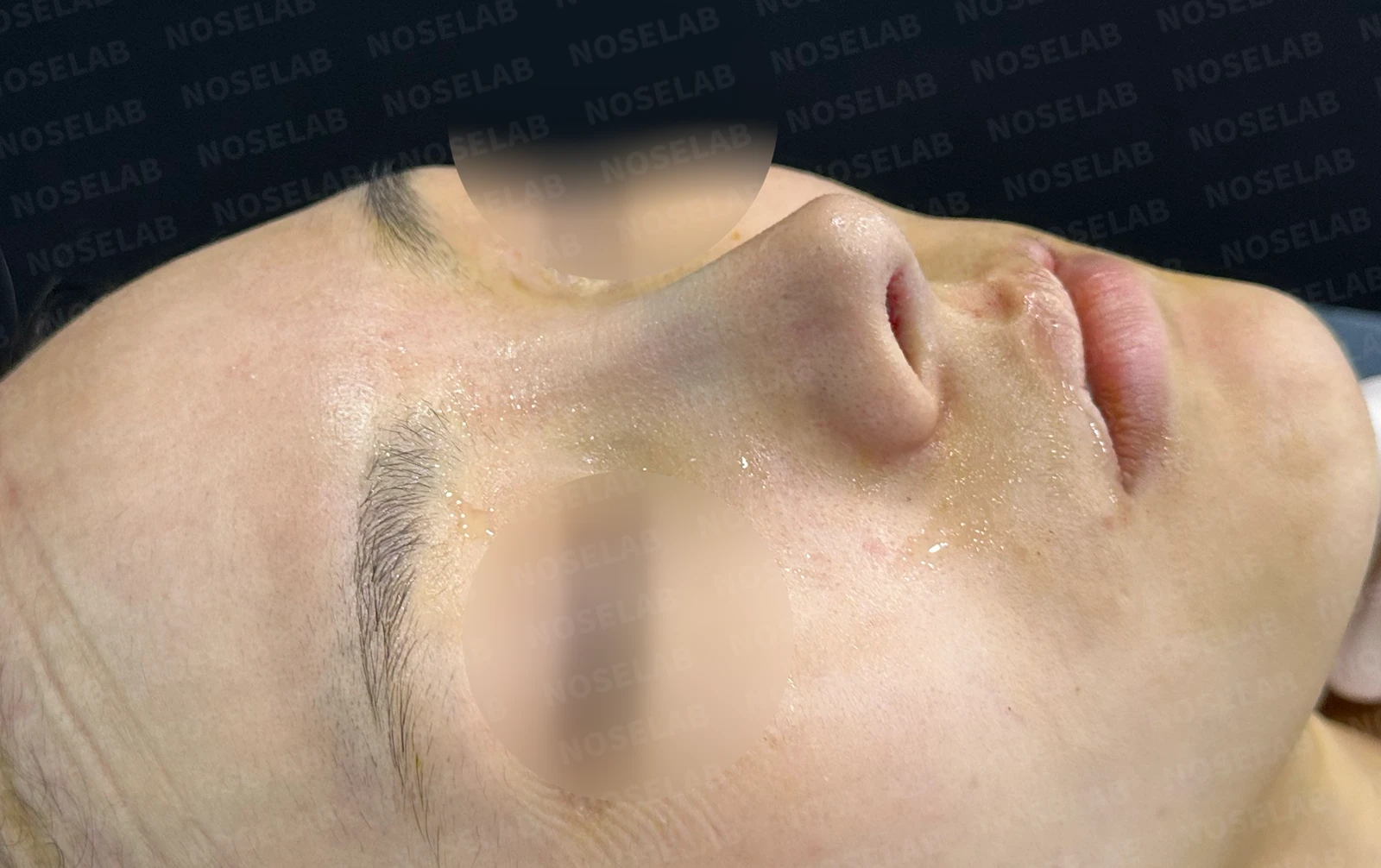
Before surgery / Day 0 immediately after surgery Photos taken immediately after surgery show swelling and may differ from the final result.
- The elongated appearance of the nose has improved.
- The harmony between the nasal bridge and nasal tip has improved, presenting an overall balanced look.
Nostrils:
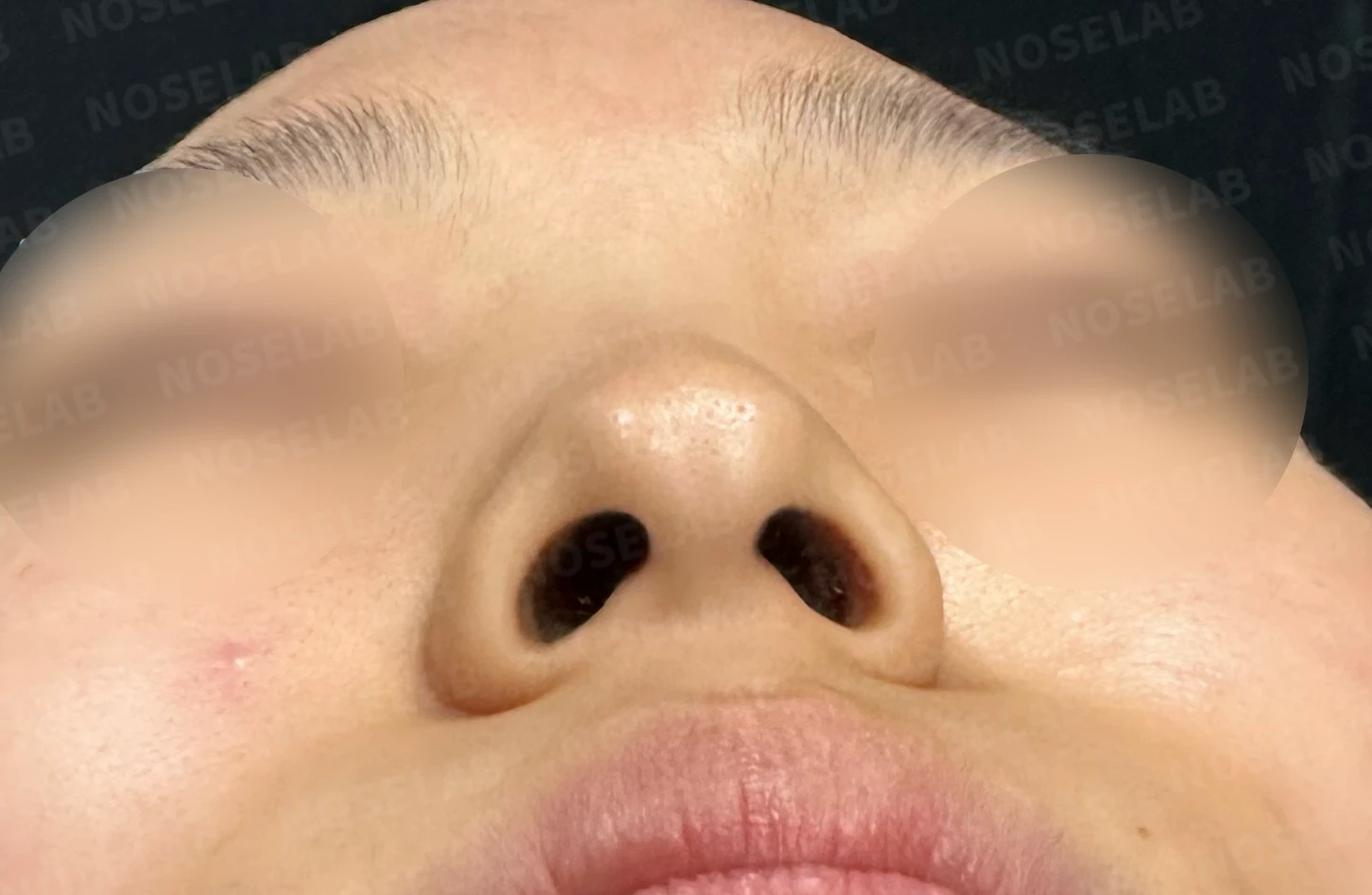
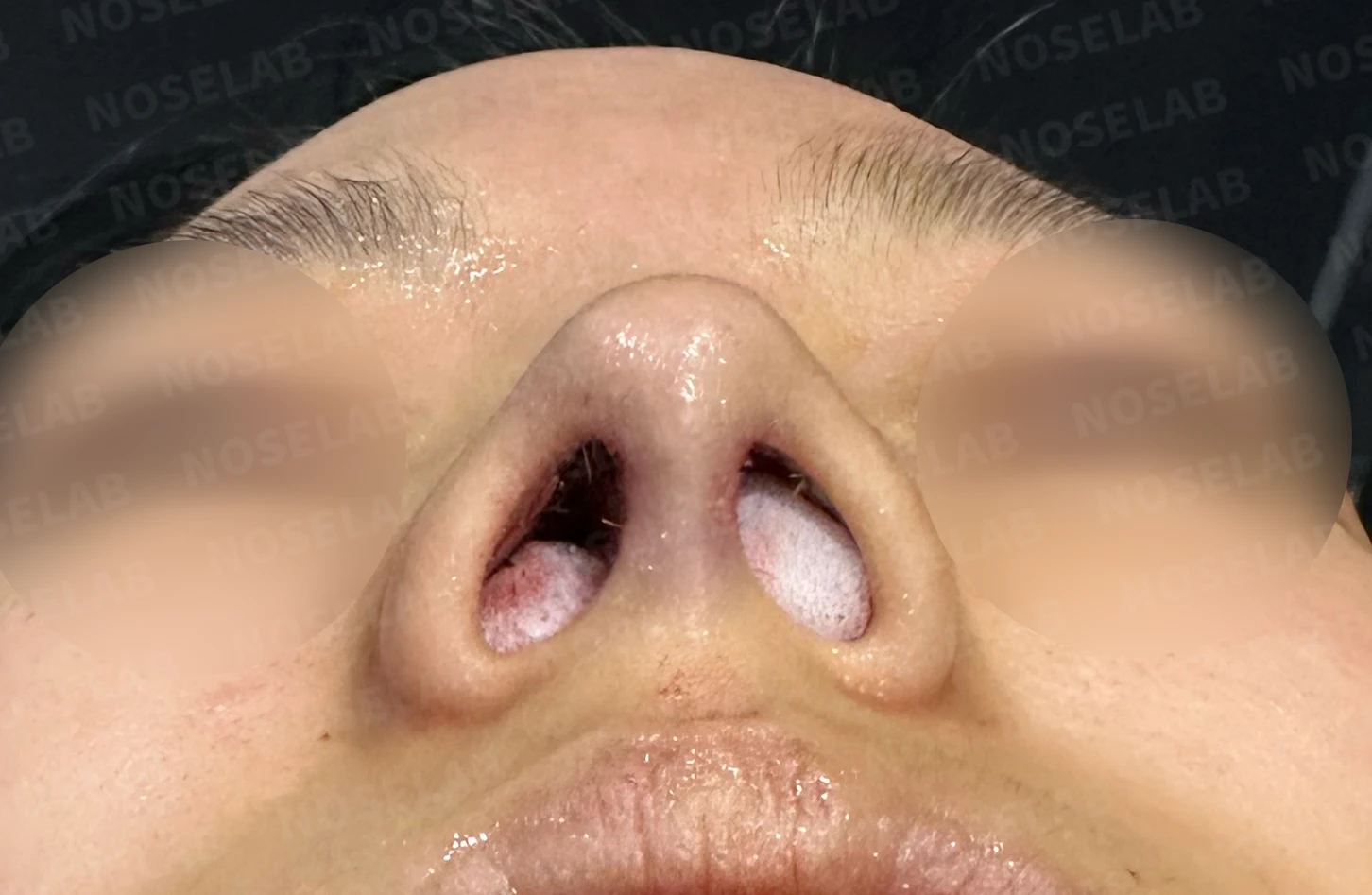
Before surgery / Day 0 immediately after surgery Photos taken immediately after surgery show swelling and may differ from the final result.
- The issue where the right nostril was larger and wider has improved.
- Overall symmetry has improved.
5. Photos immediately after surgery on day 0 Photos taken immediately after surgery show swelling and may differ from the final result.
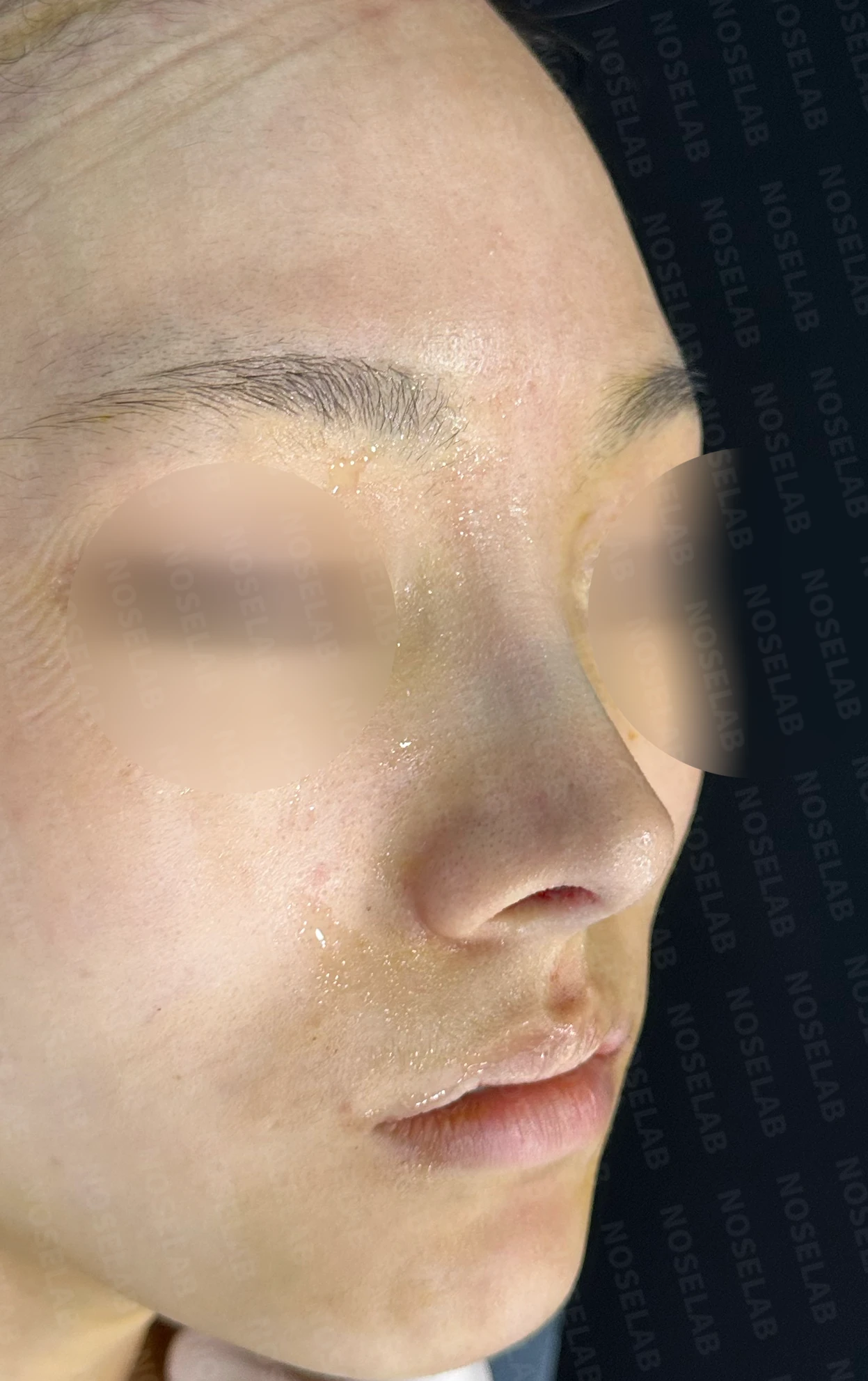
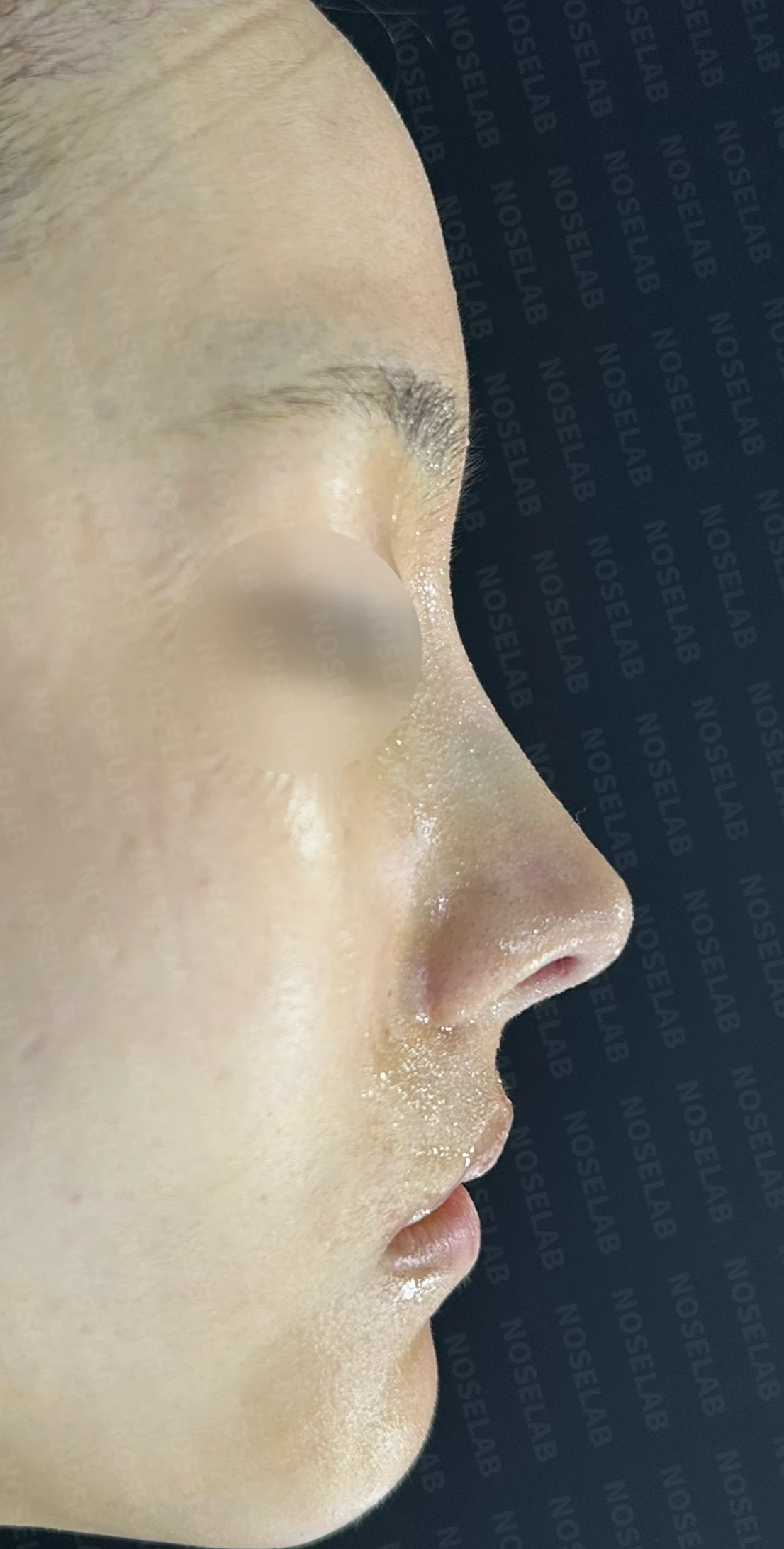
Front, oblique, and profile views on day 0 immediately after surgery Photos taken immediately after surgery show swelling and may differ from the final result.
Basal (nostril) view
6. Overall evaluation
This case addressed both a long nose and a wide nose simultaneously. Great care was taken to achieve a natural result while accommodating the patient's requests as much as possible.
Using donor rib cartilage along with septal cartilage was chosen to respect the patient's preference while supporting a stable result. Through septal extension, the drooping nasal tip was corrected while striving to maintain a rounded feel.
Refining the wide appearance with lateral osteotomy played an important role in shaping the overall nasal contour. In addition, lower lateral cartilage repositioning and cartilage suturing addressed the nostril asymmetry.
A key priority in this case was preserving the 'natural look' the patient desired. I made fine adjustments so that elevating the nasal tip would not make it appear sharp, and also took care that the nasal bridge would not look too narrow.
Using a closed approach shortened the postoperative recovery period and allowed surgery to be completed without external scars. This contributed significantly to patient satisfaction.
7. Conclusion
I hope this case helps those who are concerned about a long nose or a wide nose. Rhinoplasty is a delicate procedure that does not merely alter the shape of the nose, but must also account for the harmony of the entire face. In particular, achieving the desired result while maintaining natural aesthetics requires a meticulous approach by an experienced and specialized surgeon.
Drawing on anatomical knowledge and extensive surgical experience as a board-certified otolaryngologist, I provide surgical plans tailored to each individual patient. Through a comprehensive approach that considers both functional and cosmetic improvement, I strive to create a beautiful and healthy nose.
If you are considering rhinoplasty, I encourage you to consult with a specialist to find the most suitable method for you. NOSELAB will always strive for your beautiful and healthy nose. Thank you.
#rhinoplasty #longnosecorrection #widenosecorrection #droopingtipcorrection #septalextension #closedrhinoplasty #bridgecorrection #tiprhinoplasty #entspecialistrhinoplasty #naturalrhinoplasty #donorribcartilage #lateralosteotomy #nostrilasymmetrycorrection
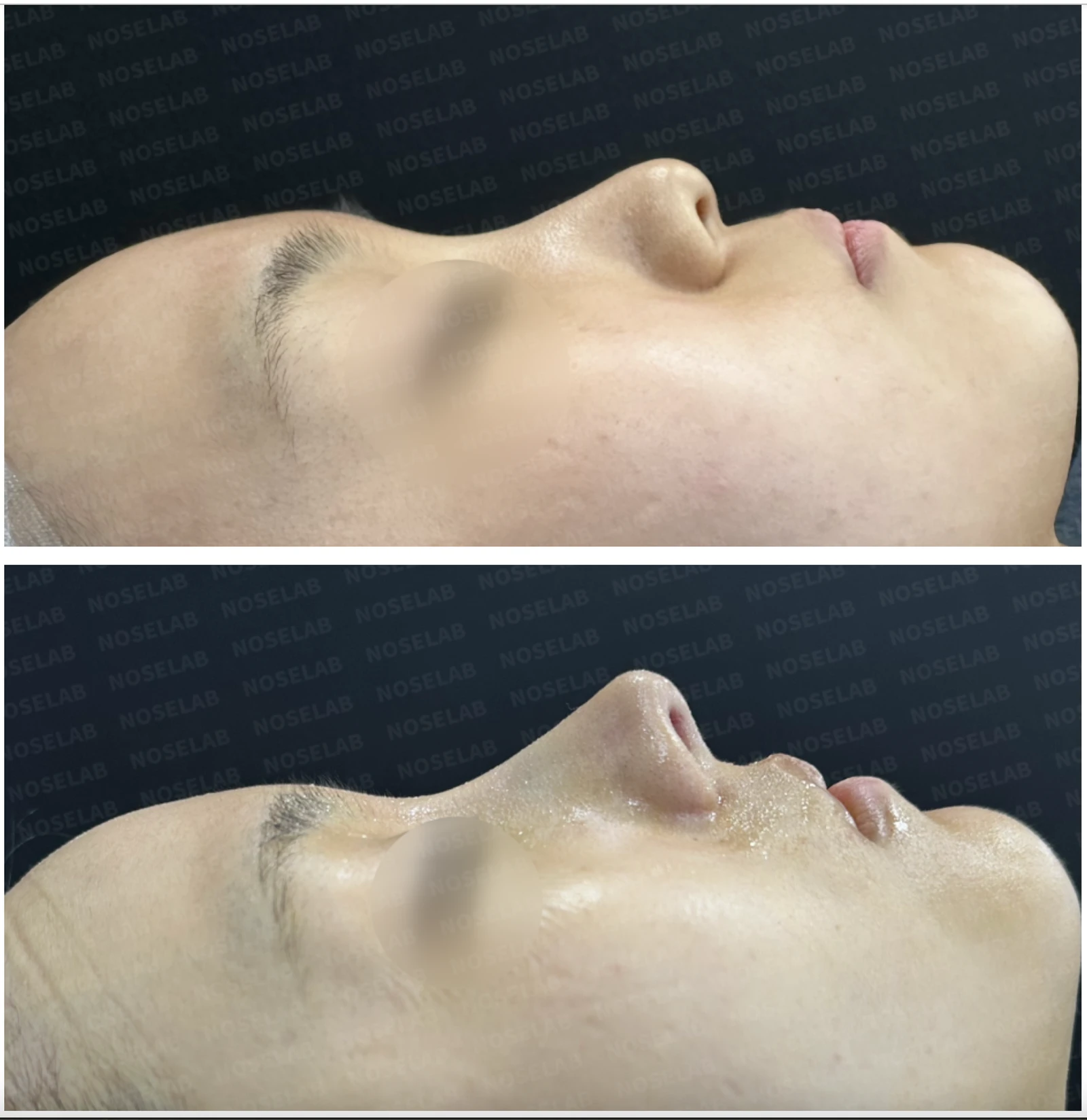
Representative photo

Limitations and risks
When autologous rib cartilage is used, scarring and pain may remain at the donor site on the chest, and pneumothorax (pleural injury) can occur rarely. Over time, the grafted cartilage may warp or undergo partial resorption.
When using donor rib cartilage, long-term follow-up is necessary because the grafted cartilage may resorb or warp.
When the septum is corrected at the same time, nasal obstruction may persist or recur, and in rare cases, septal perforation or changes in smell may occur.
Common potential risks include infection, bleeding, asymmetry, scarring, skin necrosis, and insufficient improvement; results vary depending on individual skin condition and previous surgical history.