Hello, I am Dr. Peter C. Kang.
Today, I would like to introduce a surgical case of a patient who was concerned about a blunt bulbous nose.
This patient received nasal filler 12 years ago and an alar reduction injection 5 years ago, after which depression of the nasal tip developed. Through this surgery, the patient wanted to elevate the blunt nasal tip into a well-defined projection and create a straight bridge line without curves along the dorsum.
1. Preoperative design consultation
Let us analyze the patient's preoperative condition in detail:
Front view:
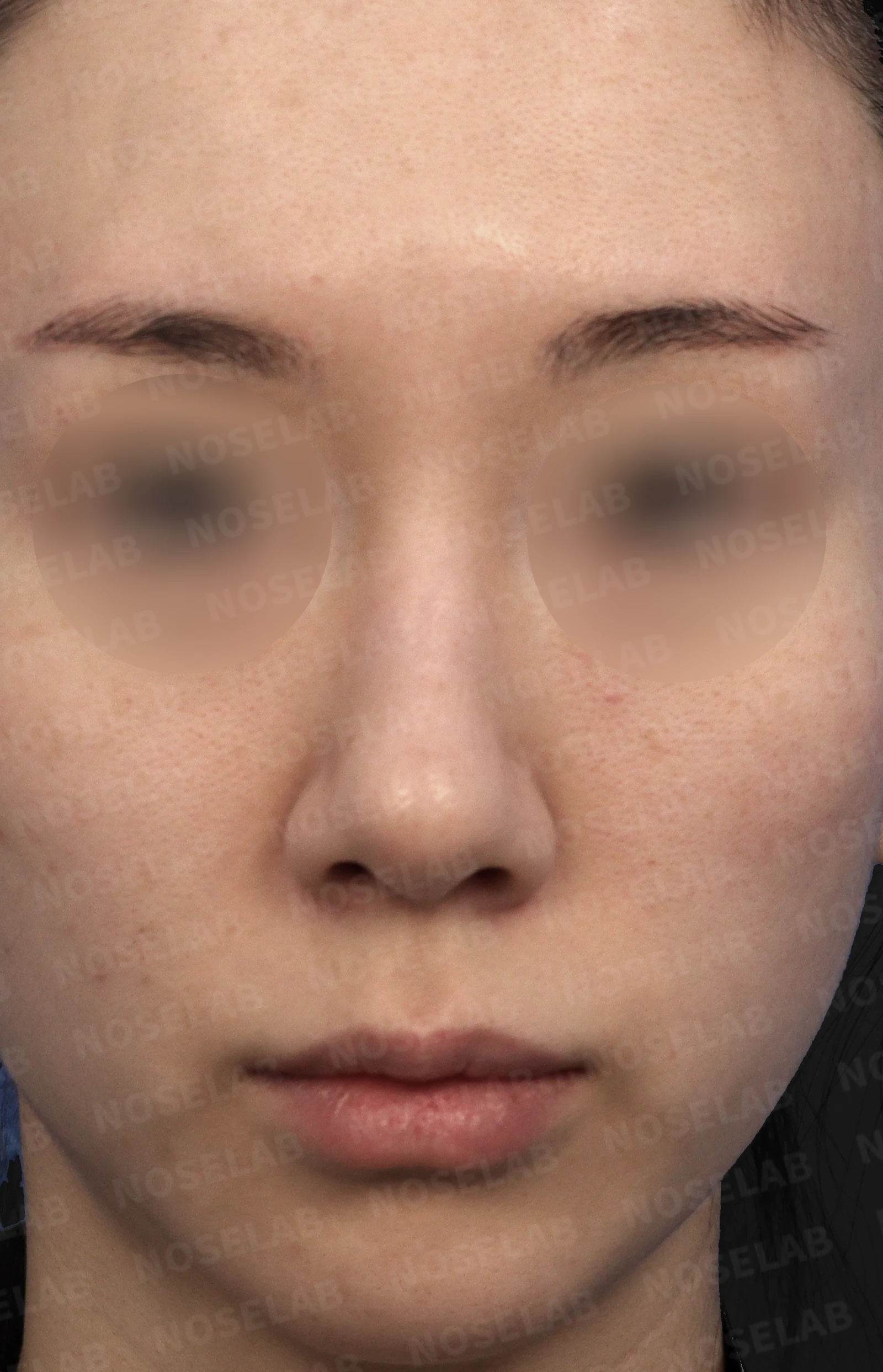
- Overall blunt and wide nose
- The nose appears slightly crooked
- Nostril asymmetry observed
Profile view:
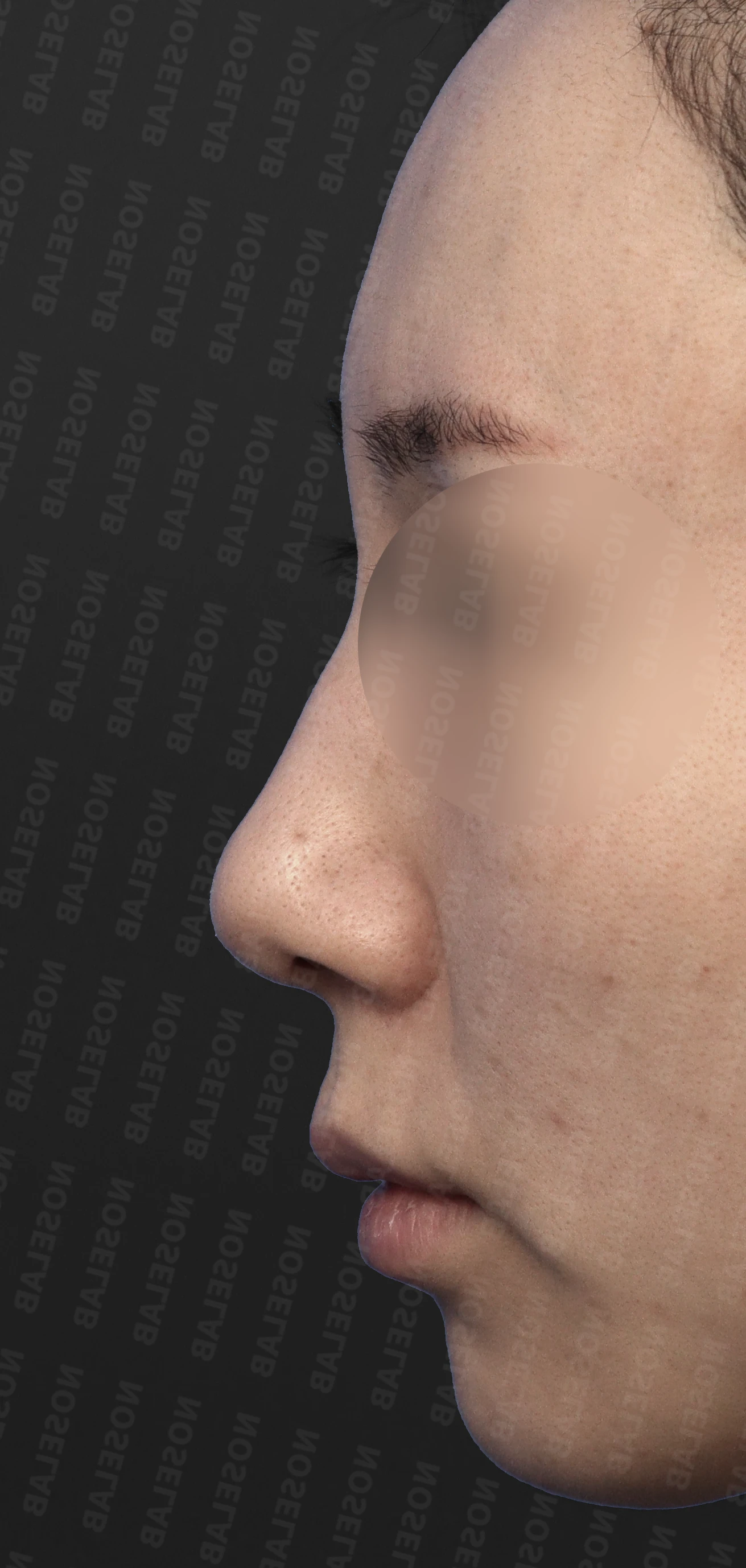
- Irregular nasal bridge with suspected residual filler in the glabella
- The nasal tip is bulbous
- The radix is high
- Findings of a protruding mouth
Oblique view:
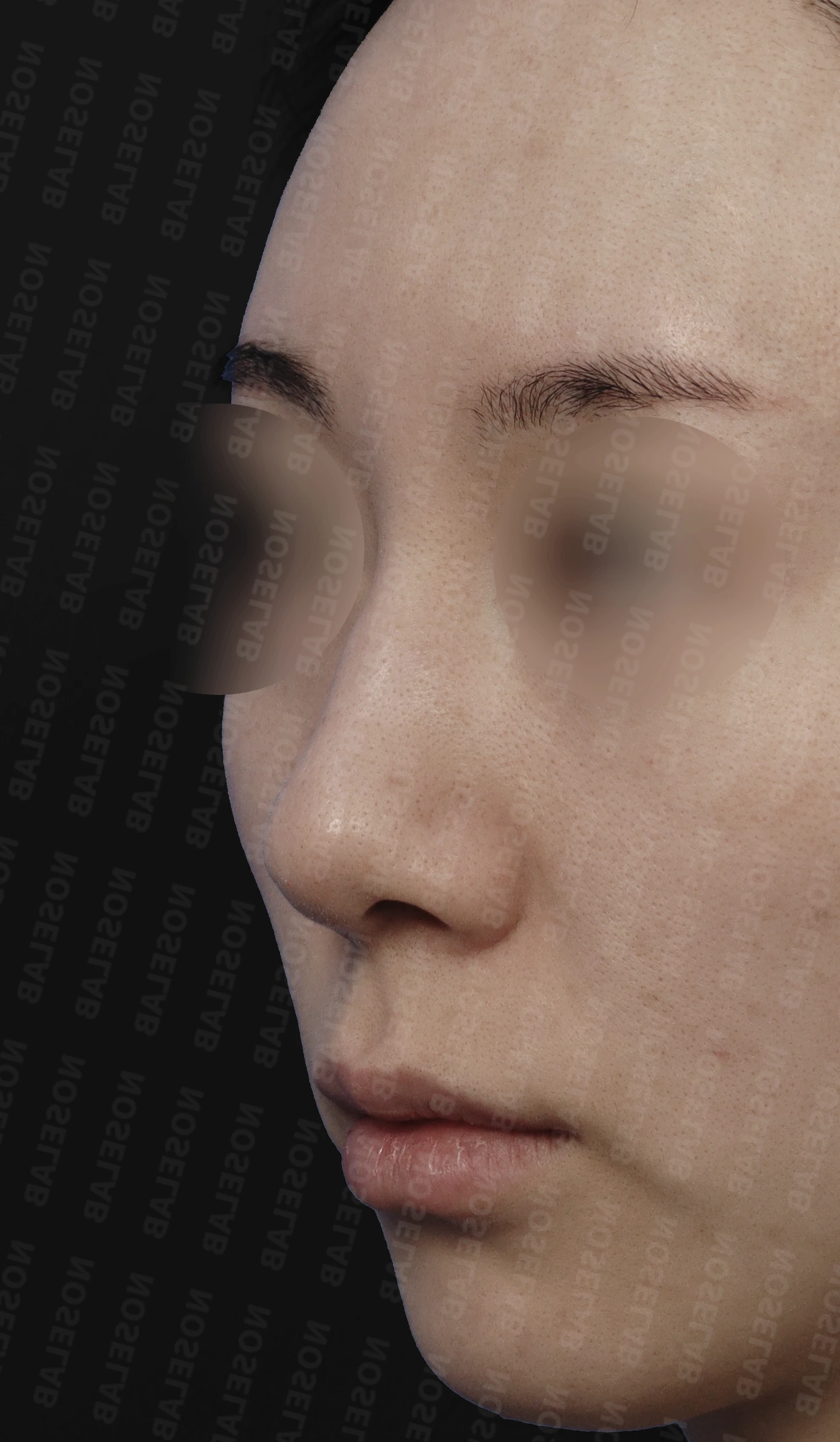
- Slight appearance of a dorsal hump
- Bulbousness of the nasal tip is more pronounced
Nostrils:
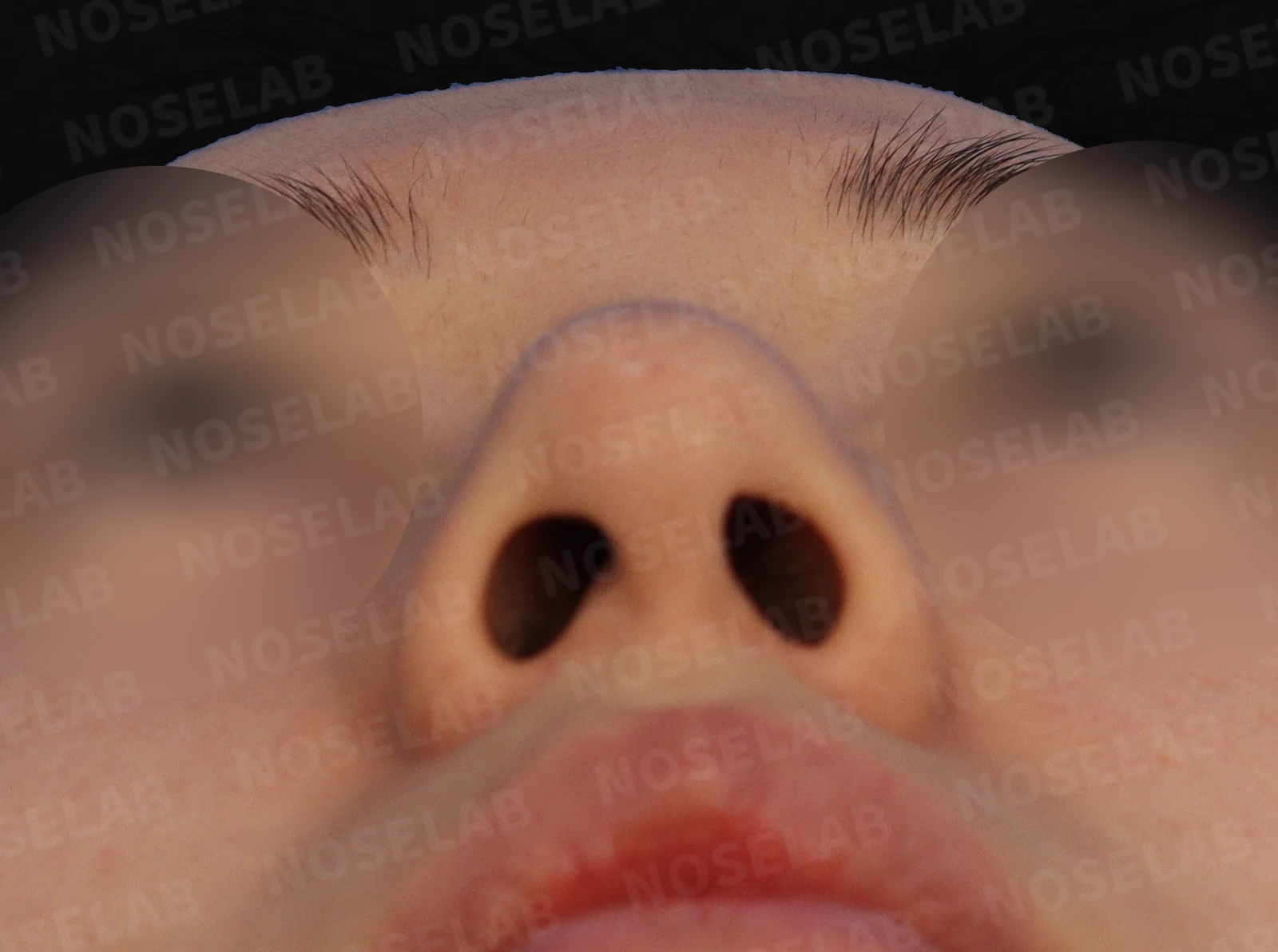
- The nasal tip tilts to the right
- Nostril asymmetry is evident
- The columella tilts to the right
- The nasal tip is bulbous and flared
2. Surgical plan
Taking into account the patient's condition and requests, the following surgical plan was established:
a) Correction of wide nasal bones via lateral osteotomy
b) Septal extension graft using septal cartilage (with supplemental donor rib cartilage if necessary)
c) Removal of foreign material
d) Nasal bridge augmentation using a silicone implant
e) Improvement of the protruding mouth through correction of the nasolabial angle
3. Surgical procedure
The following procedures were performed using a closed approach:
a) Lateral osteotomy:
- Precise osteotomy was performed to narrow the wide nasal bones.
- This reduced the overall width of the nose and created a slimmer contour.
b) Septal extension graft:
- Because the patient's septal cartilage was not large, donor rib cartilage was used in combination.
- This securely projected the nasal tip and enhanced structural support.
c) Nasal bridge augmentation:
- A silicone implant was used to elevate the nasal bridge.
- As requested by the patient, a straight nasal bridge line was created without curvature.
d) Correction of the nasolabial angle:
- The nasolabial angle was adjusted appropriately to improve the appearance of a protruding mouth.
e) Removal of previous filler:
- The residual filler on the nasal bridge was removed as thoroughly as possible to improve the irregular surface.
f) Correction of nasal tip asymmetry:
- The nasal tip and columella, which were deviated to the right, were straightened to improve symmetry.
All procedures were performed using a closed approach, completing the surgery without external scars.
4. Comparison of before-and-after photos
Comparing photos taken immediately after surgery on day 0 shows the following improvements: Photos taken immediately after surgery show swelling and may differ from the final result.
Front view:
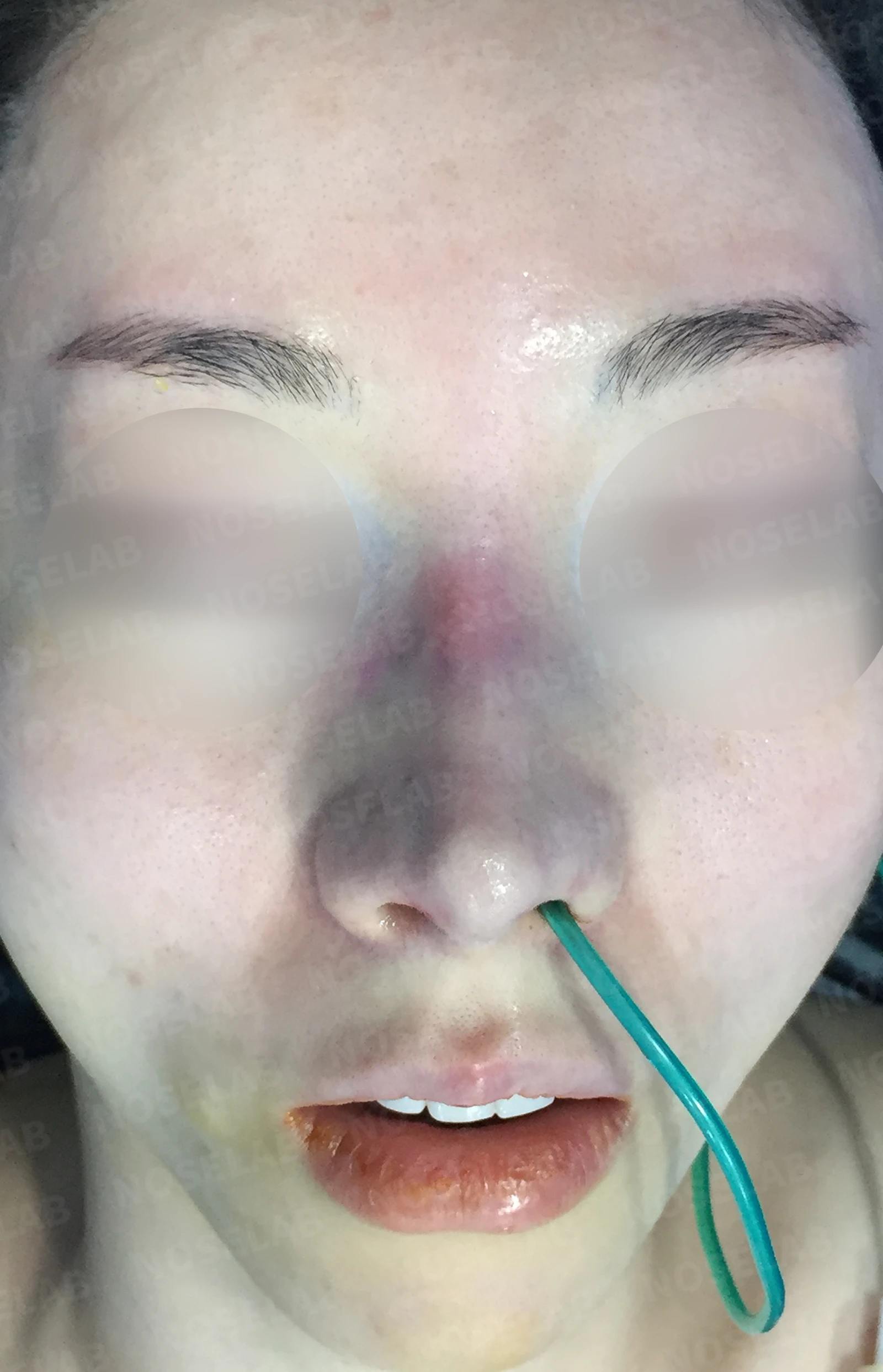
Before surgery / Day 0 immediately after surgery Photos taken immediately after surgery show swelling and may differ from the final result.
- The blunt and wide nose was refined into a slim and well-defined shape.
- The slightly deviated nose was straightened.
- Nostril asymmetry improved significantly.
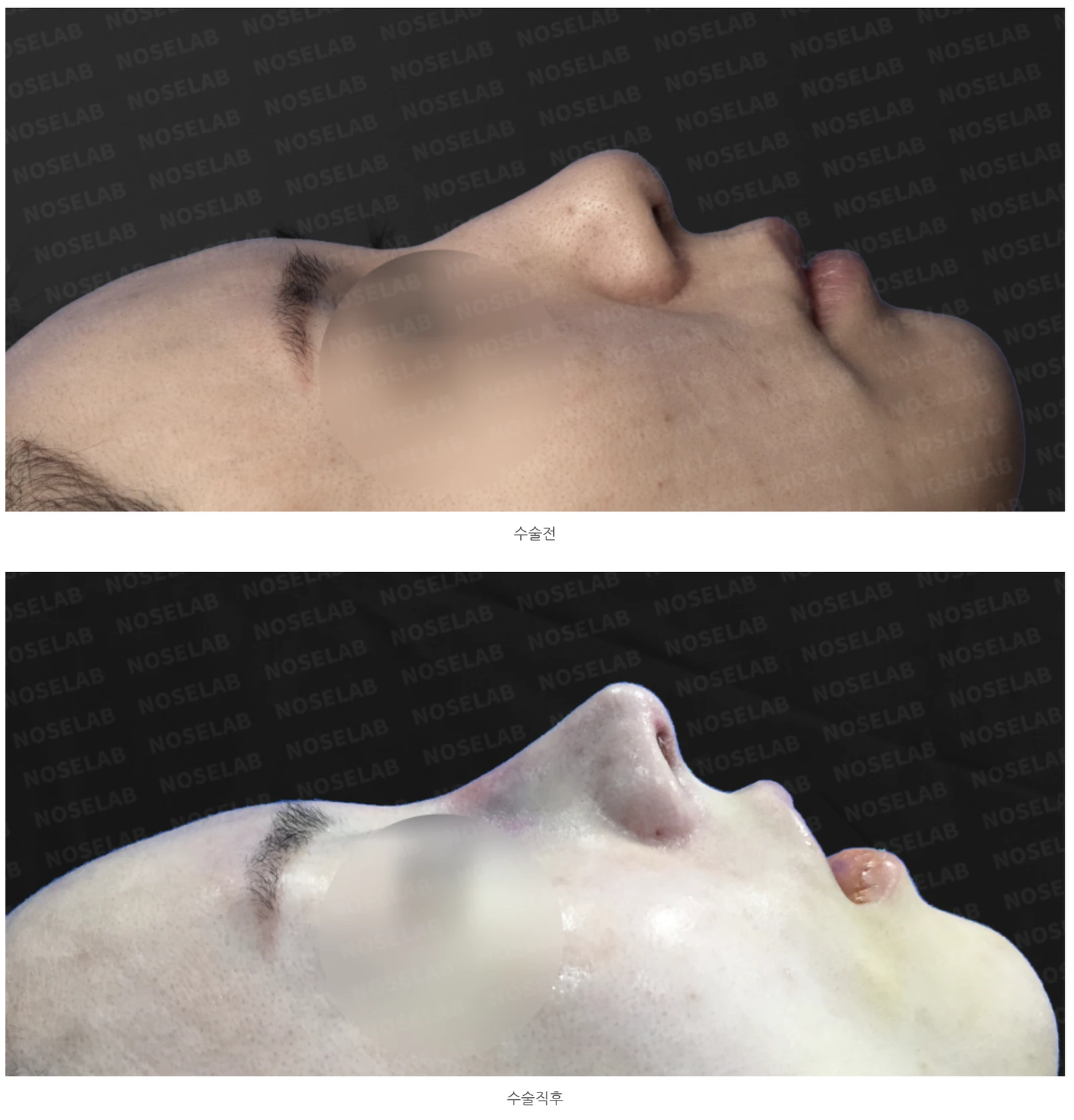
Profile view:
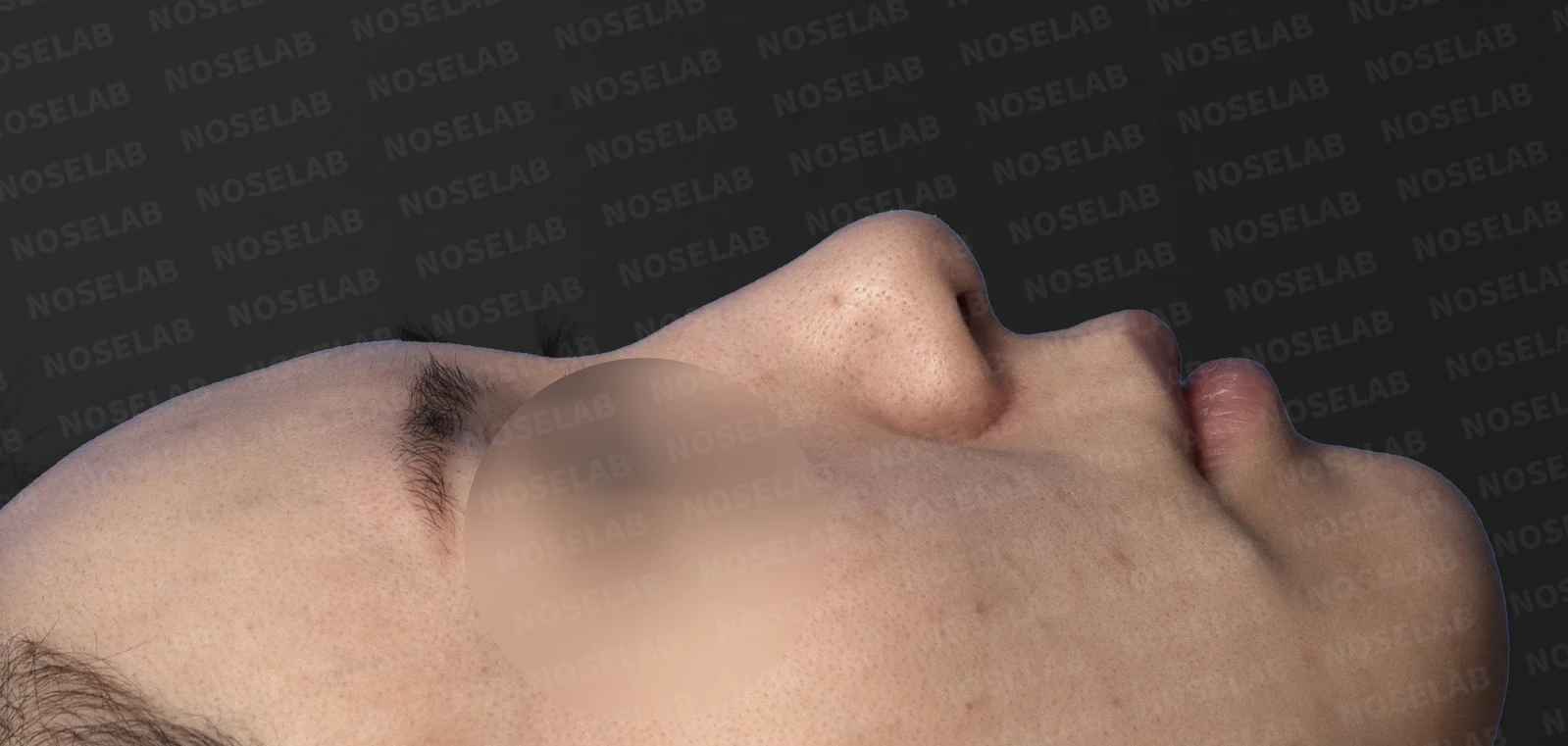
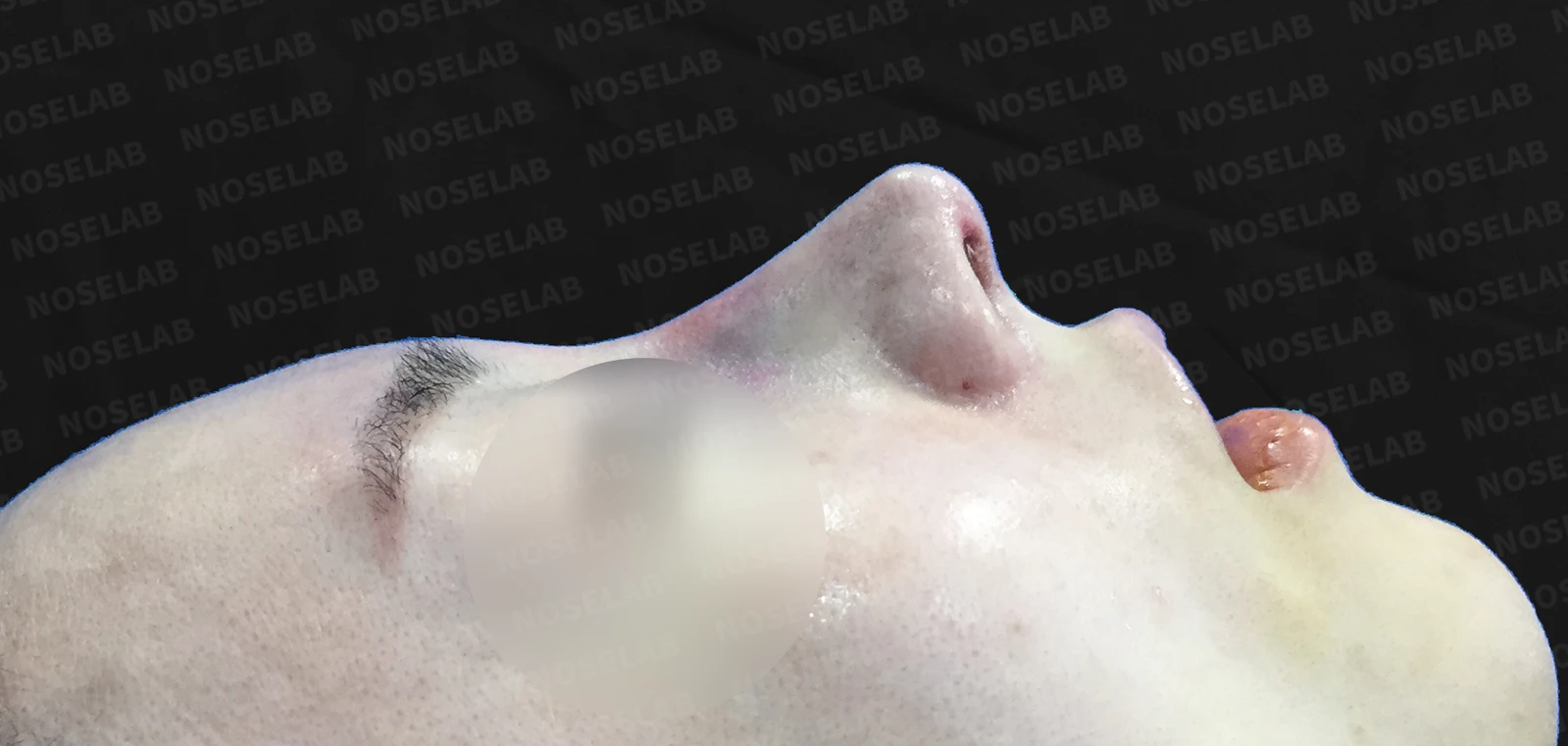
Before surgery / Day 0 immediately after surgery Photos taken immediately after surgery show swelling and may differ from the final result.
- The uneven nasal bridge was smoothed out into a straight line.
- The blunt nasal tip was projected, improving the overall profile.
- The excessively high radix starting point was adjusted naturally.
- The appearance of a protruding mouth was softened, improving overall facial balance.
Oblique view:
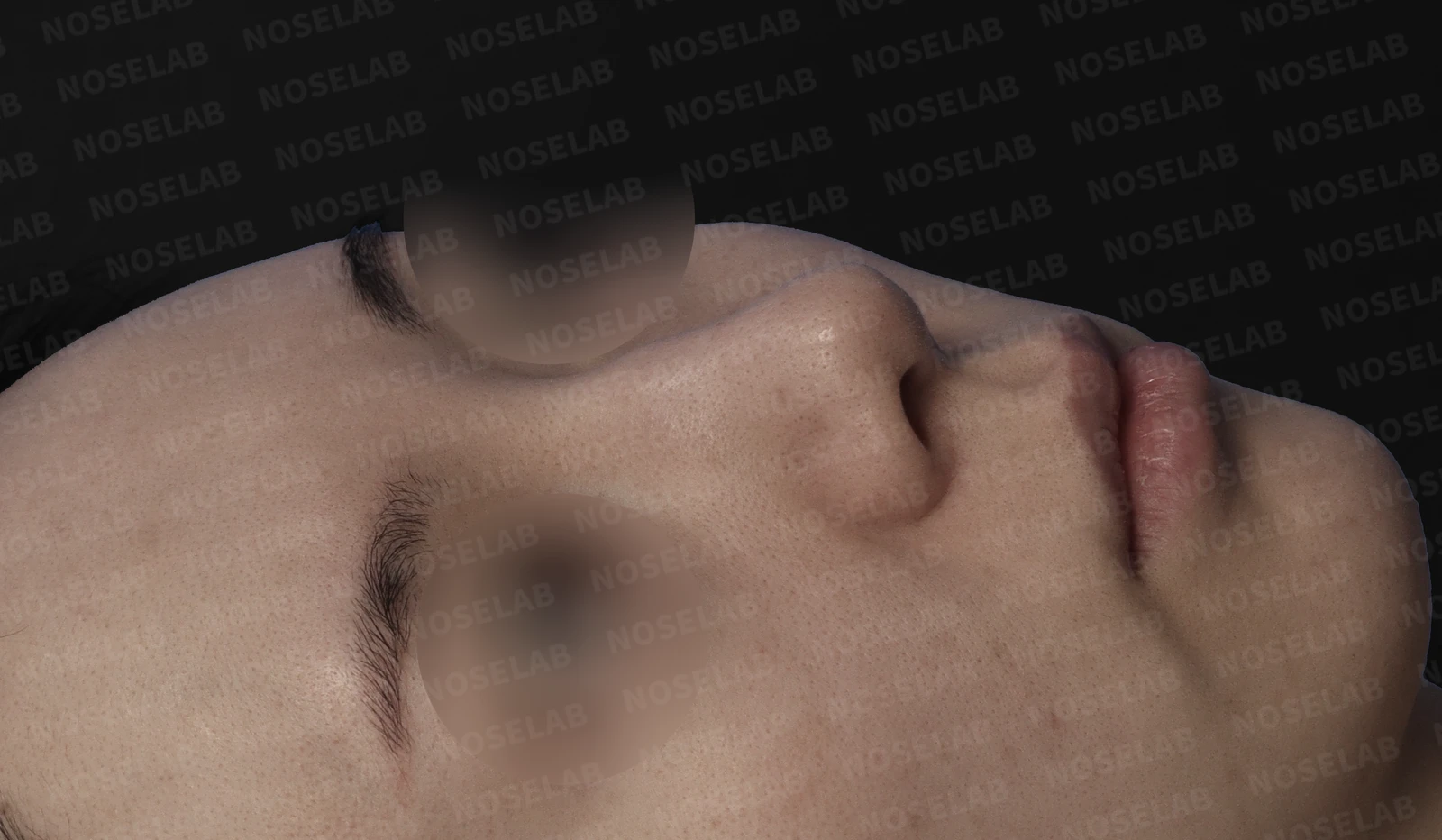
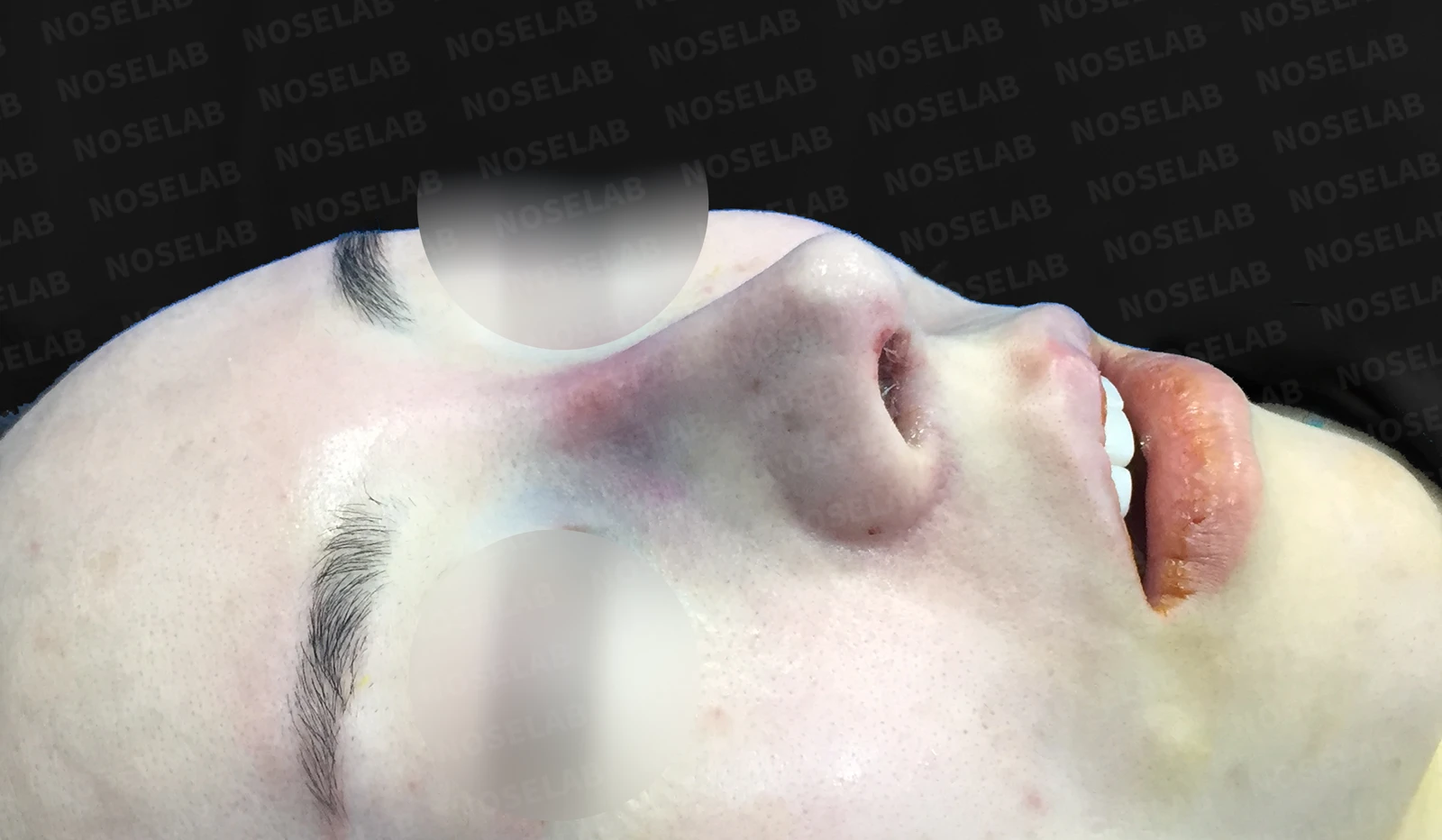
Before surgery / Day 0 immediately after surgery Photos taken immediately after surgery show swelling and may differ from the final result.
- The appearance of a dorsal hump was corrected, displaying a smooth line.
- The bluntness of the nasal tip was resolved, achieving a refined appearance.
Nostrils:
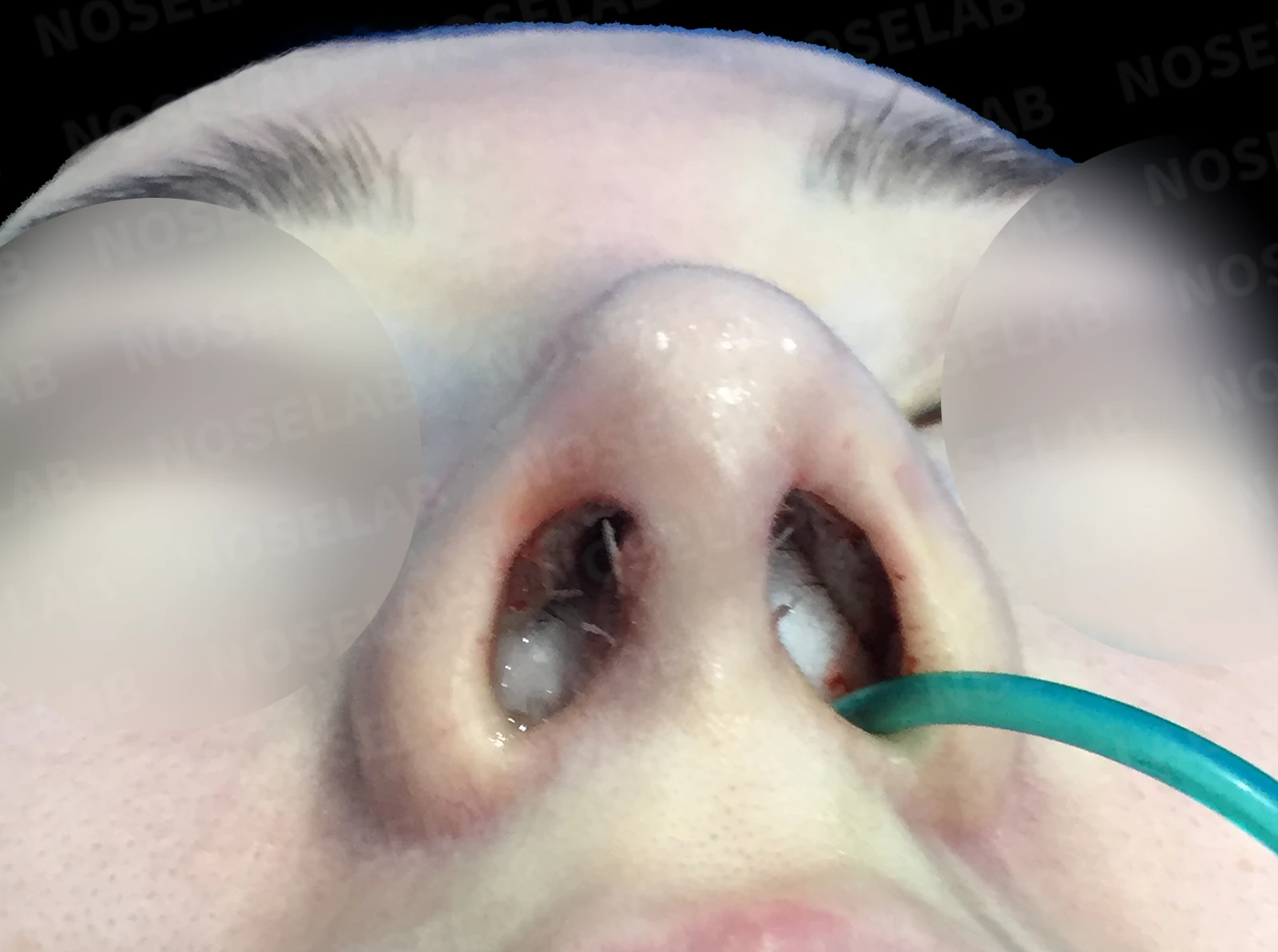
Before surgery / Day 0 immediately after surgery Photos taken immediately after surgery show swelling and may differ from the final result.
- The nasal tip and columella, which were deviated to the right, were straightened.
- Nostril asymmetry improved significantly.
- The blunt and wide nasal tip became well-projected and slender.
5. Photos immediately after surgery on day 0 Photos taken immediately after surgery show swelling and may differ from the final result.
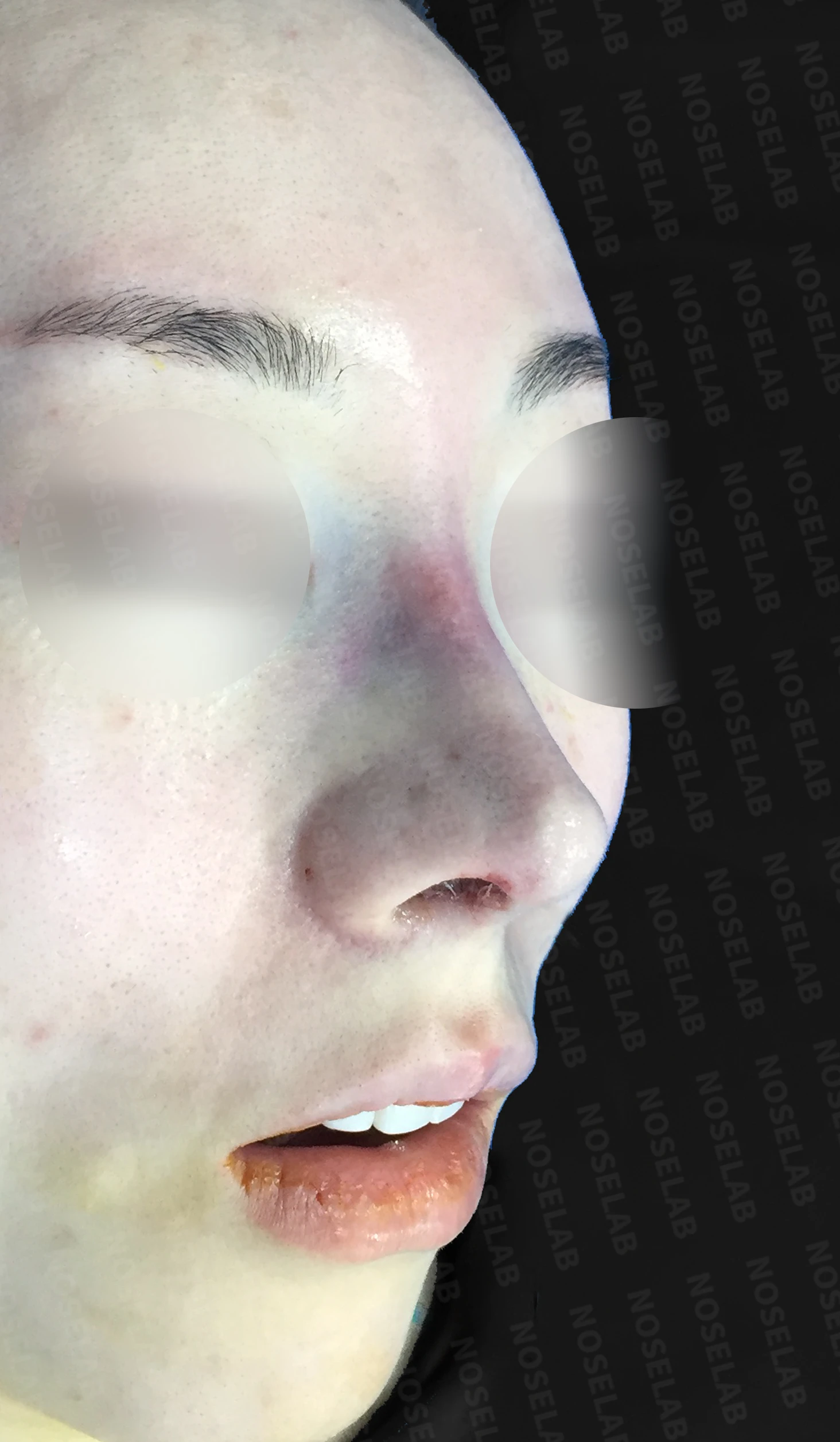
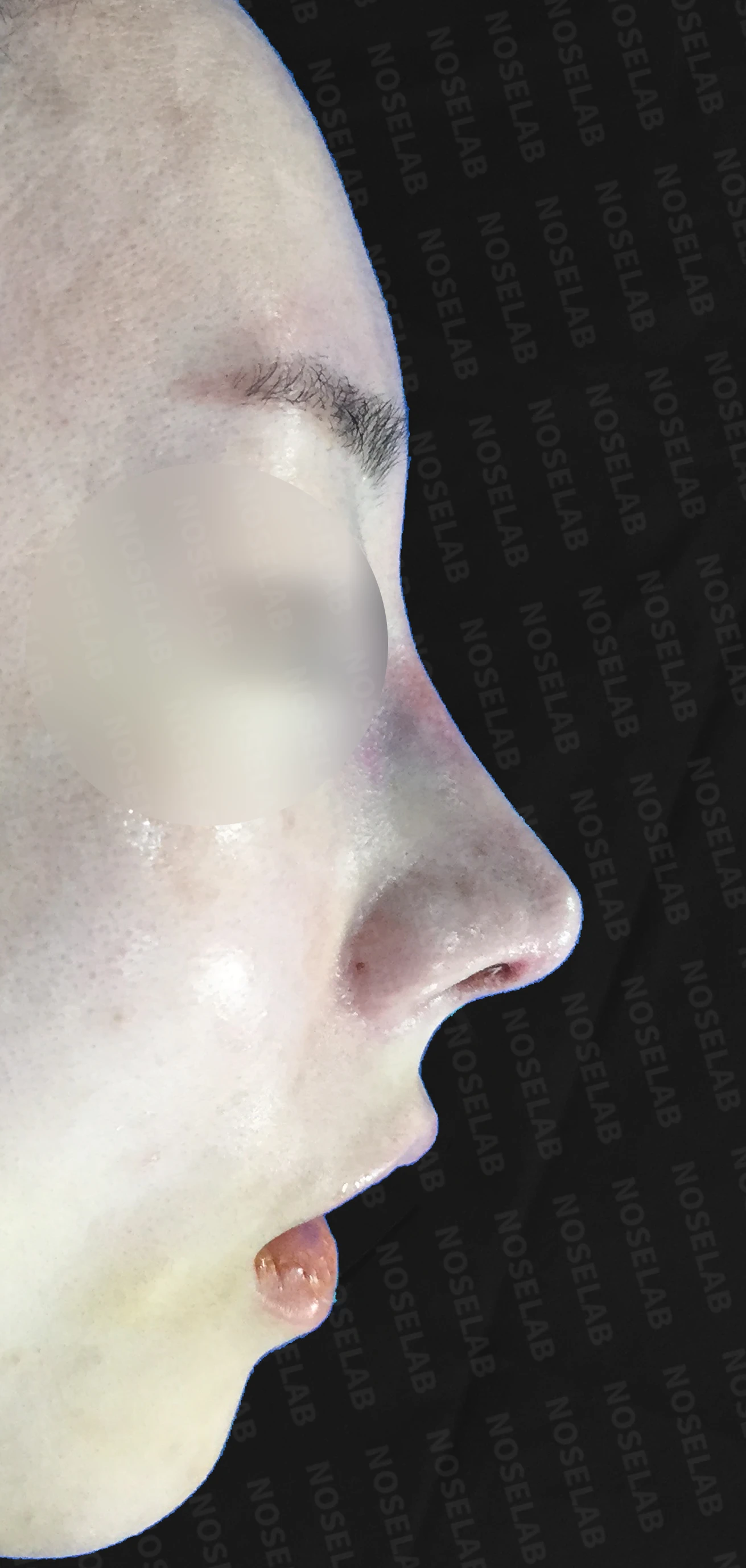
Front, oblique, and profile views on day 0 immediately after surgery Photos taken immediately after surgery show swelling and may differ from the final result.
Basal (nostril) view immediately after surgery (Day 0)Immediate postoperative photos show swelling and may differ from the final result.
6. Overall evaluation
This case represents the successful correction of a bulbous nose that presented with multiple complex issues resulting from several prior procedures. Notably, the side effects from previous filler and contouring injections—such as nasal tip depression and an uneven bridge—were resolved while achieving the specific contour the patient desired.
Correcting the wide nasal bones with lateral osteotomy and adding definition by projecting the blunt nasal tip with septal extension improved the overall bulbous appearance. In particular, using donor rib cartilage alongside the patient's septal cartilage, which was insufficient on its own, was an important choice to support a stable and long-term result.
Removing foreign material remaining on the nasal bridge and augmenting the dorsum with a silicone implant effectively created the straight nasal line requested by the patient. In addition, correcting the nasolabial angle softened the appearance of the protruding mouth, improving overall facial balance.
Using a closed approach shortened the postoperative recovery period and allowed surgery to be completed without external scars. This contributed significantly to patient satisfaction.
7. Conclusion
I hope this case offers helpful insight to those concerned about a blunt bulbous nose. When dealing with side effects from previous cosmetic procedures, it is especially important to consult with a specialist to find an appropriate solution.
Rhinoplasty must take into account not only aesthetic goals but also functional aspects. Based on anatomical knowledge and extensive surgical experience as a board-certified otolaryngologist, Dr. Kang provides individualized surgical plans tailored to each patient.
Bulbous nose correction is not merely about heightening the nose; it must be performed with the harmony of the entire face in mind. It is crucial to comprehensively evaluate facial shape, skin condition, and cartilage status to achieve natural and balanced results.
I will be with you every step of the way to achieve a beautiful and healthy nose.
This was Dr. Peter C. Kang. Thank you.
Thank you.
#rhinoplasty #bulbousnosecorrection #bluntnosecorrection #closedrhinoplasty #septalextension #nasalfillerremoval #alarreduction #ENTspecialistrhinoplasty #rhinoplastysurgery #nasalbridgeaugmentation #nasaltiprhinoplasty #protrudingmouthcorrection

Limitations and risks
When using donor rib cartilage, long-term follow-up is necessary because the grafted cartilage may resorb or warp.
When foreign materials such as injected fillers are removed and reconstructed, contracture may recur, nasal height and length may decrease, and staged surgery may be necessary depending on the skin condition.
When the septum is corrected at the same time, nasal obstruction may persist or recur, and in rare cases, septal perforation or changes in smell may occur.
Common potential risks include infection, bleeding, asymmetry, scarring, skin necrosis, and insufficient improvement; results vary depending on individual skin condition and previous surgical history.