Hello, I am Dr. Peter C. Kang.
Today, I would like to introduce the case of a patient for whom I created a natural dorsal hump line using autologous rib cartilage after two-jaw surgery.
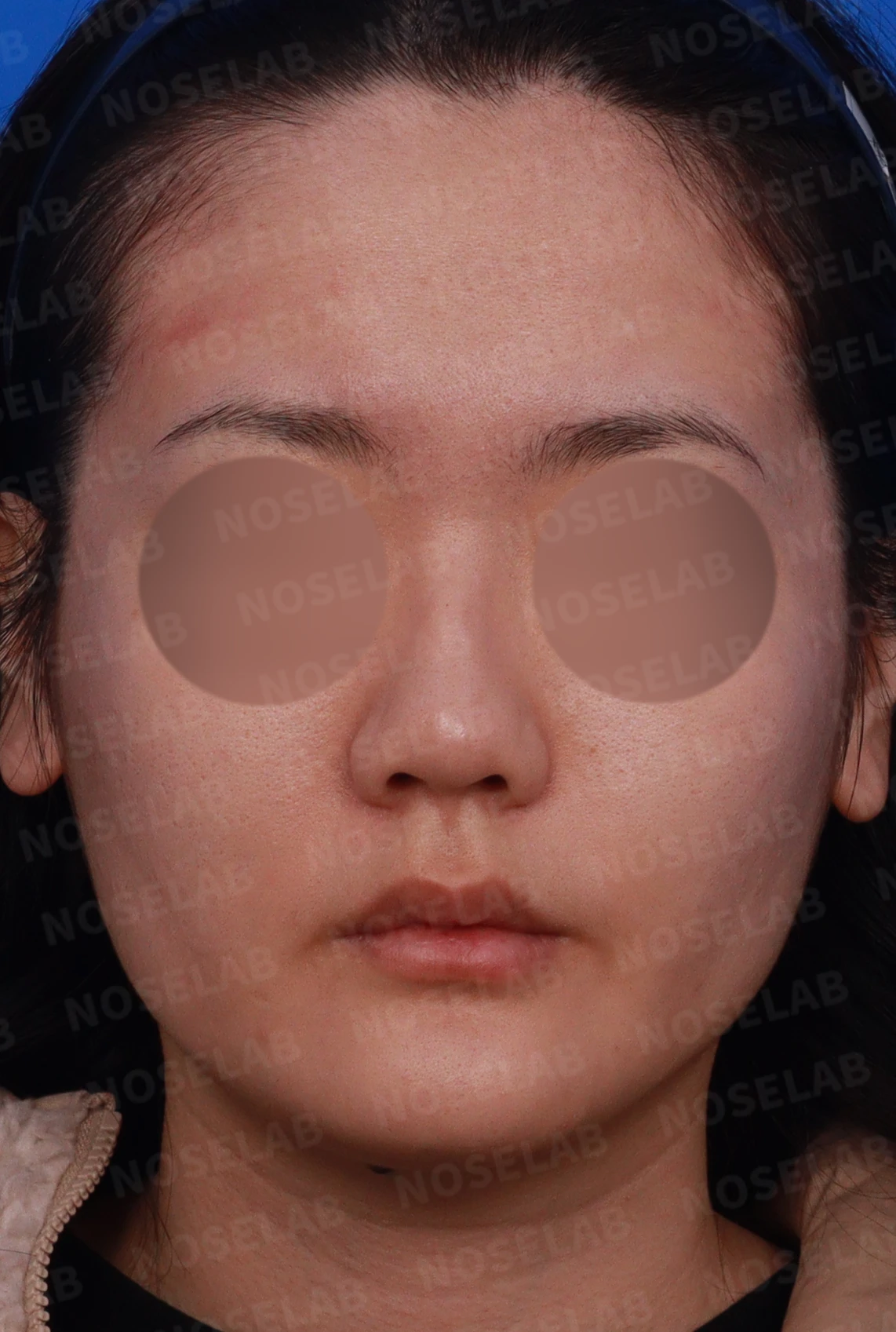
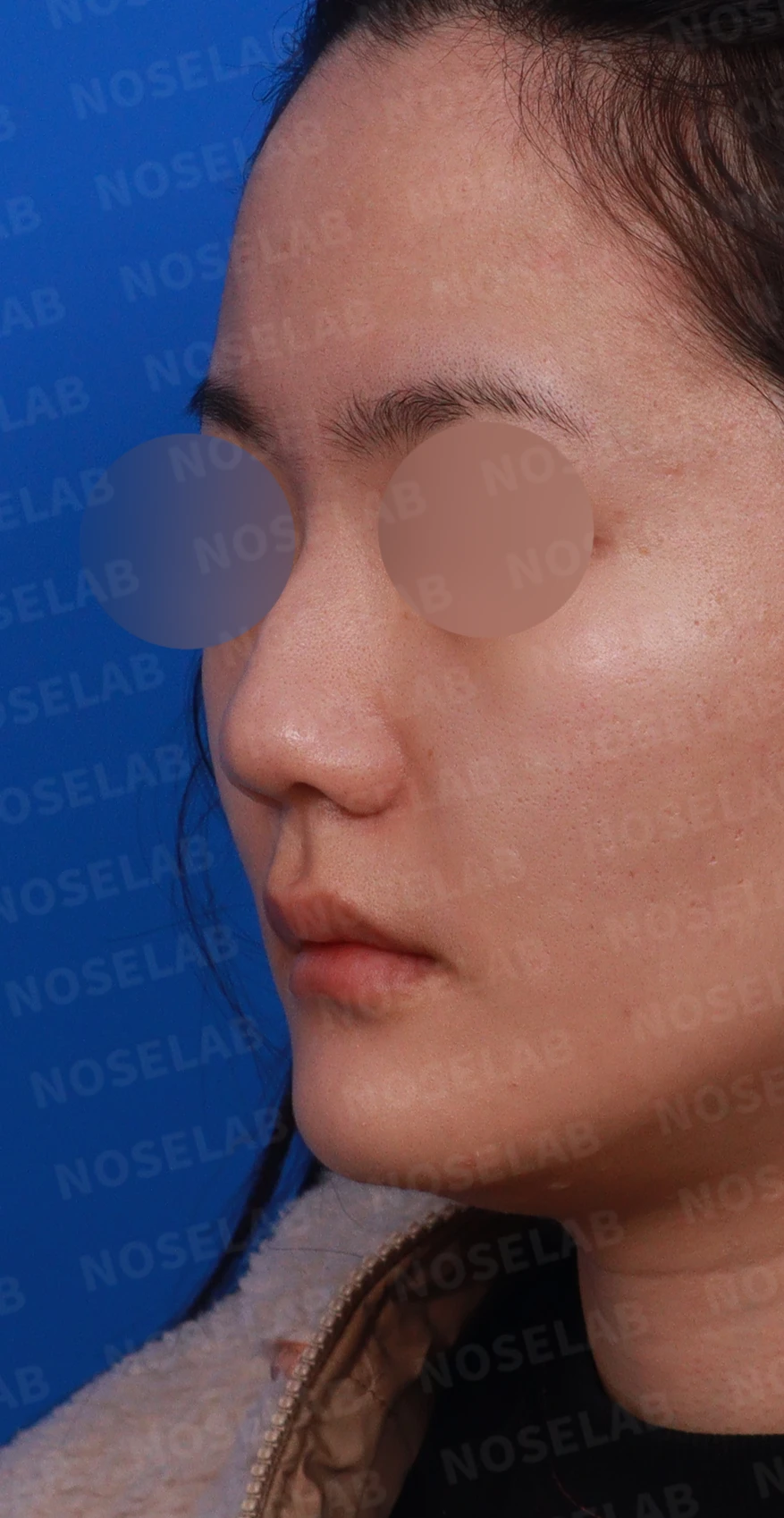
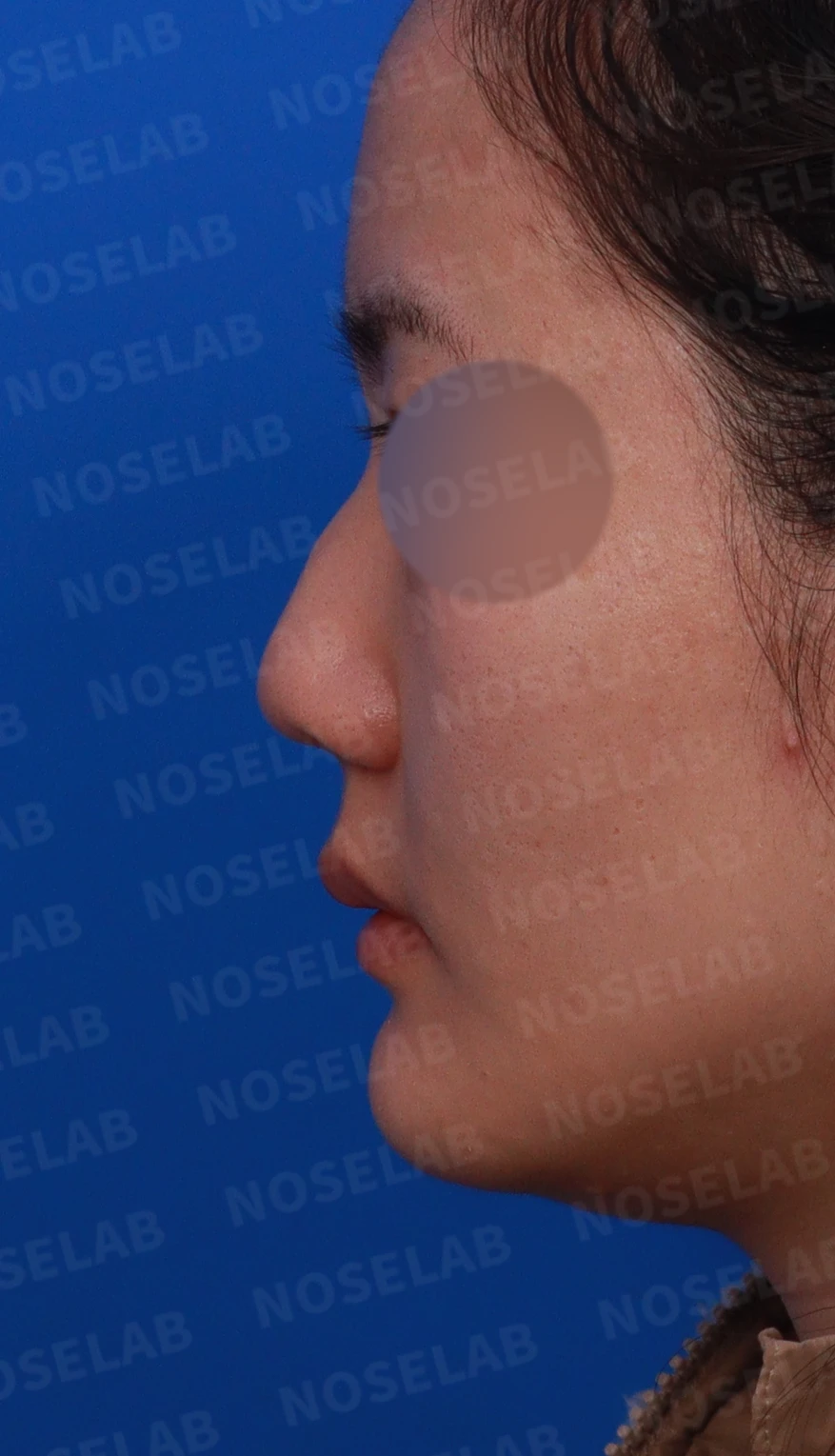
Front, left profile, and oblique views during design consultation
📍 Surgical history
10 years ago: Two-jaw surgery
🔎 Initial consultation findings
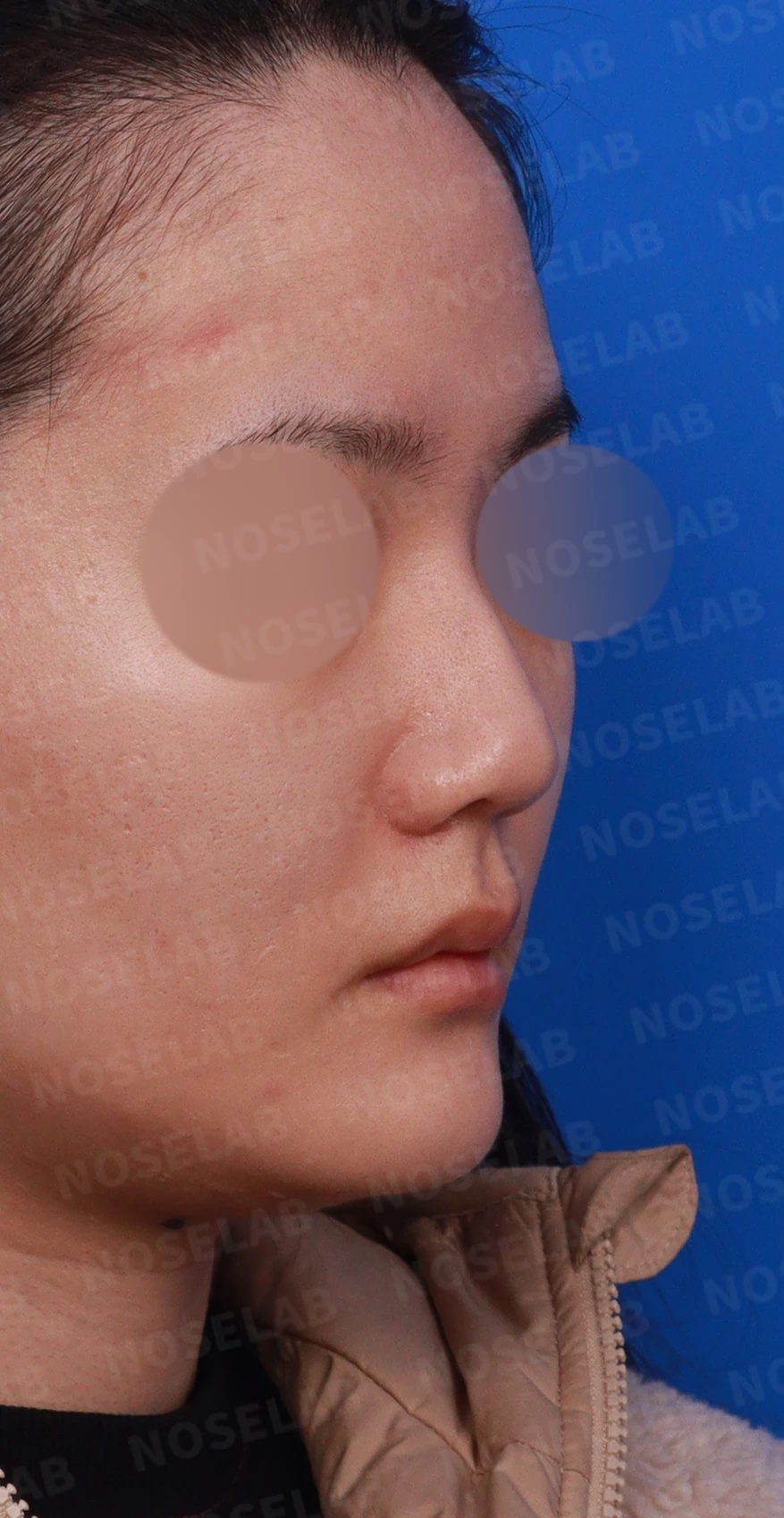
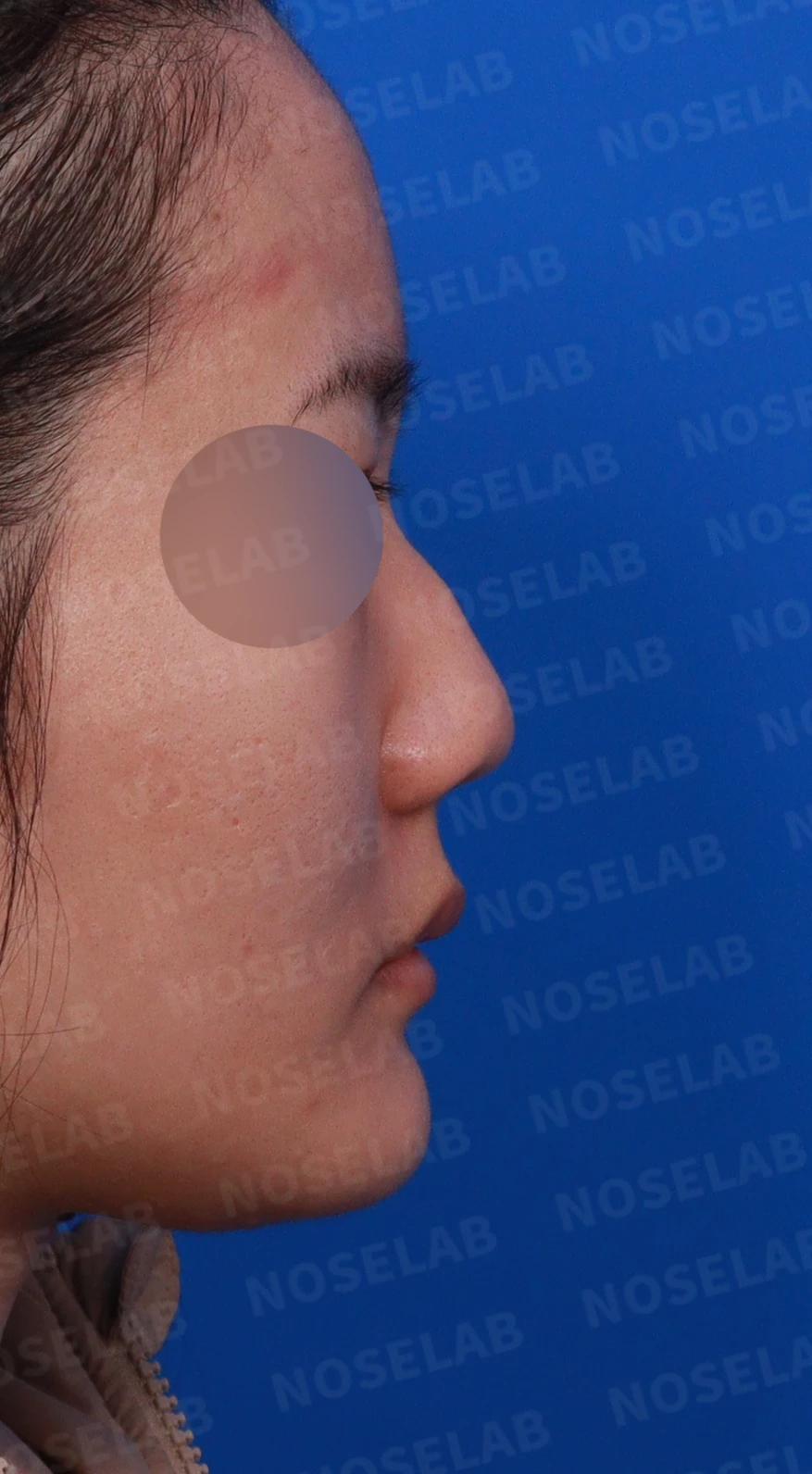
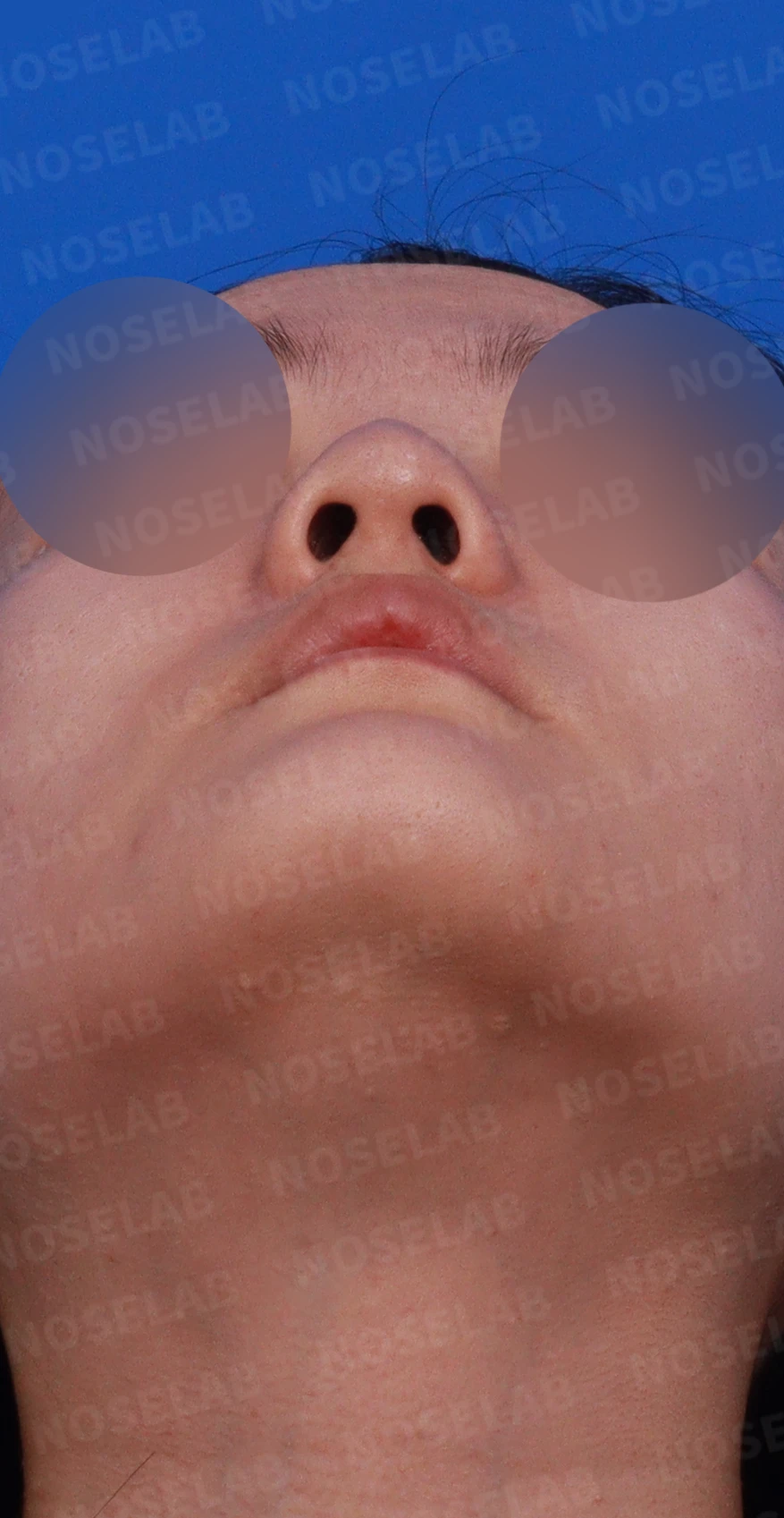
Design consultation: right oblique, profile, and basal (nostril) views
Front view
Deviated nose
Bulbous nasal tip
Flared nasal tip
2. Profile view
Dorsal hump
Short nasal tip
Retracted columella
3. Function
Nasal obstruction
Rhinitis symptoms
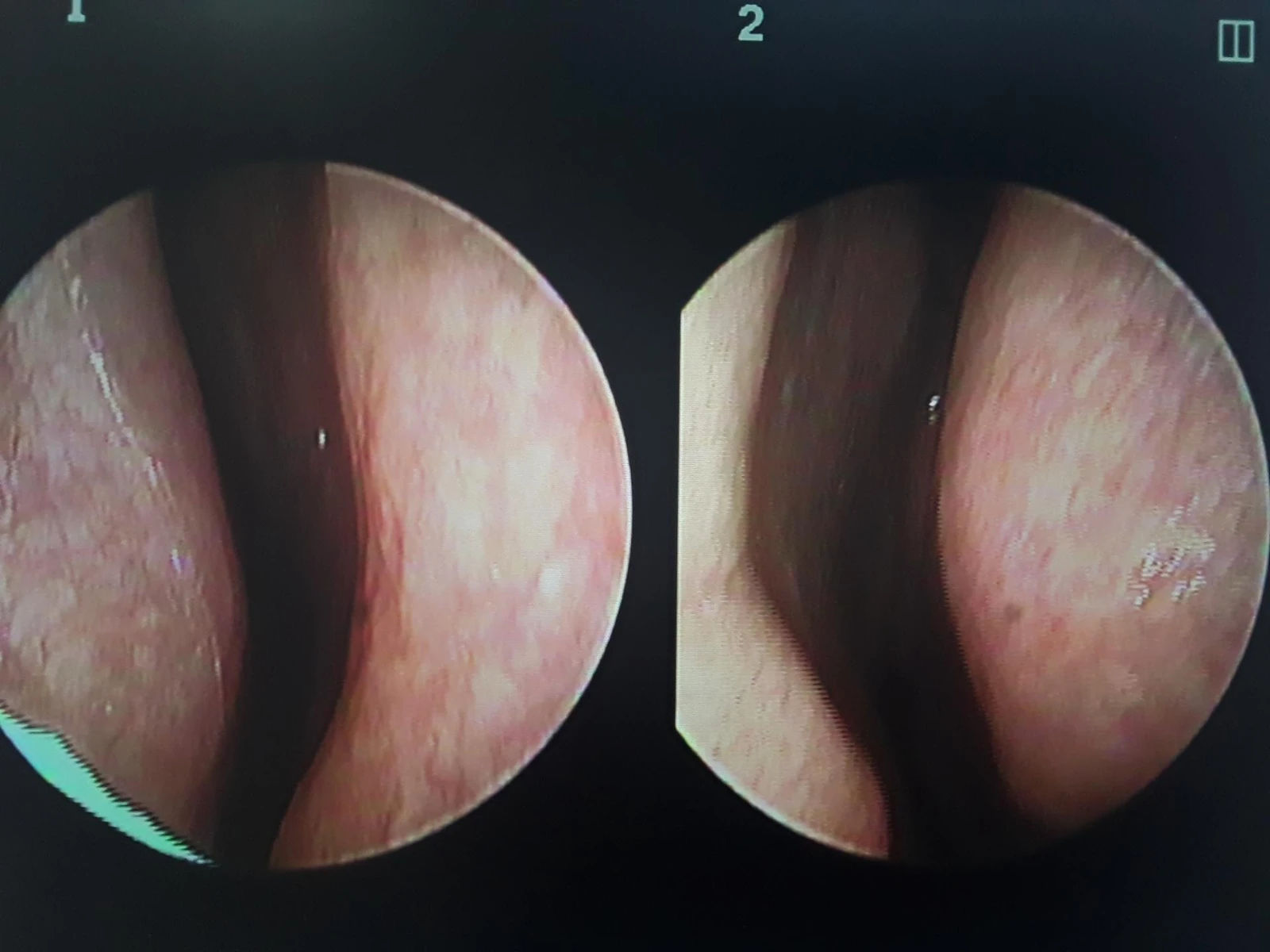
These are nasal endoscopy photos. A deviated septum toward the right side and bilateral inferior turbinate hypertrophy can be seen.
✨ Patient's requests



These are reference photos of the dorsal hump appearance requested by the patient.
Preserving a natural dorsal hump feel
Crooked nose correction
Improvement of bulbous nasal tip
Correction of the nasolabial angle
Lowering the columella
💉 Surgical procedure details
1. Structural improvement
Reconstruction of septal cartilage damaged after two-jaw surgery using autologous rib cartilage
Correction of the crooked nose with lateral osteotomy of the nasal bones
Septal extension using autologous rib cartilage to correct the bulbous tip and lower the columella
2. Creating the dorsal hump line
Creating a natural dorsal hump using autologous rib cartilage
Adjusting bridge height reflecting the patient's preferences
Achieving a harmonious overall line
3. Detailed adjustments
Correction of the nasolabial angle
Lowering the columella
Refining the bulbous tip
✅ Surgical results
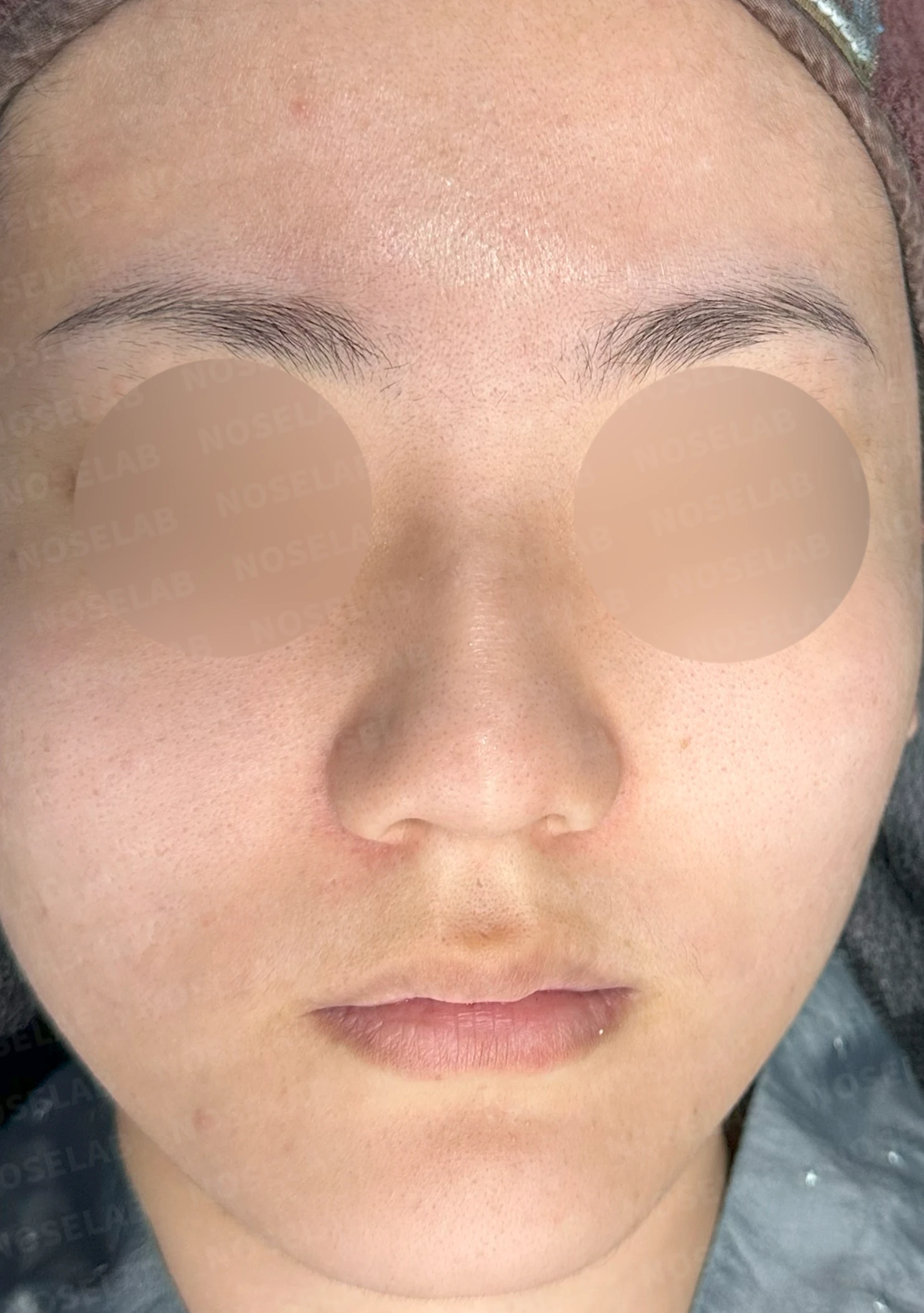
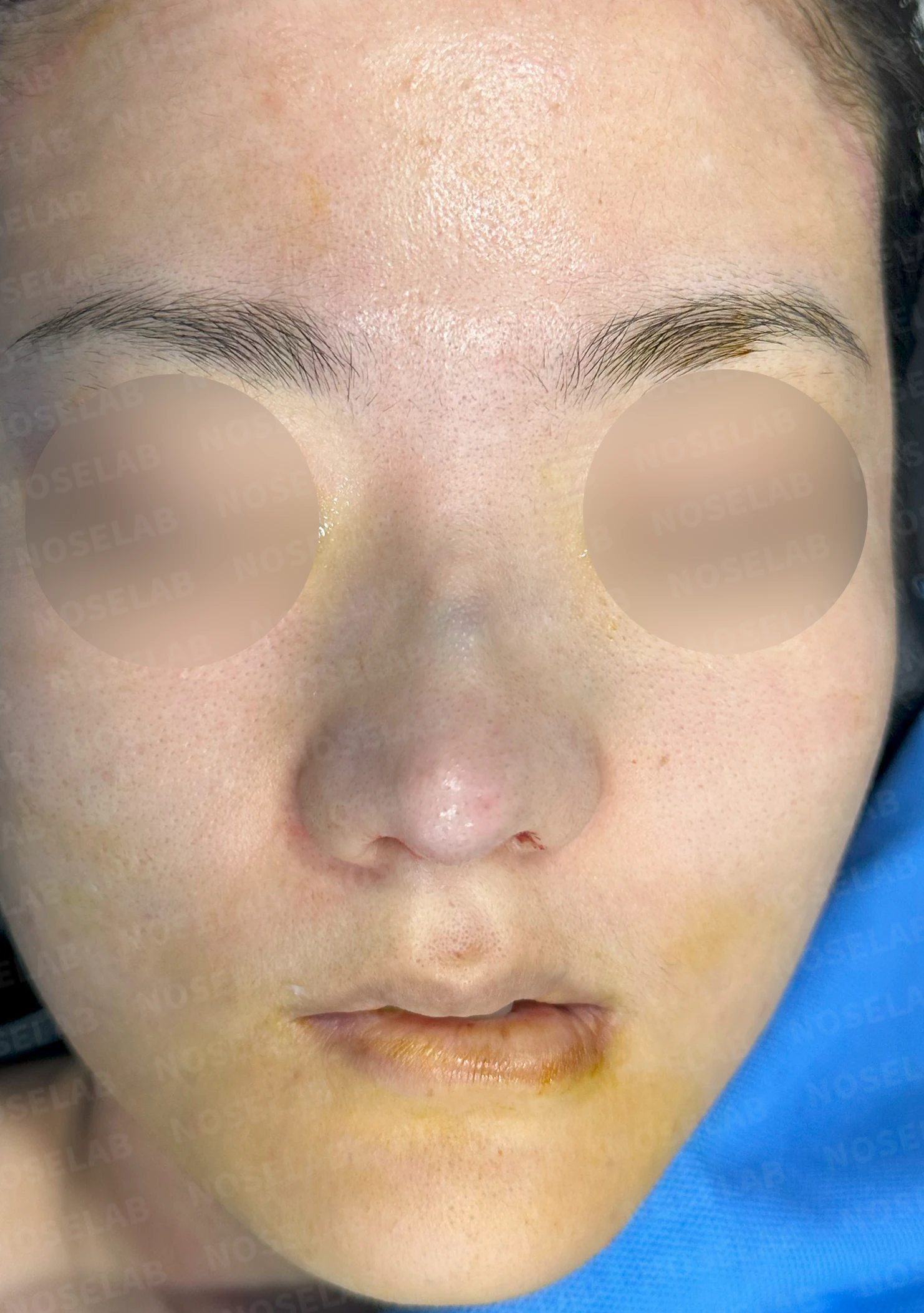
Before surgery / Day 0 immediately after surgery Photos taken immediately after surgery show swelling and may differ from the final result.
Front view
Improvement of crooked nose
Refined tip shape
Balanced overall line
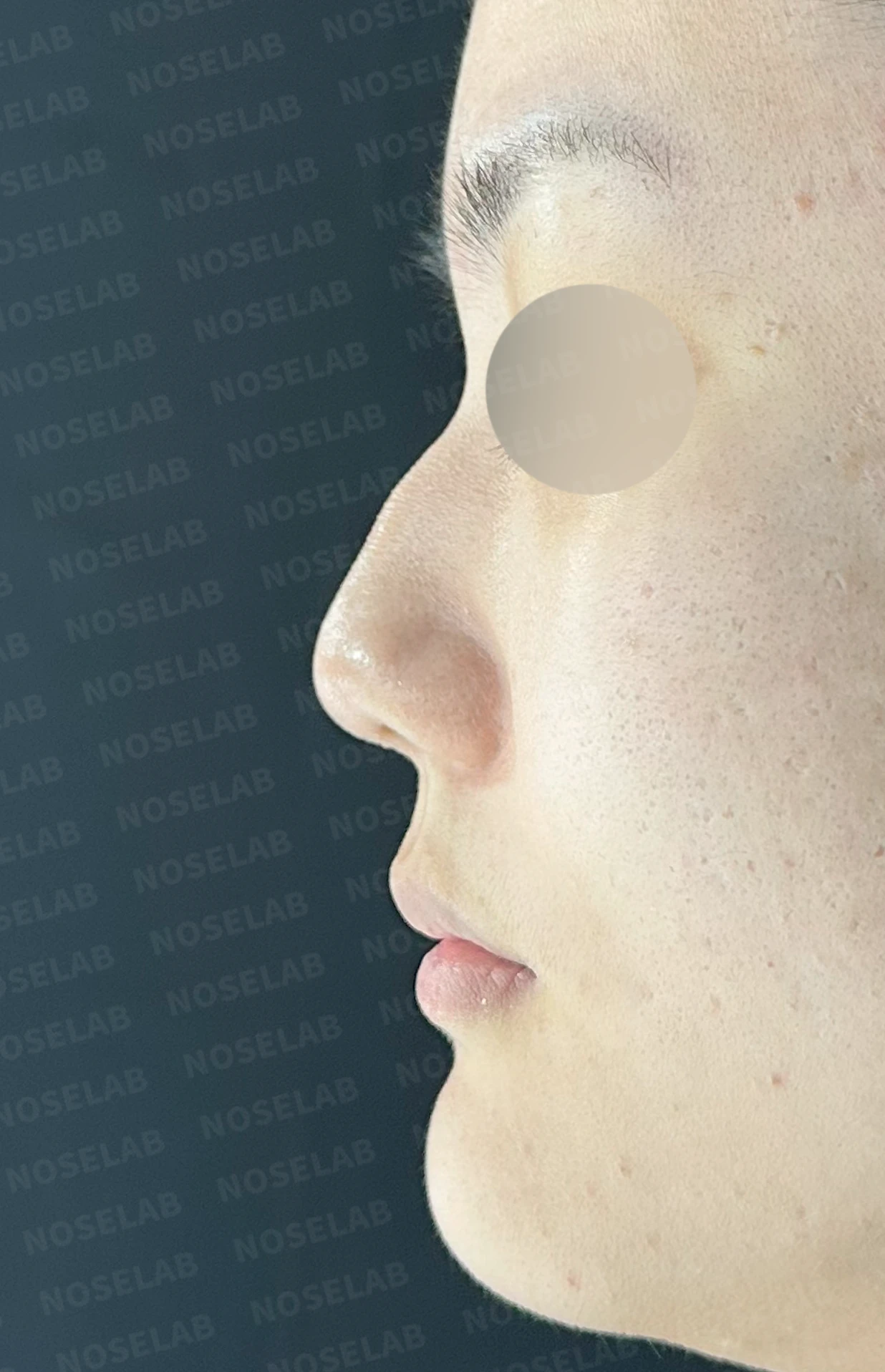
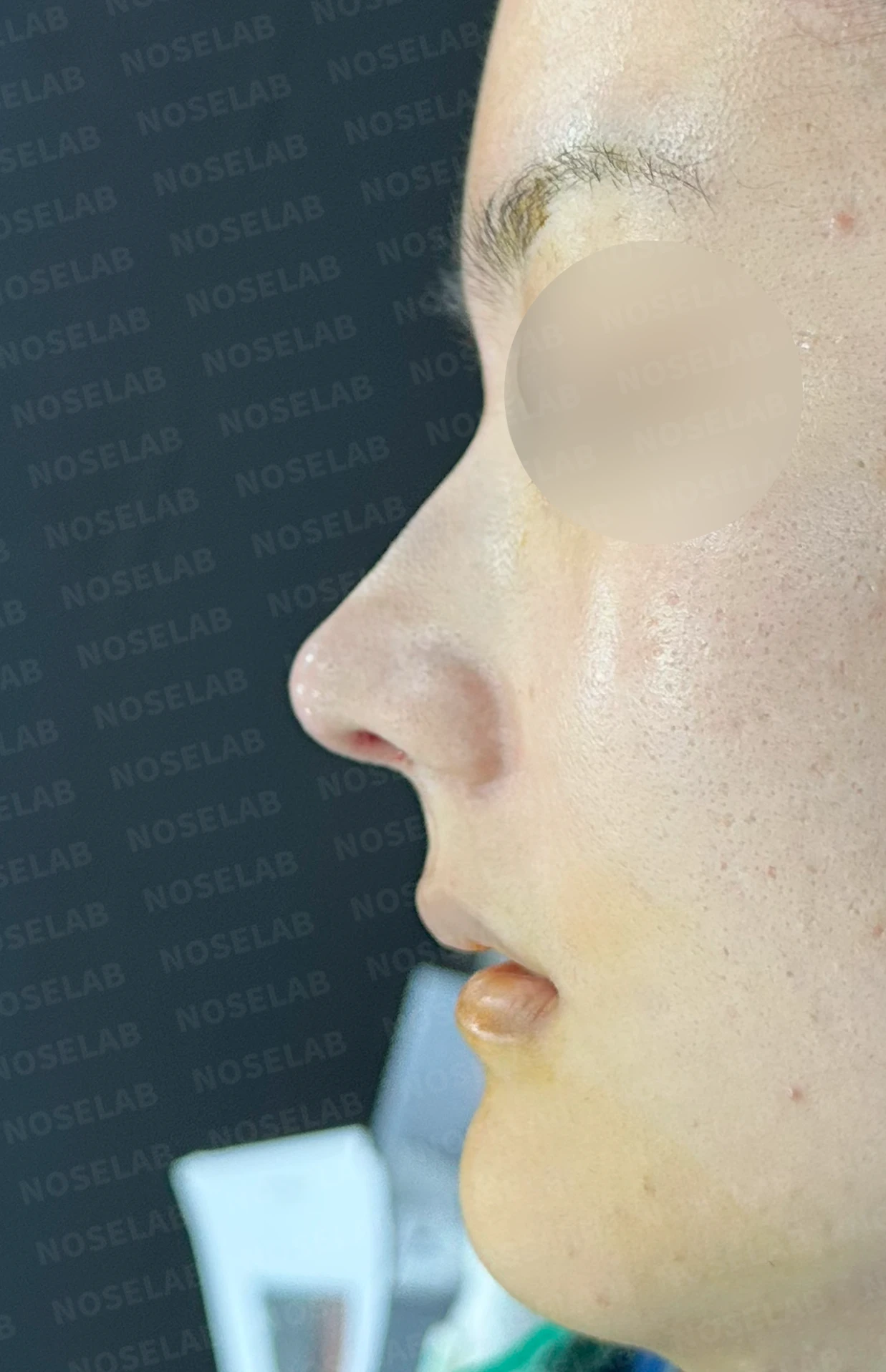
Before surgery / Day 0 immediately after surgery Photos taken immediately after surgery show swelling and may differ from the final result.
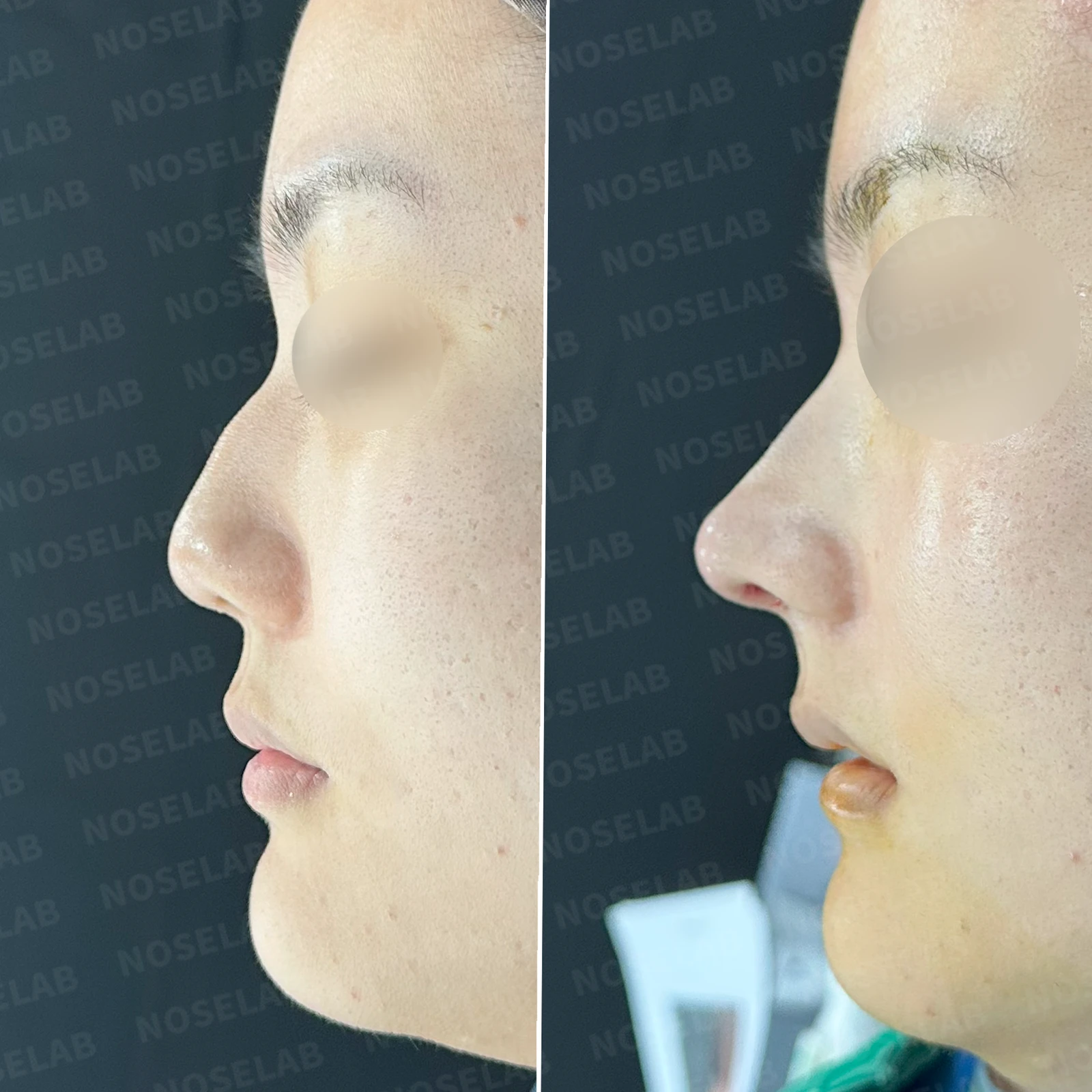
2. Profile view
Natural dorsal hump line
Appropriately lowered columella
Improved nasolabial angle
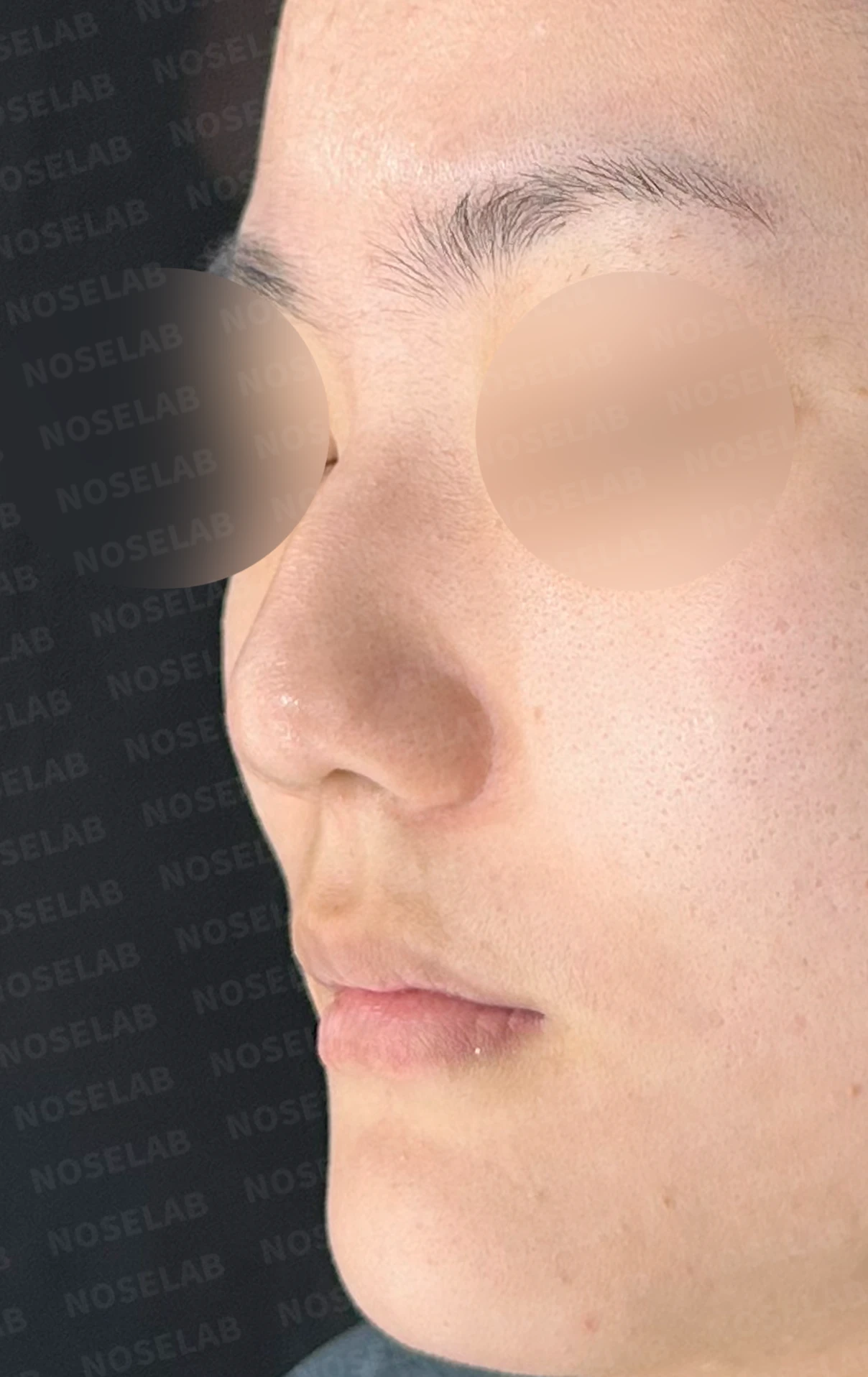
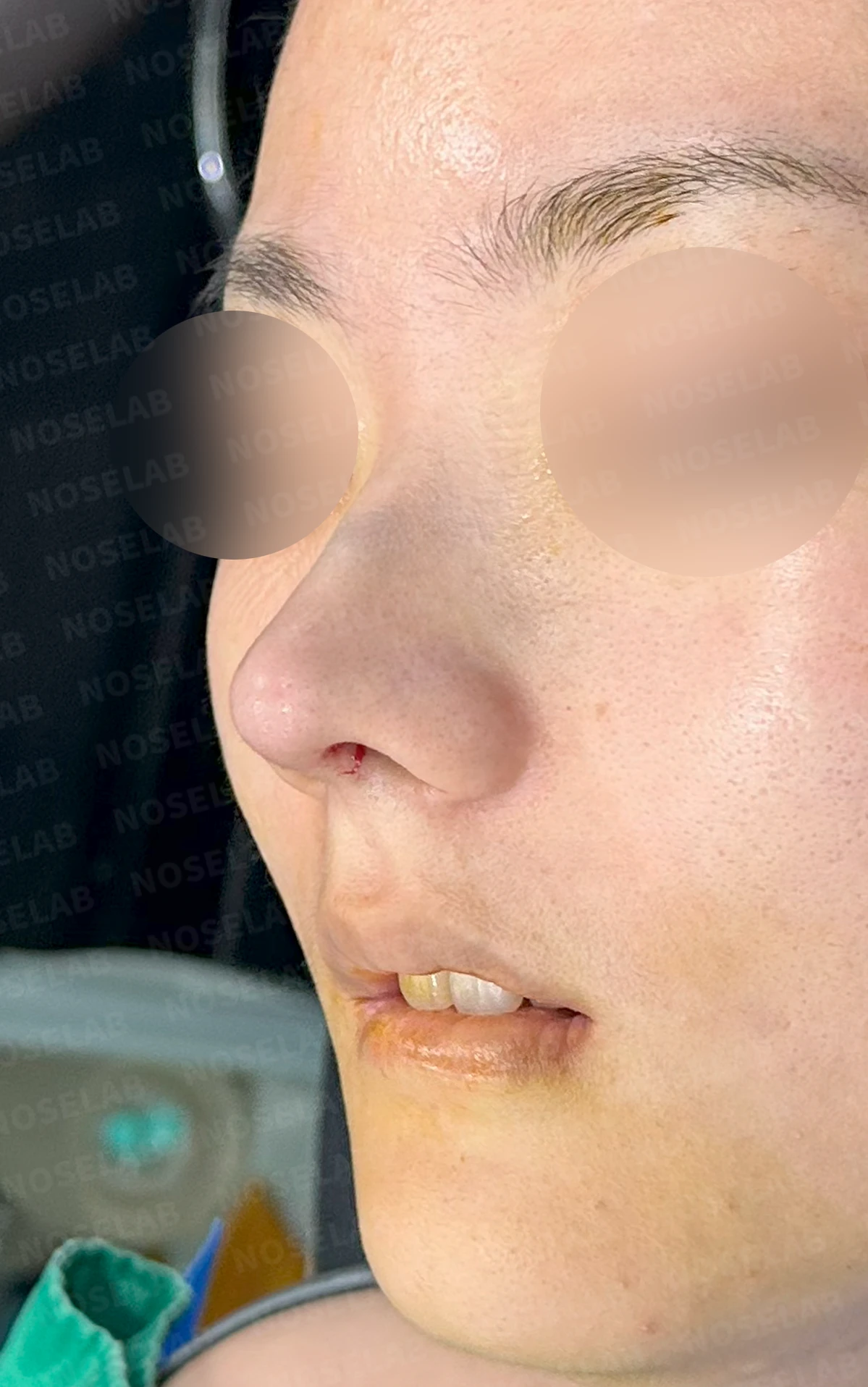
Before surgery / Day 0 immediately after surgery Photos taken immediately after surgery show swelling and may differ from the final result.
3. Nostrils
Balanced nostril shape
Stable septum
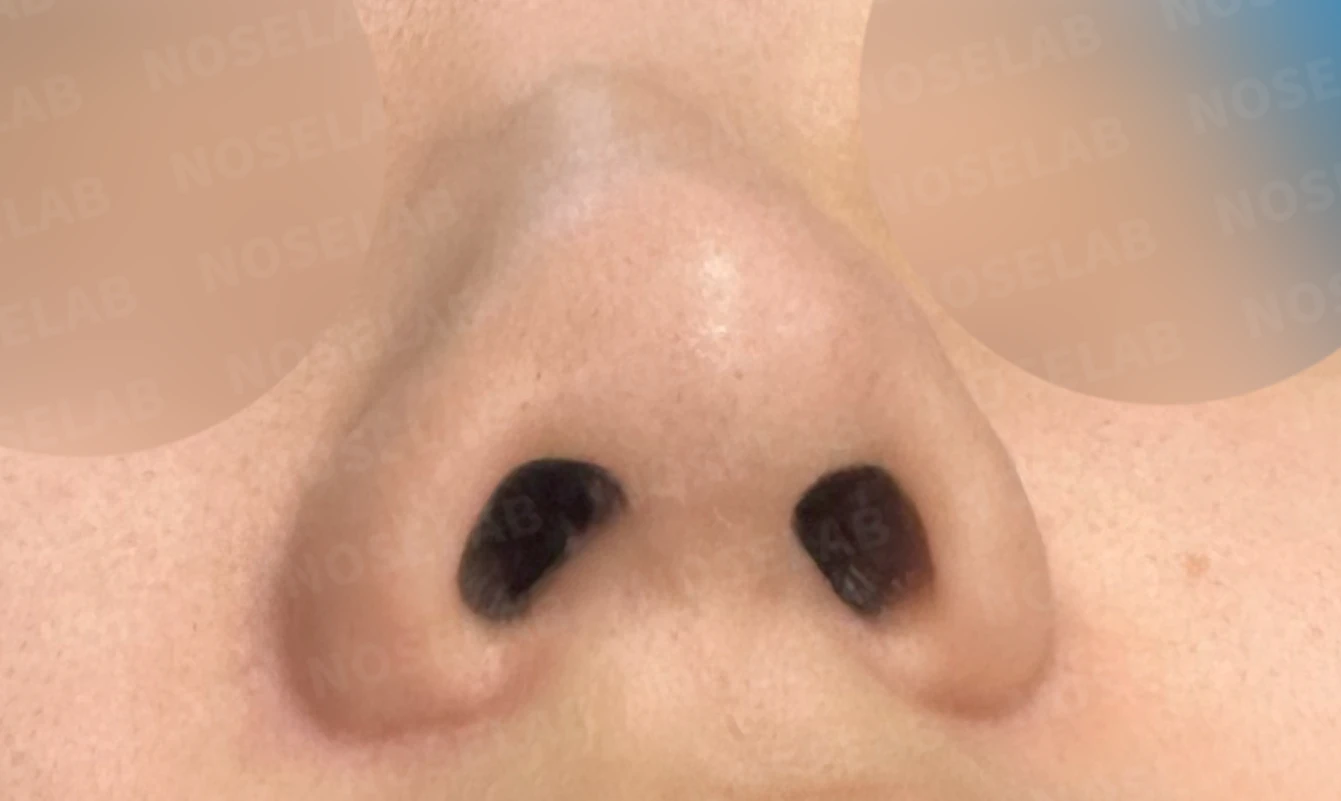
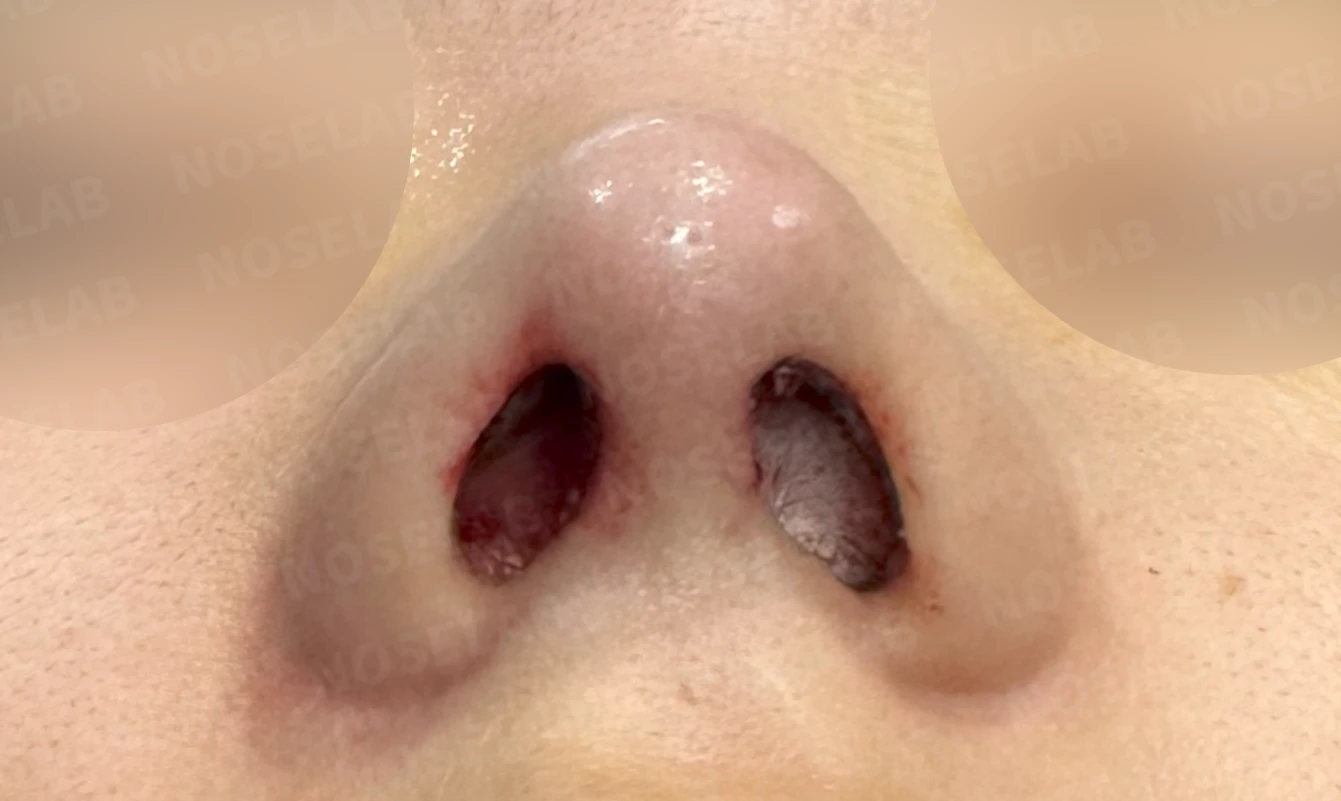
Before surgery / Day 0 immediately after surgery Photos taken immediately after surgery show swelling and may differ from the final result.
👨⚕️ Specialist's assessment
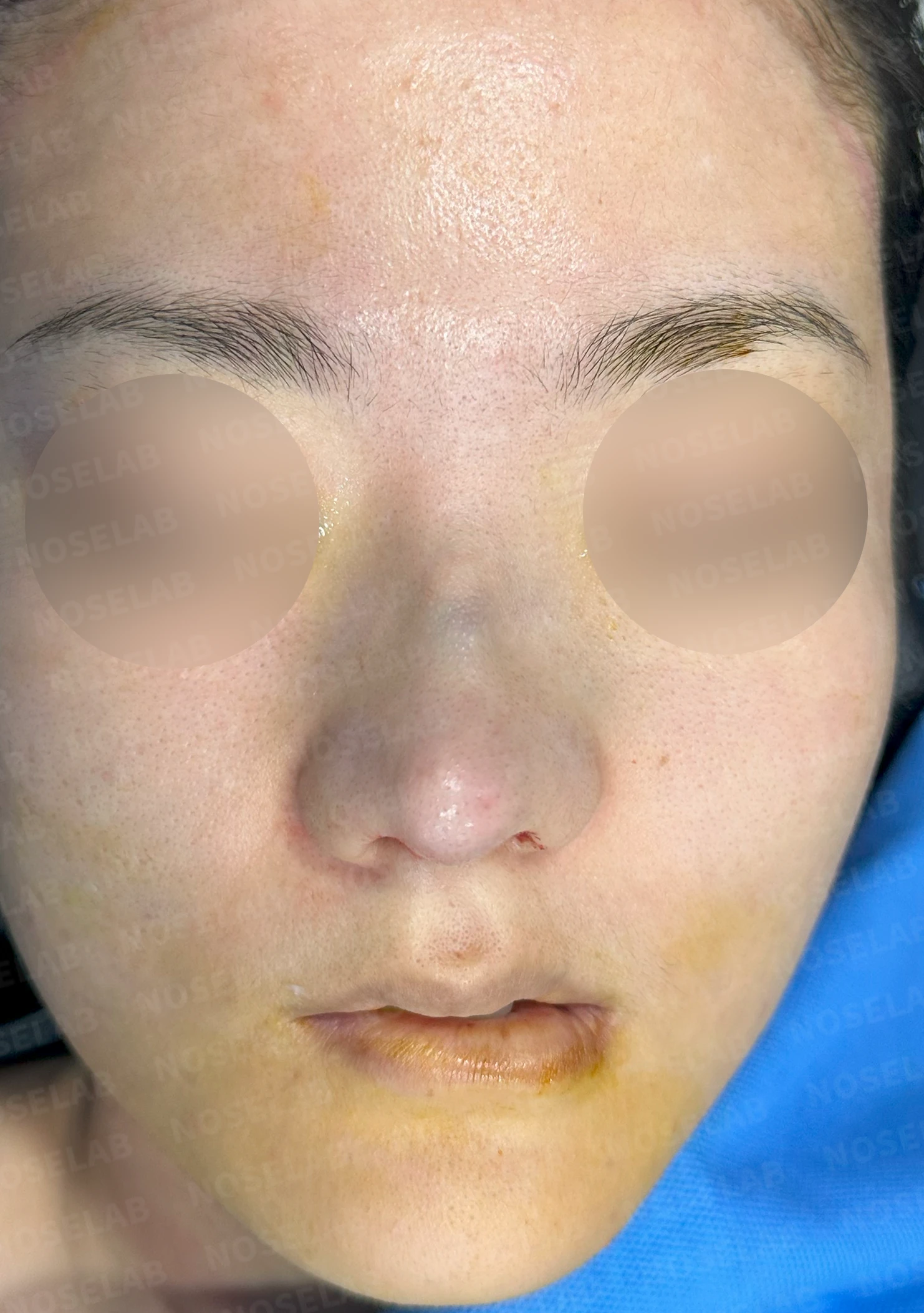
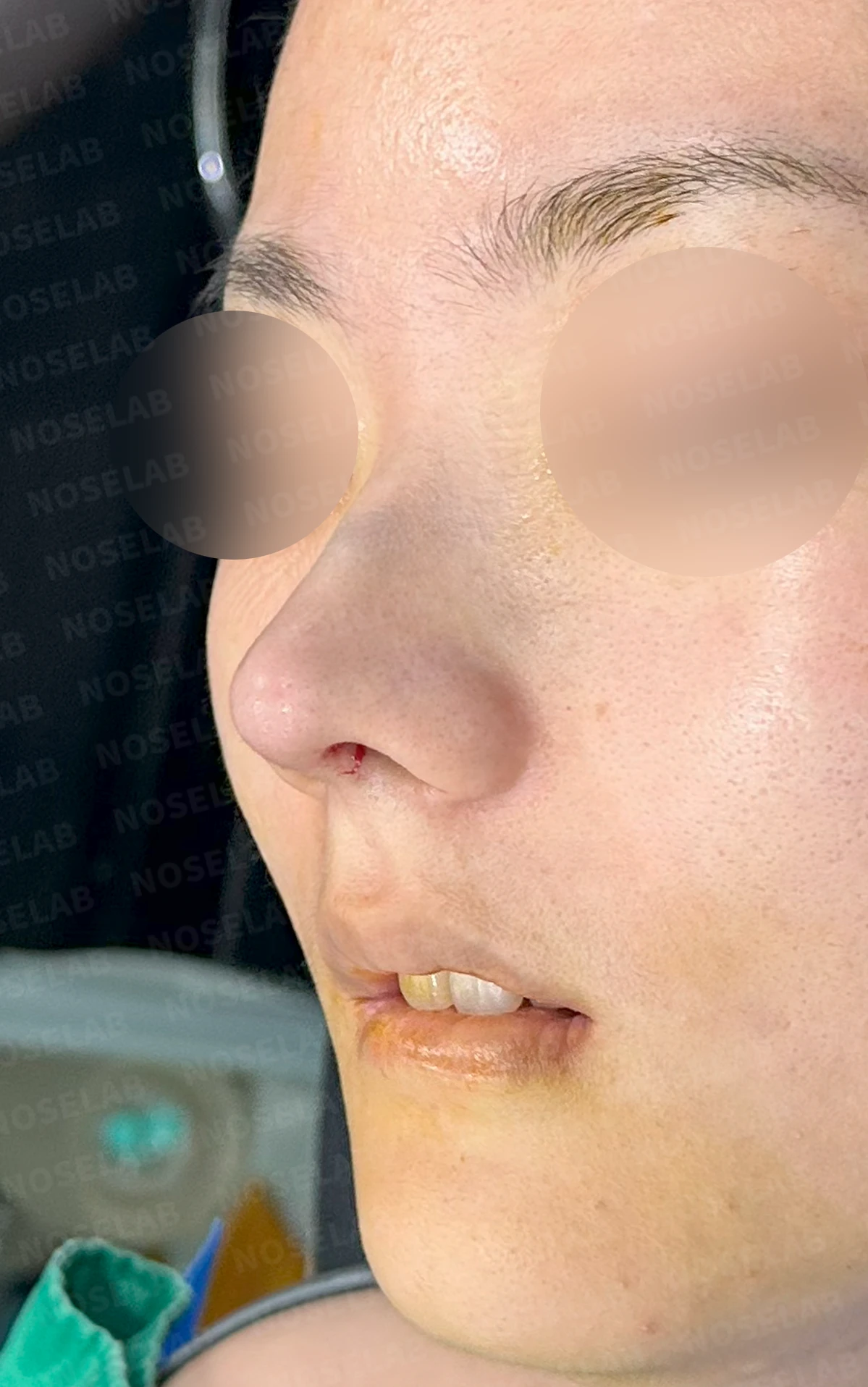
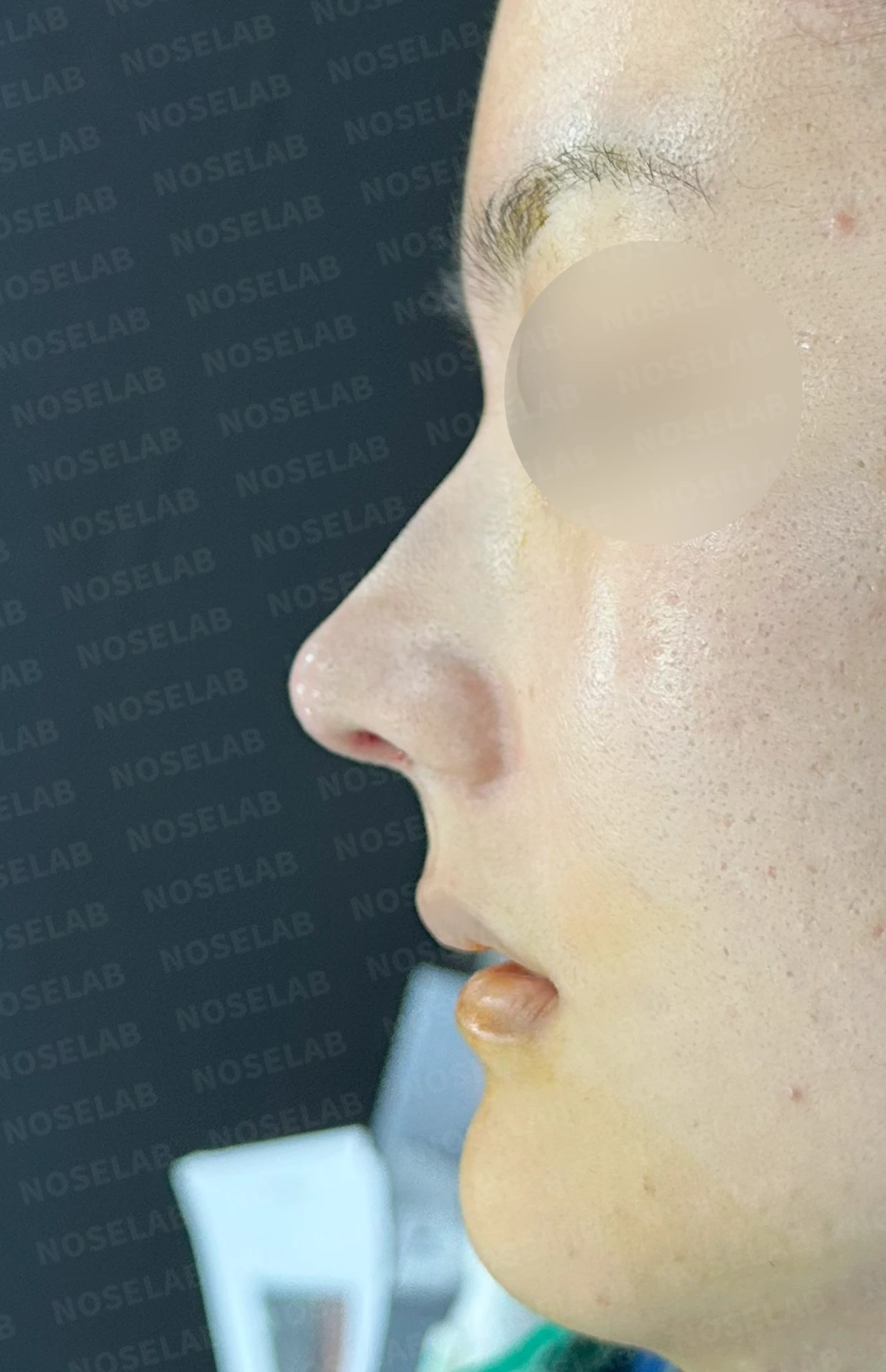
Front, oblique, and profile views on day 0 immediately after surgery Photos taken immediately after surgery show swelling and may differ from the final result.
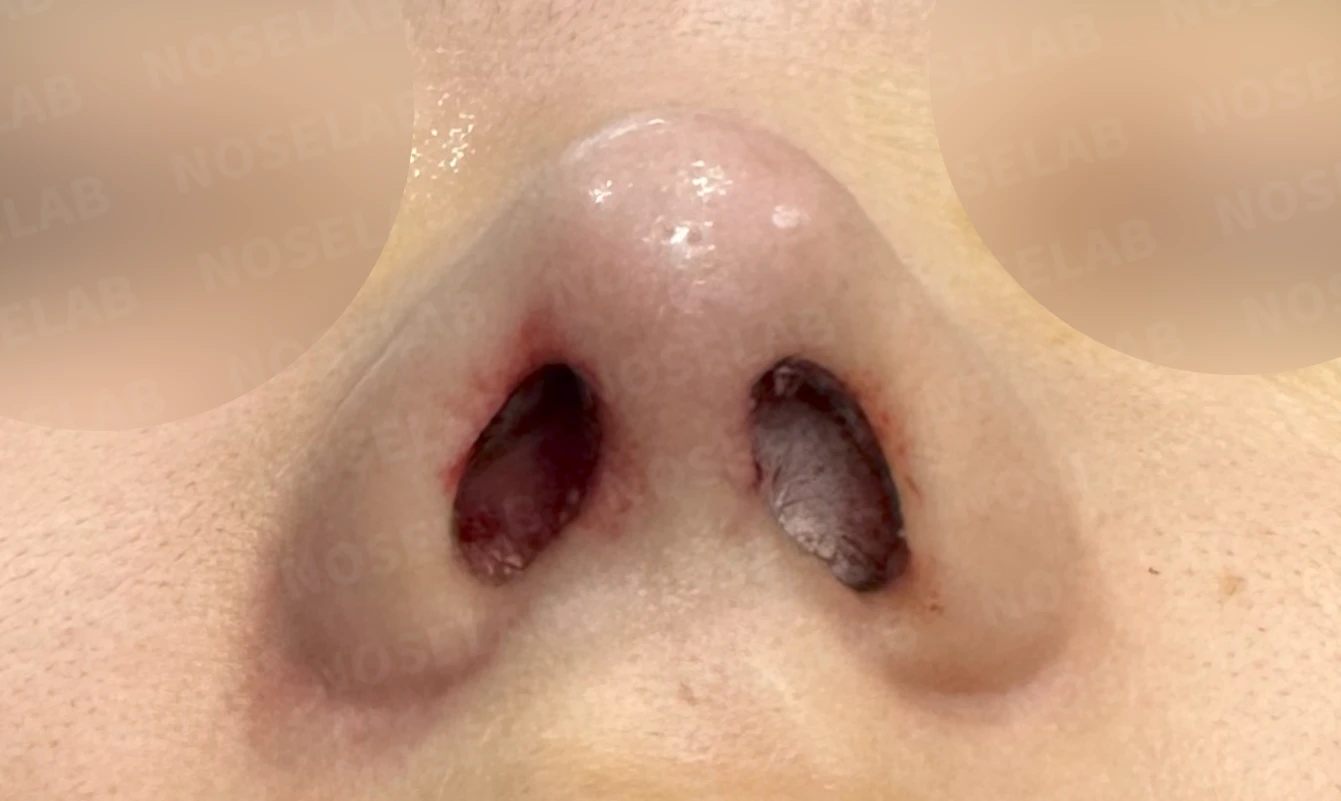
Nostril view on day 0 immediately after surgery Photos taken immediately after surgery show swelling and may differ from the final result.
This was a rhinoplasty case of a patient 10 years after two-jaw surgery. Although there were structural changes to the septum and surrounding anatomy due to the two-jaw surgery, reconstruction with autologous rib cartilage made it possible to create the natural dorsal hump line the patient desired. Seeing an increasing number of patients who want a dorsal hump line these days, a natural look seems to be in trend.
In particular, by correcting the crooked nose and naturally lowering the columella to improve the nasolabial angle, a result more harmonious with the facial proportions after two-jaw surgery was achieved. This was a successful case where reconstructing solely with autologous rib cartilage provided a safe, natural result.
This was Dr. Peter C. Kang. Thank you.
Thank you.
#closedrhinoplasty #rhinoplasty #dorsalhump #autologousribcartilage #customrhinoplasty

Limitations and risks
When autologous rib cartilage is used, scarring and pain may remain at the donor site on the chest, and pneumothorax (pleural injury) can occur rarely. Over time, the grafted cartilage may warp or undergo partial resorption.
When the septum is corrected at the same time, nasal obstruction may persist or recur, and in rare cases, septal perforation or changes in smell may occur.
Common potential risks include infection, bleeding, asymmetry, scarring, skin necrosis, and insufficient improvement; results vary depending on individual skin condition and previous surgical history.