Hello, I am Dr. Peter C. Kang.
Today, I would like to share a case of a patient who improved a wide nasal bridge and an upturned nose through reconstruction using donor rib cartilage.
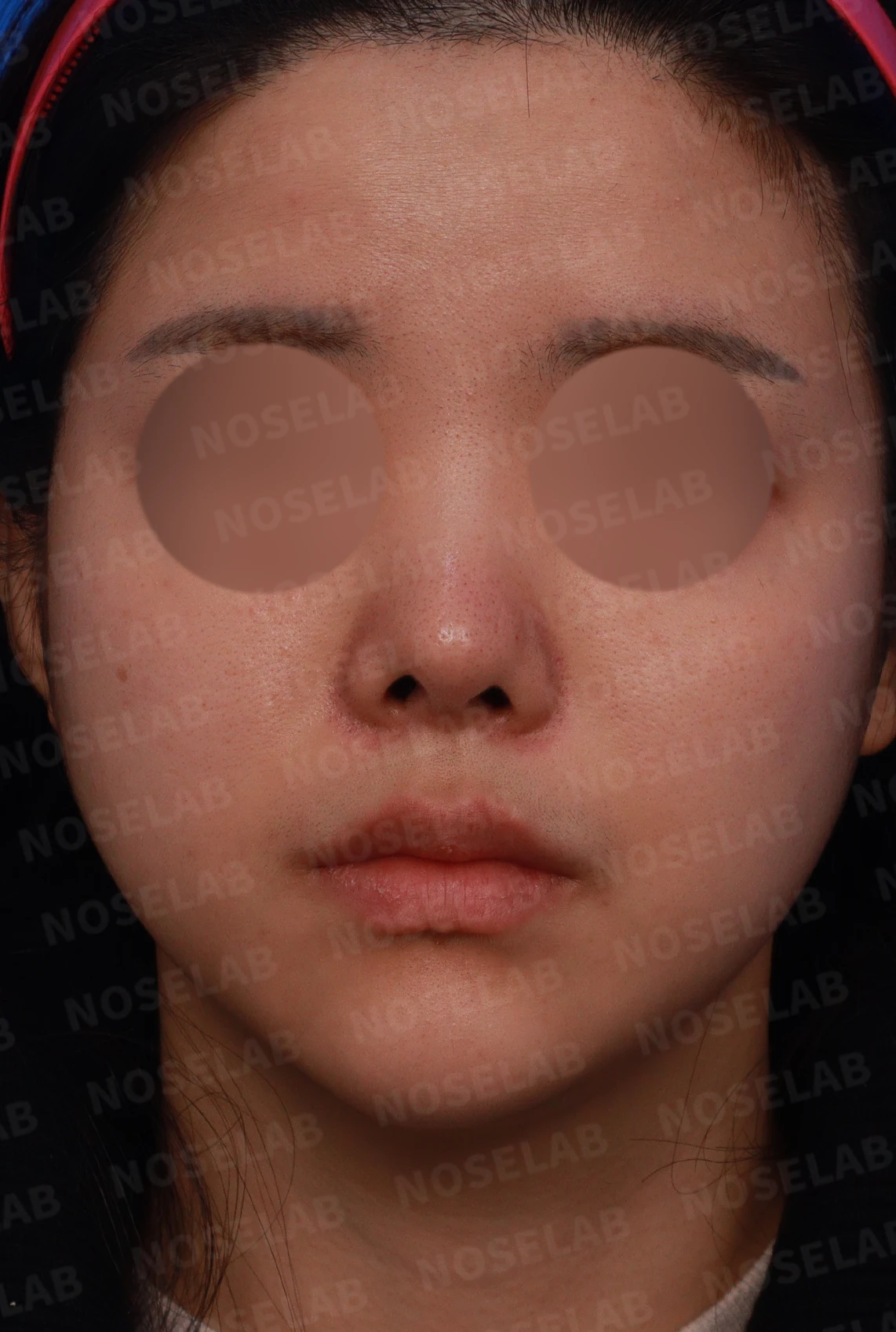
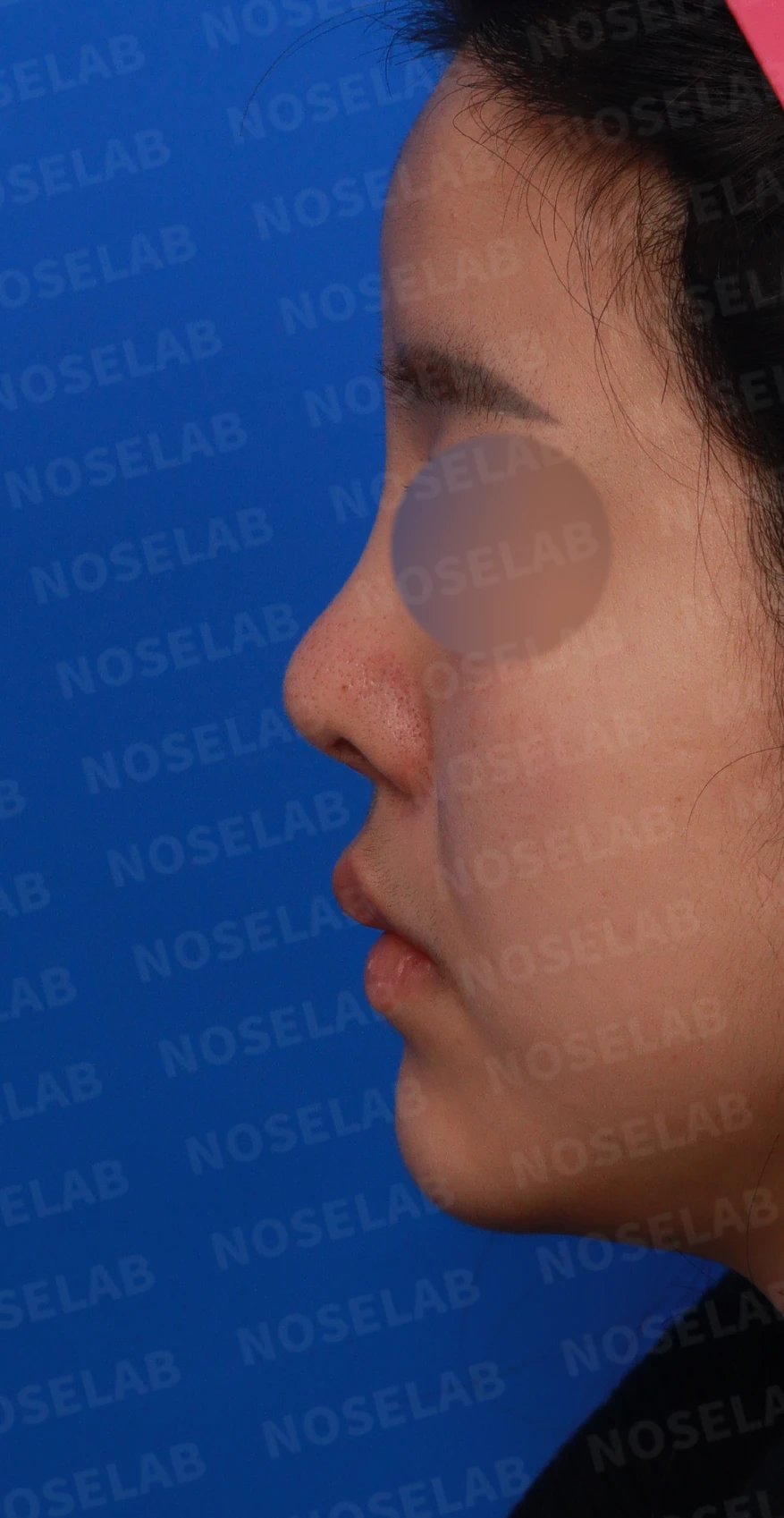
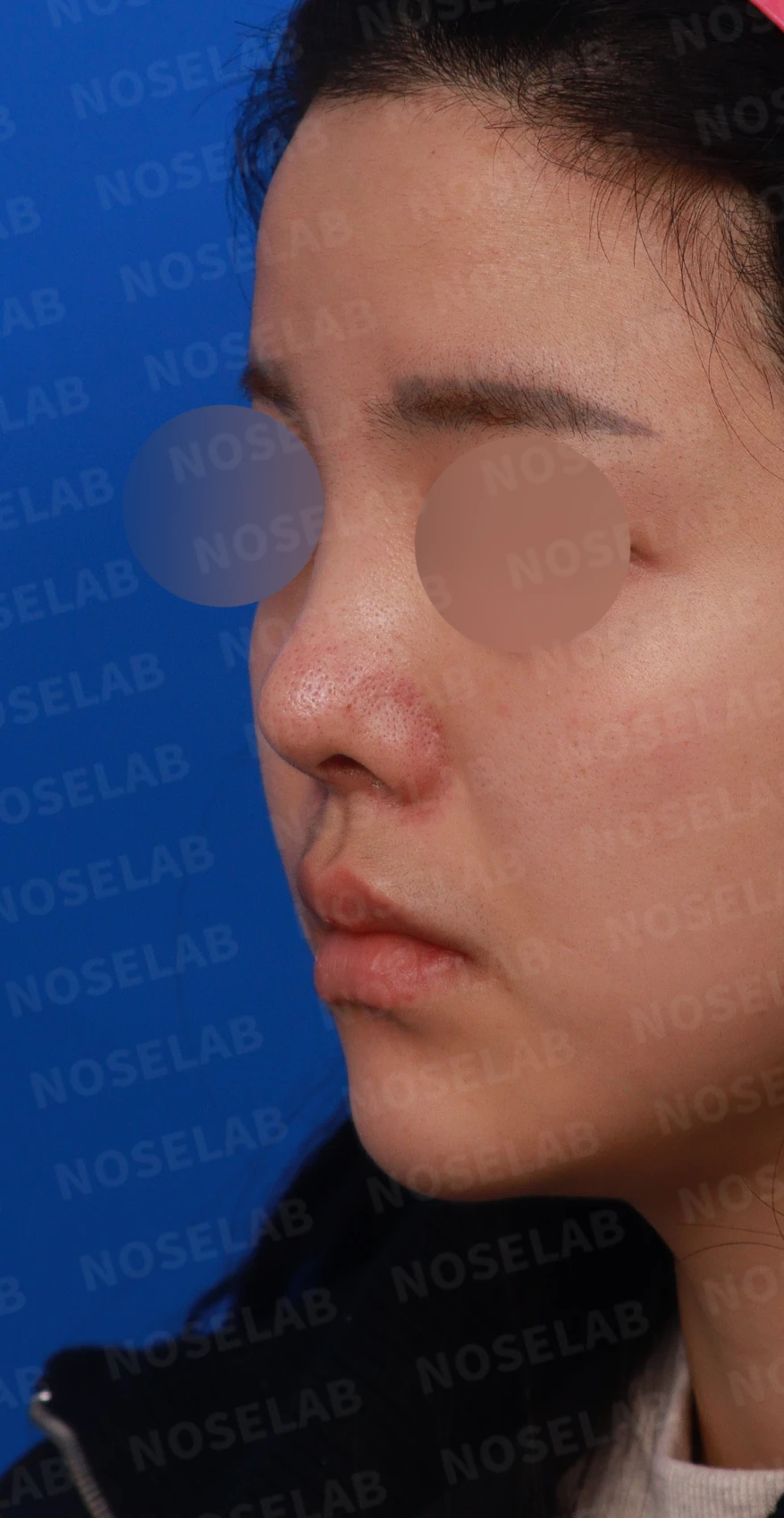
Front, left profile, and oblique views during design consultation
📍 Surgical history
10 years ago: Ear cartilage + silicone implant surgery
2 months later: Silicone implant removed due to foreign body reaction (feeling of fluid accumulation)
5 years ago: Silicone implant + septal cartilage surgery
3 years ago: Silicone implant + donor rib cartilage surgery
Nasal bridge thread procedure: Foreign body reaction on the nasal bridge
6 months ago: Total removal + autologous rib cartilage reconstruction
🔎 Initial consultation findings
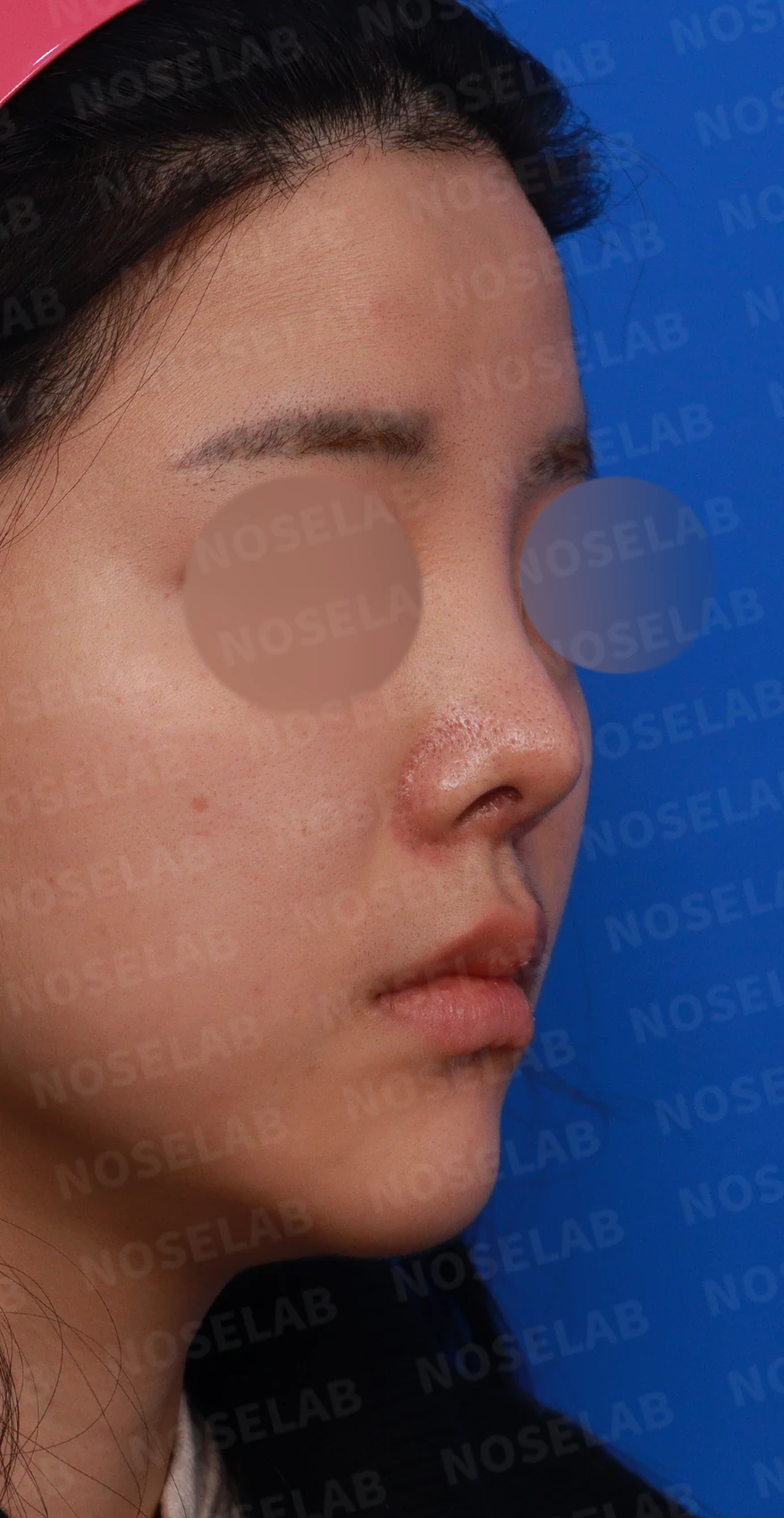
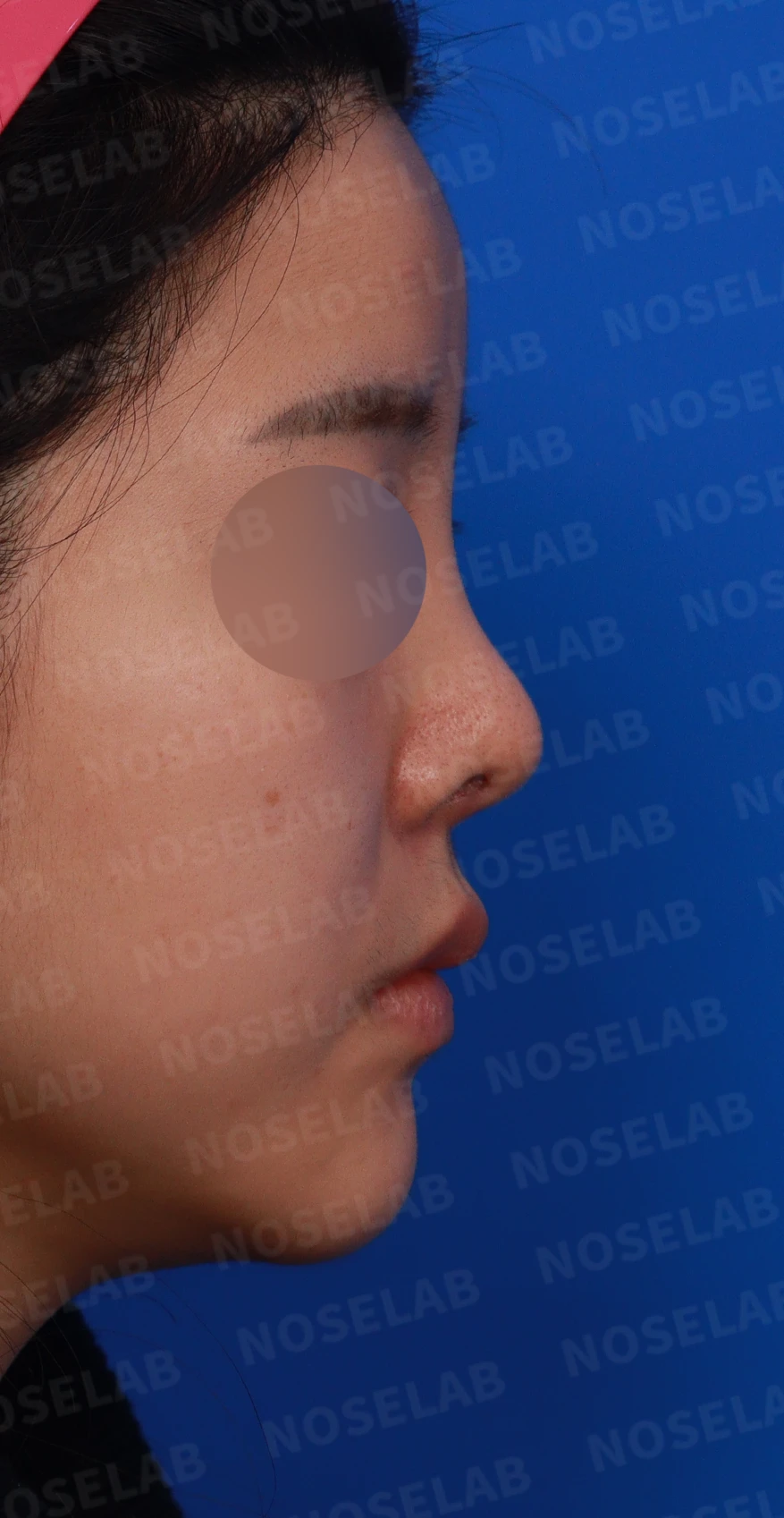
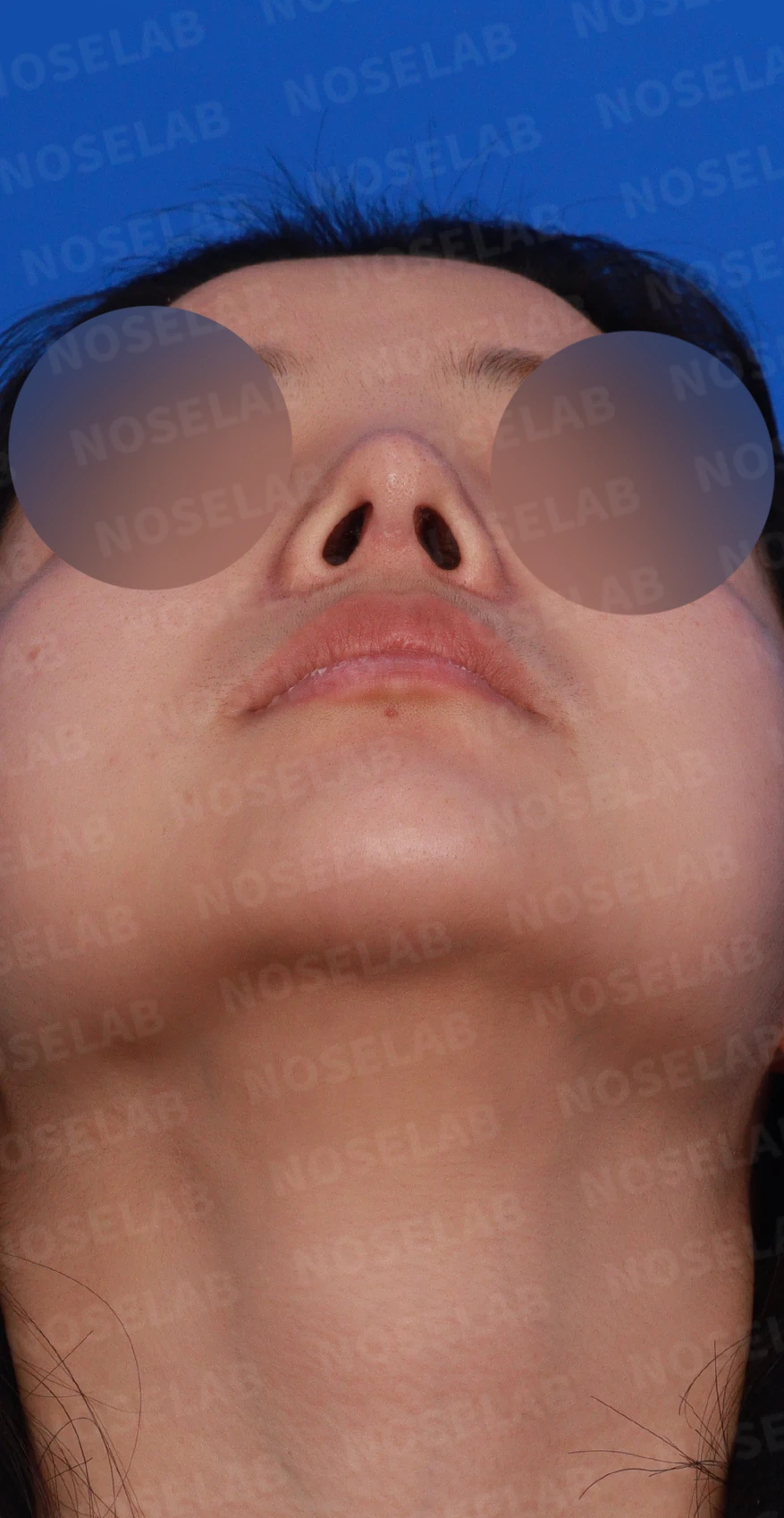
Design consultation: right oblique, profile, and basal (nostril) views.
Right-sided nasal obstruction
Nasal bridge appearing wide
Upturned nasal tip
Elevated nasal bridge findings observed on CT
✨ Patient's requests
Improvement of wide-looking nasal bridge
Correction of upturned nose
Patient did not want to use a silicone implant
Preference for donor rib cartilage
💉 Surgical procedure details
Detailed examination and foreign material removal
Assessment of nasal bridge condition via CT
Complete removal of remaining threads and filler
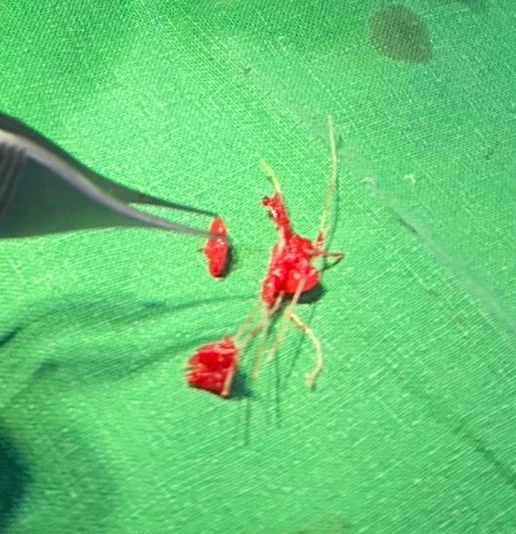
Photo of the removed foreign material
2. Improvement of wide nasal bridge
Lateral osteotomy performed
Creation of a balanced nasal bridge width
Adjustment of nasal bridge height using donor rib cartilage
3. Improvement of upturned nose
Adjustment of nasal tip height taking into account the stretchability of the nasal tip skin
Maximizing recycling of existing autologous rib cartilage
Supplementing deficient areas with donor rib cartilage
Performing septal reconstruction
✅ Surgical results
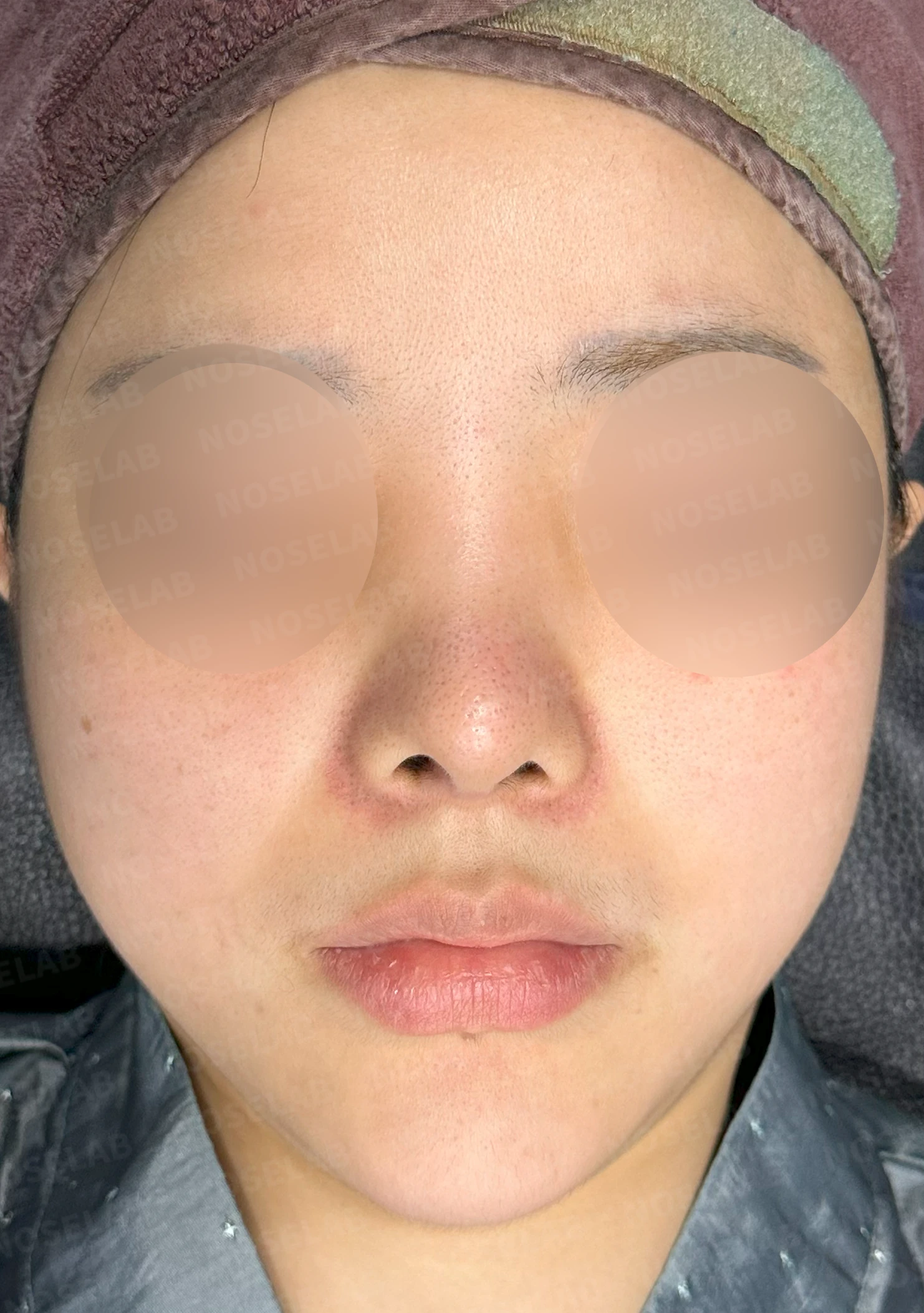
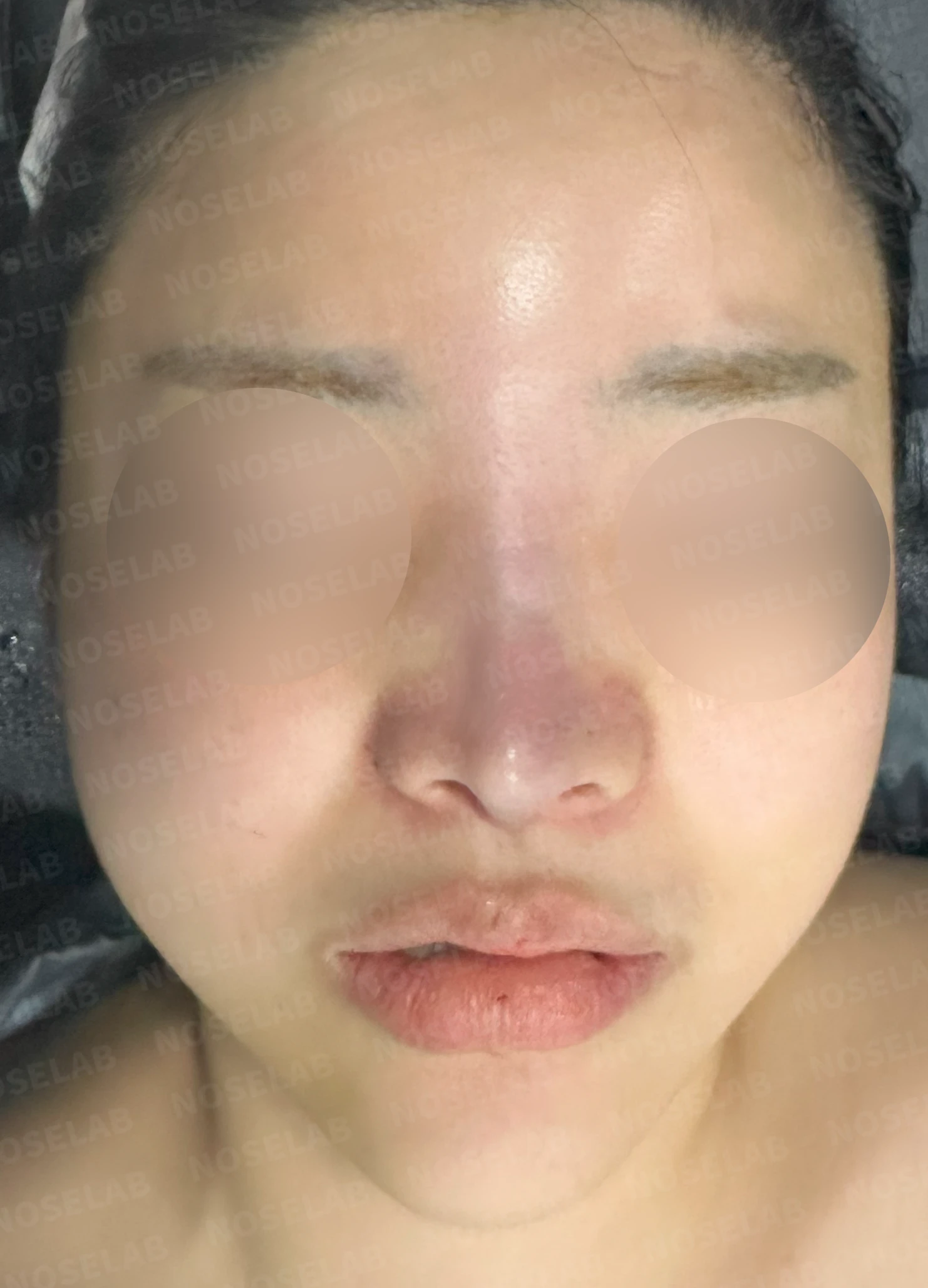
Before surgery / Day 0 immediately after surgery Photos taken immediately after surgery show swelling and may differ from the final result.
Front view
Slimmer nasal bridge line
Balanced width
Natural symmetry
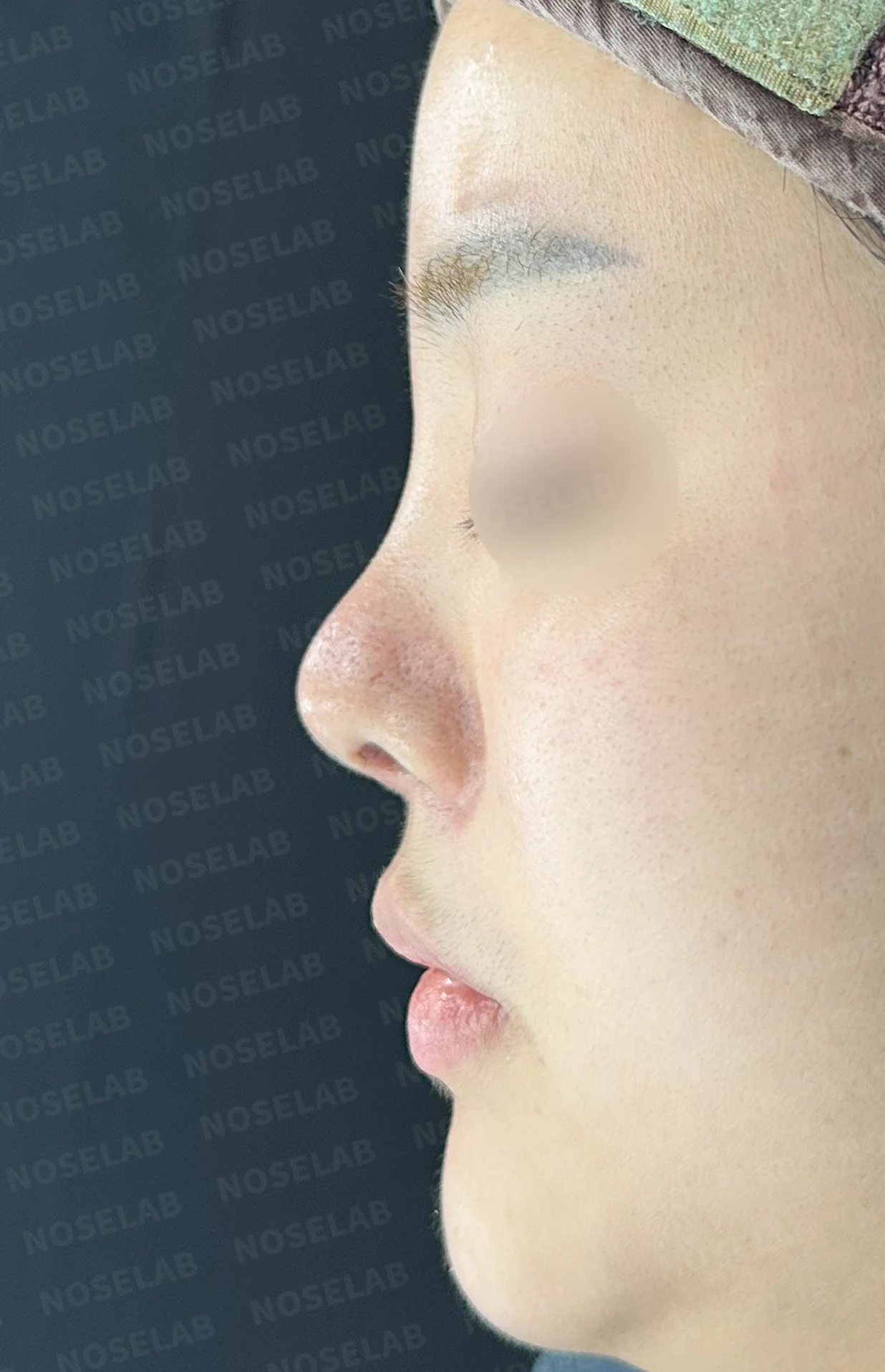
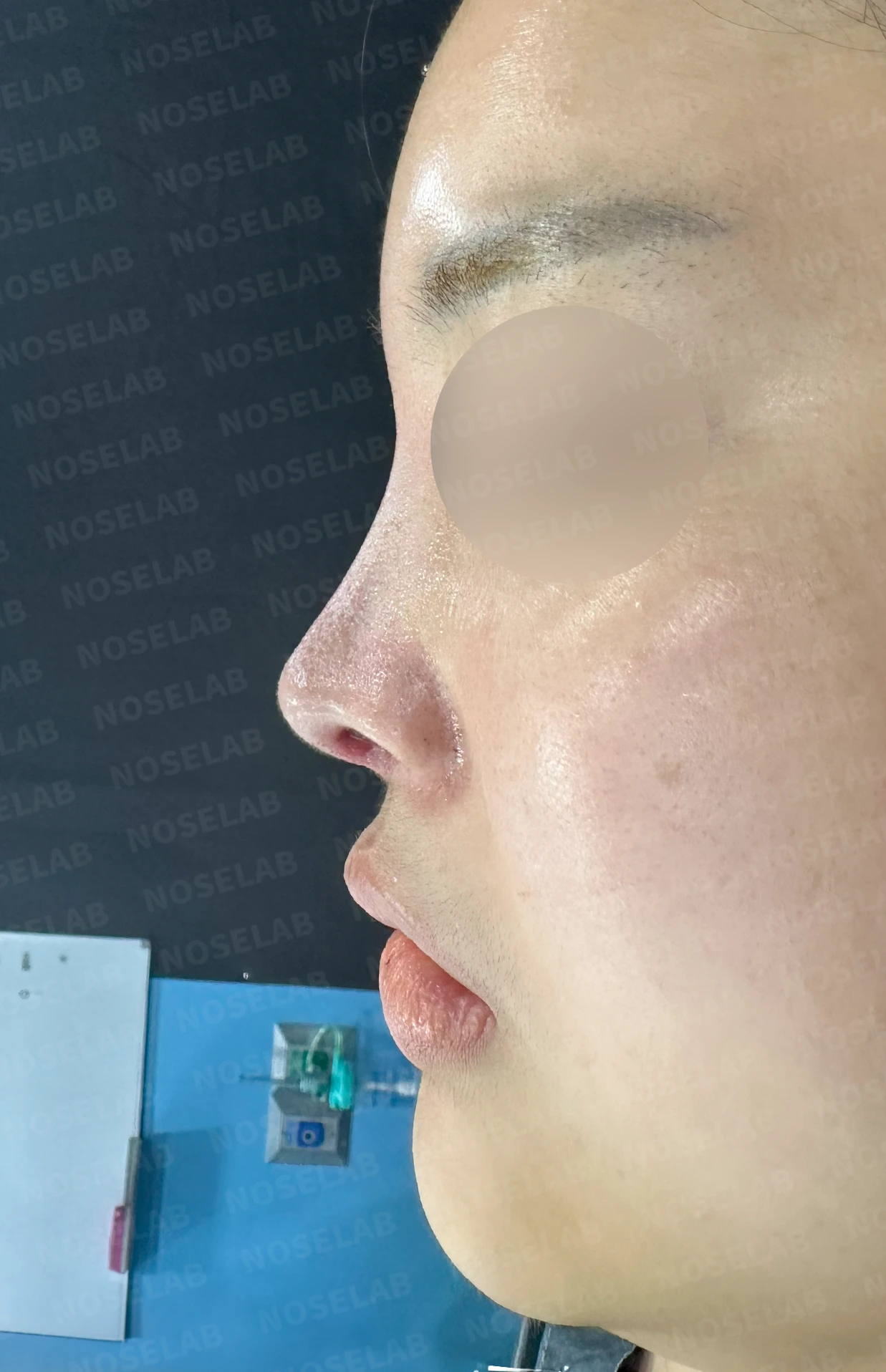
Before surgery / Day 0 immediately after surgery Photos taken immediately after surgery show swelling and may differ from the final result.
2. Profile view
Stable tip position
Improved upturned nose
Harmonious height and nasal bridge line
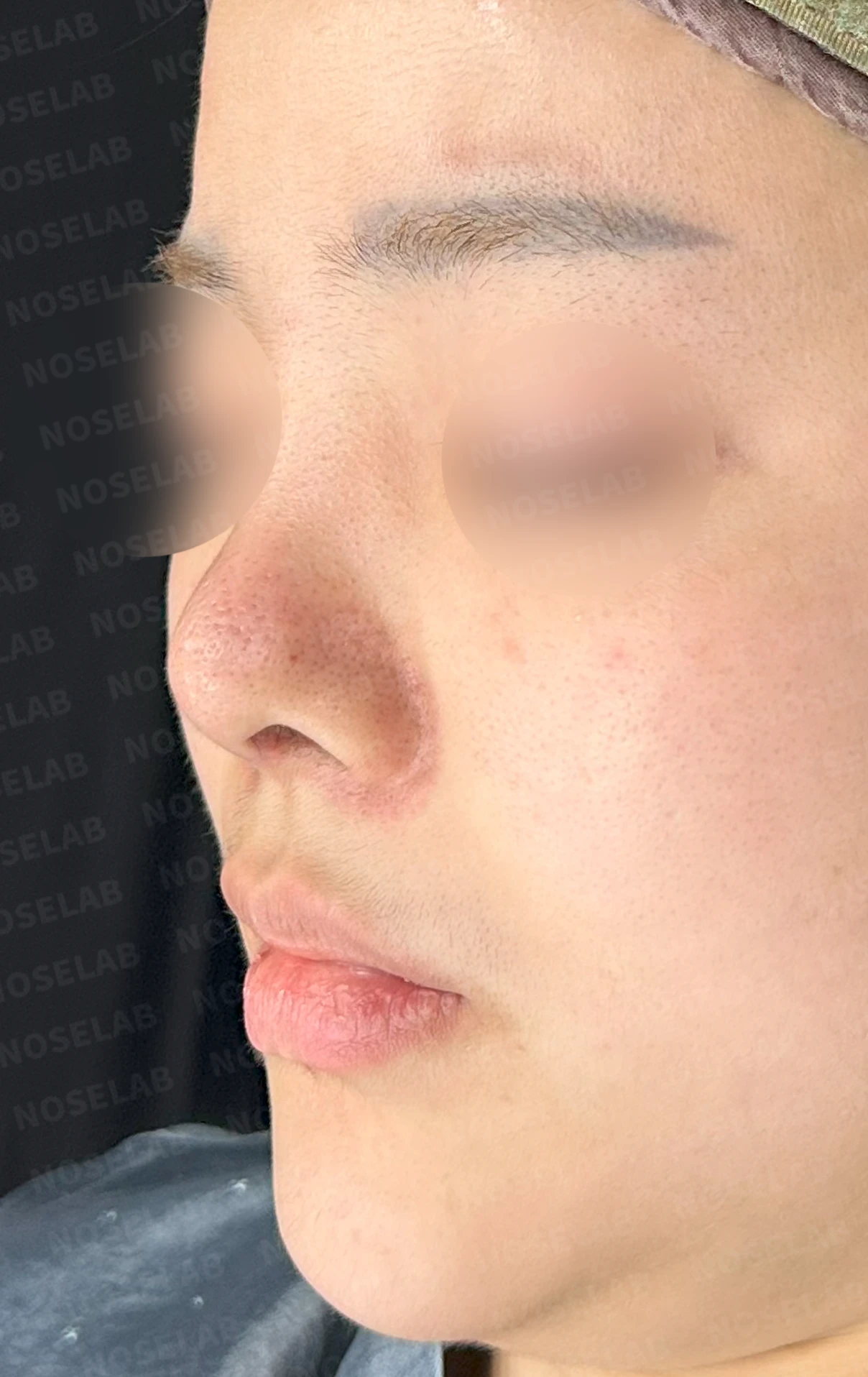
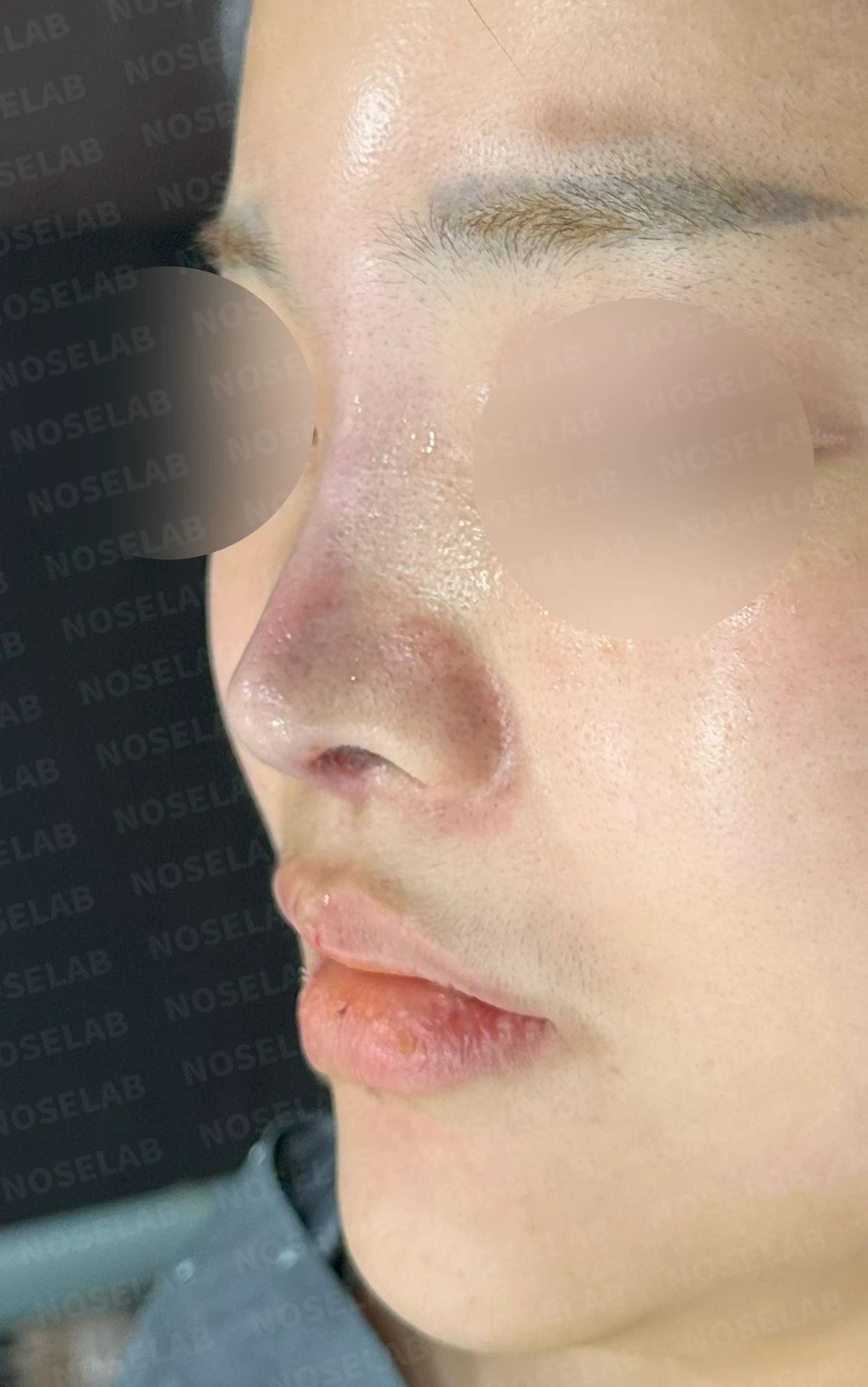
Before surgery / Day 0 immediately after surgery Photos taken immediately after surgery show swelling and may differ from the final result.
3. Function
Improvement of nasal obstruction
Stable septal condition
Reduced risk of foreign body reaction
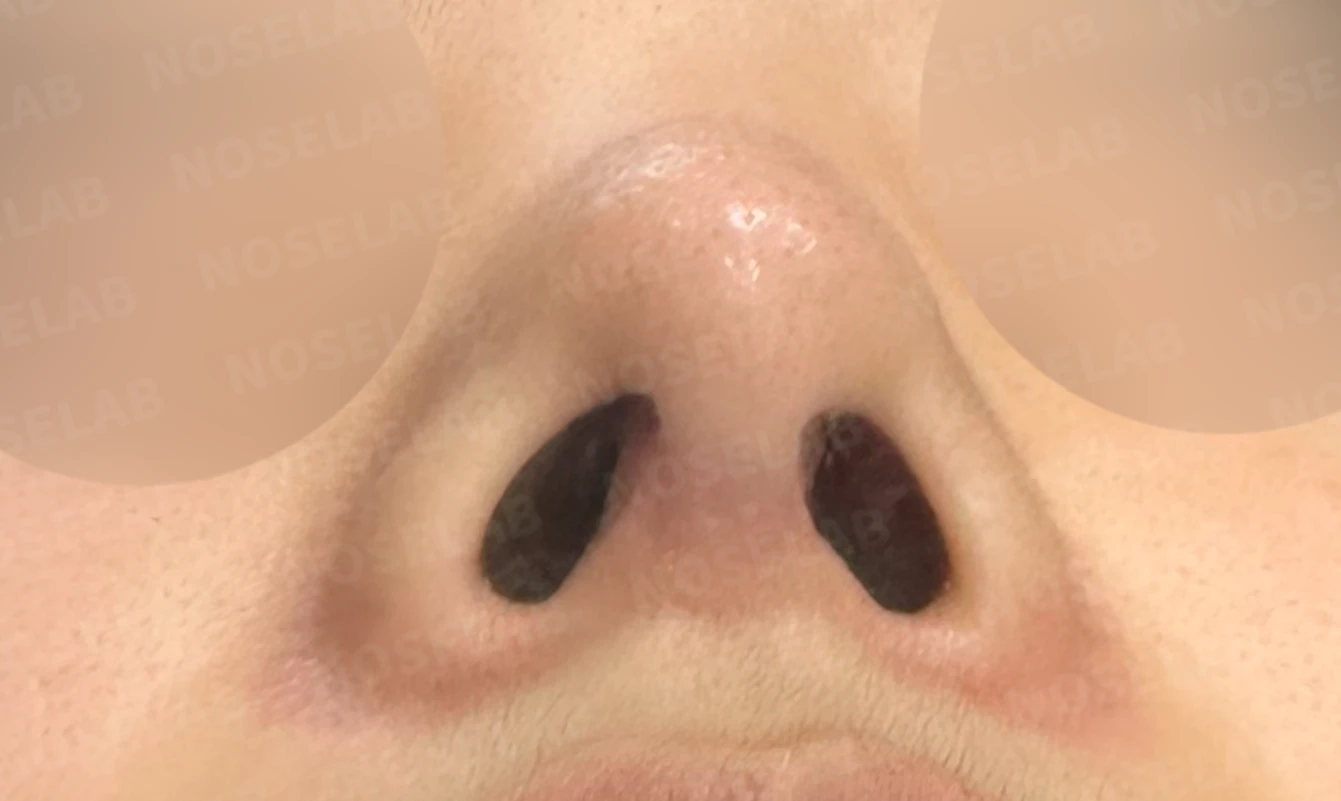
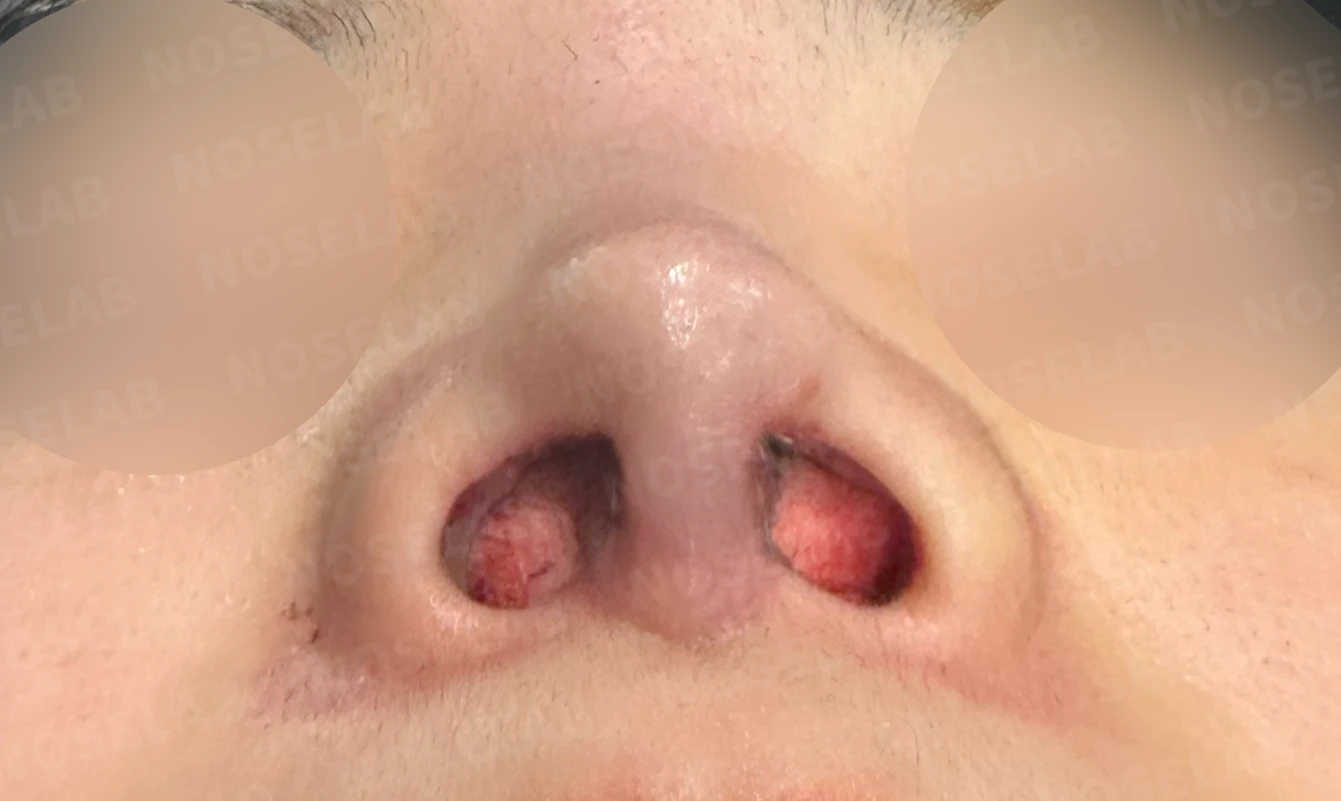
Before surgery / Day 0 immediately after surgery Photos taken immediately after surgery show swelling and may differ from the final result.
👨⚕️ Specialist's assessment
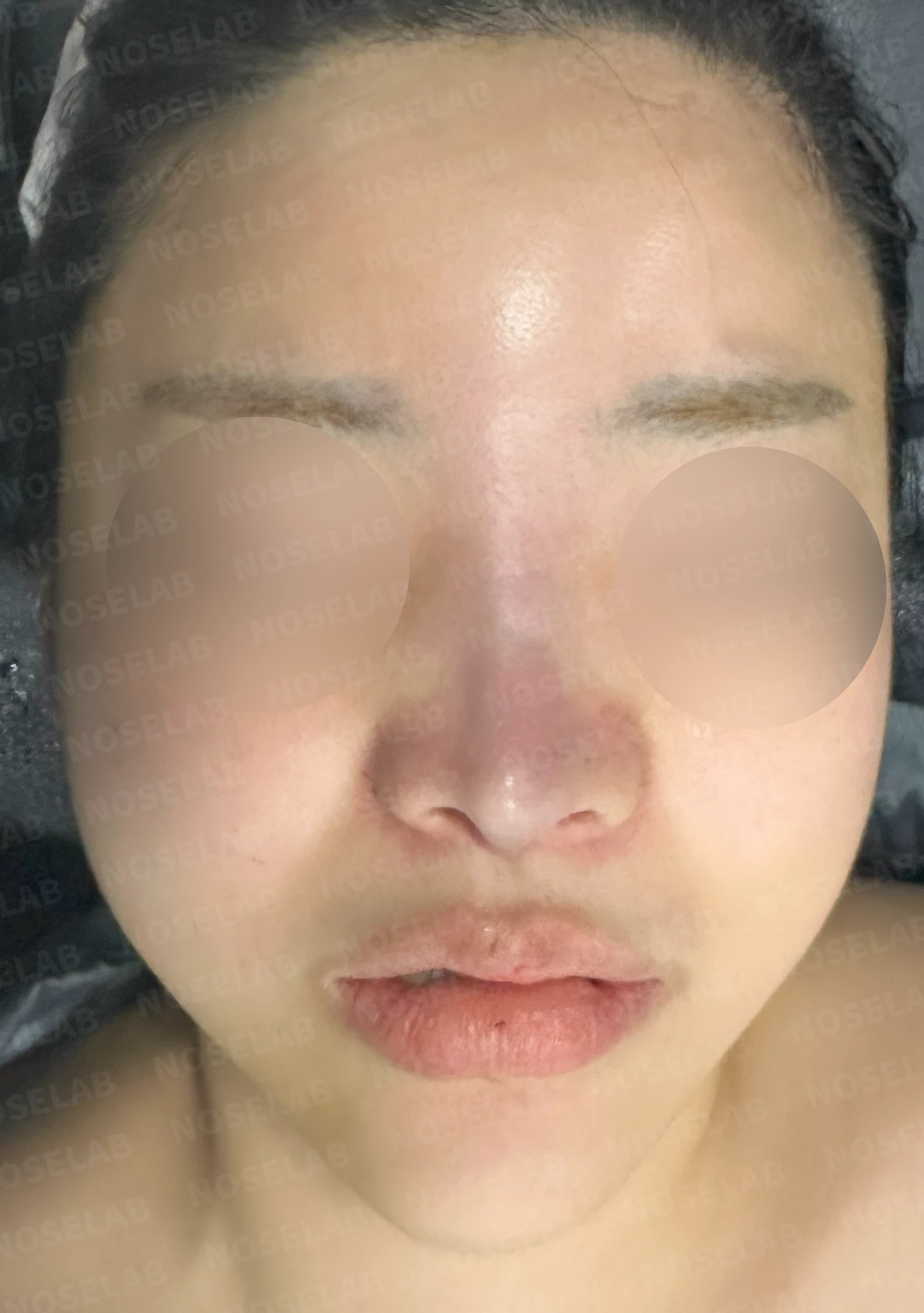
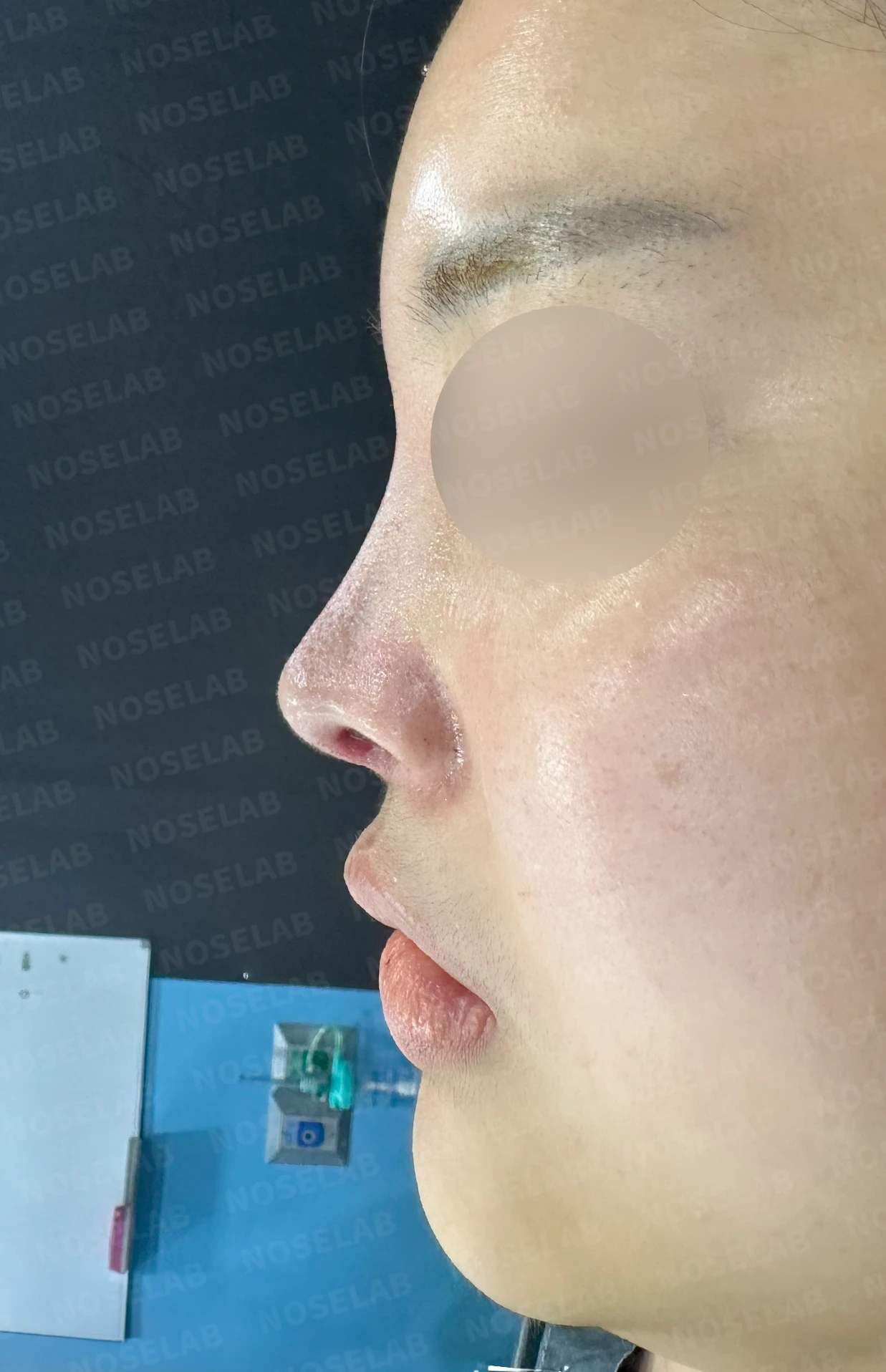
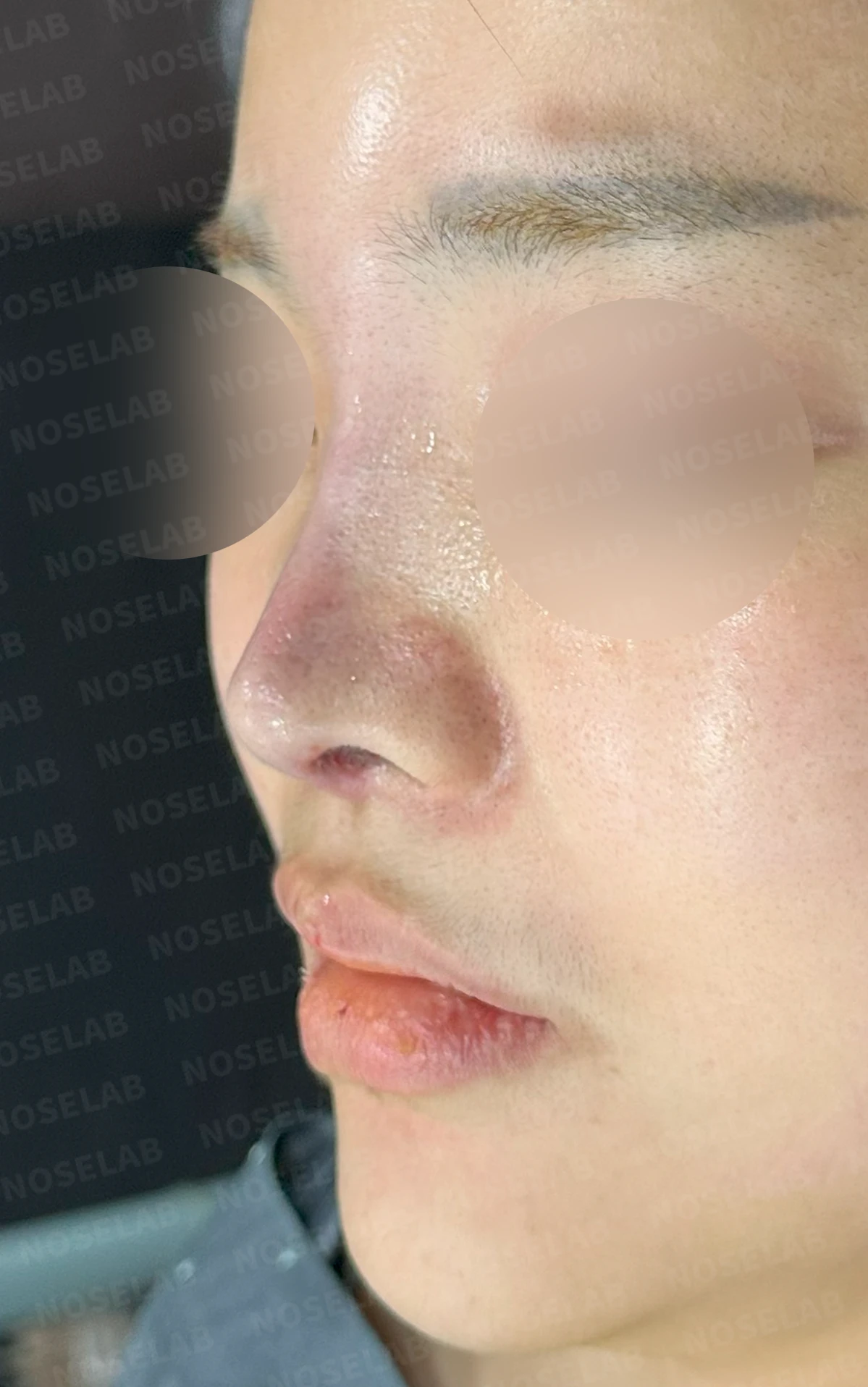
Front, profile, and oblique views immediately after surgery on day 0 Photos taken immediately after surgery show swelling and may differ from the final result.
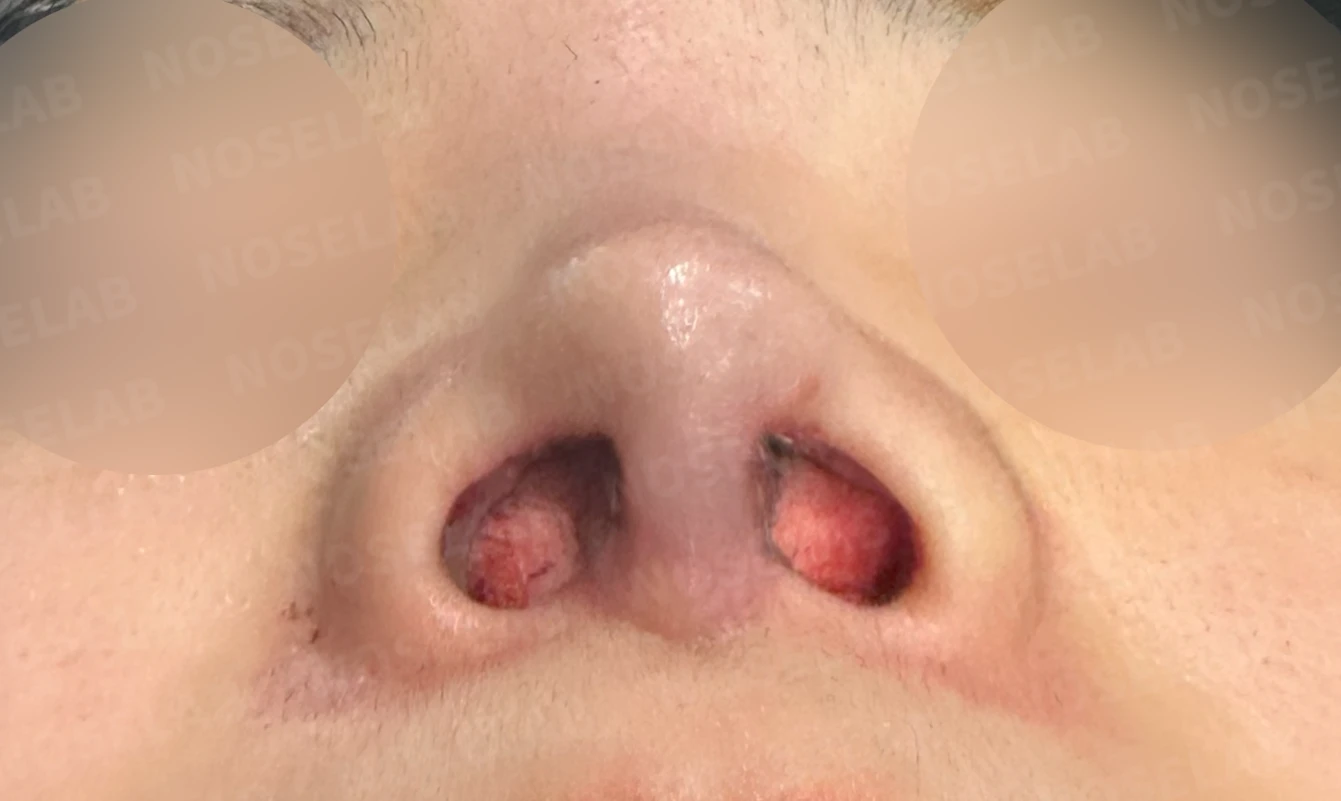
Nostril view on day 0 immediately after surgery Photos taken immediately after surgery show swelling and may differ from the final result.
This case involved revision rhinoplasty performed due to repeated foreign body reactions and complications from nasal bridge thread procedures. When foreign materials were suspected on the nasal bridge during the CT scan, both threads and filler were confirmed and completely removed during surgery, with primary focus placed on correcting the upturned nasal tip. The tip height was adjusted appropriately considering that the patient's nasal tip skin did not stretch easily, and the wide nasal bridge was narrowed through lateral osteotomy.
Because there was severe damage to the septal cartilage, the autologous rib cartilage used in the previous surgery was recycled as much as possible, and deficient areas were supplemented with donor rib cartilage to secure a stable framework.
Since the patient preferred not to use a silicone implant or undergo harvesting of additional autologous rib cartilage, donor rib cartilage was used for the nasal bridge, also taking into account the past history of repeated foreign body reactions.
This was Dr. Peter C. Kang. Thank you.
Thank you.
#closedrhinoplasty #revisionrhinoplasty #upturnednosecorrection #donorribcartilage #customrhinoplasty

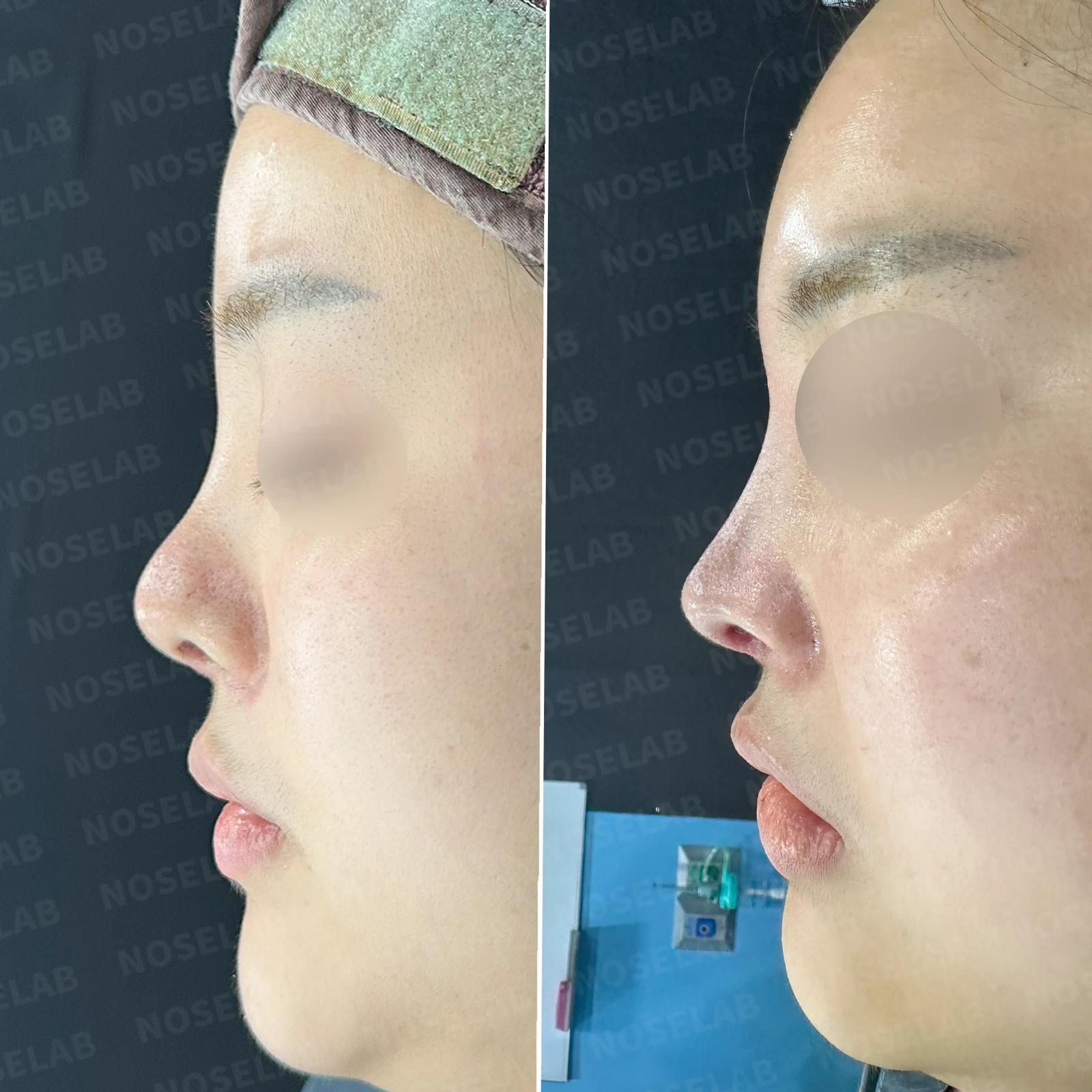
Limitations and risks
When autologous rib cartilage is used, scarring and pain may remain at the donor site on the chest, and pneumothorax (pleural injury) can occur rarely. Over time, the grafted cartilage may warp or undergo partial resorption.
When using donor rib cartilage, long-term follow-up is necessary because the grafted cartilage may resorb or warp.
When revising after implant removal, contracture may progress again after removal, the nasal height and length may decrease, and staged surgery may be necessary depending on the skin condition.
When foreign materials such as injected fillers are removed and reconstructed, contracture may recur, nasal height and length may decrease, and staged surgery may be necessary depending on the skin condition.
When the septum is corrected at the same time, nasal obstruction may persist or recur, and in rare cases, septal perforation or changes in smell may occur.
Common potential risks include infection, bleeding, asymmetry, scarring, skin necrosis, and insufficient improvement; results vary depending on individual skin condition and previous surgical history.