Hello, I am Dr. Peter C. Kang.
Today, I would like to share a special case of a patient who believed she had only undergone alar reduction, but in whom unexpected foreign materials were found during surgery.
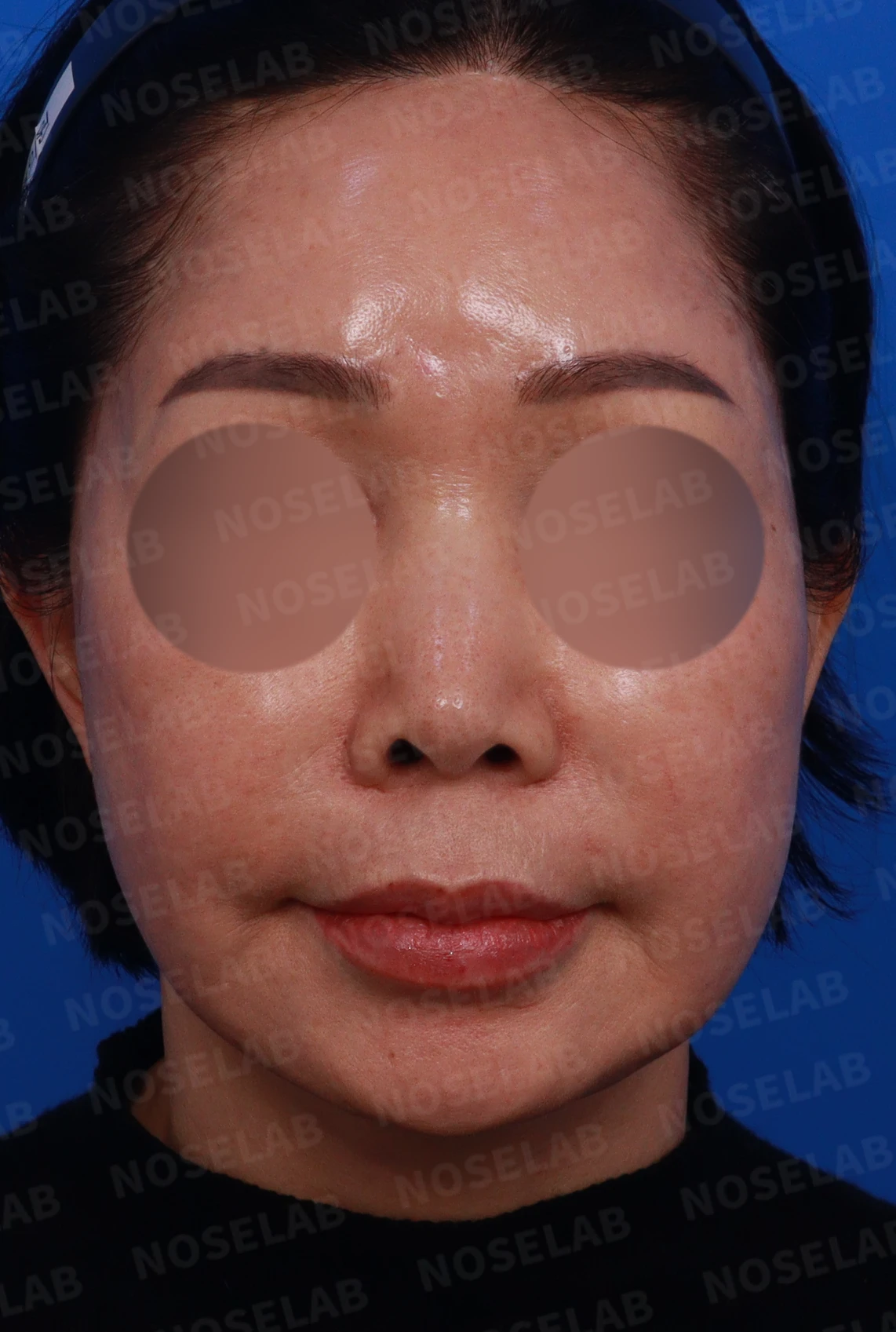
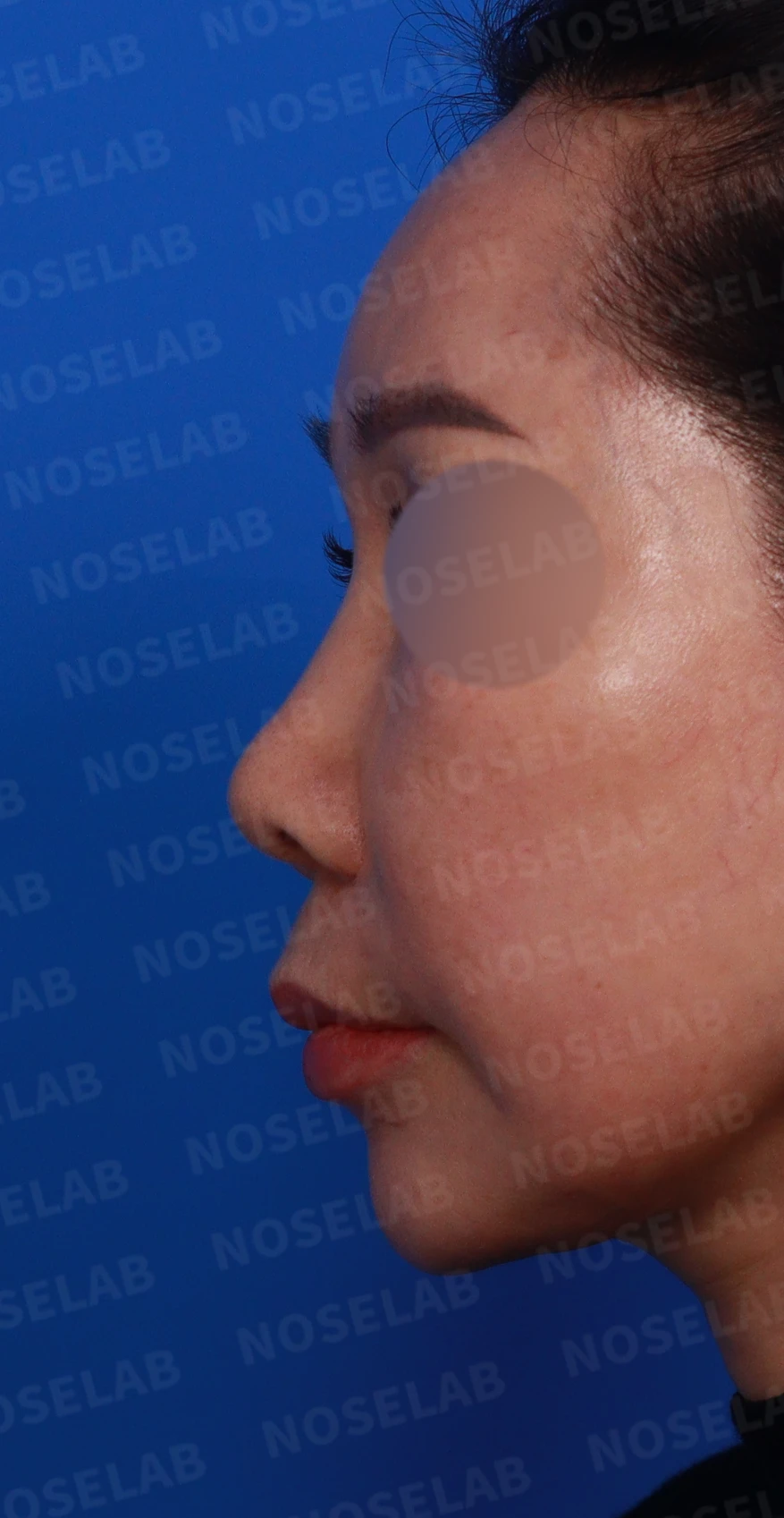
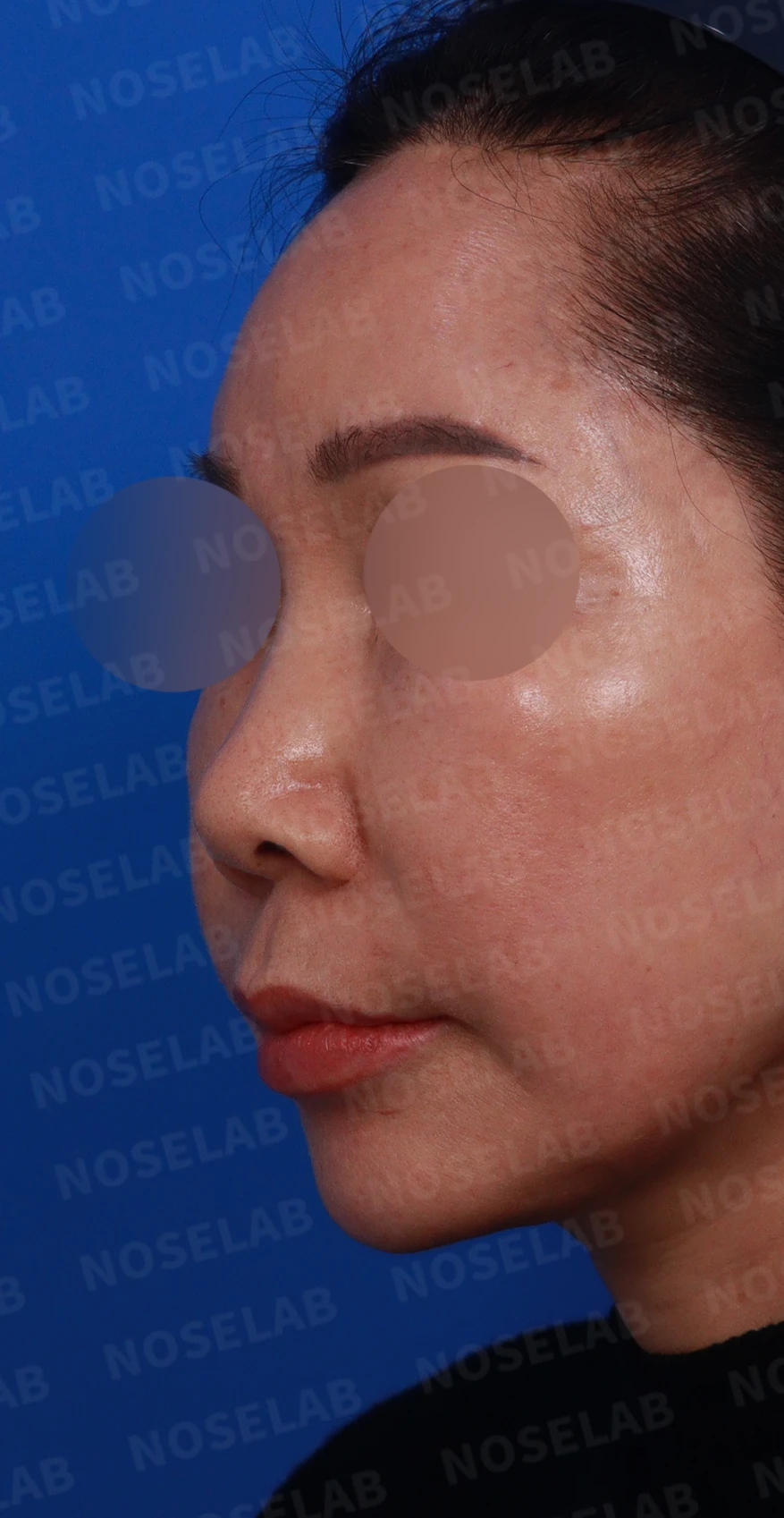
Front, left profile, and oblique views during design consultation
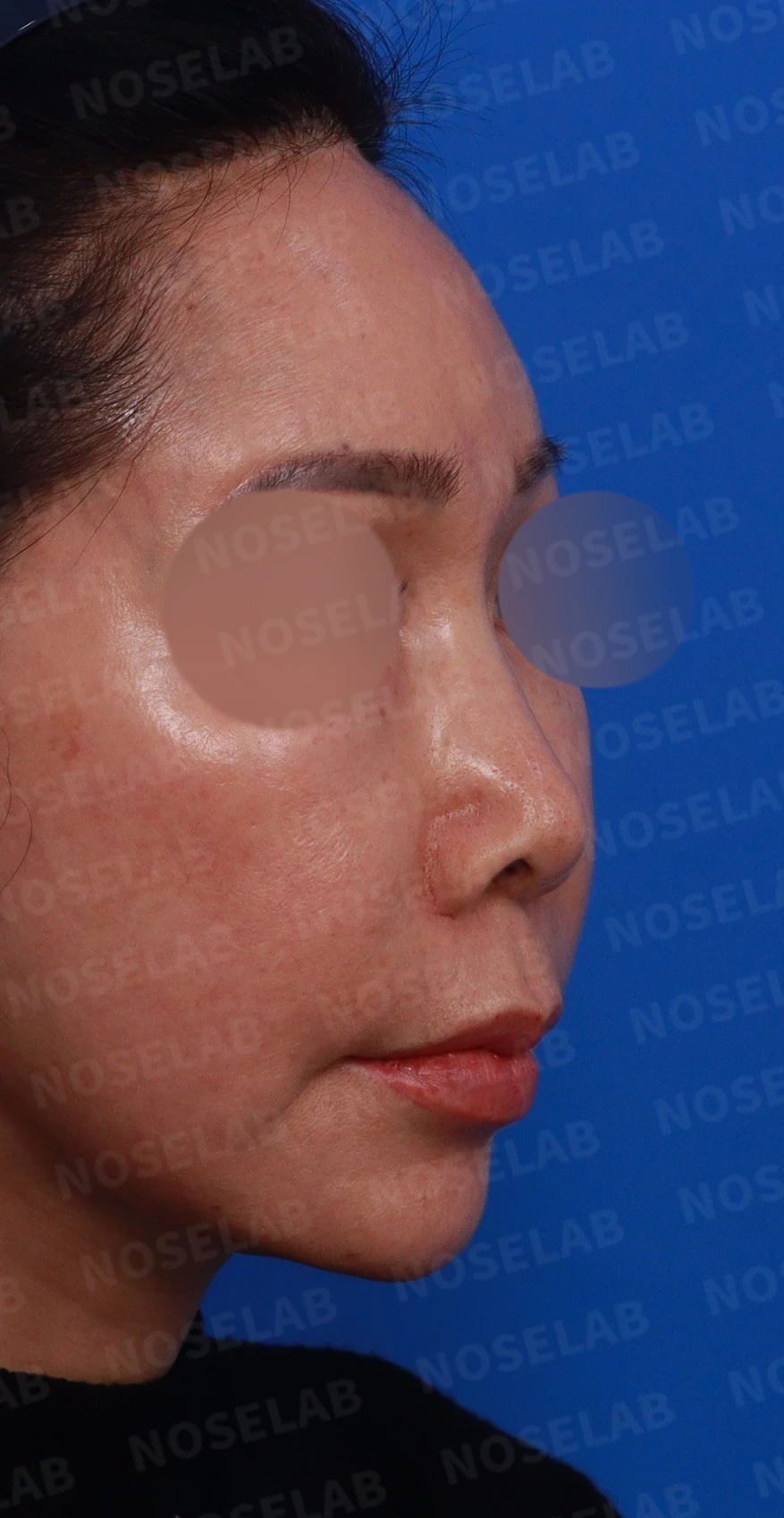
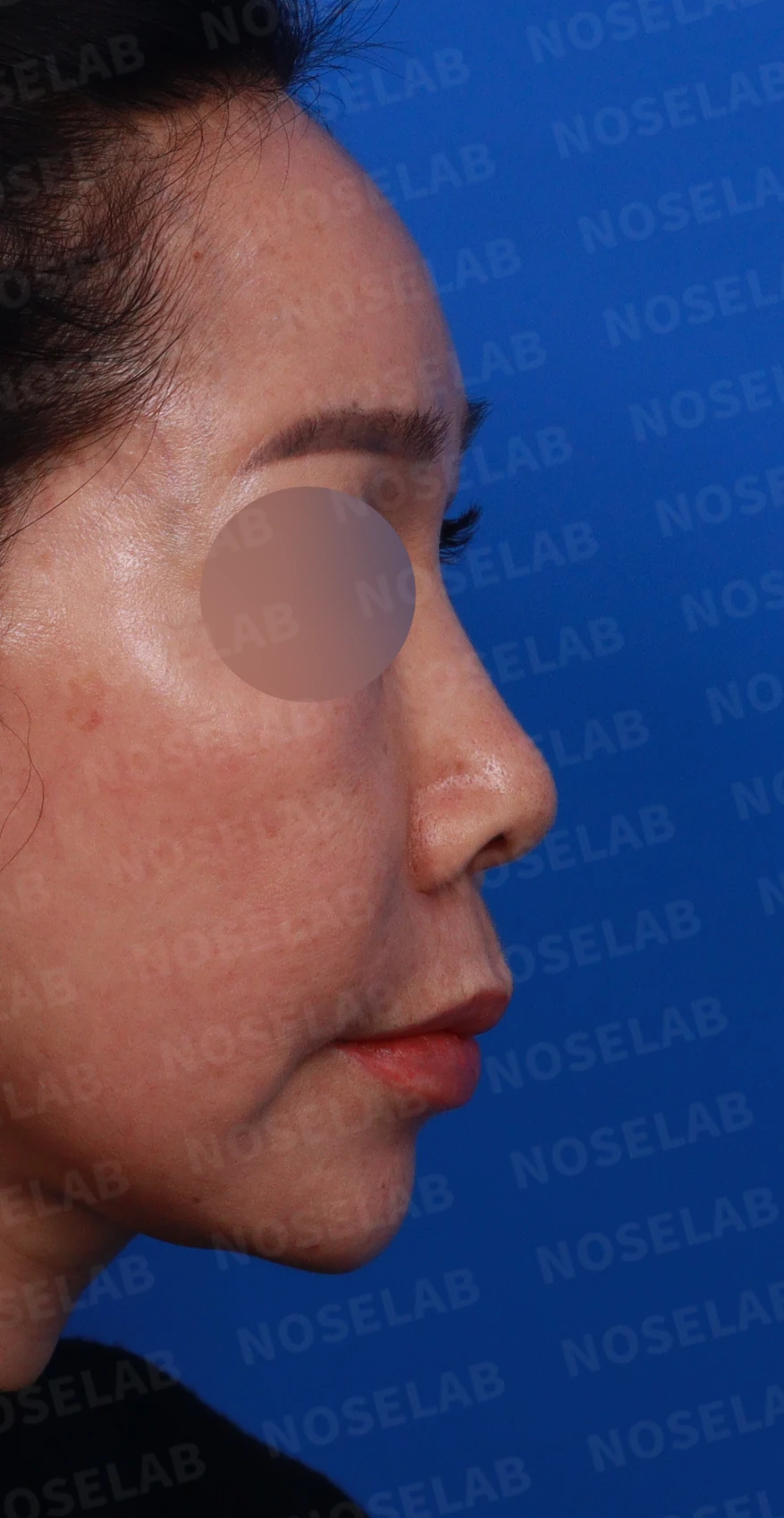
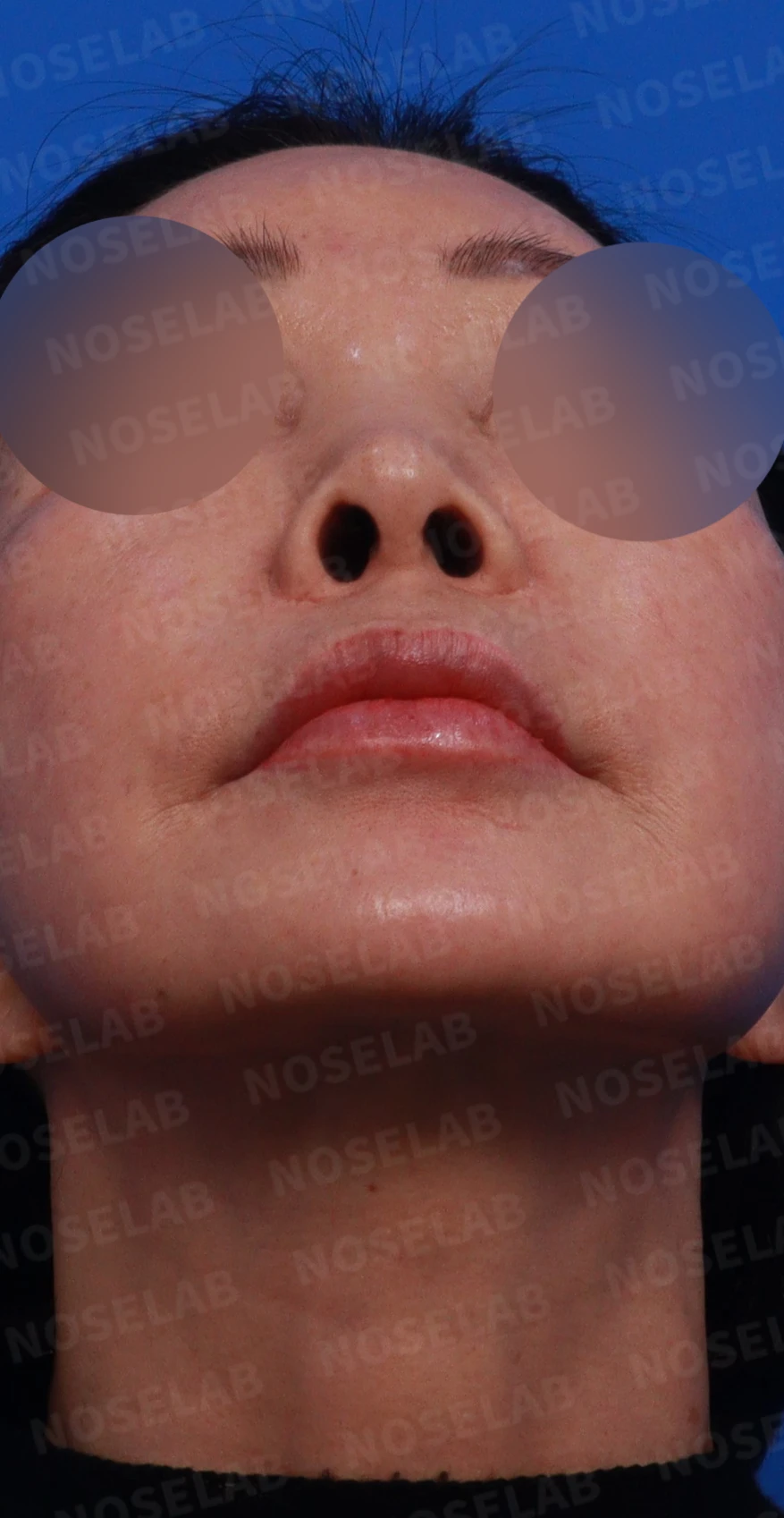
Design consultation: right oblique, profile, and basal (nostril) views
📍 Surgical history
Repeated touch-ups with nasal filler
Previous alar reduction
Intraoperative findings
Severe adhesions at the previous surgical site
Medpor discovered from a prior septal extension
Non-absorbable foreign material discovered in the glabella
Nylon sutures used for tip cartilage fixation
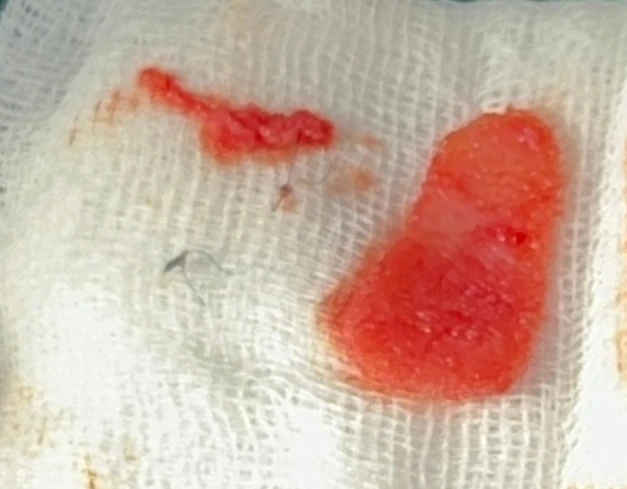
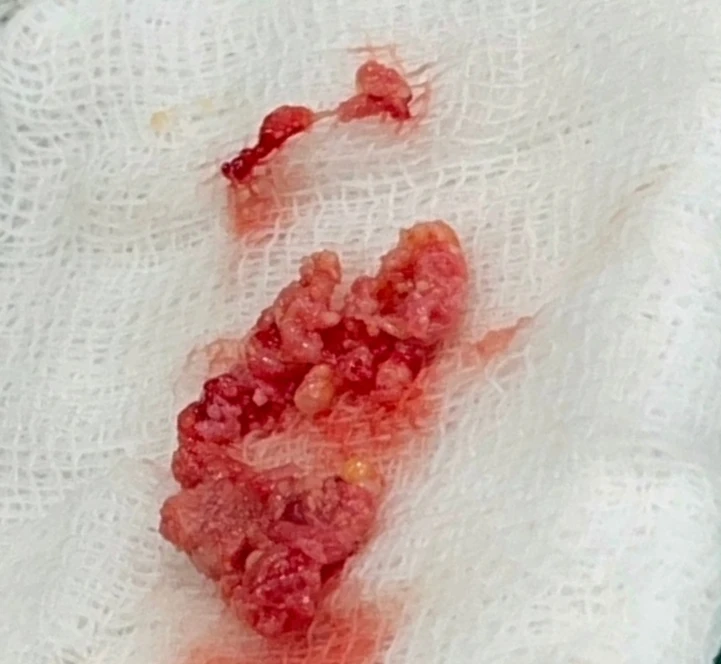
Photo of the removed Medpor, nylon sutures, and foreign materials
💉 Surgical procedure details
Foreign material removal
Complete removal of Medpor
Removal of foreign material in the glabella
Removal of nylon sutures
Debridement of foreign materials around the nasal bridge
2. Structural reconstruction
Septal extension using autologous rib cartilage
Lateral nasal bone osteotomy
Improvement of a wide bridge
3. Overall summary
Securing a stable structure
Creating a natural line
✅ Surgical results
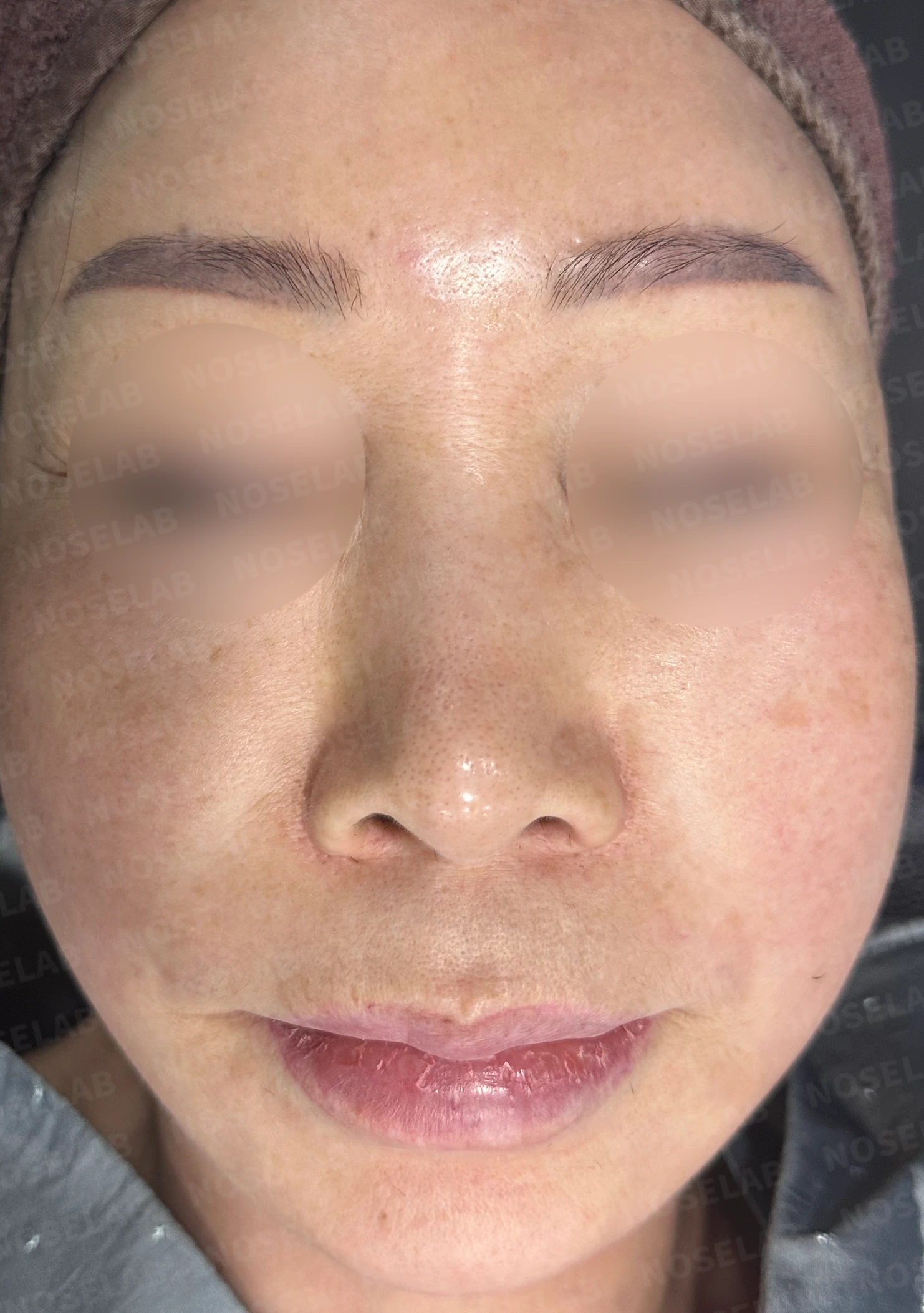
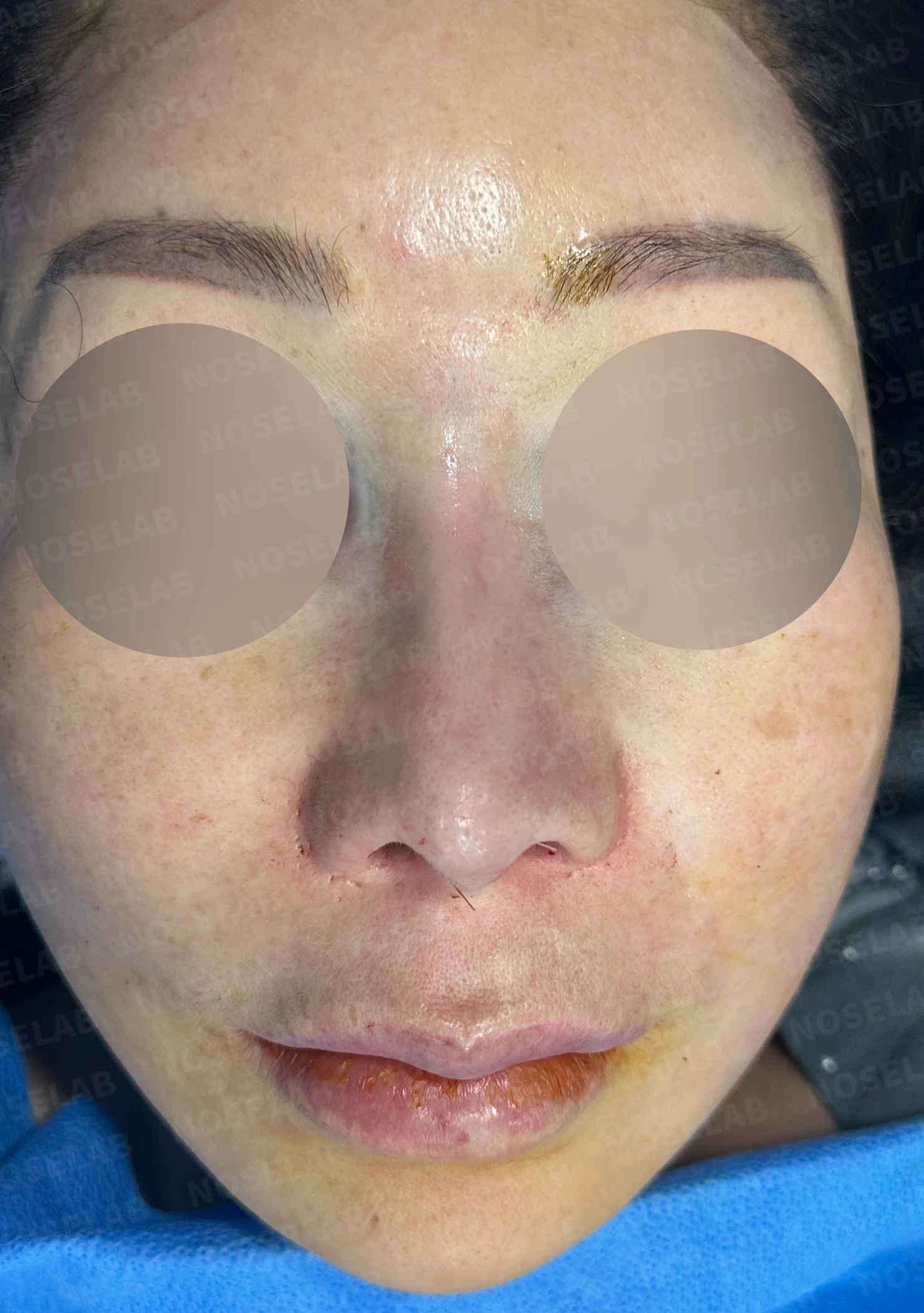
Before surgery / Day 0 immediately after surgery Photos taken immediately after surgery show swelling and may differ from the final result.
Front view
Improvement of excessive nostril show
Correction of the wide, splayed appearance
Slimmer nasal bridge line
Improved symmetry
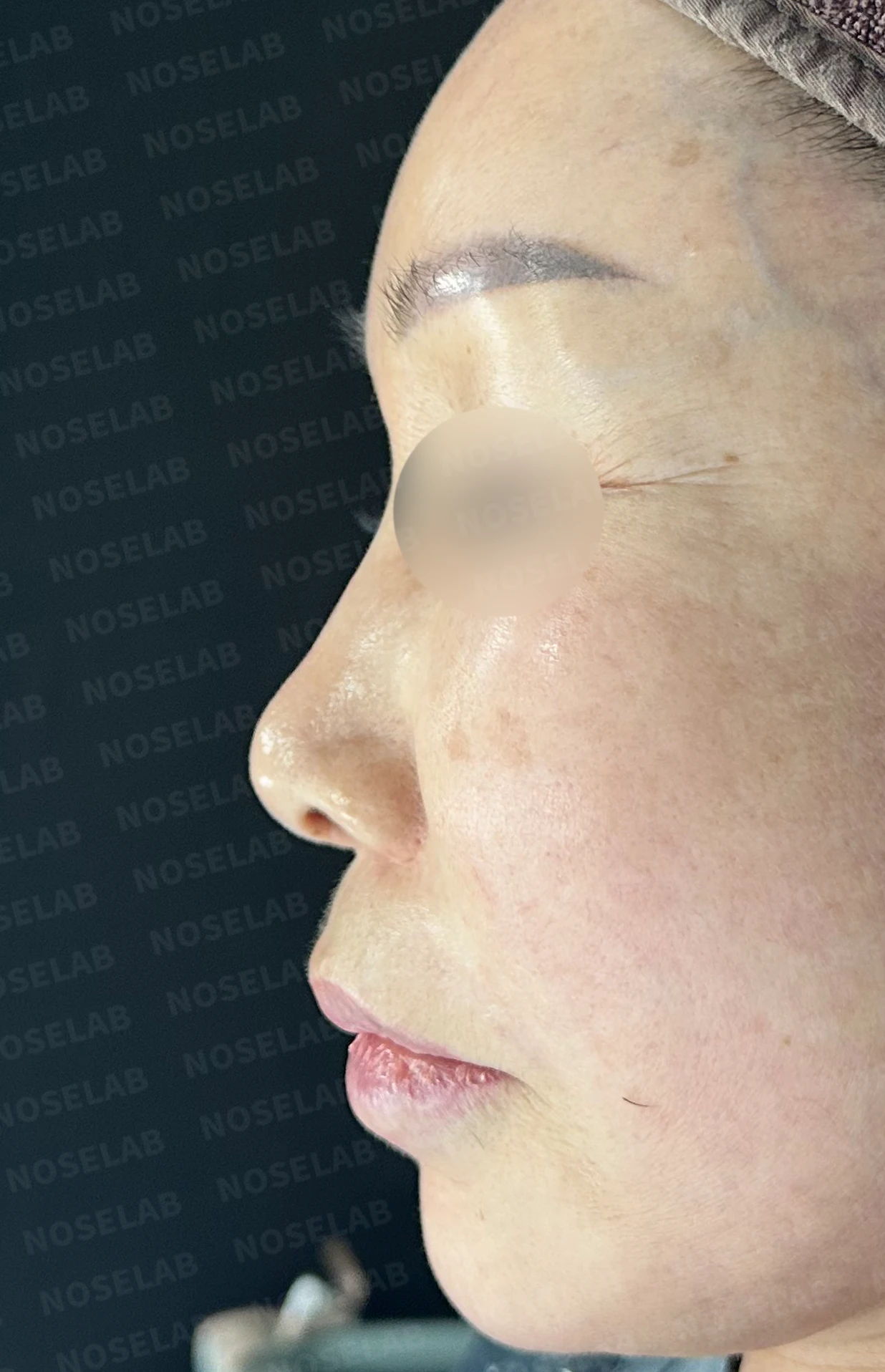
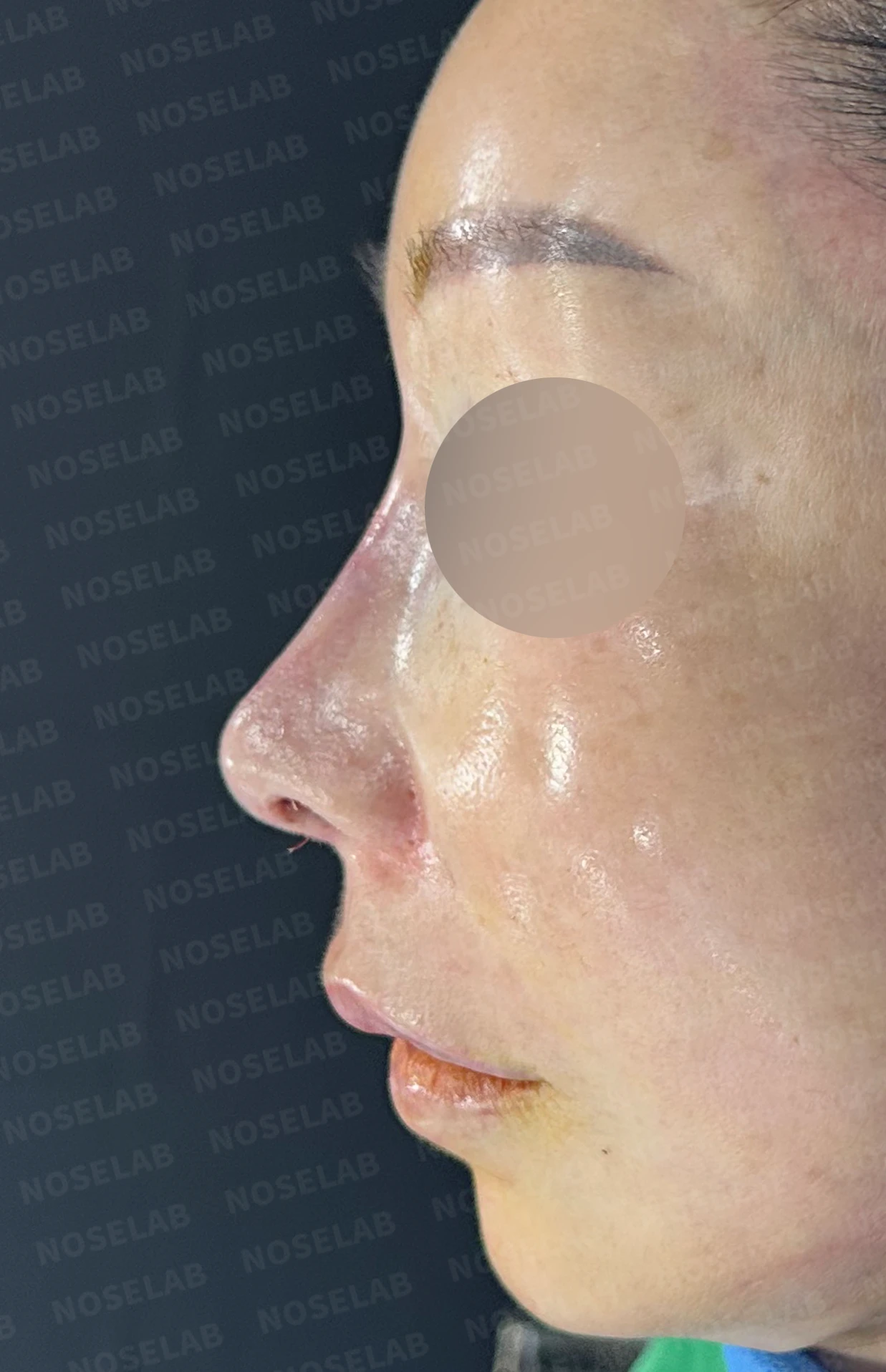
Before surgery / Day 0 immediately after surgery Photos taken immediately after surgery show swelling and may differ from the final result.
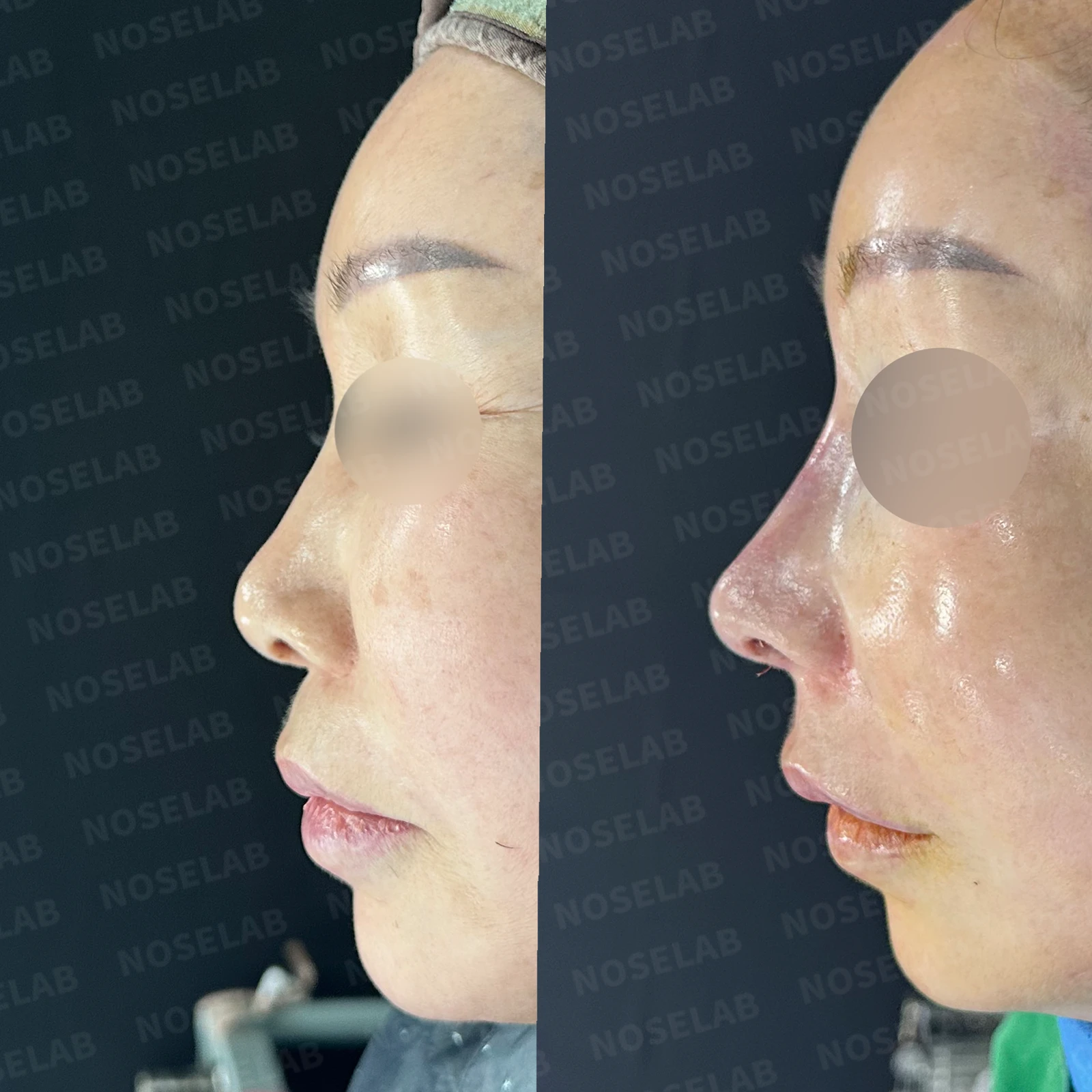
2. Profile view
Creating natural three-dimensional definition
Improvement of protruding mouth through nasolabial angle correction
Smoothing of the uneven nasal dorsum
Straight bridge line
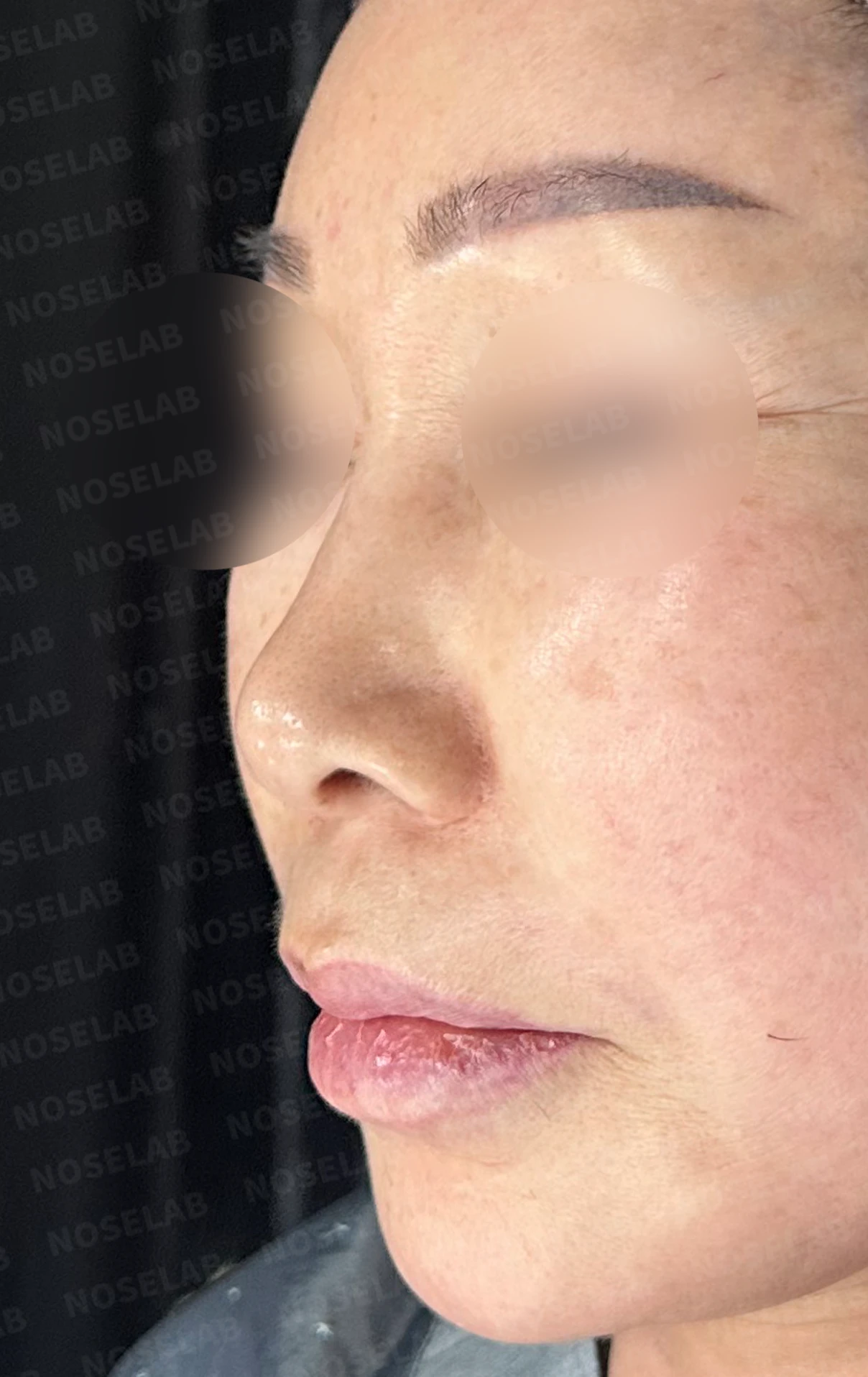
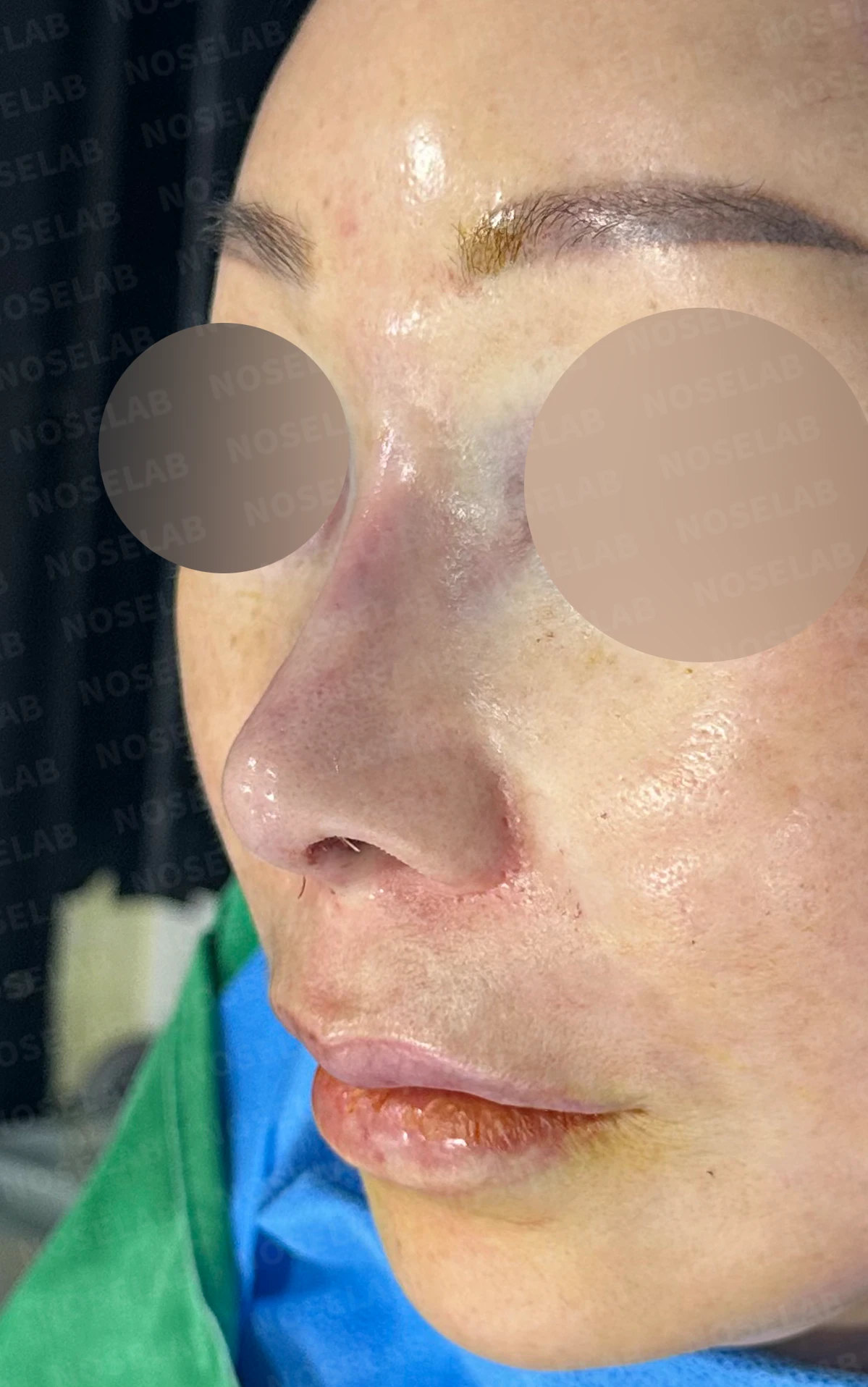
Before surgery / Day 0 immediately after surgery Photos taken immediately after surgery show swelling and may differ from the final result.
3. Nostrils
More natural nostril shape
Improved nostril asymmetry
Balanced overall structure
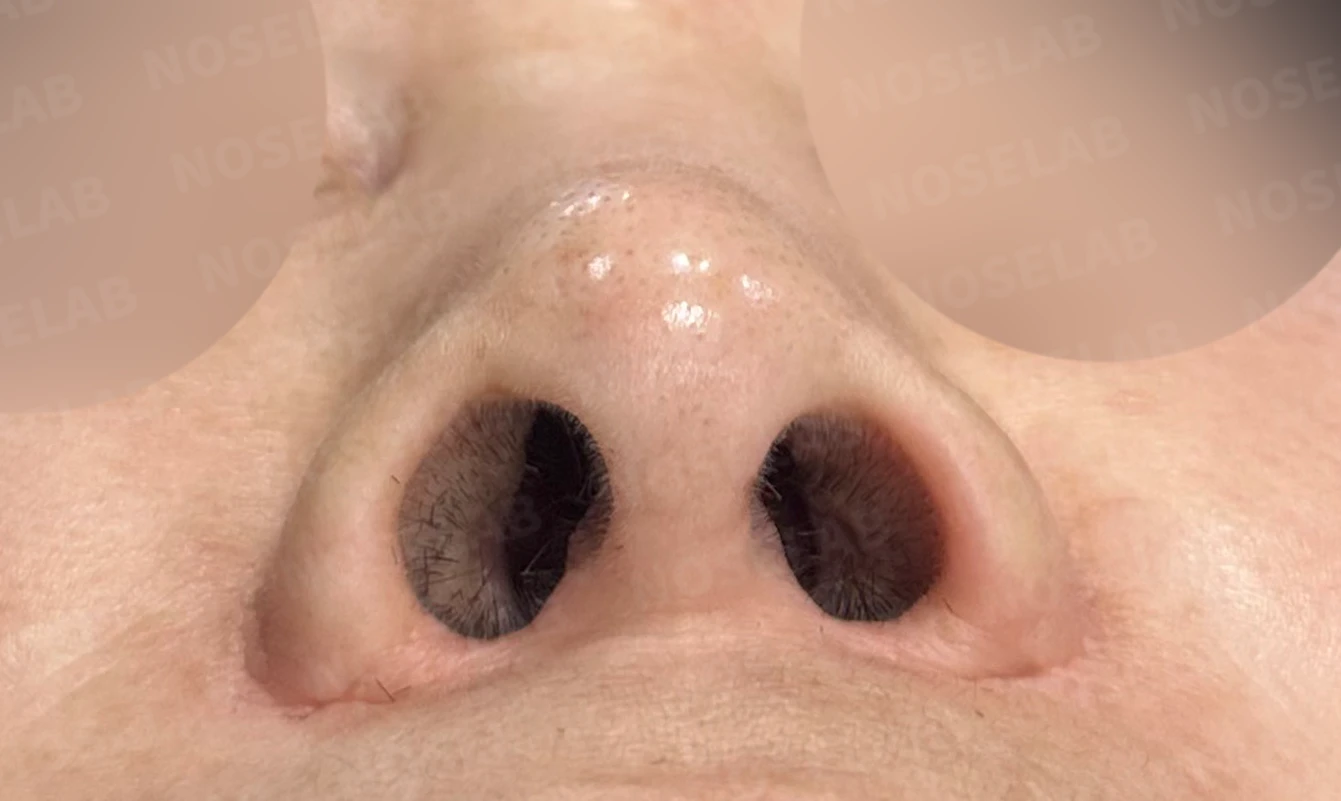
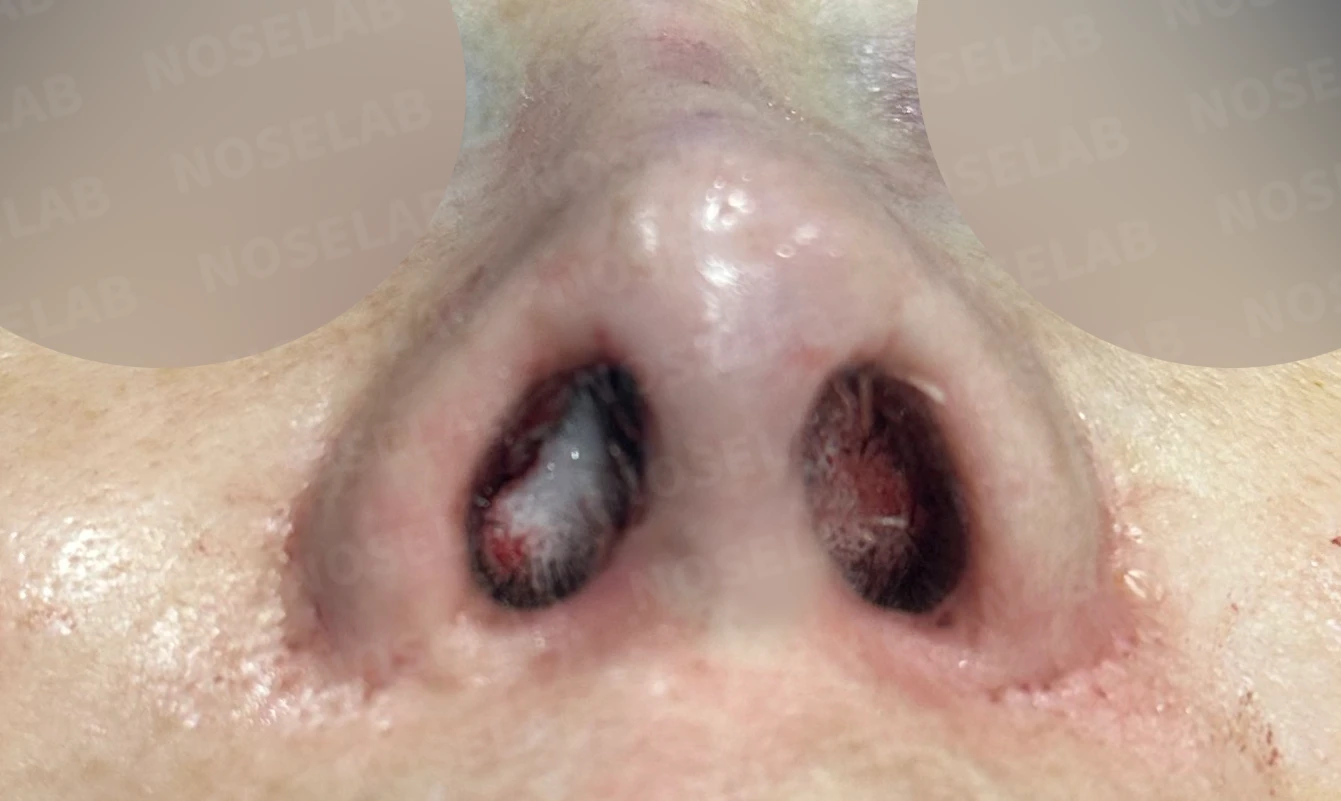
Before surgery / Day 0 immediately after surgery Photos taken immediately after surgery show swelling and may differ from the final result.
👨⚕️ Specialist's assessment
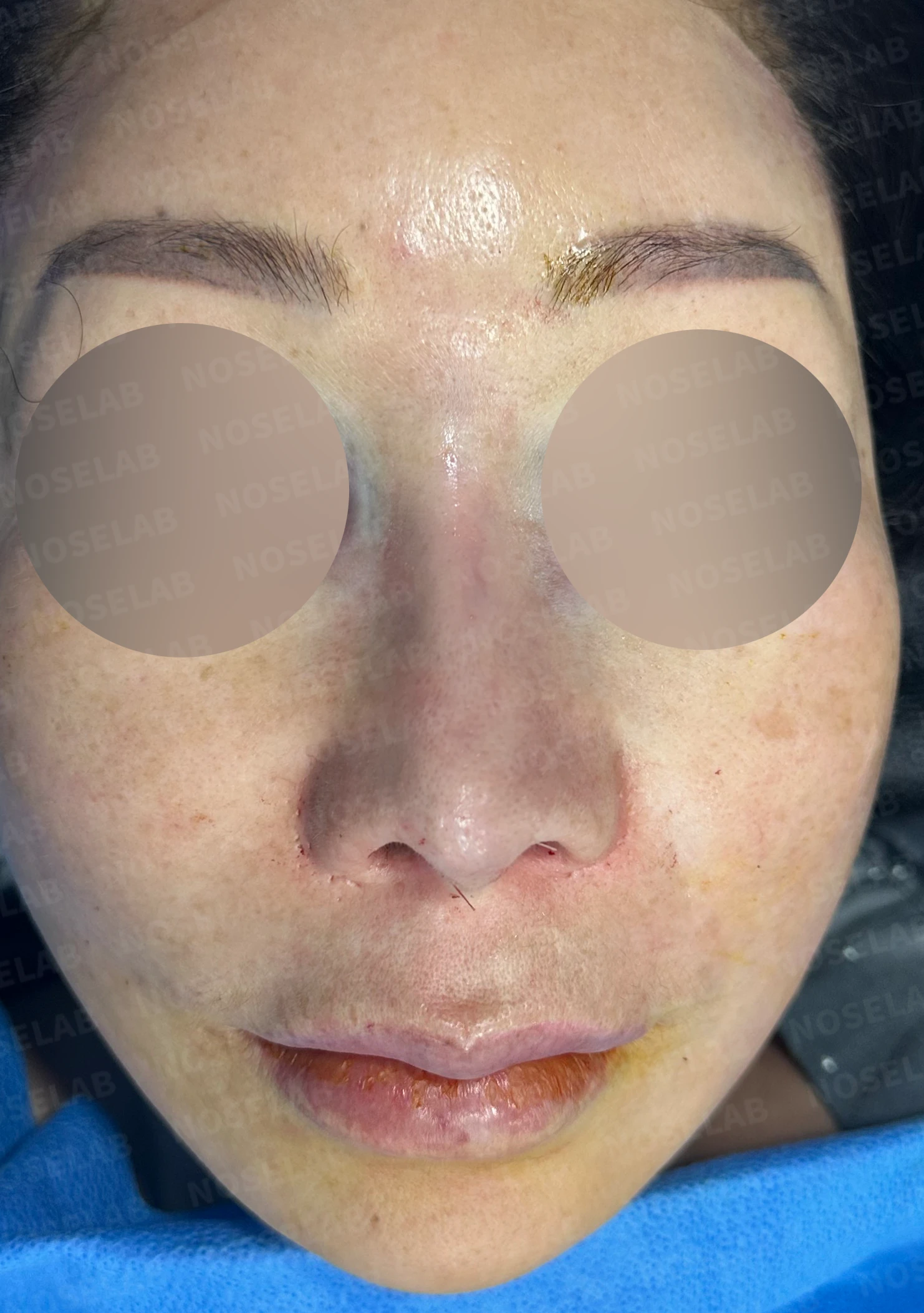
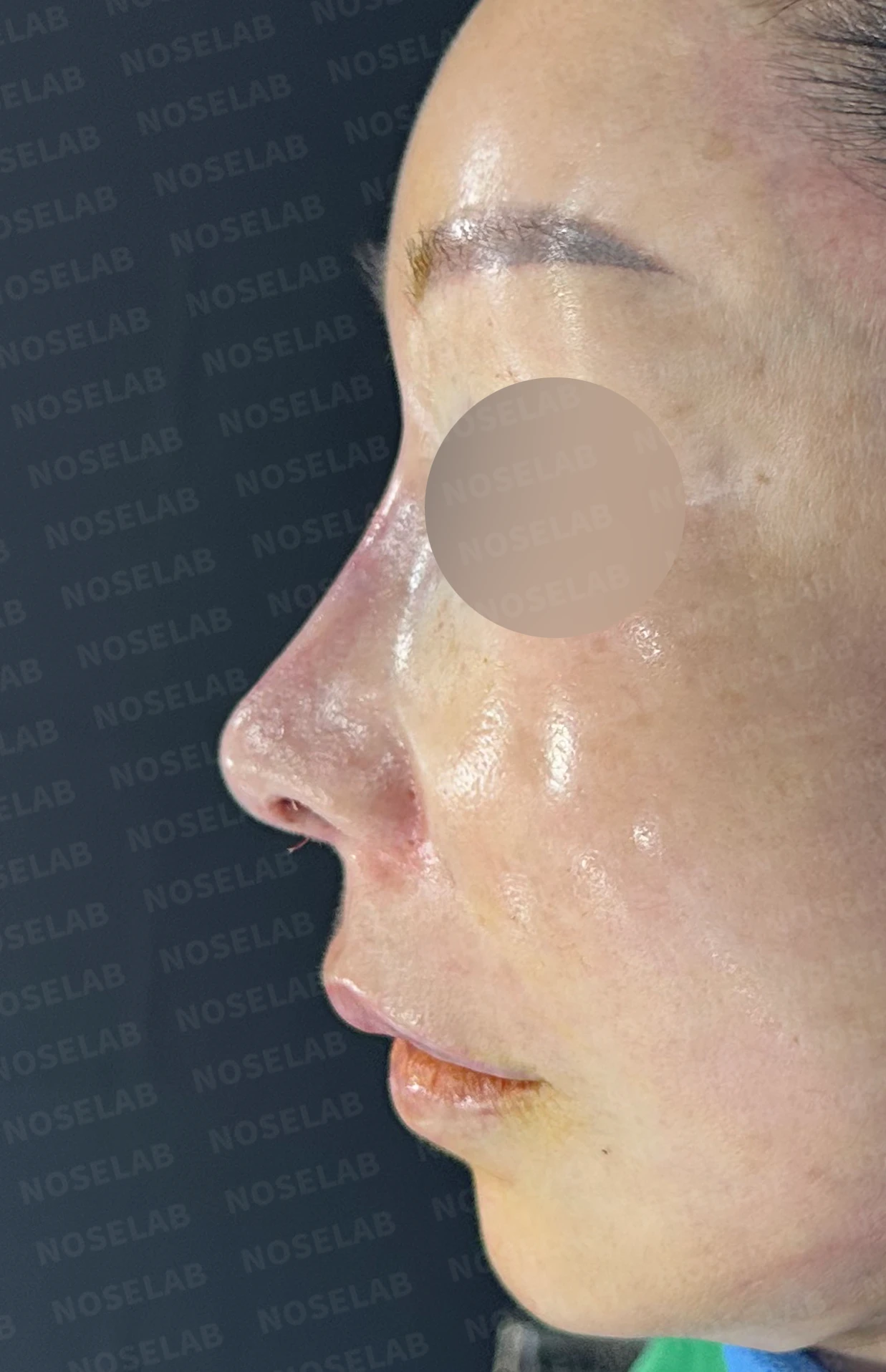
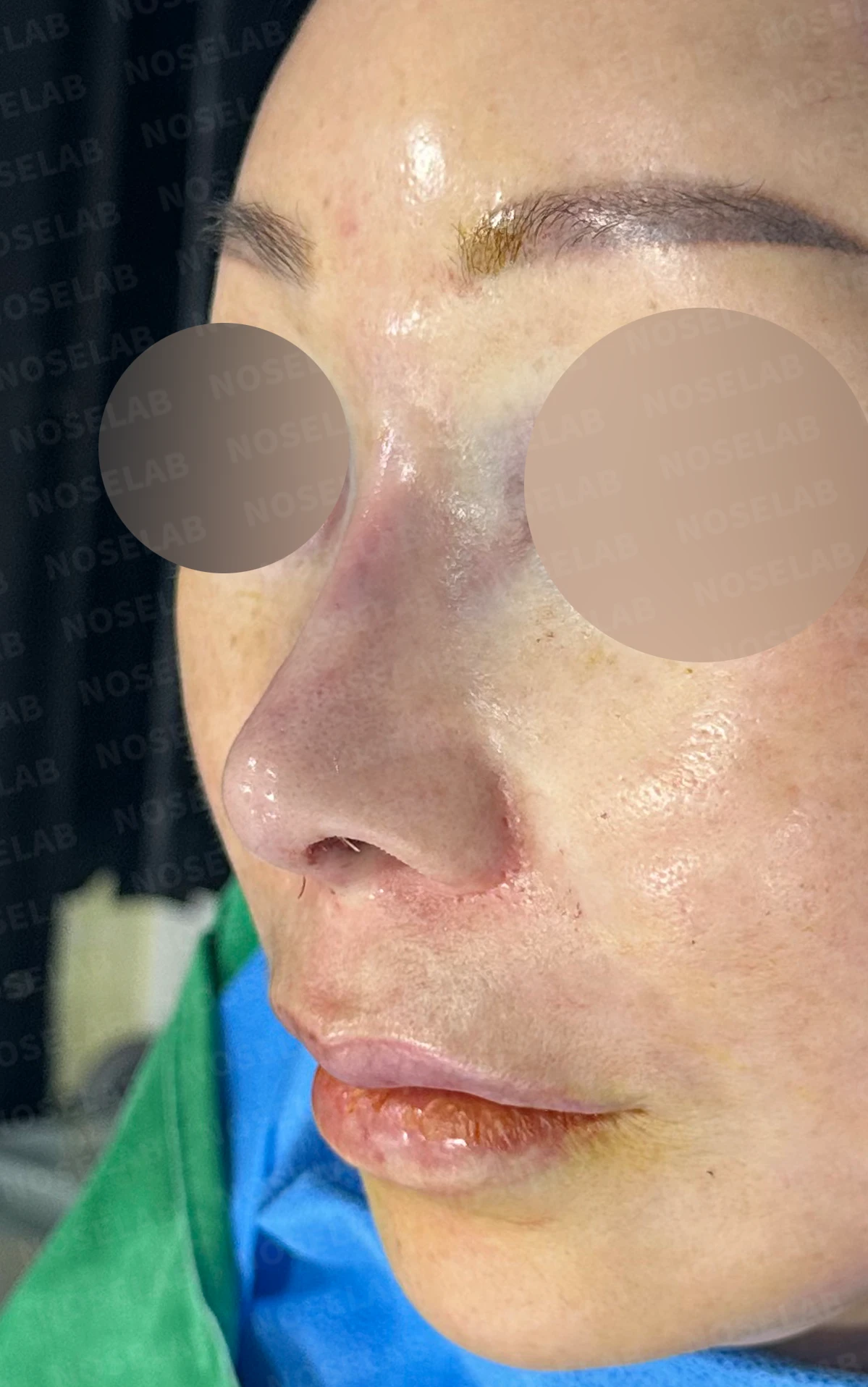
Front, profile, and oblique views immediately after surgery on day 0 Photos taken immediately after surgery show swelling and may differ from the final result.
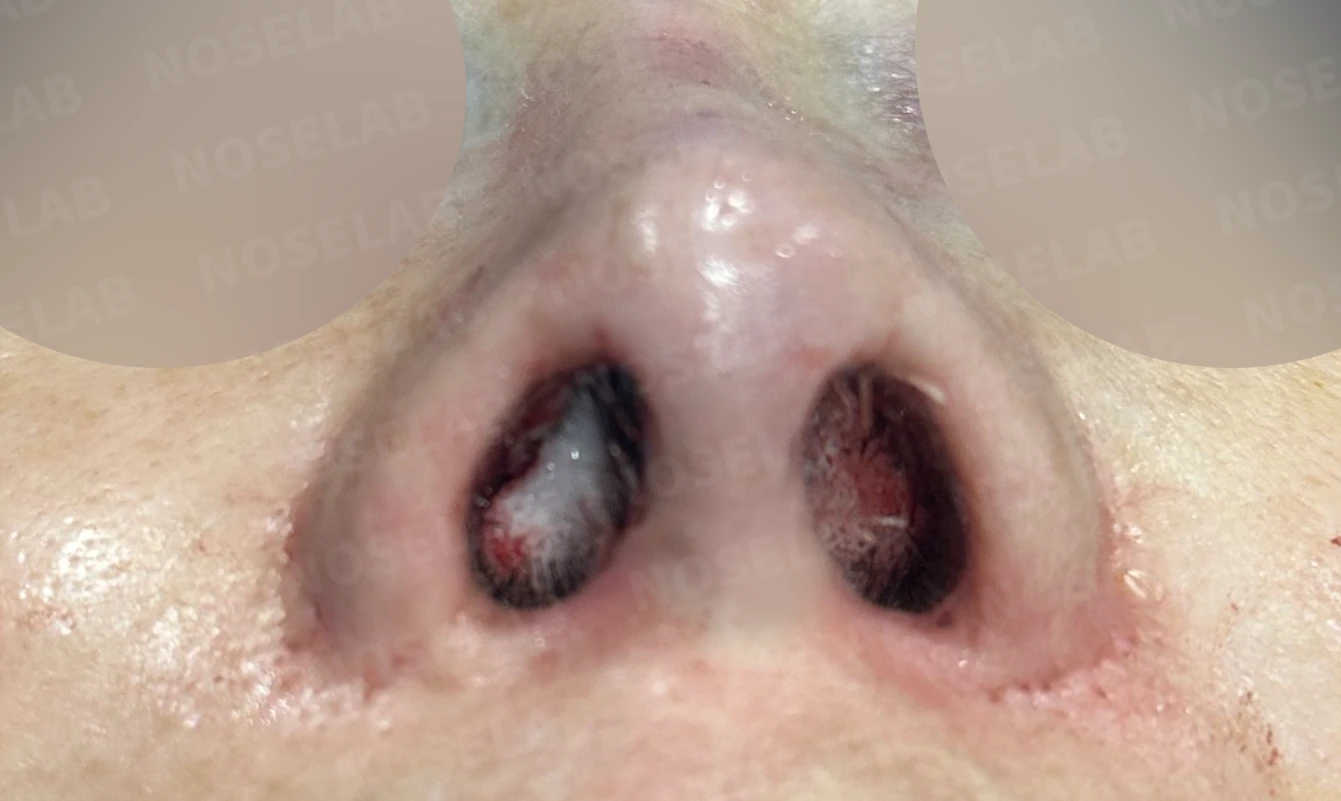
Nostril view on day 0 immediately after surgery Photos taken immediately after surgery show swelling and may differ from the final result.
This was a notable case where the patient believed she had only undergone alar reduction, but septal extension with Medpor and various foreign materials were actually found intraoperatively. Despite these unexpected findings, we were able to safely remove all foreign materials and achieve a stable, natural result through reconstruction using autologous rib cartilage.
This was Dr. Peter C. Kang. Thank you.
Thank you.
#closedrhinoplasty #revisionrhinoplasty #autologousribcartilage #foreignmaterialremoval #customrhinoplasty

Limitations and risks
When autologous rib cartilage is used, scarring and pain may remain at the donor site on the chest, and pneumothorax (pleural injury) can occur rarely. Over time, the grafted cartilage may warp or undergo partial resorption.
When revising after implant removal, contracture may progress again after removal, the nasal height and length may decrease, and staged surgery may be necessary depending on the skin condition.
When foreign materials such as injected fillers are removed and reconstructed, contracture may recur, nasal height and length may decrease, and staged surgery may be necessary depending on the skin condition.
When the septum is corrected at the same time, nasal obstruction may persist or recur, and in rare cases, septal perforation or changes in smell may occur.
Common potential risks include infection, bleeding, asymmetry, scarring, skin necrosis, and insufficient improvement; results vary depending on individual skin condition and previous surgical history.