Hello, I am Dr. Peter C. Kang.
Every year around this time, plastic surgery clinics enter their busiest season.
Many patients visit during the year-end and New Year period, but even with a full schedule, I make sure not to neglect recording and sharing these meaningful surgical cases.
Today, I would like to share the case of a patient who visited our clinic after failing to achieve the desired outcome from nasal fat grafting and thread lifting.
Through this case, let us examine the limitations of thread procedures and how to address them.
🔍 Previous surgical and procedural history
December 2022: Fat grafting, absorbable and non-absorbable thread procedures
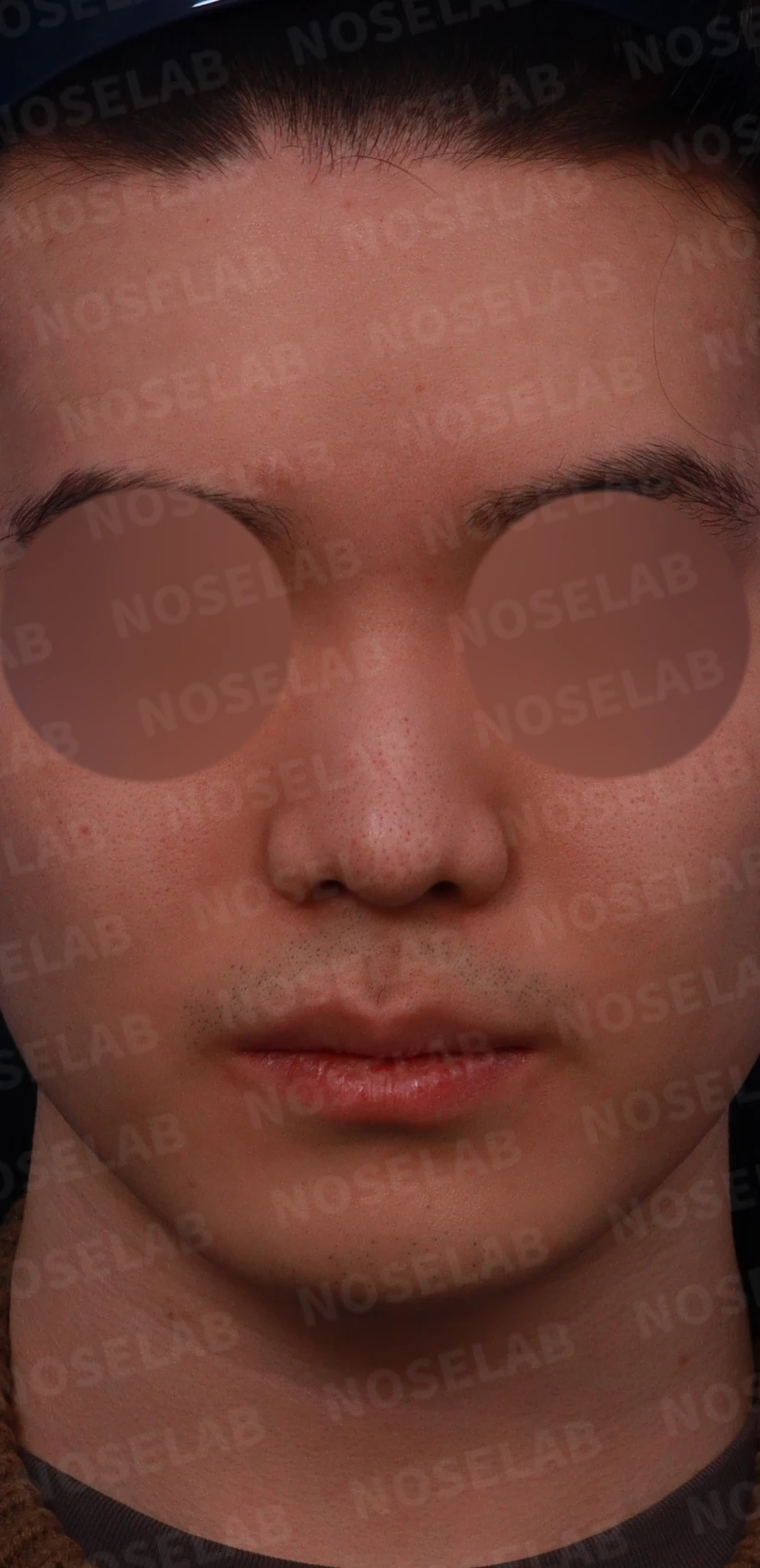
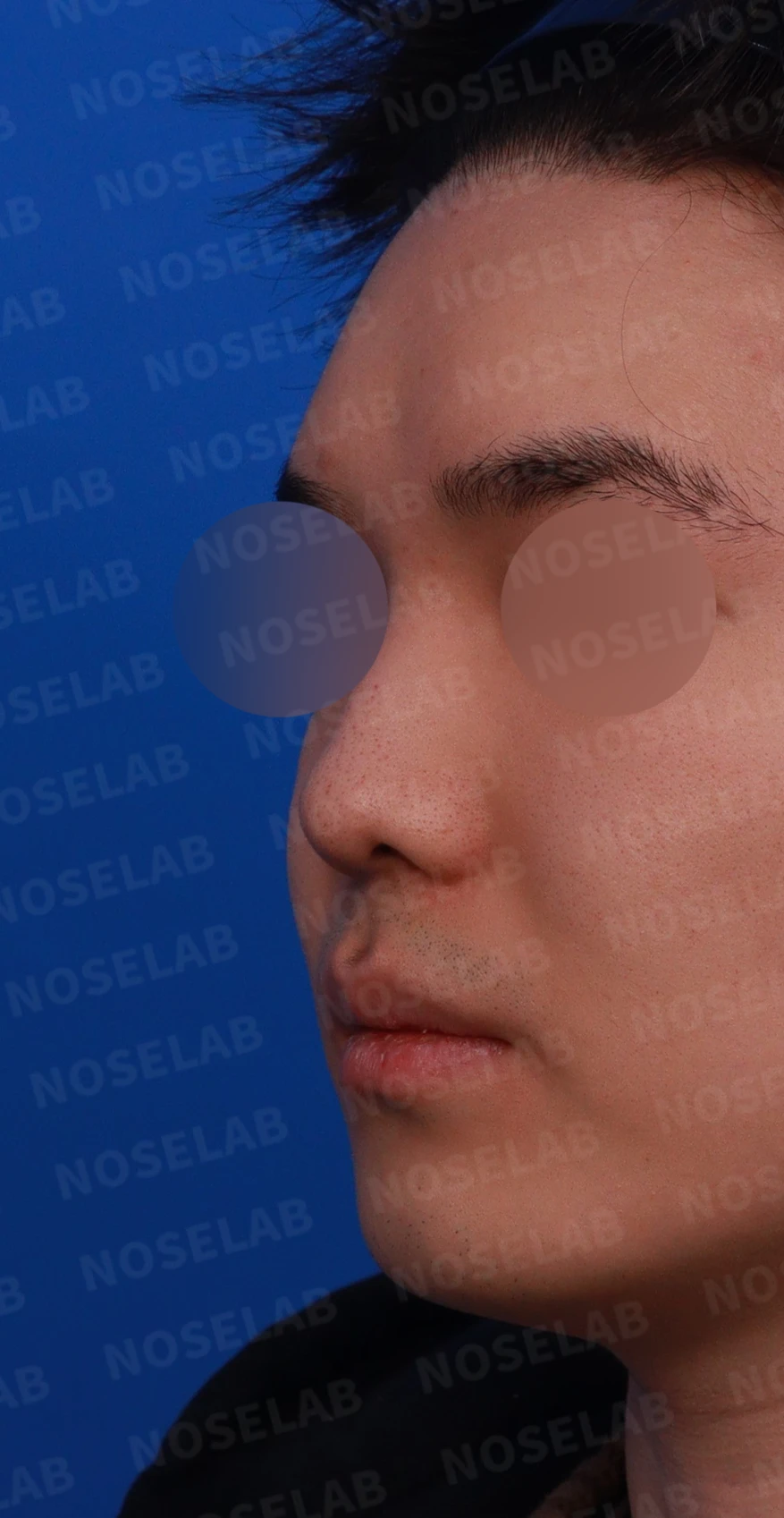
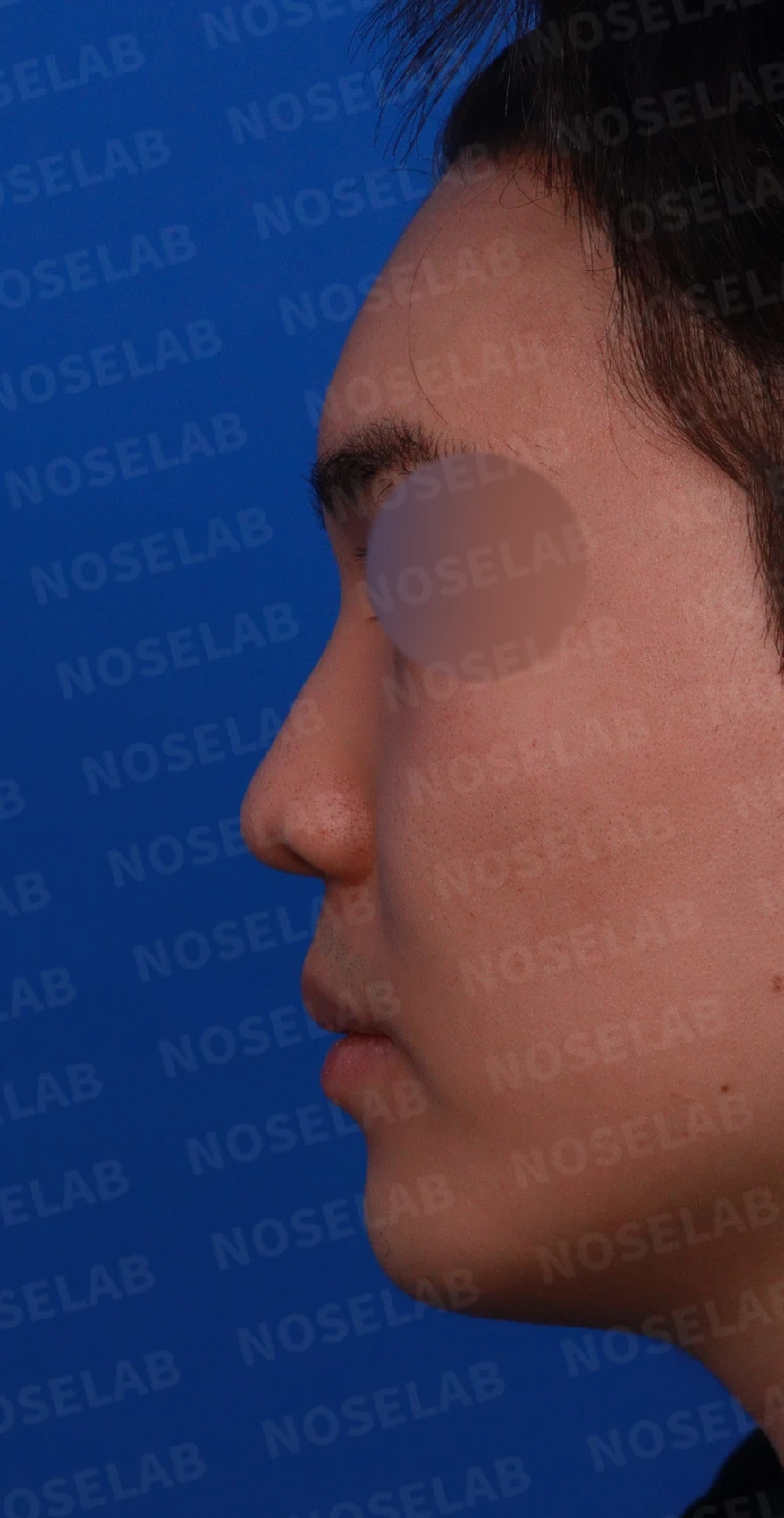
Design consultation: front, left oblique, and profile views.
💉 Patient's requests
An overall larger and higher nose
Visual improvement in the distance between the eyes
A clean, straight bridge line
A natural nose without being upturned
A natural appearance without looking operated on
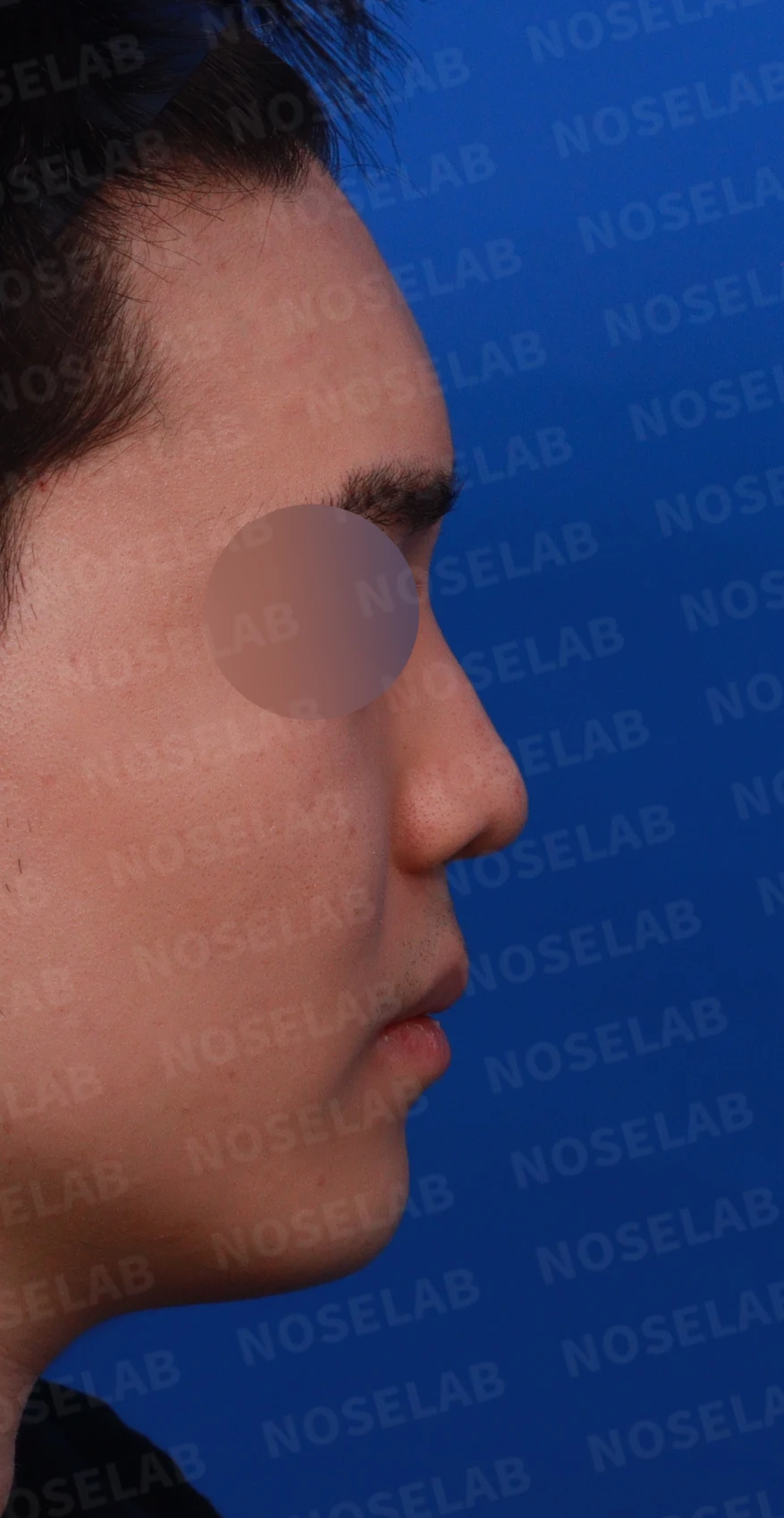
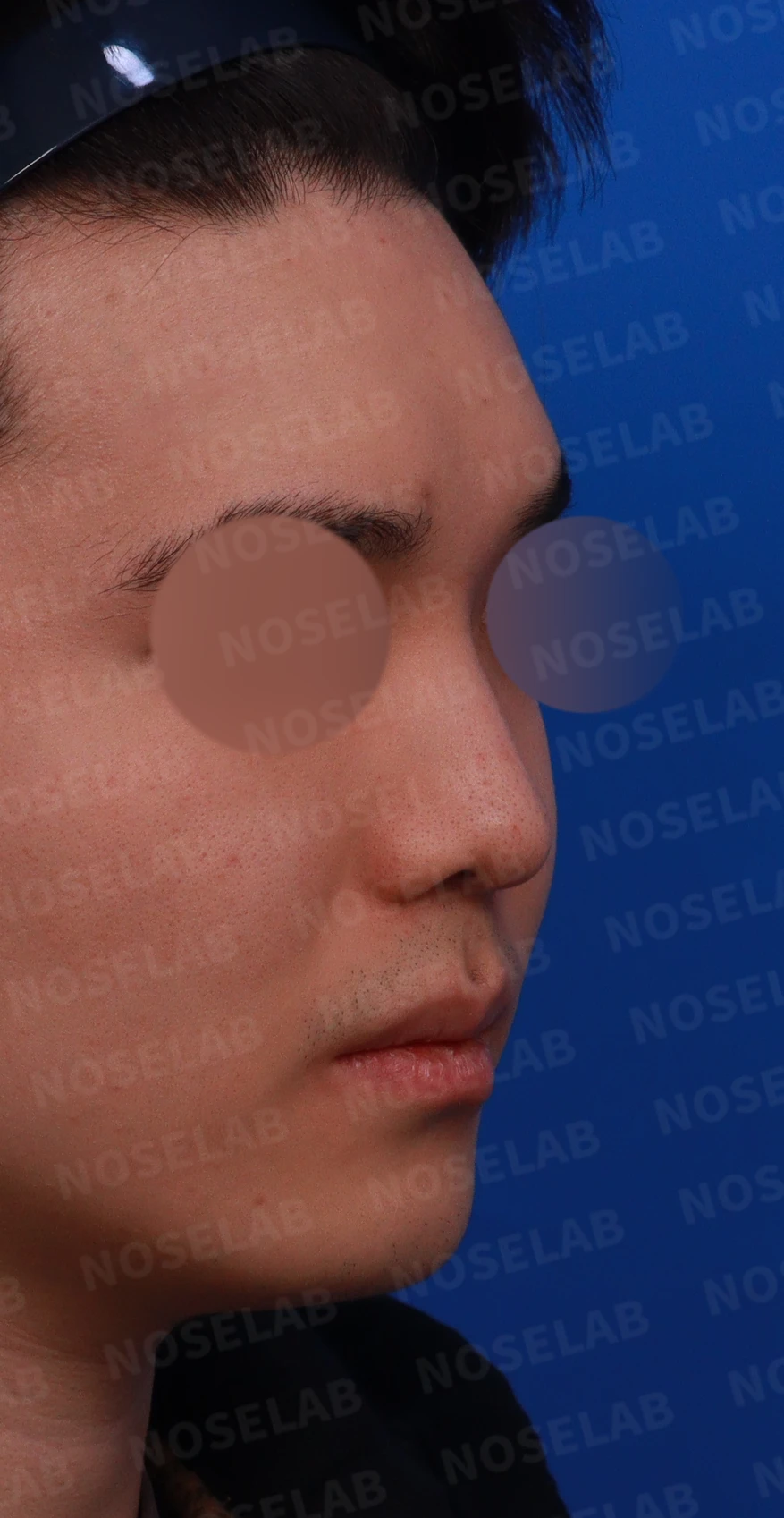
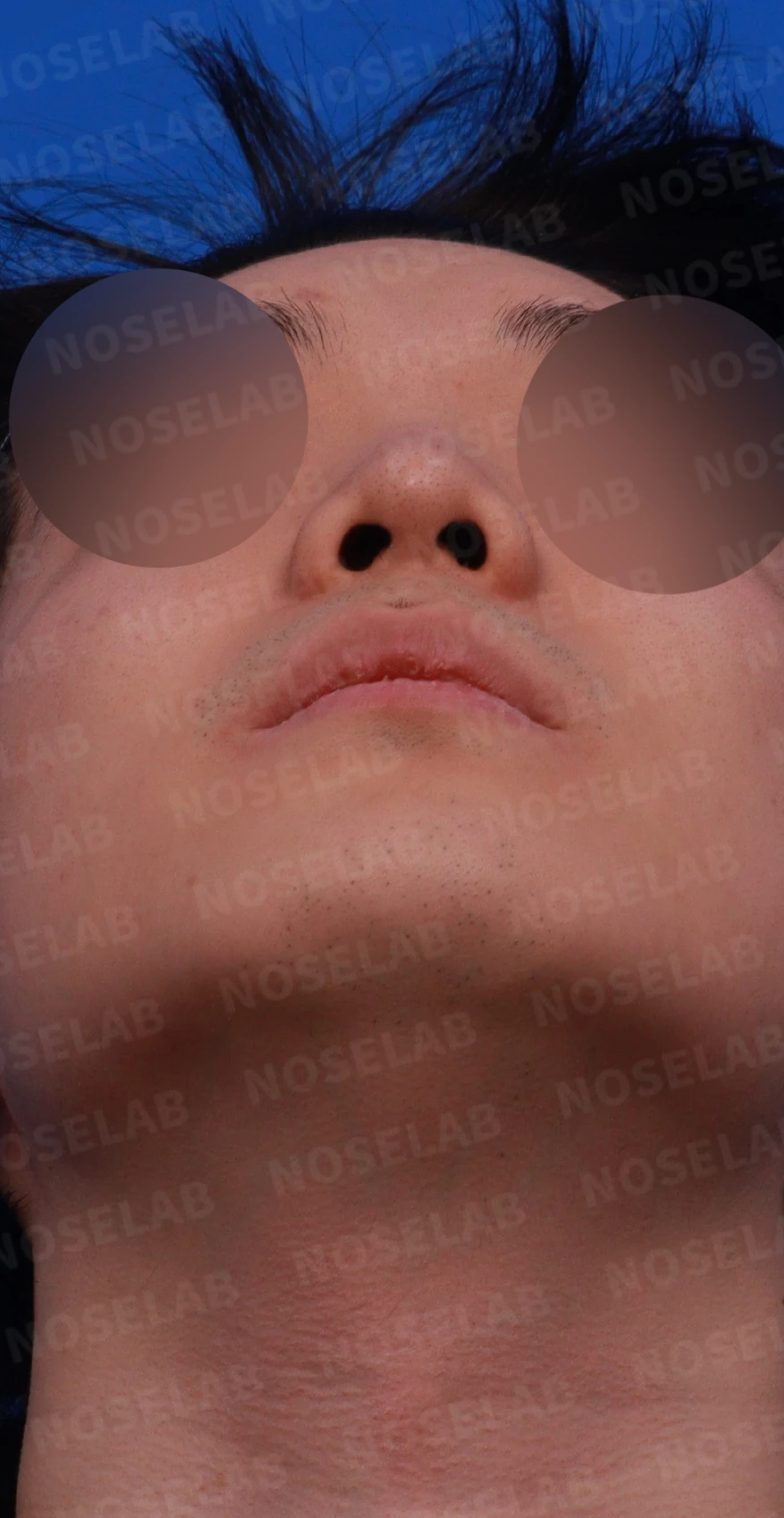
Right profile, oblique, and nostril views during design consultation.
🔧 Medical findings Nasal endoscopy results:
Left septal deviation
Bilateral inferior turbinate hypertrophy
Deviated septum
Hypertrophic rhinitis
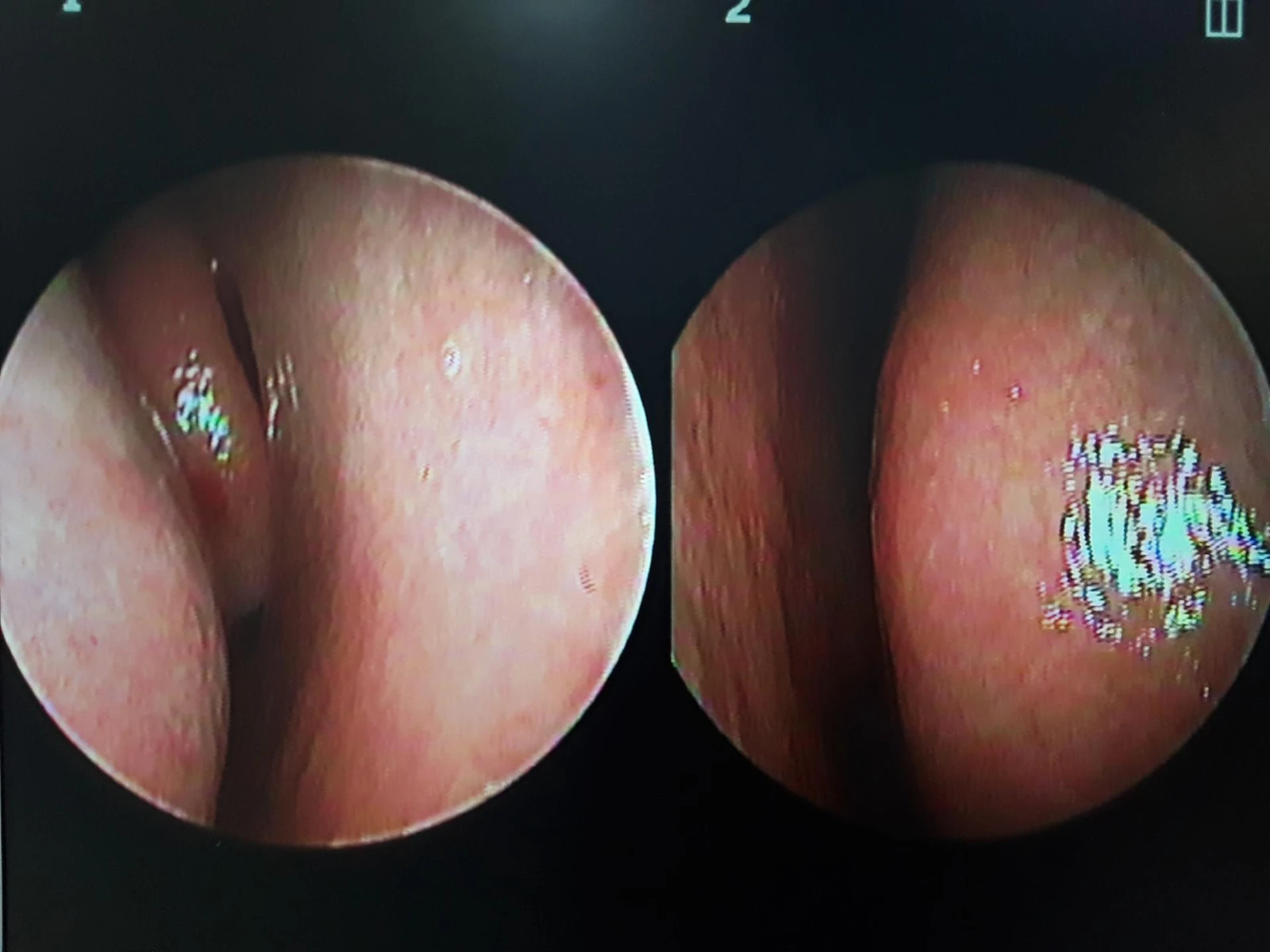
Nasal endoscopy photos: 1. Right side 2. Left side
💉 Surgical plan
Functional improvement
Septoplasty
Radiofrequency submucosal resection of the inferior turbinates
2. Foreign body removal
Complete removal of existing non-absorbable threads
Removal of grafted fat from the nasal bridge
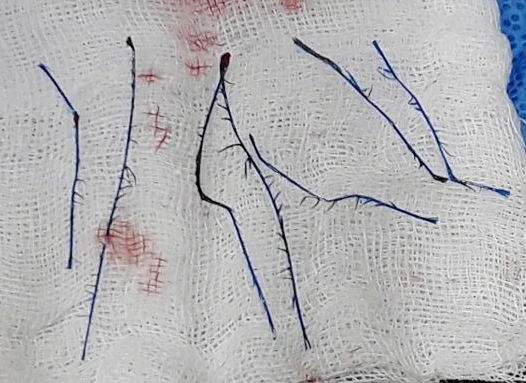
Photo of removed non-absorbable threads
3. Structural improvement
Building a stable structure using autologous rib cartilage
Delicate adjustments to establish a straight line
Adjustment to an appropriate height and size
🌟 Surgical results
Front view improvement
Widened appearance of the nose was improved
Improvement of crooked nose
Natural elevation
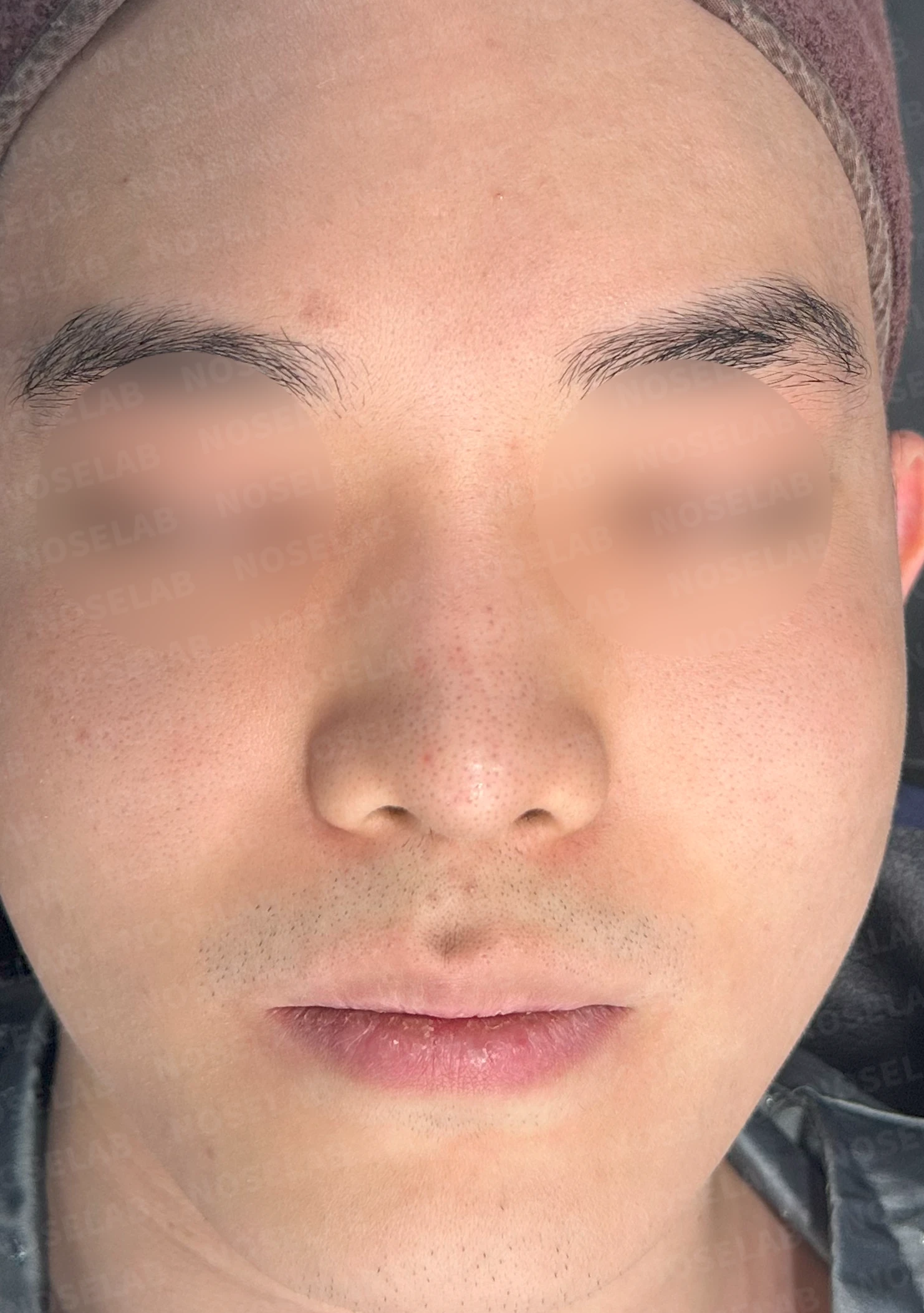
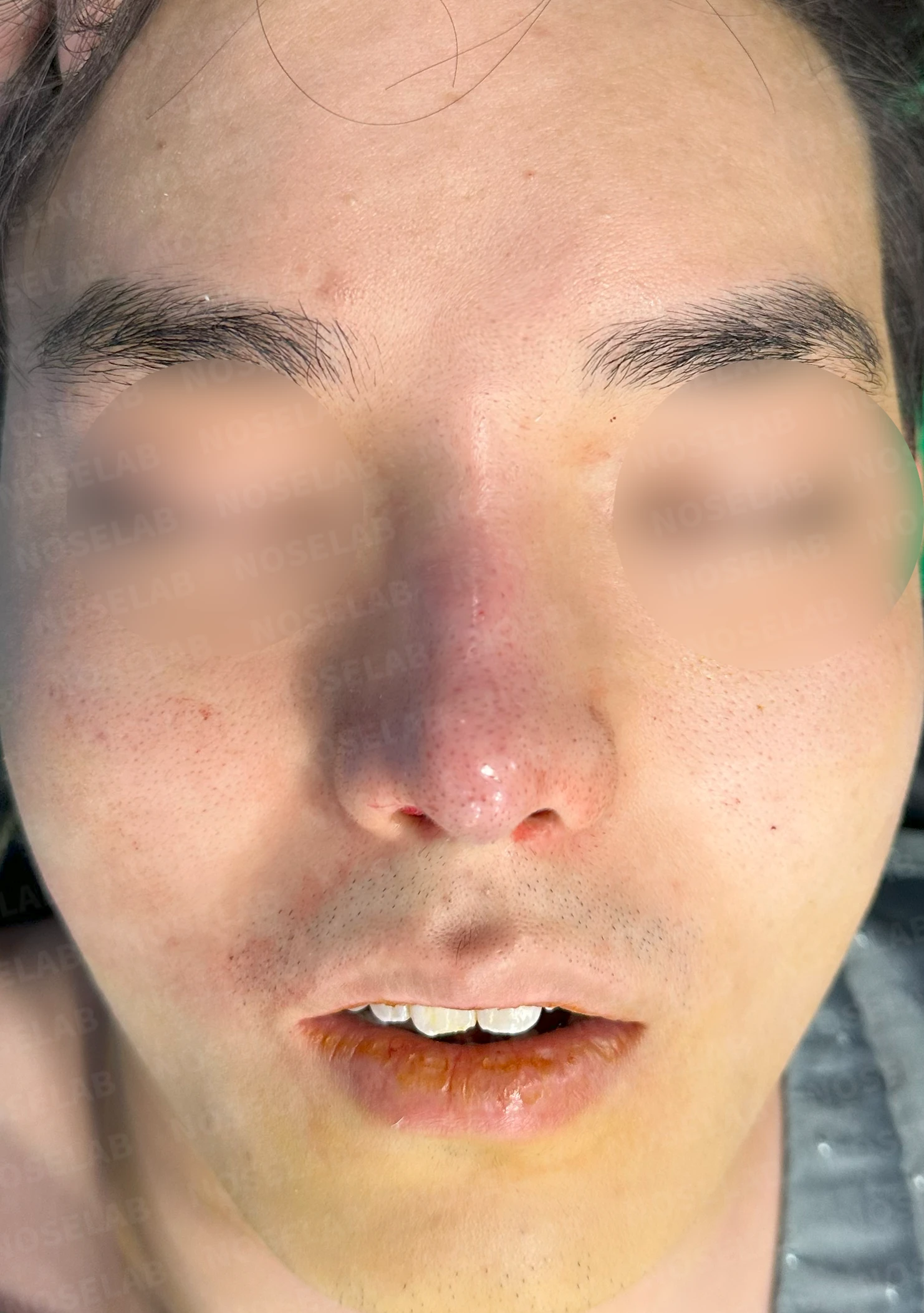
Before surgery / Day 0 immediately after surgery Photos taken immediately after surgery show swelling and may differ from the final result.
2. Oblique view improvement
Short nose lengthened to a natural proportion
Uneven contours along the dorsum were smoothed out
Natural elevation between the eyebrows
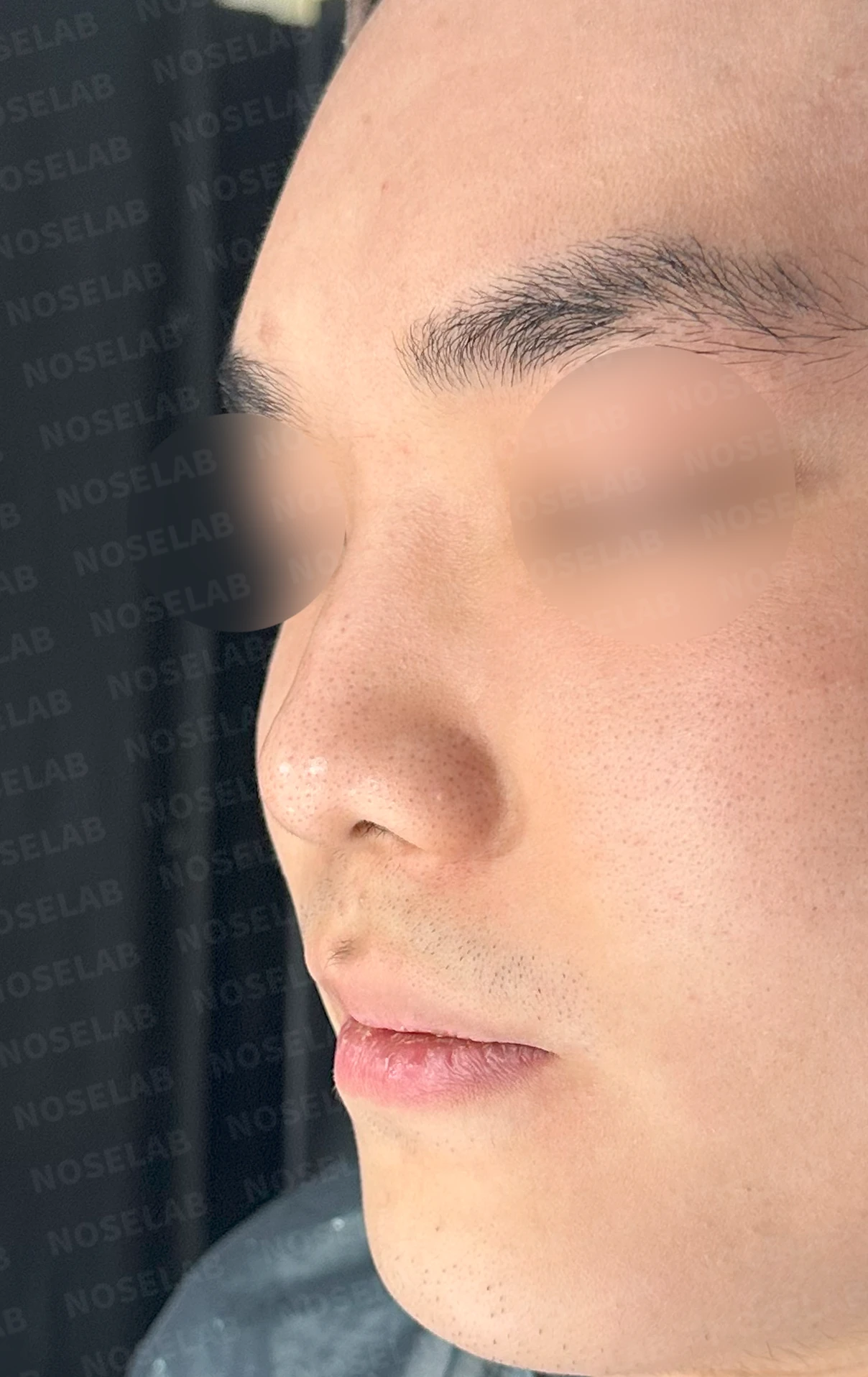
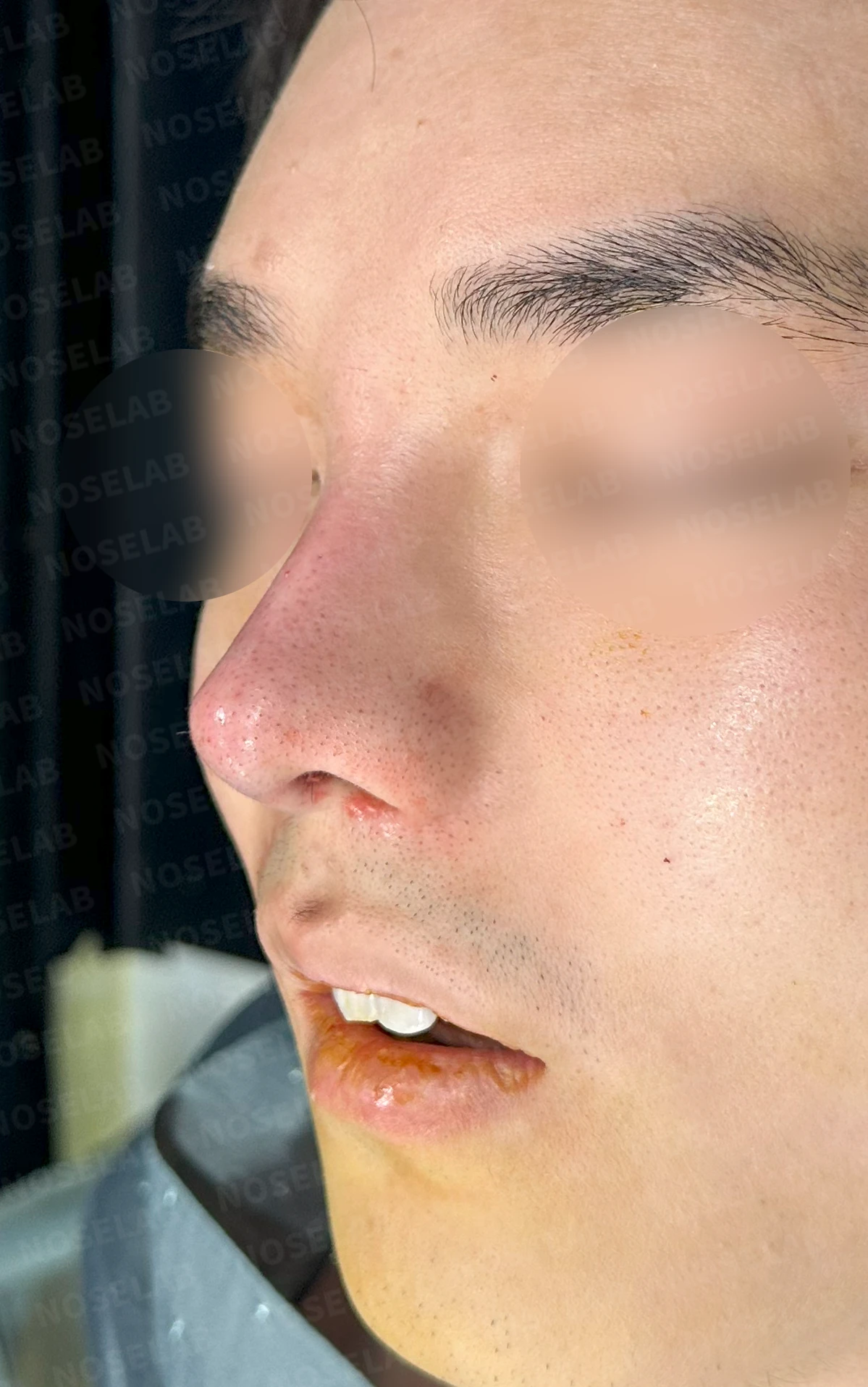
Before surgery / Day 0 immediately after surgery Photos taken immediately after surgery show swelling and may differ from the final result.
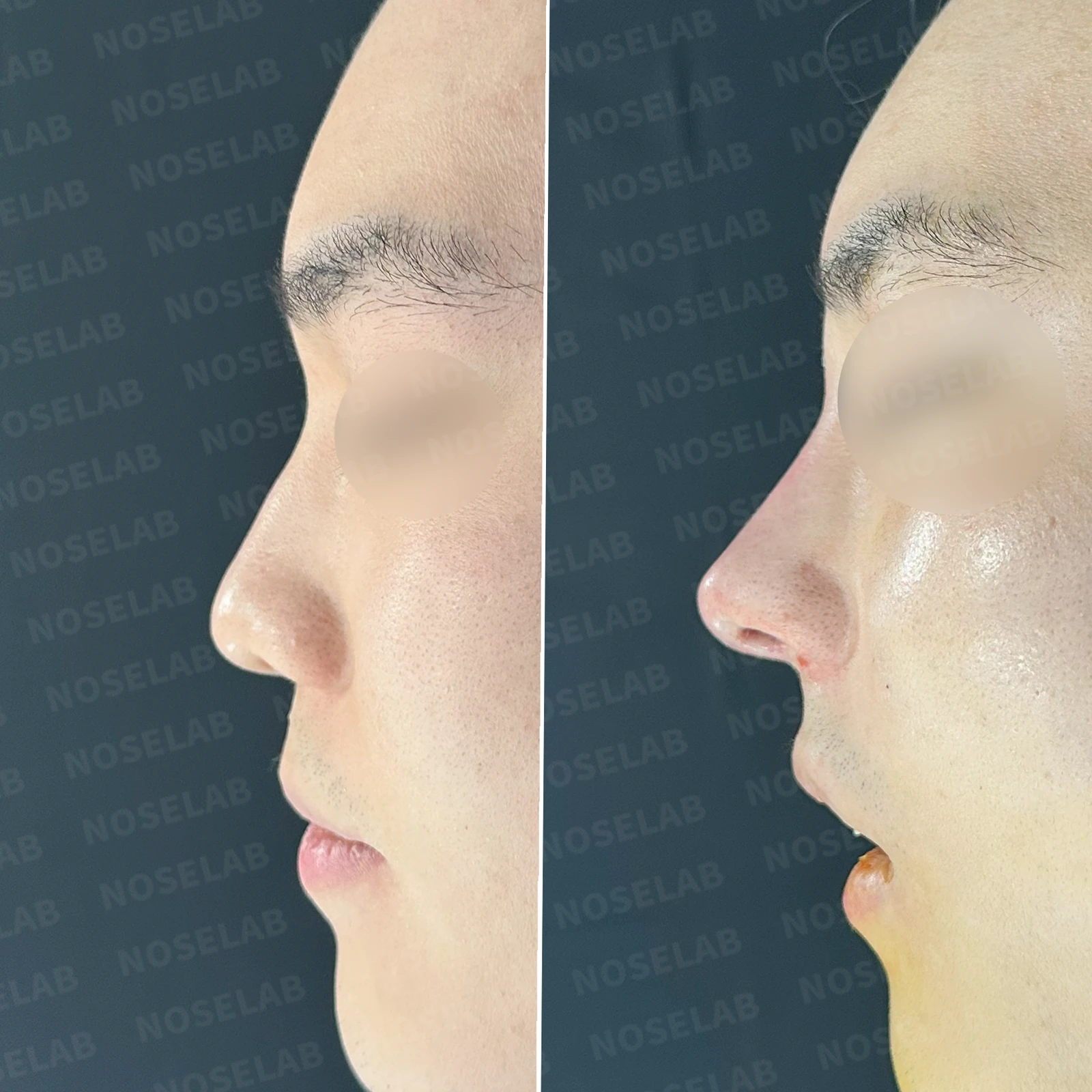
3. Profile view improvement
Nasal dorsum formed into a natural, straight line
Columella lowered to correct the nasolabial angle
Nasal bridge and nasal tip naturally elevated
Facial depth and dimension were created
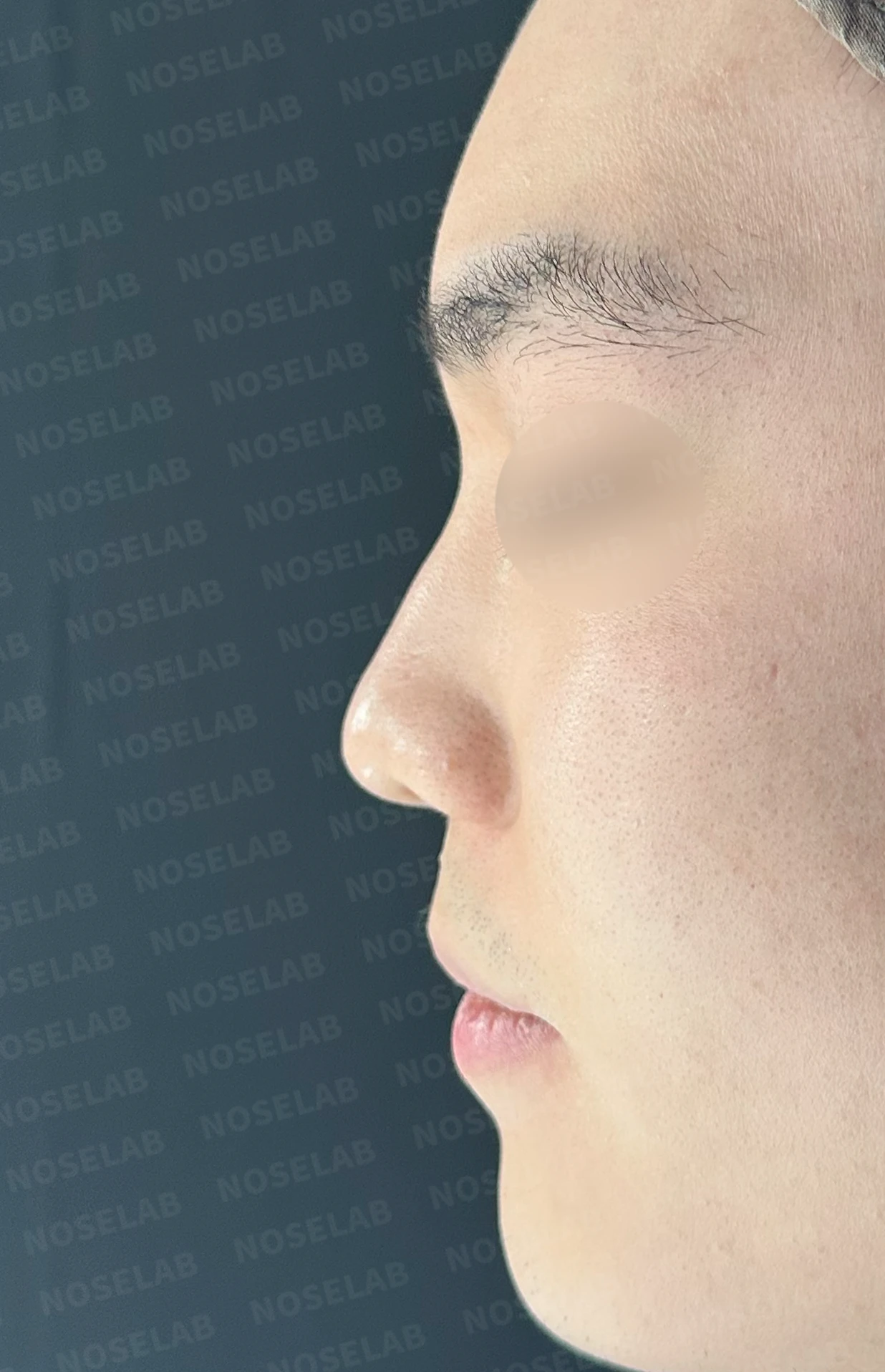
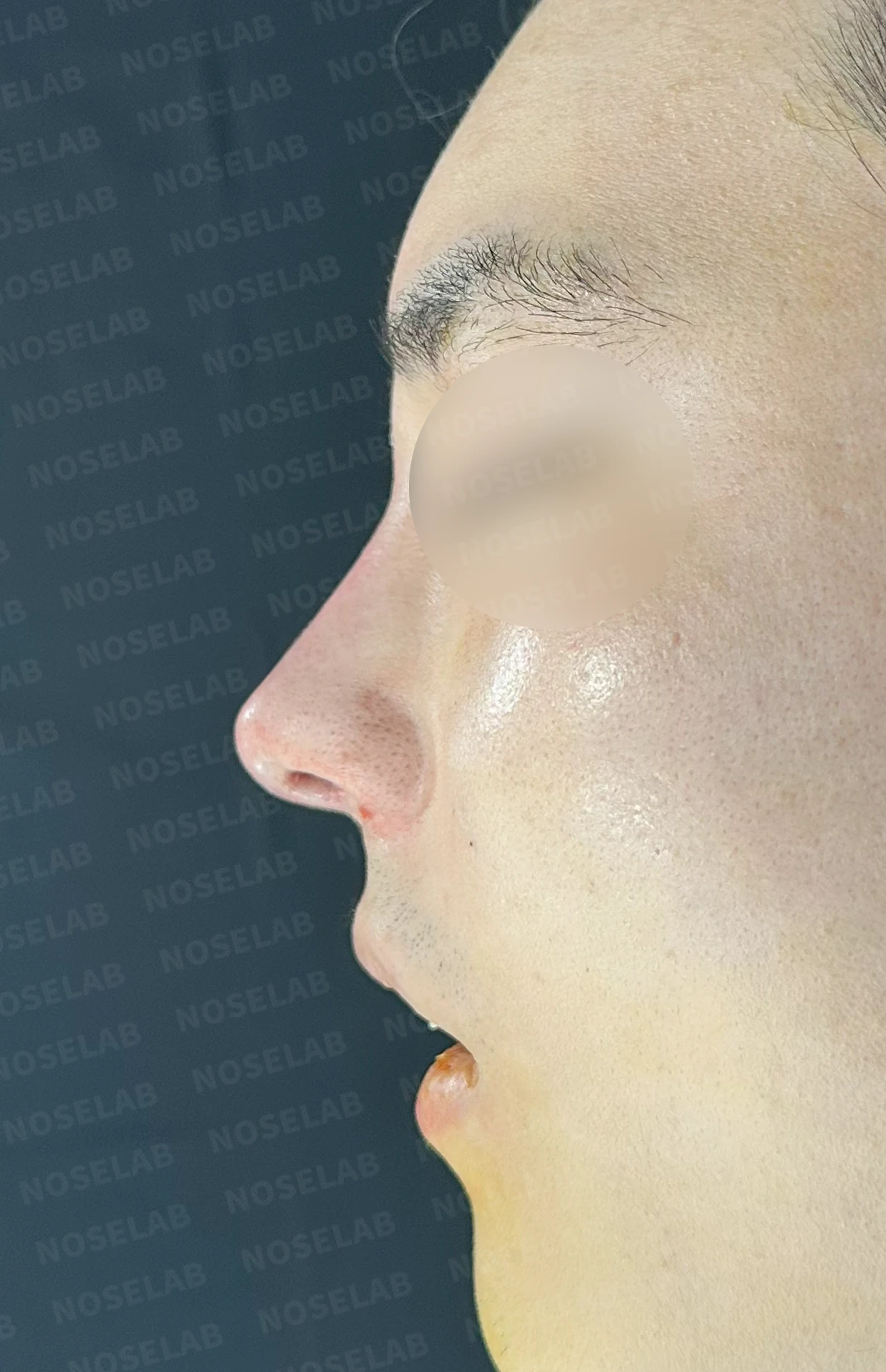
Before surgery / Day 0 immediately after surgery Photos taken immediately after surgery show swelling and may differ from the final result.
4. Nostril view improvement
Improved nostril asymmetry
Columella that appeared tilted to the left was straightened
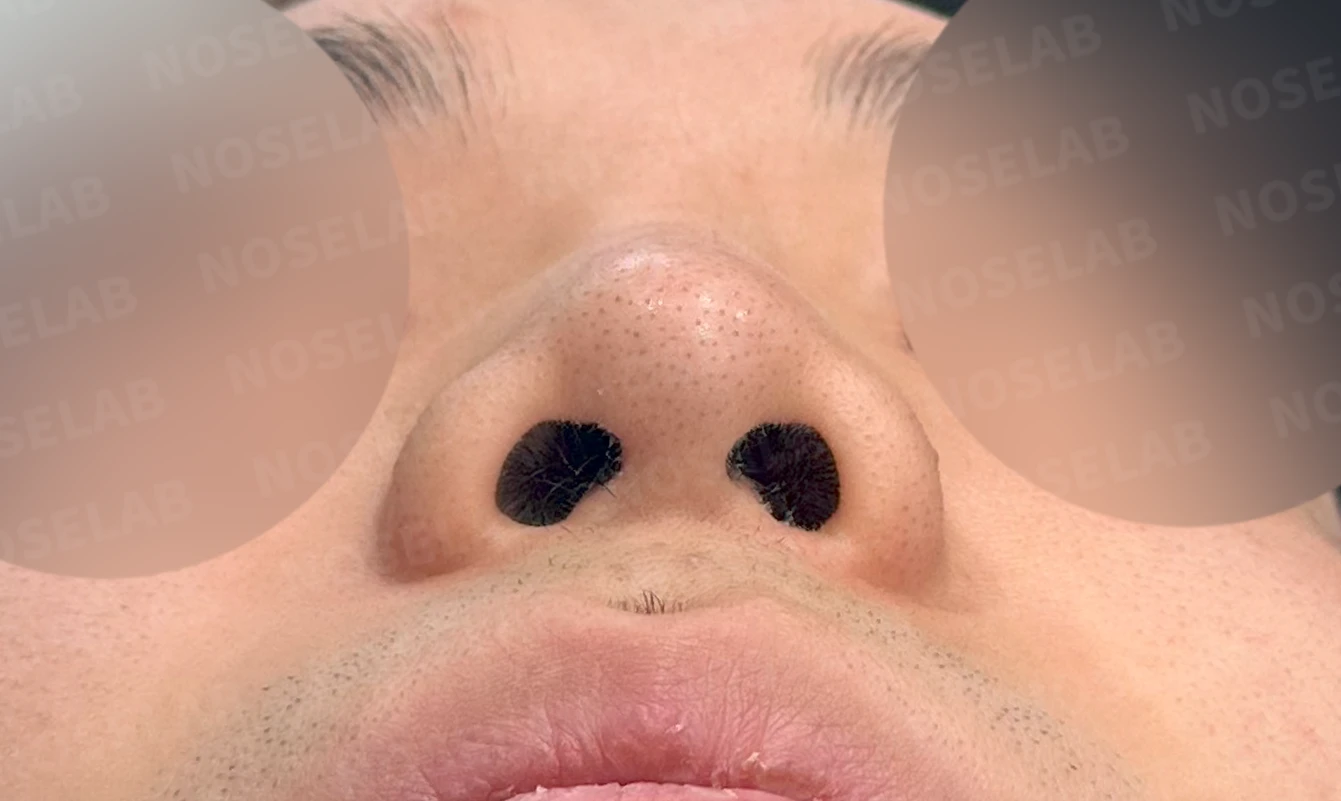
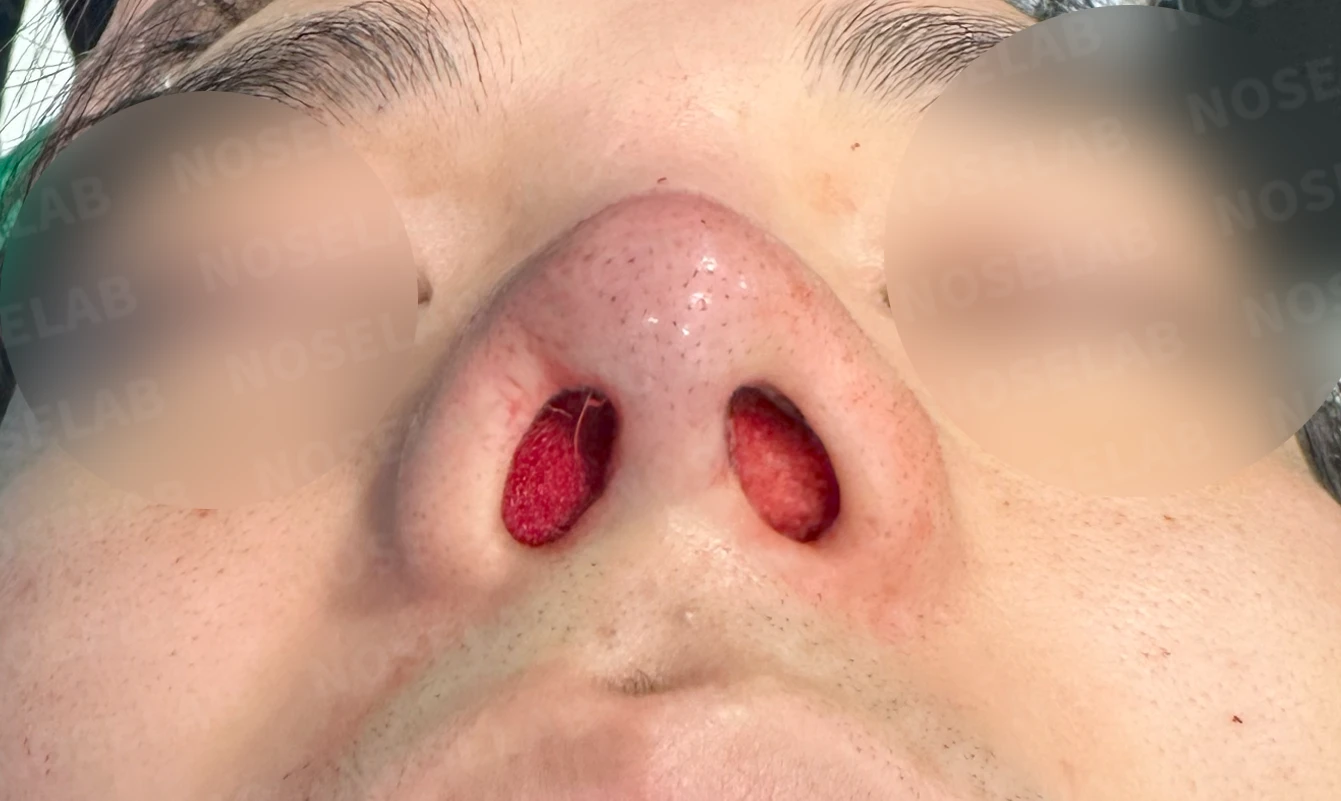
Before surgery / Day 0 immediately after surgery Photos taken immediately after surgery show swelling and may differ from the final result.
5. Functional improvement
Relief of nasal obstruction
Improved breathing function
Alleviation of rhinitis symptoms
5. Overall changes
Distance between the eyes appears more natural
A natural line without an operated appearance
A stable nasal tip that is not upturned
💡 Specialist opinion
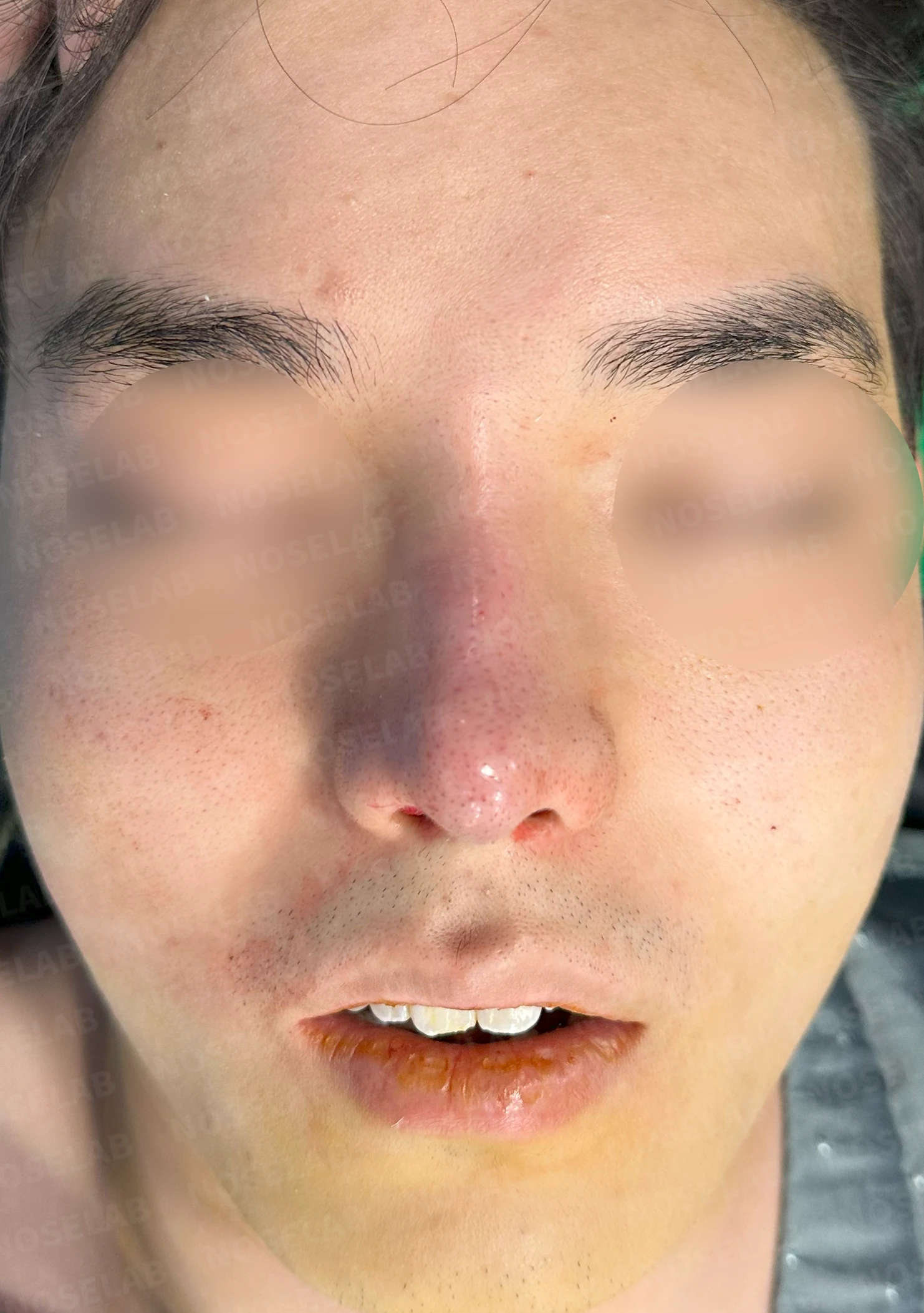
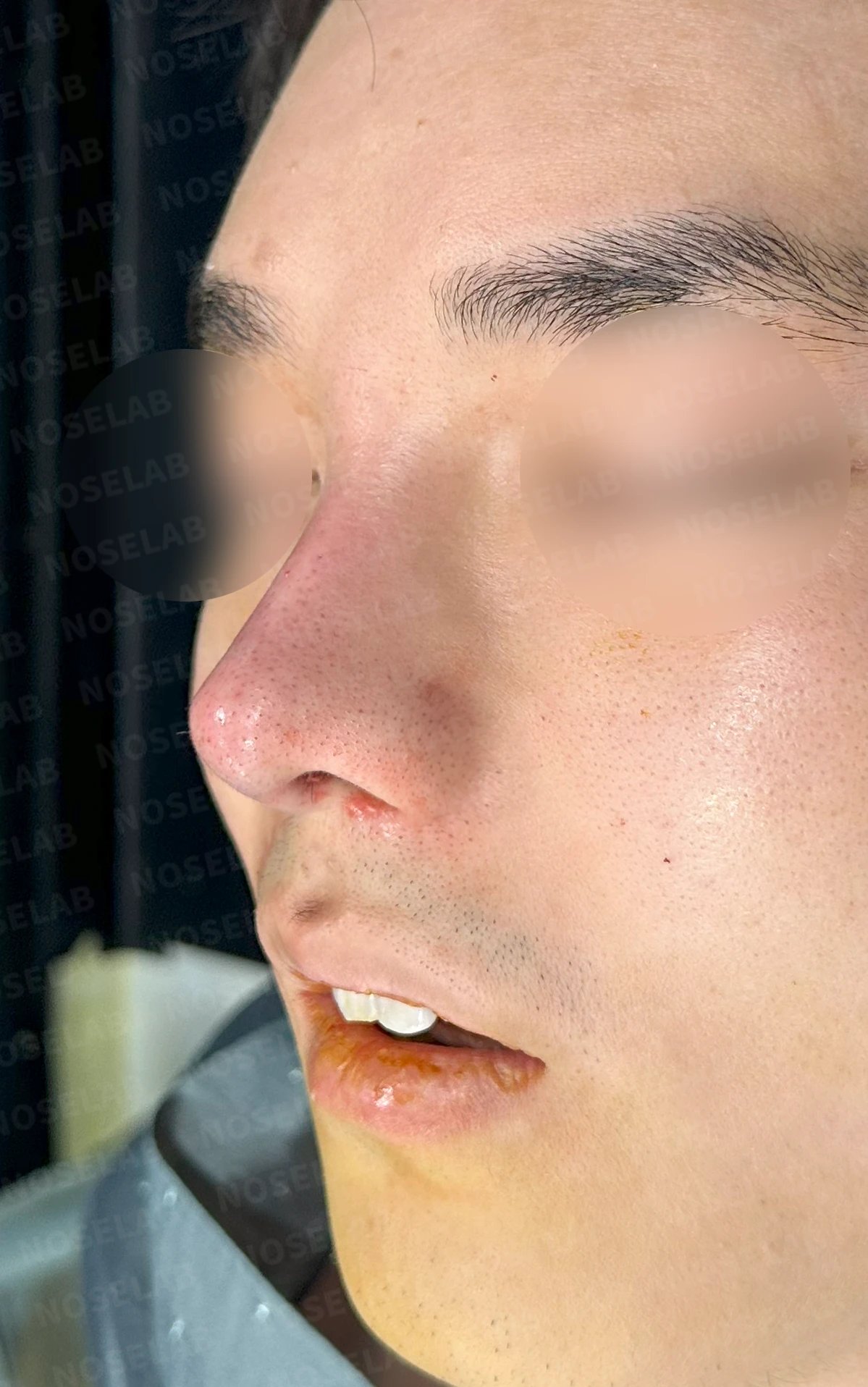
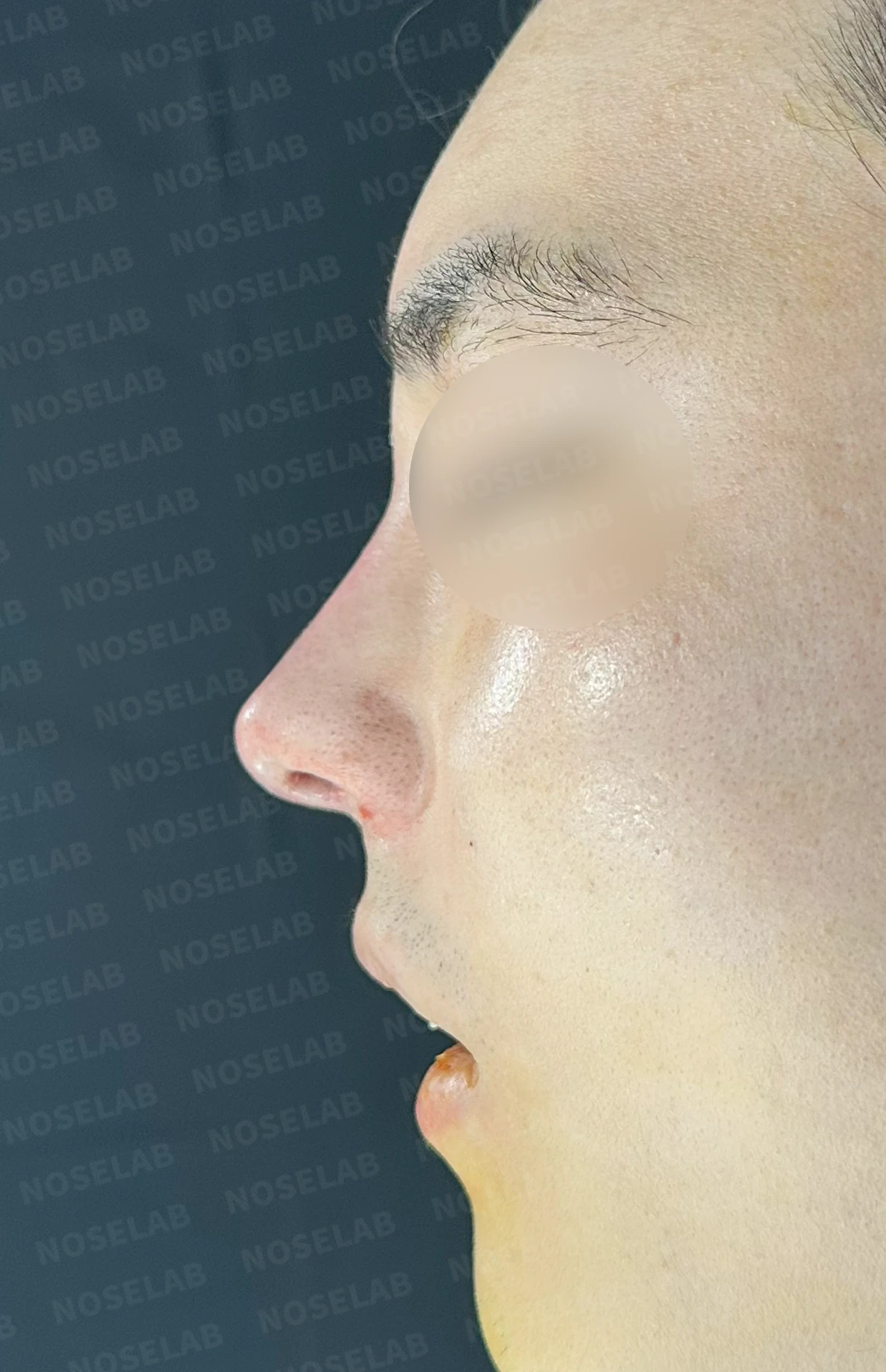
Front, oblique, and profile views on day 0 immediately after surgery. Photos taken immediately after surgery show swelling and may differ from the final result.
Nostril view on day 0 immediately after surgery. Photos taken immediately after surgery show swelling and may differ from the final result.
This case addressed both the aesthetic dissatisfaction from nasal fat grafting and thread lifting while meeting the functional need of relieving nasal obstruction. Although the patient had concerns about using rib cartilage, skilled technique and meticulous care helped keep pain to a minimum and achieve a stable outcome.
Rhinoplasty goes beyond simply changing height or shape; it must take into account overall facial harmony.
In this type of case as well, refining the nose produced a visual improvement in the balance between the eyes.
I will continue to provide customized surgery that carefully addresses each patient's detailed needs and concerns.
This was Dr. Peter C. Kang. Thank you.
Thank you.
#closedrhinoplasty #rhinoplastyreview #nasalfatgrafting #threadremoval #nasalobstructionrelief #rhinitissurgery #naturalnose #dorsumelevation #customrhinoplasty

Limitations and risks
When autologous rib cartilage is used, scarring and pain may remain at the donor site on the chest, and pneumothorax (pleural injury) can occur rarely. Over time, the grafted cartilage may warp or undergo partial resorption.
When foreign materials such as injected fillers are removed and reconstructed, contracture may recur, nasal height and length may decrease, and staged surgery may be necessary depending on the skin condition.
When the septum is corrected at the same time, nasal obstruction may persist or recur, and in rare cases, septal perforation or changes in smell may occur.
Common potential risks include infection, bleeding, asymmetry, scarring, skin necrosis, and insufficient improvement; results vary depending on individual skin condition and previous surgical history.