Hello.
I am Dr. Peter C. Kang, medical director.
Today, I will discuss a patient who visited our clinic seeking correction for an overall wide-looking, bulbous nose.
Preoperative consultation
From my perspective, the baseline shape of the nose was not bad. It was a typical, average nose. However, adjusting minor details—such as the bulbousness, the wide appearance, the impression of a protruding mouth, and the flat nasal bridge—can make a substantial difference.
The patient preferred a natural yet slightly defined look, so I aimed to refine the shape as slim as safely possible without putting excessive strain on the tissues.
Correction of a bulbous nose
Surgical plan
To improve the flat, wide appearance of the nasal bridge, lateral osteotomy was planned.
Because the patient's skin at the nasal tip was not thick, the plan was to elevate the tip without allowing cartilage show-through. Since septal cartilage was expected to be insufficient, we also planned to actively consider using donor rib cartilage.
Because the protruding mouth significantly influenced the patient's overall facial impression, we focused on naturally refining the nasolabial angle while lowering the columella.
We also planned to reduce the wide nasal tip and address nostril asymmetry.
Before surgery vs. immediately after surgery
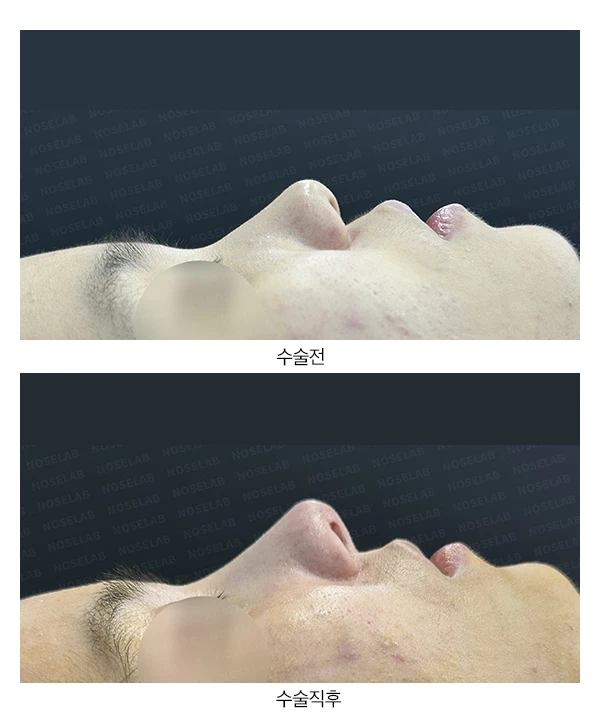
Let us compare the preoperative photos with the photos immediately after surgery (Day 0).Immediate postoperative photos show swelling and may differ from the final result.
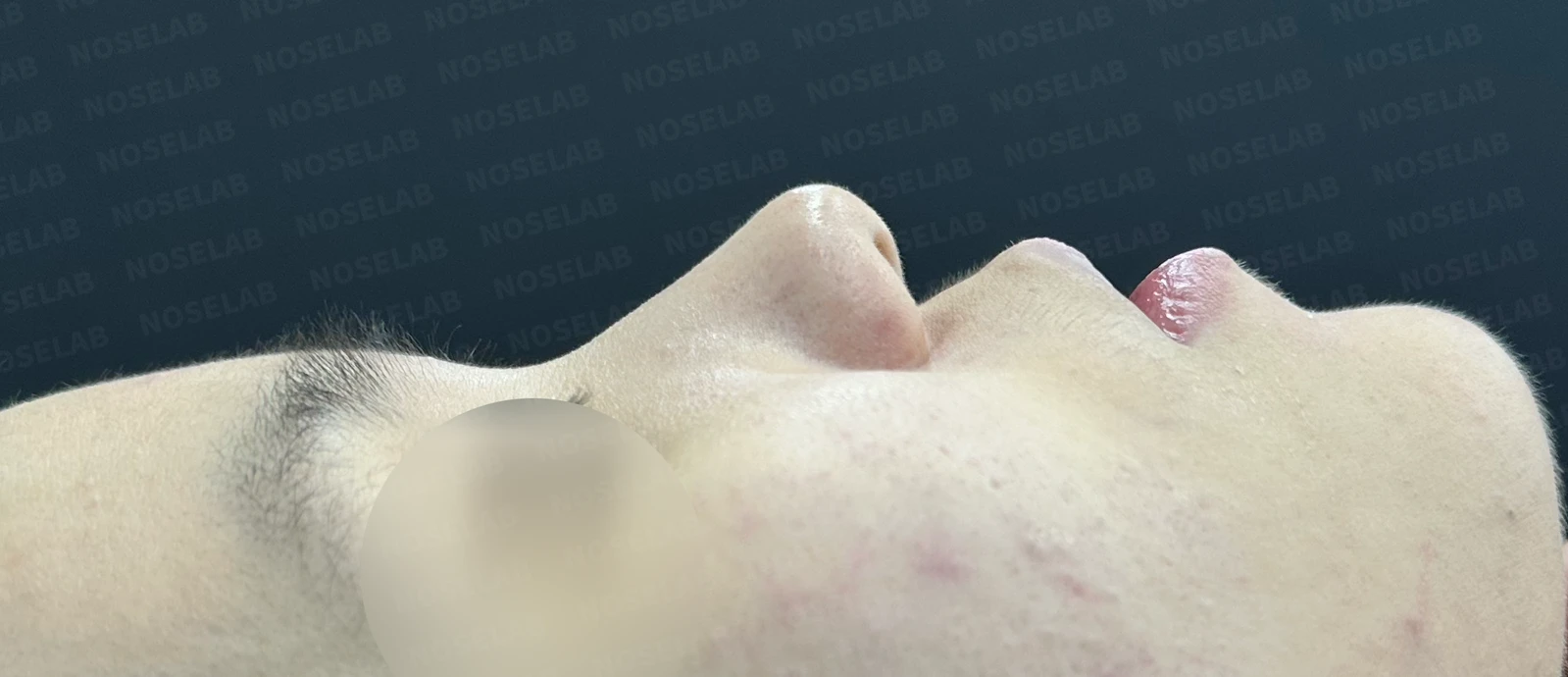
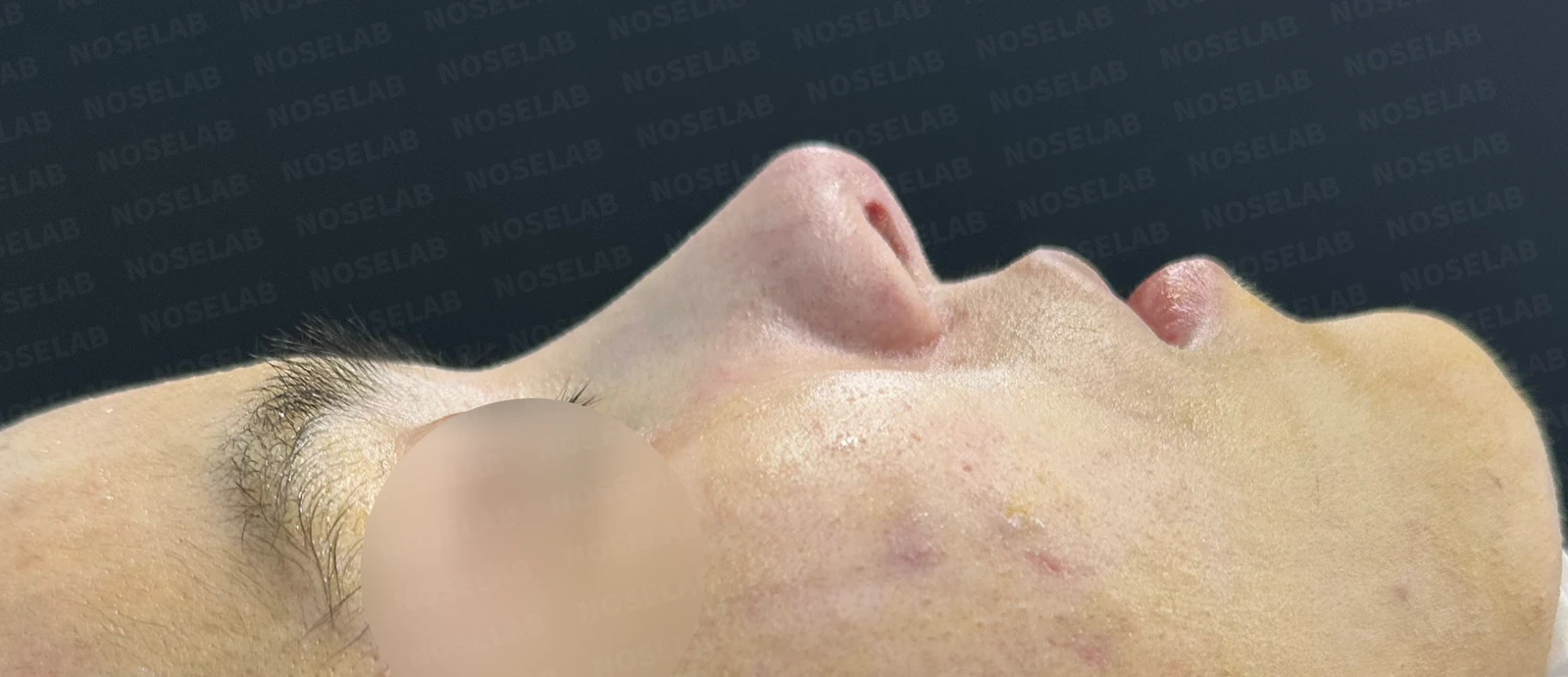
Before surgery / Day 0 immediately after surgery Photos taken immediately after surgery show swelling and may differ from the final result.
On the profile view, the nasal tip is elevated, and the bulbous appearance has resolved. The columella has been lowered slightly, and as the nasolabial angle became more natural, the protruding mouth appears improved.
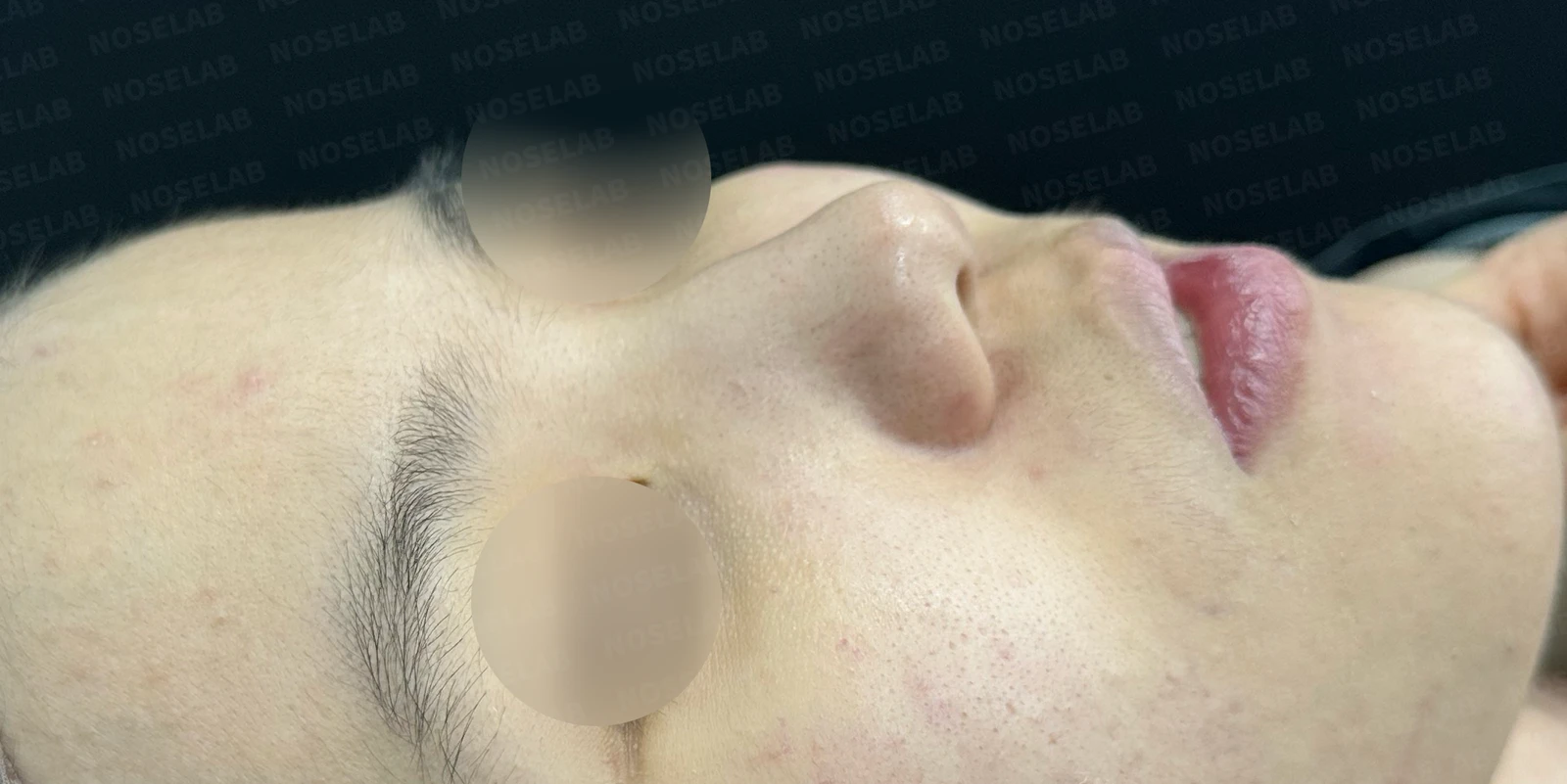
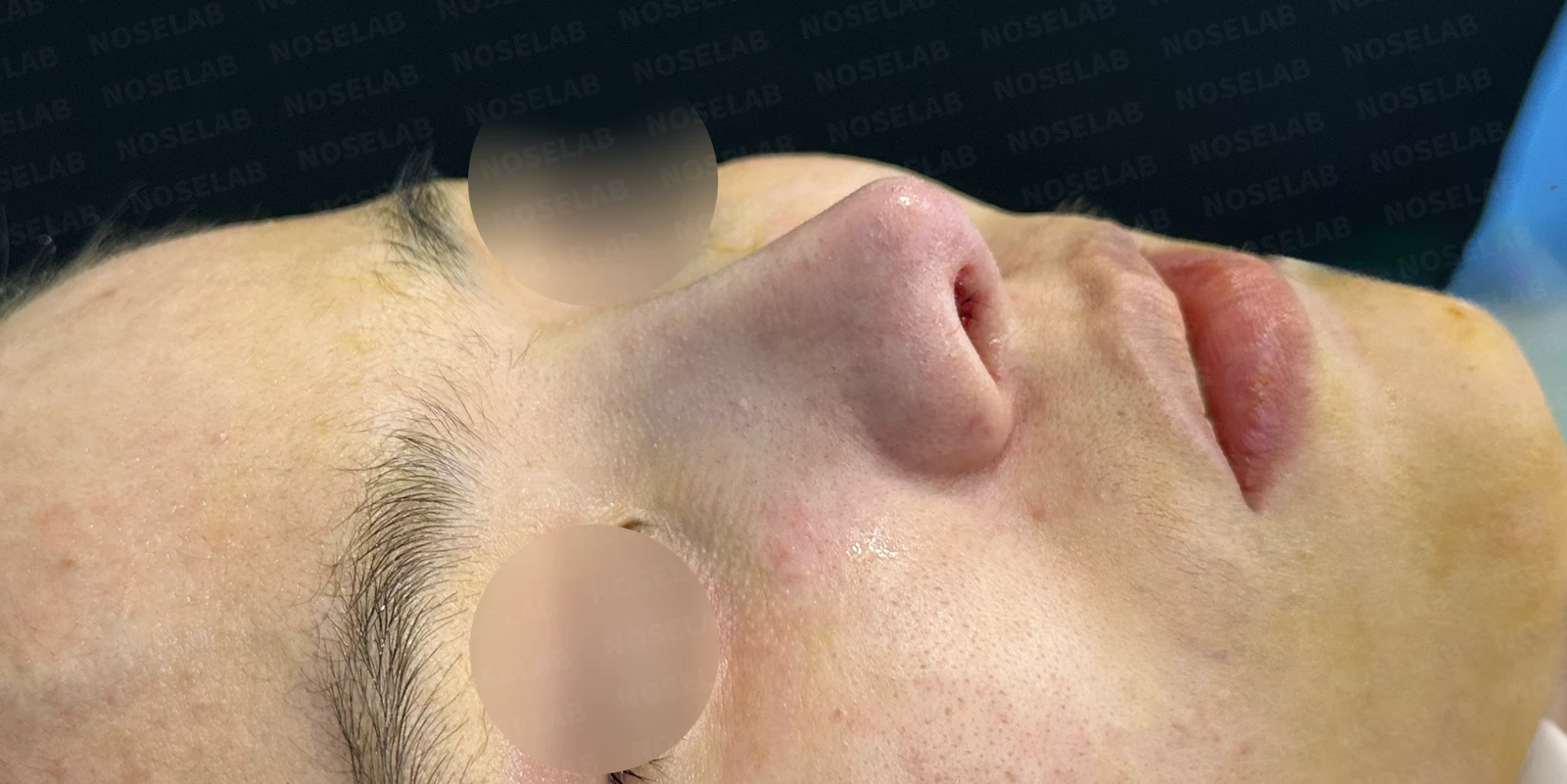
Before surgery / Day 0 immediately after surgery Photos taken immediately after surgery show swelling and may differ from the final result.
On the oblique view, the nasal bridge line appears much clearer and more defined.
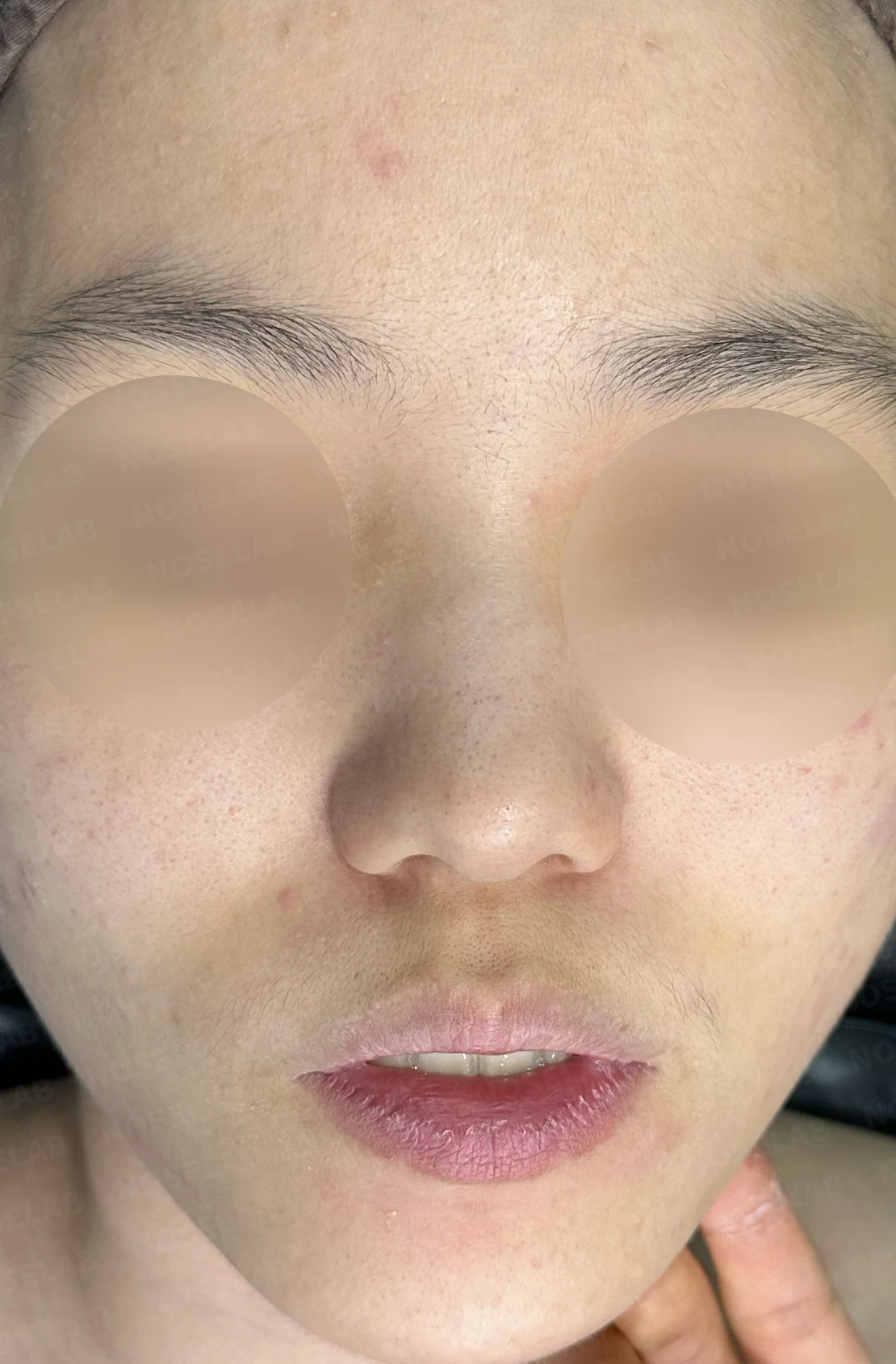
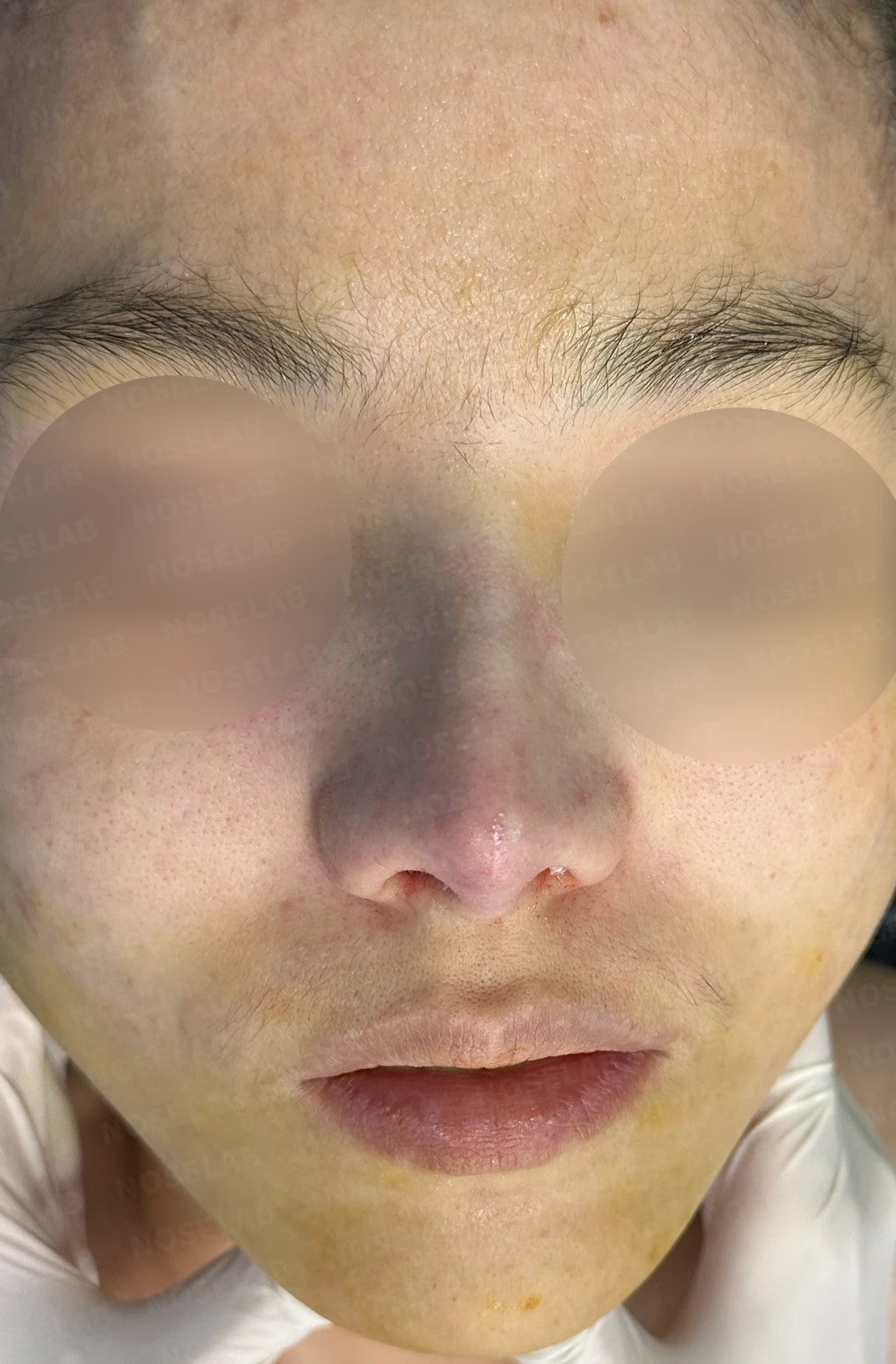
Before surgery / Day 0 immediately after surgery Photos taken immediately after surgery show swelling and may differ from the final result.
On the front view, the areas that previously appeared wide have been brought together, and the nasal tip looks much more defined.
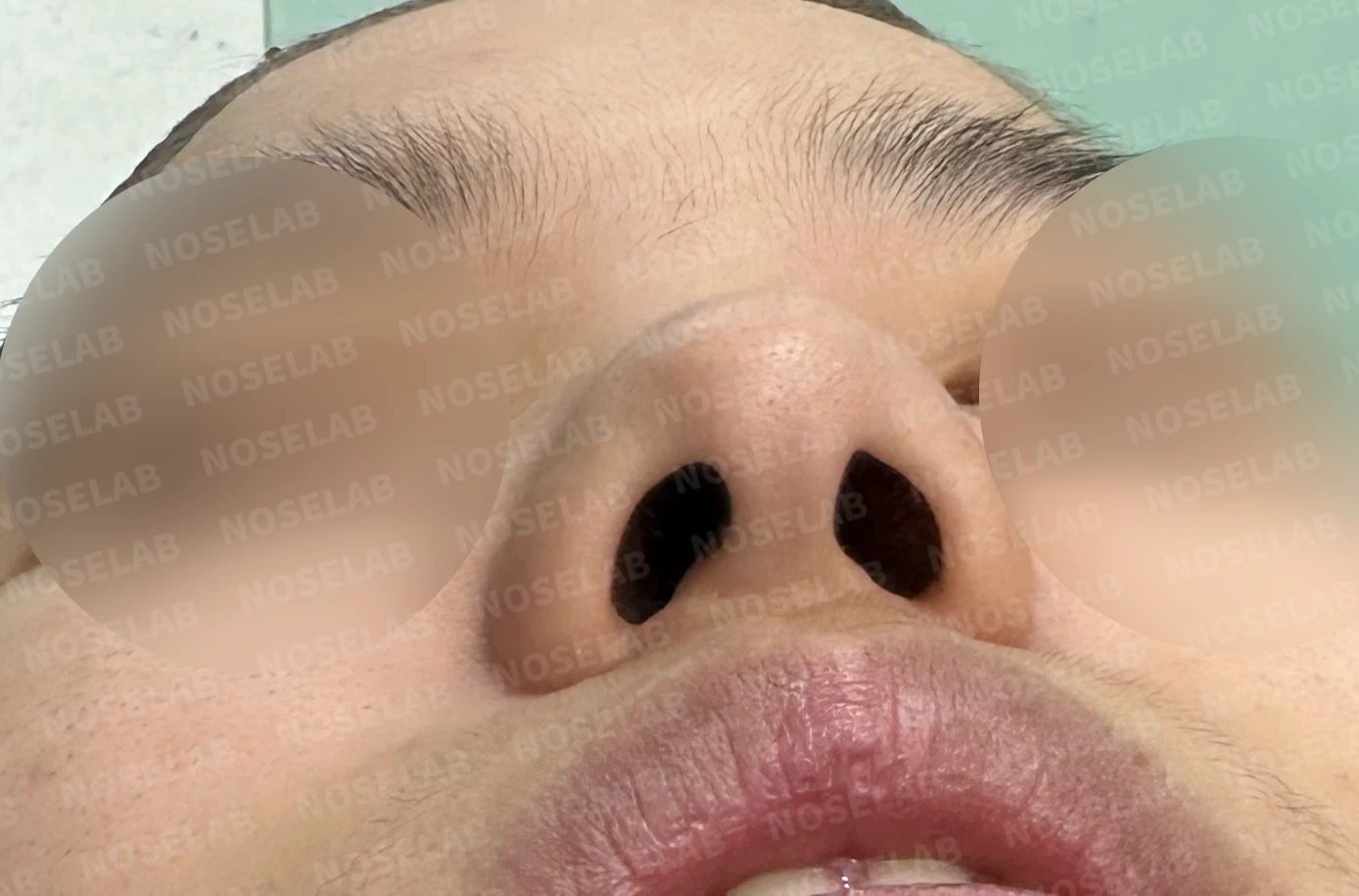
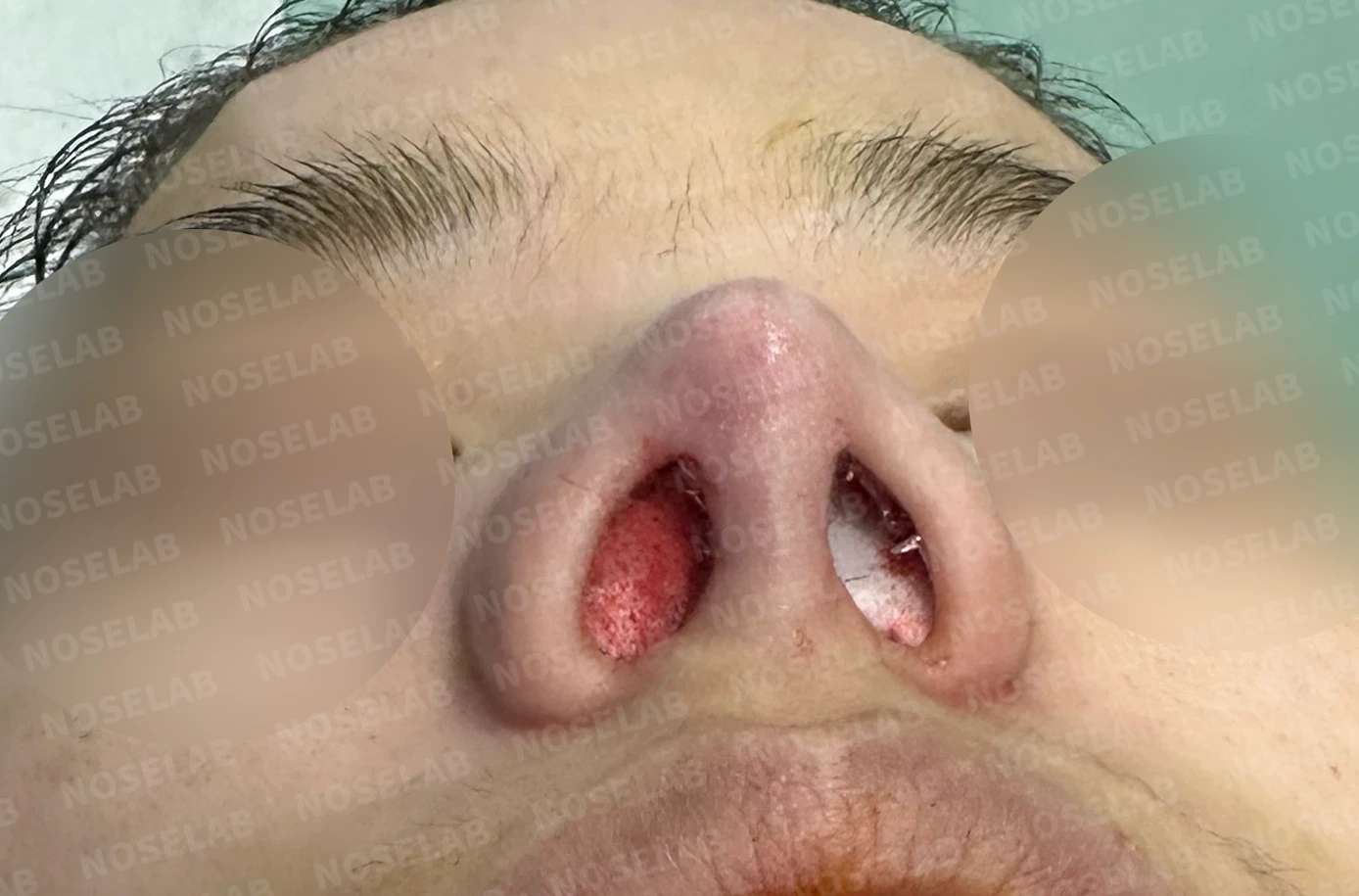
Before surgery / Day 0 immediately after surgery Photos taken immediately after surgery show swelling and may differ from the final result.
The previously wide nasal tip shows noticeable improvement, and the nostril asymmetry has also been corrected.
Photos immediately after surgery
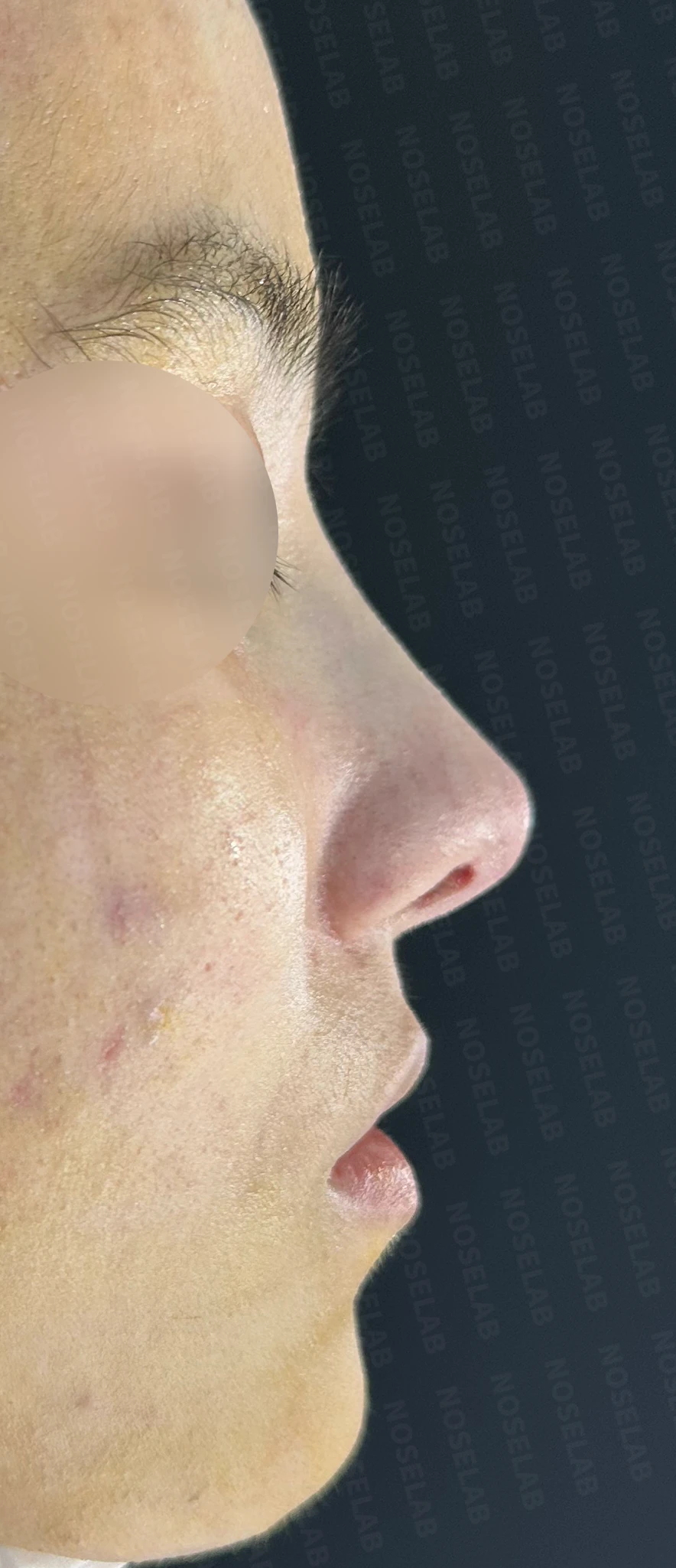
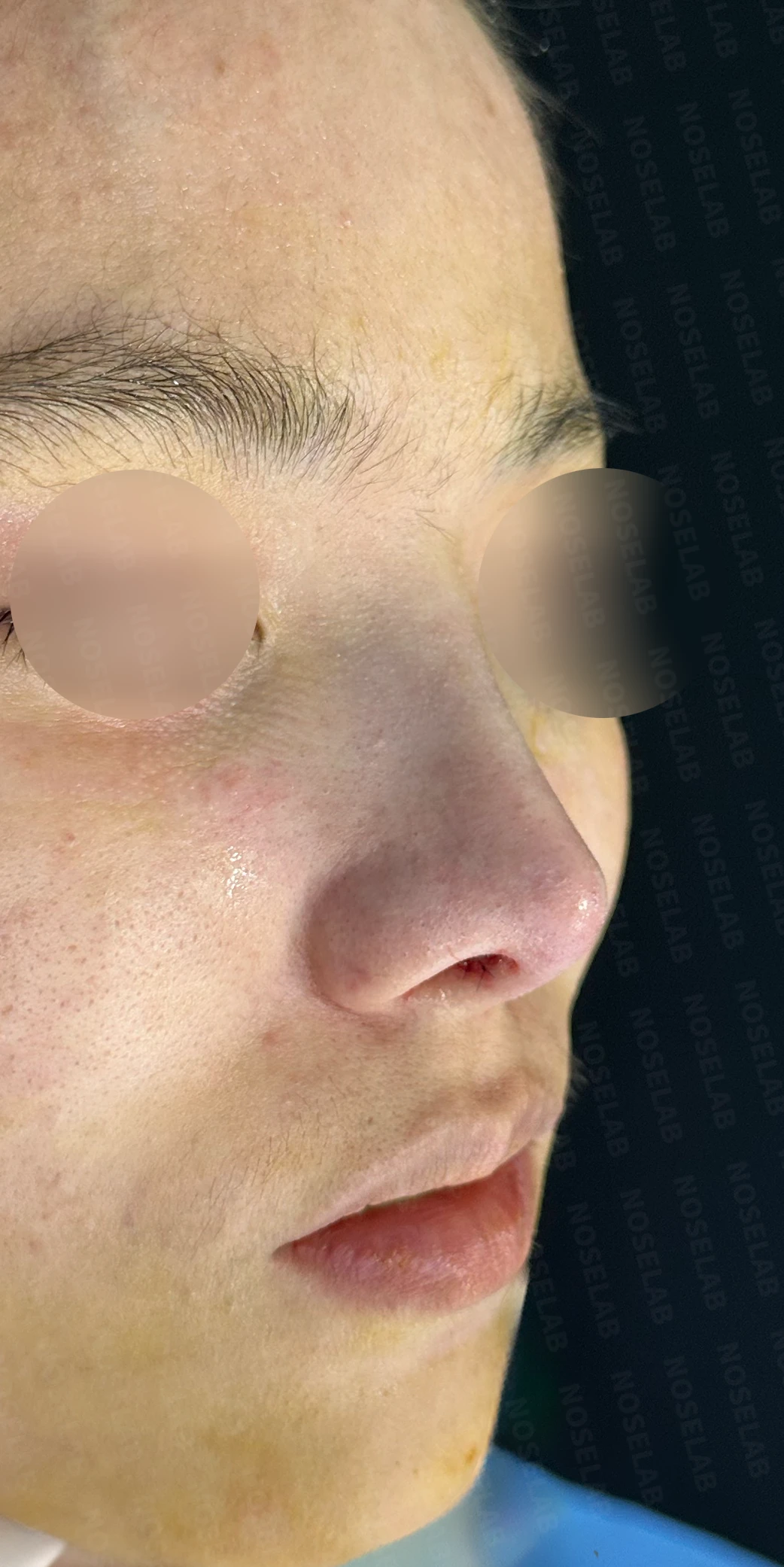
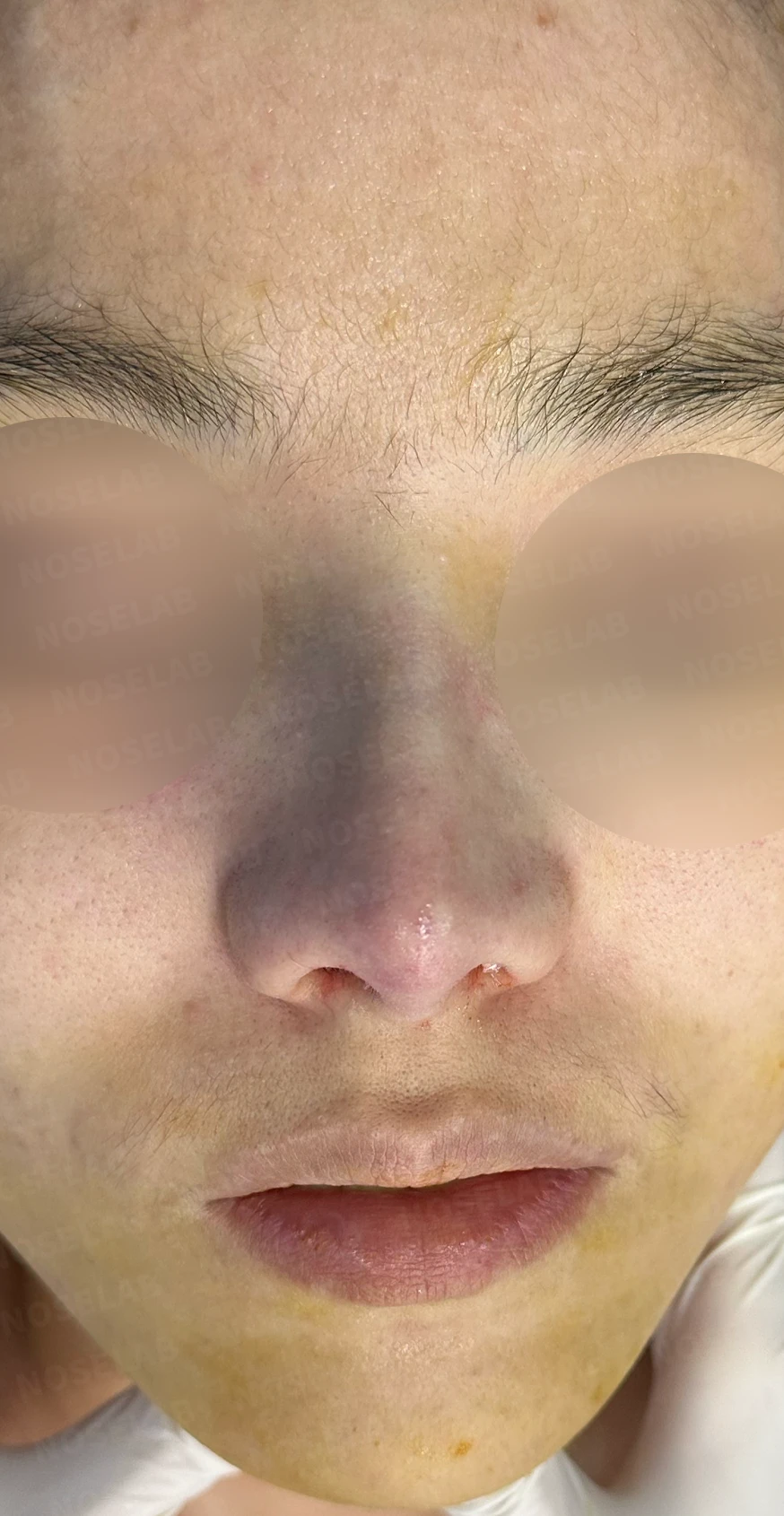
Immediately after surgery (Day 0): 90-degree profile, 45-degree oblique, and front viewImmediate postoperative photos show swelling and may differ from the final result.
Basal (nostril) view immediately after surgery (Day 0)Immediate postoperative photos show swelling and may differ from the final result.
Conclusion
In my view, rhinoplasty should not simply make the nose look appealing in isolation; it should enhance the harmony of the entire face. While shaping an attractive nose is important, creating a nose that does not suit the patient at all would not be the right approach.
For this reason, during consultations, I frequently discuss facial proportions and contours in addition to the nose itself. I also spend considerable time discussing how the overall facial impression will change.
In this case as well, I carefully weighed the design choices during surgery: whether to create a high, prominent nose or one that blends harmoniously with the rest of the face. After identifying the patient's goals, I worked to achieve an outcome that would satisfy them while enhancing their overall facial impression. I planned the design to elevate the nose as much as safely possible, balance facial proportions, and soften the appearance of the protruding mouth.
Around 6 months from now, the nose should settle into a natural, harmonious, and refined shape.
This was Dr. Peter C. Kang. Thank you.

Limitations and risks
When using donor rib cartilage, long-term follow-up is necessary because the grafted cartilage may resorb or warp.
When the septum is corrected at the same time, nasal obstruction may persist or recur, and in rare cases, septal perforation or changes in smell may occur.
Common potential risks include infection, bleeding, asymmetry, scarring, skin necrosis, and insufficient improvement; results vary depending on individual skin condition and previous surgical history.