Hello, I am Dr. Peter C. Kang.
Today, I would like to share a case of a patient who improved a bulbous, upturned nose into a high, defined straight bridge line.
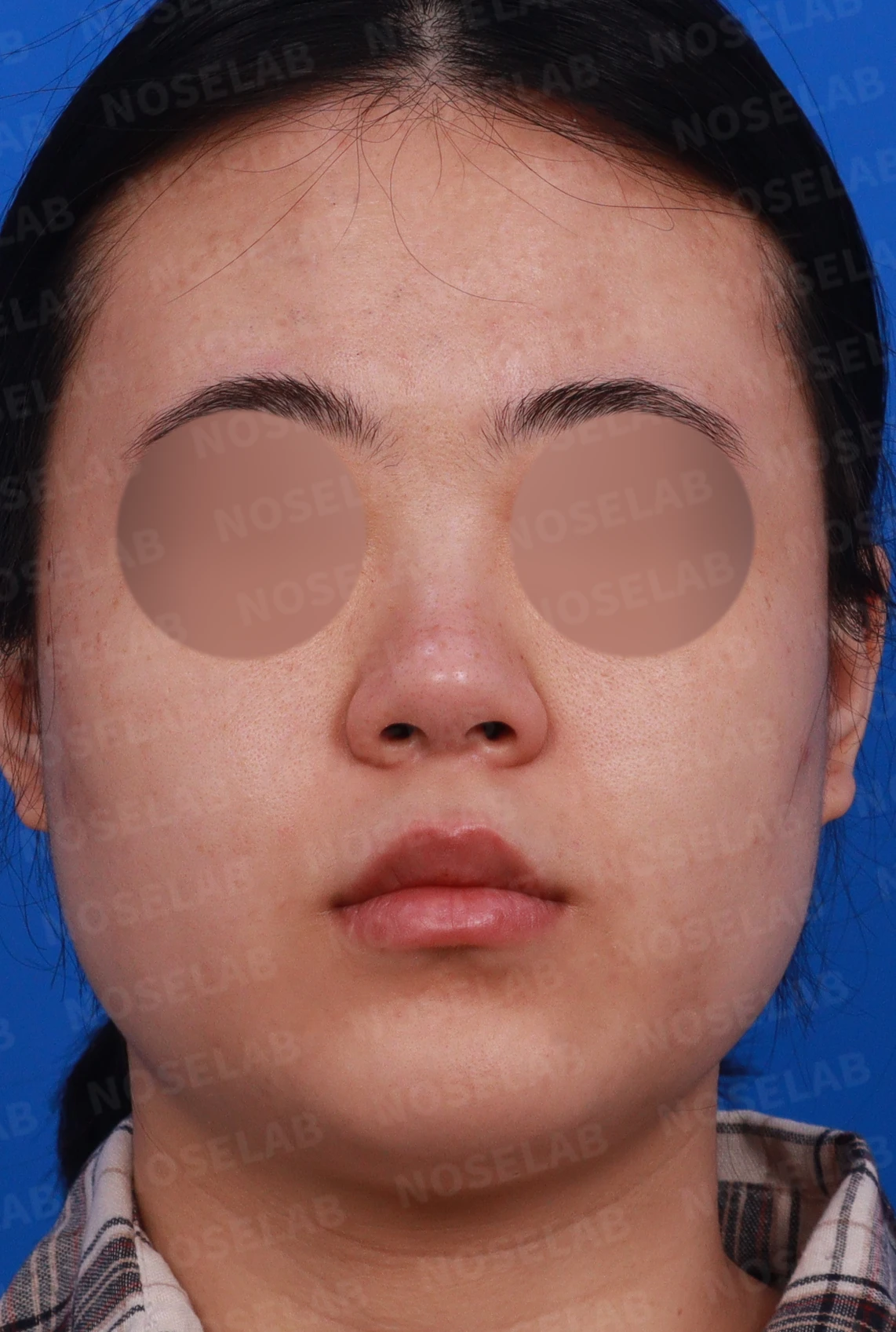
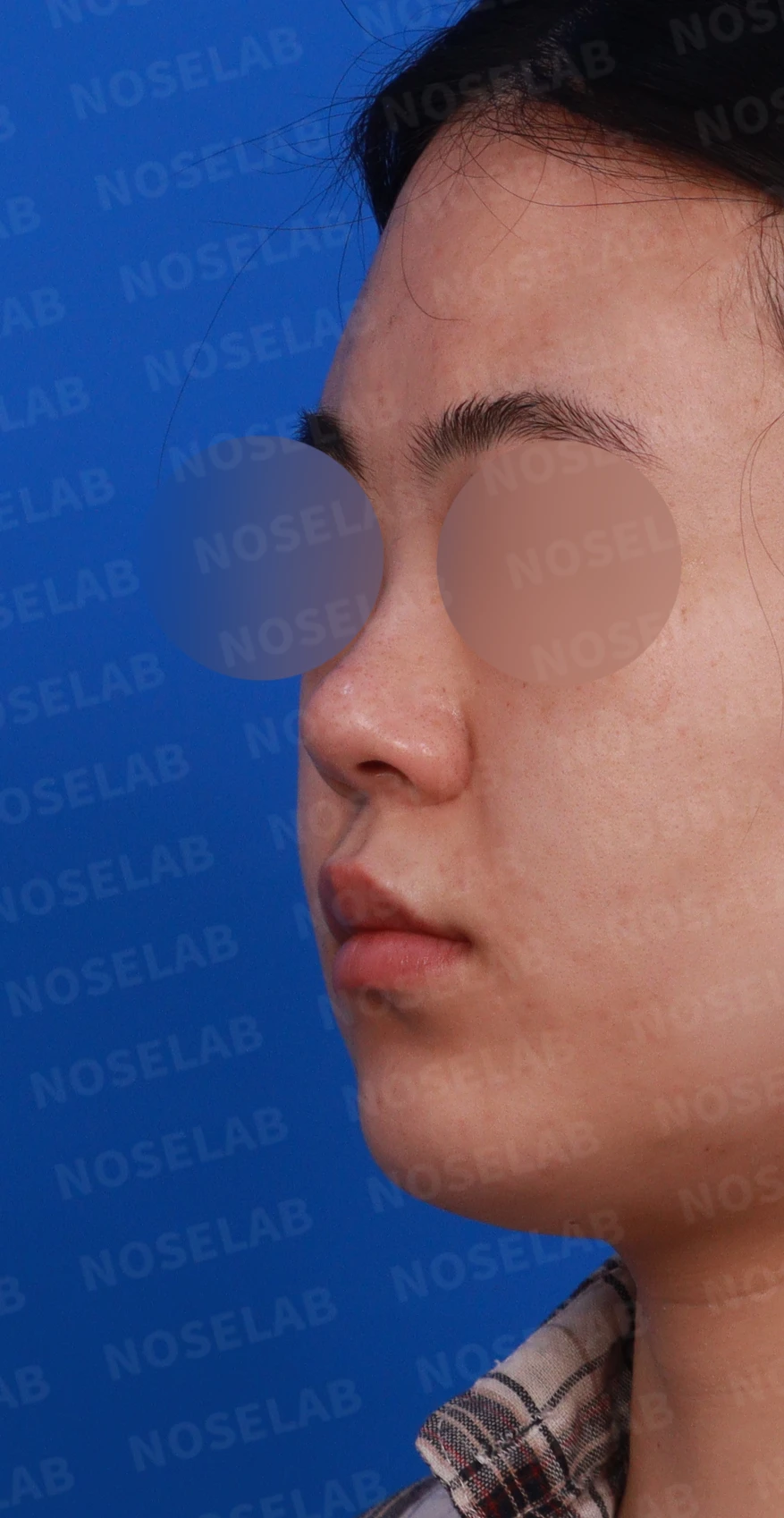
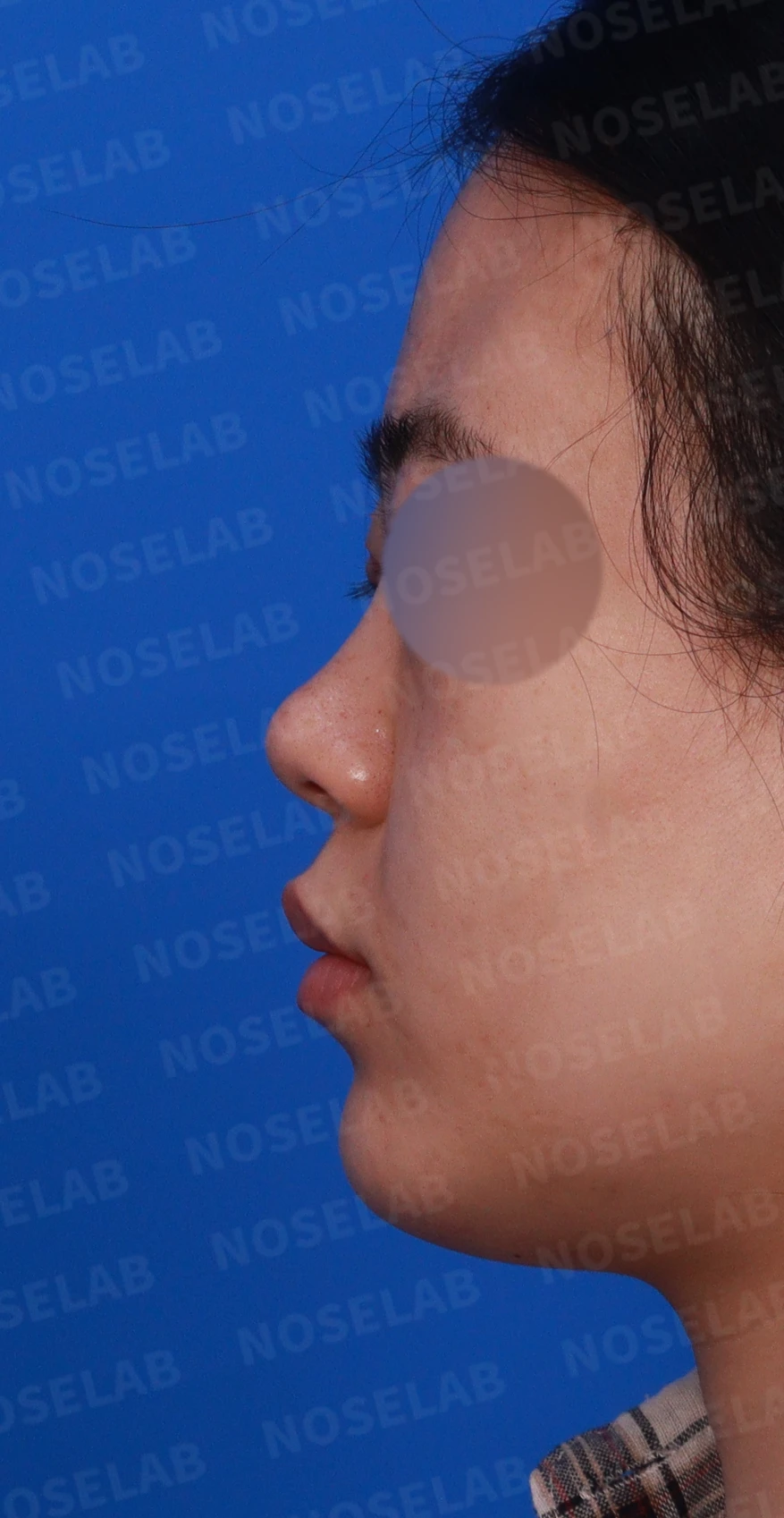
Front, left profile, and oblique views during design consultation
🔎 Initial consultation findings
Front view
Bulbous nasal tip
Upturned appearance
Broad nasal bridge
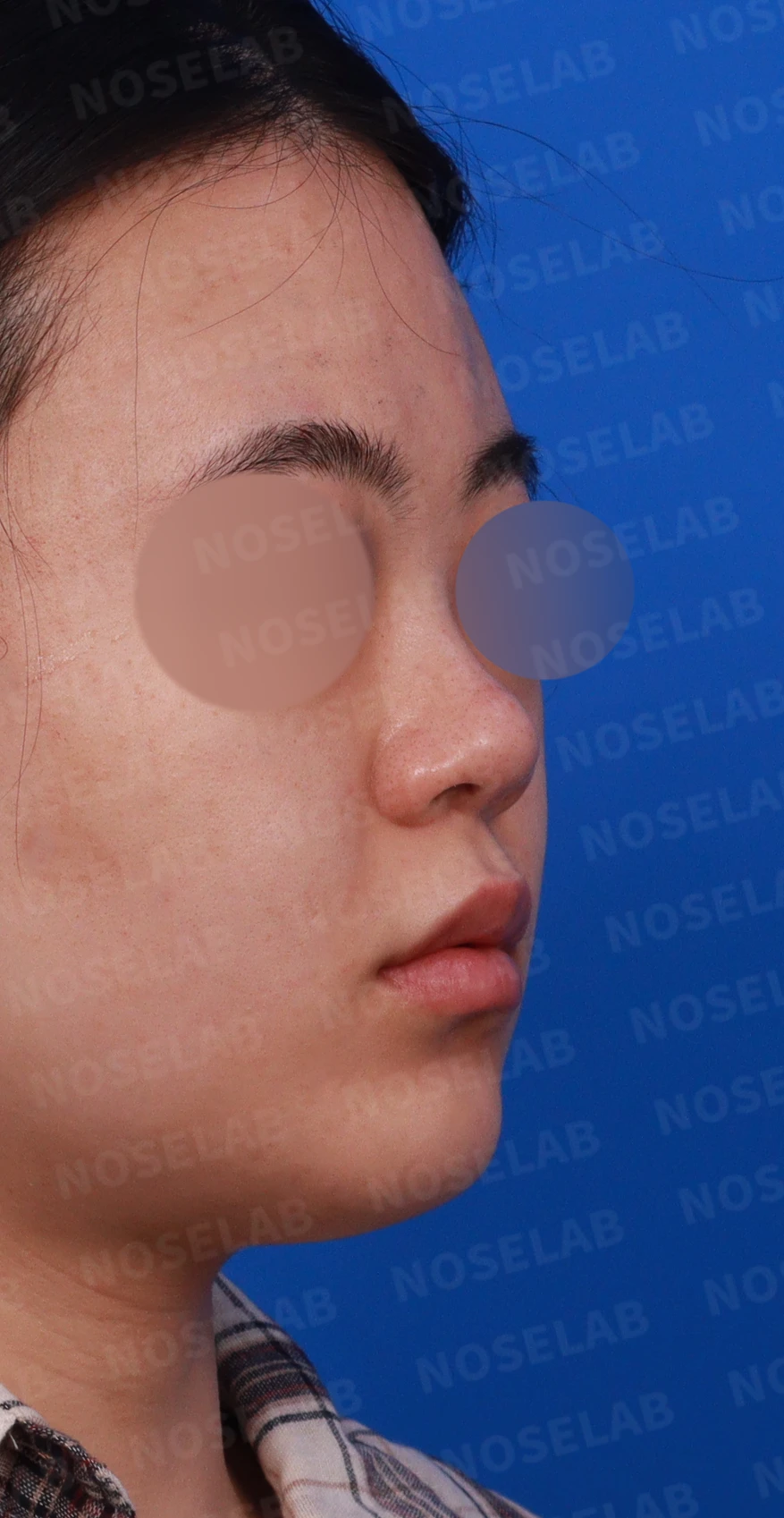
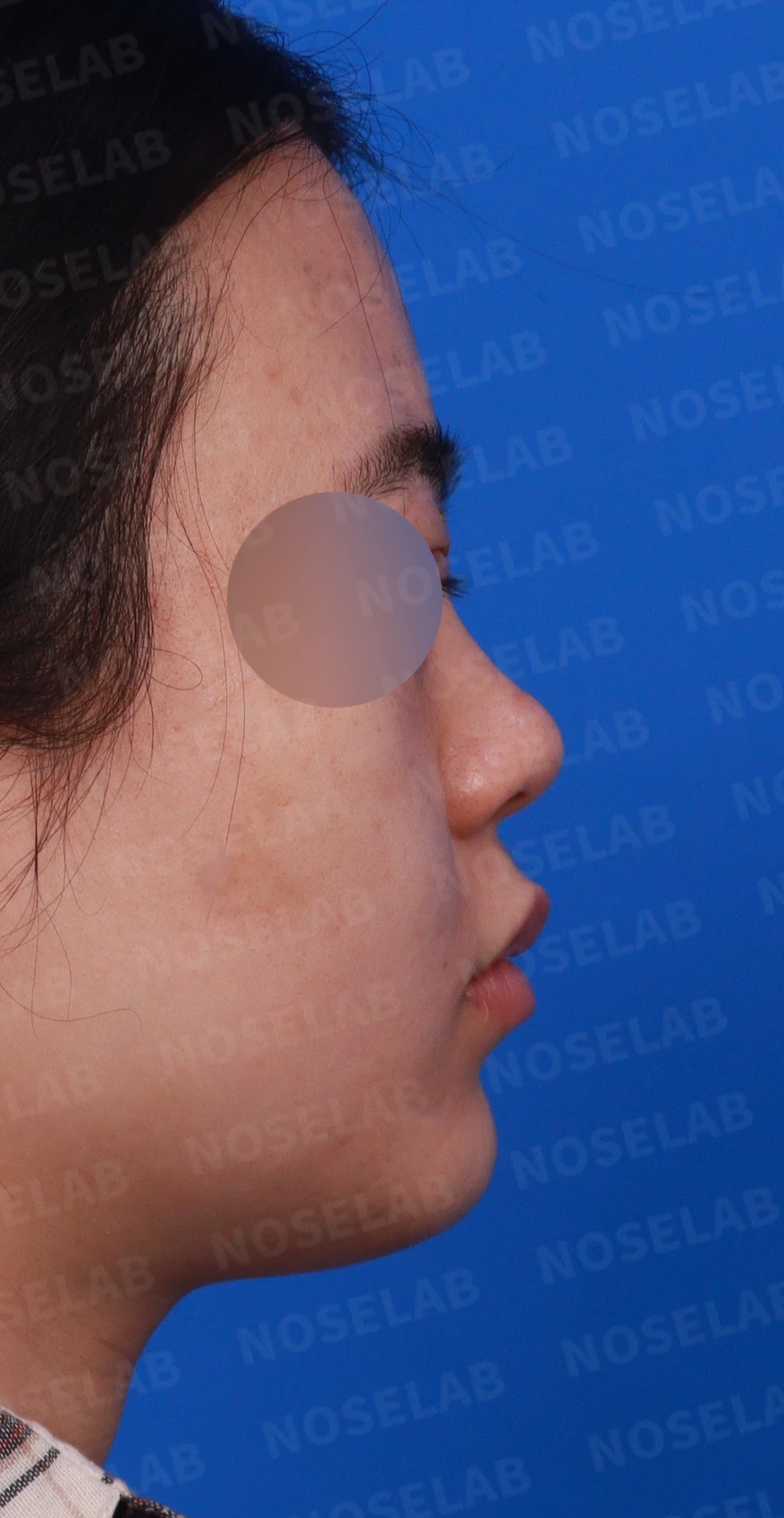
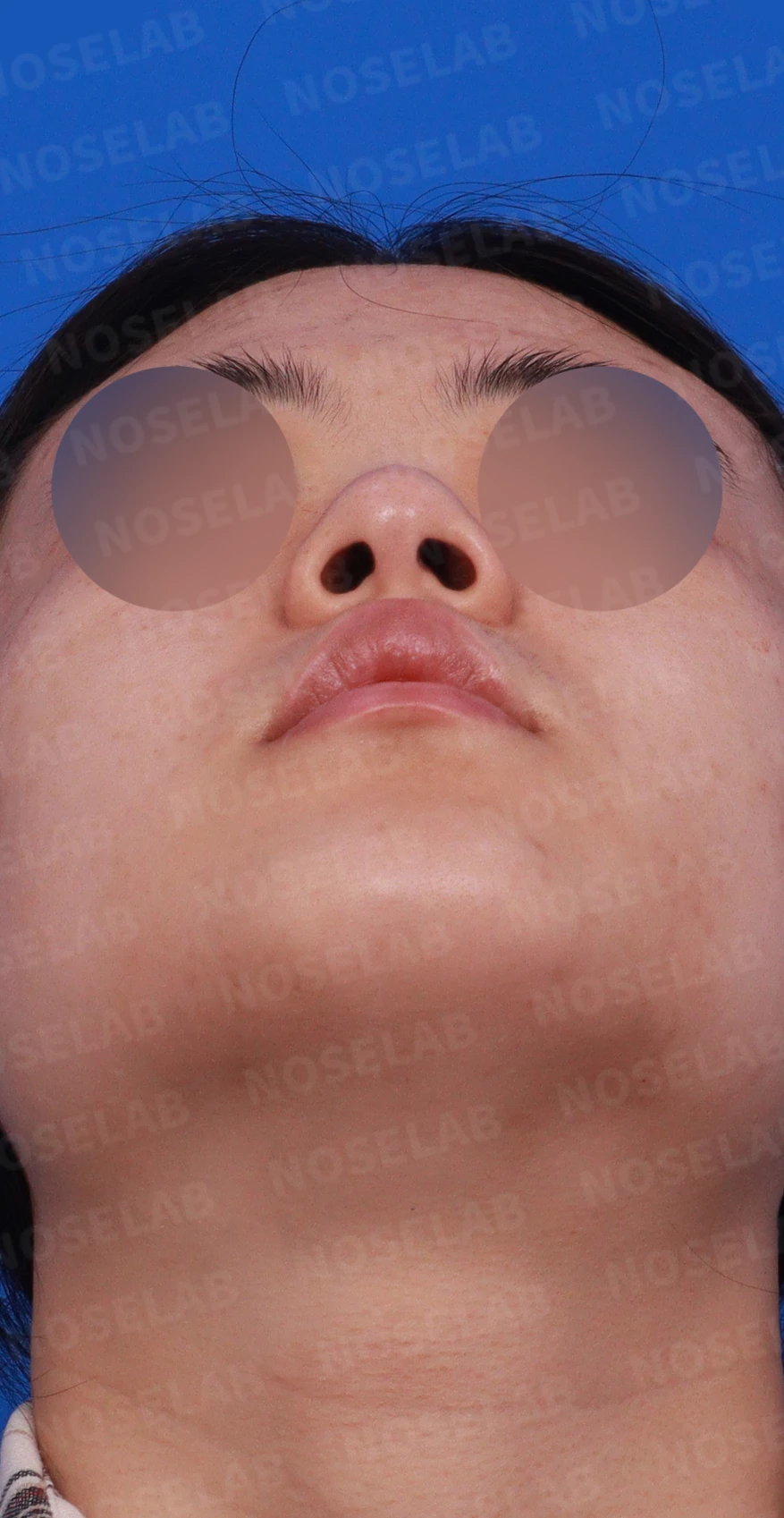
Design consultation: right oblique, profile, and basal (nostril) views
2. Profile view
Protruding mouth findings
Lack of height
Upturned nasal tip
3. Special notes
Thick nasal tip skin
Average-sized nasal tip skin
Inelastic skin characteristics
✨ Patient's requests
High, defined nasal line
Creation of a straight bridge line
Overall height
💉 Surgical procedure details
Nasal tip improvement
Septal extension using autologous rib cartilage
Raising the nasal tip into a defined profile within safe limits
Correction of upturned nose
Lowering the columella
2. Shape improvement
Creation of a straight bridge line
Achieving an overall natural height
Improvement of a wide bridge
3. Detailed adjustments
Improvement of protruding mouth through nasolabial angle correction
A delicate approach considering skin characteristics that do not stretch easily
✅ Surgical results
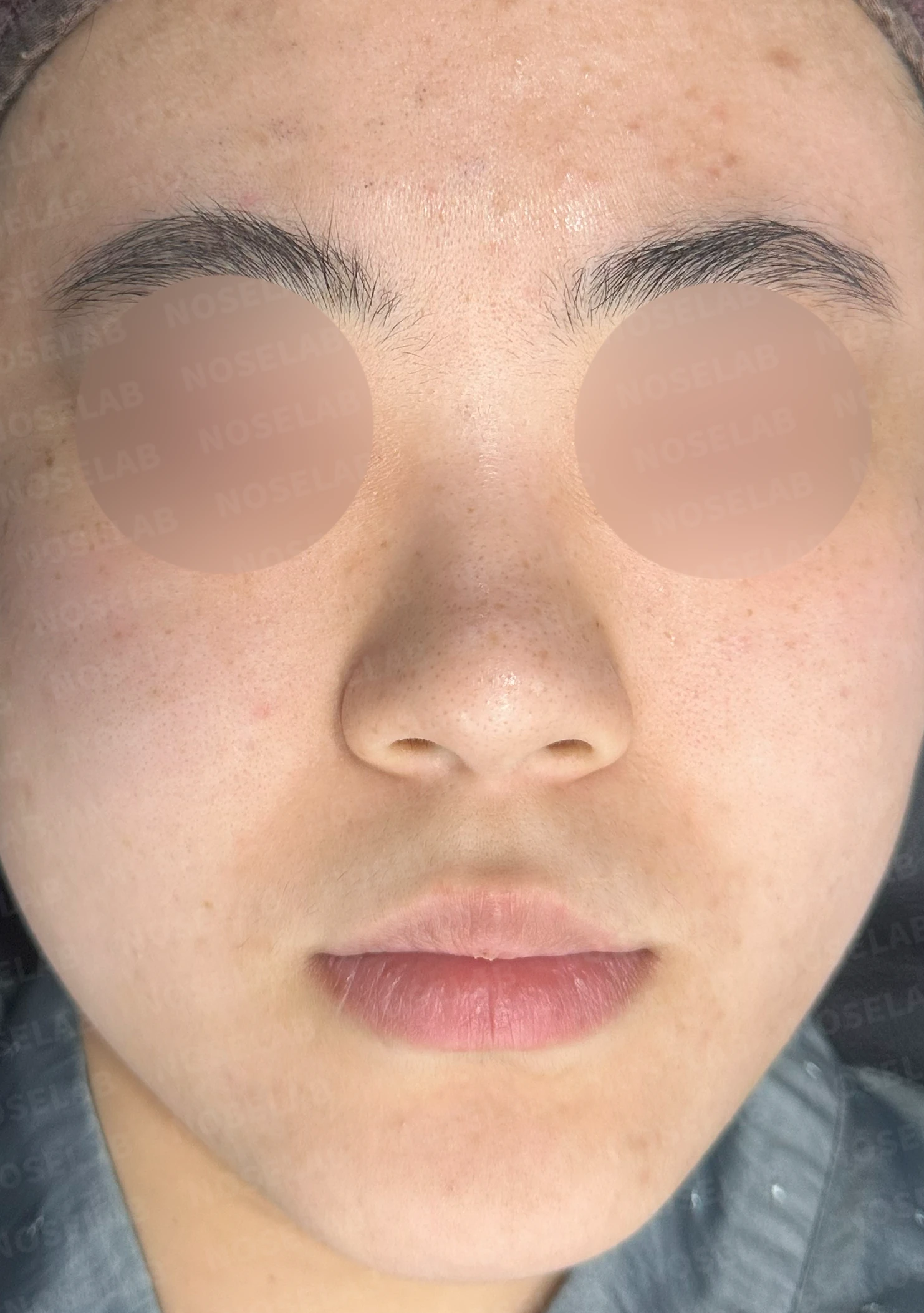
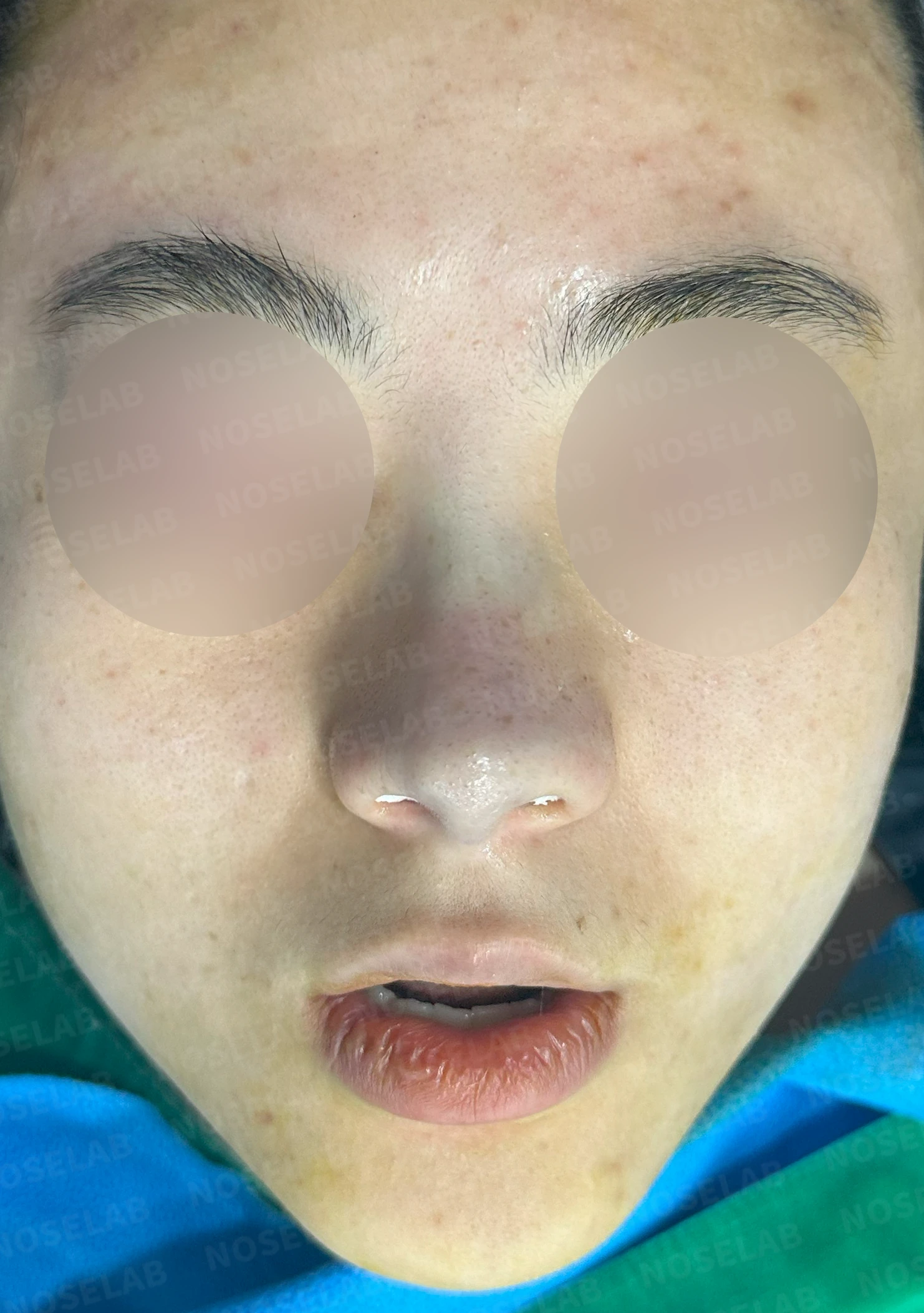
Before surgery / Day 0 immediately after surgery Photos taken immediately after surgery show swelling and may differ from the final result.
Front view
Refined nasal tip shape
Slimmer nasal bridge
Balanced overall proportions
Improvement of excessive nostril show
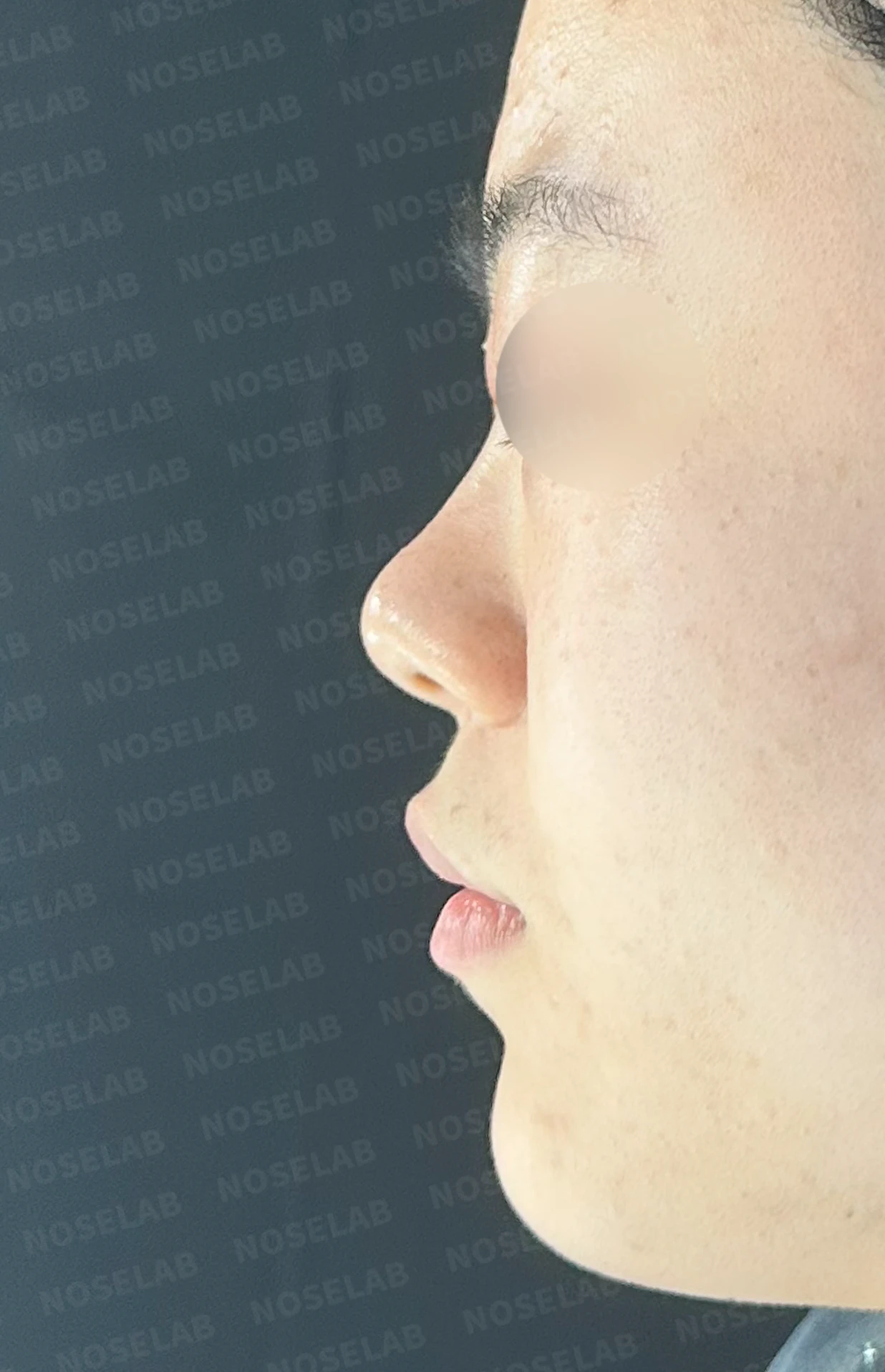
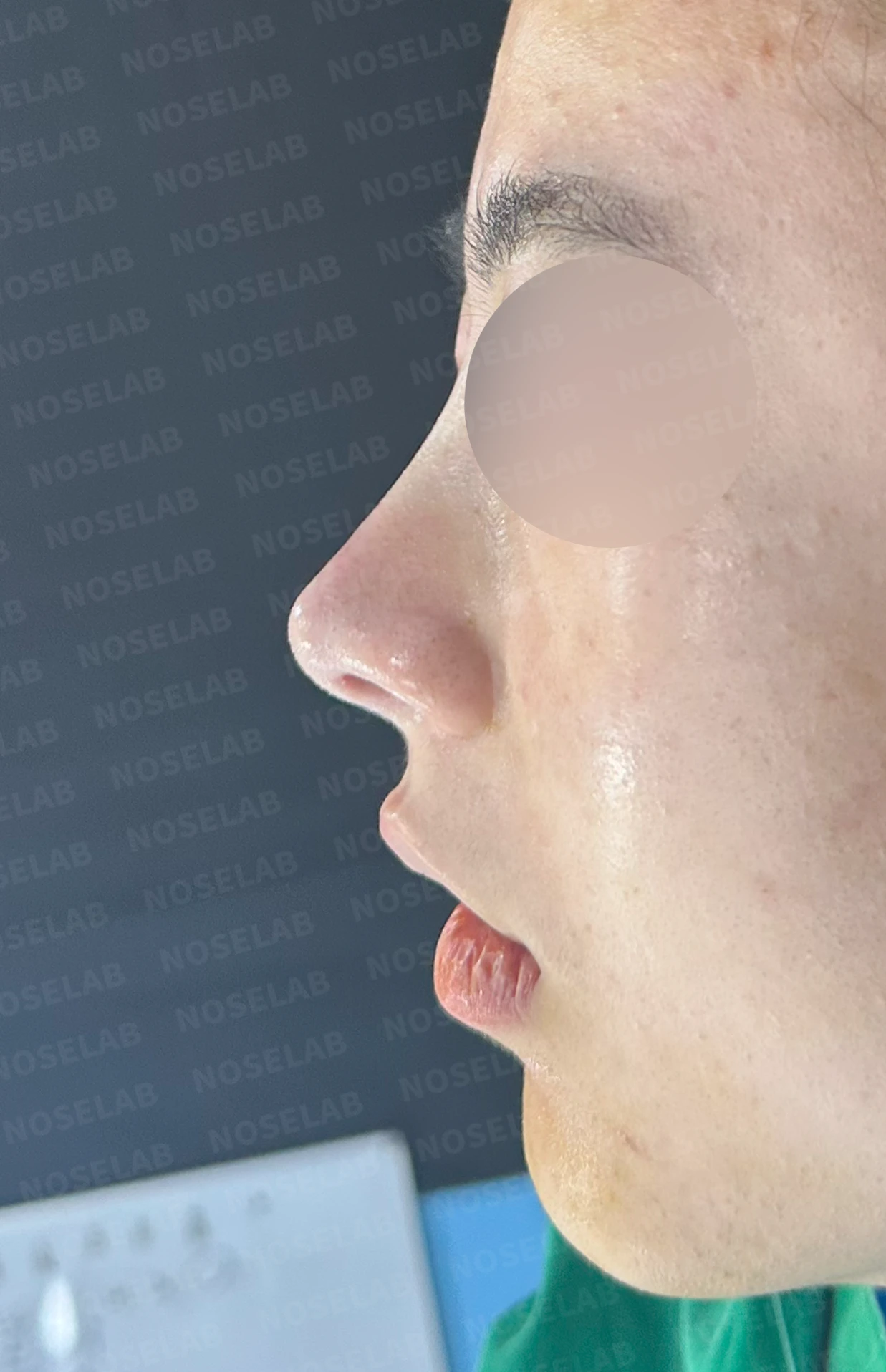
Before surgery / Day 0 immediately after surgery Photos taken immediately after surgery show swelling and may differ from the final result.
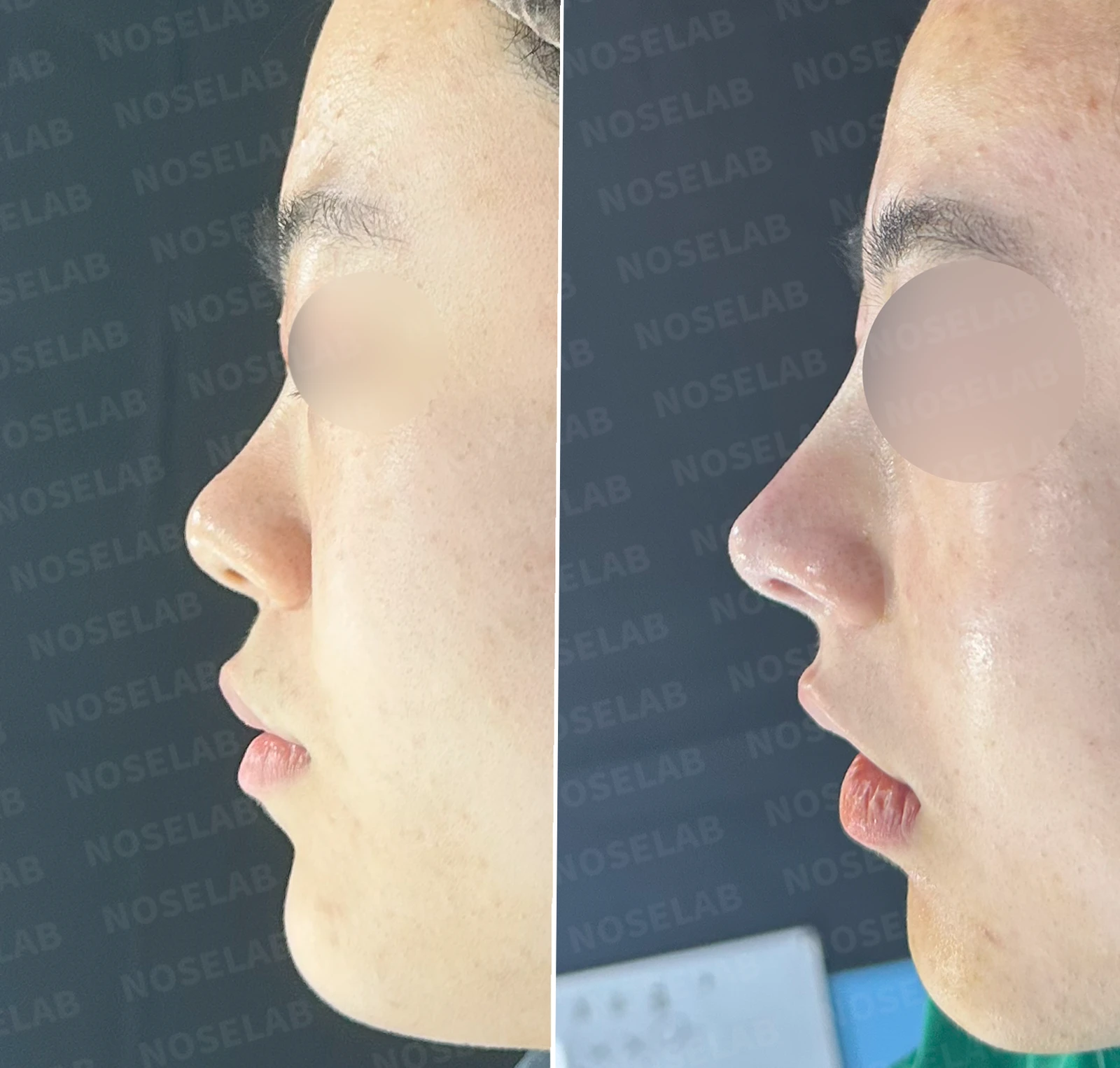
2. Profile view
Straight bridge line
Overall increase in height
Improved appearance of protruding mouth
Defined, glamorous look
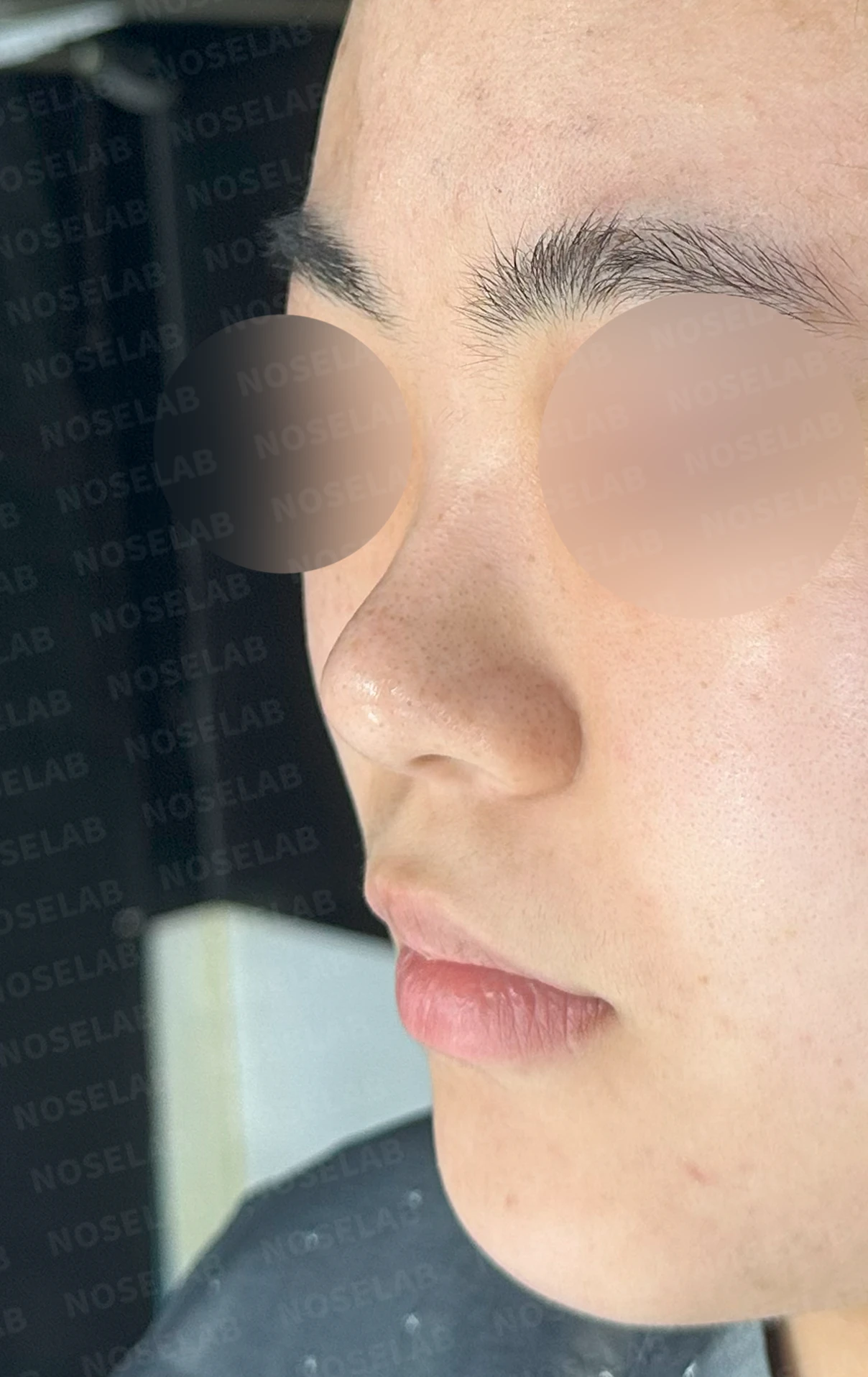
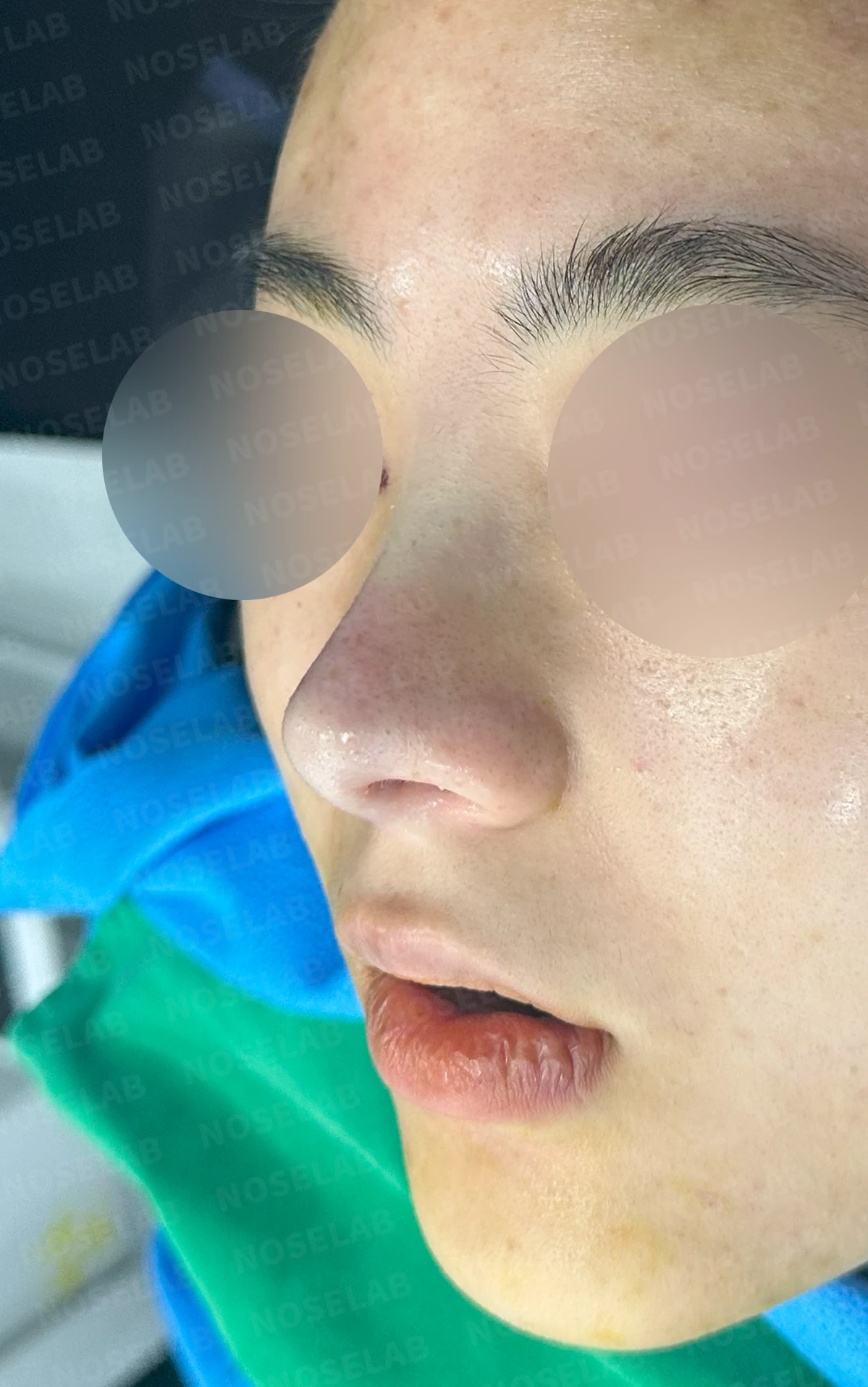
Before surgery / Day 0 immediately after surgery Photos taken immediately after surgery show swelling and may differ from the final result.
3. Overall changes
A defined yet natural shape
Stable structure
Harmonious proportions
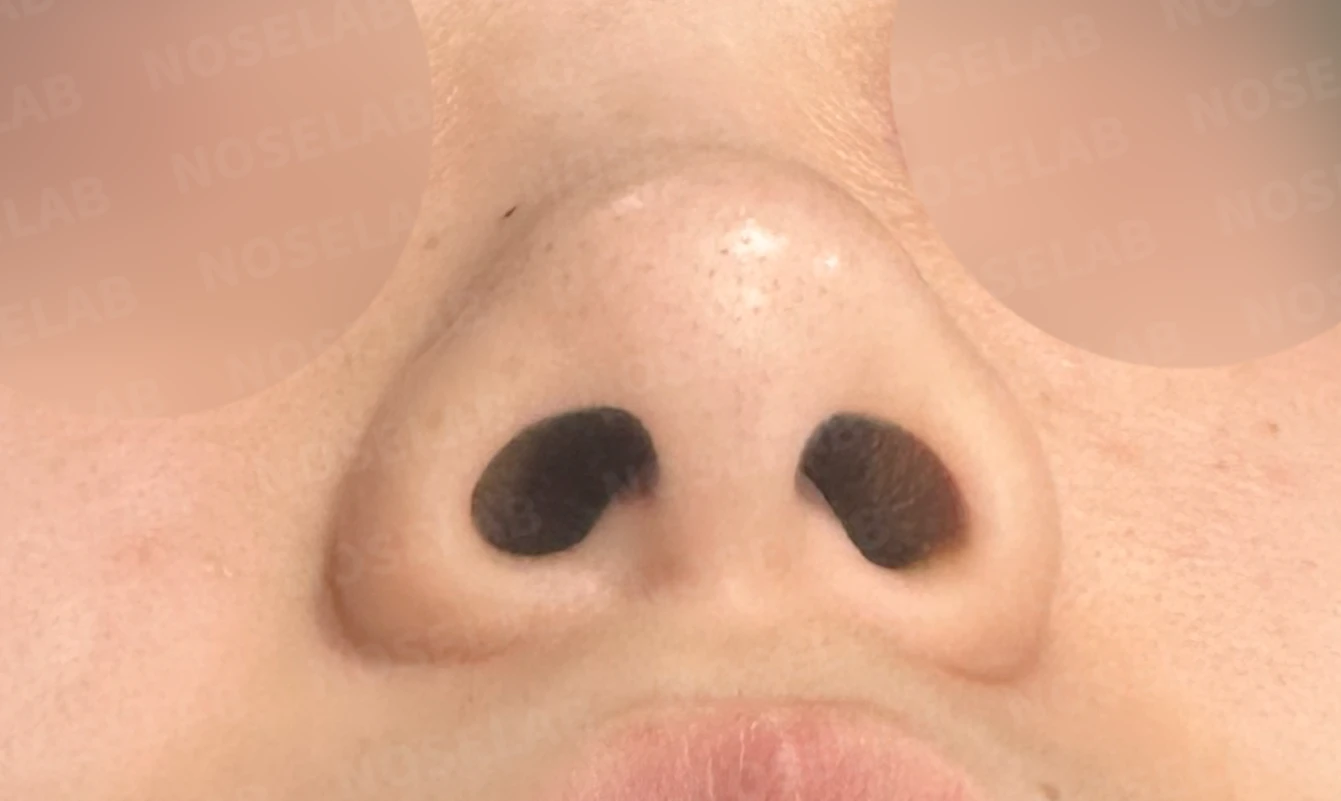
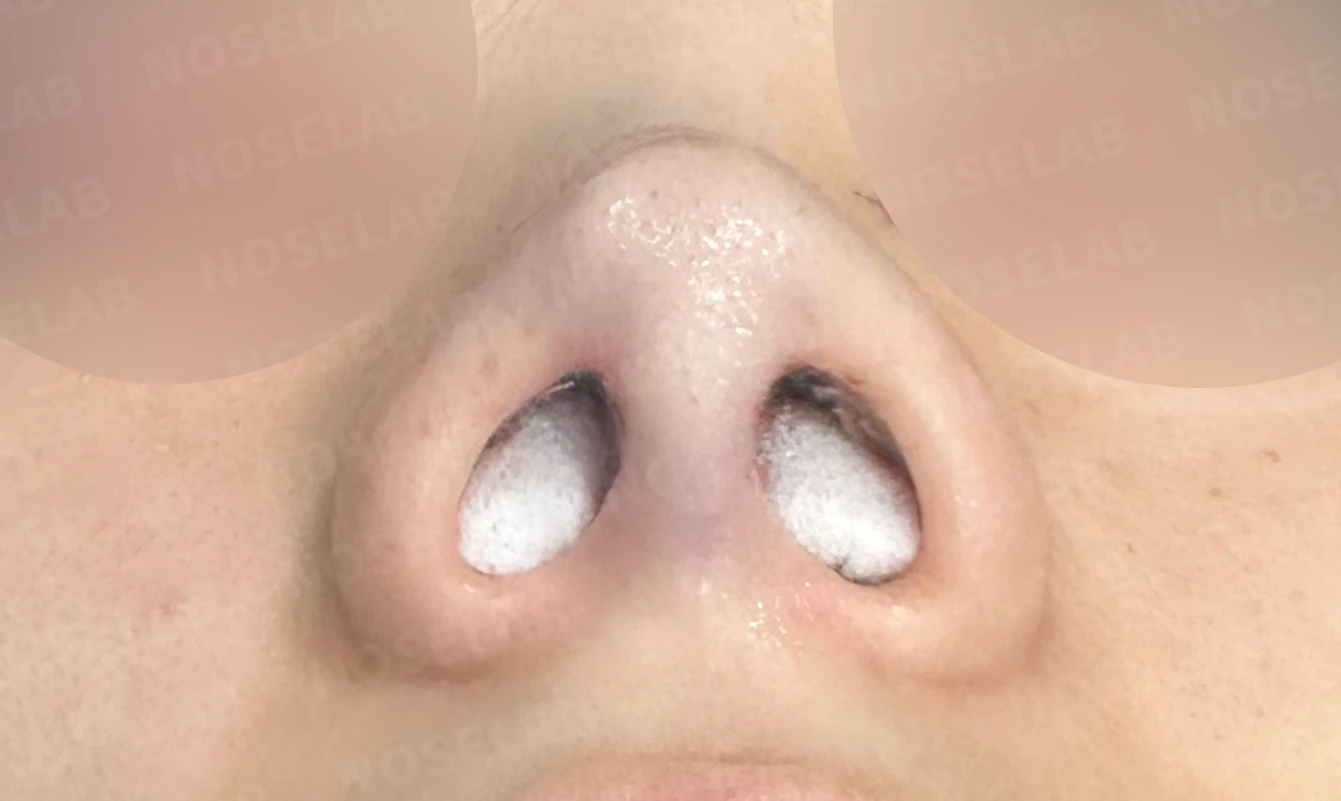
Before surgery / Day 0 immediately after surgery Photos taken immediately after surgery show swelling and may differ from the final result.
👨⚕️ Specialist's assessment
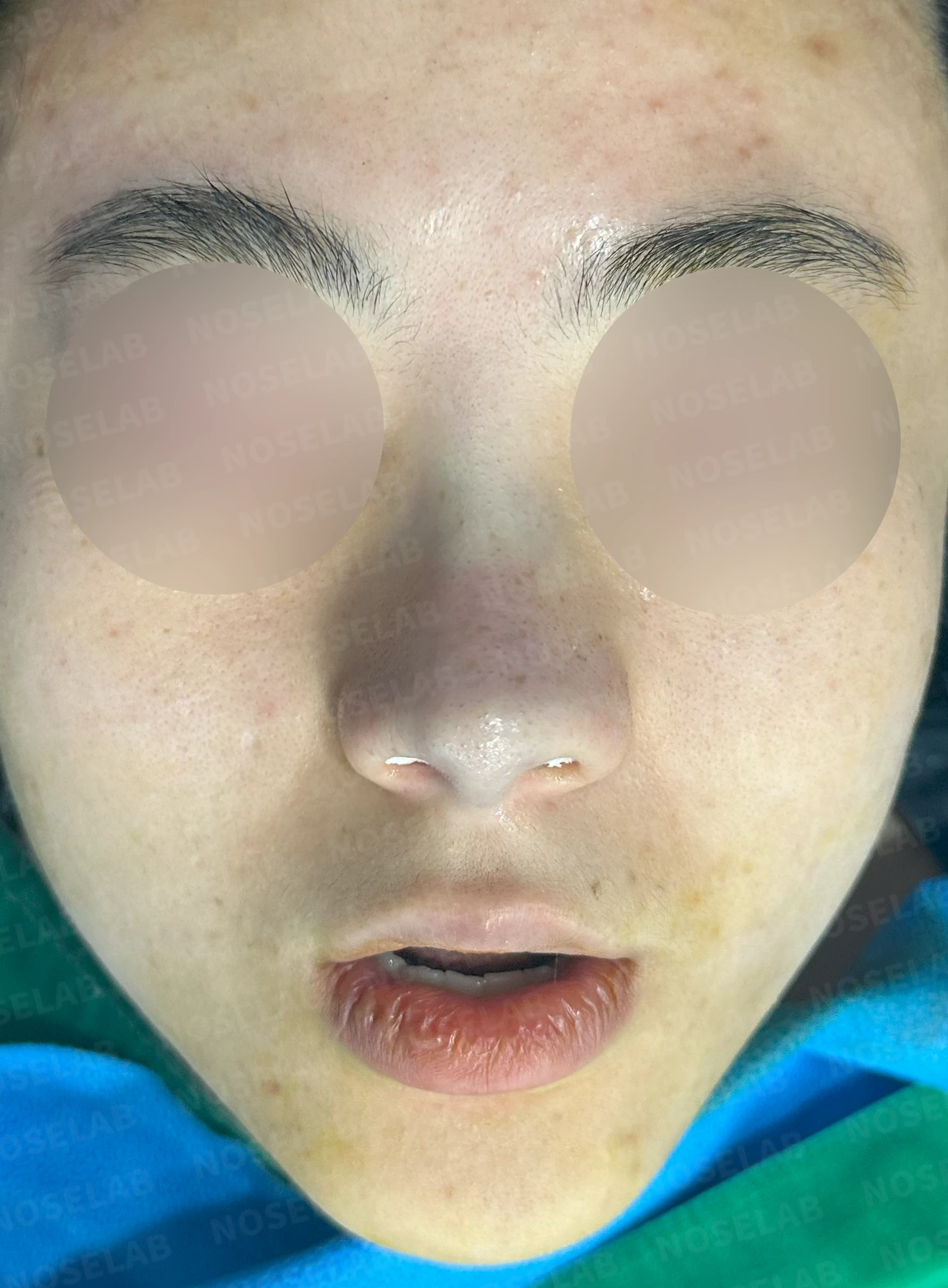
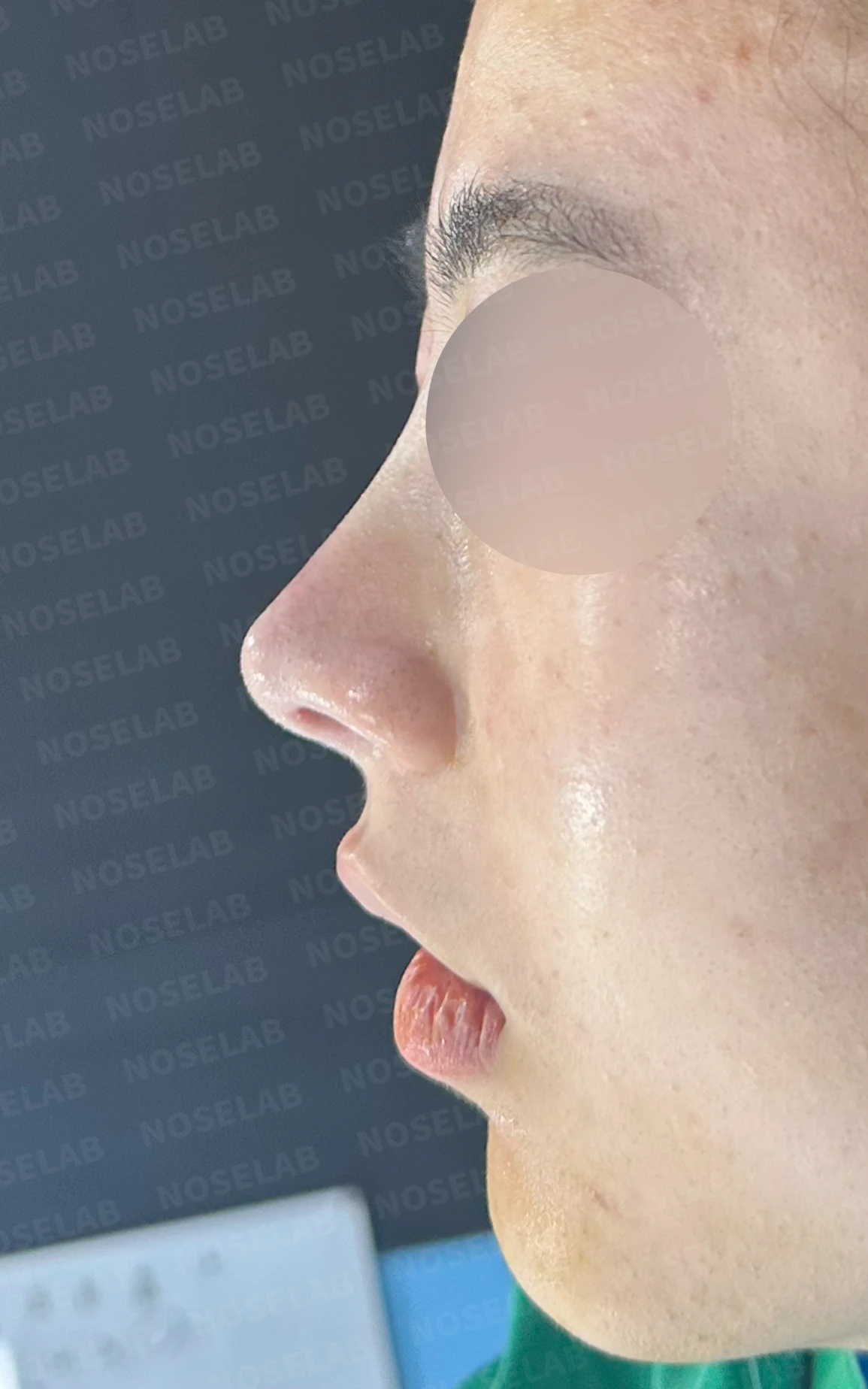
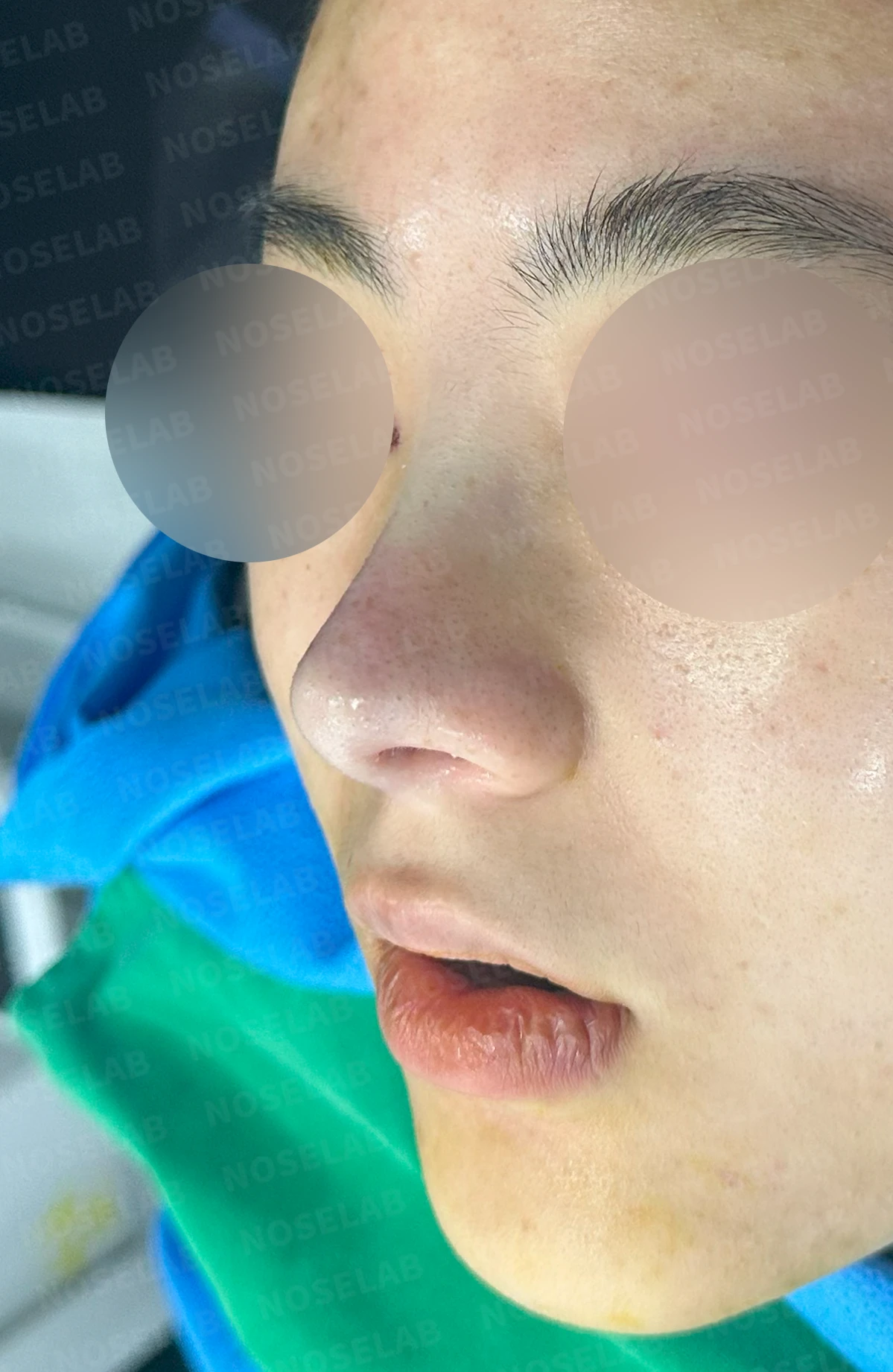
Front, profile, and oblique views immediately after surgery on day 0 Photos taken immediately after surgery show swelling and may differ from the final result.
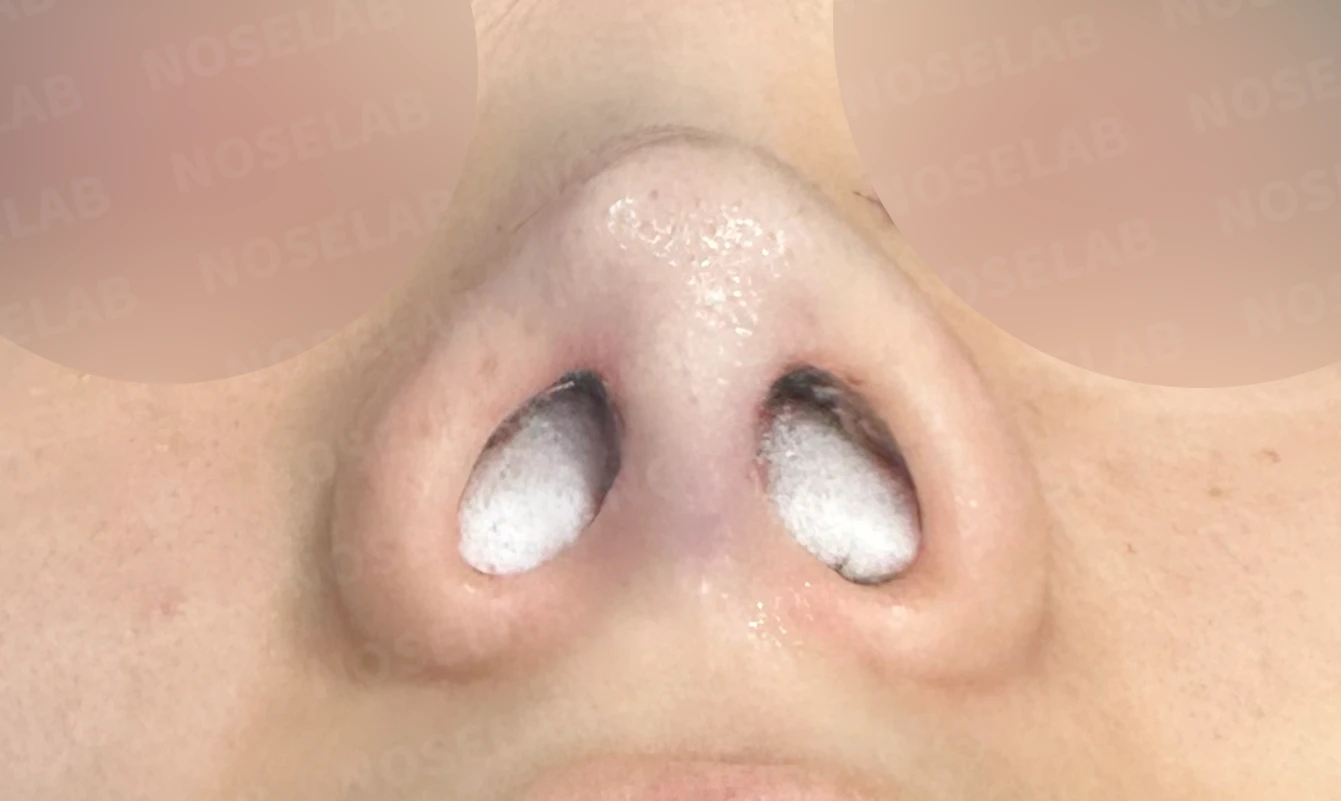
Nostril view on day 0 immediately after surgery Photos taken immediately after surgery show swelling and may differ from the final result.
For this type of case, the primary goal was to correct the bulbous, upturned nose while creating a defined straight bridge line. Considering the patient's thick and inelastic nasal tip skin, septal extension using autologous rib cartilage was performed to achieve a high, defined elevation planned with safety in mind.
In particular, focus was placed on creating a straight bridge line, and the appearance of a protruding mouth was also improved through nasolabial angle correction. Through a meticulous approach tailored to the patient's skin characteristics, we were able to naturally realize the high, defined nasal contour that the patient desired.
This was Dr. Peter C. Kang. Thank you.
Thank you.
#closedrhinoplasty #rhinoplasty #straightbridgeline #definednose #customrhinoplasty

Limitations and risks
When autologous rib cartilage is used, scarring and pain may remain at the donor site on the chest, and pneumothorax (pleural injury) can occur rarely. Over time, the grafted cartilage may warp or undergo partial resorption.
When the septum is corrected at the same time, nasal obstruction may persist or recur, and in rare cases, septal perforation or changes in smell may occur.
Common potential risks include infection, bleeding, asymmetry, scarring, skin necrosis, and insufficient improvement; results vary depending on individual skin condition and previous surgical history.