English日本語简体中文
Skip to main content
Dr. Peter C. Kang's Rhinoplasty Stories
PrologueBlogMy thoughtsNasal obstructionSurgical journalSurgical photos
About the surgeon

Septal perforation cases: records of hole size and surrounding damage

Septal perforation case records document the size of the hole along with previous surgical history and the condition of remaining cartilage. One source article describes a 7×9 mm perforation alongside a history of seven surgeries over 14 years and previous inflammation. Another article notes a 15×10 mm perforation and severe damage to the septal cartilage.

Even with specific measurements provided, cases cannot be compared based on size alone. A record addressing a perforation approaching nearly 2 cm is also linked to a long and complex surgical history. In this collection, you can review the perforation size, damage to surrounding structures, and the reconstruction details from each original record separately. The figures from individual cases should not substitute as criteria for determining your own surgical feasibility or results.

View before-and-after cases ↓Comprehensive rhinoplasty guide

Searching for surgical cases matching your criteria.
What problems arise with a septal perforation, and how is it reconstructed? — Before-and-after comparison
Before-and-after comparison

What problems arise with a septal perforation, and how is it reconstructed?

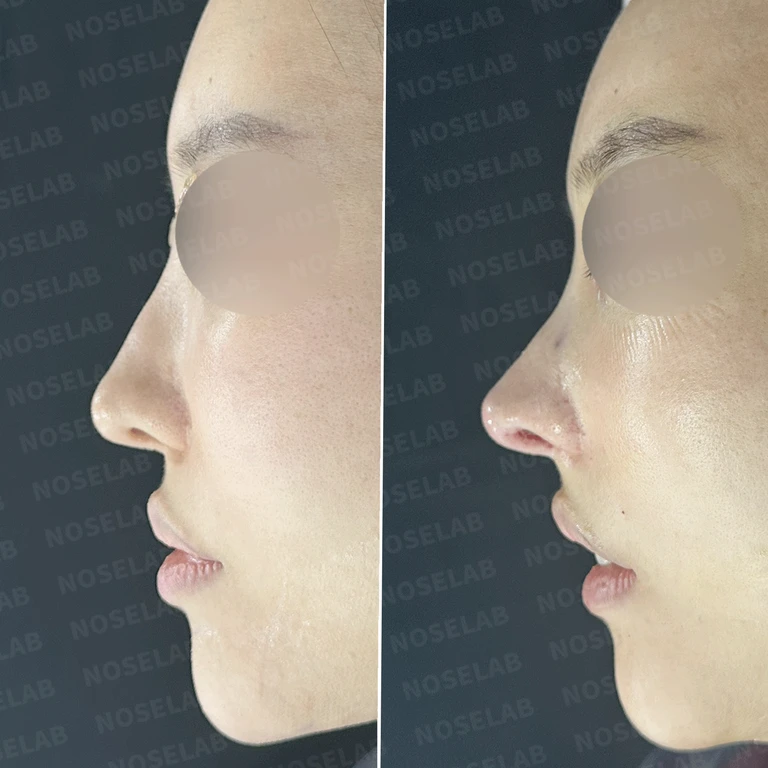
In a case where a 15×10 mm septal perforation and cartilage damage occurred after previous surgery, the perforation was closed with a skin graft and structural support was restored by reconstructing the septum with autologous rib cartilage.

Preoperative condition
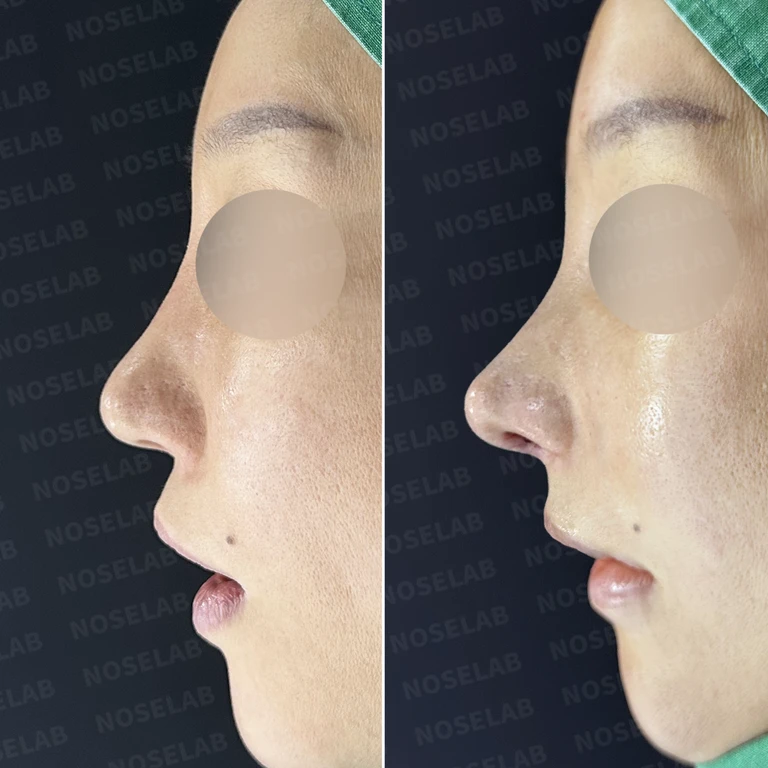
Why the septum collapses after multiple revision rhinoplasties, and how total reconstruction is performed with autologous rib cartilage — Before-and-after comparison
Before-and-after comparison

Why the septum collapses after multiple revision rhinoplasties, and how total reconstruction is performed with autologous rib cartilage

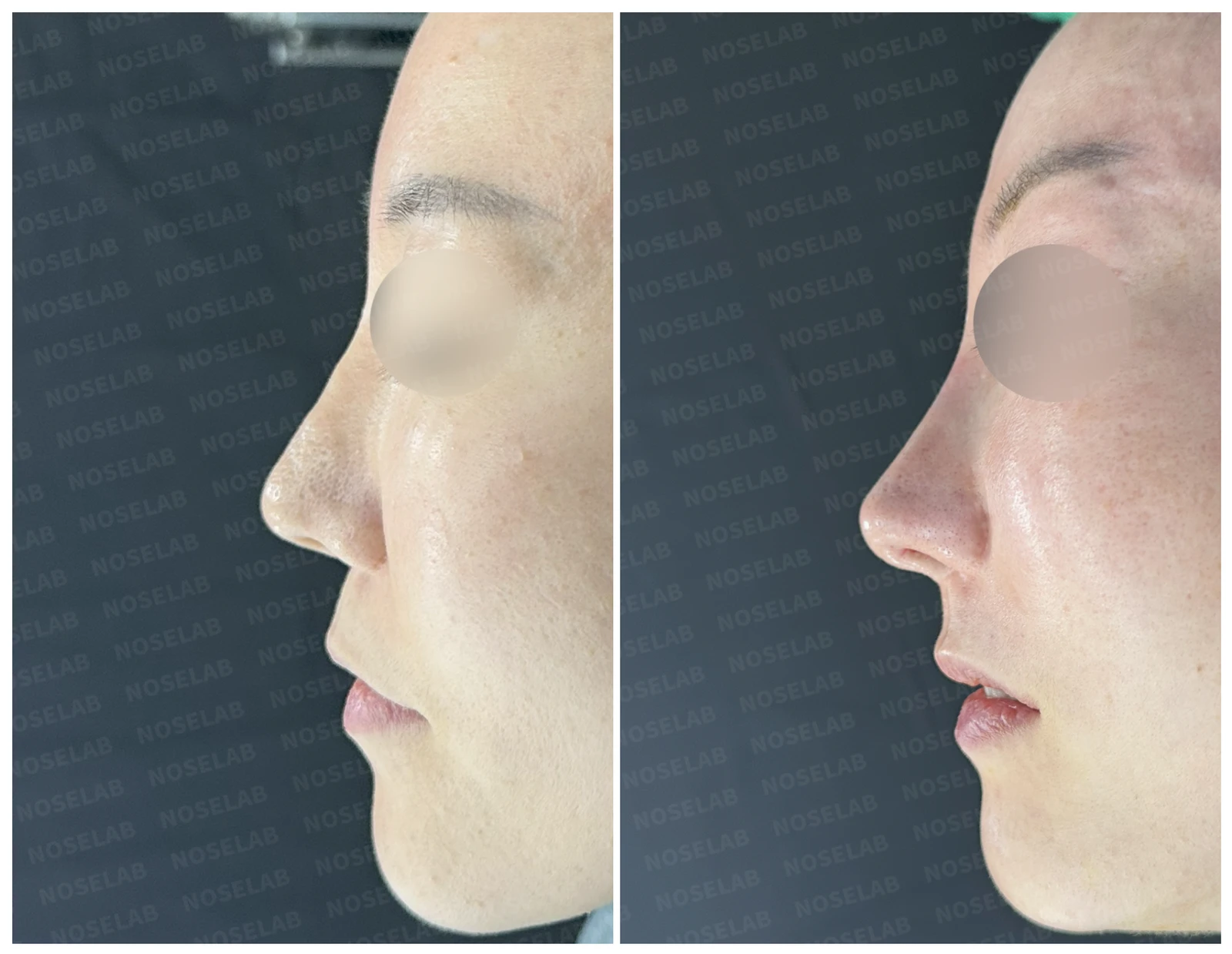
Cartilage penetrating the mucosa and a septal perforation after multiple surgeries were corrected through total reconstruction with autologous rib cartilage and repair of the perforation using ear perichondrium.

Preoperative condition

Septal perforation and nasal tip cartilage show-through after repeated rhinoplasties: how reconstruction is performed — Before-and-after comparison
Before-and-after comparison

Septal perforation and nasal tip cartilage show-through after repeated rhinoplasties: how reconstruction is performed

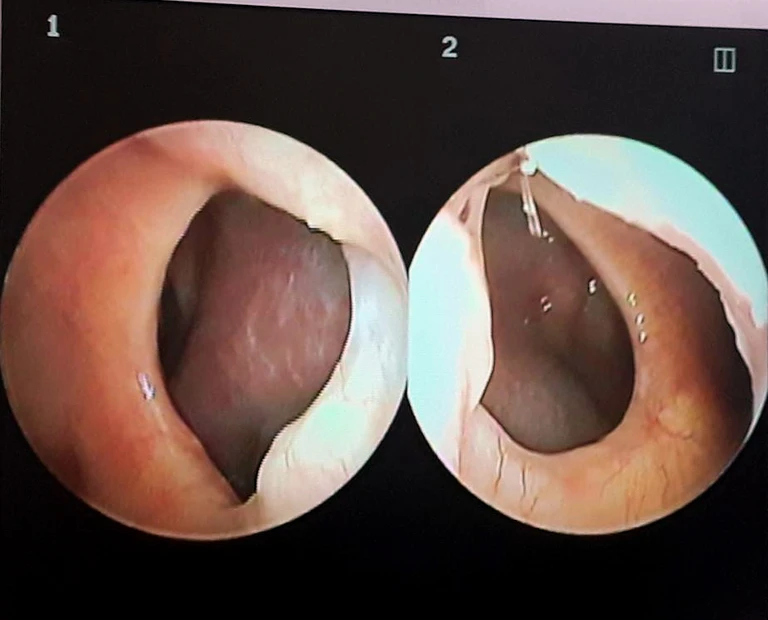
A case where autologous rib cartilage was used for full septal reconstruction alongside dermis grafting to address repeated surgical history, septal perforation, and thinned nasal tip skin.

Preoperative condition · Postoperative record

Why contracture and septal perforation occur after old Gore-Tex, and how reconstruction is performed — Before-and-after comparison
Before-and-after comparison

Why contracture and septal perforation occur after old Gore-Tex, and how reconstruction is performed

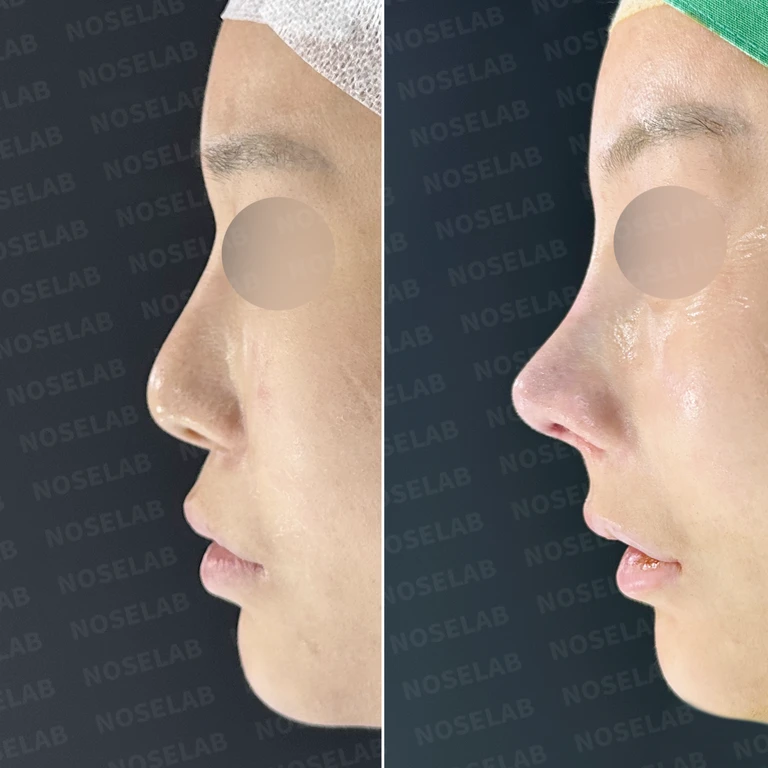
To resolve contracture, septal perforation, and cartilage loss that occurred after Gore-Tex surgery performed long ago, the septum was reconstructed using autologous rib cartilage and the perforation was closed.

Preoperative condition · Postoperative record

Surgical plan for revision rhinoplasty with septal perforation — Before-and-after comparison
Before-and-after comparison

Surgical plan for revision rhinoplasty with septal perforation

In a patient with a history of past surgeries, septal perforation, and saddle nose deformity, septal reconstruction and extension using autologous rib cartilage, alar lowering, and direct closure were performed via a closed approach.

Preoperative condition

No search results found

Please try searching with different keywords.

Scroll to keep reading

Common questions before reading the cases

Can I also see the perforation size in these septal perforation cases?

Some articles clearly state the size. The source articles in this collection include records of perforations measuring 7×9 mm, 15×10 mm, and nearly 2 cm. However, these are records from different patients and are not part of a comparative study using the same methodology. Check how the number of previous surgeries, history of inflammation, and remaining cartilage status are described alongside the size.

Can cases be considered similar reconstruction examples if only the perforation sizes are comparable?

Details beyond size must also be evaluated together. An article discussing a 7×9 mm perforation simultaneously describes repeated surgeries, inflammation, severe septal damage, and structural problems at the nasal tip. Other cases similarly document large perforations together with cartilage loss. To prevent assuming reconstruction techniques or outcomes are identical based solely on similar measurements, the background context of each article has been connected.

Related topics to explore

Septal damage and defectMultiple revision rhinoplastiesInflammation and infectionSeptal perforation reconstruction

Surgical records referenced in this guide

  • Septal perforation and nasal tip cartilage show-through after repeated rhinoplasties: how reconstruction is performed
  • What problems arise with a septal perforation, and how is it reconstructed?
  • Surgical plan for revision rhinoplasty with septal perforation
Original article

Read more records

Planning a visit to Seoul?Prepare your consultation with the NOSELAB team.

International patient guideWhatsApp ↗
Dr. Peter C. Kang's Rhinoplasty Stories
Rhinoplasty guideCases by topicDr. Peter C. KangNaver Blog ↗
View original photo
Enlarged photo
WhatsAppChat with NOSELAB↗