Hello, I am Dr. Peter C. Kang.
Today, I would like to introduce a rhinoplasty case of a patient who desired a defined yet natural nasal style.
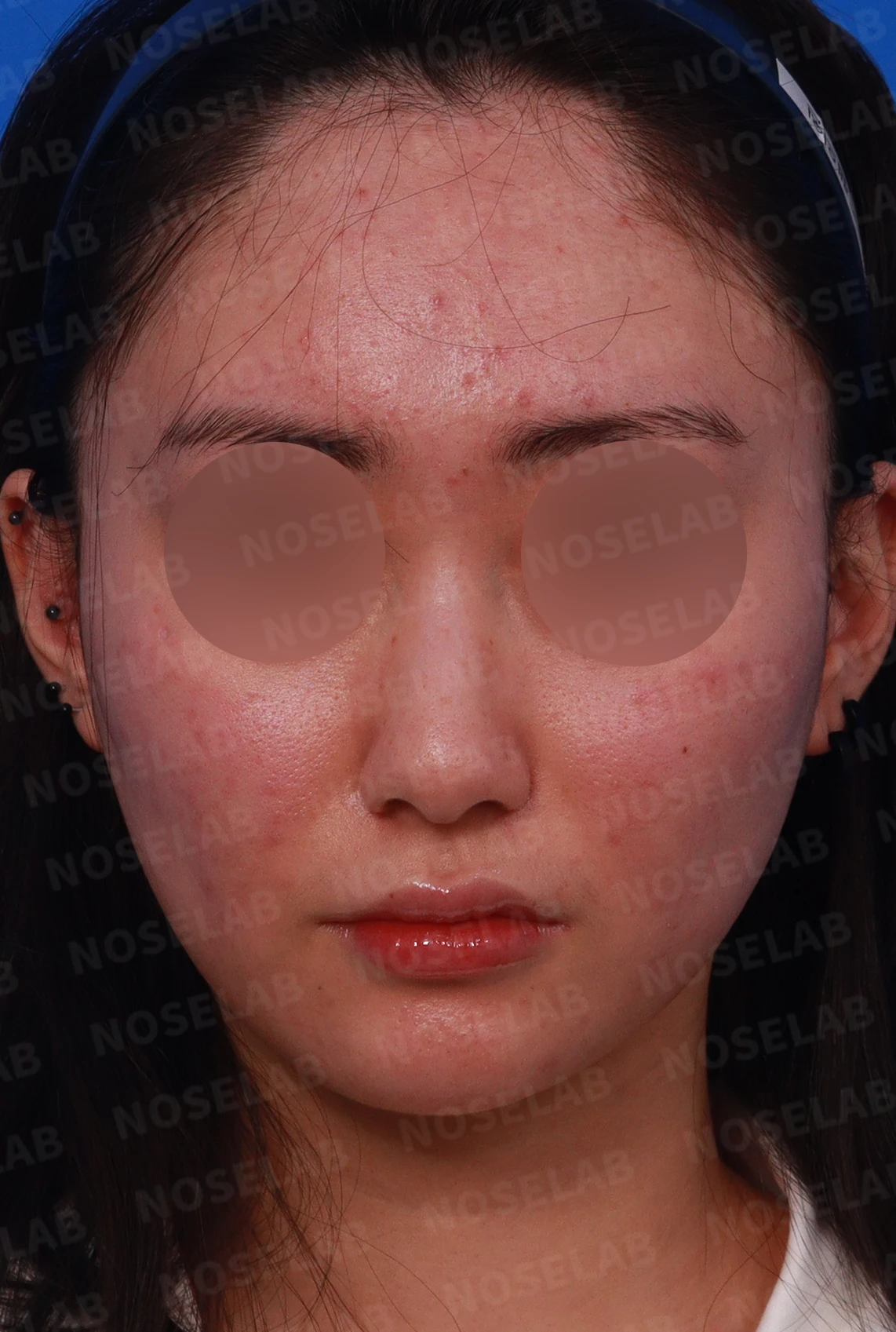
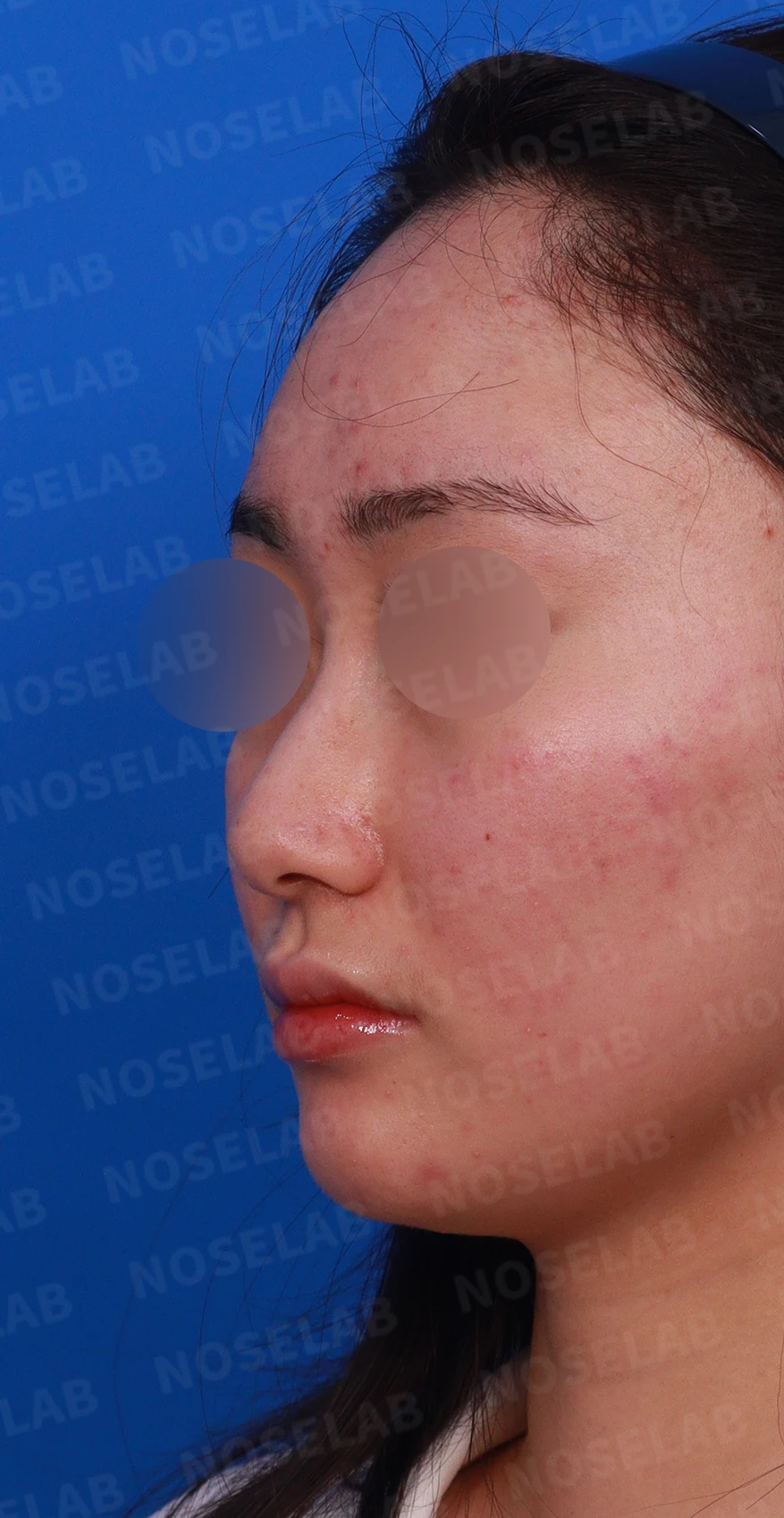
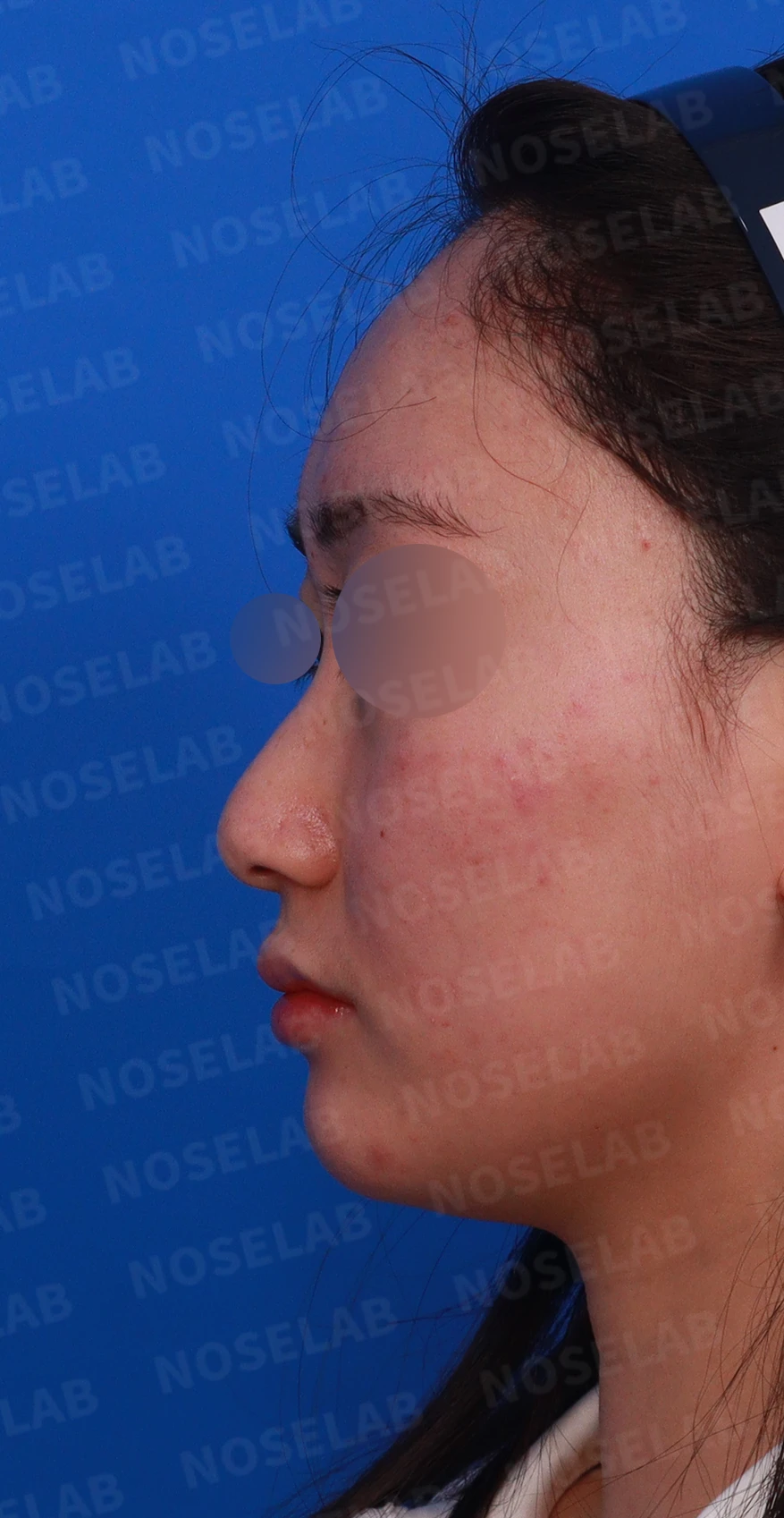
Design consultation: front, left oblique, and profile views.
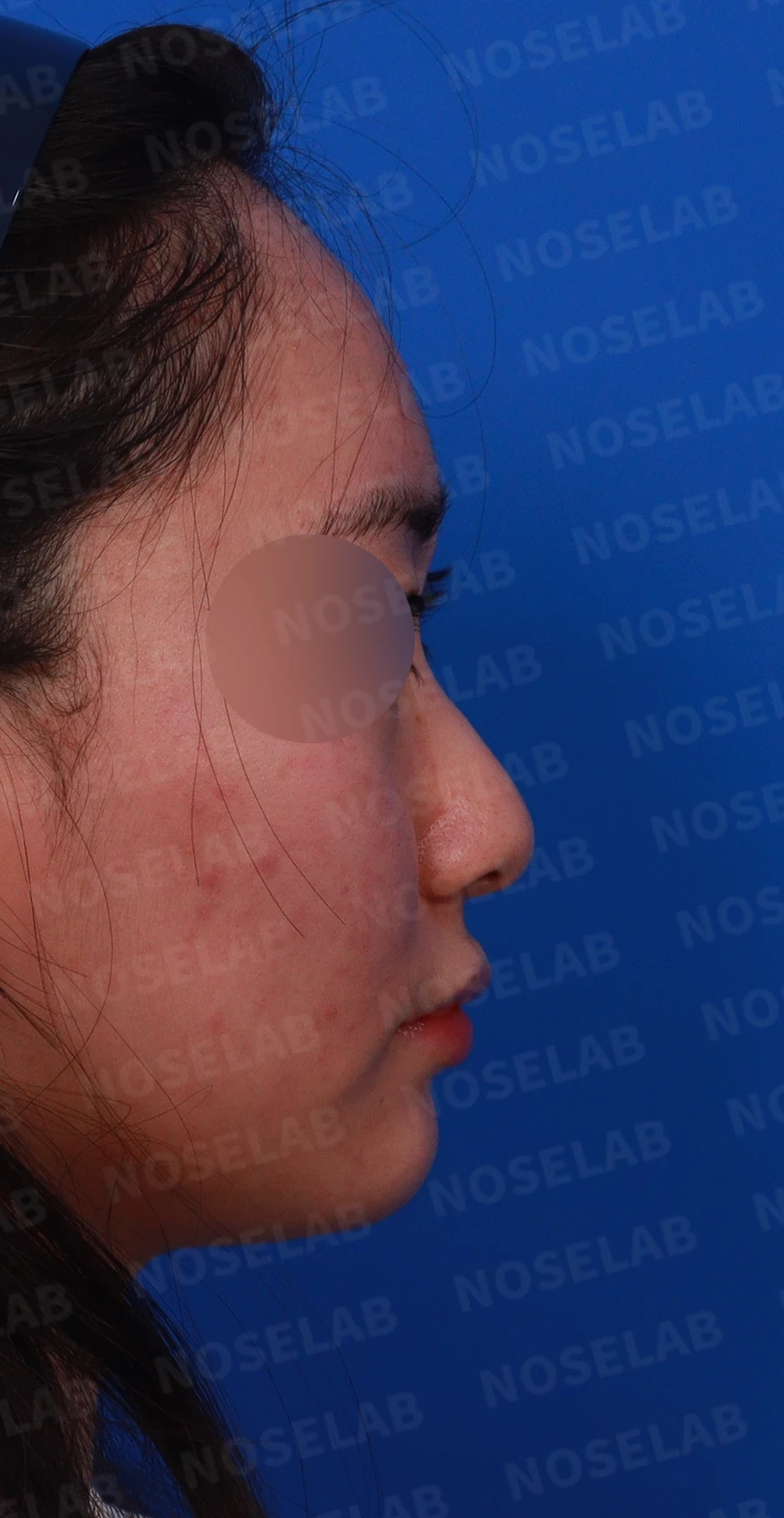
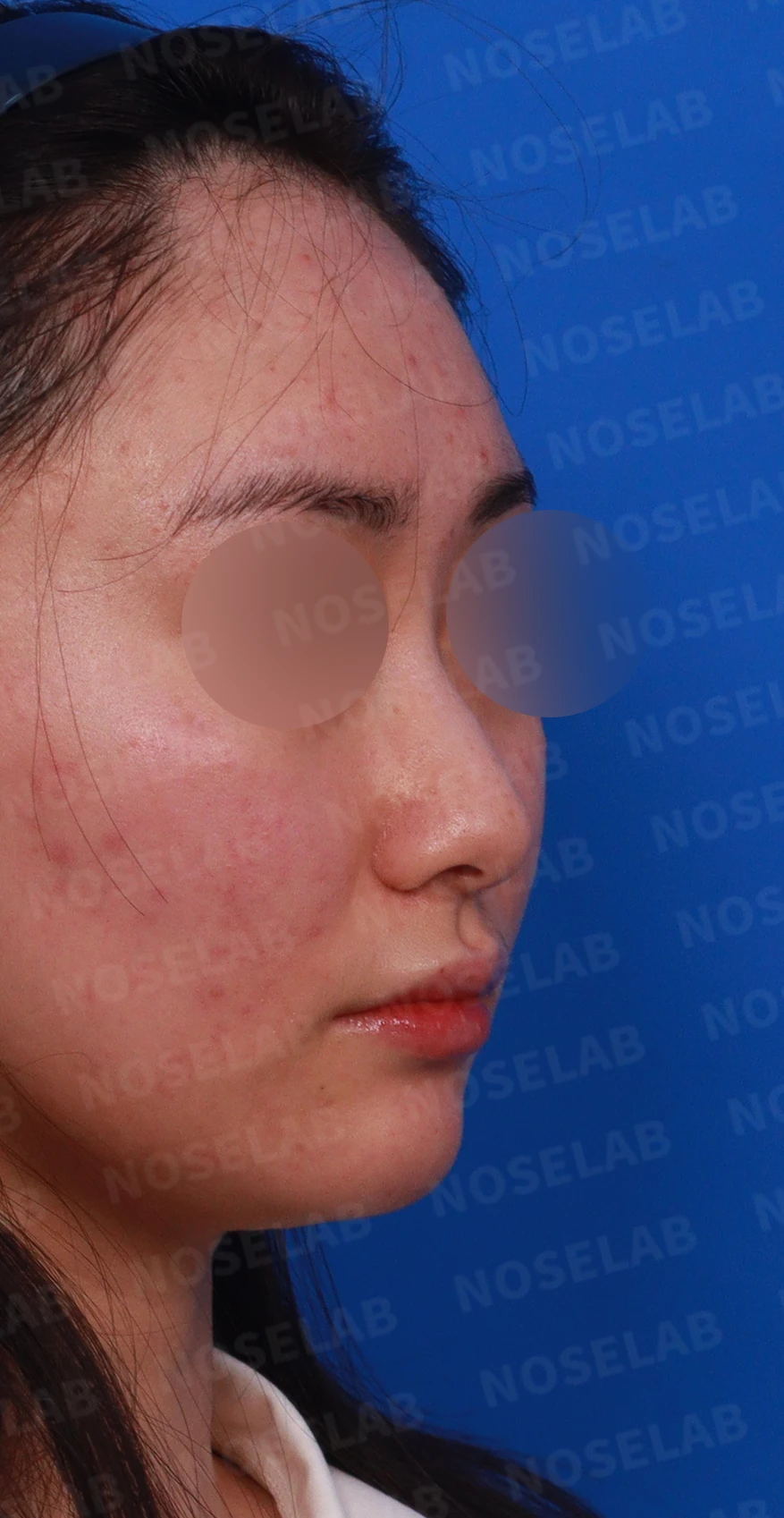
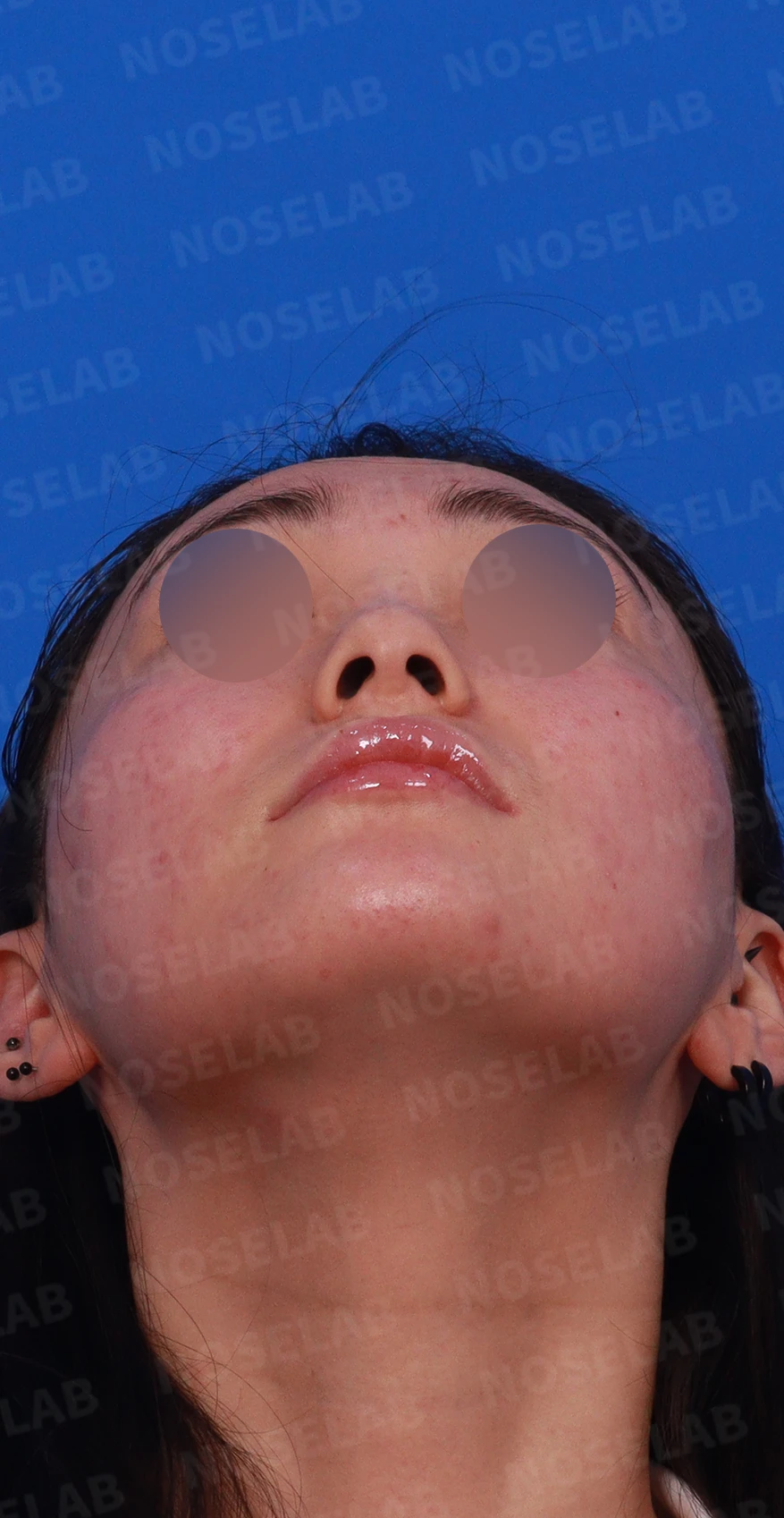
Design consultation: right profile, oblique, and nostril views.
📍 Initial consultation findings
Key features:
Bulbous nasal tip
Crooked nasal shape
Wide, spreading nasal shape
Asymmetry of the nostrils and alae
Drooping tip
Wide nasolabial angle
Protruding mouth findings
✨ Patient's requests
Natural nasal shape
Refining and narrowing the nasal tip
Avoiding an overly long nasal appearance
Accepting a slight degree of nostril show
💉 Surgical procedure details
Structural improvements:
Nasal structural reconstruction using autologous rib cartilage
Correction of crooked nose
Refining, elevating, and gathering the nasal tip
Correction of the nasolabial angle
Improving nostril and alar symmetry
Functional improvements:
Concurrent rhinitis surgery
Improvement of breathing function
Securing stability of the nasal framework
✅ Surgical results
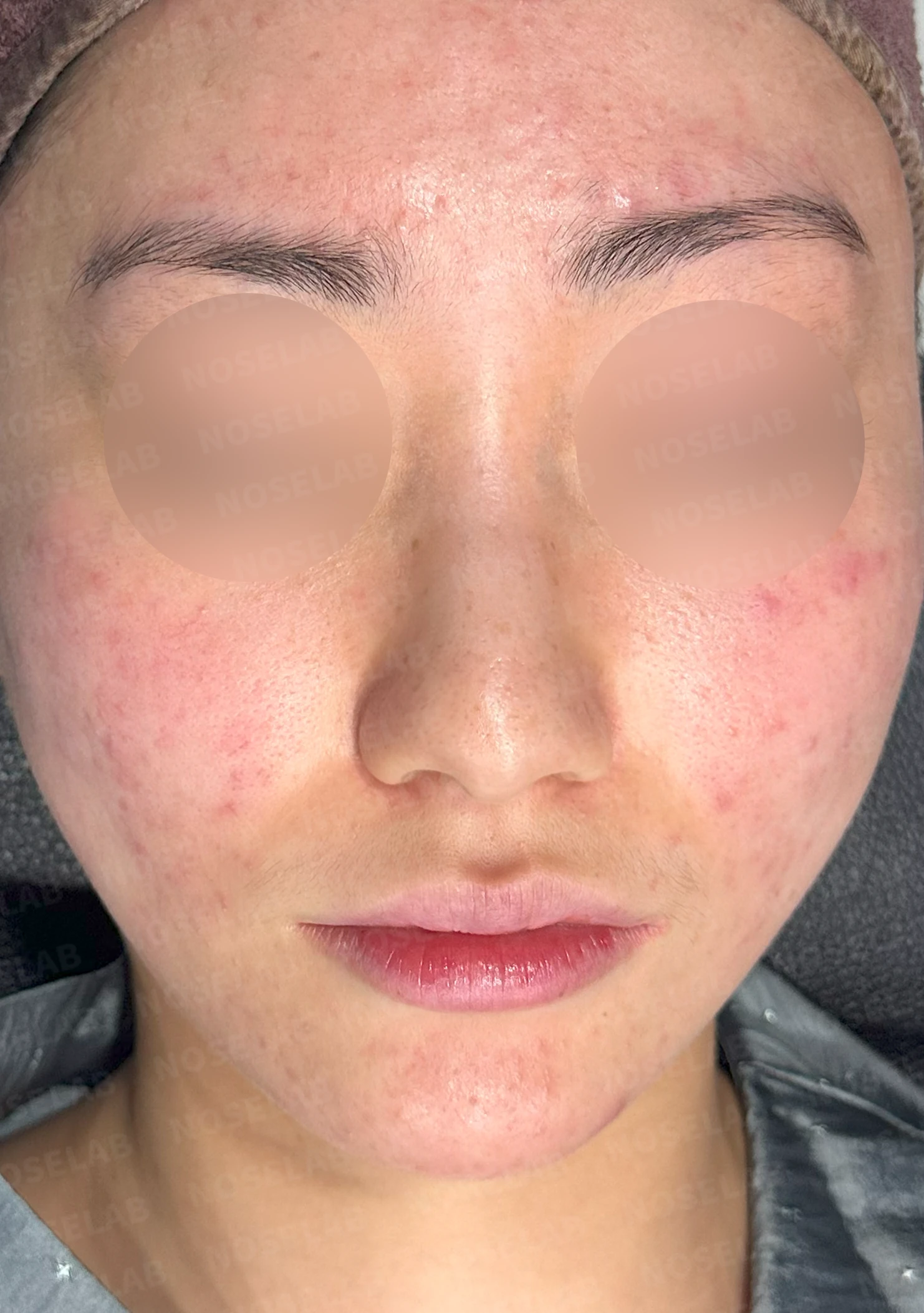
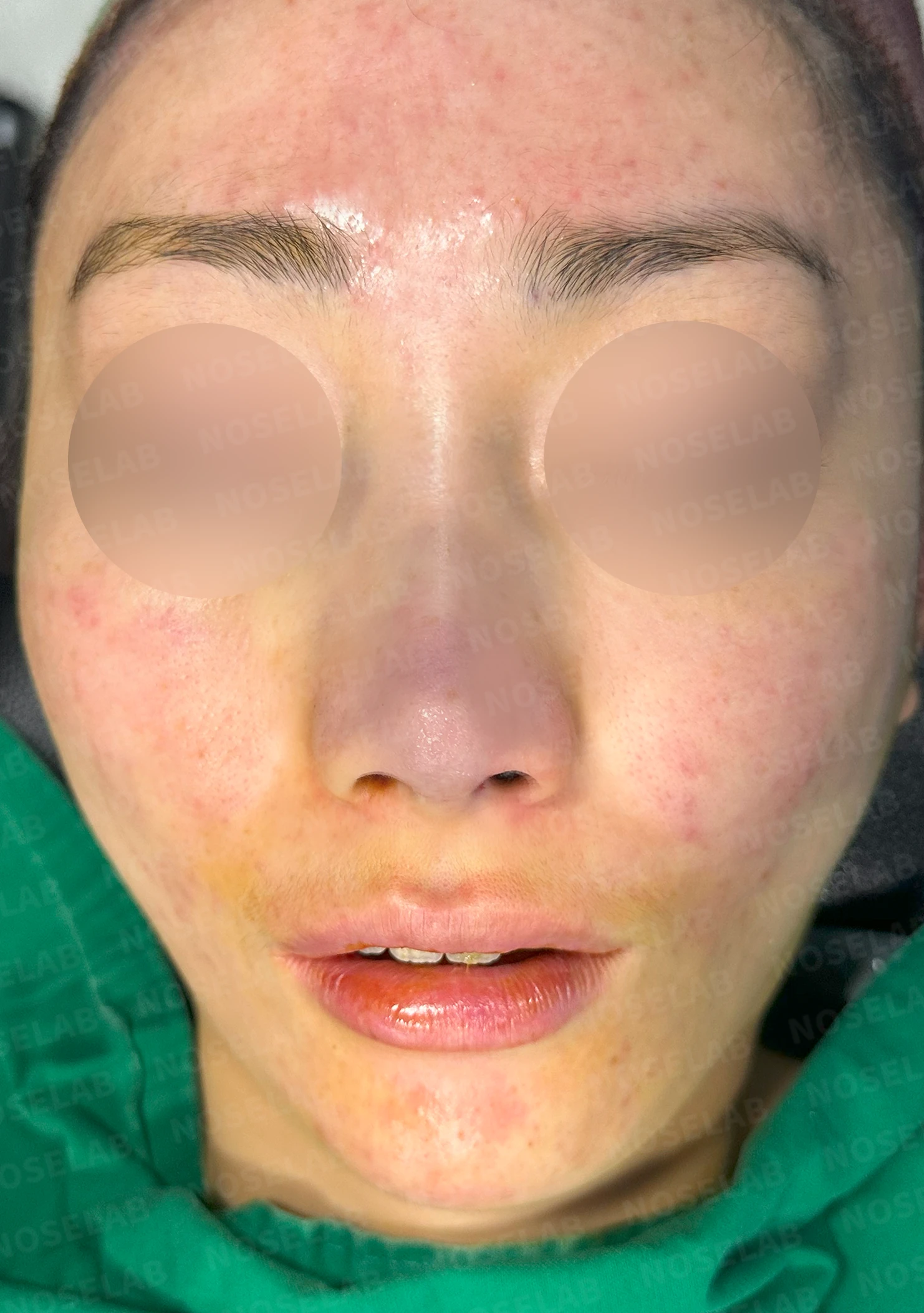
Before surgery / Day 0 immediately after surgery Photos taken immediately after surgery show swelling and may differ from the final result.
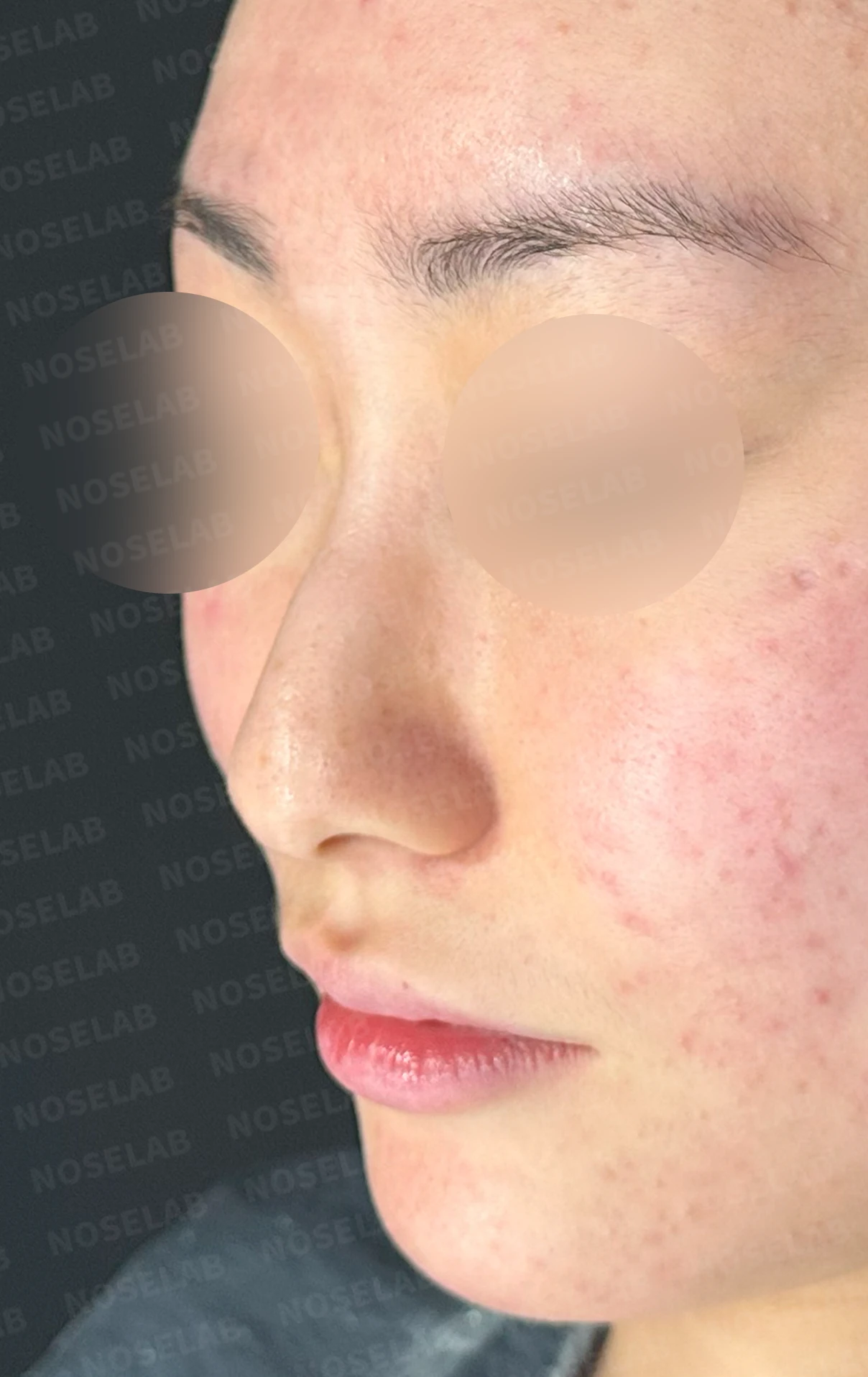
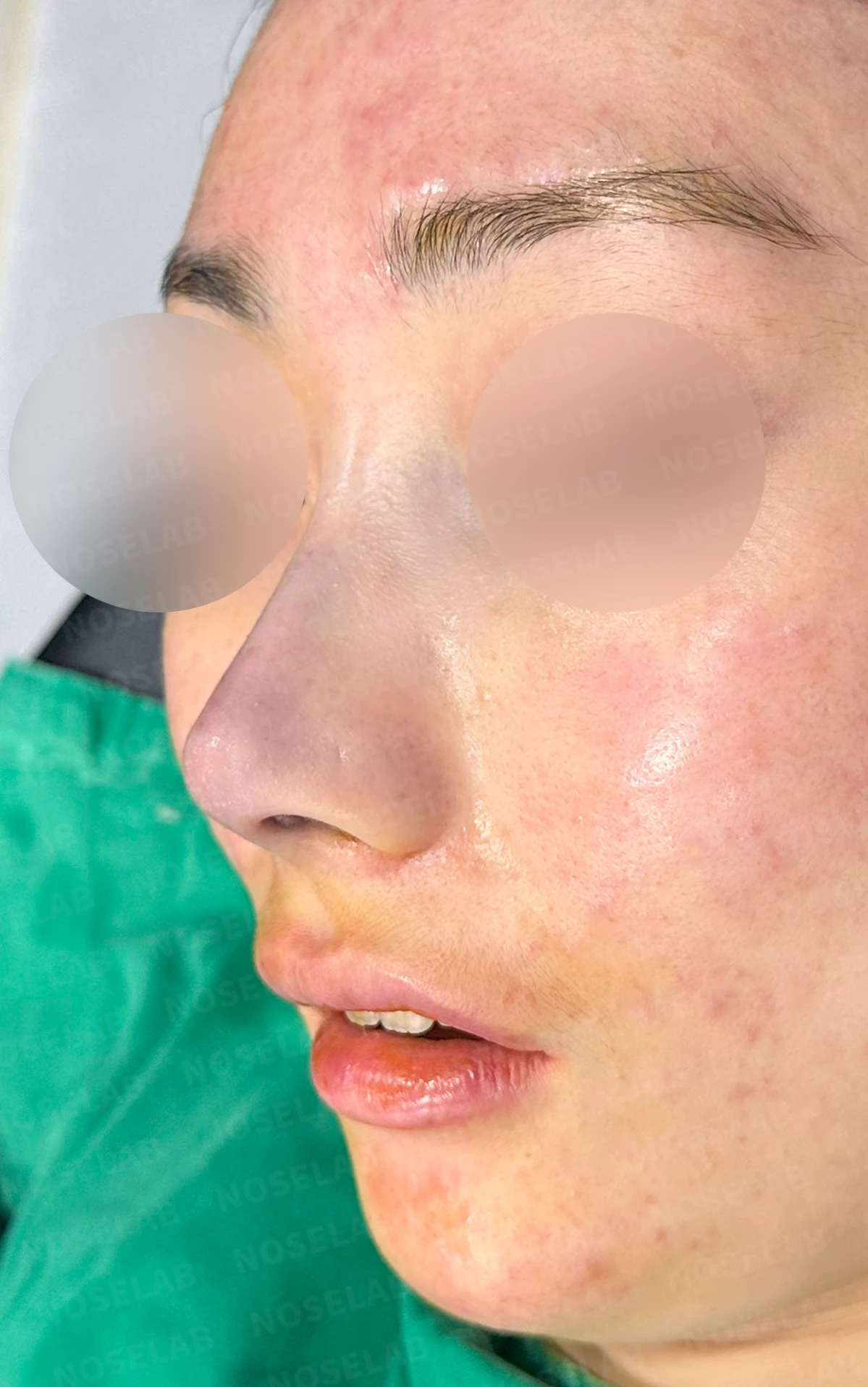
Front view:
Correction of deviated nose
Improvement of the wide, spreading nose
Balanced alar symmetry
Improved nostril balance
Overall harmonious appearance
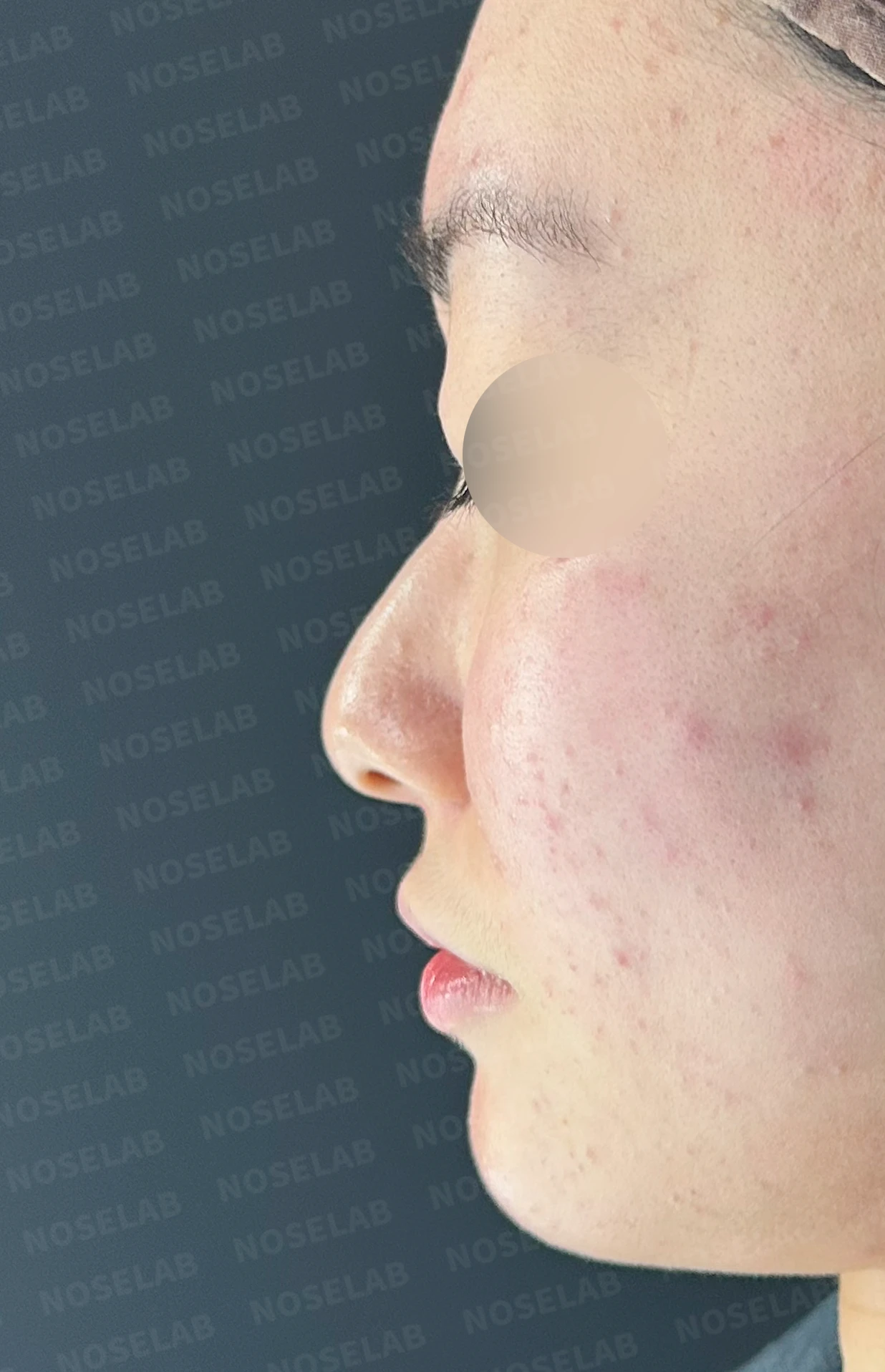
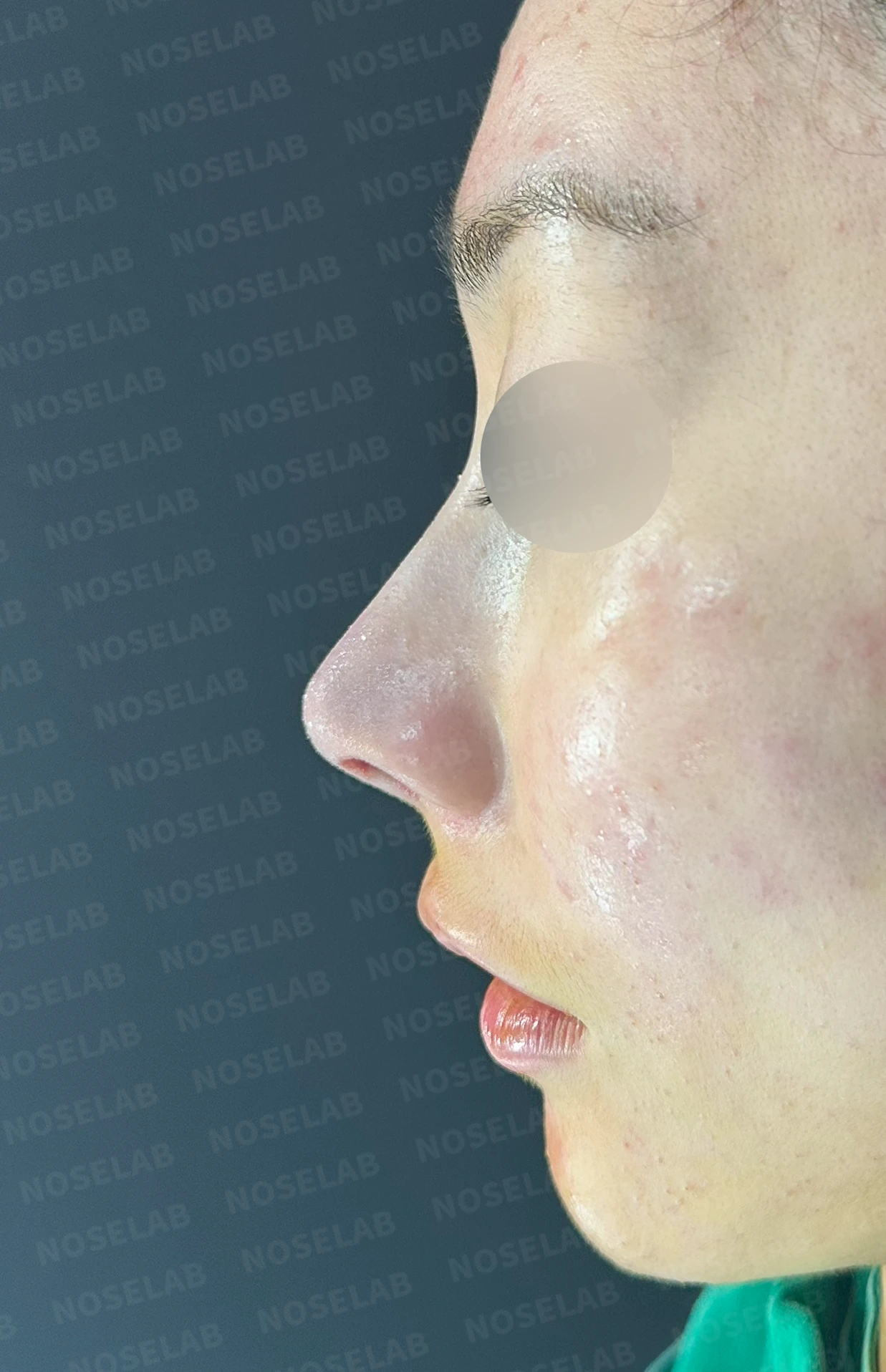
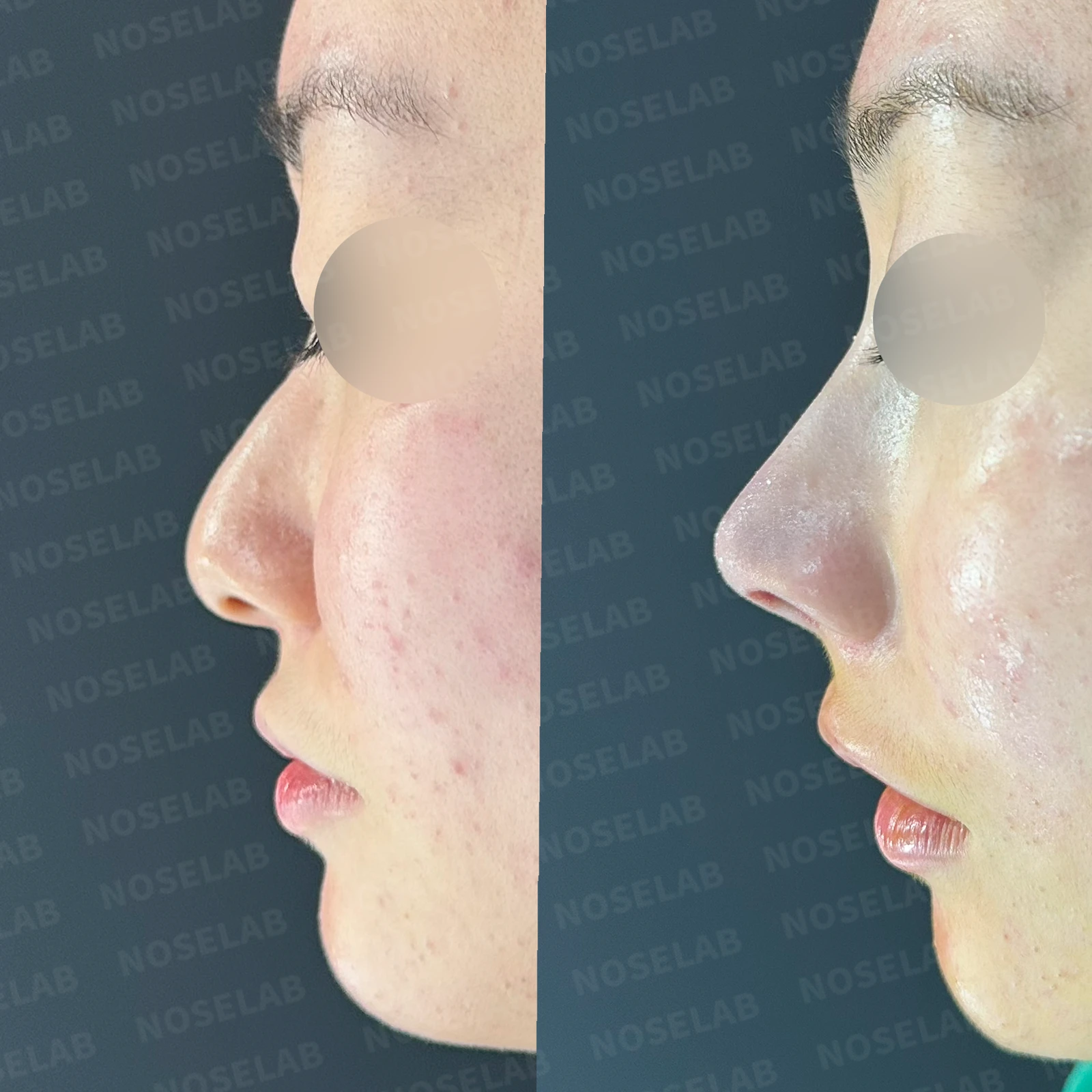
Before surgery / Day 0 immediately after surgery Photos taken immediately after surgery show swelling and may differ from the final result.
Profile view:
Balanced nasal line
Improved tip position
Appropriate nasolabial angle
Improvement in the appearance of a protruding mouth
A defined yet natural profile line
Before surgery / Day 0 immediately after surgery Photos taken immediately after surgery show swelling and may differ from the final result.
Nostrils:
Balanced nostril shape
Naturally refined alae
A stable structure with corrected tip drooping
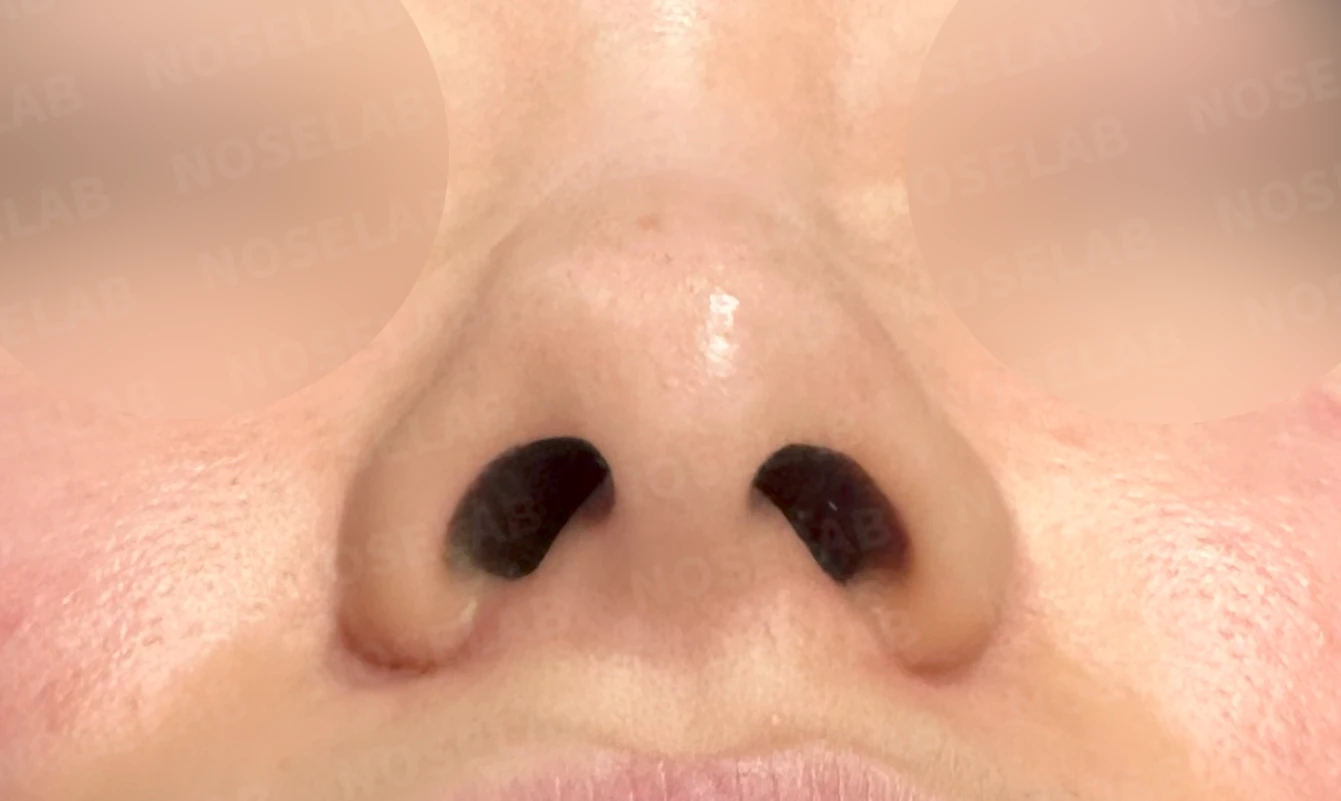
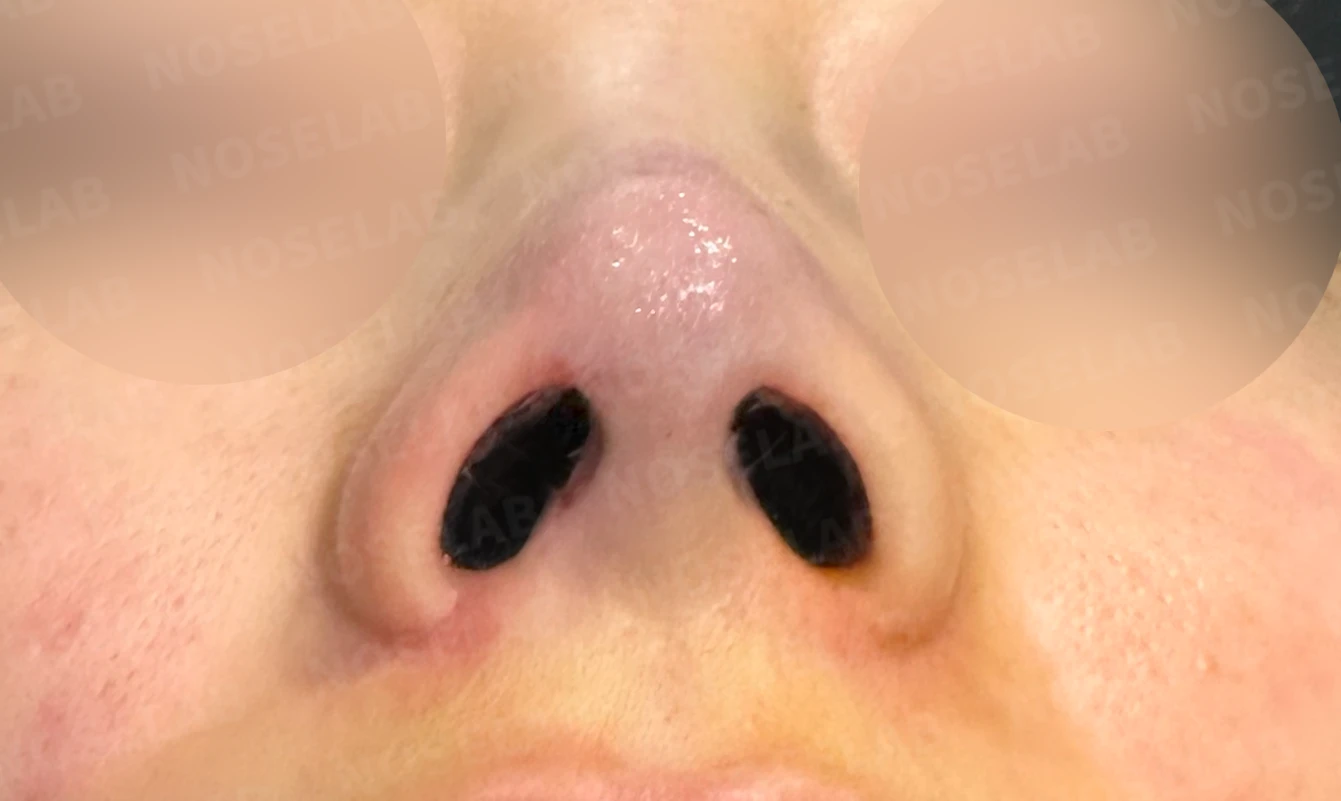
Before surgery / Day 0 immediately after surgery Photos taken immediately after surgery show swelling and may differ from the final result.
👨⚕️ Specialist's assessment
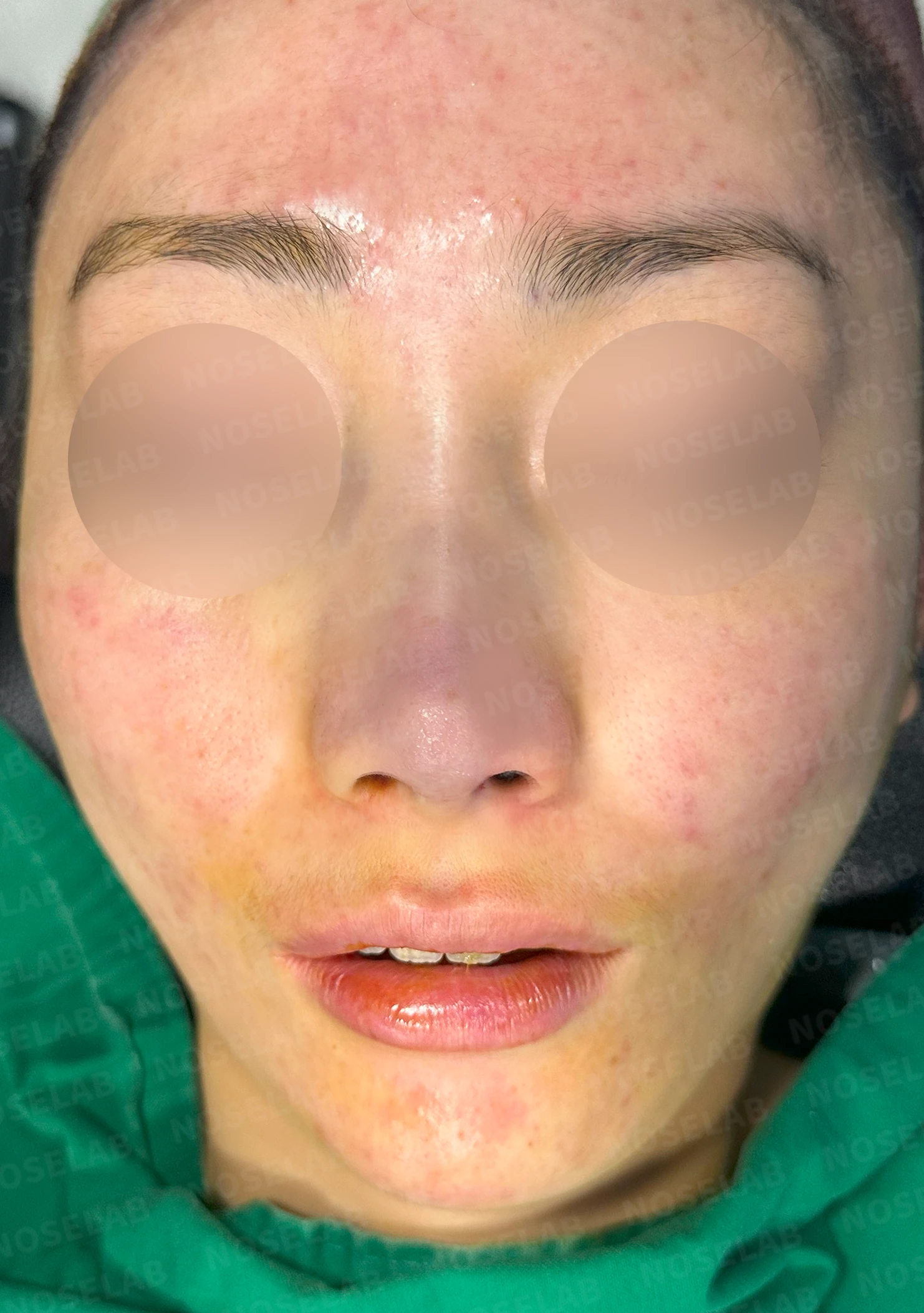
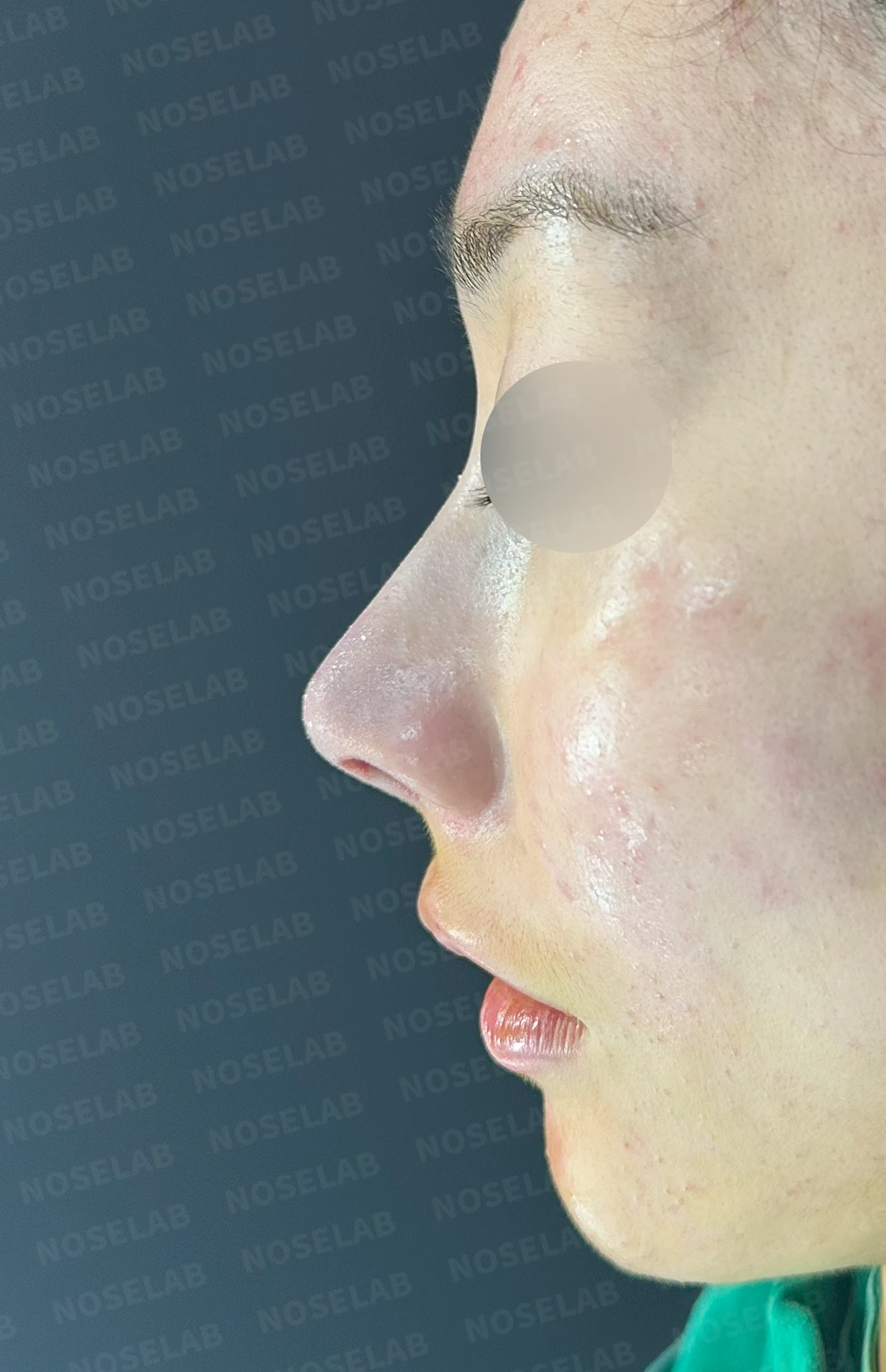
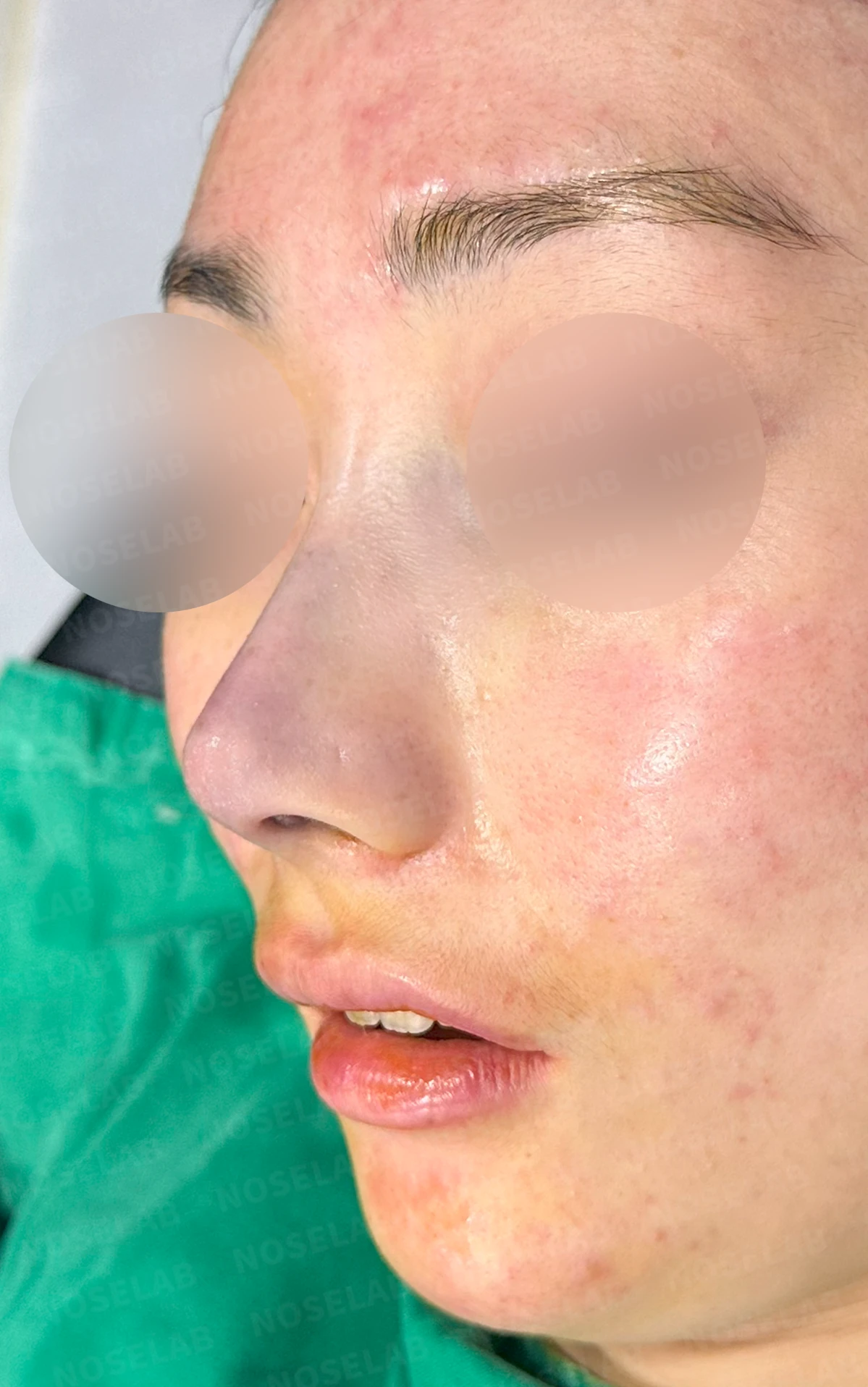
Immediately after surgery (day 0): front, profile, and oblique views. Immediate postoperative photos show swelling and may differ from the final result.
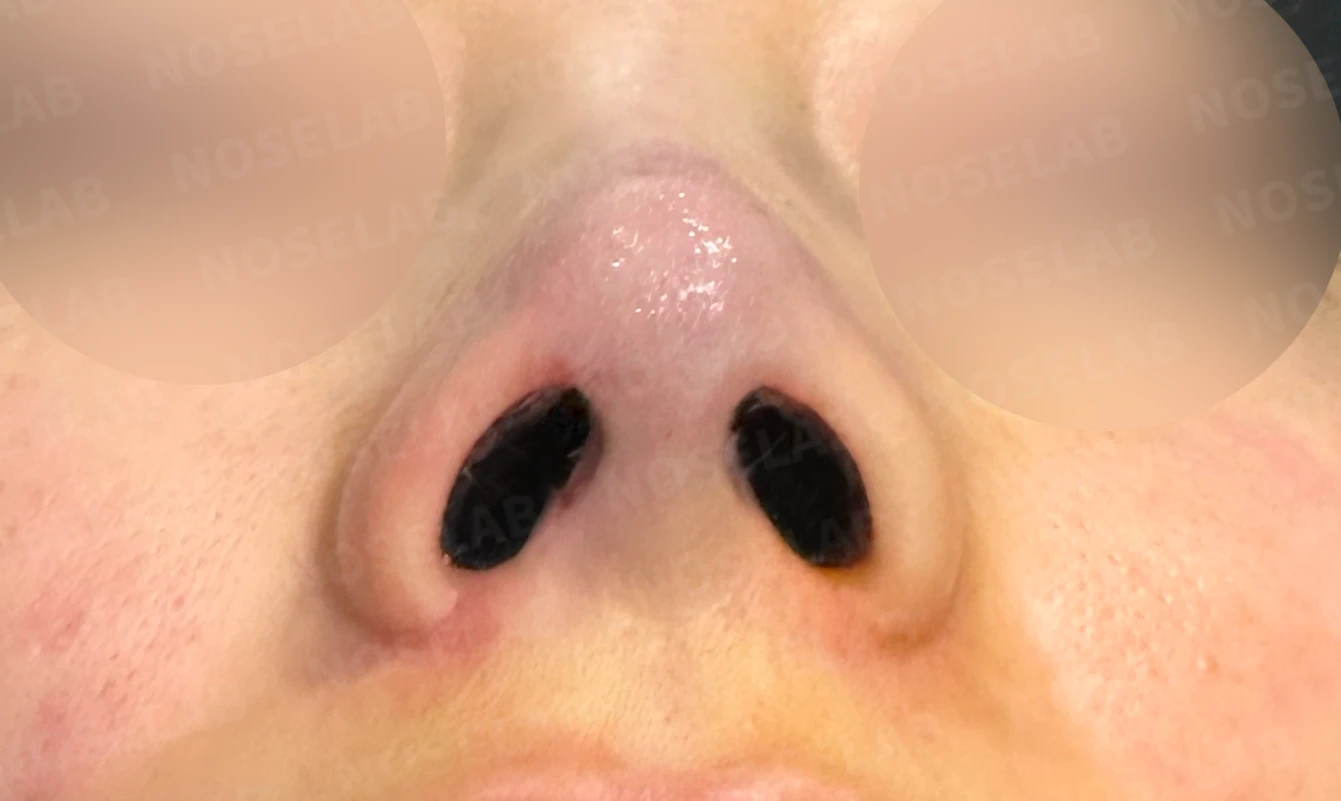
Nostril view on day 0 immediately after surgery. Photos taken immediately after surgery show swelling and may differ from the final result.
This was a case of a patient who desired natural results while specifically wanting the nasal tip refined and brought inward.
Through rhinoplasty using autologous rib cartilage, the focus was placed on addressing multiple concerns comprehensively while accommodating the patient's requests as closely as possible.
During the preoperative consultation, I explained that a slight impression of bridge curvature might remain, and after understanding this, the patient decided to prioritize a natural look.
In particular, a detailed approach was required to gather the bulbous, spreading nasal tip and correct the drooping portion.
Through structural reconstruction using autologous rib cartilage, the crooked aspects of the nose were straightened, and the asymmetry of the alae and nostrils was improved.
The wide nasolabial angle and the appearance of a protruding mouth were also properly adjusted to create a harmonious profile line.
In addition, because the patient was experiencing discomfort from rhinitis, functional rhinitis surgery was performed concurrently with the aesthetic enhancements to improve breathing function.
As a result, a satisfying outcome was achieved in which multiple concerns were resolved in a defined and harmonious manner.
In particular, by establishing a stable structure, a natural result can be maintained over the long term.
This has been Dr. Peter C. Kang, medical director.
Thank you.
#closedrhinoplasty #autologousribcartilage #crookednosecorrection #tiprefinement #customrhinoplasty

Limitations and risks
When autologous rib cartilage is used, scarring and pain may remain at the donor site on the chest, and pneumothorax (pleural injury) can occur rarely. Over time, the grafted cartilage may warp or undergo partial resorption.
Common potential risks include infection, bleeding, asymmetry, scarring, skin necrosis, and insufficient improvement; results vary depending on individual skin condition and previous surgical history.