Hello, I am Dr. Peter C. Kang.
Today, I would like to share the case of a patient who underwent autologous rib cartilage rhinoplasty, paranasal augmentation, and chin implant surgery simultaneously to improve a low nasal bridge, protruding mouth, and overall facial balance.
📍Surgical history
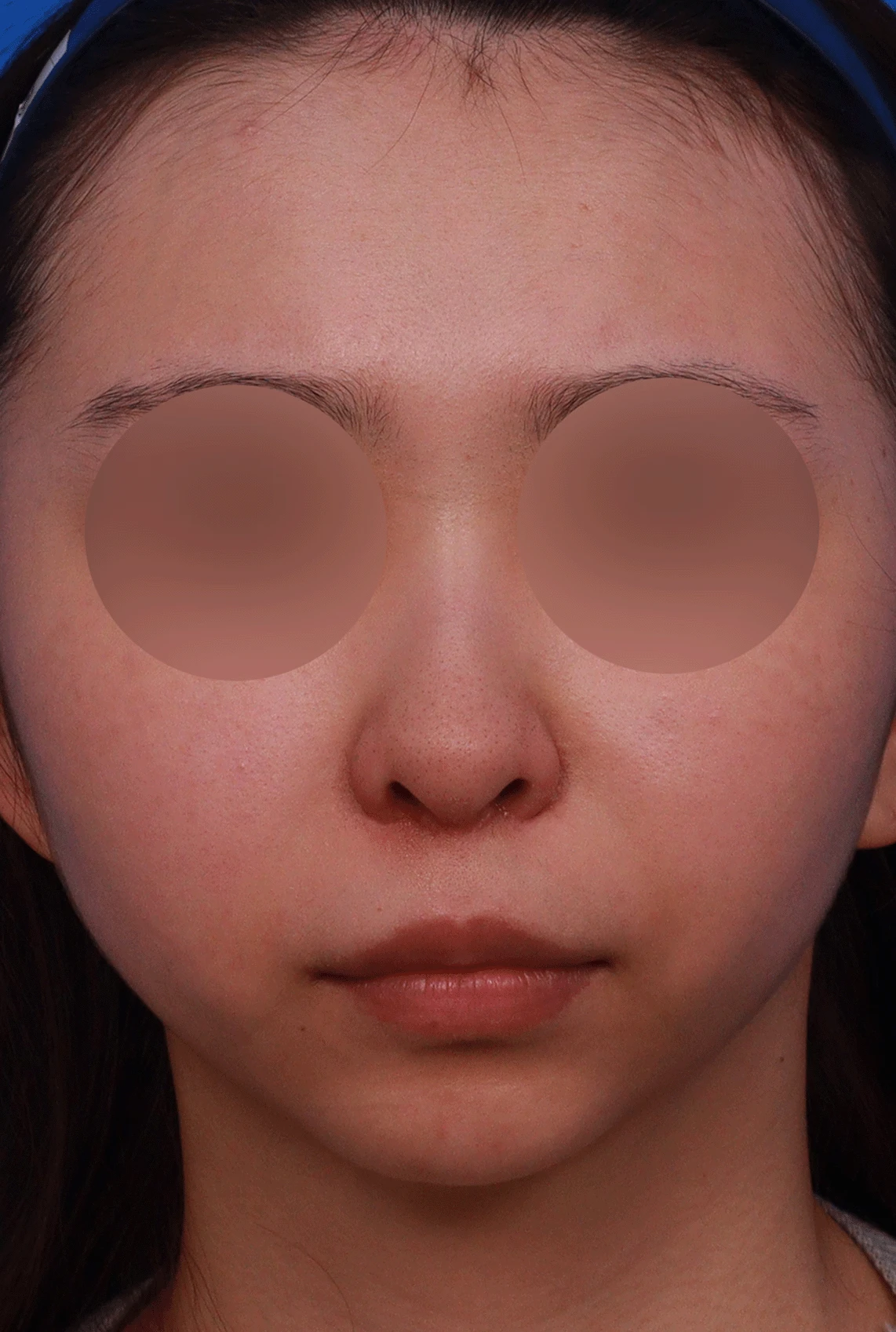
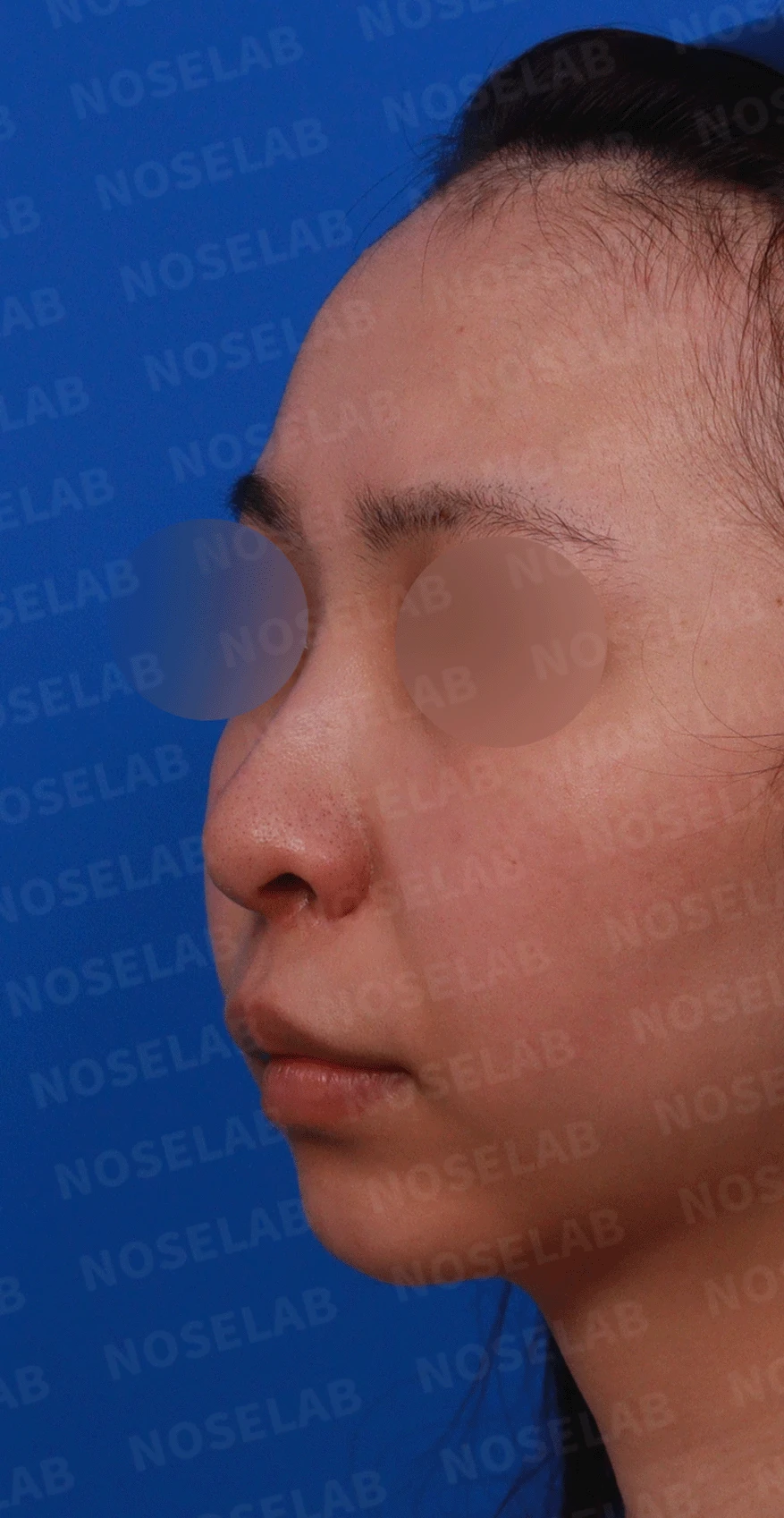
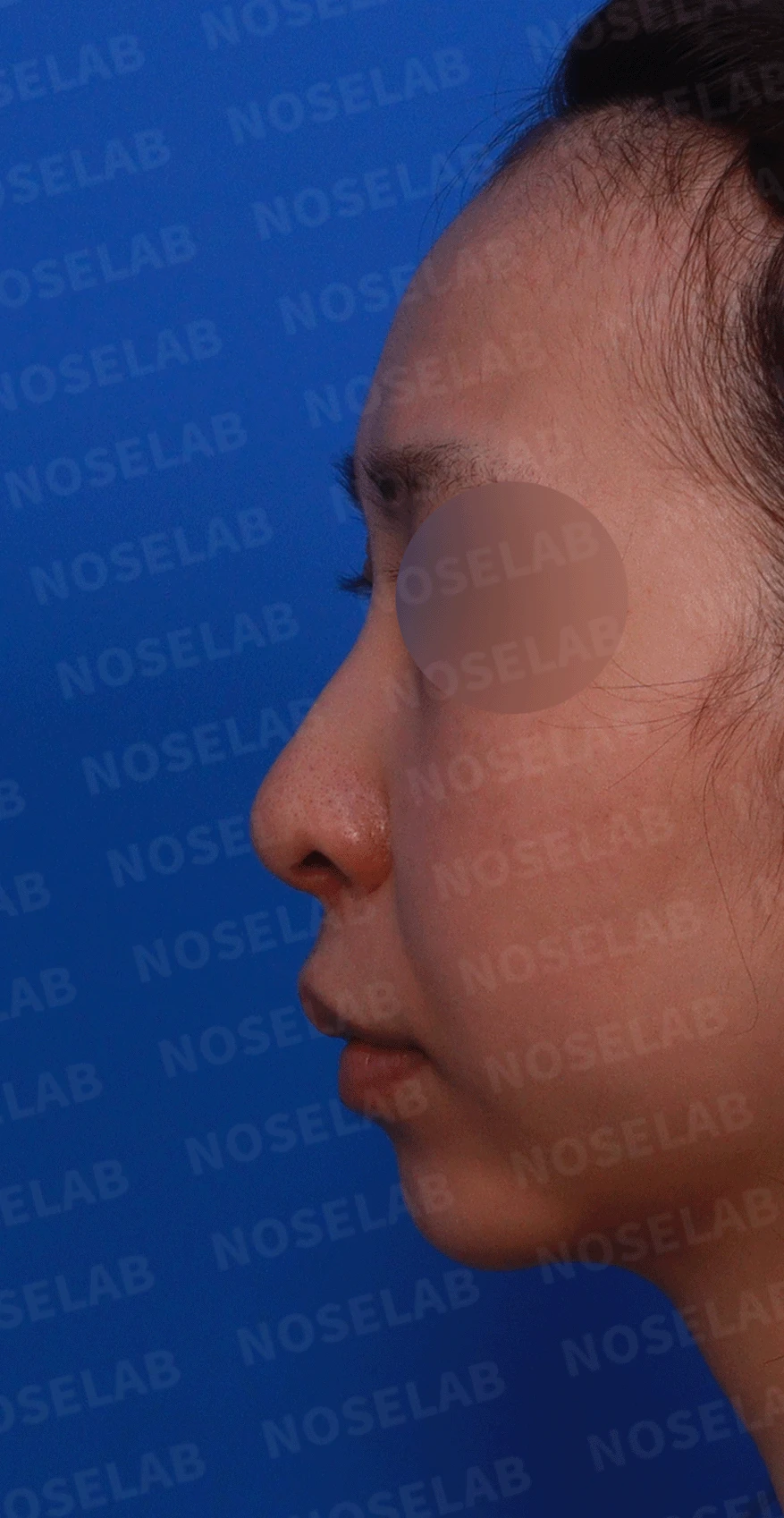
Design consultation: front, left oblique, and profile views.
January 2020
Full rhinoplasty (no implant, ear cartilage at the nasal tip)
March 2022
Dermal graft to the nasal bridge
🔎 Initial consultation findings
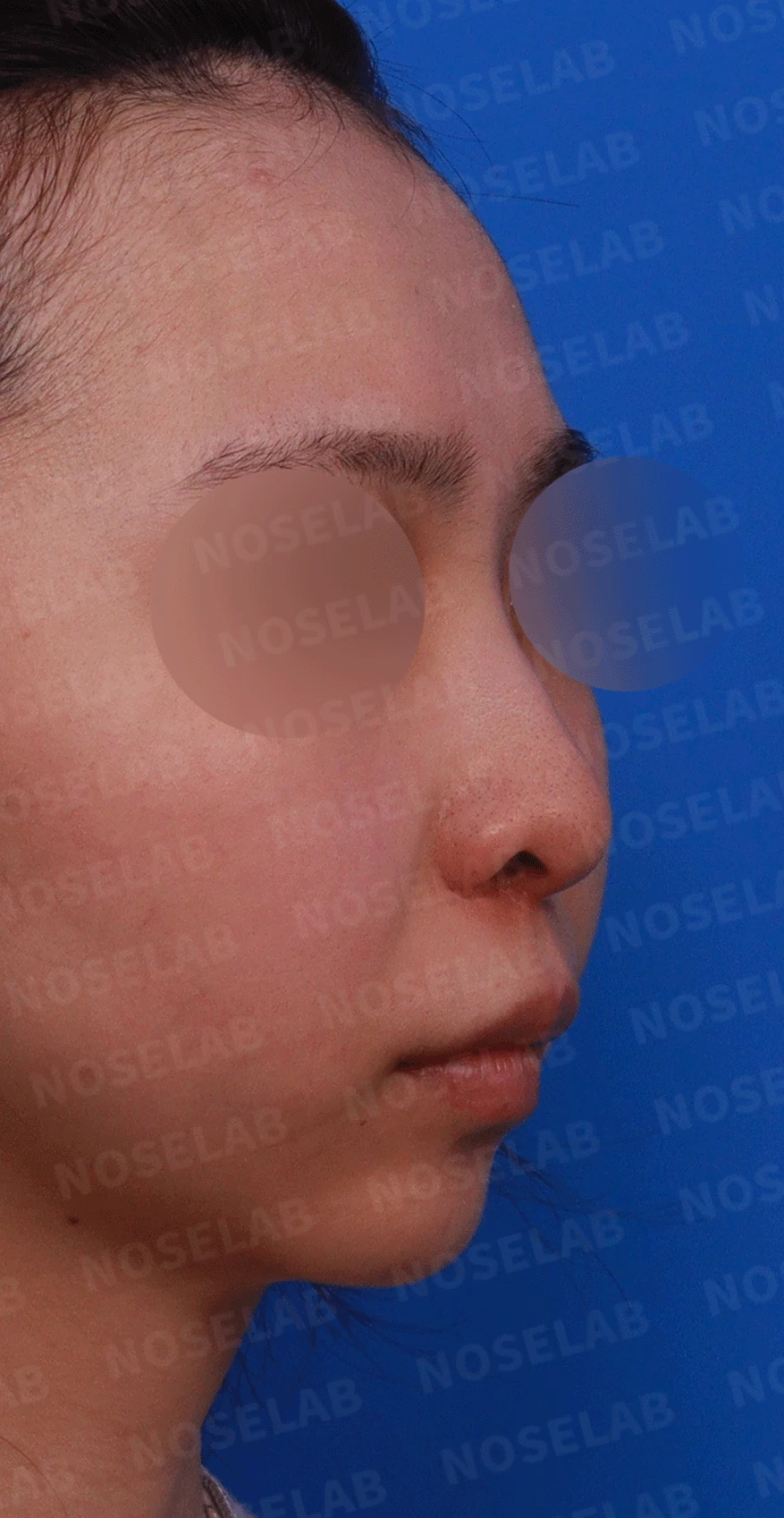
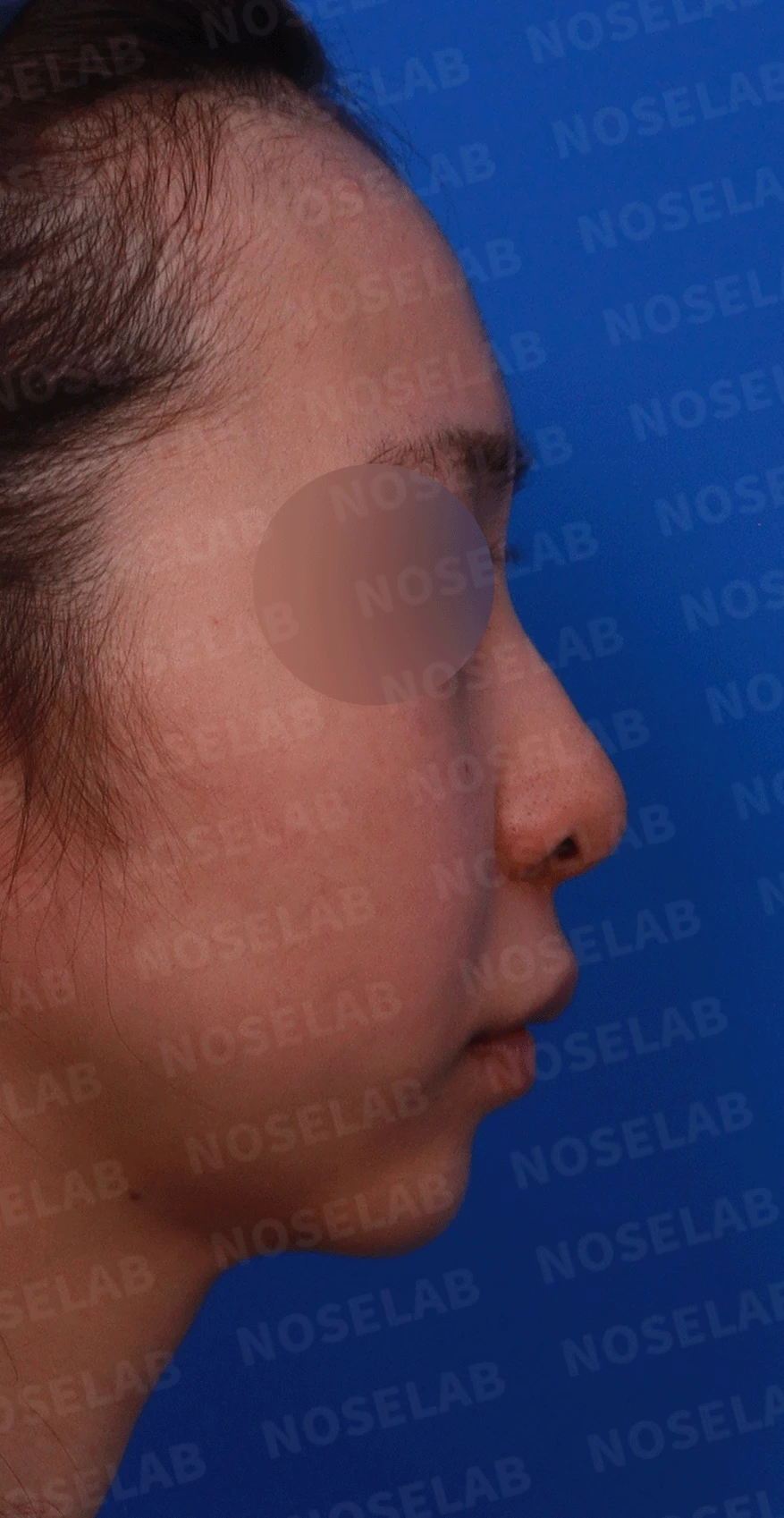
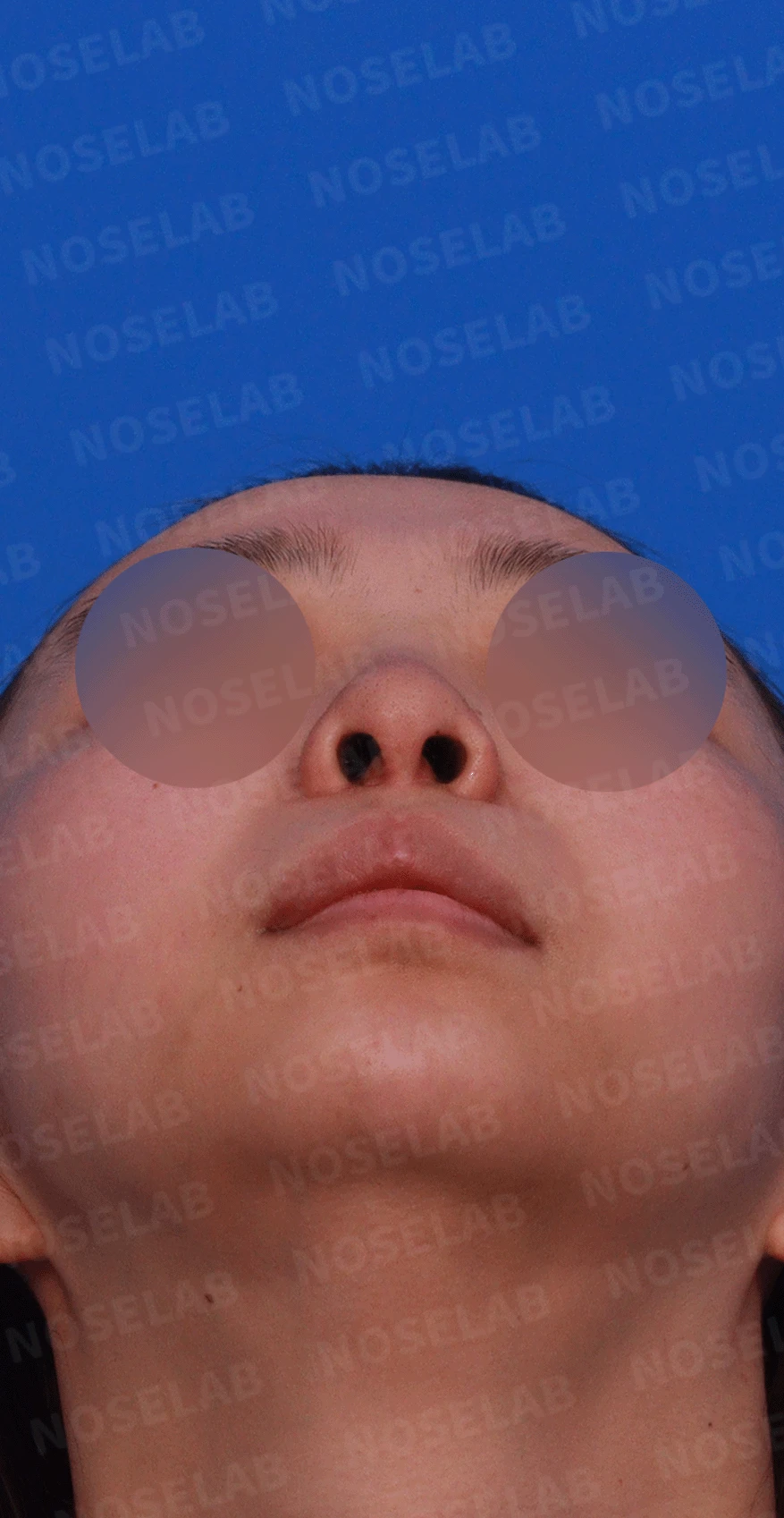
Design consultation: right oblique, profile, and nostril views.
Patient information
Female in her 30s
Visited the clinic via Twitter
No history of double jaw surgery, facial contouring, or filler
Main concerns
Low nasal bridge
Lack of height between the eyebrows
Bulbous nose (flared nasal tip)
Nasolabial folds associated with a protruding mouth
Overall facial disharmony
Aesthetic preferences
A refined and natural-looking nose
Adequate height between the eyebrows
Sleek nasal tip
Overall facial harmony
What to avoid
Drooping nose
An overly dramatic nose
✨ Patient's requests
Elevating the low nose
Definite correction of the bulbous tip
Appropriate elevation of the nasal bridge
Improvement of nasolabial folds
Balancing the entire face
💉 Surgical procedure details
Autologous rib cartilage reconstruction
Removal of previous dermal graft and replacement with rib cartilage
Securing sufficient height
Reinforcing structural stability
Projecting the nasal tip
Reinforcing the tip support structure with autologous rib cartilage
Creating a slim and refined nasal tip
Complete correction of the bulbous nose
Correction of the nasolabial angle
Improvement in protruding mouth appearance
Softening nasolabial folds
Ideal nasolabial angle
Paranasal augmentation
Restoring midface volume
Additional improvement of nasolabial folds
Three-dimensional facial contour
Chin implant surgery
Improving the protruding mouth by advancing the chin
Overall facial balance and harmony
Improvement of the aesthetic line (E-line)
Comprehensive approach
Integrated surgery considering both the nose and the entire face
Calculating optimal proportions for each area
Pursuing natural harmony
✅ Surgical results
Effects of nasal correction
Transition from a low nose to an appropriately elevated nose
Resolution of the bulbous tip for a slim nasal tip
Natural yet refined nasal line
Securing height between the eyebrows
Improvement of nasolabial folds
Increased midface volume via paranasal augmentation
Additional improvement through nasolabial angle correction
Youthful, vibrant impression
Front view
Elevated height between the eyebrows
Sleek nasal tip
Improved nasolabial folds
Balanced facial proportions
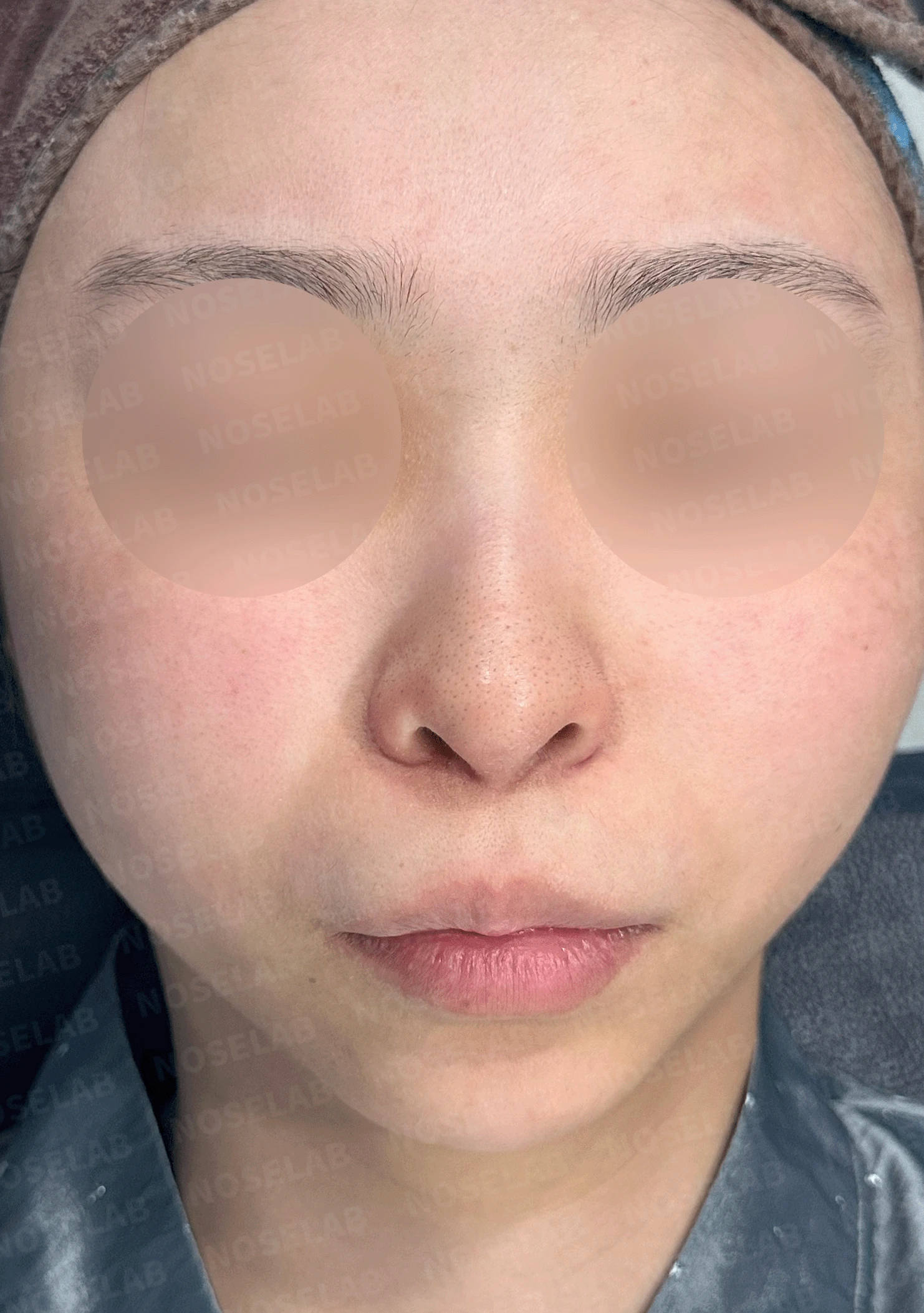
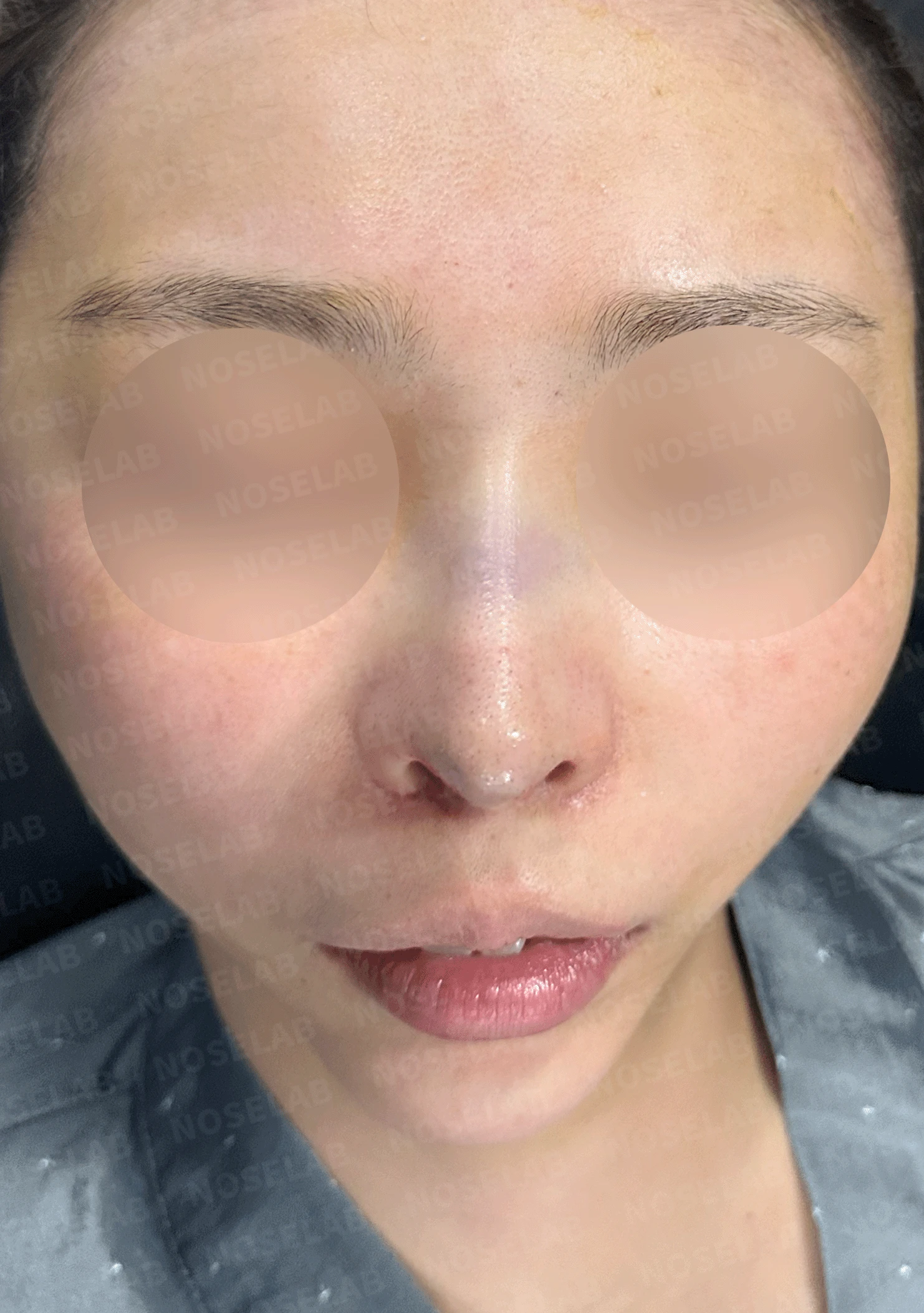
Before surgery / Day 0 immediately after surgery Photos taken immediately after surgery show swelling and may differ from the final result.
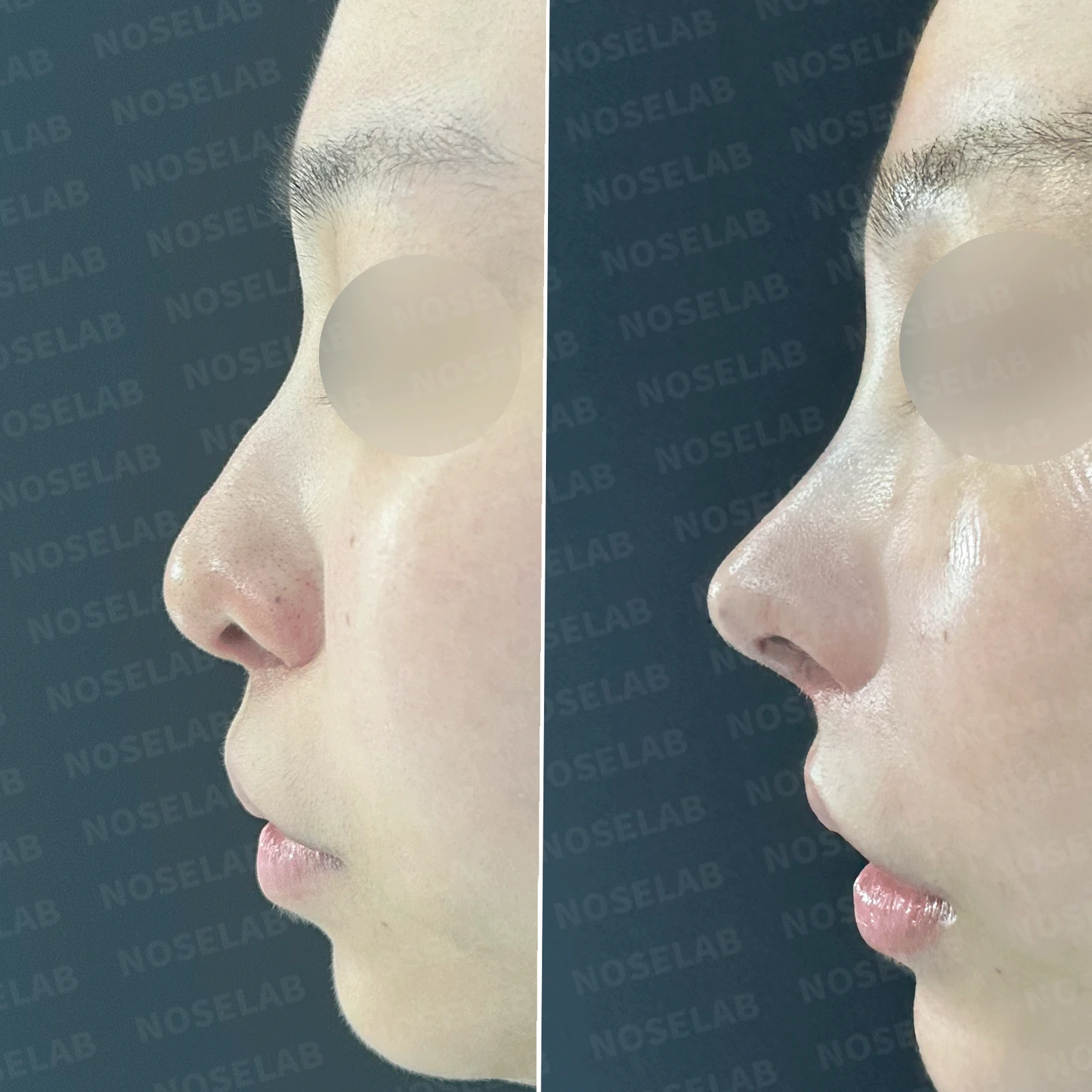
Profile view
Natural nasal height
Improved protruding mouth
Ideal E-line
Harmonious facial profile
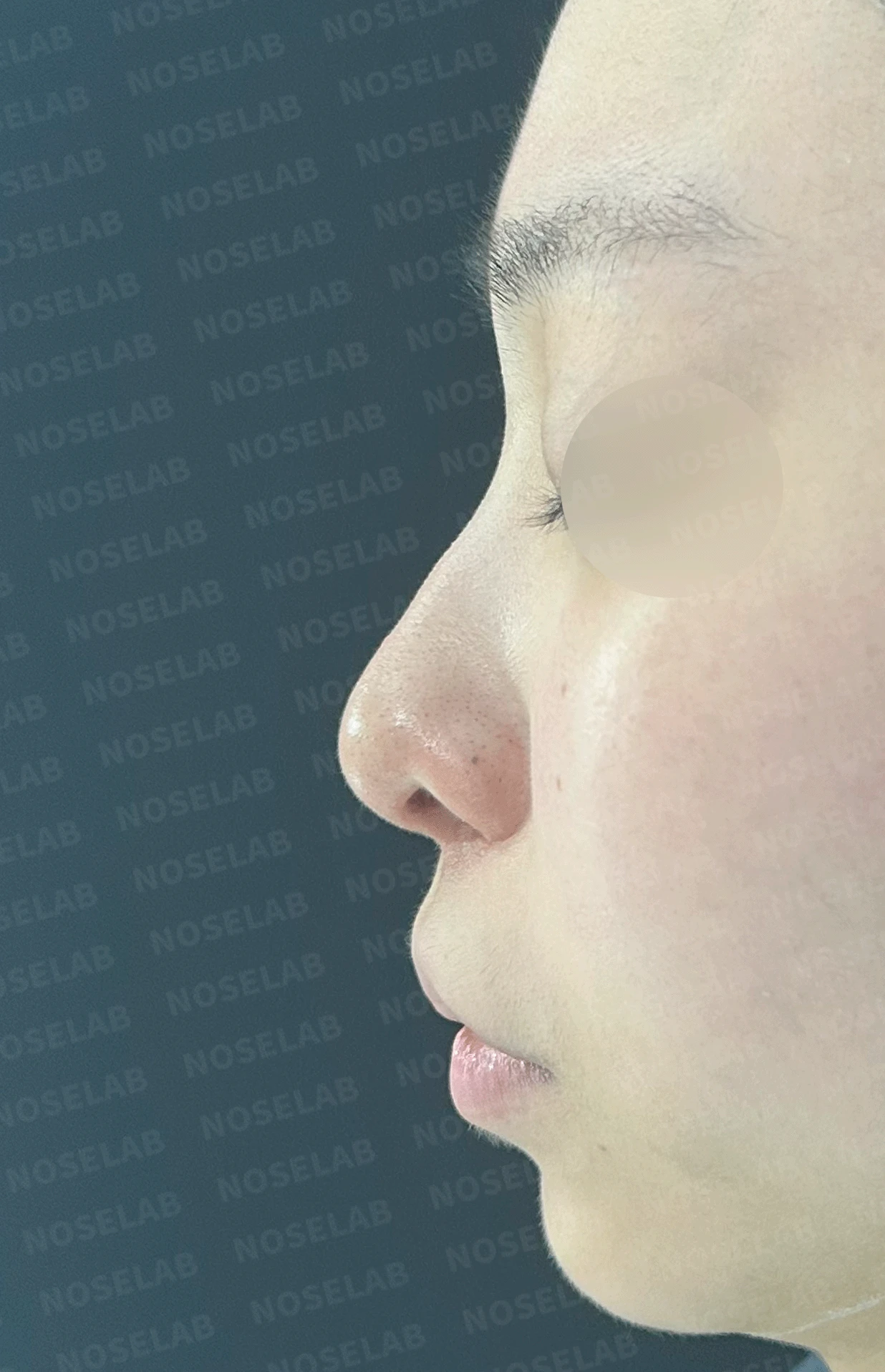
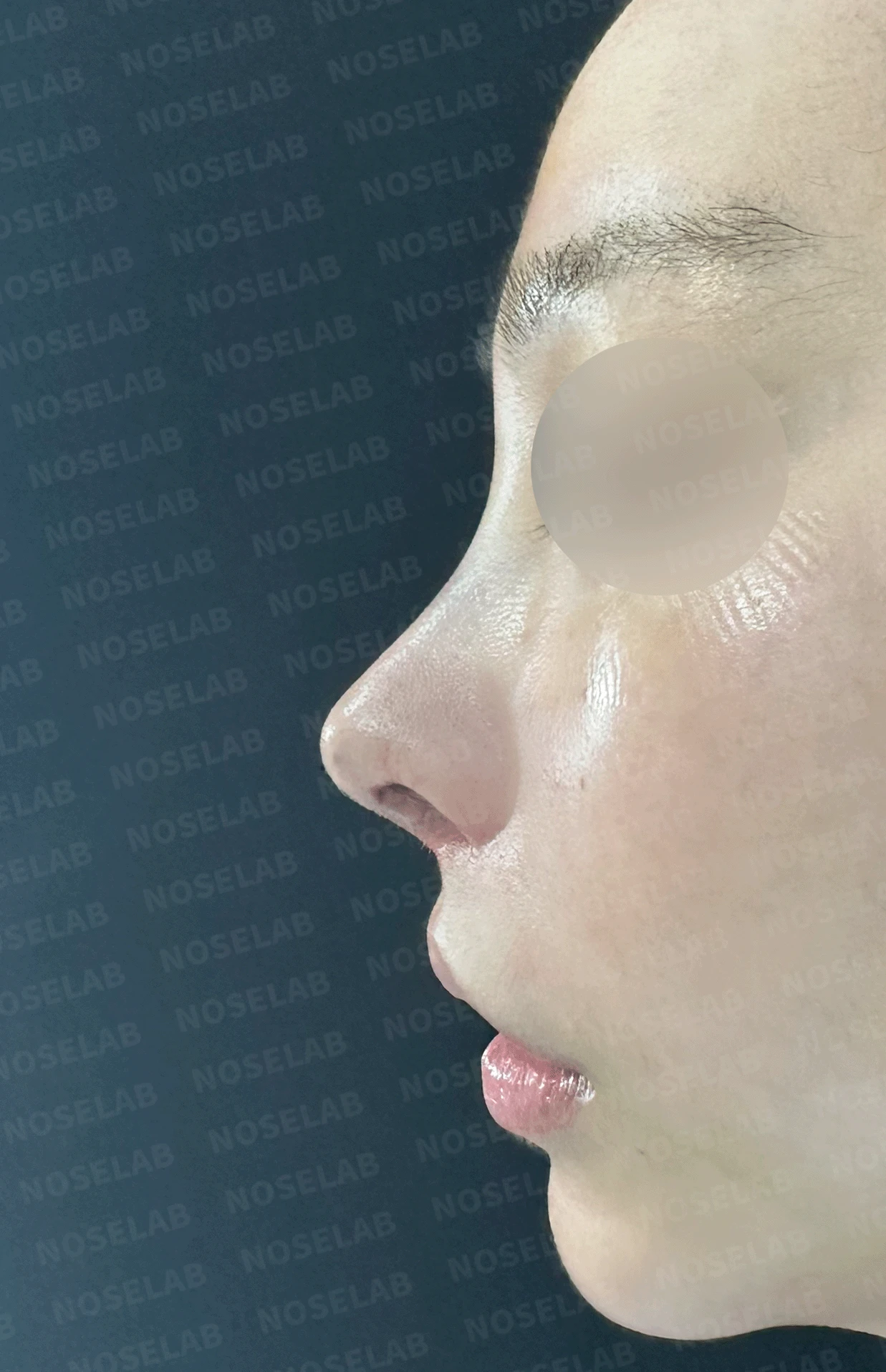
Before surgery / Day 0 immediately after surgery Photos taken immediately after surgery show swelling and may differ from the final result.
Improvement of protruding mouth
Visual retrusion of the lips via nasolabial angle correction
Chin advancement with a chin implant
Creation of an ideal E-line
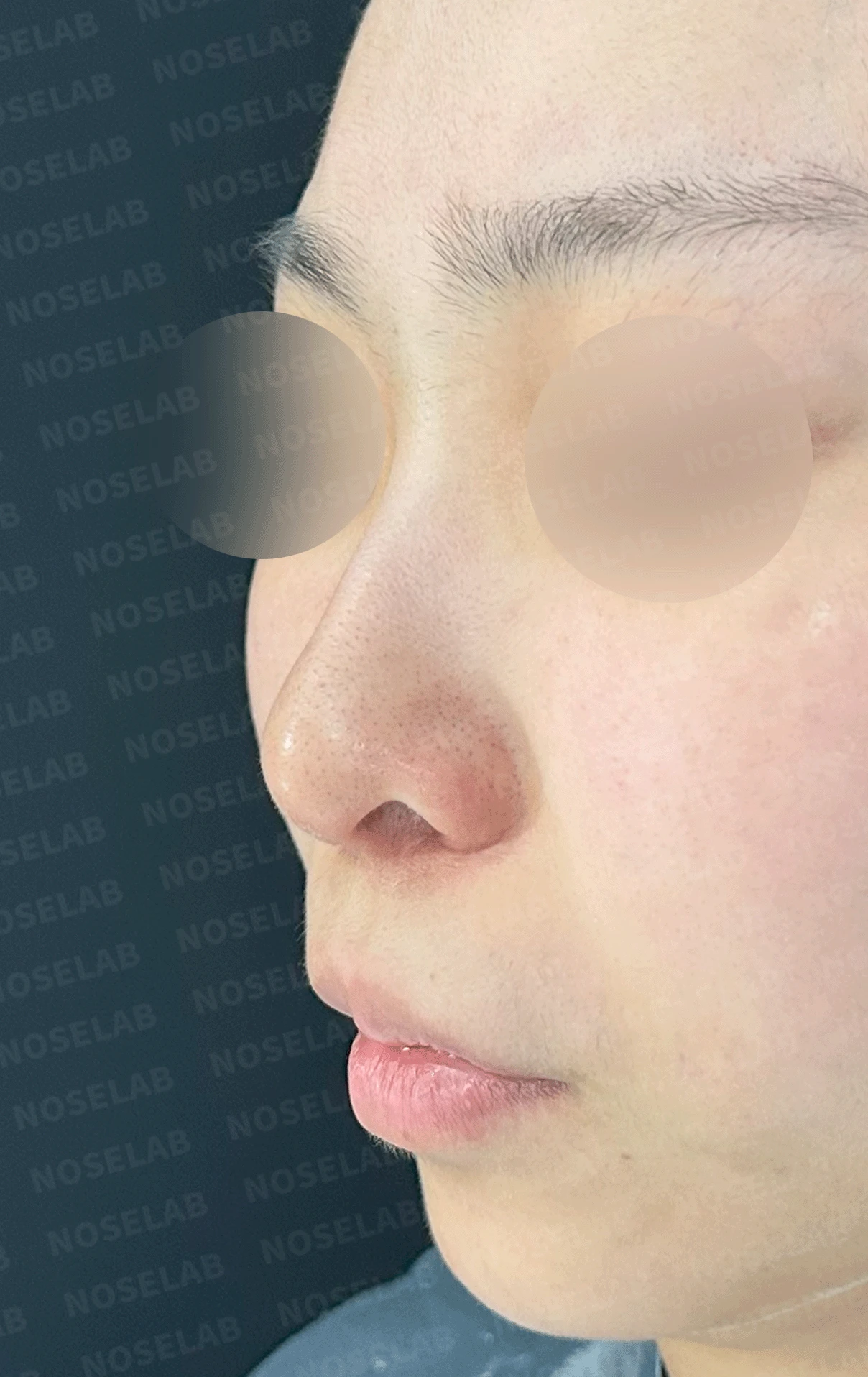
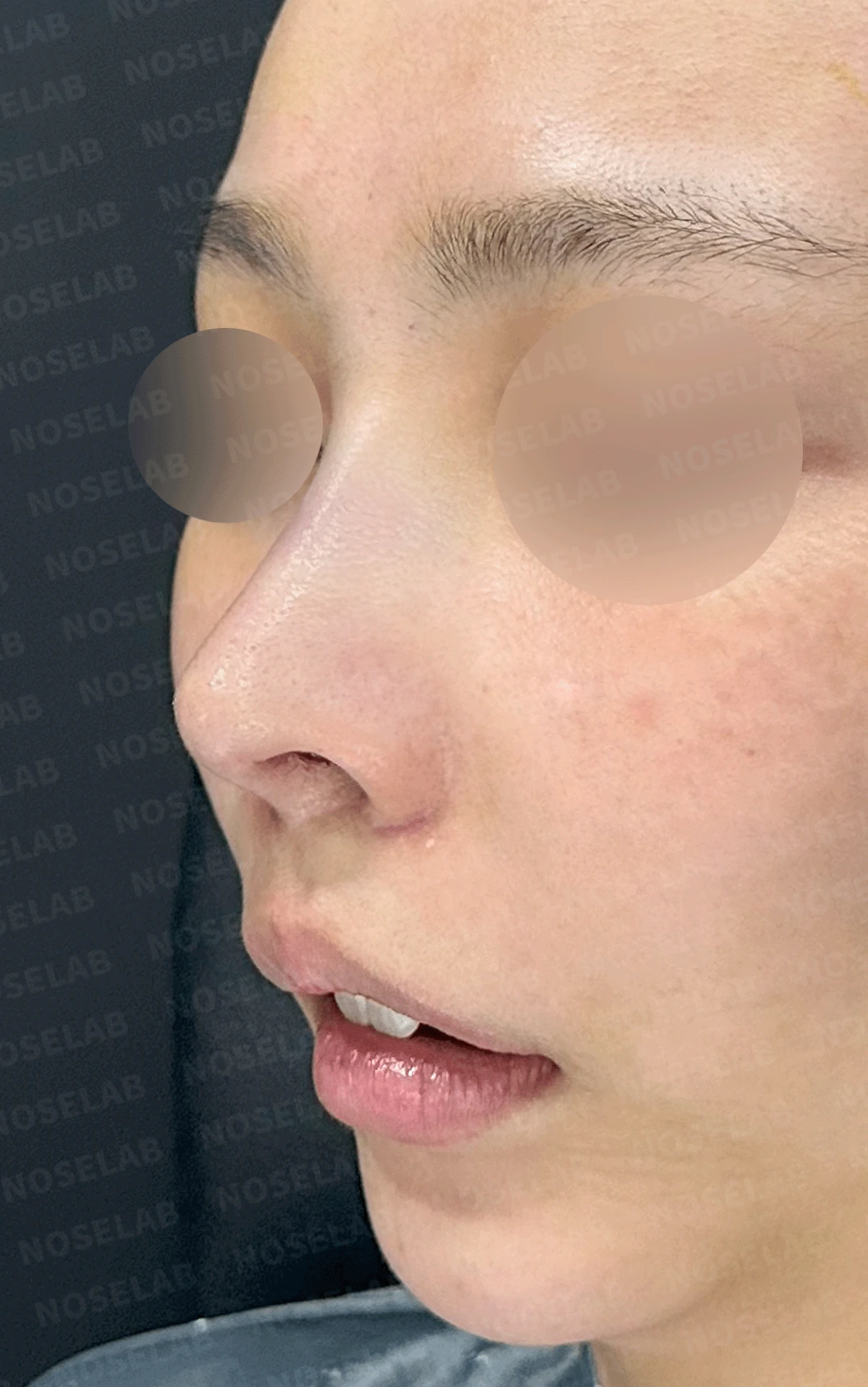
Before surgery / Day 0 immediately after surgery Photos taken immediately after surgery show swelling and may differ from the final result.
Overall facial balance
Harmonious proportions between the nose, midface, and chin
Three-dimensional and balanced face
Overall refined impression
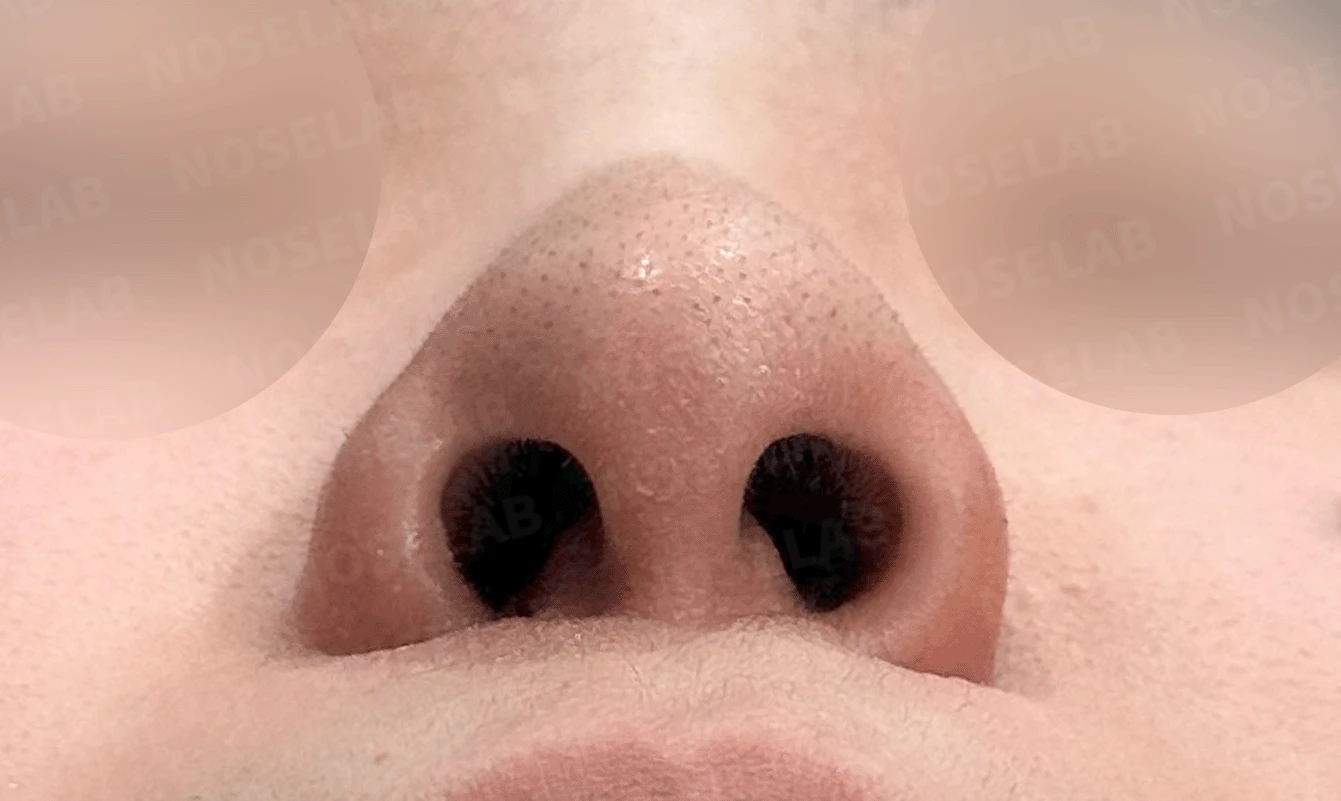
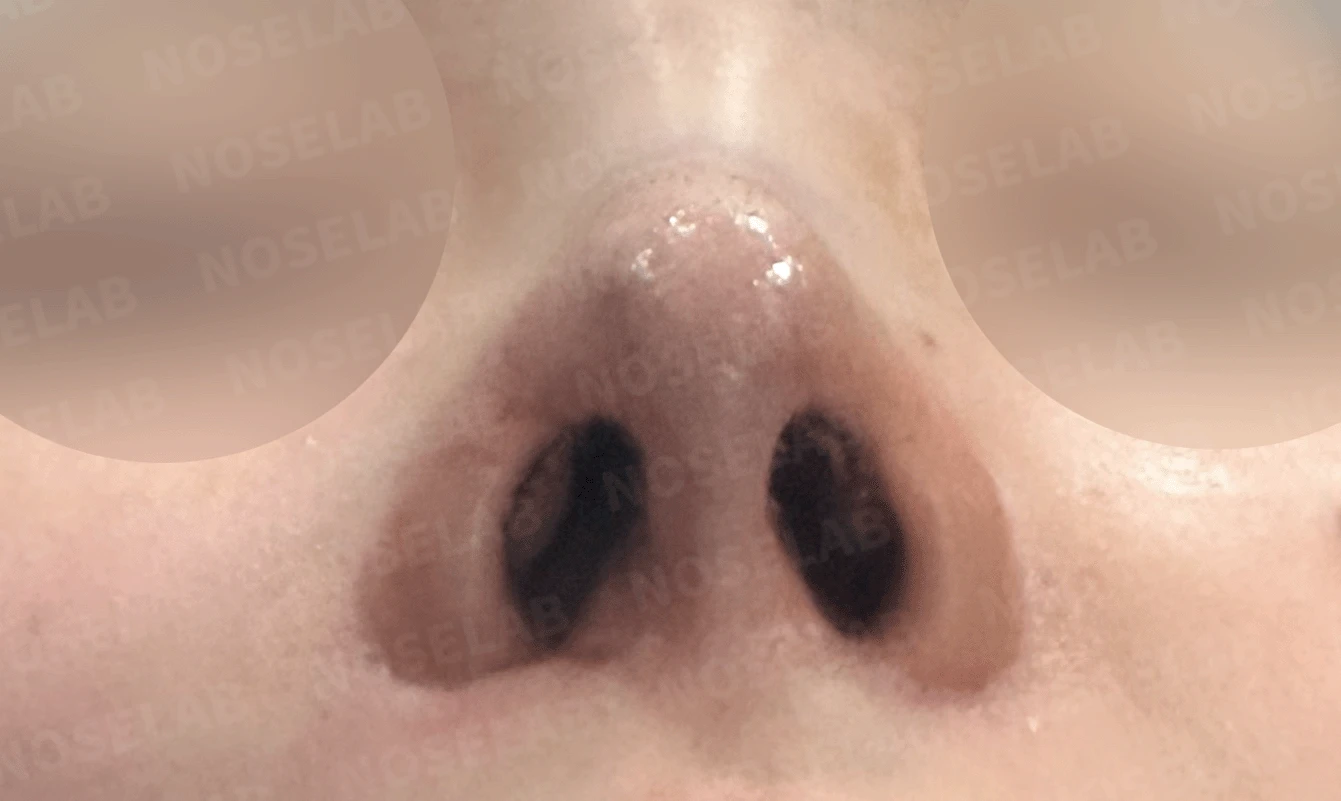
Before surgery / Day 0 immediately after surgery Photos taken immediately after surgery show swelling and may differ from the final result.
👨⚕️ Specialist's assessment
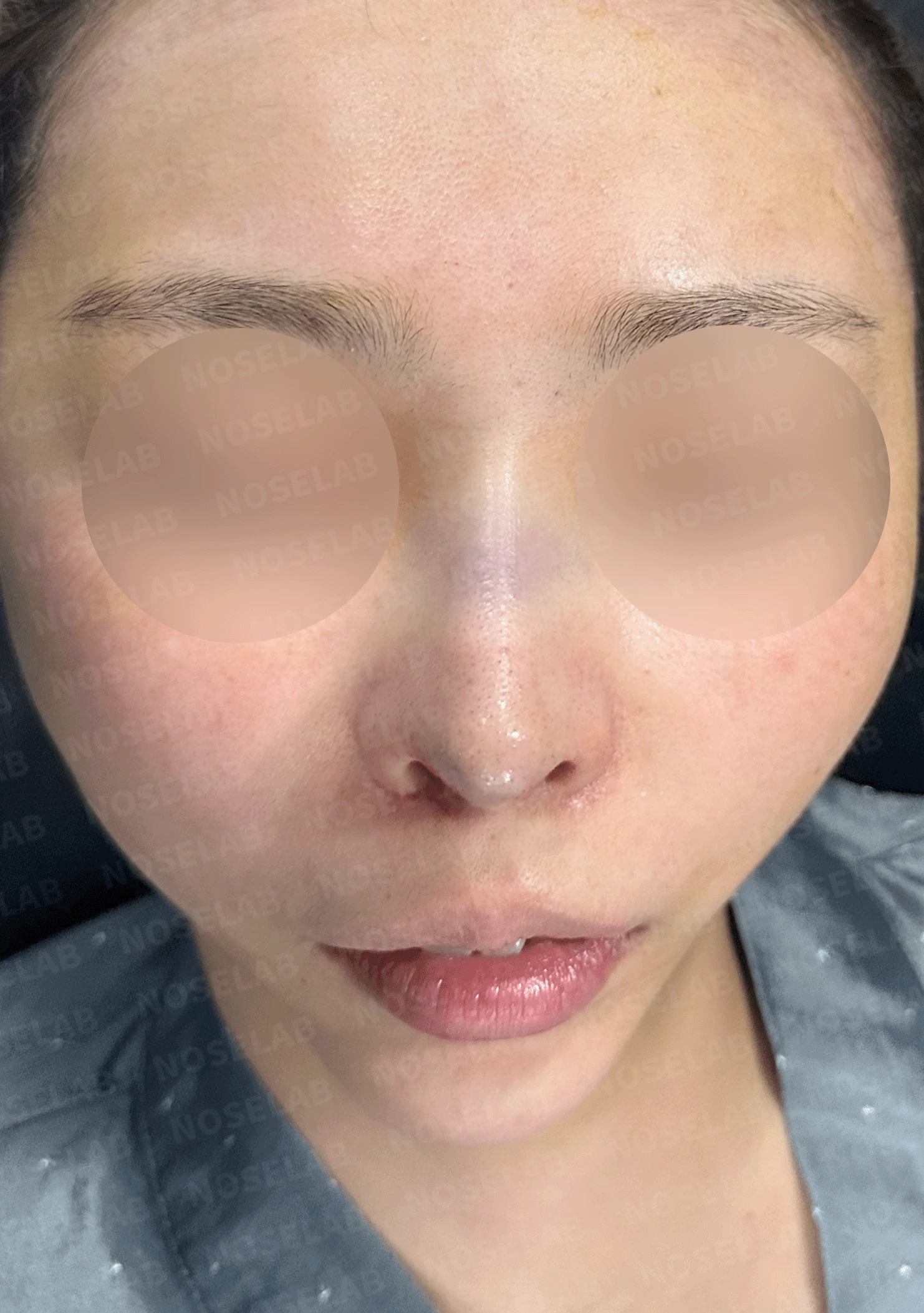
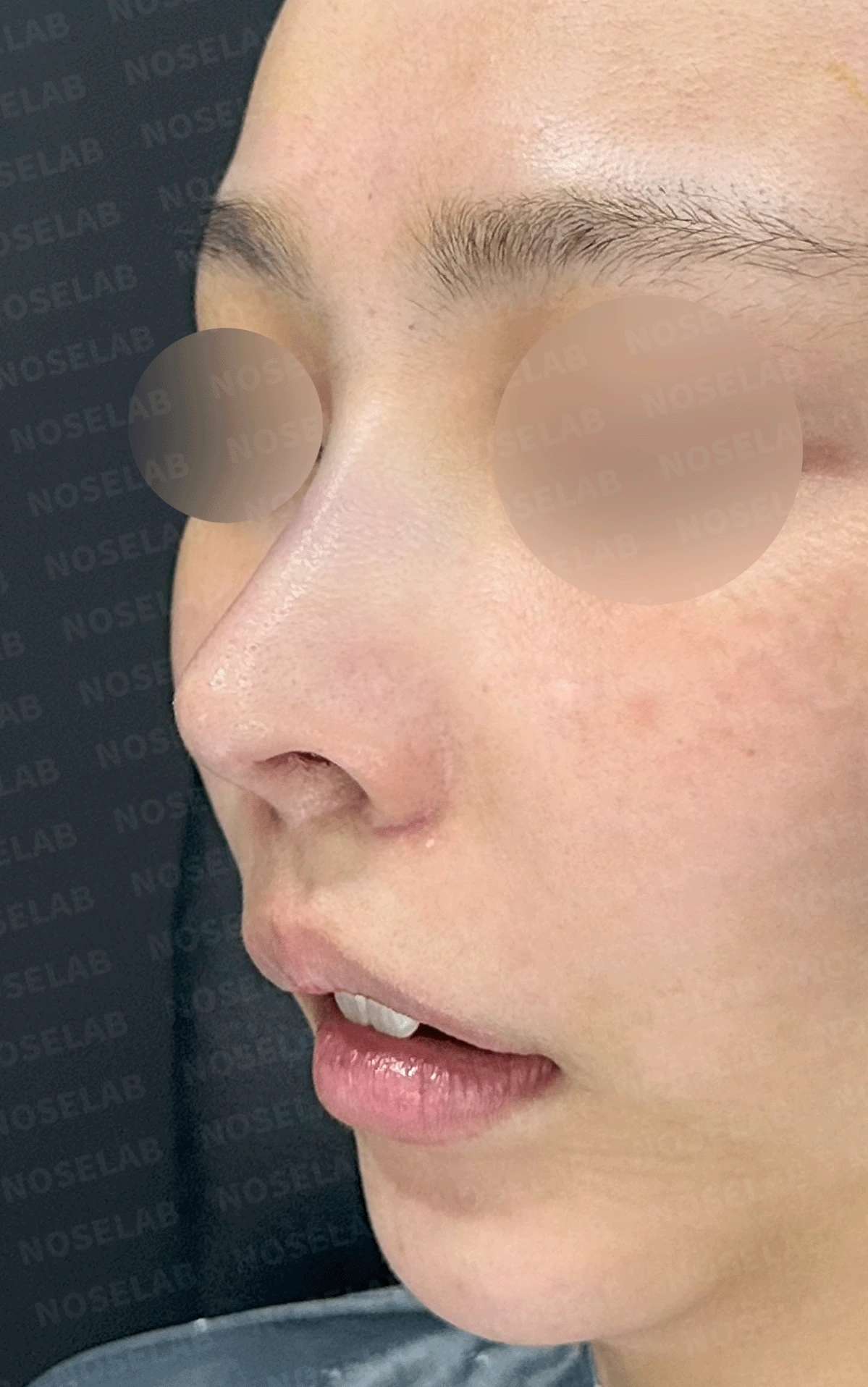
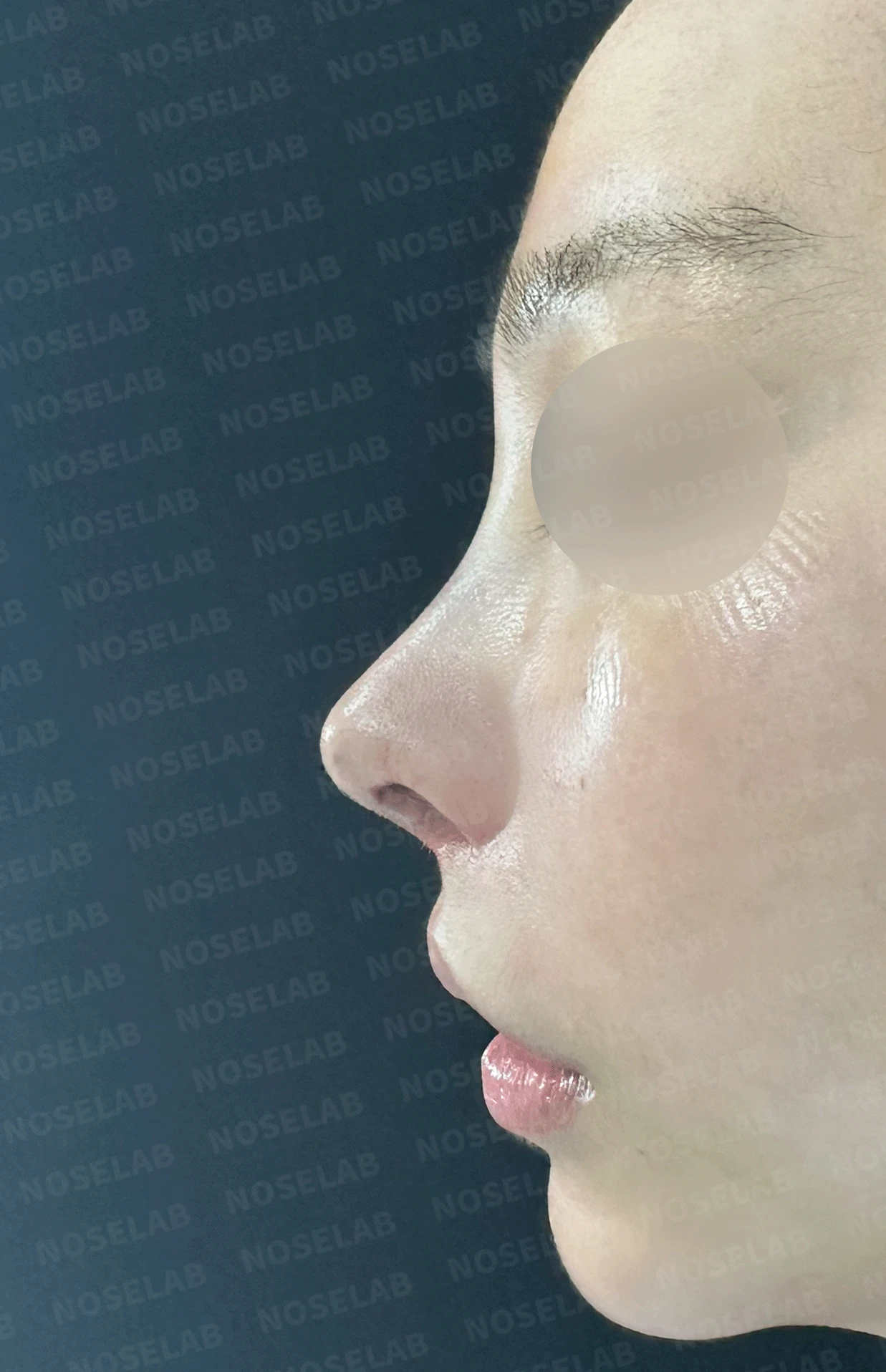
Immediately after surgery (day 0): front, oblique, and profile views. Immediate postoperative photos show swelling and may differ from the final result.
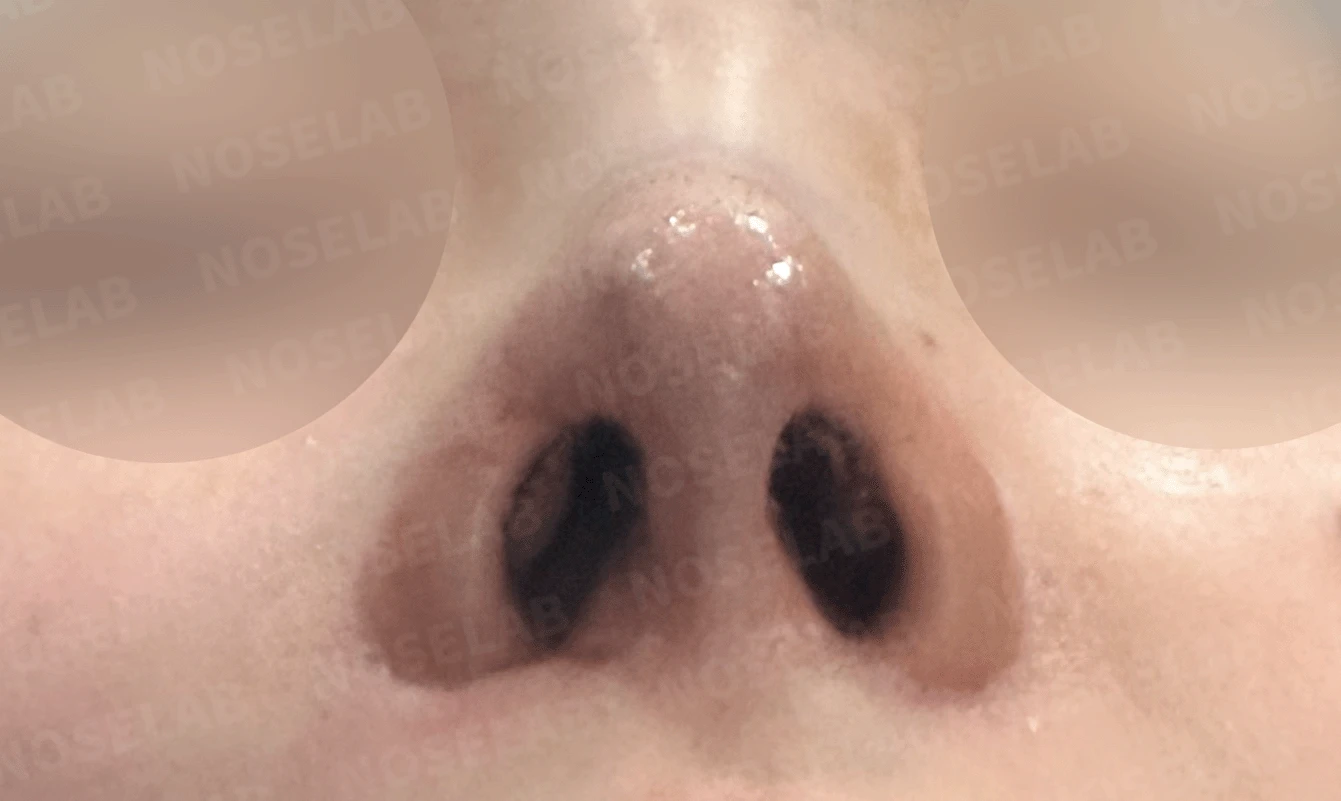
Nostril view on day 0 immediately after surgery. Photos taken immediately after surgery show swelling and may differ from the final result.
This patient had undergone two rhinoplasties, in 2020 and 2022, but was still troubled by an uncorrected low nasal bridge and bulbous tip. In particular, because the patient also wanted to improve a protruding mouth and overall facial balance, a comprehensive approach was necessary.
The patient's greatest concern was the low nose. In previous surgeries, only ear cartilage without implants had been used, followed later by a dermal graft, which failed to achieve sufficient height. By using autologous rib cartilage, we were able to secure both clear height improvement and structural stability.
Correcting the bulbous tip was another crucial goal. Because the patient desired a definite correction, the tip support structure was completely reconstructed with autologous rib cartilage to create a slim, refined nasal tip. At the same time, naturalness was preserved to prevent an overly dramatic appearance that the patient wished to avoid.
Addressing the protruding mouth required a multifaceted approach. By correcting the nasolabial angle, the angle between the nose and upper lip was refined, and the chin was advanced with a chin implant to improve the overall facial profile. Through this, an ideal E-line could be established.
The nasolabial folds were not merely a sign of aging, but the combined result of a protruding mouth and insufficient midface volume. Paranasal augmentation added volume to the midface, and together with the effect of nasolabial angle correction, the nasolabial folds improved noticeably.
The key feature of this surgery was the comprehensive approach. Rather than focusing solely on elevating the nose, rhinoplasty, paranasal augmentation, and chin implant surgery were performed concurrently, taking the balance of the entire face into account. Each procedure created synergy, yielding a harmonious overall result.
As a result, all of the patient's desired improvements were achieved. The low nasal bridge was corrected to an appropriate height, and the bulbous tip was fully addressed. With the improvement in the protruding mouth and nasolabial folds, a more youthful and refined impression was created, and above all, a satisfying outcome was achieved through overall facial balance and harmony.
This case was meaningful in demonstrating that facial balance concerns that cannot be resolved through rhinoplasty alone can be successfully improved with a comprehensive approach.
This was Dr. Peter C. Kang. Thank you.
#closedrhinoplasty #revisionrhinoplasty #autologousribcartilage #lownosecorrection #bulboustipcorrection #protrudingmouthcorrection #paranasalaugmentation #chinimplant #facialbalance #nasolabialanglecorrection #nasolabialfoldscorrection

Limitations and risks
When autologous rib cartilage is used, scarring and pain may remain at the donor site on the chest, and pneumothorax (pleural injury) can occur rarely. Over time, the grafted cartilage may warp or undergo partial resorption.
Common potential risks include infection, bleeding, asymmetry, scarring, skin necrosis, and insufficient improvement; results vary depending on individual skin condition and previous surgical history.