Hello, I am Dr. Peter C. Kang.
Today, I would like to share a case where nasal obstruction and a wide nose were corrected using autologous rib cartilage.
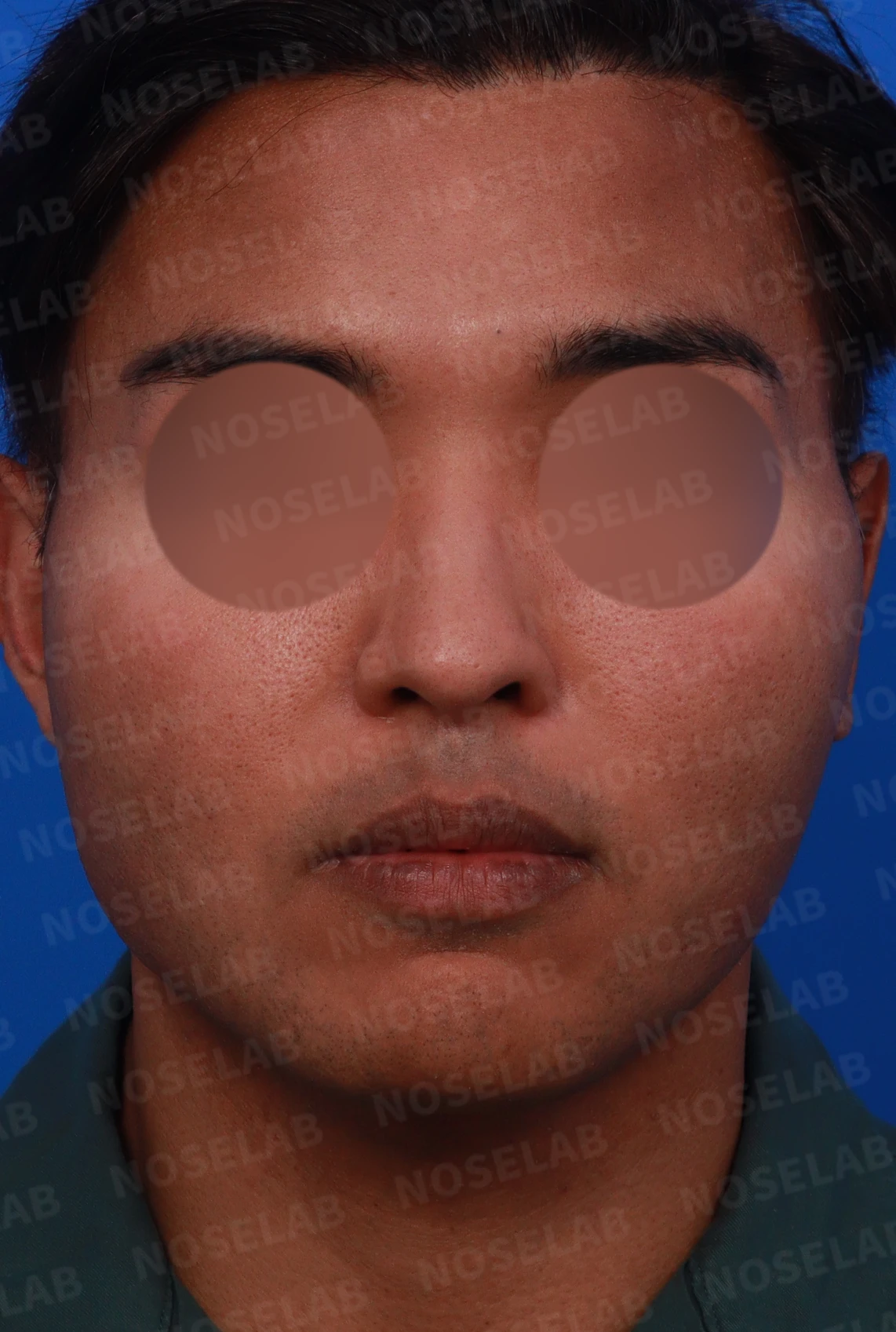
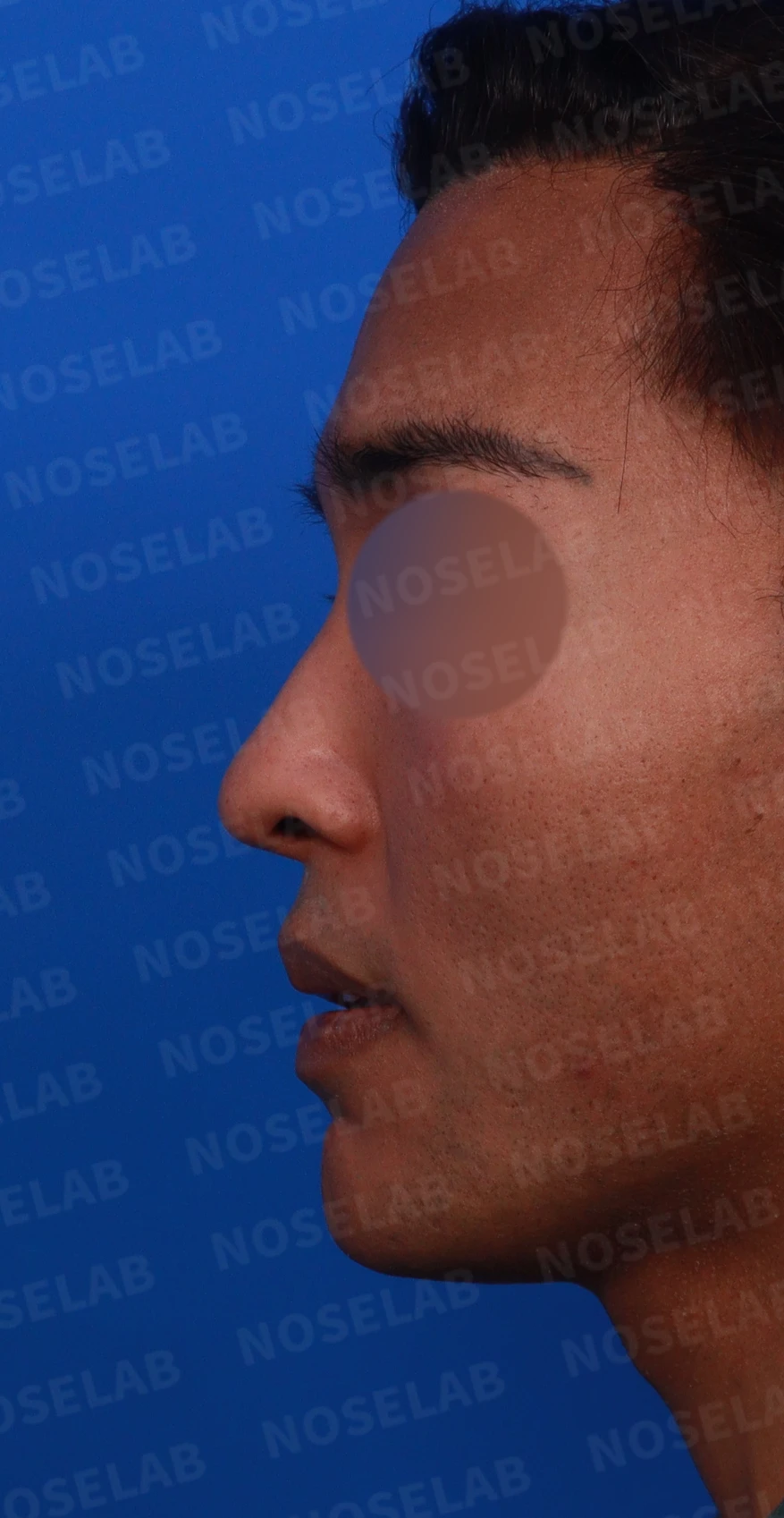
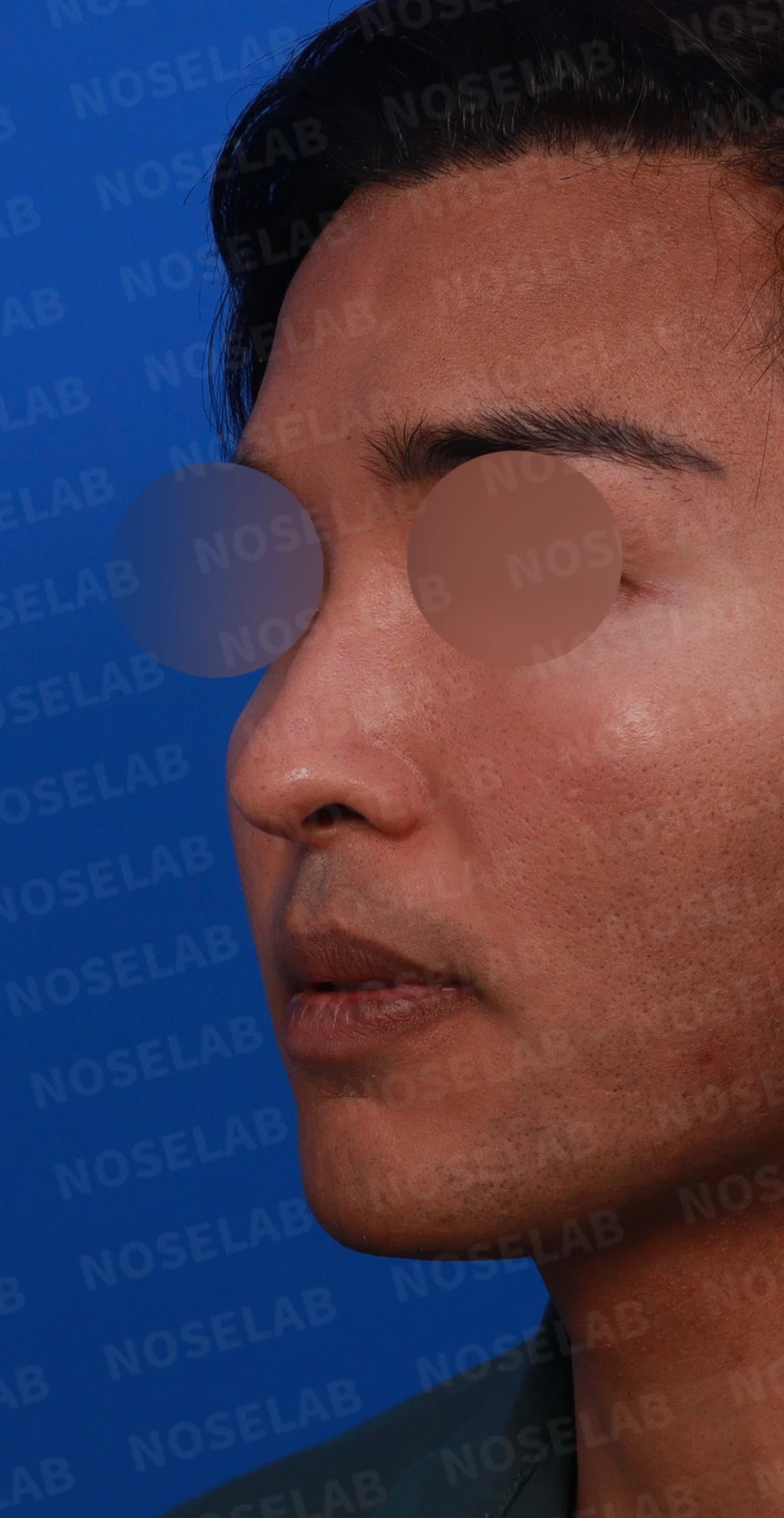
Front, left profile, and oblique views during design consultation
📍 Initial consultation findings
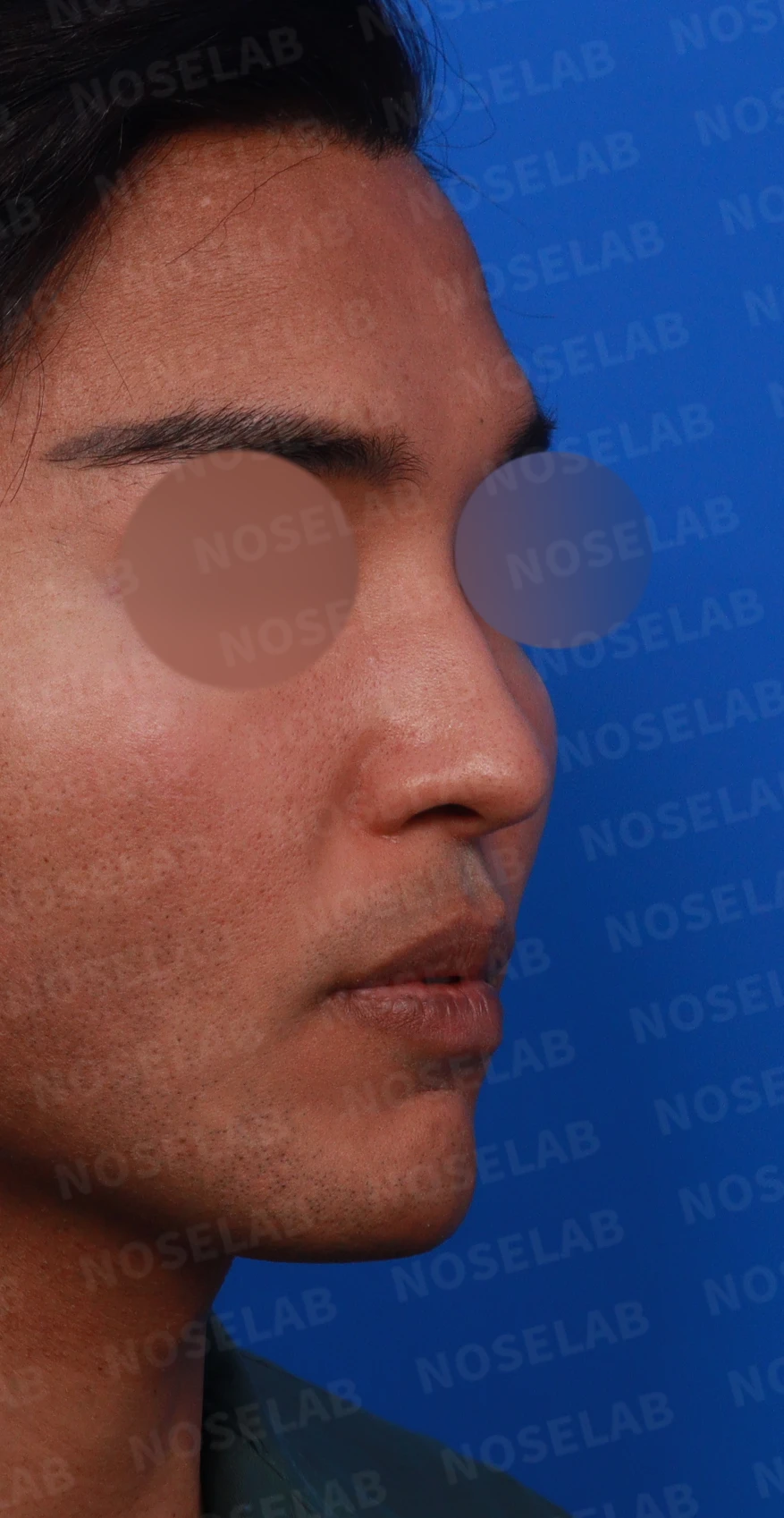
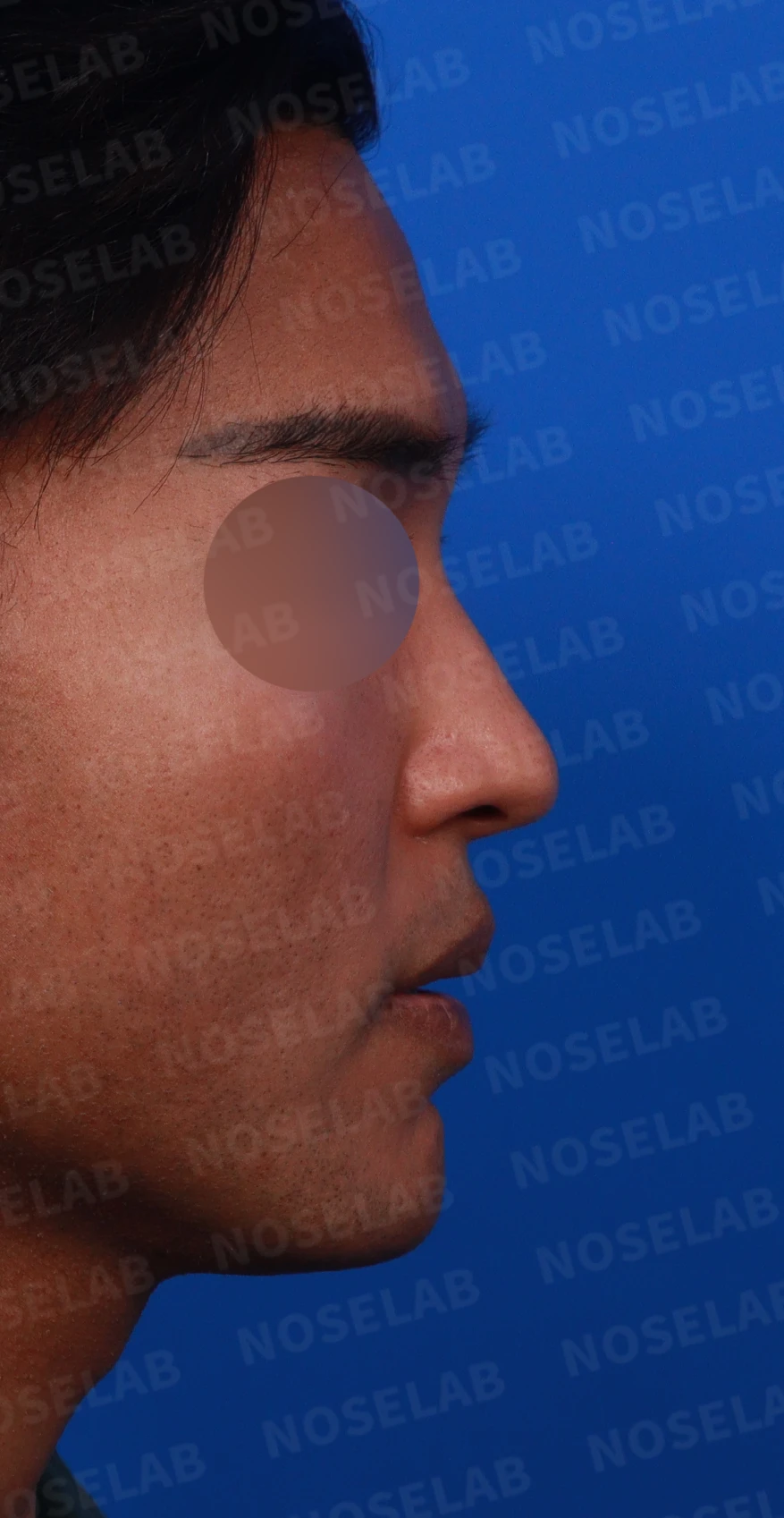
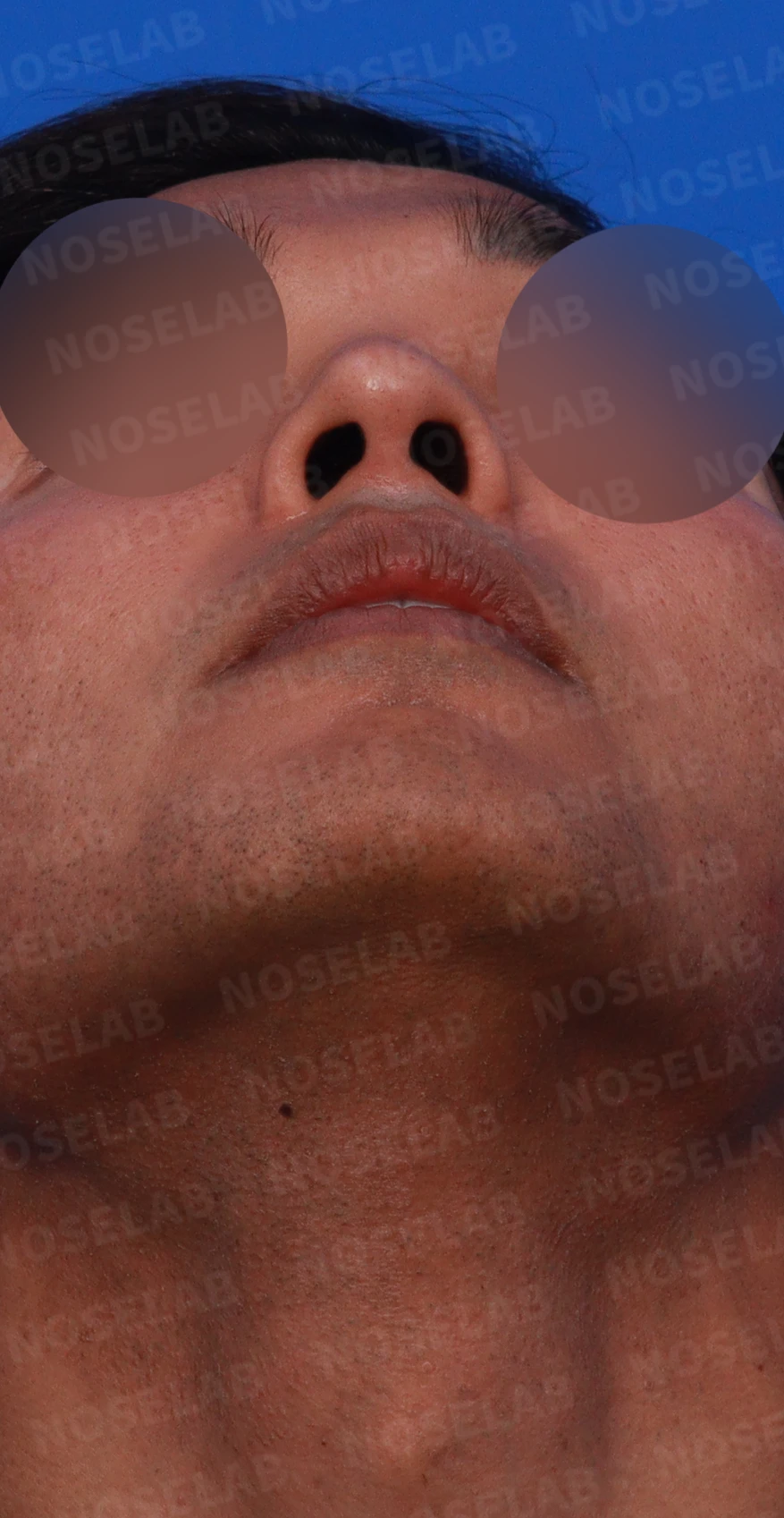
Design consultation: right oblique, profile, and basal (nostril) views
Front view
Flared nasal shape
Bulbous nasal tip
Deviated nose
2. Profile view
Dorsal hump shape
Drooping tip
Low radix
3. Oblique view
Protruding mouth findings
4. Nostril view
Left-right asymmetry
Columella tilted to the left
✨ Patient's requests
Improvement of nasal obstruction
Correction of deviated septum
Naturally elevated nasal bridge
A slim nose without being upturned
💉 Surgical procedure details
Functional improvement
Correction of deviated septum
Radiofrequency submucosal resection of the inferior turbinates
Improvement of breathing function
2. Structural improvement
Correction of a crooked nose with lateral osteotomy
Septal extension using autologous rib cartilage
Nasal bridge augmentation using autologous rib cartilage
3. Overall harmony
Improving facial balance with autologous fat grafting
Creating a slim nasal contour
Natural height adjustment
✅ Surgical results
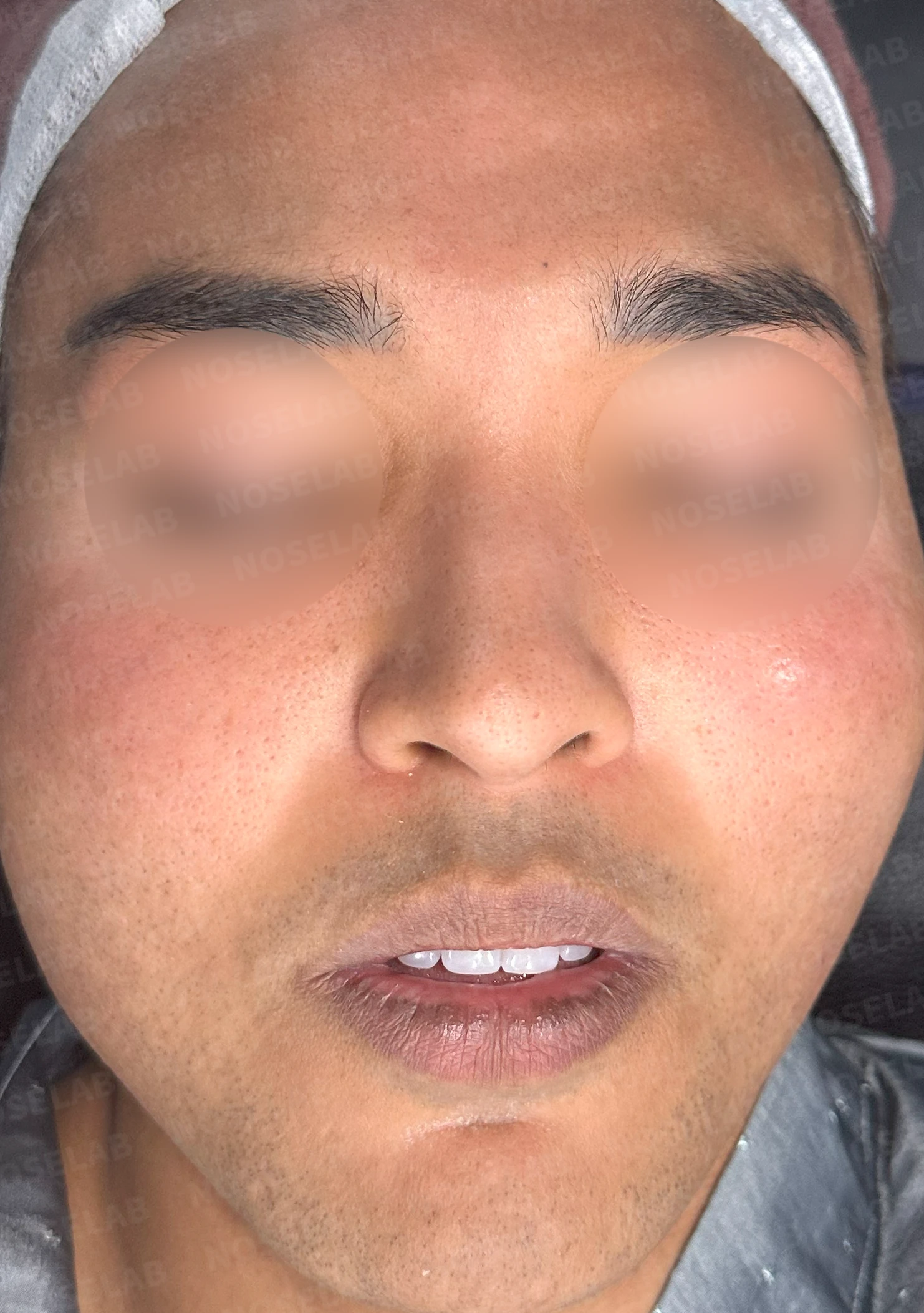
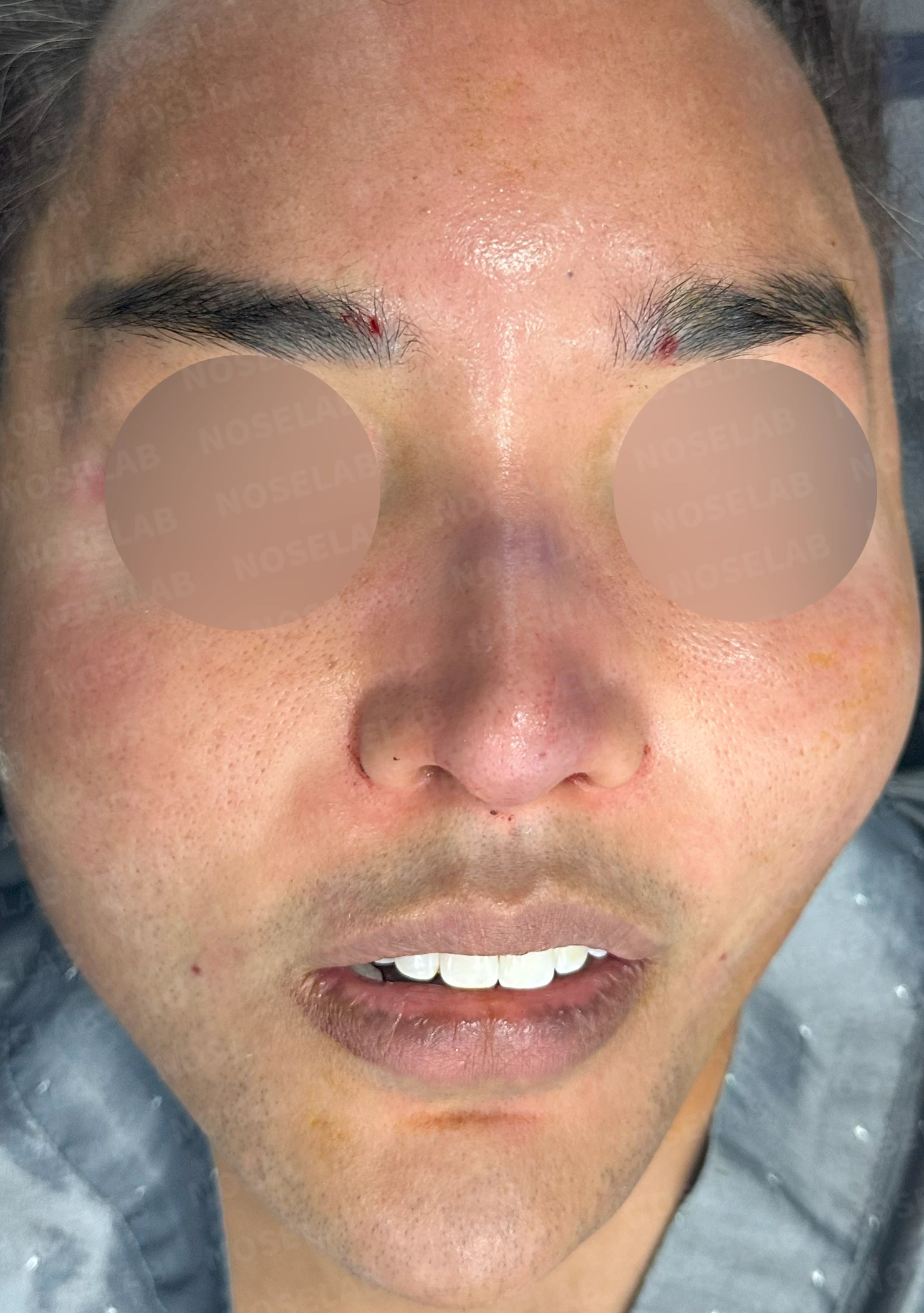
Before surgery / Day 0 immediately after surgery Photos taken immediately after surgery show swelling and may differ from the final result.
Front view
Slimmer nasal line
Correction of the crooked nose
Refined tip shape
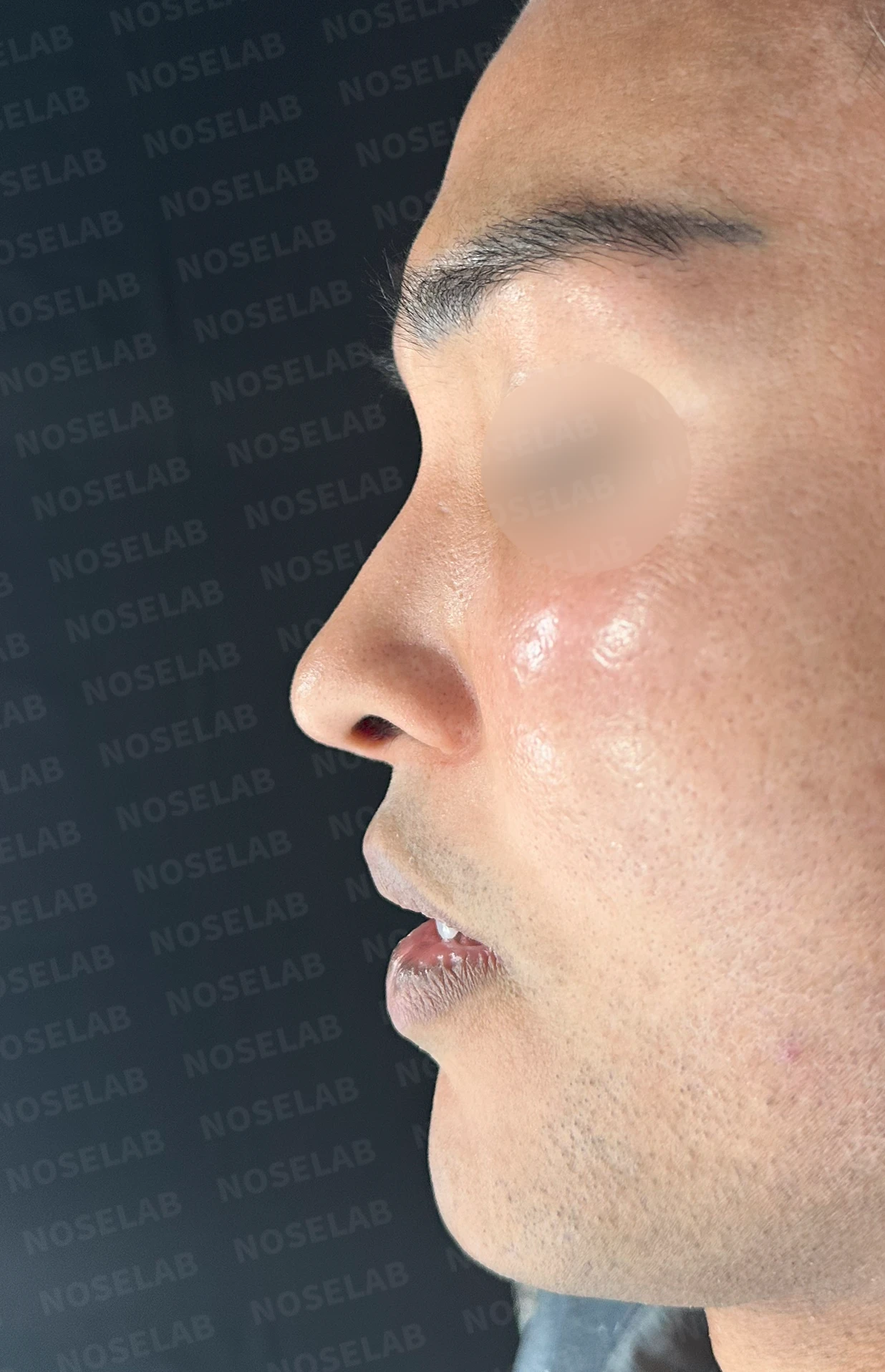
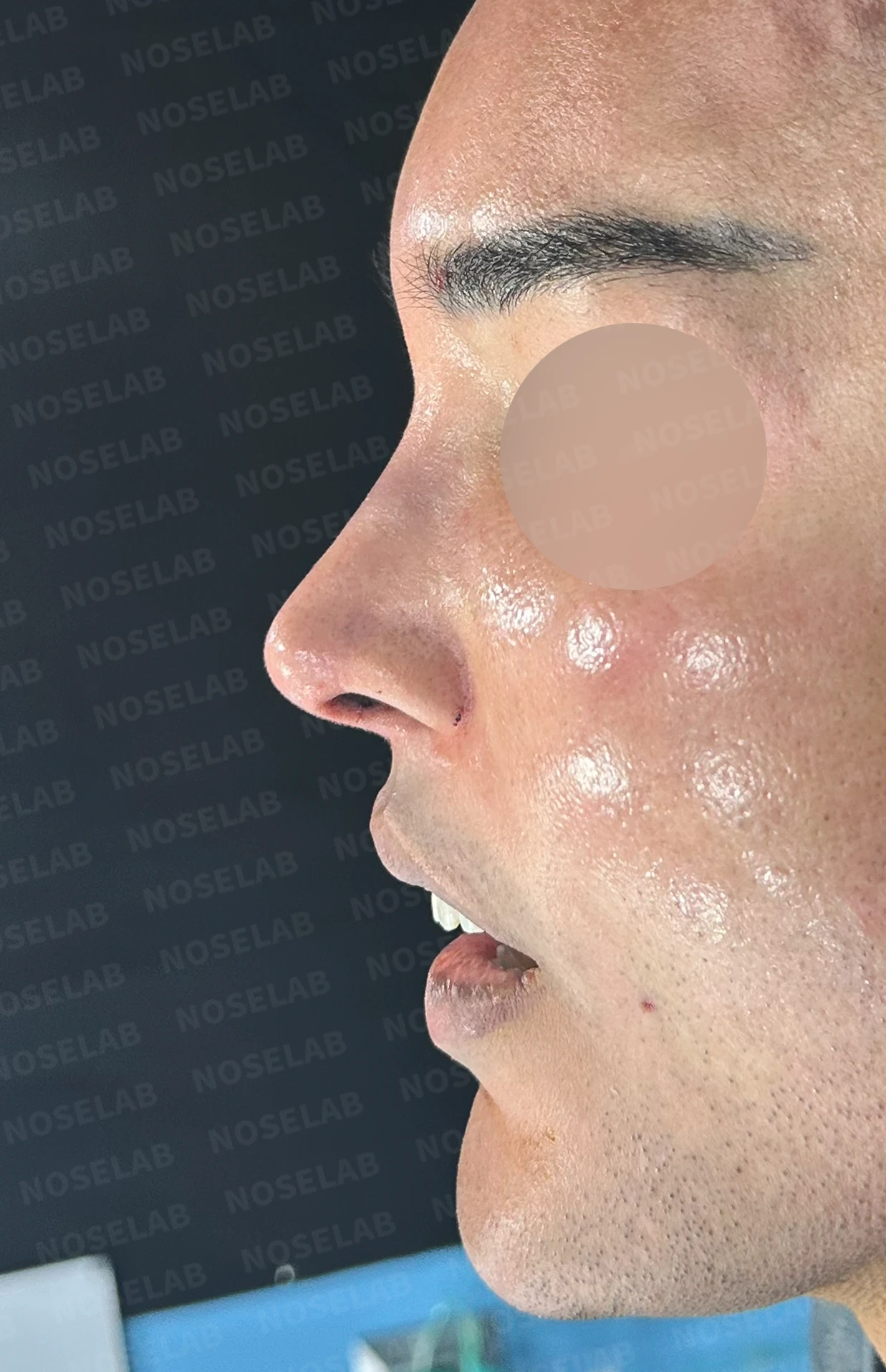
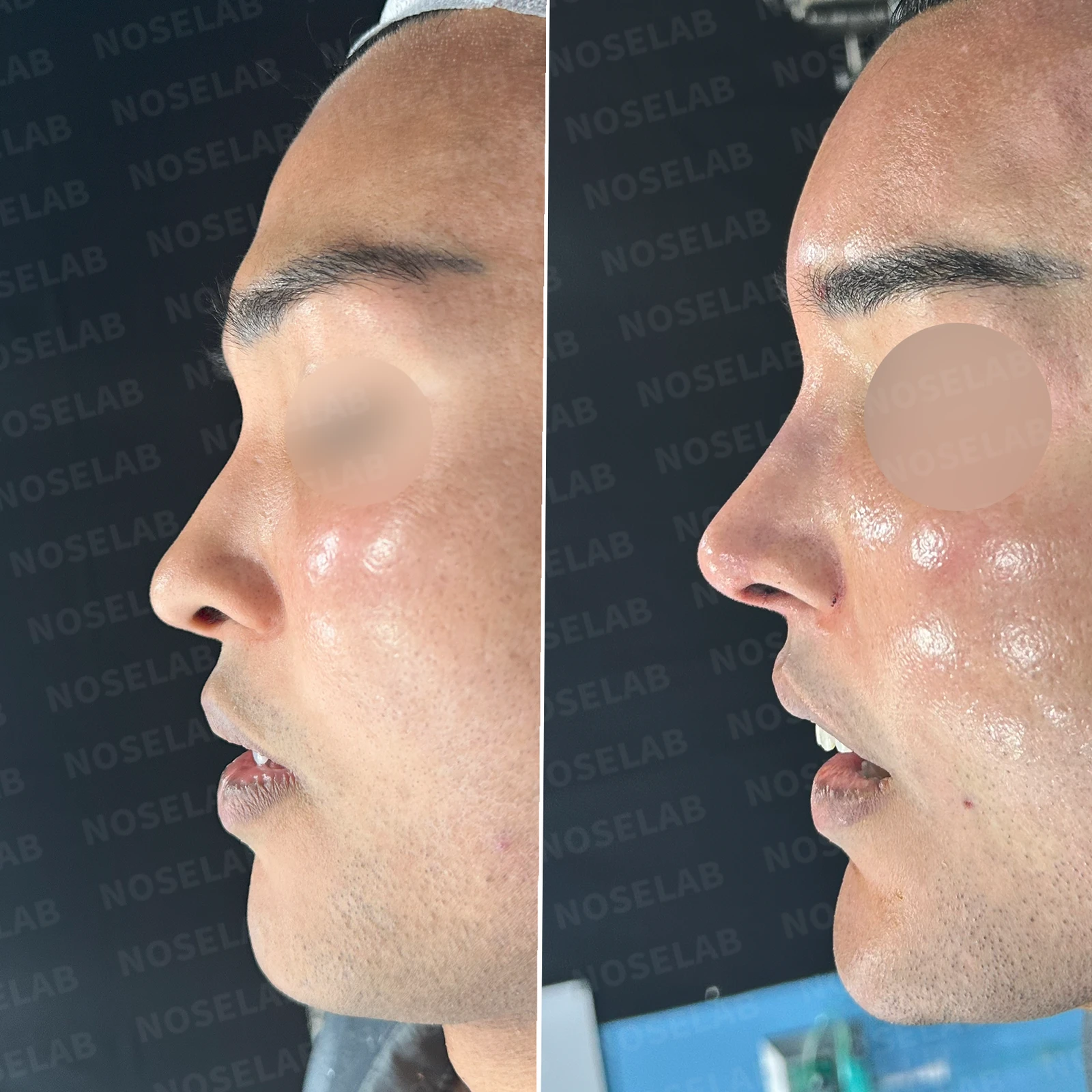
Before surgery / Day 0 immediately after surgery Photos taken immediately after surgery show swelling and may differ from the final result.
2. Profile view
An appropriately elevated nasal bridge
Corrected dorsal hump
Stable tip position
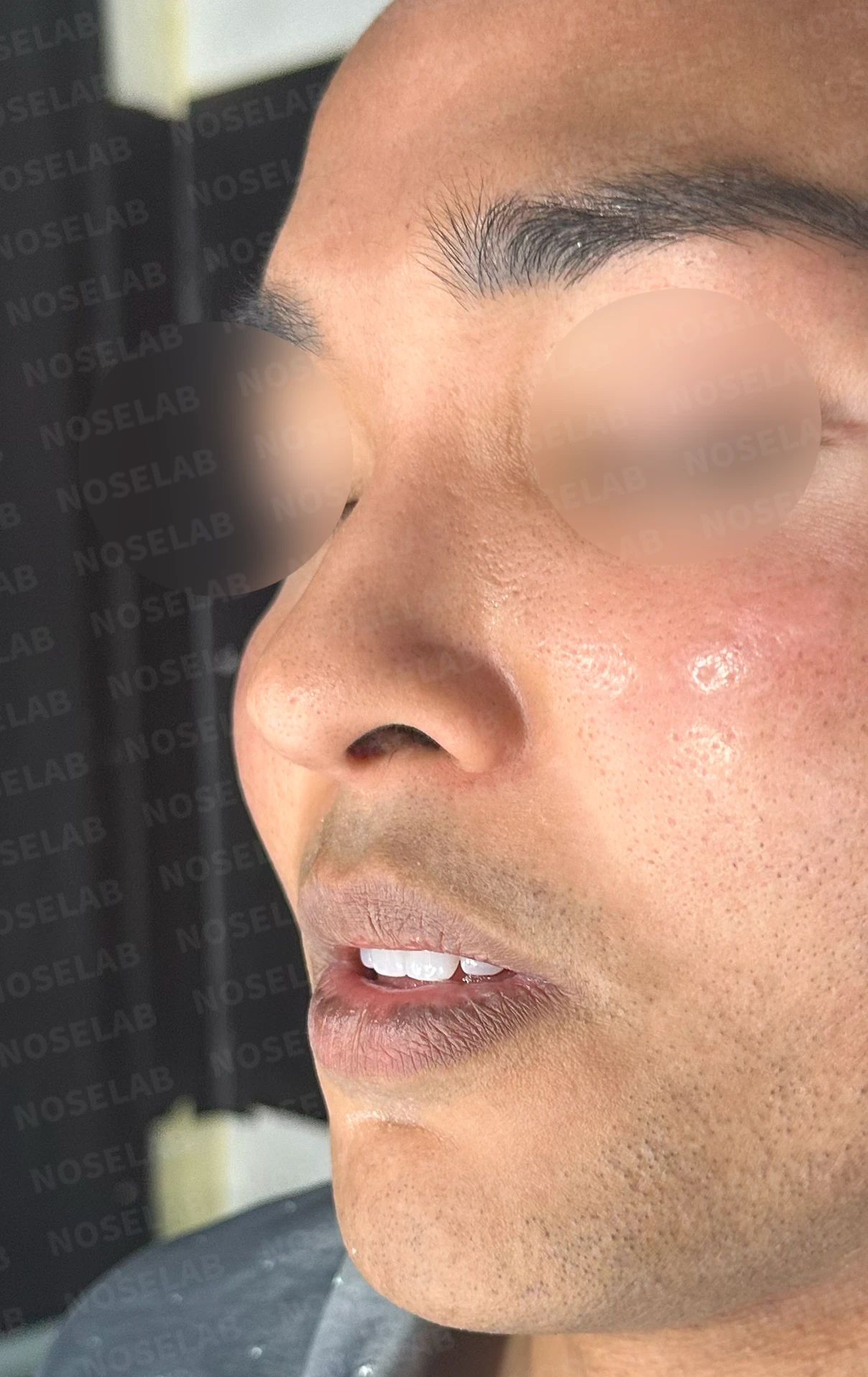
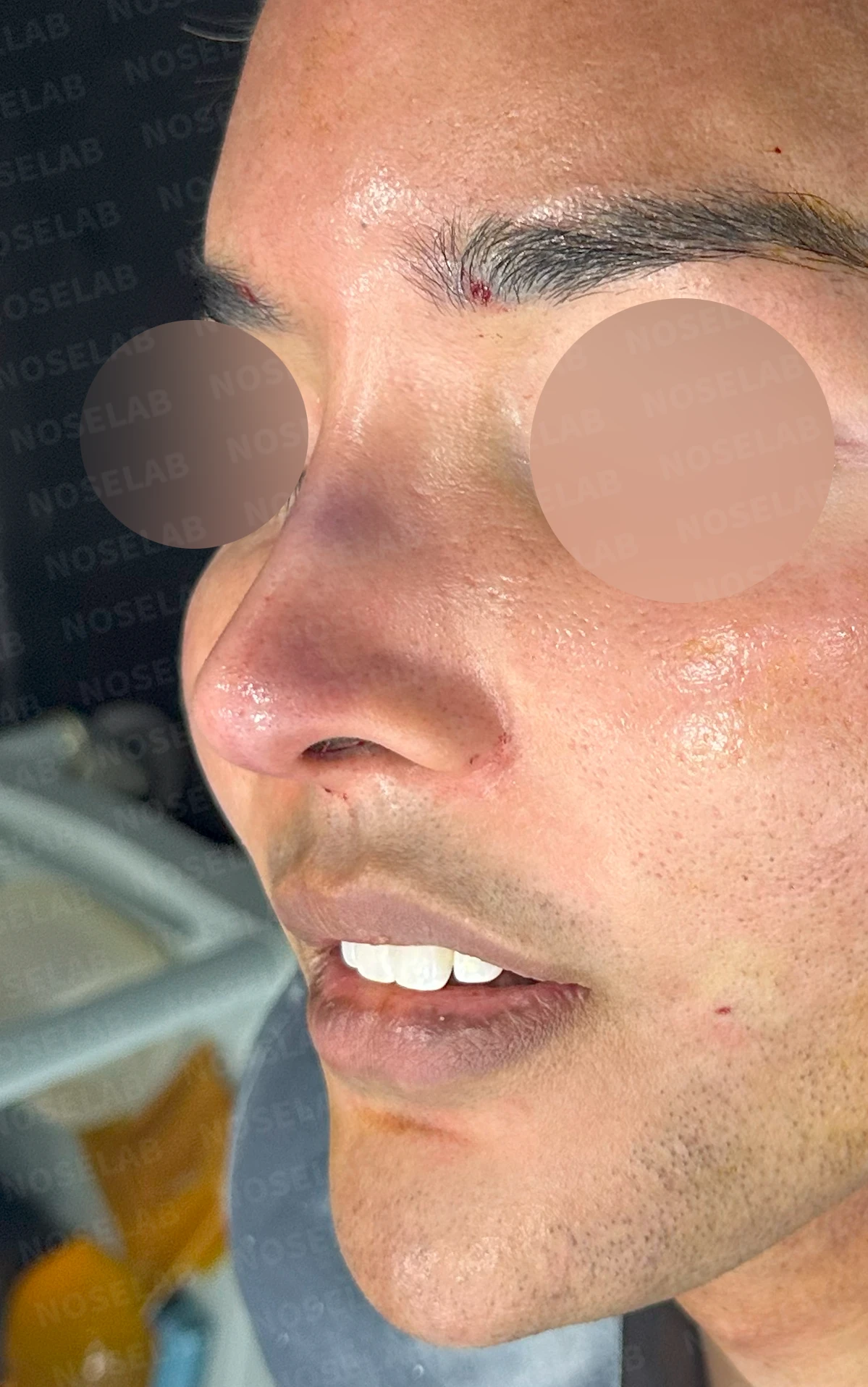
Before surgery / Day 0 immediately after surgery Photos taken immediately after surgery show swelling and may differ from the final result.
3. Function
Smooth breathing
Correction of the deviated septum
Reduction of inferior turbinate hypertrophy
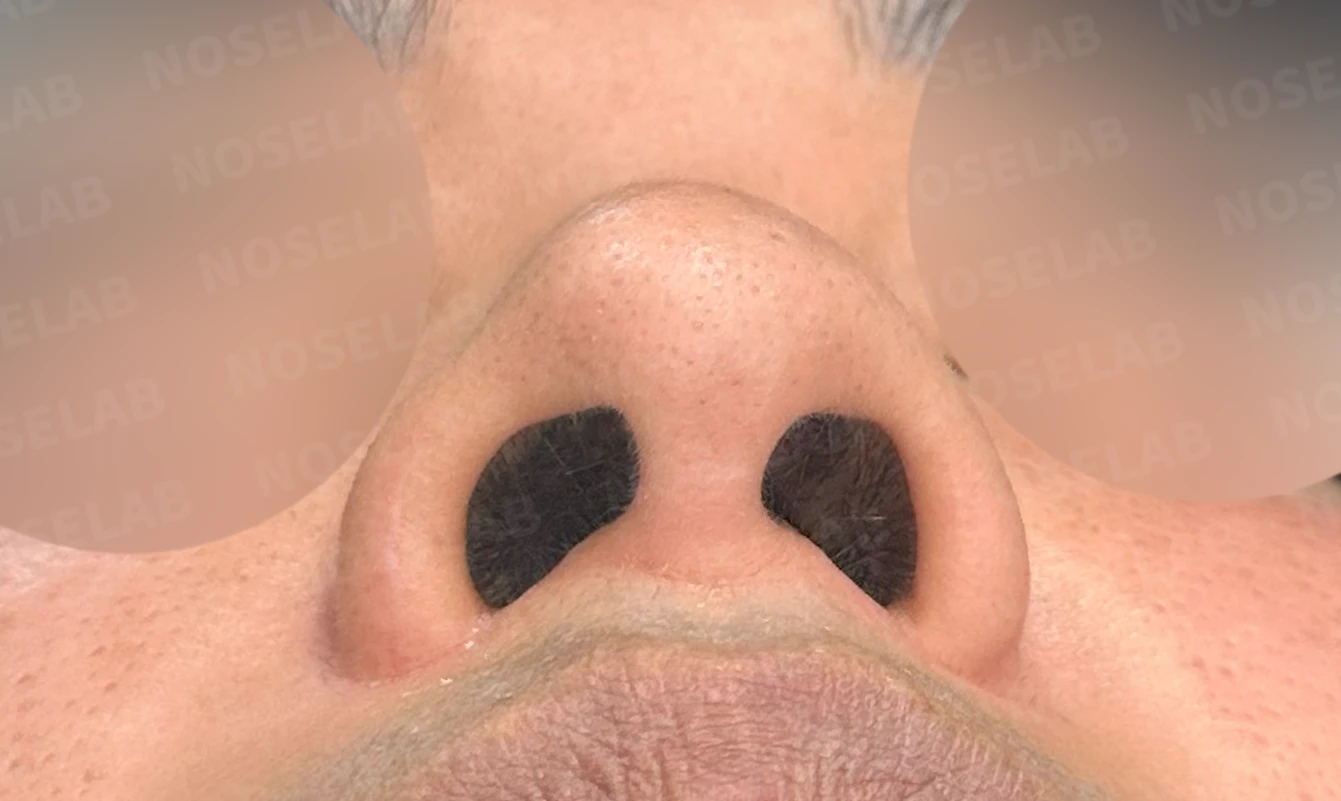
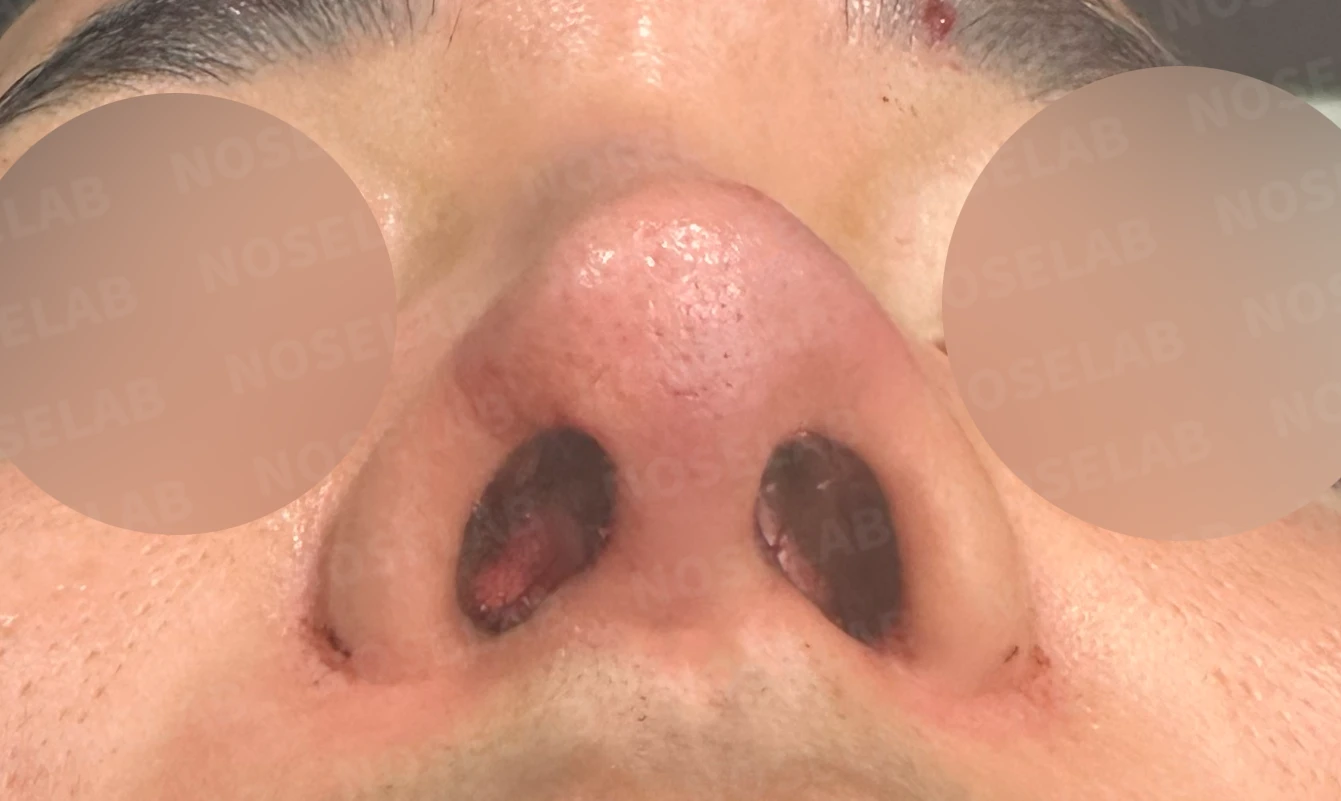
Before surgery / Day 0 immediately after surgery Photos taken immediately after surgery show swelling and may differ from the final result.
4. Nostril view
Improved asymmetry
Balanced columella position
Harmonious overall shape
👨⚕️ Specialist's assessment
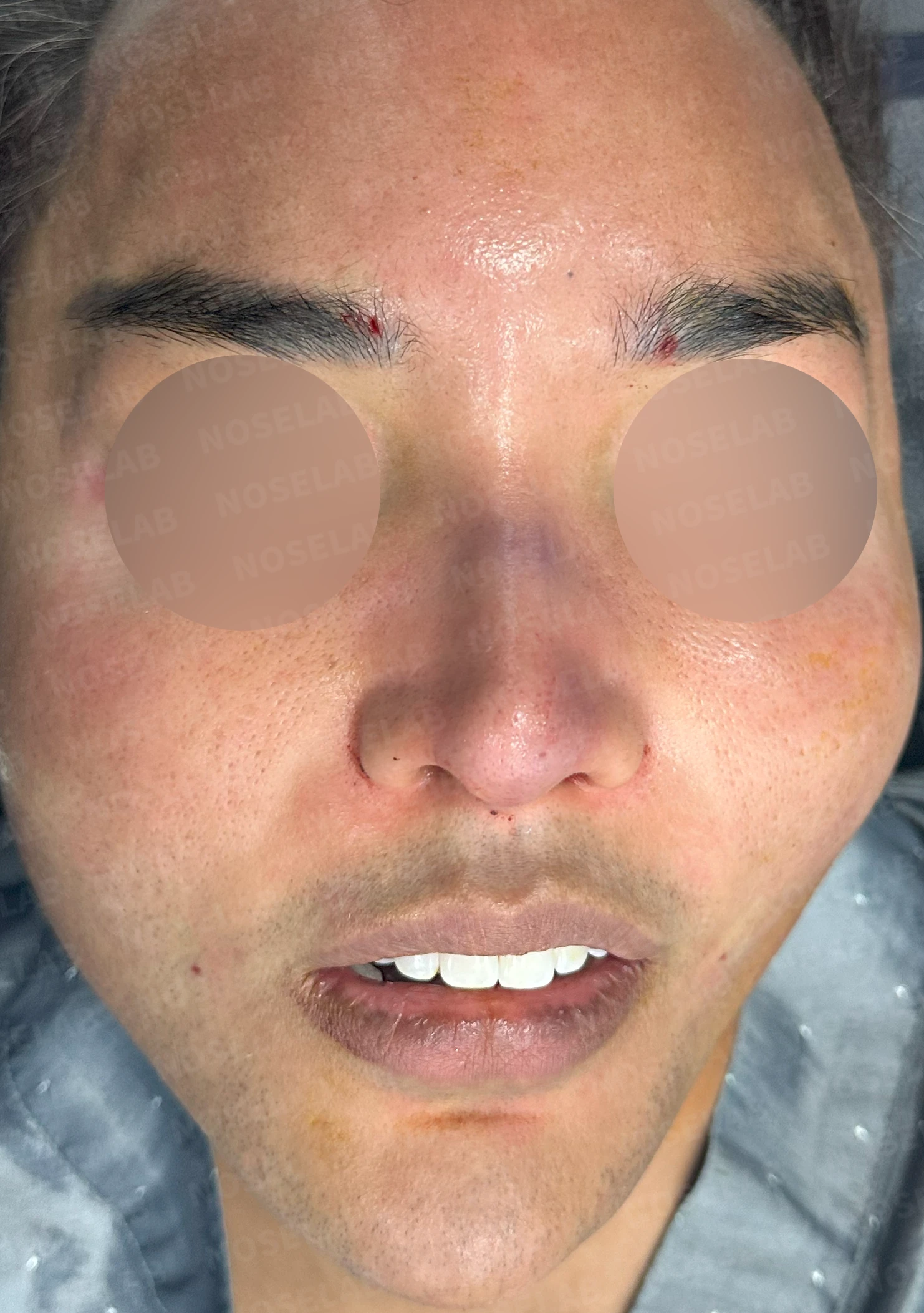
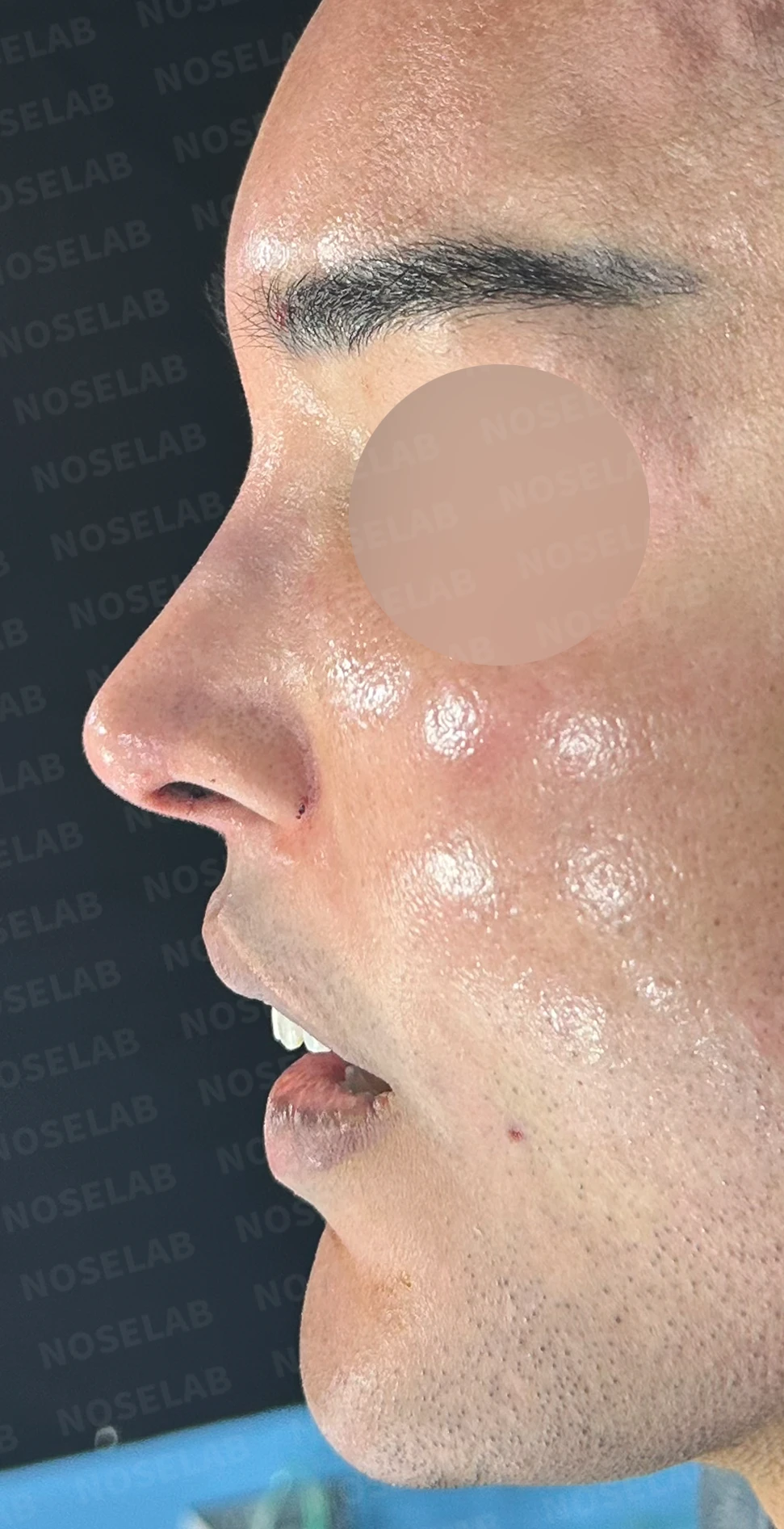
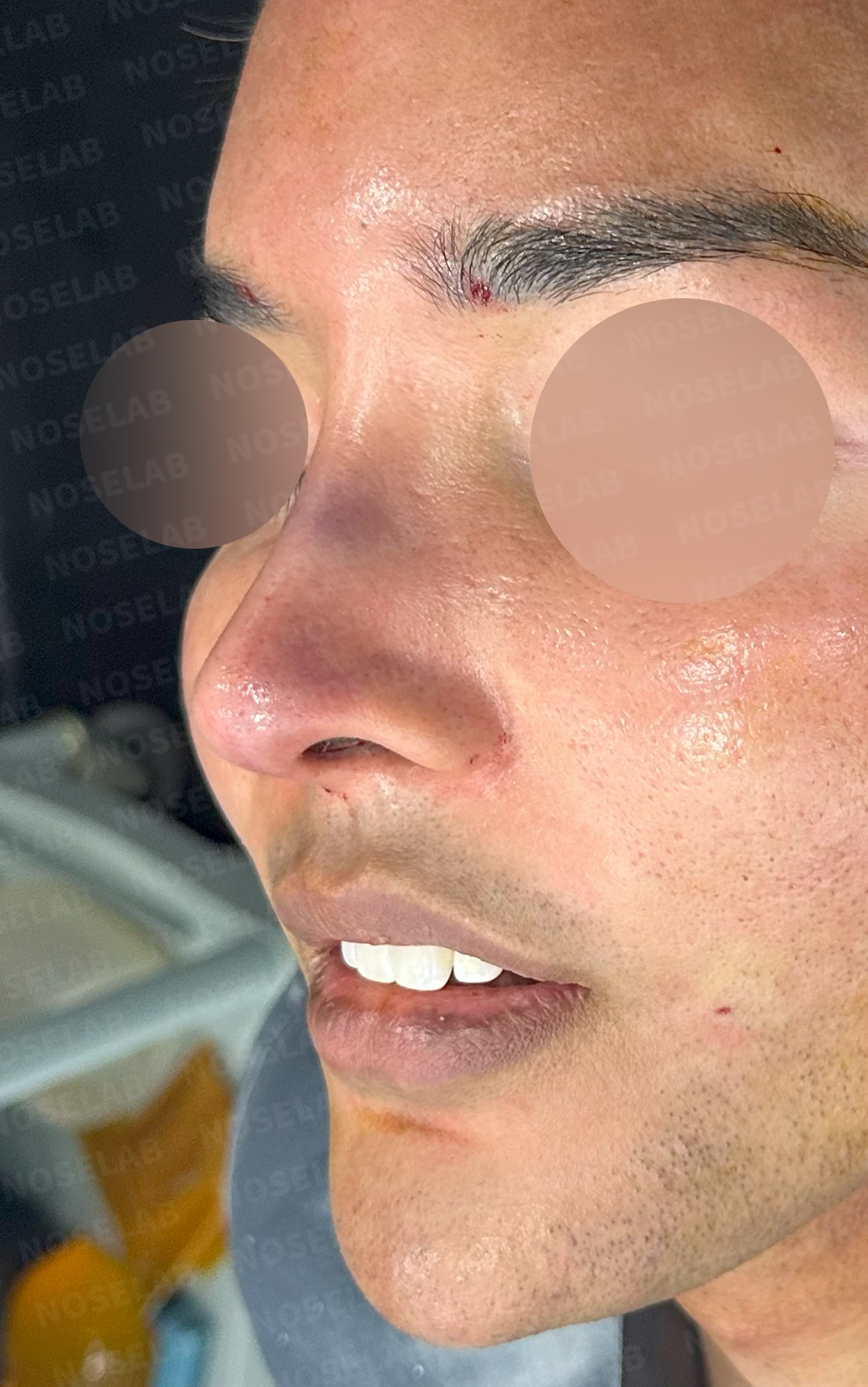
Front, profile, and oblique views immediately after surgery on day 0 Photos taken immediately after surgery show swelling and may differ from the final result.
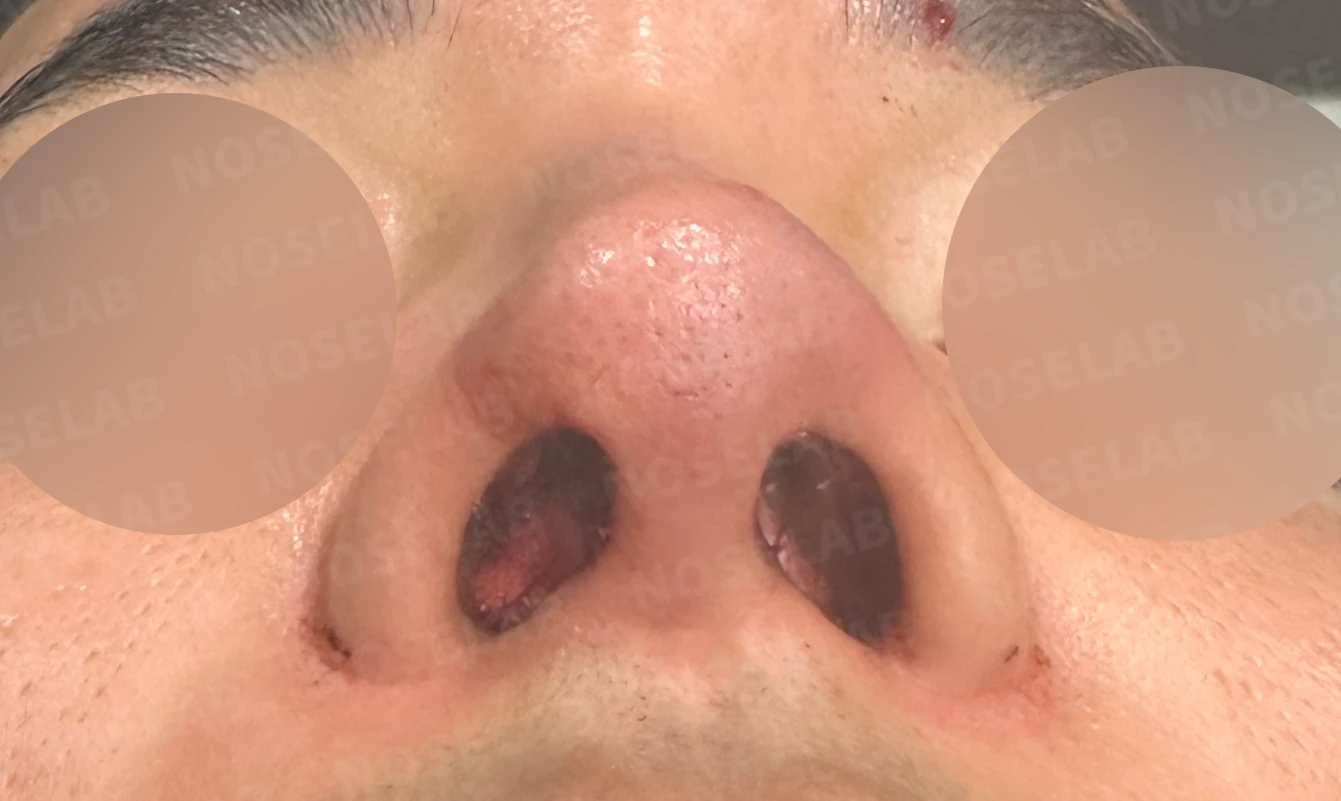
Nostril view on day 0 immediately after surgery Photos taken immediately after surgery show swelling and may differ from the final result.
This was a case that required addressing both functional improvements and aesthetic changes at the same time. Using autologous rib cartilage for septal extension and bridge augmentation, we achieved the natural height and slim line the patient desired. In particular, correcting the crooked nose through lateral osteotomy and relieving nasal obstruction contributed to high functional satisfaction. Autologous fat grafting also helped bring balance not just to the nose, but to the entire face.
This was Dr. Peter C. Kang. Thank you.
Thank you.
#closedrhinoplasty #rhinoplasty #autologousribcartilage #deviatedseptum #customrhinoplasty

Limitations and risks
When autologous rib cartilage is used, scarring and pain may remain at the donor site on the chest, and pneumothorax (pleural injury) can occur rarely. Over time, the grafted cartilage may warp or undergo partial resorption.
When the septum is corrected at the same time, nasal obstruction may persist or recur, and in rare cases, septal perforation or changes in smell may occur.
Common potential risks include infection, bleeding, asymmetry, scarring, skin necrosis, and insufficient improvement; results vary depending on individual skin condition and previous surgical history.