Hello, I am Dr. Peter C. Kang.
The mornings and evenings have become noticeably chilly. It is that time of year when taking good care of your immune system during the seasonal transition is important. Today, I would like to share a case of correcting what is commonly known as a bifid or cleft nasal tip.
Many celebrities have a bifid nasal tip. Famous figures like Park Bo-gum, Park Shin-hye, Min Hyo-rin, and Han Ga-in come to mind. Some might wonder why someone would choose surgical correction when such attractive public figures have this feature.
Today, I will tell the story of a young woman in her late 20s who visited our clinic because this feature bothered her every time she looked in the mirror.
What causes a bifid tip? Can it be corrected surgically?
A bifid nasal tip typically presents with two main characteristics. These factors serve as both the underlying cause and the focus of treatment. First, the skin over the nasal tip is thin; second, the underlying cartilage is large and thick. This creates an imbalance between the skin and cartilage, leading naturally to a cleft appearance, which was precisely the case here.
Naturally, surgical treatment is planned to address these exact anatomical factors.
Preoperative design and facial analysis
Let us analyze the patient's facial and nasal features.
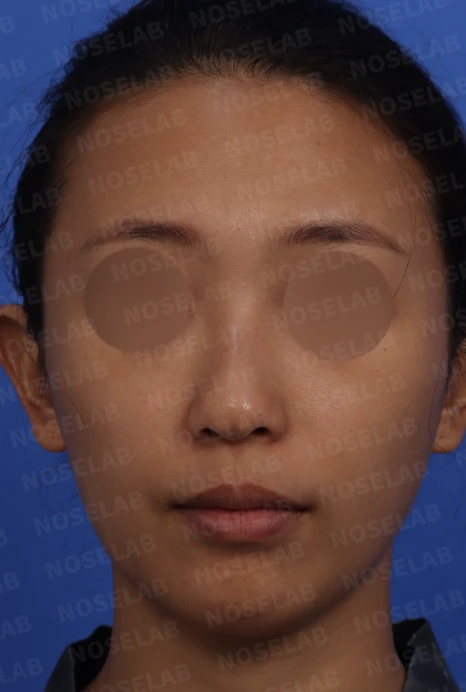
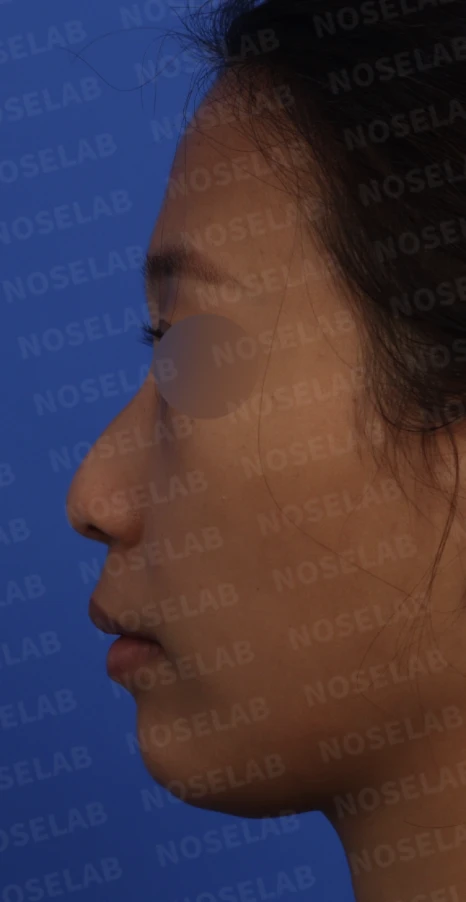
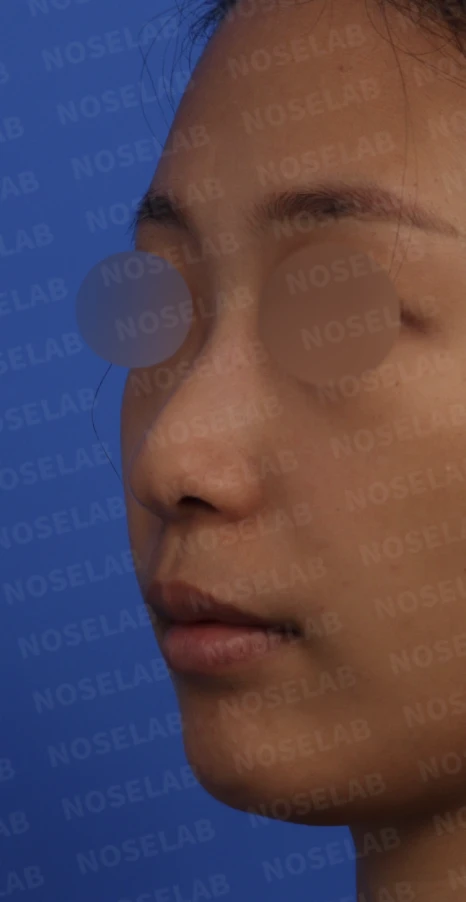
In the front view, the nasal tip is blunt and wide, yet the skin itself does not look particularly thick. It gives the impression of thin skin over a considerable amount of subcutaneous soft tissue. Because the skin is thin, the tip appears split. The nasal bridge is wide, and a slight overall deviation of the nose can also be observed.
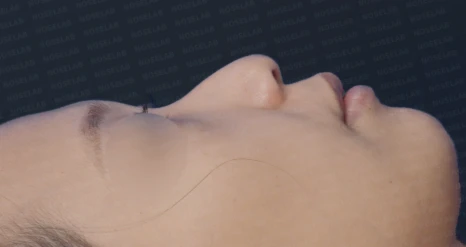
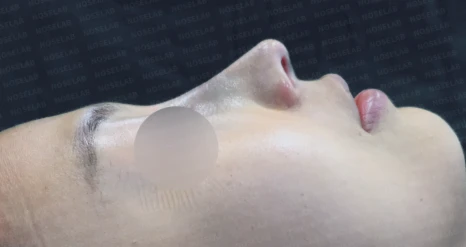
On profile view, the tip appears depressed and drooping. A slightly protruding mouth is also observed. The radix is low, and the cleft in the nasal tip is visible.
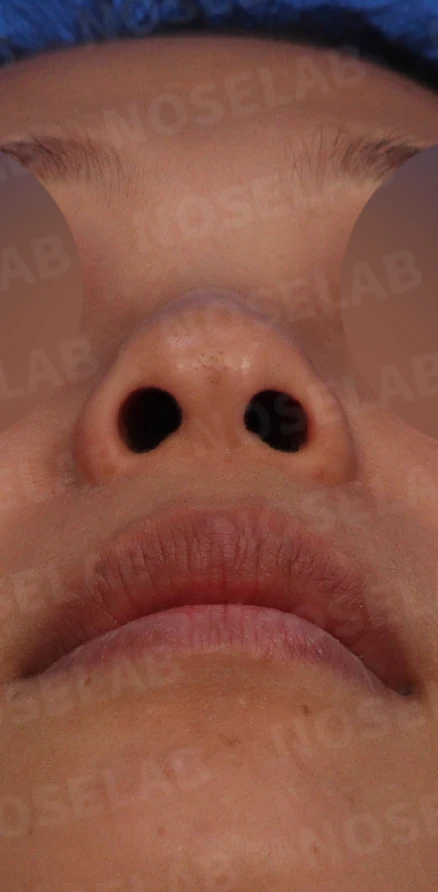
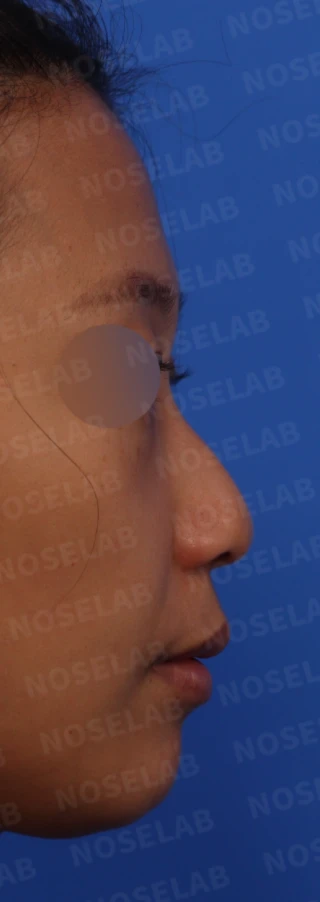
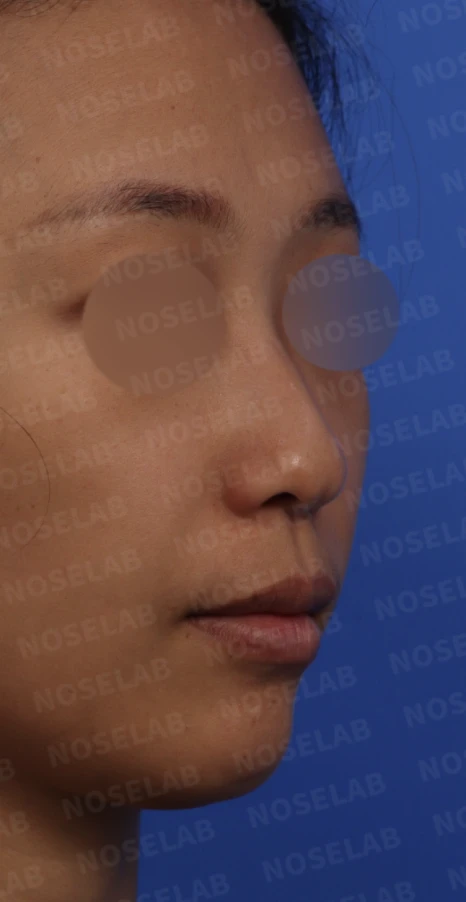
Looking at the base view, the nostrils appear round, and asymmetry is noted.
Following this facial and nasal evaluation, the patient was diagnosed with a bulbous tip, a drooping tip, a crooked nose, a bifid tip, and a protruding mouth. A detailed surgical plan was established to address these findings while meeting the patient's goals.
The specific surgical plan was as follows:
Septal extension: Harvesting a portion of the septal cartilage to elevate the nasal tip, correcting the drooping tip, bulbous tip, and nostril asymmetry.
Bulbous tip correction: Repositioning the lower lateral cartilages and performing cartilage suturing to refine tip width, removing a portion of subcutaneous tissue, and projecting the nasal tip for improved three-dimensional balance.
Tip skin reinforcement: Reinforcing the nasal tip skin with a dermal graft to resolve the cleft appearance, repositioning the lower lateral cartilages, and placing an ear cartilage graft at the tip.
Crooked nose correction: Performing lateral osteotomy and placing a silicone implant along the midline.
A meticulous surgical plan was devised to resolve these complex, concurrent issues. We planned to address the bulbous tip and the bifid tip at the same time, even though their surgical directions seem opposite: bulbous tip surgery involves thinning the tissue, whereas cleft tip correction requires reinforcing the soft tissue coverage.
All of these procedures were performed through a closed approach. In bulbous tip correction, vascular supply is of paramount importance. Because this procedure involves the partial excision of subcutaneous tissue, any disruption in blood circulation can lead to skin necrosis, while aggressive tissue removal can trigger excessive scar tissue formation. Minimizing damage to normal anatomy and blood vessels is therefore critical. In other words, subcutaneous tissue must be trimmed minimally while preserving vessels to the greatest extent possible, keeping patient safety in mind.
Comparison between preoperative and immediate postoperative photos:
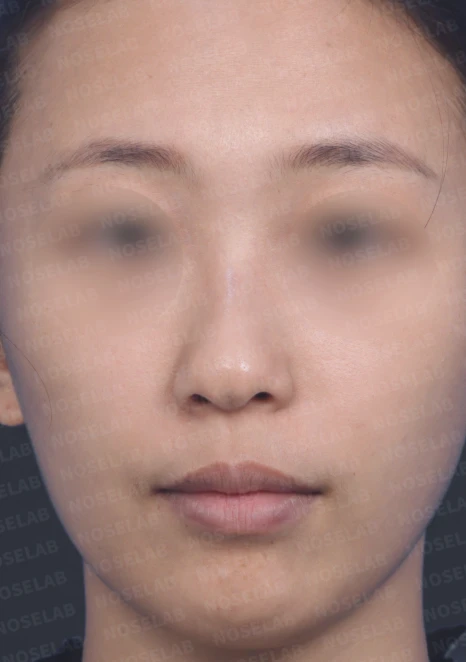
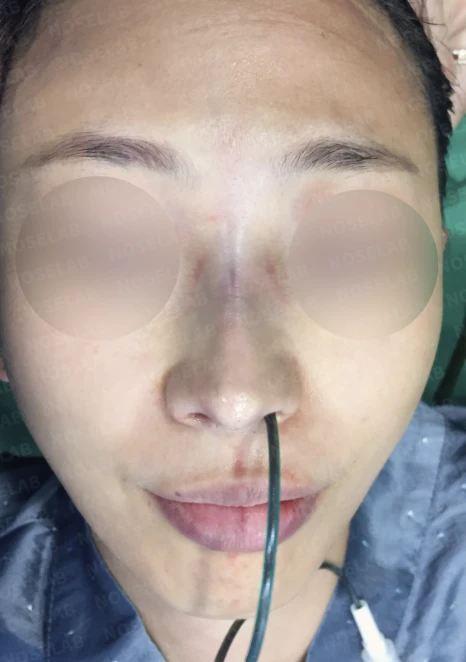
Before surgery / Day 0 immediately after surgery Photos taken immediately after surgery show swelling and may differ from the final result.
On the front view, the cleft in the nasal tip is gone. The tip has been gathered and given a soft, rounded contour. The nasal bridge, which previously looked wide and deviated, has been straightened naturally.
Before surgery / Day 0 immediately after surgery Photos taken immediately after surgery show swelling and may differ from the final result.
From the profile view, the irregular contour along the dorsum resembling a mild hump and the drooping tip have transformed into a smooth, natural profile line. The appearance of the protruding mouth has also improved with the correction of the nasolabial angle.
Before surgery / Day 0 immediately after surgery Photos taken immediately after surgery show swelling and may differ from the final result.
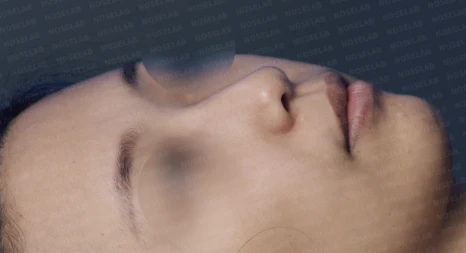
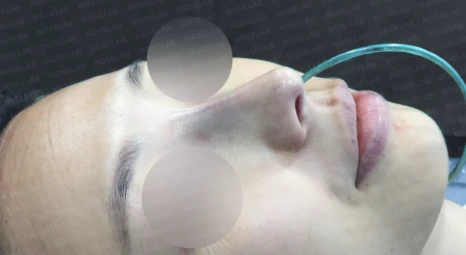
In the oblique view, it is noticeable that the cleft tip was improved into a smoother, rounded shape. The appearance of the protruding mouth has also improved. In the photo taken on day 0 immediately after surgery, even while still under IV sedation, the facial expression looks like a satisfied smile at the result on day 0 immediately after surgery, which is memorable. Photos taken immediately after surgery show swelling and may differ from the final result.
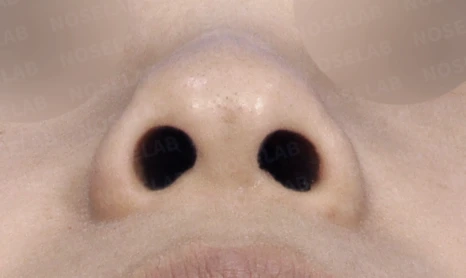
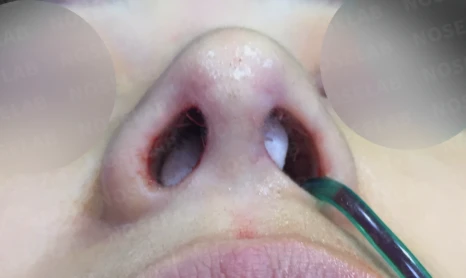
Before surgery / Day 0 immediately after surgery Photos taken immediately after surgery show swelling and may differ from the final result.
The base view shows a noticeable difference. The round, blunt tip now has an entirely refined shape. The nostrils have assumed a natural and well-proportioned contour, and the nostril asymmetry has been significantly improved.
Postoperative summary and concluding thoughts
"Dr. Kang, this feels like a dream. I had no idea my cleft tip could look this pretty."
Seeing the patient's joyful smile after surgery reminded me once again of why this work is so rewarding. What I wish to emphasize through this case of bifid tip correction is that rhinoplasty goes beyond simple aesthetic modification; it contributes meaningfully to a patient's emotional well-being and quality of life. It may sound ambitious, but it is true: resolving a longstanding personal insecurity can restore confidence in social interactions and elevate one's day-to-day life.
If you are concerned about a bifid or cleft nasal tip, I encourage you to consult with a specialist to determine the approach best suited for you. Not every bifid tip can be addressed in the exact same manner; an individualized approach tailored to your specific nasal framework, skin condition, and overall facial proportions is essential.
We place the highest priority on patient safety and satisfaction, and we remain dedicated to offering natural, healthy solutions for a wide range of nasal concerns, including bifid nasal tips.
This was Dr. Peter C. Kang. Thank you.
Thank you.
#closedrhinoplasty #bifidtip #bulboustip #crookednose #widenose #droopingtip #safeplannedsurgery #blunttip

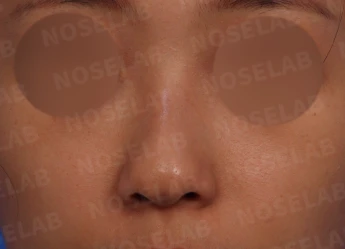
Limitations and risks
When the septum is corrected at the same time, nasal obstruction may persist or recur, and in rare cases, septal perforation or changes in smell may occur.
Common potential risks include infection, bleeding, asymmetry, scarring, skin necrosis, and insufficient improvement; results vary depending on individual skin condition and previous surgical history.