Hello.
I am Dr. Peter C. Kang, medical director.
Today, I would like to introduce the case of a patient who was troubled by a dorsal hump and a bulbous nasal shape.
The patient wanted to correct a drooping tip and decided to undergo primary rhinoplasty.
A primary rhinoplasty was performed to correct the overall nasal shape together with 2 functional nasal procedures.
The surgery was conducted with the goals of correcting the dorsal hump via osteotomy, creating a straight bridge line, and correcting the nostril asymmetry.
Comparison of before-and-after photos
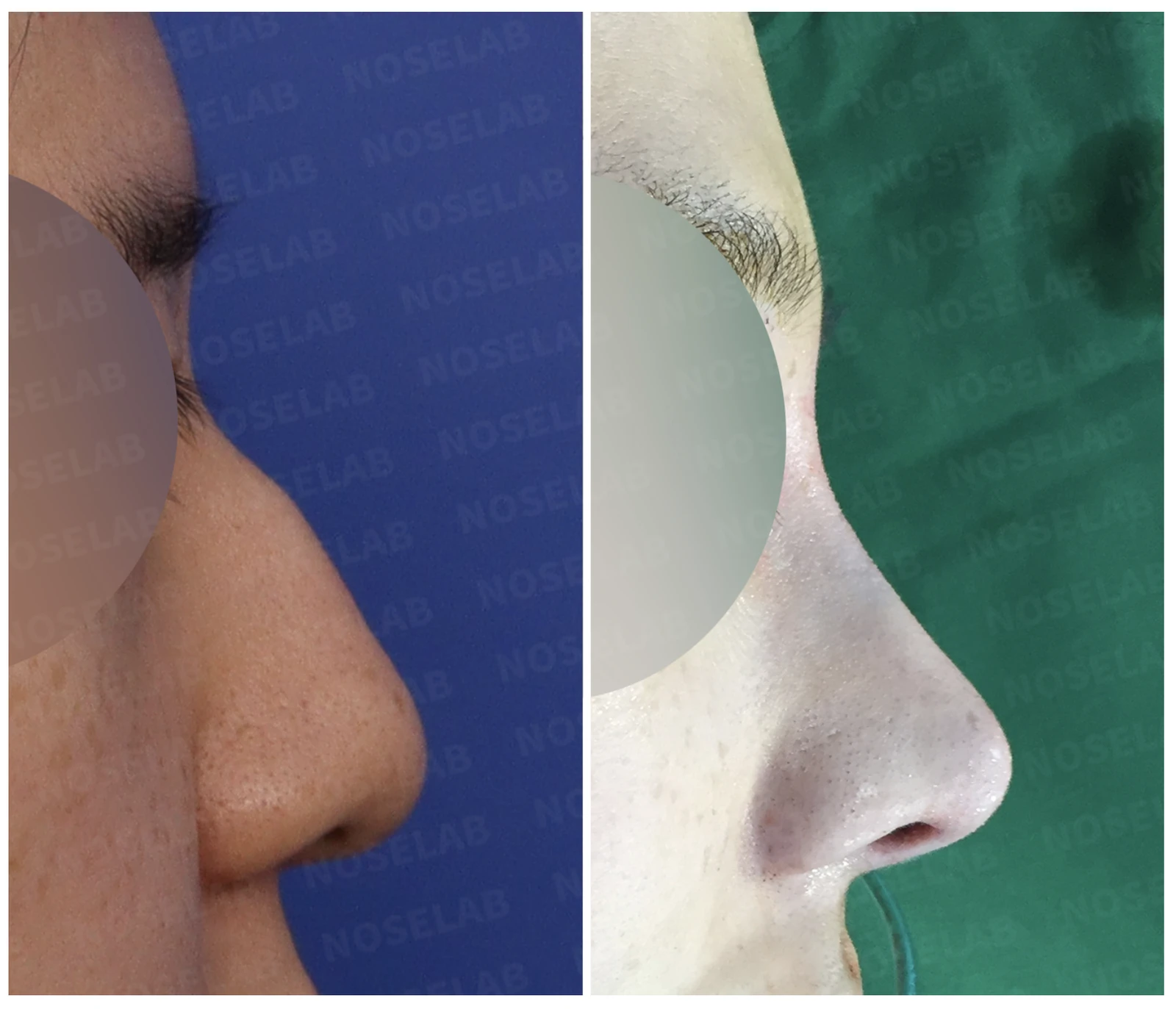
Let us analyze the profile view photos.
Before surgery:
Dorsal hump
Bulbous nasal tip
Drooping tip
After surgery:
A natural nasal bridge line has been created.
By naturally lowering the columella, the nasolabial angle was corrected.
The dorsal hump was smoothly corrected.
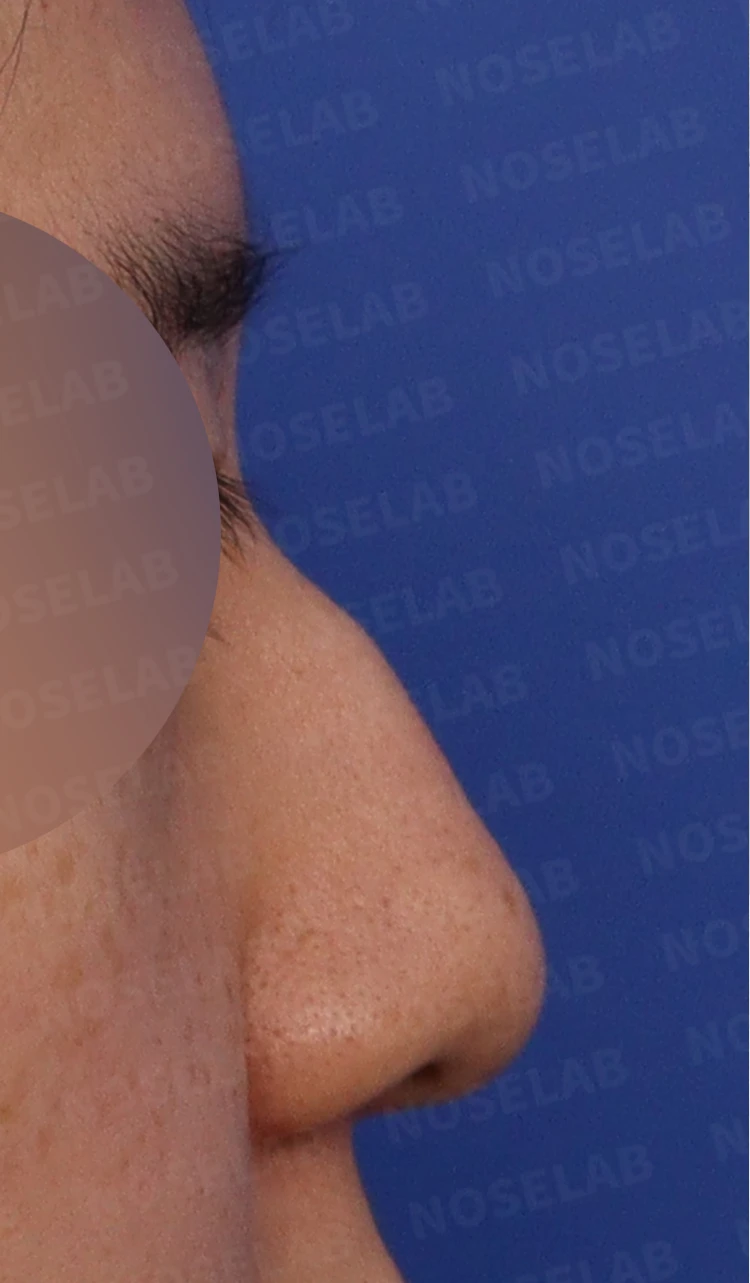
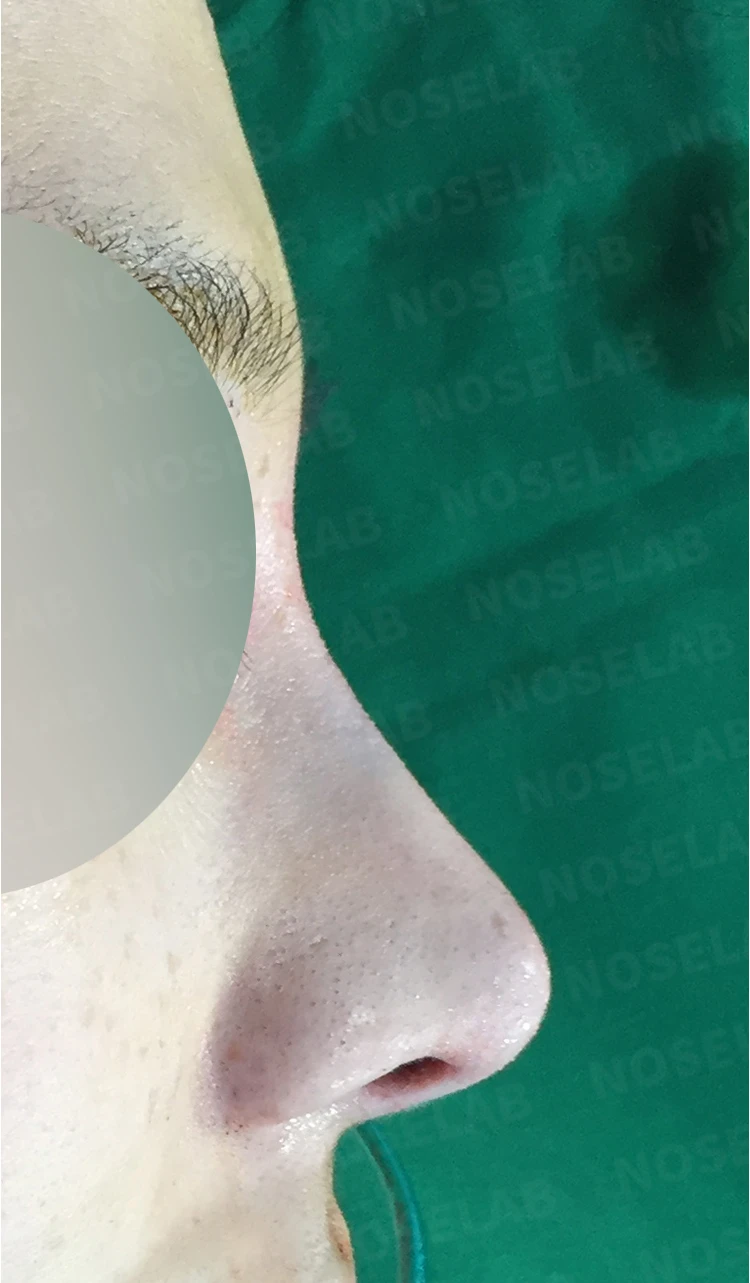
Before surgery / Day 0 immediately after surgery Photos taken immediately after surgery show swelling and may differ from the final result.
Let us analyze the oblique view (45-degree) photos.
Before surgery:
The dorsal hump is noticeable.
Drooping and bulbous nasal tip
After surgery:
The nasal dorsum has become smooth and natural.
Correction of the nasolabial angle also provided an improvement in the appearance of the protruding mouth.
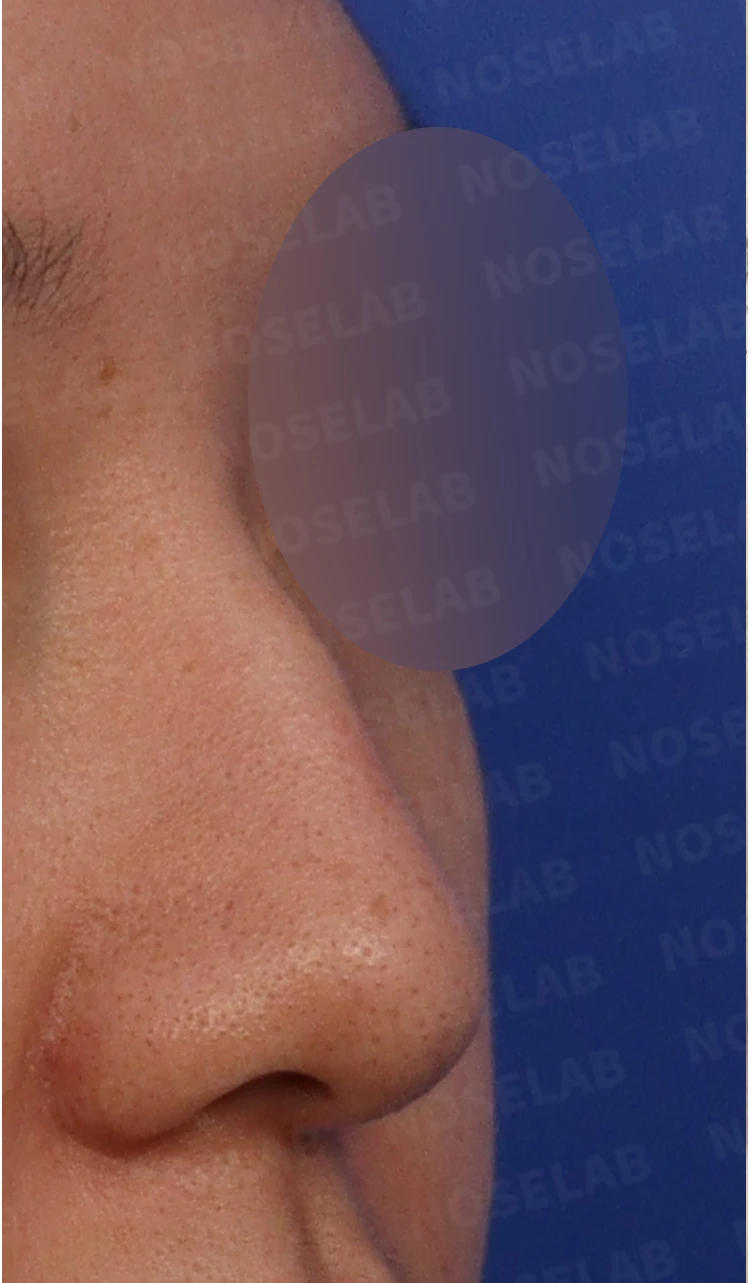
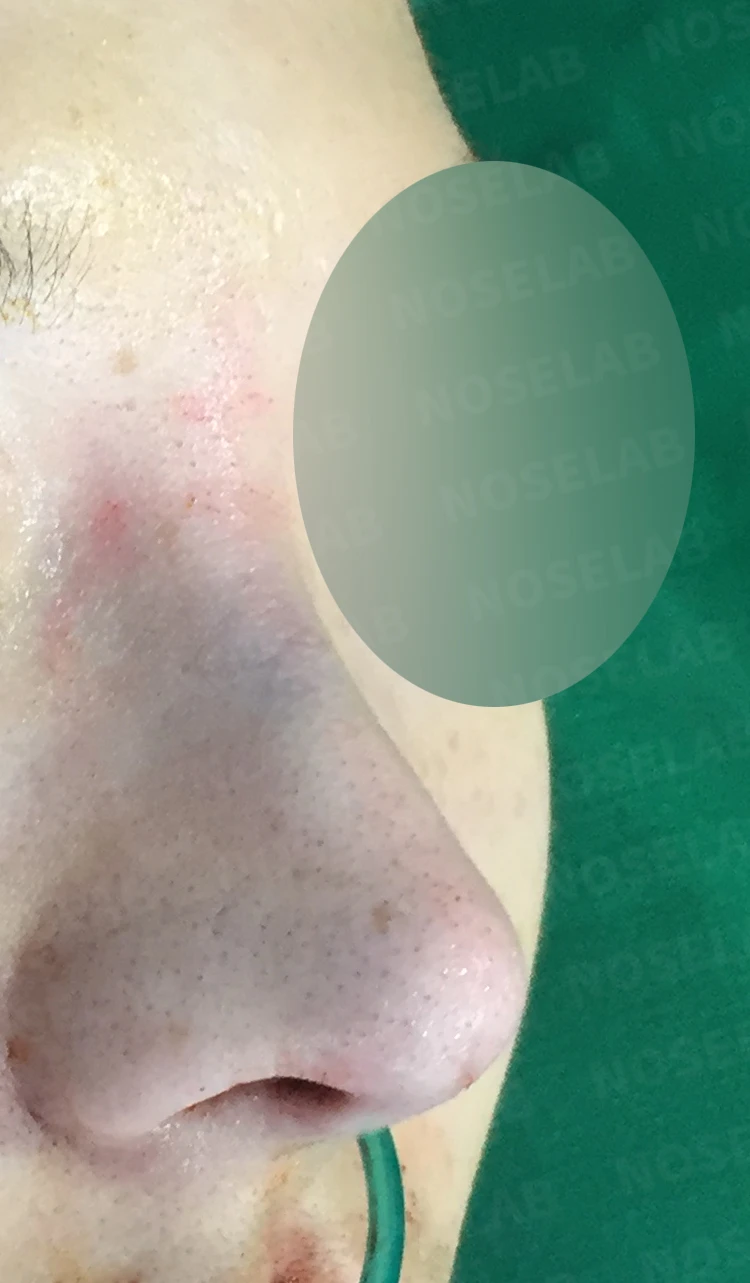
Before surgery / Day 0 immediately after surgery Photos taken immediately after surgery show swelling and may differ from the final result.
Let us analyze the front view photos.
Before surgery:
The nasal tip appears bulbous and flared.
The nose appears crooked in a C-shape.
There is noticeable nostril show.
After surgery:
The crooked nose has been corrected.
The previously flared nasal tip now has a slimmer contour.
The nostrils now look natural.
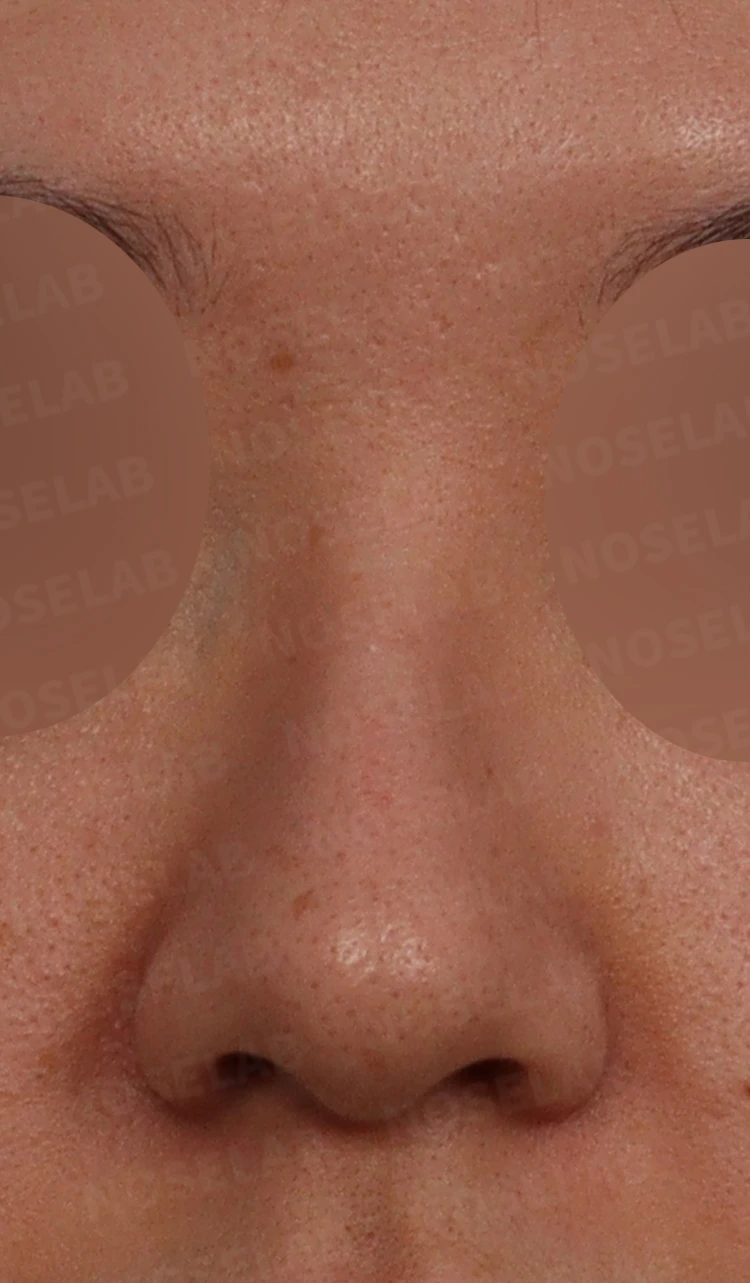
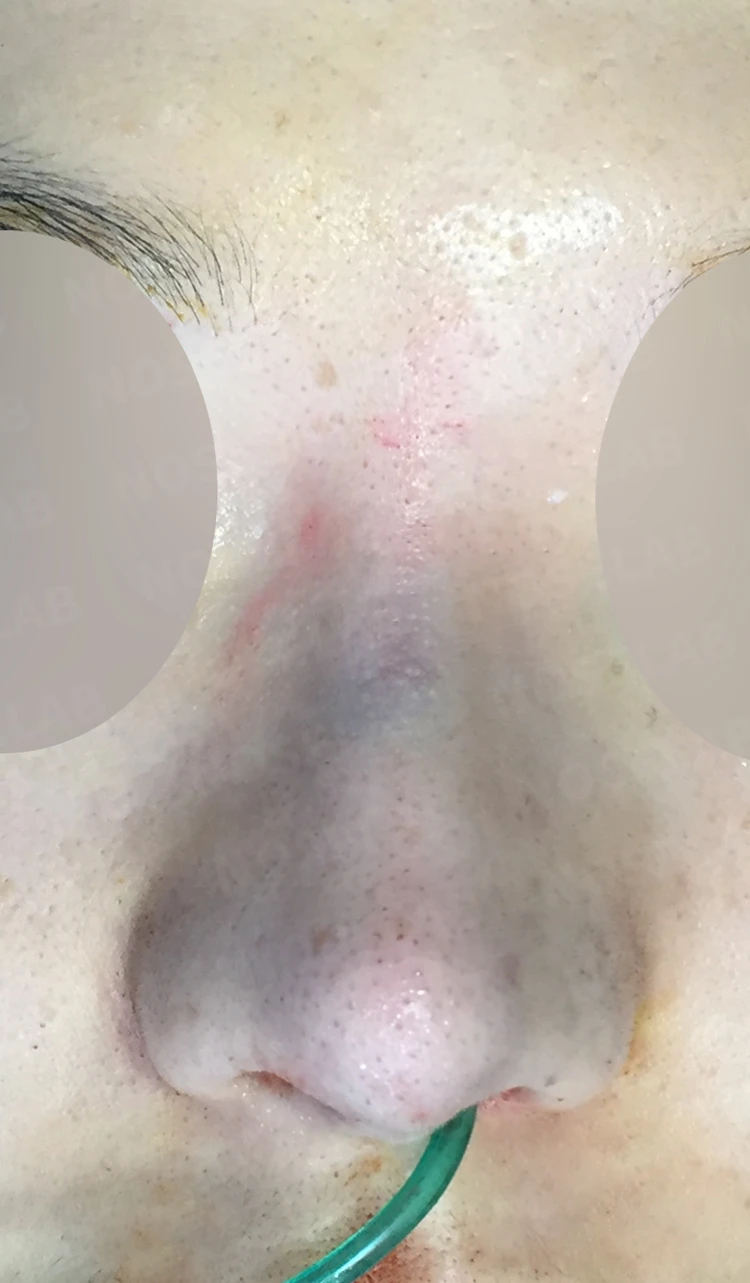
Before surgery / Day 0 immediately after surgery Photos taken immediately after surgery show swelling and may differ from the final result.
Let us analyze the nostril view photos.
Before surgery:
Nostril asymmetry is noticeable.
The nasal tip appears bulbous and flared.
After surgery:
The nostril asymmetry has been corrected.
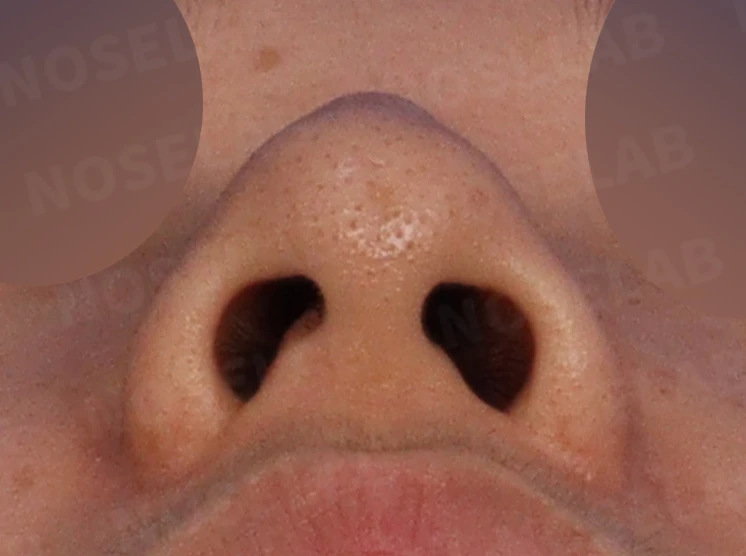
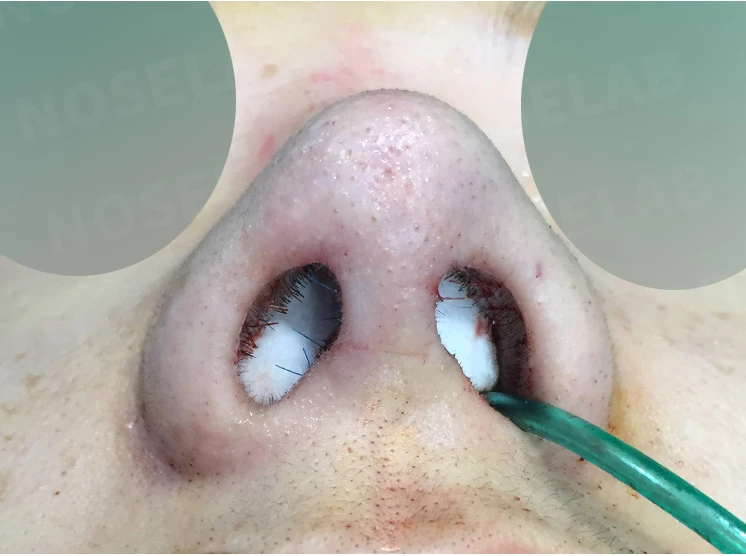
Before surgery / Day 0 immediately after surgery Photos taken immediately after surgery show swelling and may differ from the final result.
Closing remarks
A dorsal hump along with a bulbous and drooping tip is a common nasal shape that concerns many people. Through this case, we have looked at how these issues can be addressed.
First, dorsal hump correction must be performed while considering overall facial balance, rather than simply shaving down the nasal bridge. In this patient's case, osteotomy was used to naturally correct the hump, creating a smooth dorsal line. This significantly improved the appearance of the profile.
Second is the correction of the bulbous and drooping tip. This cannot be resolved simply by lifting the tip. It is important to reposition and reinforce the structure of the nasal tip to create a more defined, three-dimensional shape. During this process, by properly adjusting the nasolabial angle (the angle between the nose and upper lip), we also achieved an improvement in the protruding mouth.
Third are the crooked nose and nostril asymmetry visible from the front view. These are critical aspects that can affect respiratory function as well as aesthetics. By combining septal correction with the repositioning of the lower lateral cartilage, we achieved a symmetrical and well-balanced nasal shape.
A notable aspect of this surgery is that functional improvements were accomplished alongside cosmetic improvements. Rhinoplasty should not merely focus on creating an aesthetically pleasing nose; creating a healthy, functional nose is just as essential. To that end, functional nasal surgery such as septoplasty was performed simultaneously to improve breathing.
For those considering rhinoplasty, I would like to offer a few points of advice. First, a customized nasal design tailored to your facial structure and overall appearance is essential. Second, functional improvements must be considered alongside aesthetic refinement. Third, it is important to select the surgical plan that is most suitable for you through thorough consultation with an experienced specialist.
Because rhinoplasty alters the central feature of the face, it has a significant effect on your overall impression. Therefore, careful decision-making and expert guidance are essential. NOSELAB meticulously considers each patient's unique facial features and desired outcomes to establish a well-suited surgical plan.
Finally, proper post-operative care is vital. Through consistent care starting immediately after surgery, you can support a stable result. It is advisable to follow your doctor's instructions closely and monitor your recovery through regular follow-up visits.
I hope this case helps those who are troubled by a dorsal hump, bulbous tip, or drooping tip. NOSELAB is here to support your decisions toward a healthy, refined nose.
This was Dr. Peter C. Kang. Thank you.
Thank you.
#dorsalhumpcorrection #bulboustipcorrection #droopingtipcorrection #rhinoplasty #functionalnasalsurgery #septalcorrection #nostrilasymmetrycorrection #ENTspecialistrhinoplasty #rhinoplastywithsafetyinmind #customrhinoplasty #closedrhinoplasty

Limitations and risks
When the septum is corrected at the same time, nasal obstruction may persist or recur, and in rare cases, septal perforation or changes in smell may occur.
Common potential risks include infection, bleeding, asymmetry, scarring, skin necrosis, and insufficient improvement; results vary depending on individual skin condition and previous surgical history.