Hello, I am Dr. Peter C. Kang.
Today, I would like to share the case of a patient who was troubled by an asymmetric nose and impaired breathing following a previous philtrum reduction, whom we helped achieve a natural, balanced nose.
🔍 Surgical history
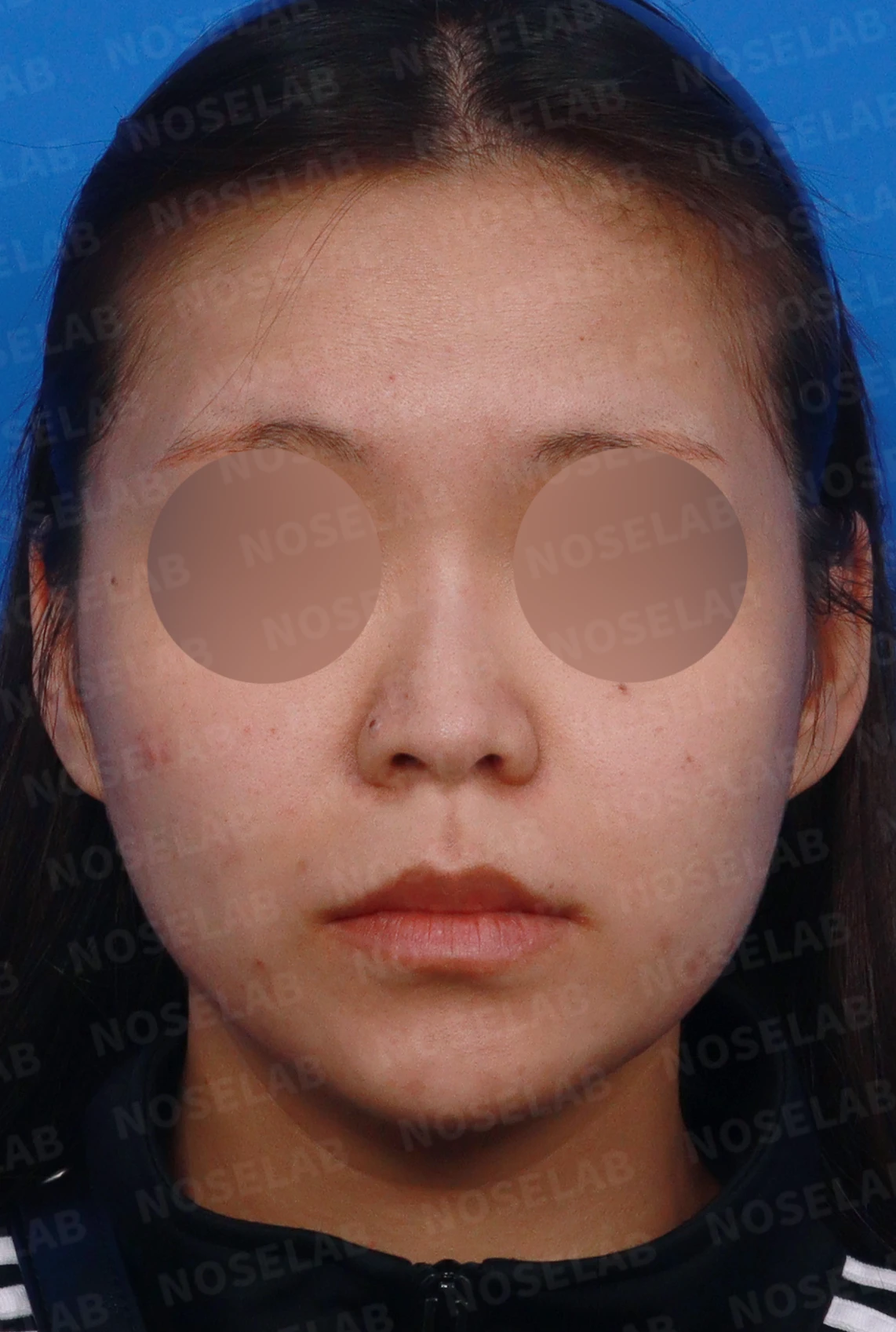
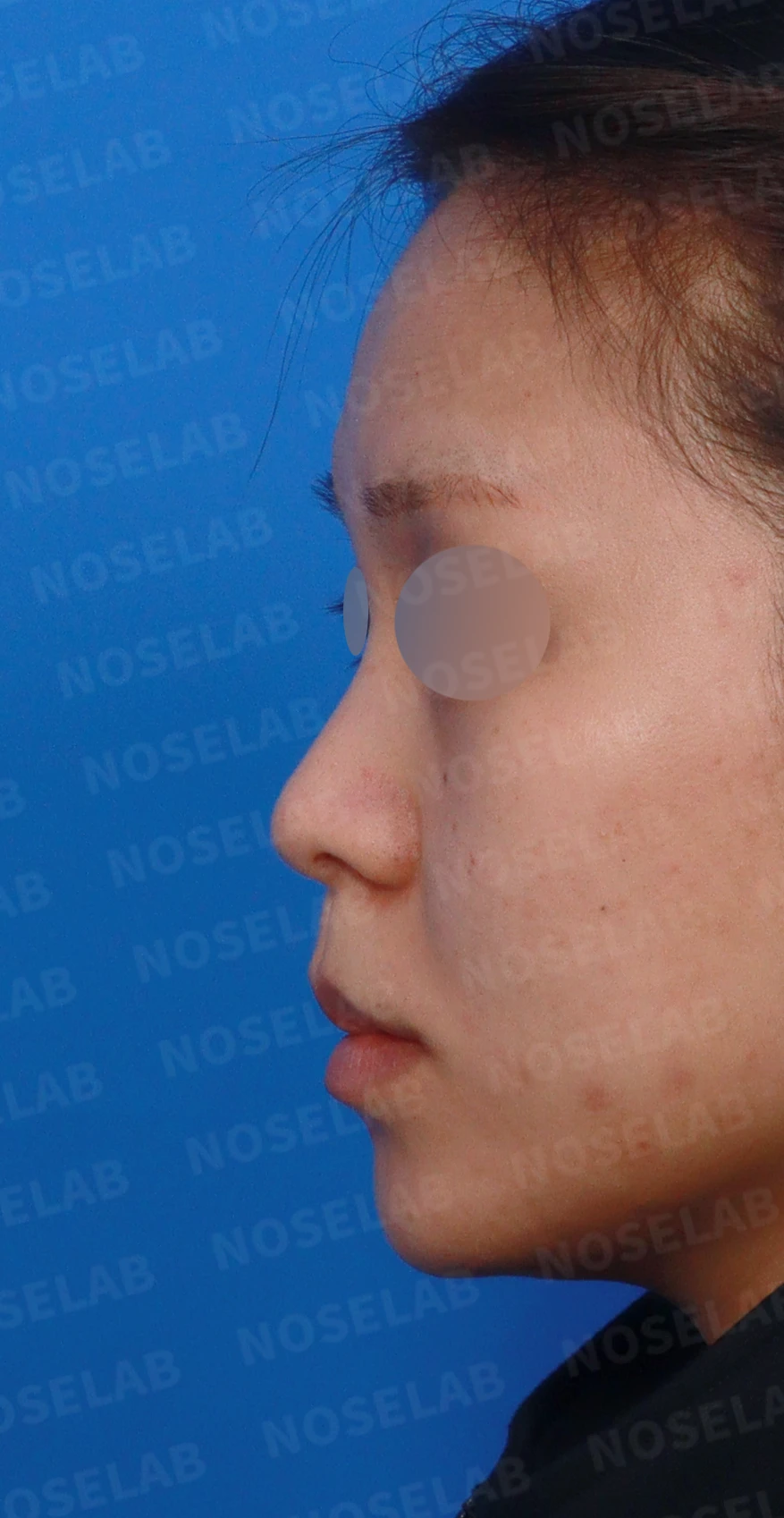
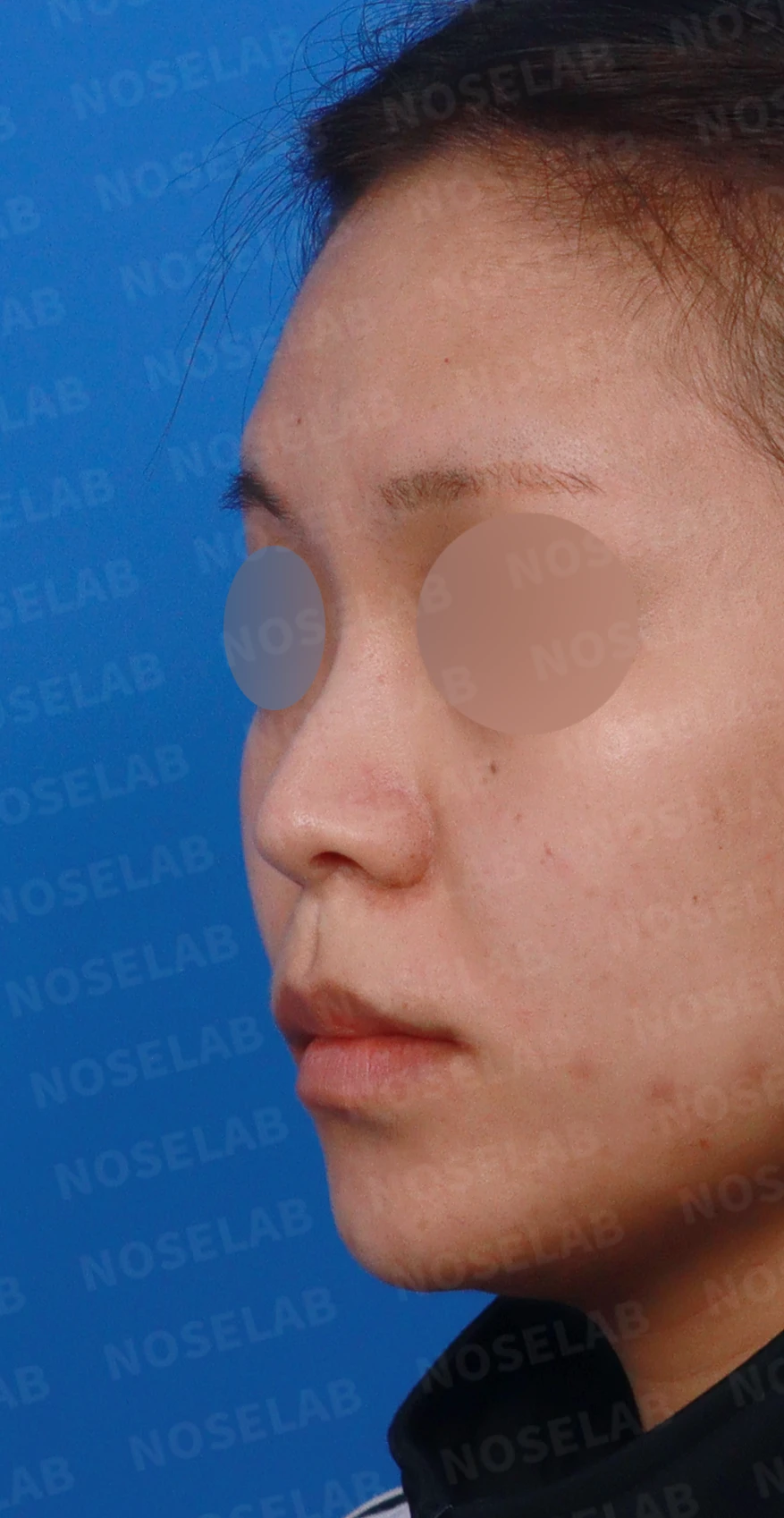
Front, left profile, and oblique views during design consultation.
Past history:
13 years ago: silicone implant + ear cartilage
12 years ago: silicone implant repositioning (deviated to the left)
Recently: philtrum reduction + closed rhinoplasty (additional ear cartilage)
Main concerns:
Asymmetric nose deviated to the left
Unnatural appearance following previous reduction
Severe protruding mouth
Reduced airflow and asymmetry due to a narrowed left nostril
Special notes:
Significantly impaired breathing after surgery
💉 Patient requests
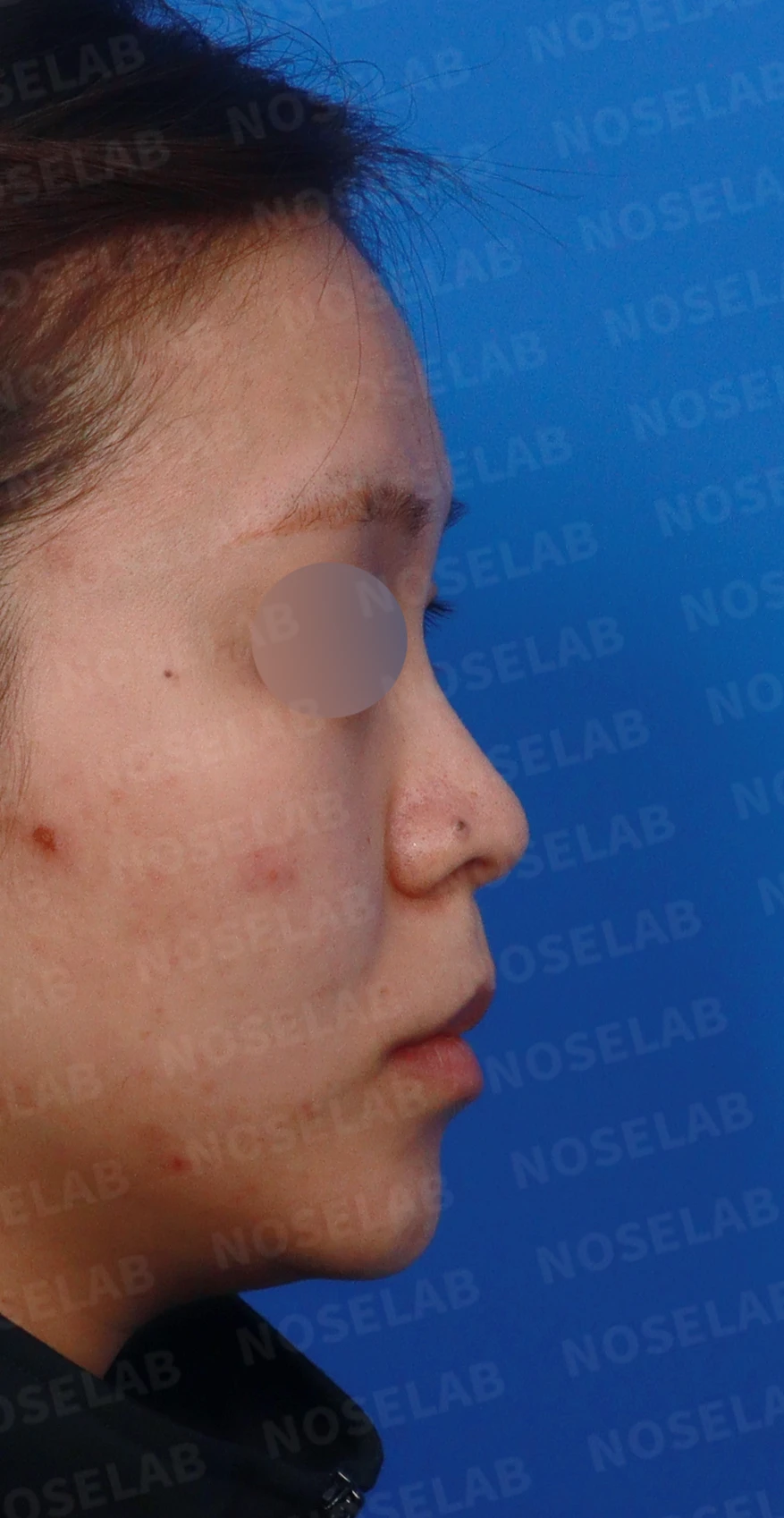
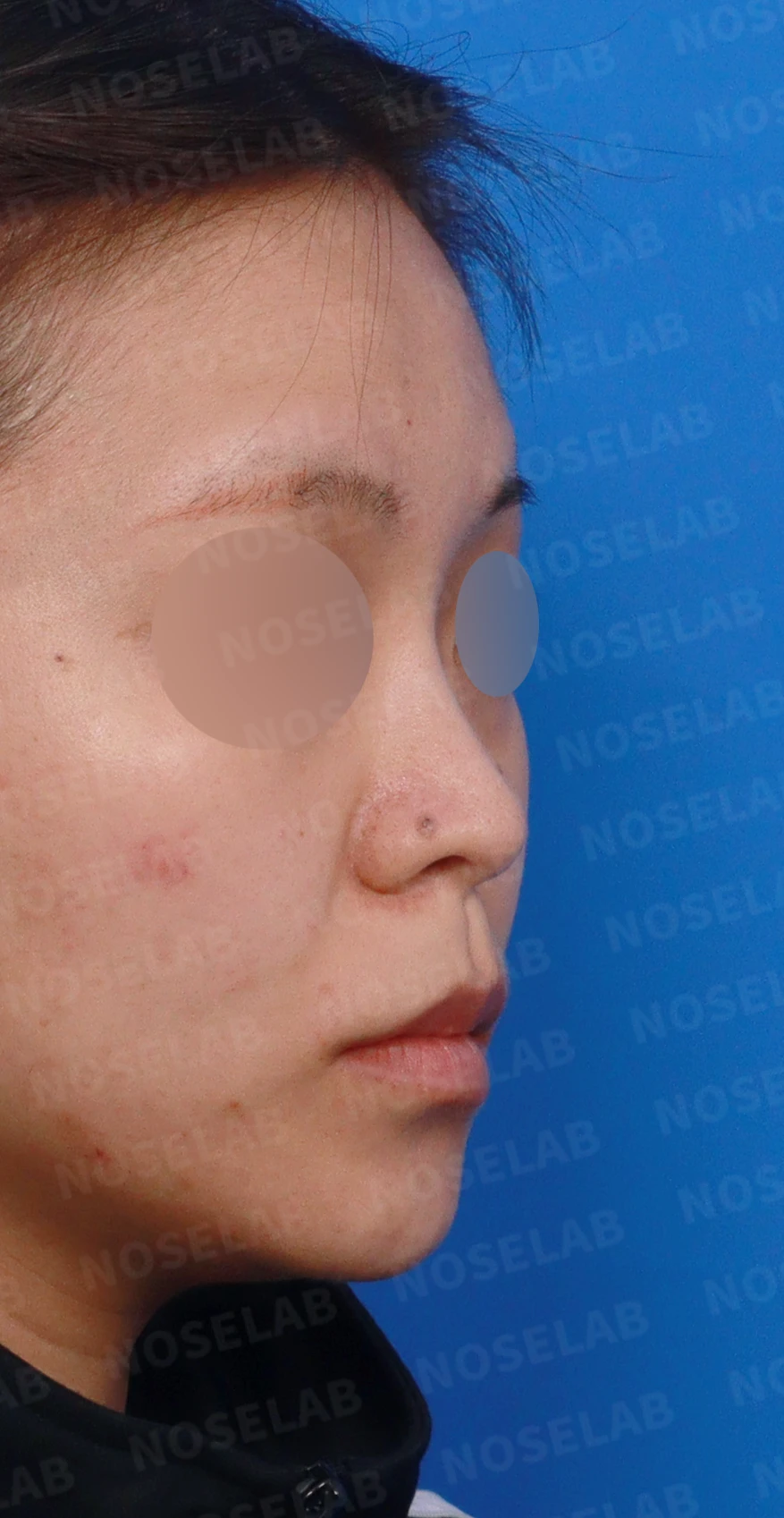
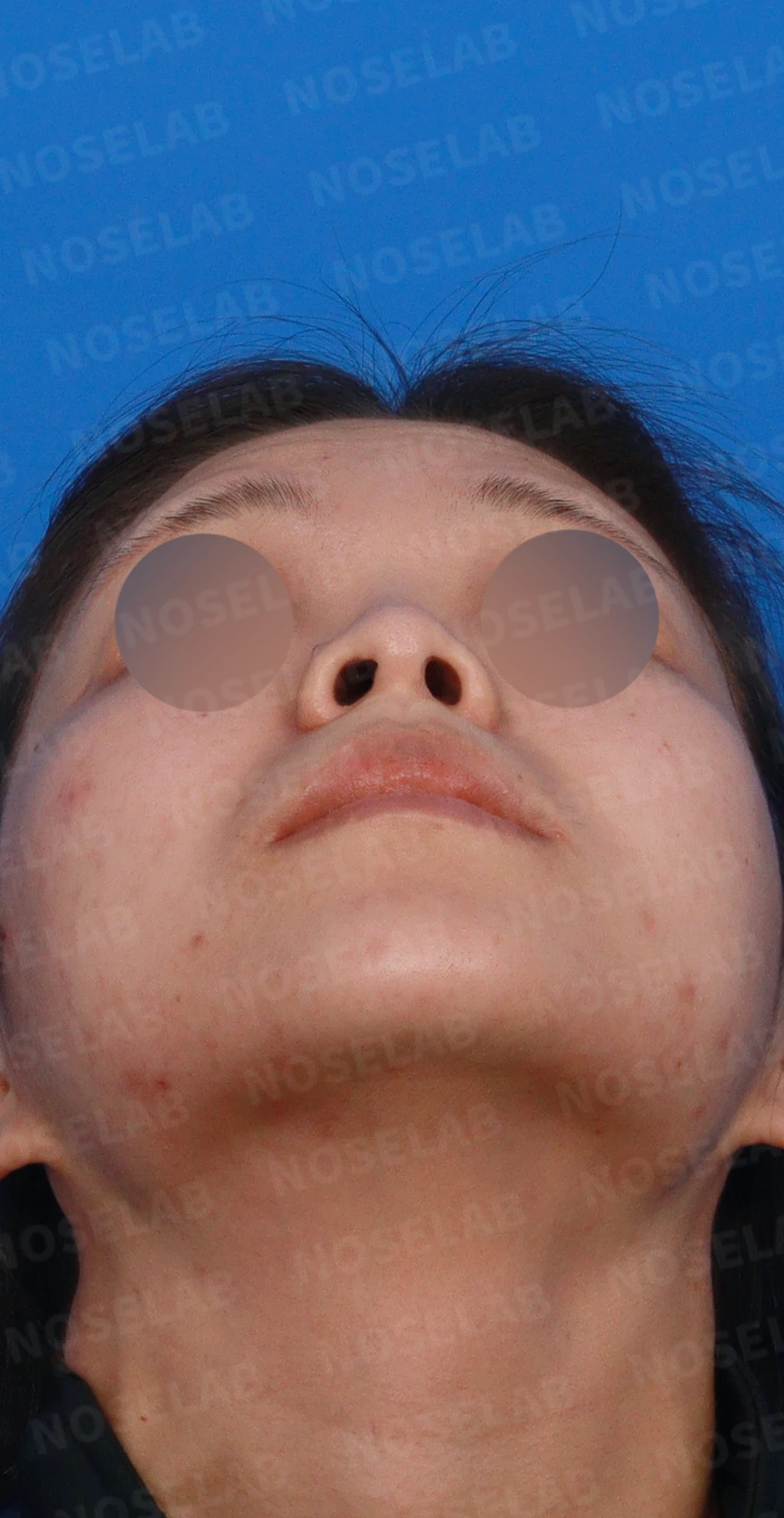
Right profile, oblique, and nostril views during design consultation.
Breathing improvement (top priority)
Correction of asymmetric nose
Slight elevation of overall nasal height
Improvement in a protruding mouth
Correction of nostril asymmetry
🔧 Surgical plan and procedure
1. Correction of asymmetric nose via lateral osteotomy
The nasal bones tilted to the left were precisely corrected with lateral osteotomy. Repositioning the nasal bones established a symmetric and natural line on the front view.
2. Relieving the protruding mouth via nasolabial angle correction
The unnatural shape and aggravated protruding mouth resulting from the prior reduction were resolved by correcting the nasolabial angle. By carefully adjusting the angle between the nose and upper lip, the profile line became more balanced and well-defined.
3. Restoring breathing with left nostril skin graft
The left nostril, which had narrowed after the previous reduction, was partially widened with a skin graft. Breathing was promptly restored, and the asymmetry was naturally improved.
4. Overall height enhancement
The overall nasal height was elevated appropriately to match the patient's facial proportions, creating a natural and refreshed appearance.
🌟 Surgical results
Realignment of asymmetric nasal bones via lateral osteotomy, symmetric front view
Relief of protruding mouth through nasolabial angle adjustment, refined profile line
Widening of narrowed nostril via skin graft, restored breathing
Refreshed impression with appropriate height enhancement
Overall natural and balanced nose achieved
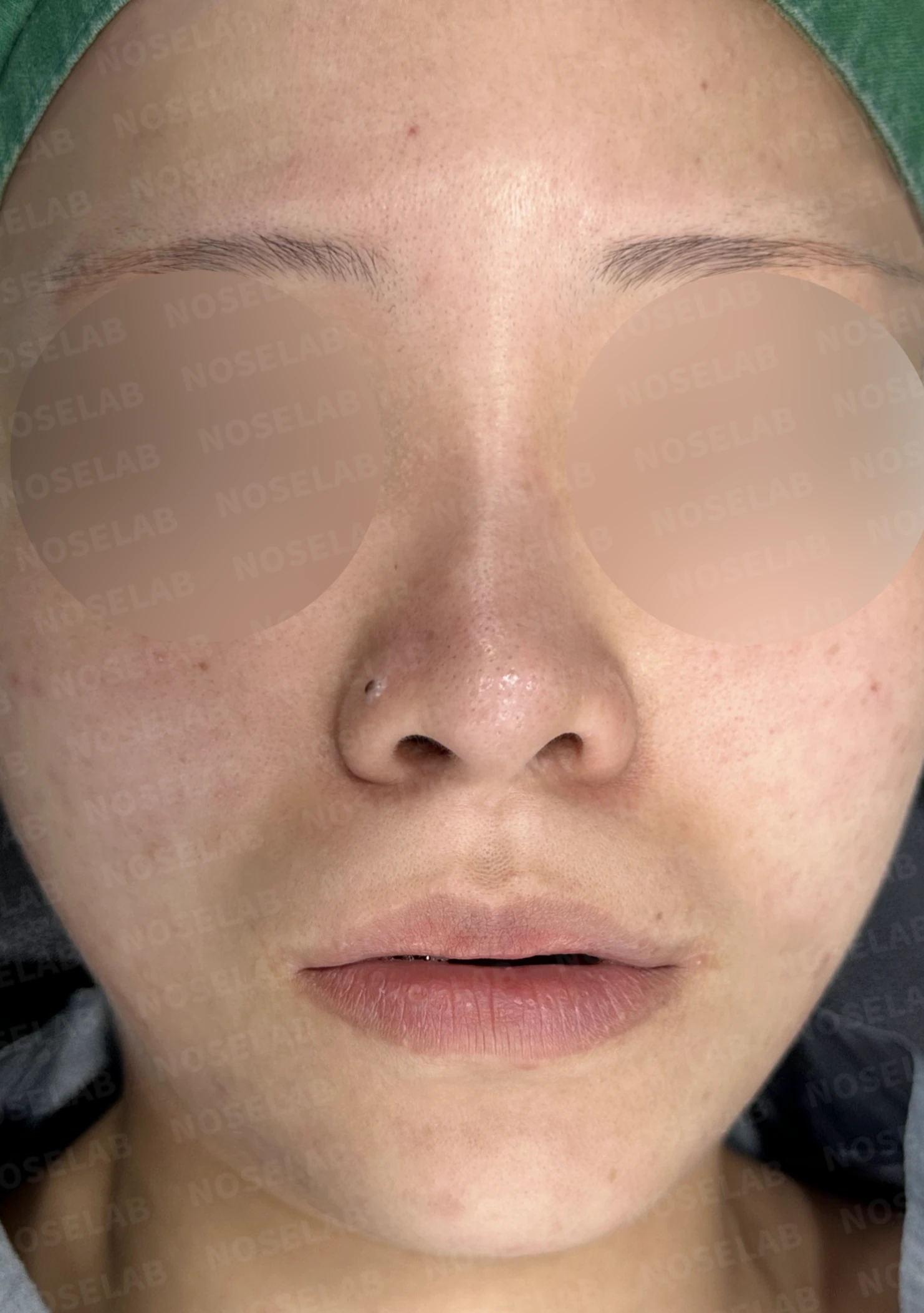
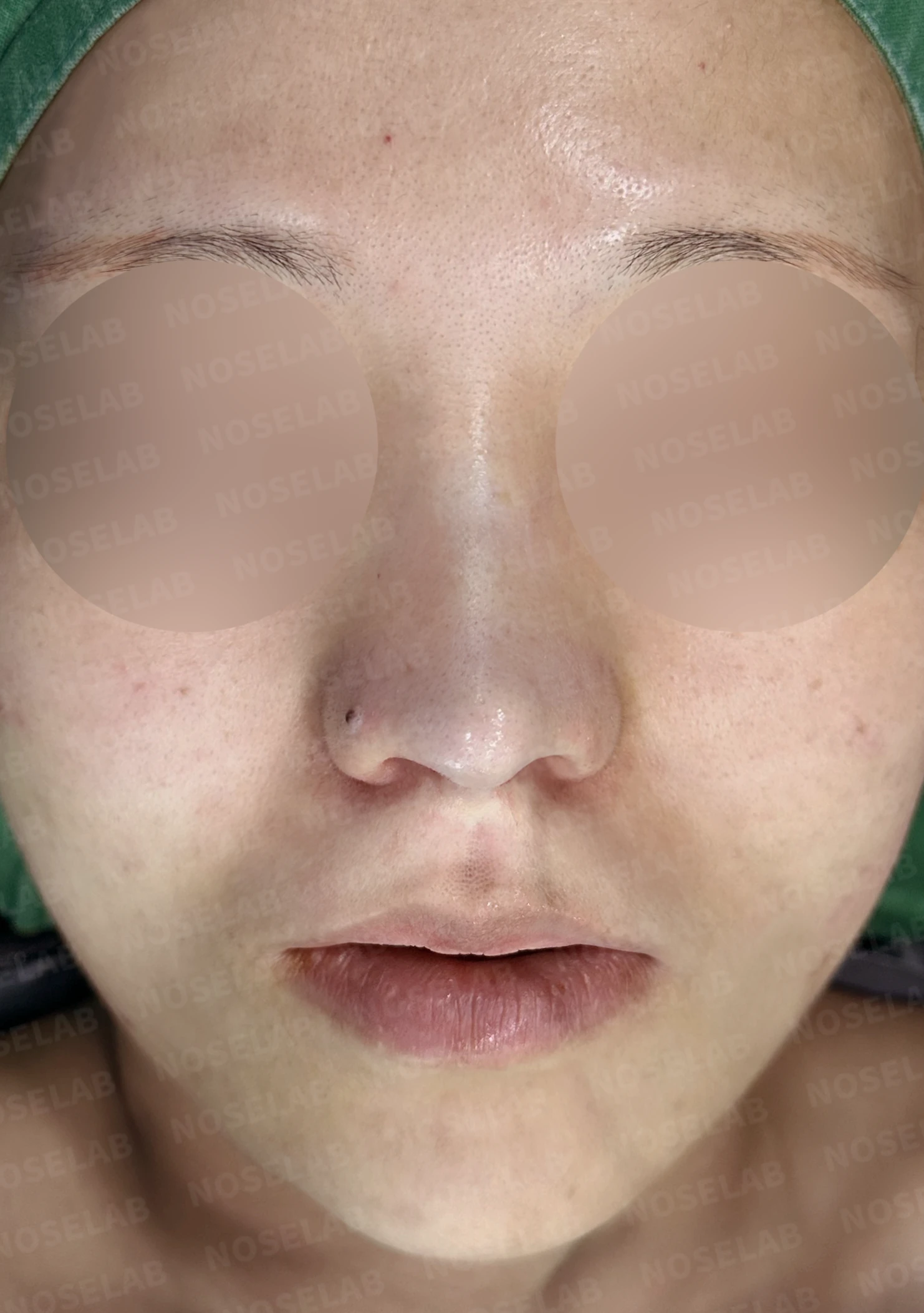
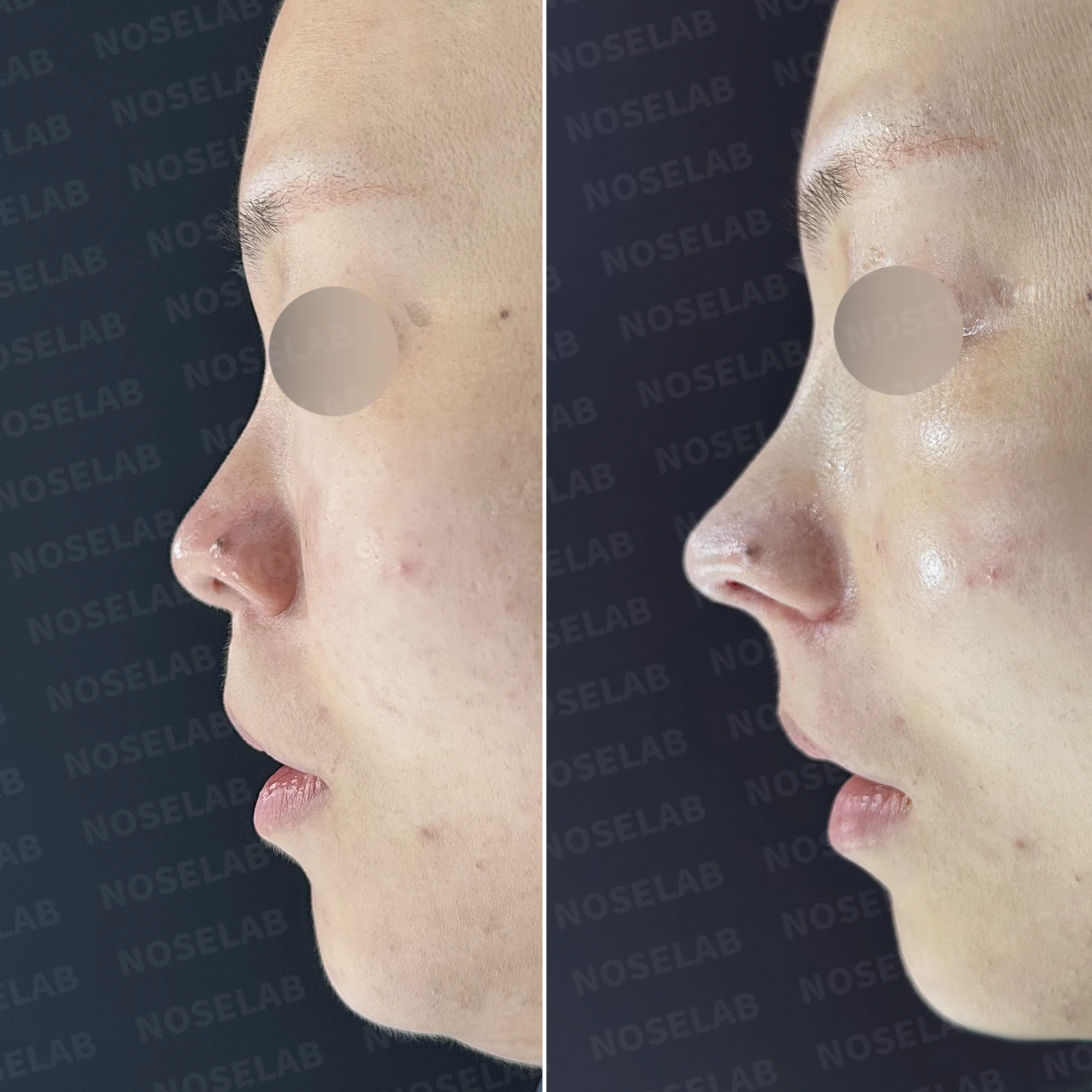
Before surgery / Day 0 immediately after surgery Photos taken immediately after surgery show swelling and may differ from the final result.
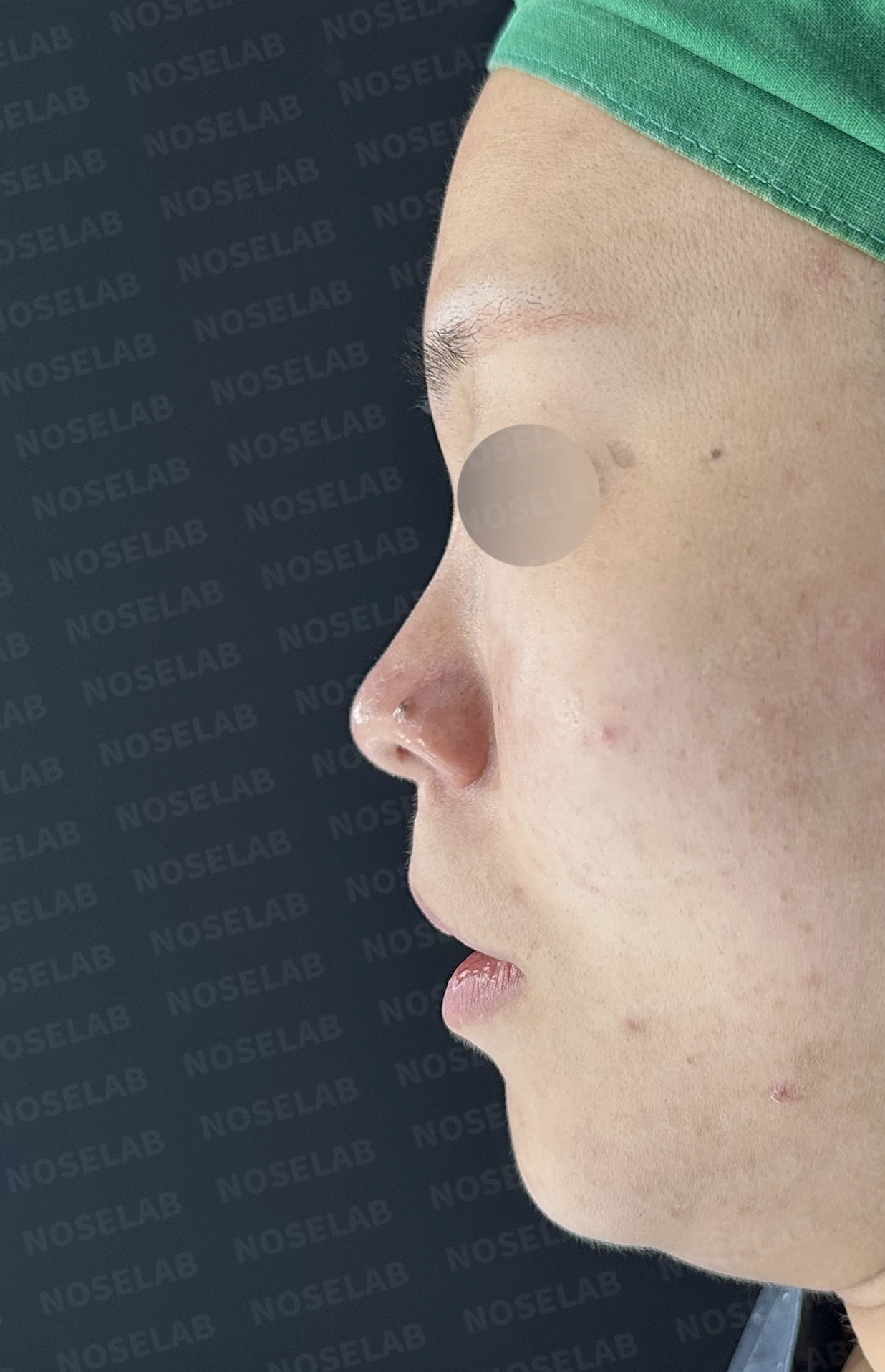
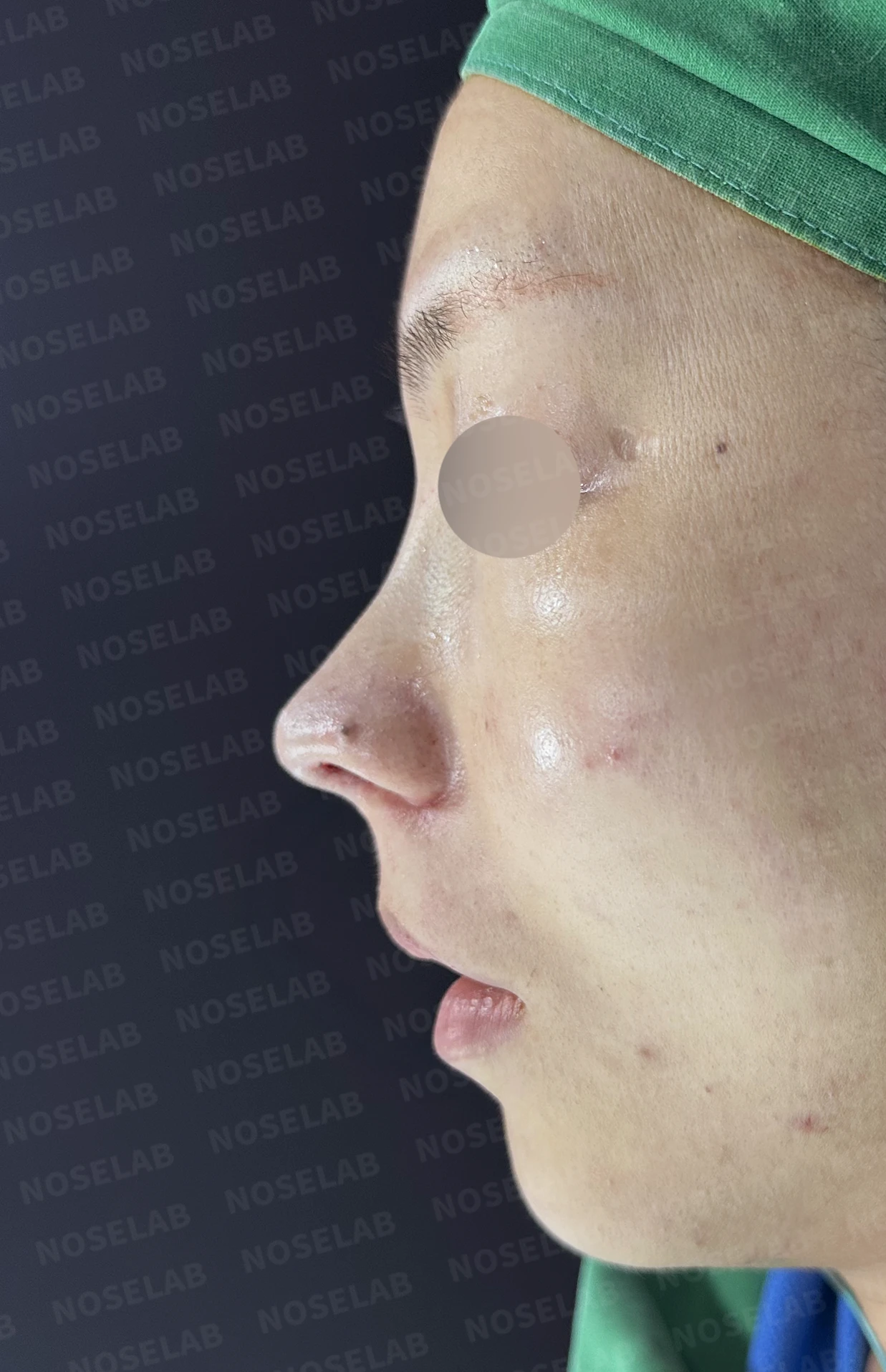
Before surgery / Day 0 immediately after surgery Photos taken immediately after surgery show swelling and may differ from the final result.
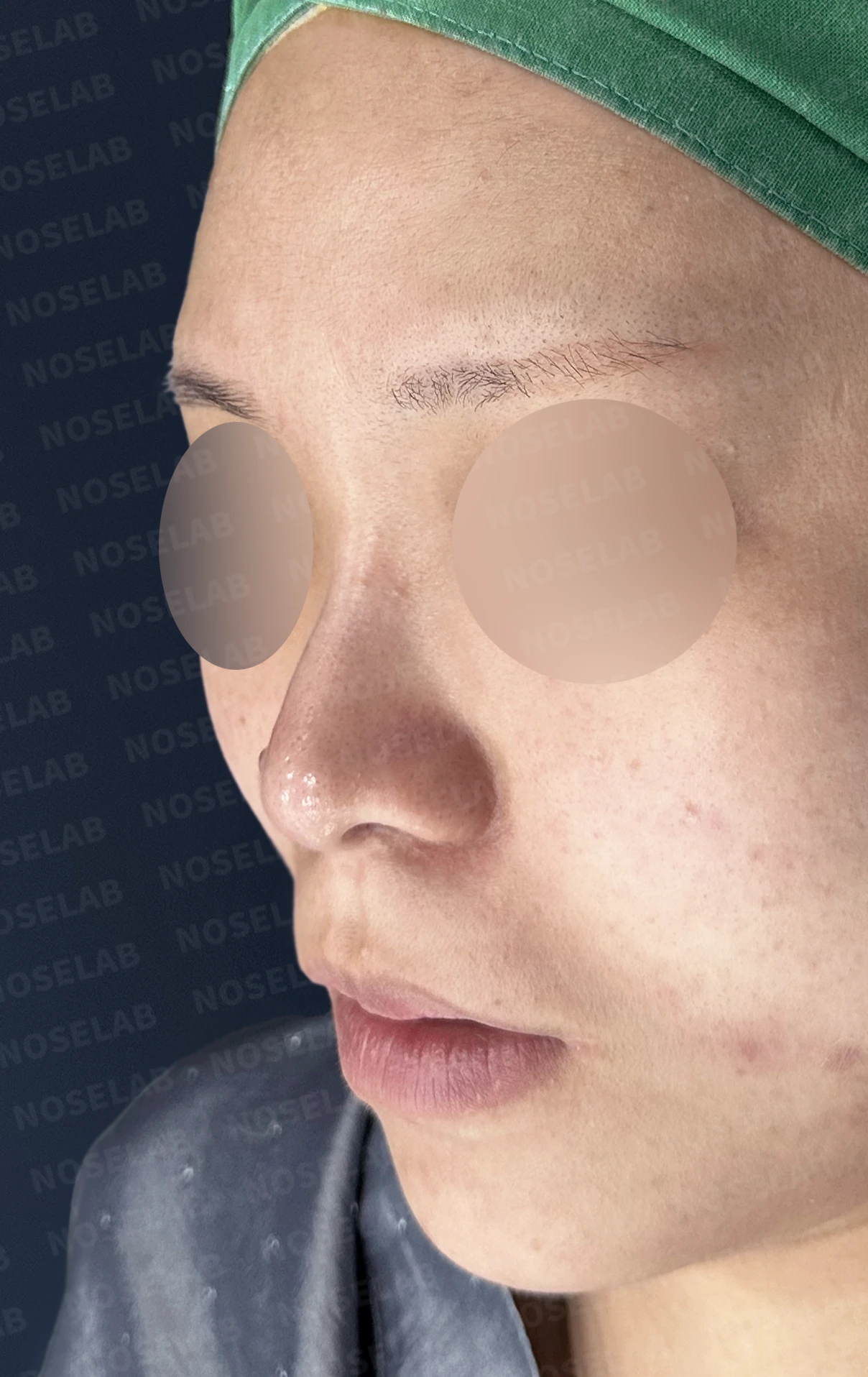
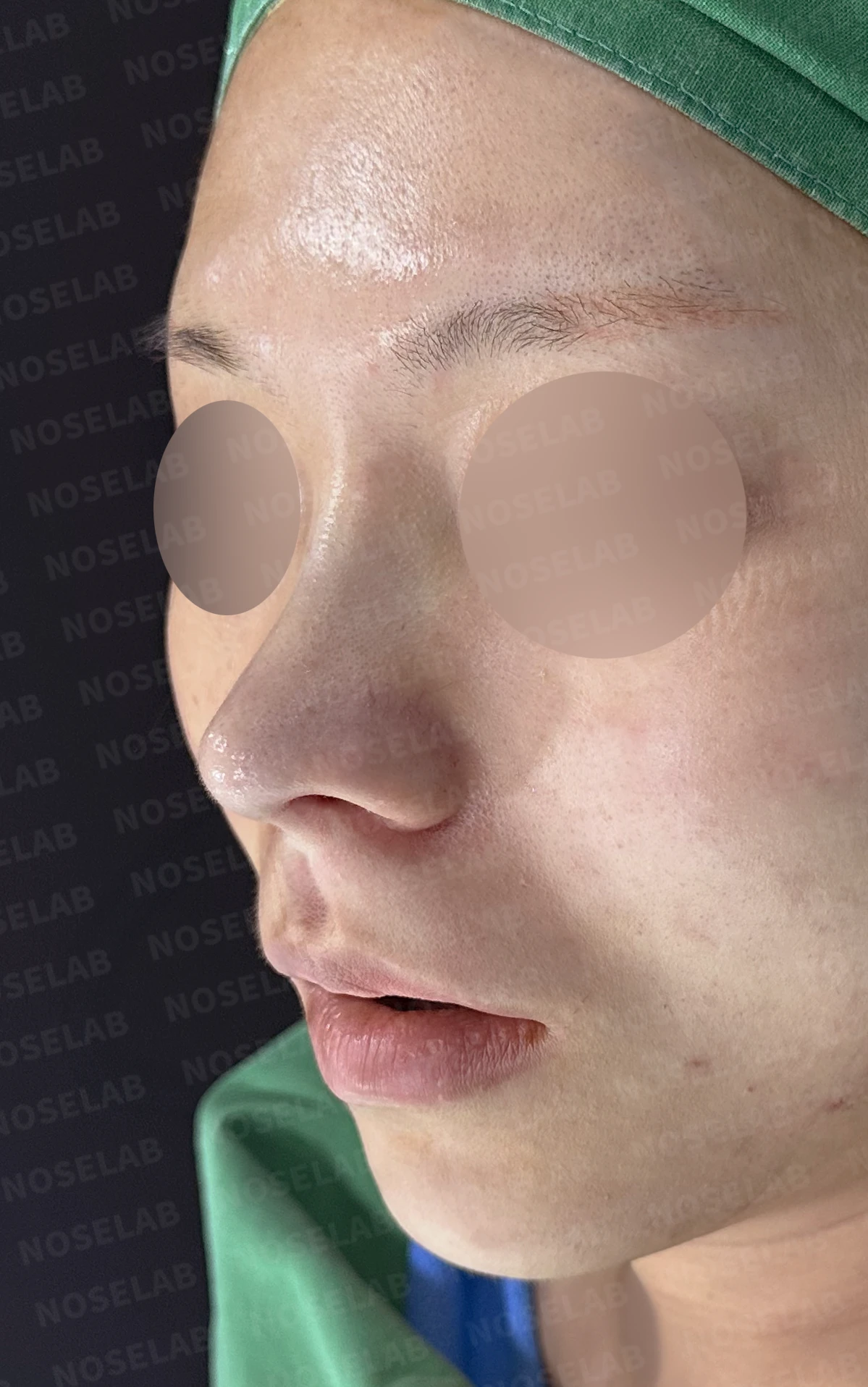
Before surgery / Day 0 immediately after surgery Photos taken immediately after surgery show swelling and may differ from the final result.
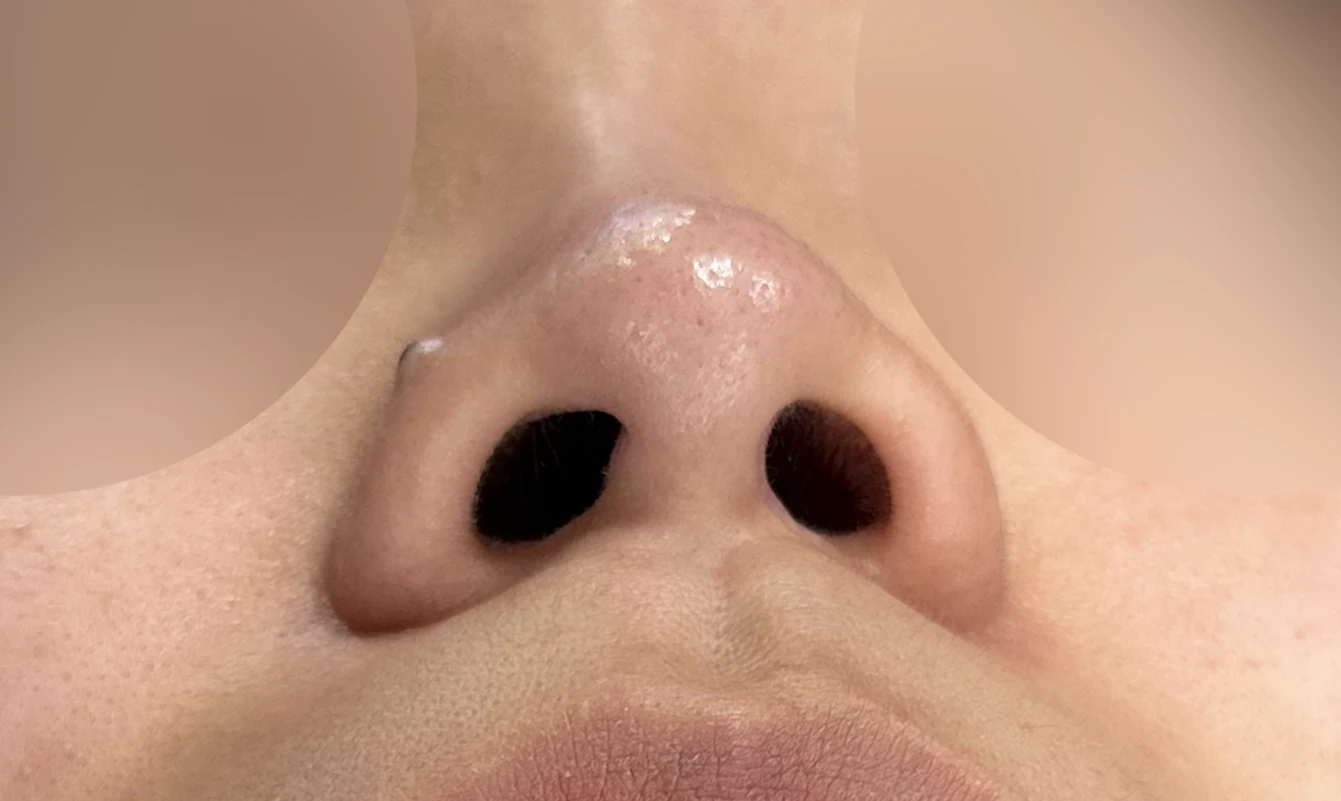
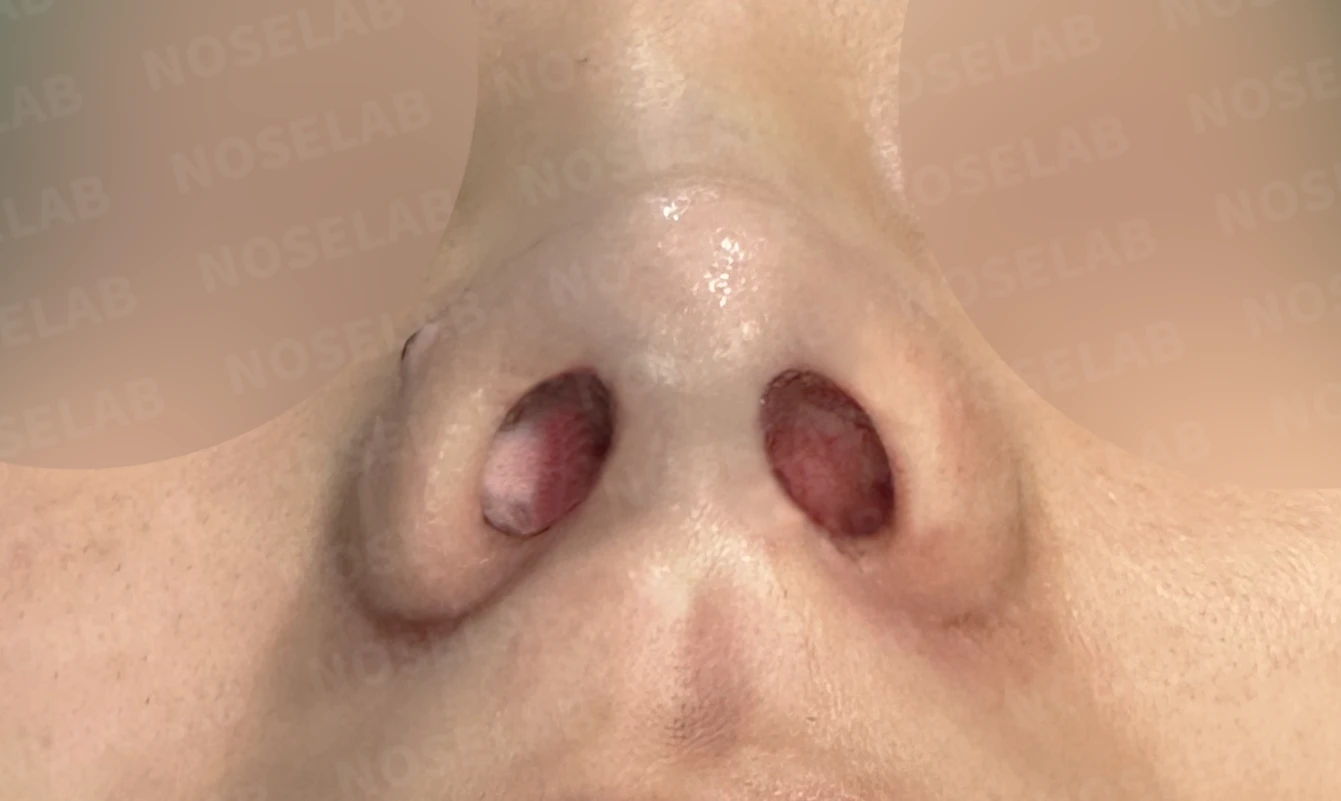
Before surgery / Day 0 immediately after surgery Photos taken immediately after surgery show swelling and may differ from the final result.
💡 Specialist opinion
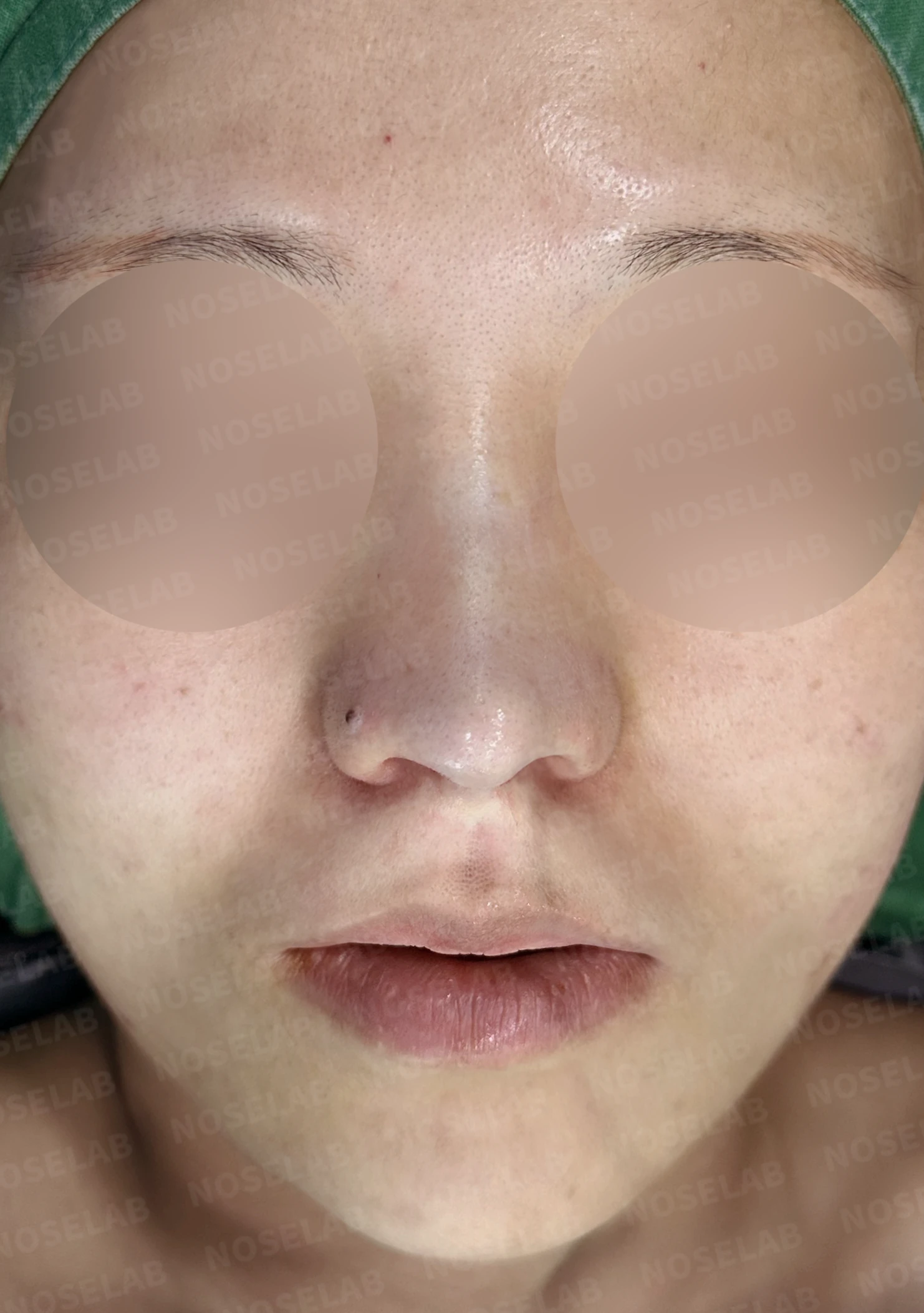
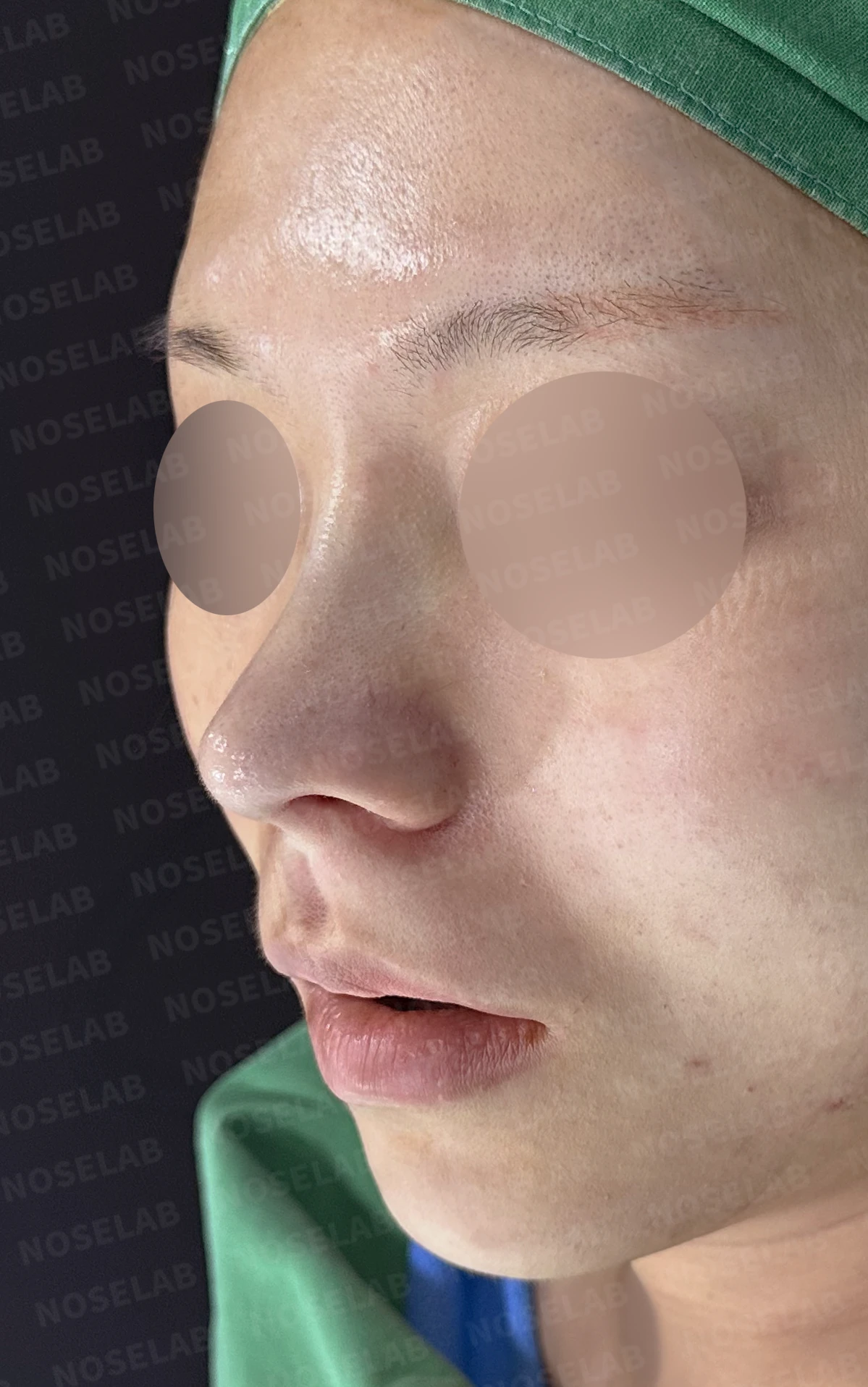
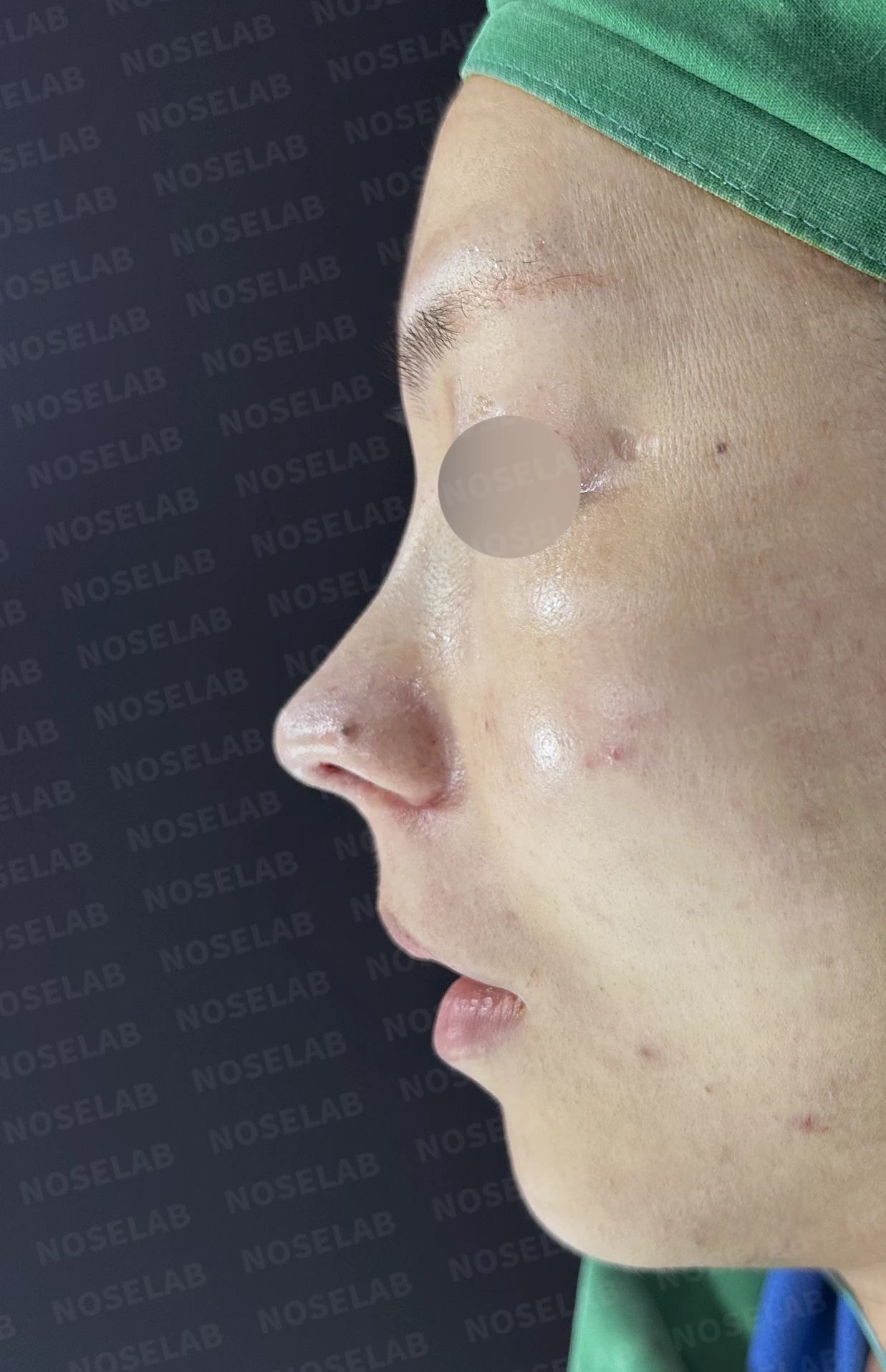
Front, oblique, and profile views on day 0 immediately after surgery. Photos taken immediately after surgery show swelling and may differ from the final result.
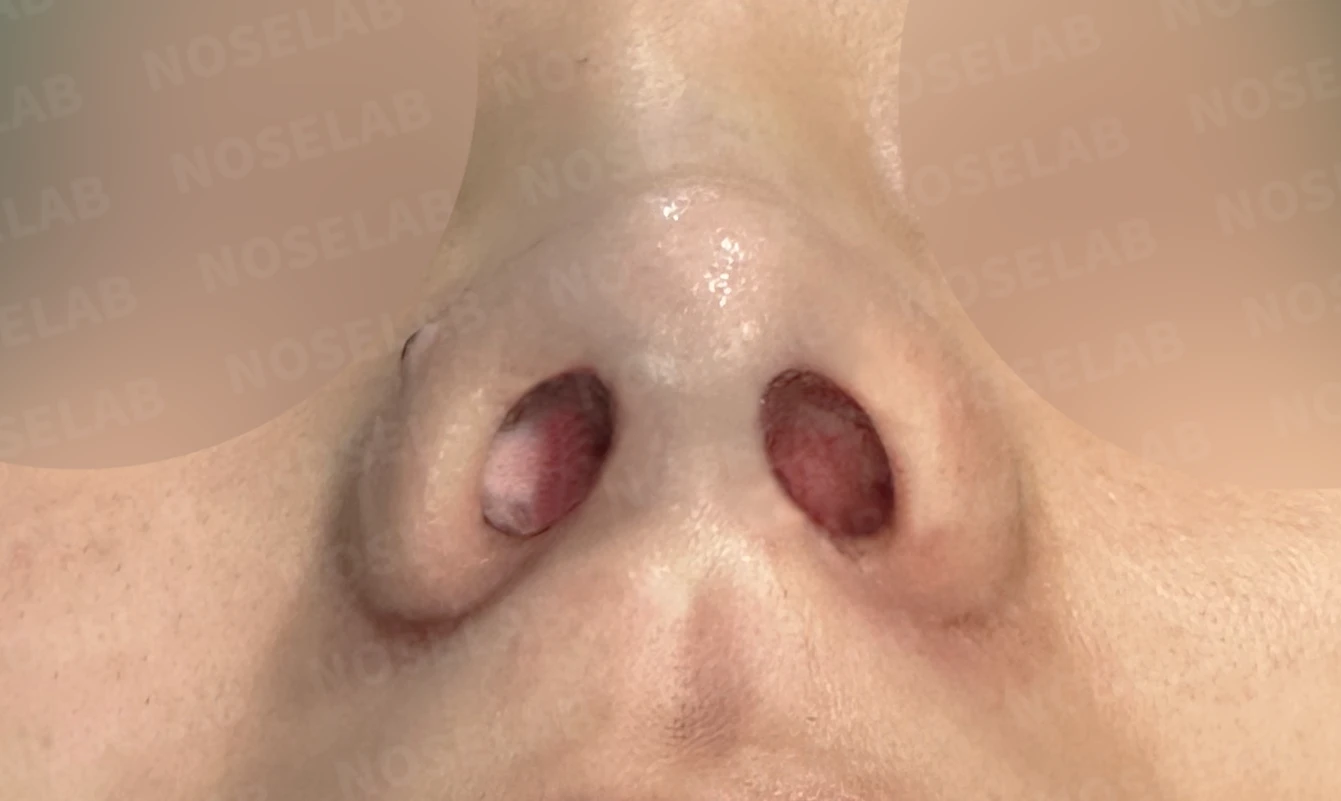
Nostril view on day 0 immediately after surgery. Photos taken immediately after surgery show swelling and may differ from the final result.
This was a complex case requiring simultaneous correction of impaired breathing, nasal asymmetry, and a protruding mouth resulting from prior procedures.
Refining an asymmetric nose:
An asymmetric nose compromises front view balance. Precisely repositioning the nasal bones through lateral osteotomy creates a natural, balanced contour. Fine control over bone movement is key.
Resolving aftereffects of reduction surgery:
Philtrum reduction requires careful planning. If overdone, nostrils can narrow and a protruding mouth can appear more pronounced. Carefully adjusting the nasolabial angle enhances the profile contour three-dimensionally.
Nostril widening and breathing restoration:
A narrowed nostril directly compromises breathing. Securing the airway with a skin graft provides prompt functional relief. It also naturally resolves asymmetry, enhancing the front appearance.
Overall harmony:
When elevating nasal height, both breathing and aesthetics must be considered. Appropriately tailoring the height to the patient's facial proportions creates a natural and refreshed impression.
At NOSELAB, we will continue to accurately identify the underlying issues of prior surgeries and do our utmost as a specialized revision clinic to improve both breathing and aesthetics.
This was Dr. Peter C. Kang. Thank you.
#closedrhinoplasty #closedrevisionrhinoplasty #crookednosecorrection #lateralosteotomy #nasolabialanglecorrection #protrudingmouthcorrection #nostrilwidening #nasalfunctionimprovement #revisionspecialist

Limitations and risks
When the septum is corrected at the same time, nasal obstruction may persist or recur, and in rare cases, septal perforation or changes in smell may occur.
Common potential risks include infection, bleeding, asymmetry, scarring, skin necrosis, and insufficient improvement; results vary depending on individual skin condition and previous surgical history.