Hello, I am Dr. Peter C. Kang.
Today, I would like to introduce a case where a patient troubled by a high radix, elevated nasal tip, and columellar asymmetry achieved a natural and balanced nose.
🔍 Surgical history
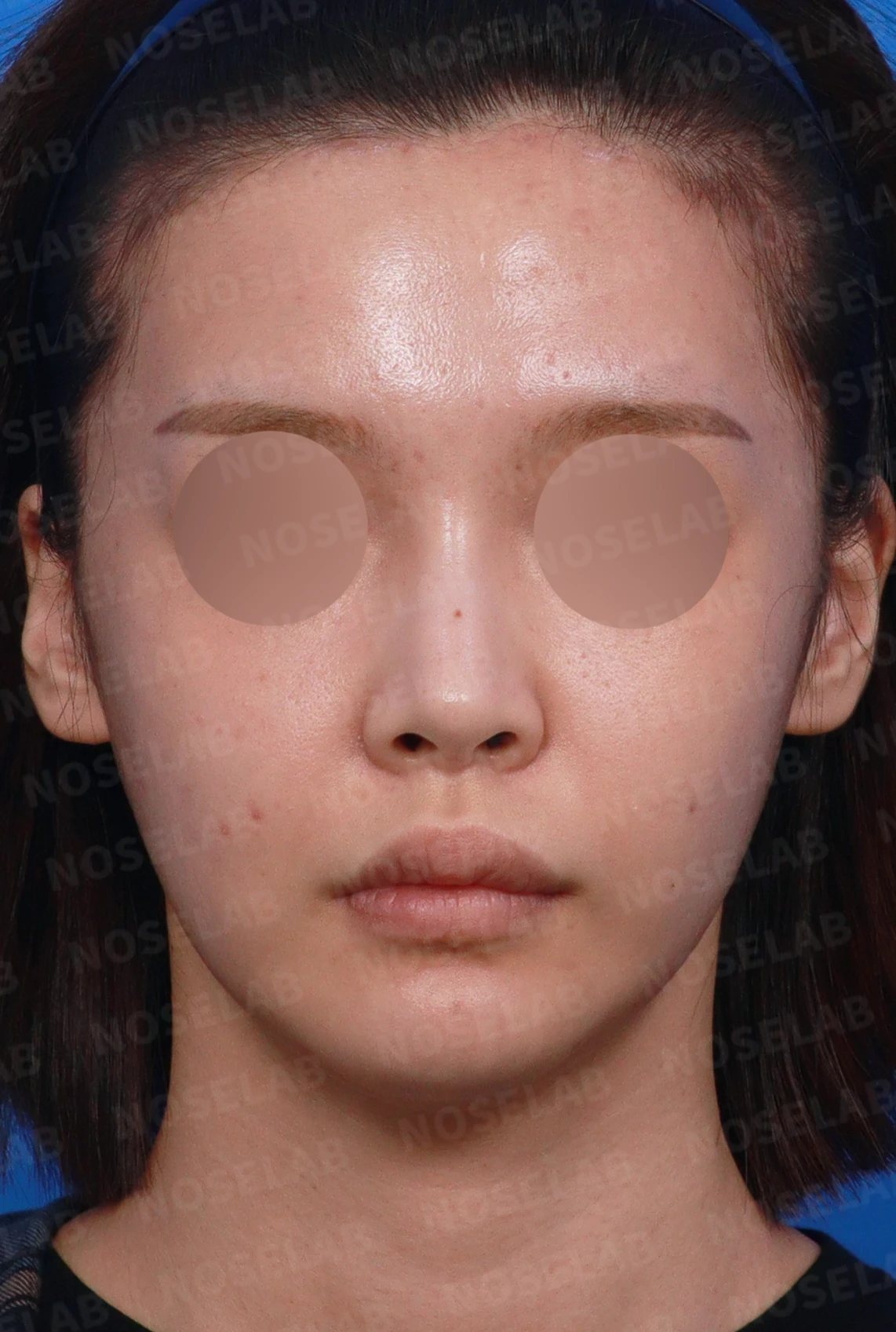
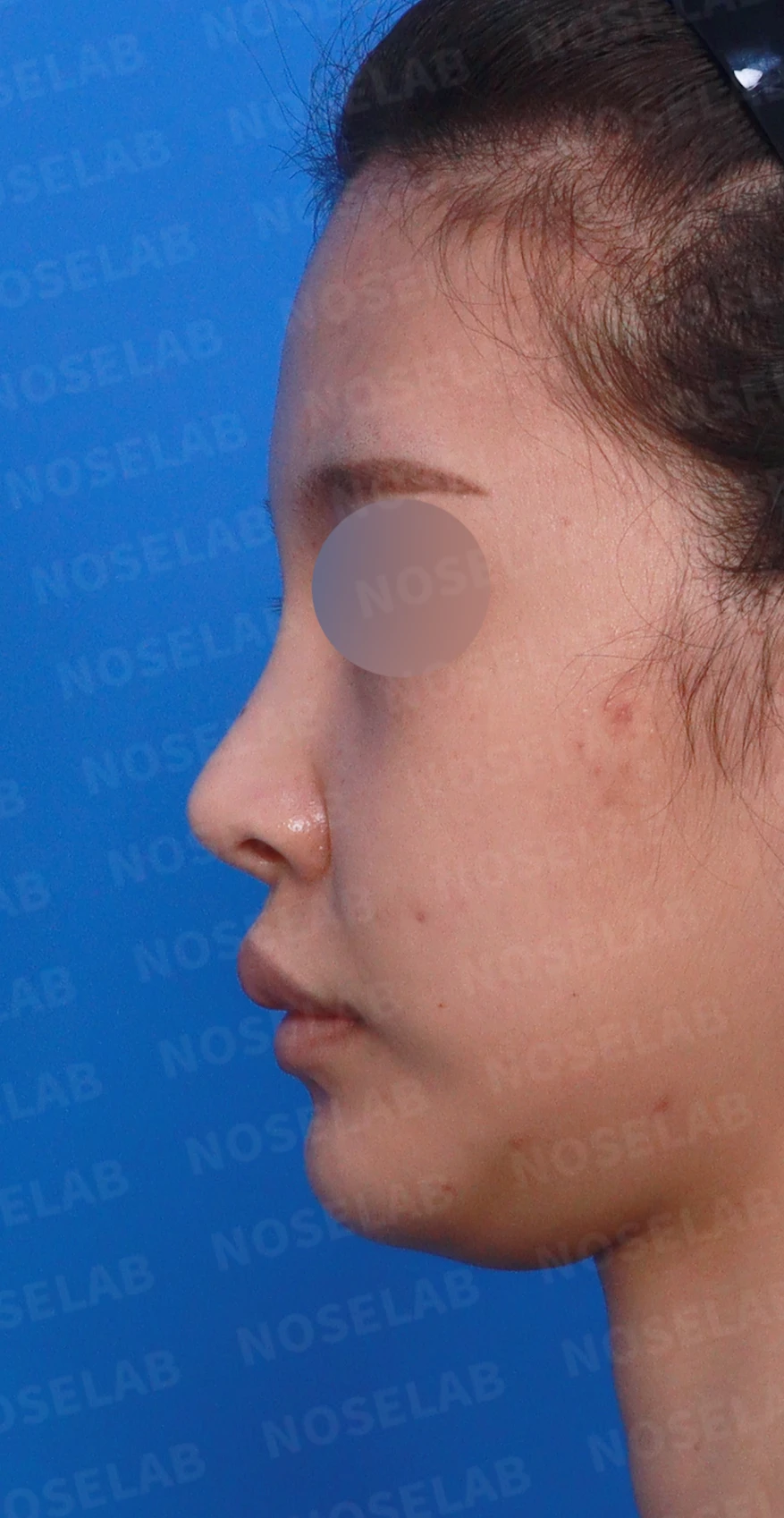
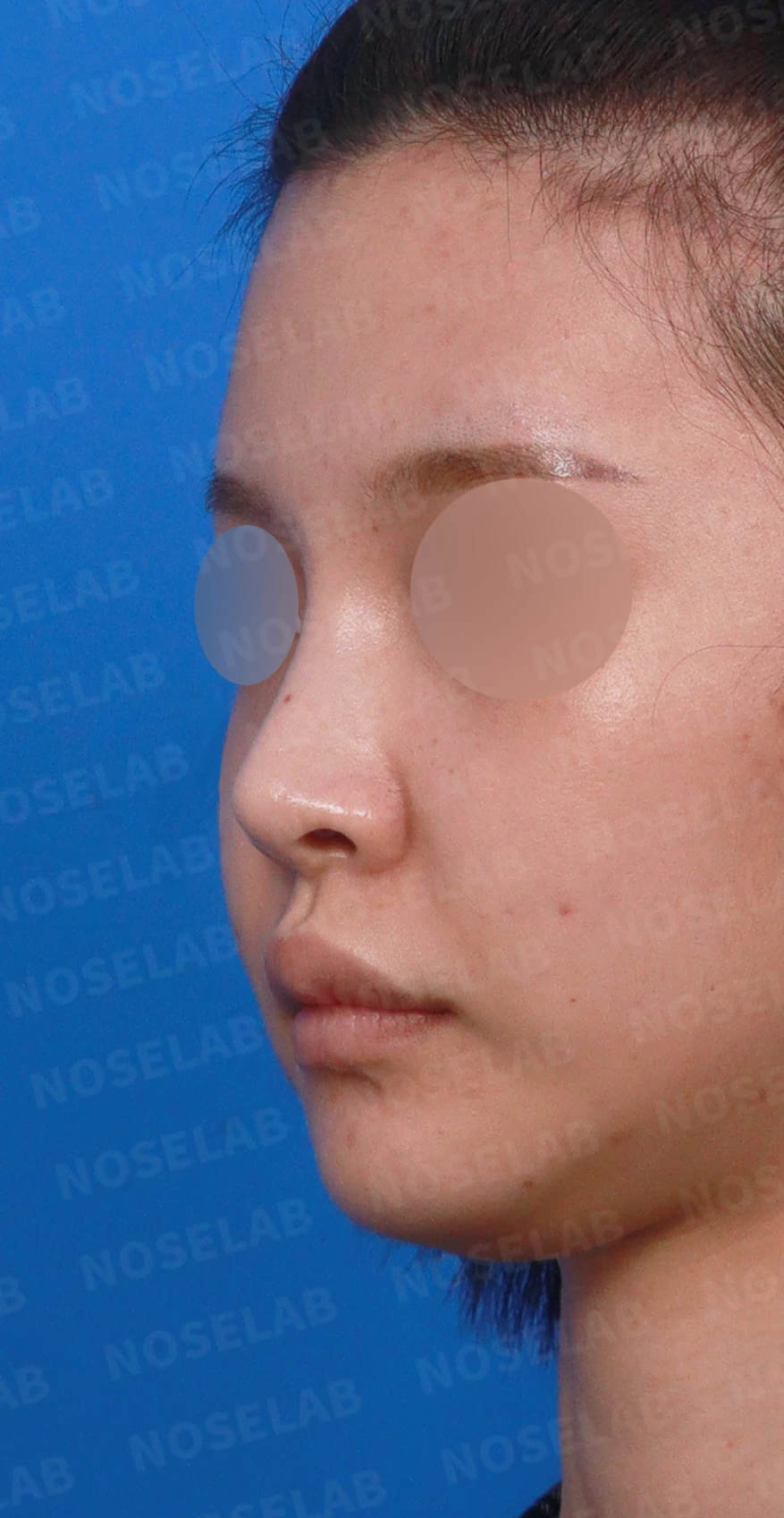
Front, left profile, and oblique views during design consultation.
Surgical history: primary surgery with silicone implant and ear cartilage 4 years ago
Main concerns:
High radix
Upturned nasal tip
Frustrated profile view due to a protruding mouth
Columella tilted to the left
Nostril asymmetry
💉 Patient requests
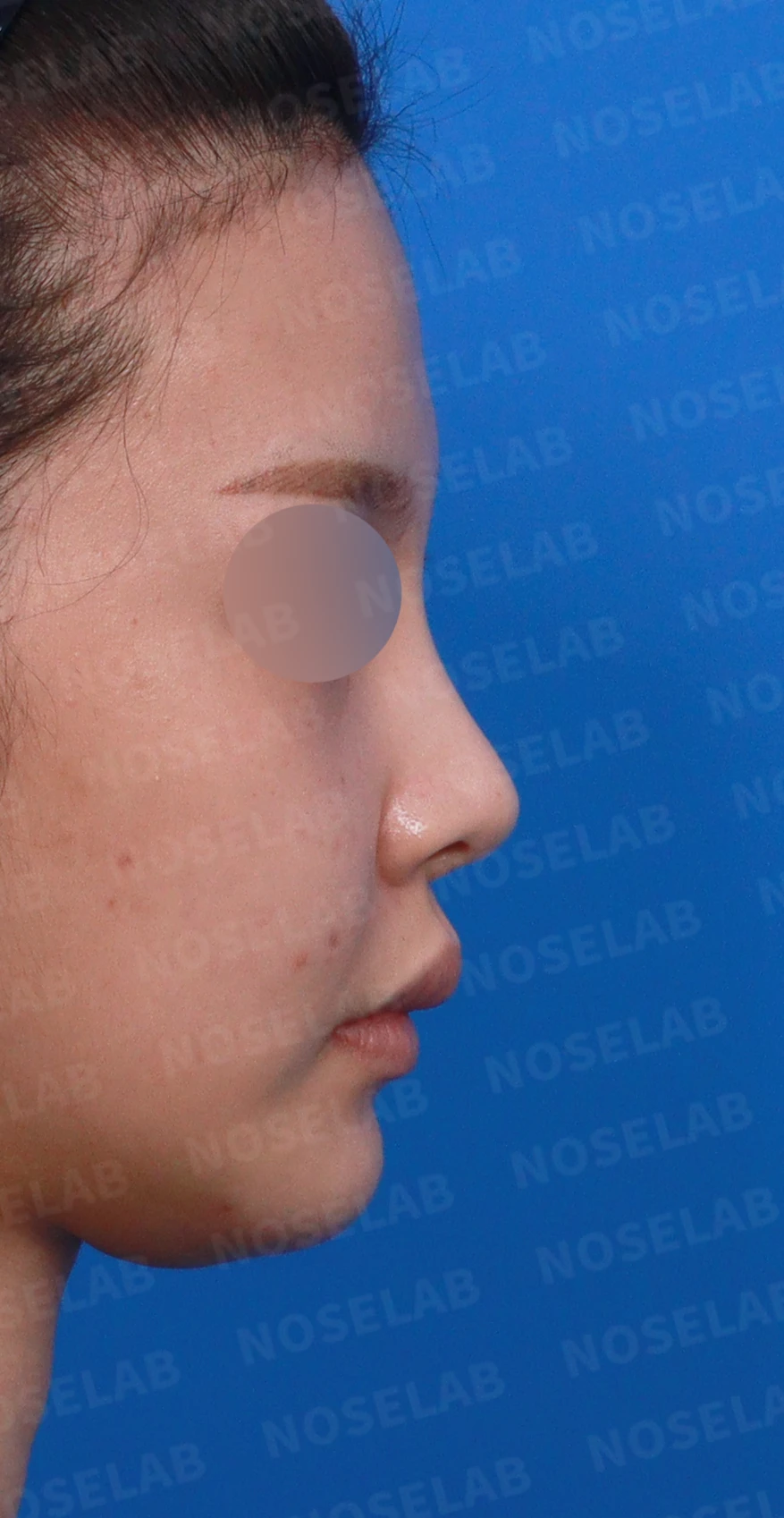
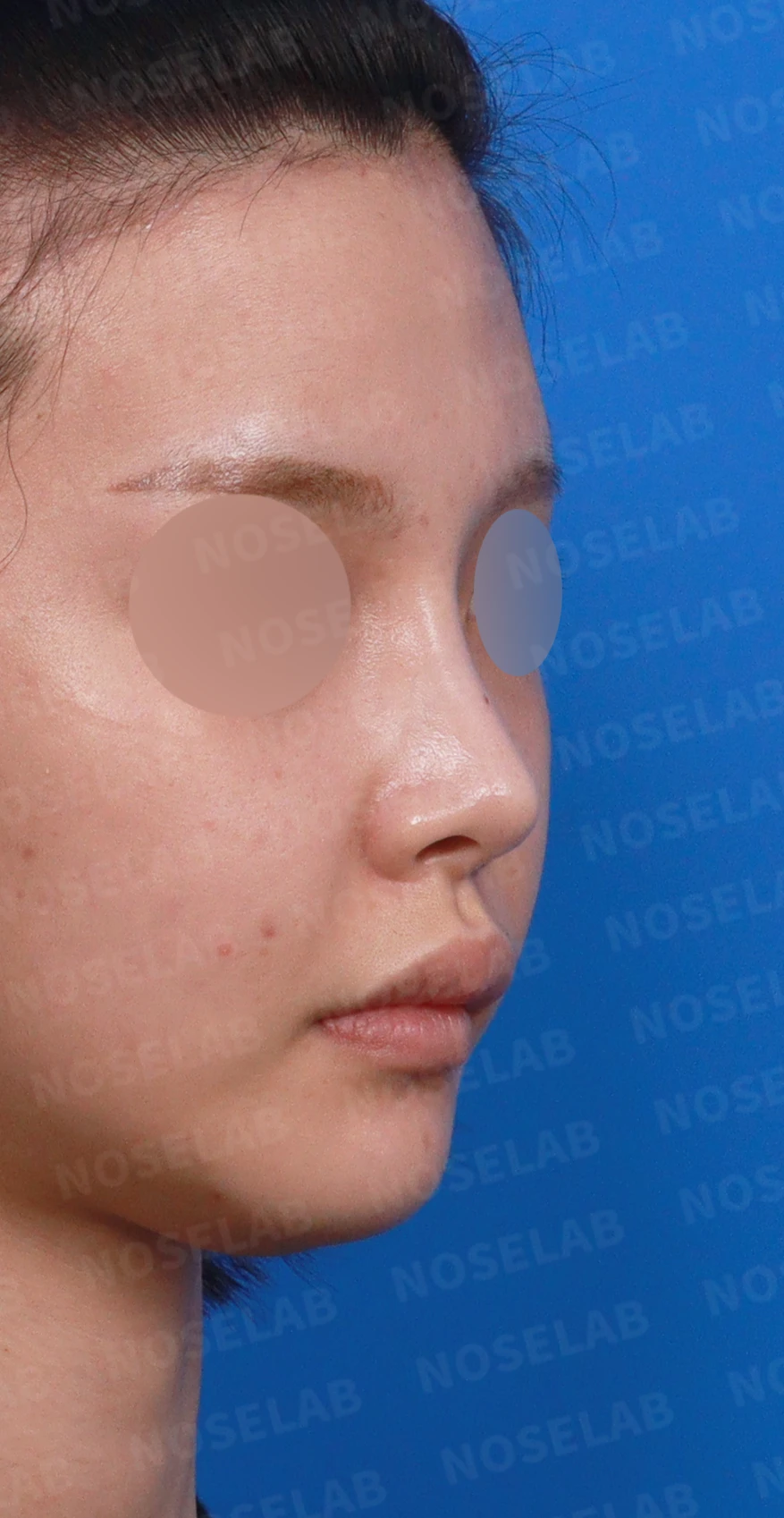
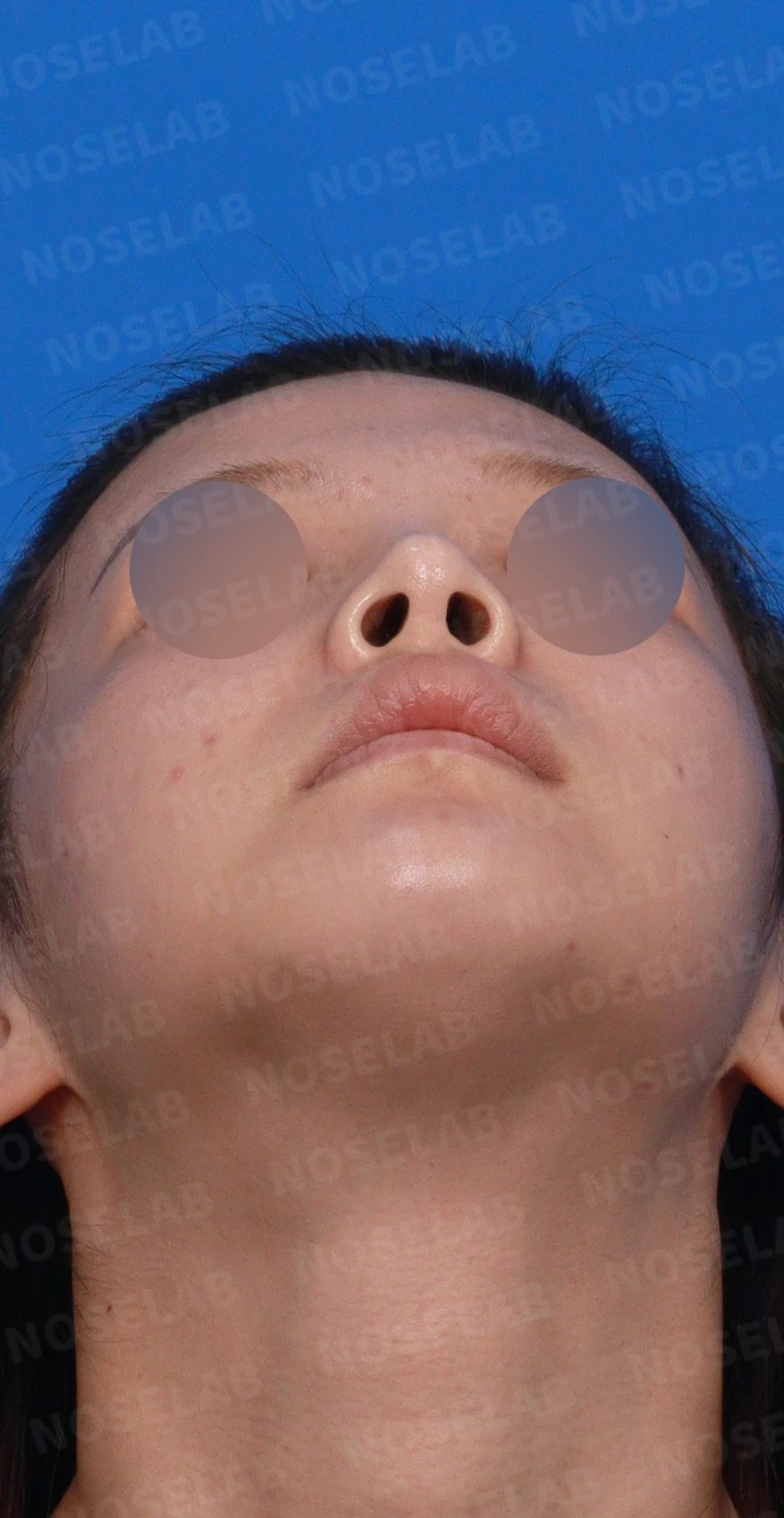
Right profile, oblique, and nostril views during design consultation.
Natural radix
Improvement of the upturned nasal tip
Improvement in a protruding mouth
Correction of columellar and nostril asymmetry
Balanced overall impression
🔧 Surgical plan and procedure
1. Nasal tip correction using autologous rib cartilage
Autologous rib cartilage was used to naturally lower the upturned nasal tip and refine its shape. It provides stable support with sufficient strength and maintains the intended shape over time.
2. Lower lateral cartilage suturing and trimming
The lower lateral cartilage was properly sutured and unnecessary portions were precisely trimmed. This produced a clearer, more natural tip definition, completing the overall harmony.
3. Improvement of columellar tilt and nostril asymmetry
The columella tilted to the left was aligned straight, and the size and position of the nostrils were adjusted to achieve symmetry. This creates a balanced appearance when viewed from the front.
4. Radix adjustment and a new nasal bridge implant
The high radix was naturally lowered, and the existing implant was removed and replaced with a new silicone implant. It was precisely carved to match the nasal bone structure to create a natural line.
🌟 Surgical results
Upturned nasal tip naturally lowered using autologous rib cartilage
Clear nasal tip definition achieved by refining the lower lateral cartilage
Columellar alignment and resolution of nostril asymmetry
Lowered radix and natural nasal bridge with a new implant
Balanced profile line through improvement of the protruding mouth appearance
Overall natural and harmonious impression achieved
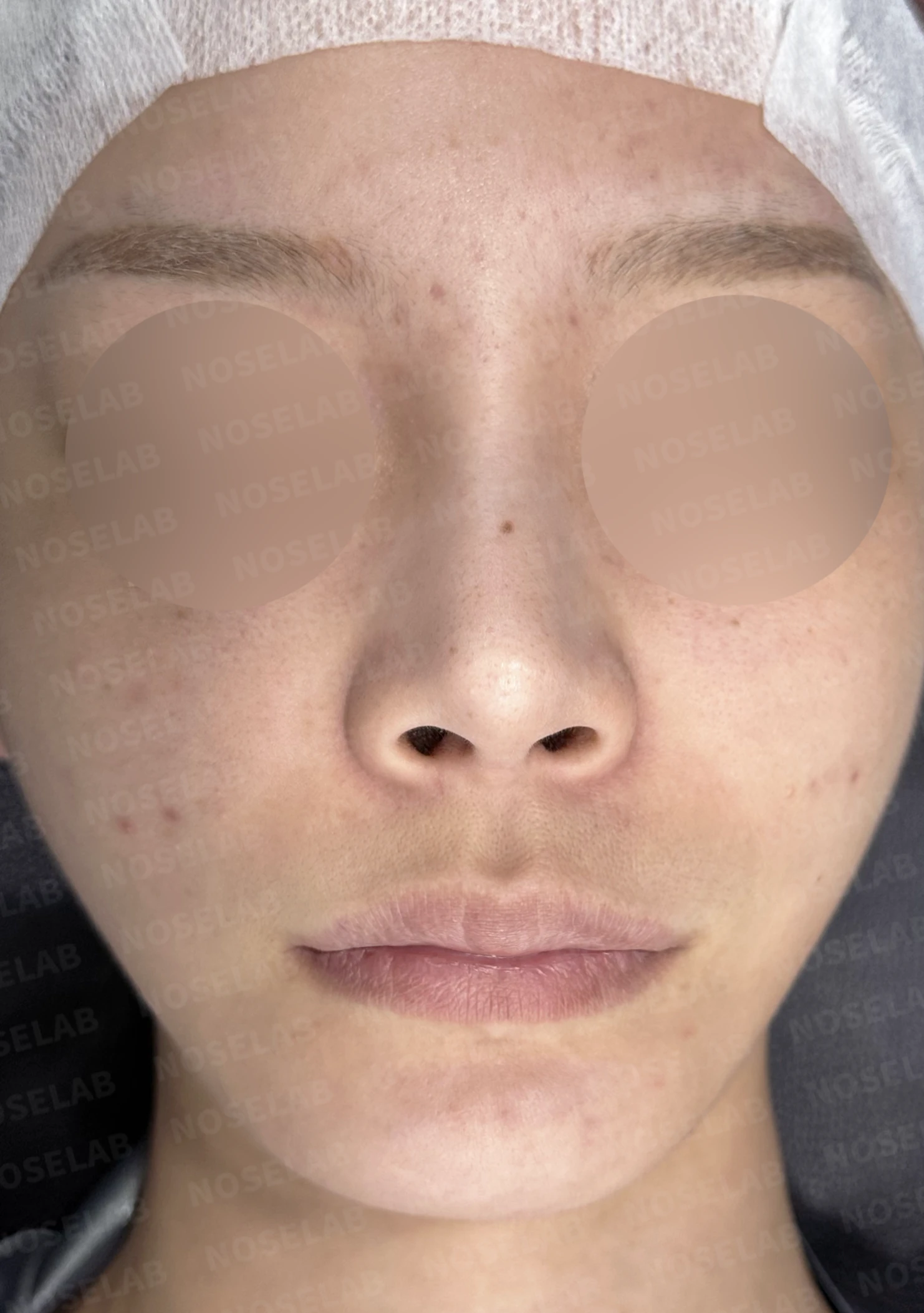
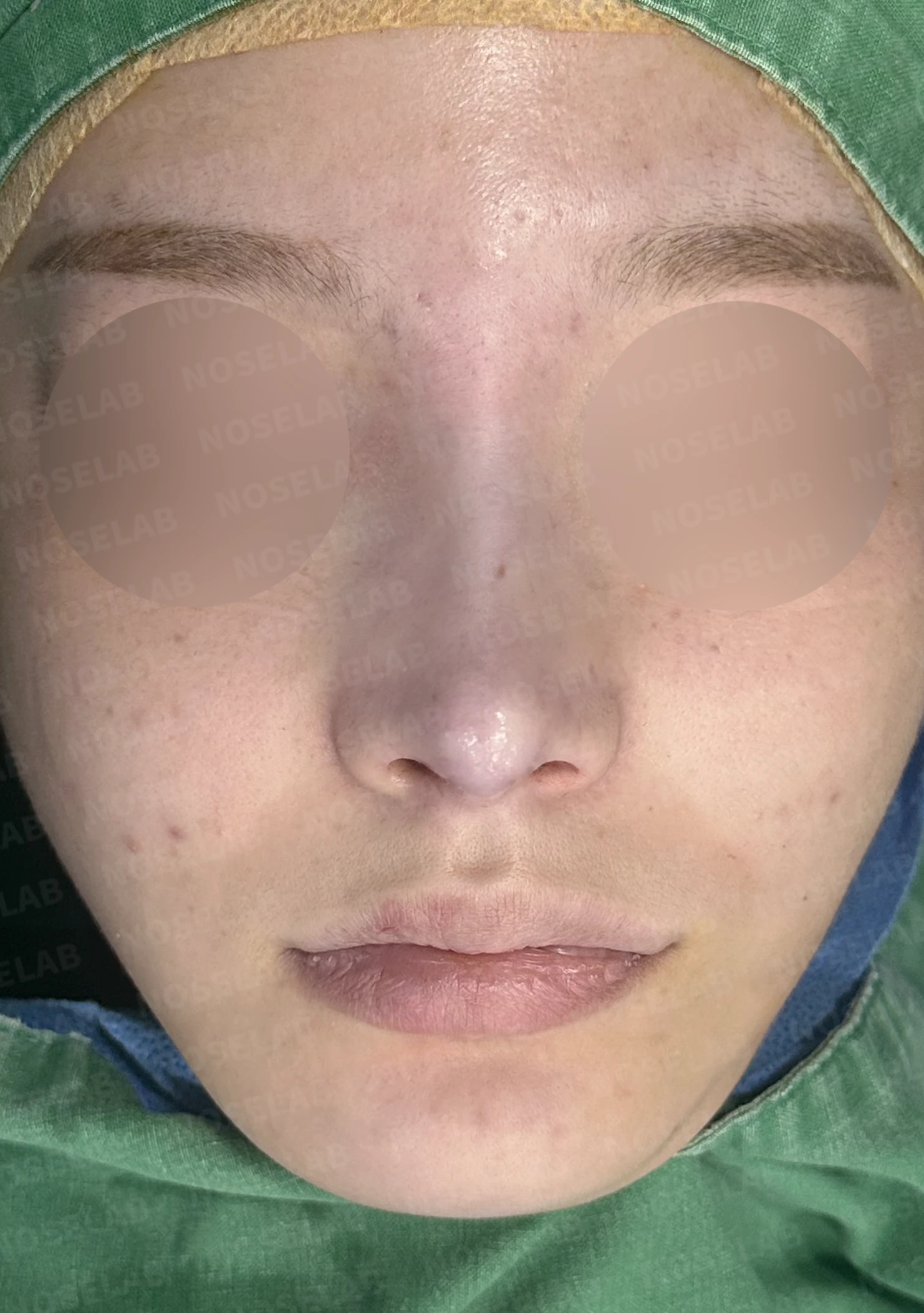
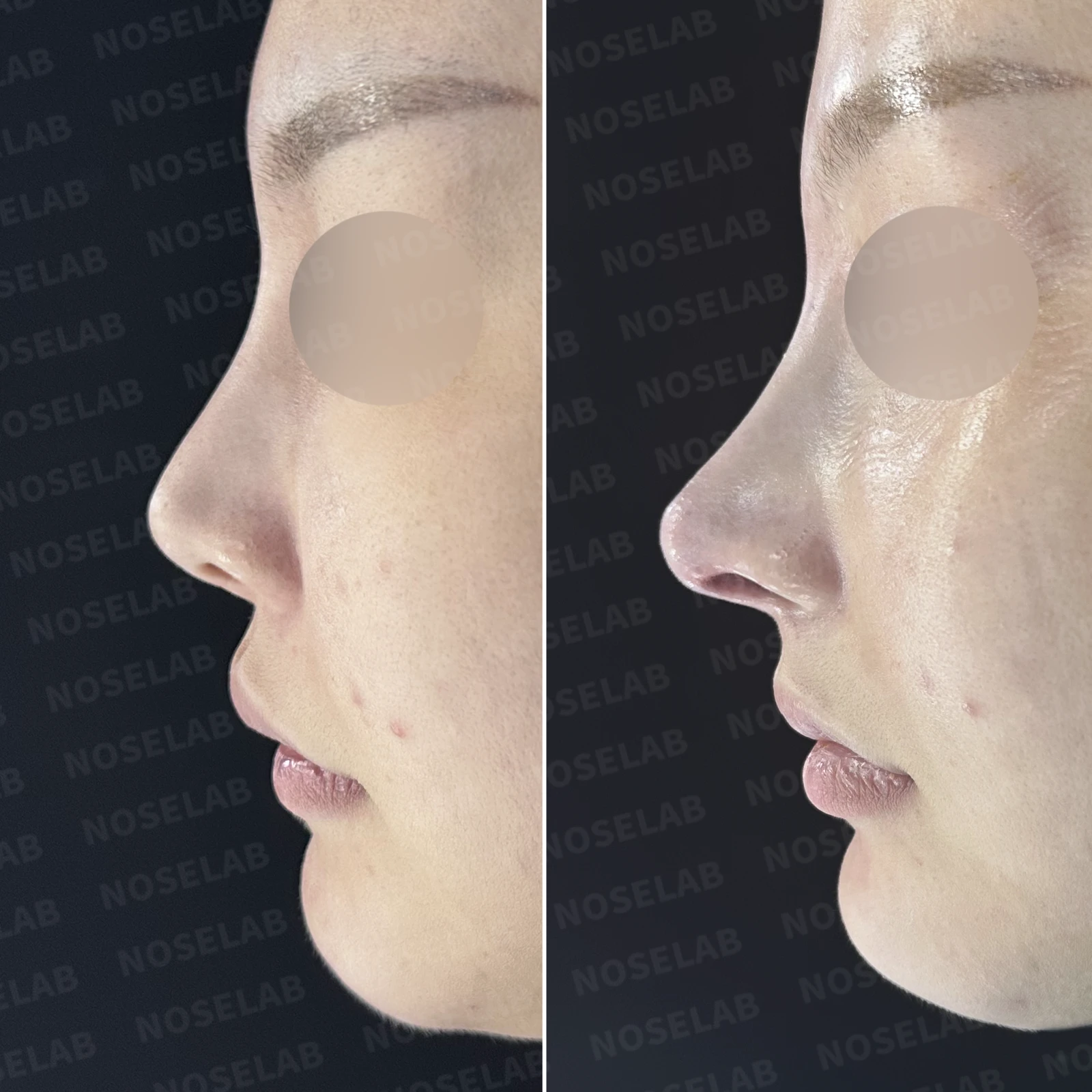
Before surgery / Day 0 immediately after surgery Photos taken immediately after surgery show swelling and may differ from the final result.
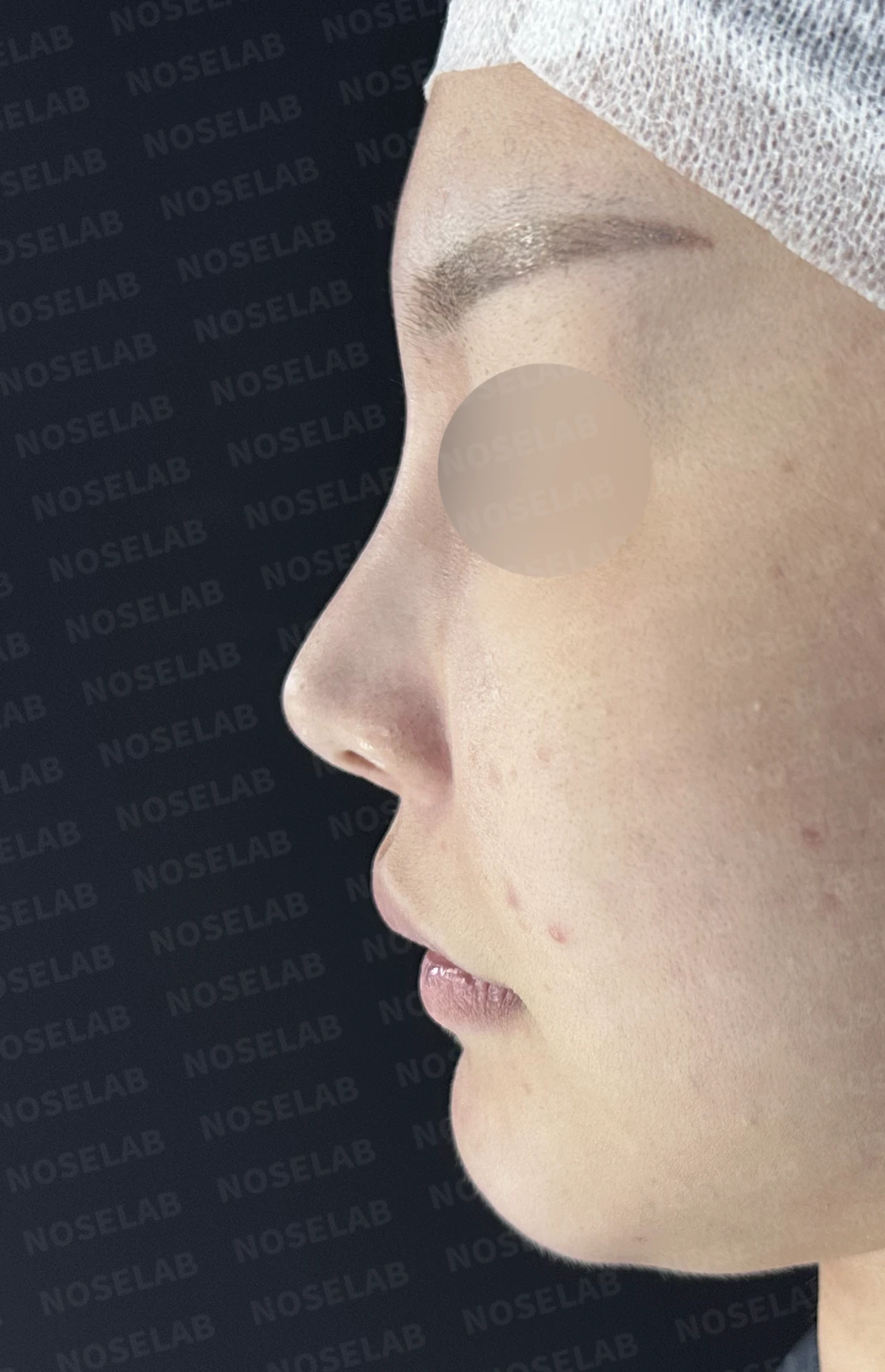
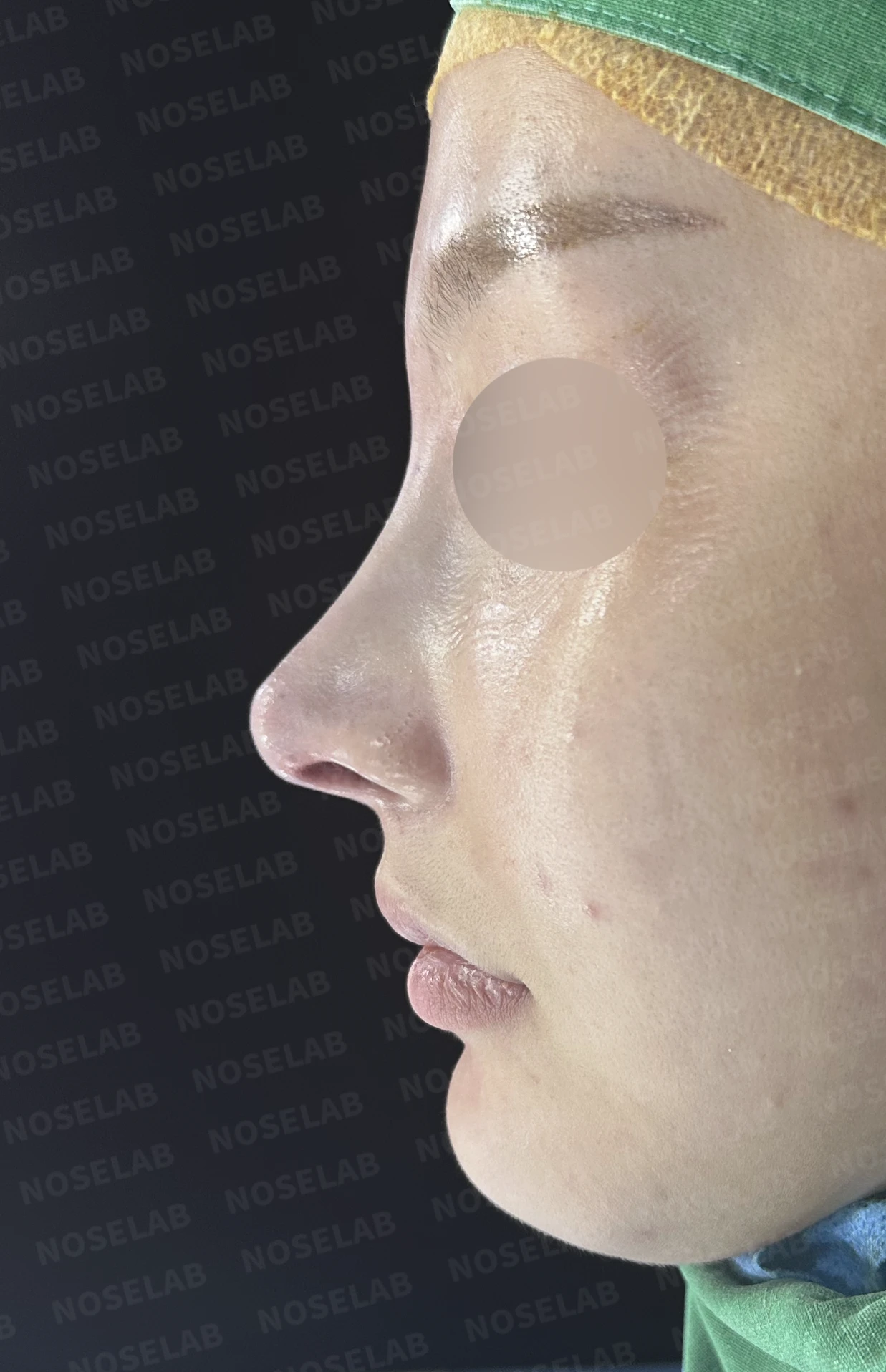
Before surgery / Day 0 immediately after surgery Photos taken immediately after surgery show swelling and may differ from the final result.
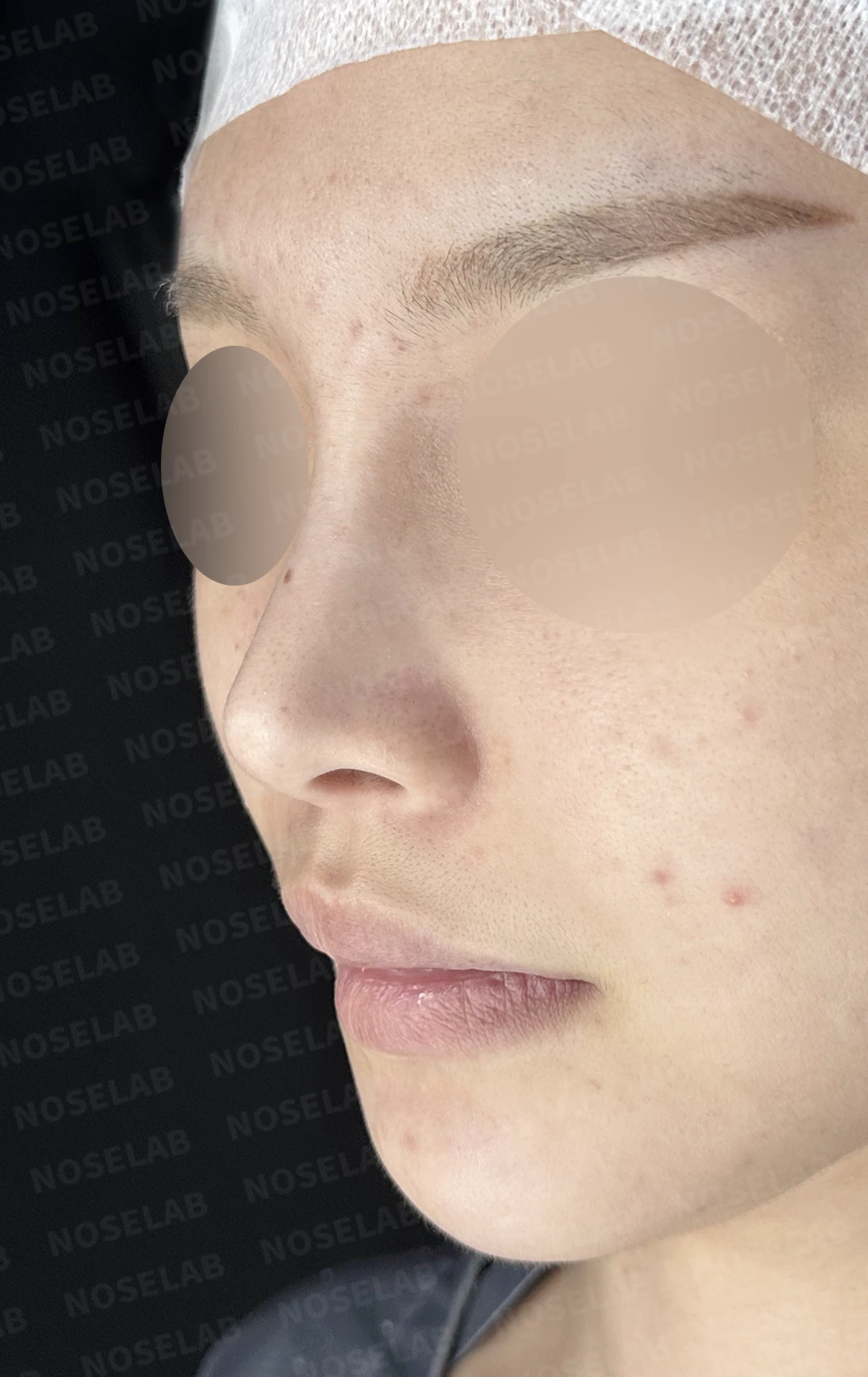
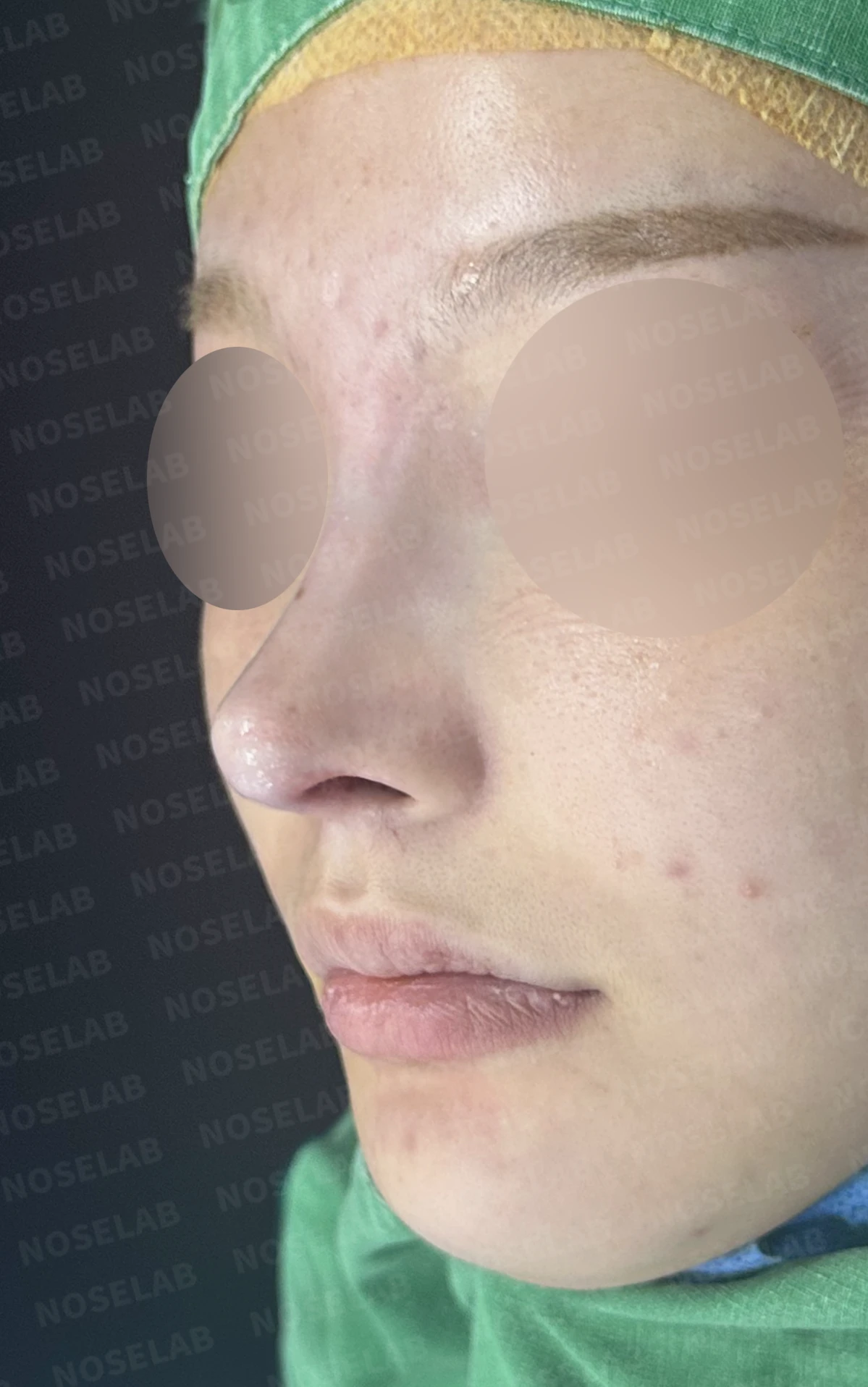
Before surgery / Day 0 immediately after surgery Photos taken immediately after surgery show swelling and may differ from the final result.
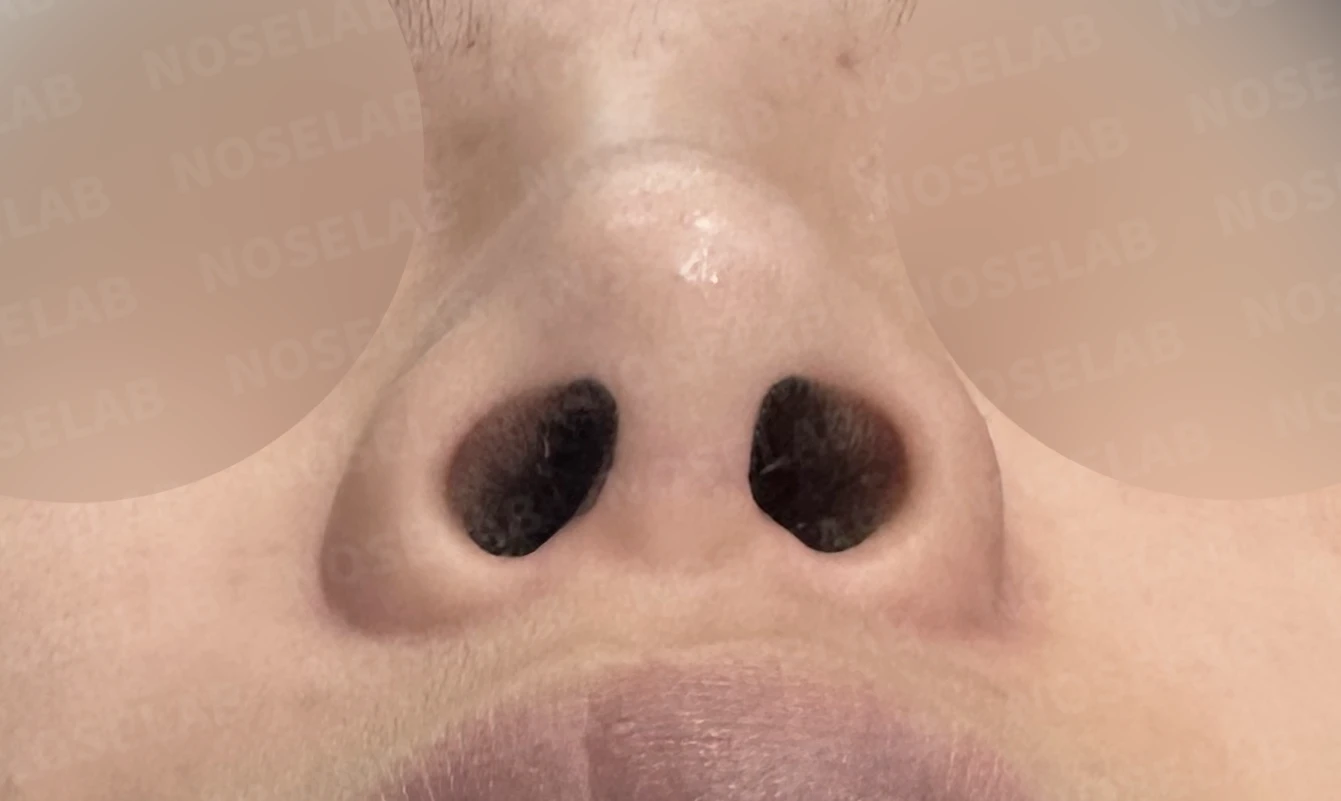
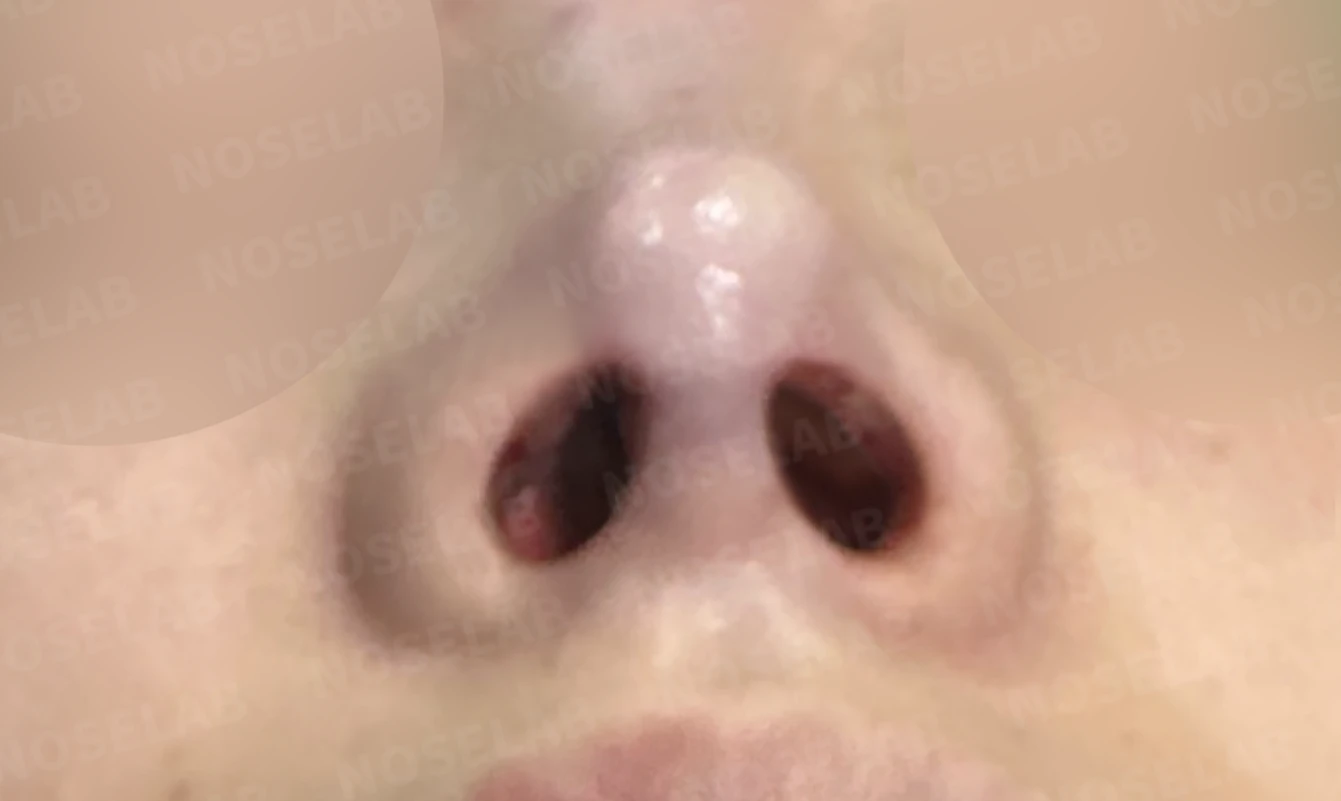
Before surgery / Day 0 immediately after surgery Photos taken immediately after surgery show swelling and may differ from the final result.
💡 Specialist opinion
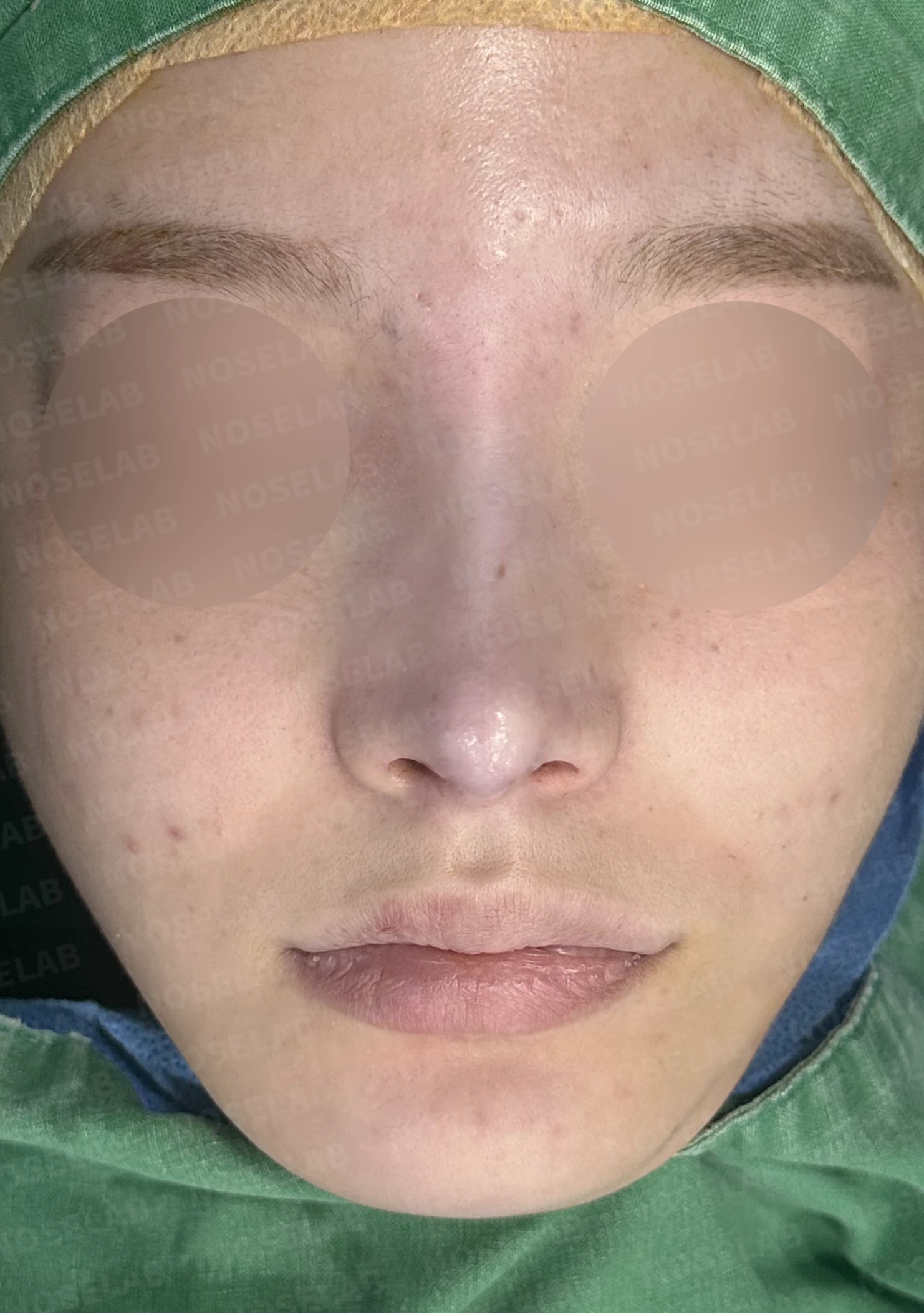
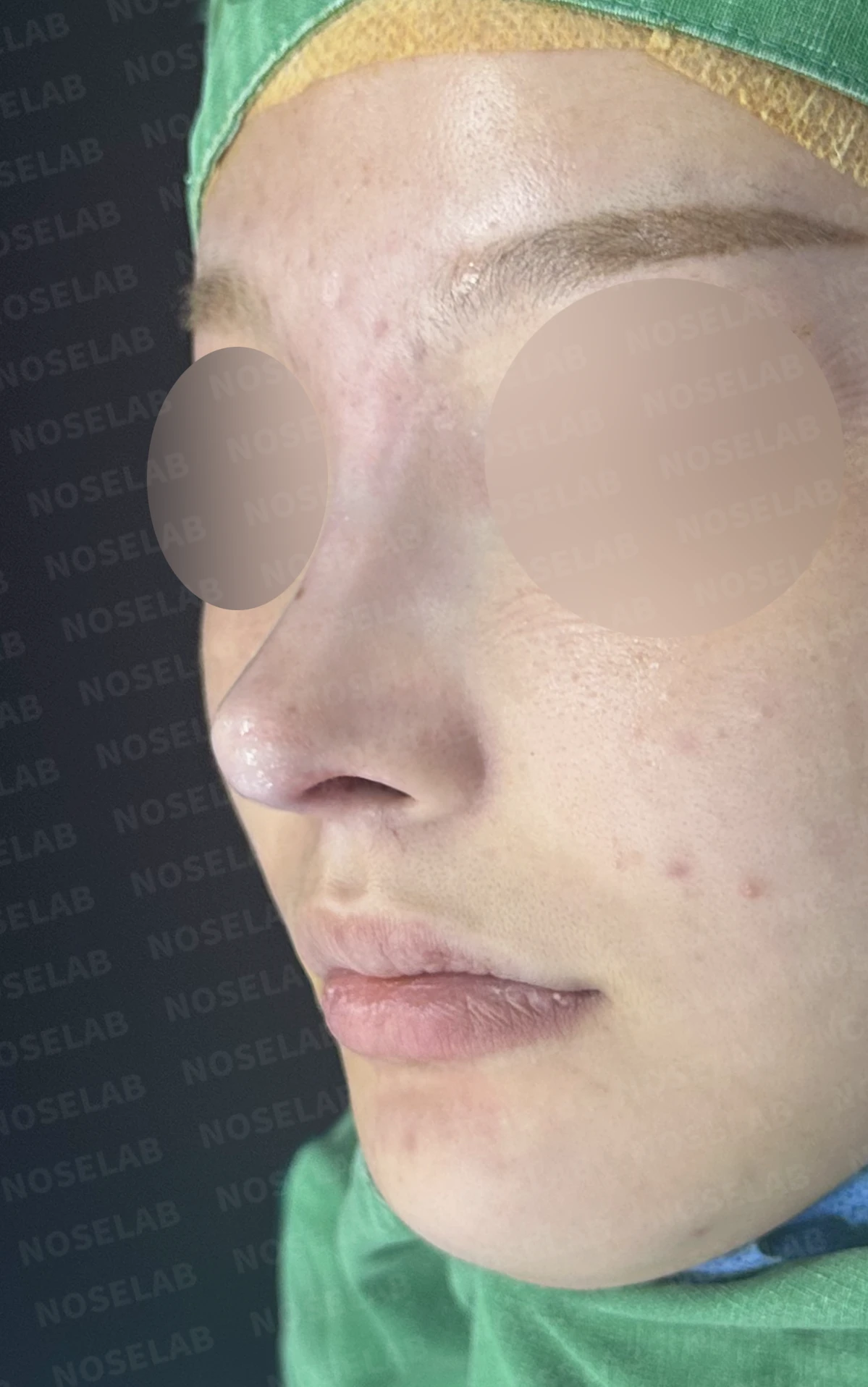
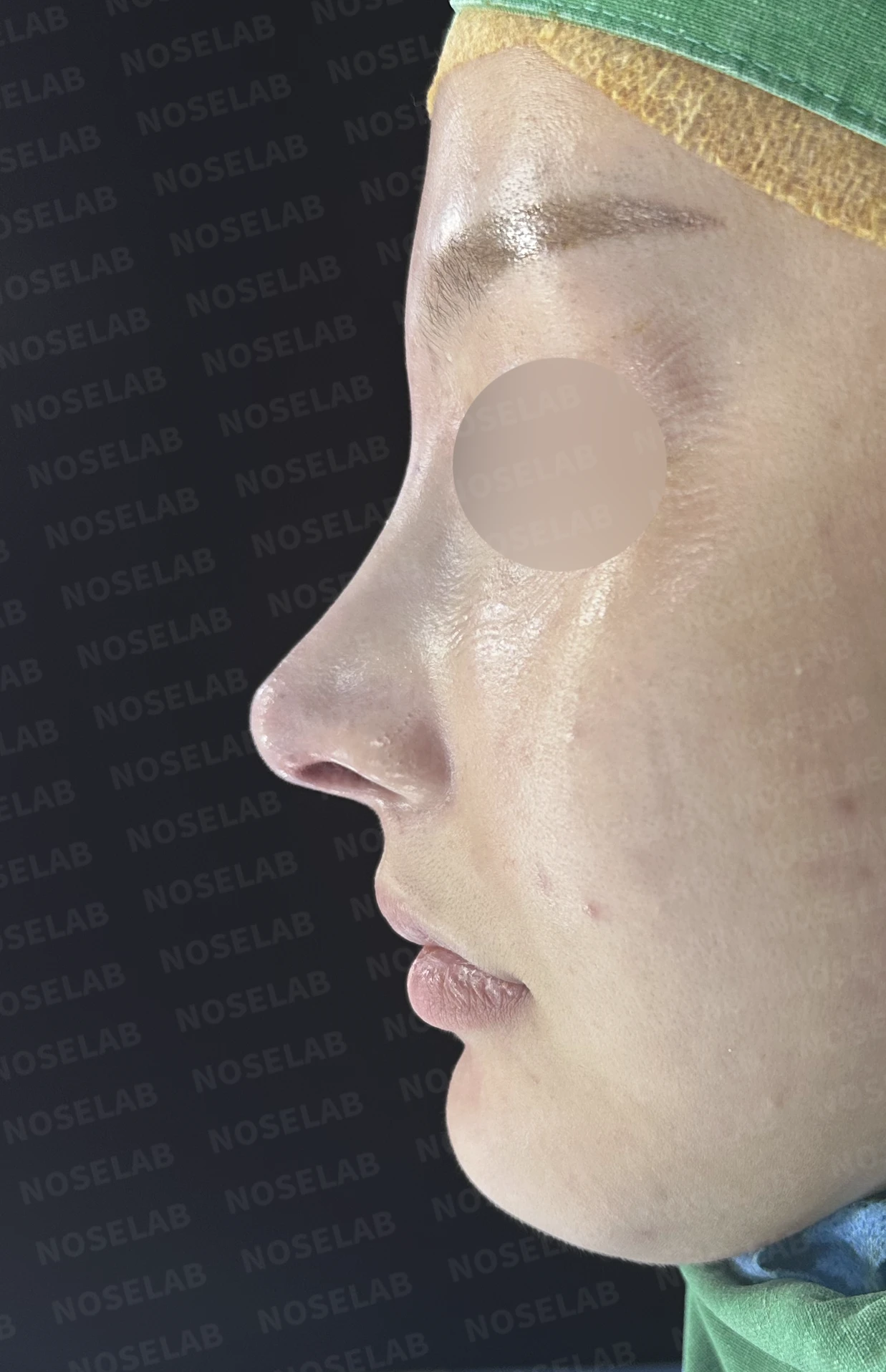
Front, oblique, and profile views on day 0 immediately after surgery. Photos taken immediately after surgery show swelling and may differ from the final result.
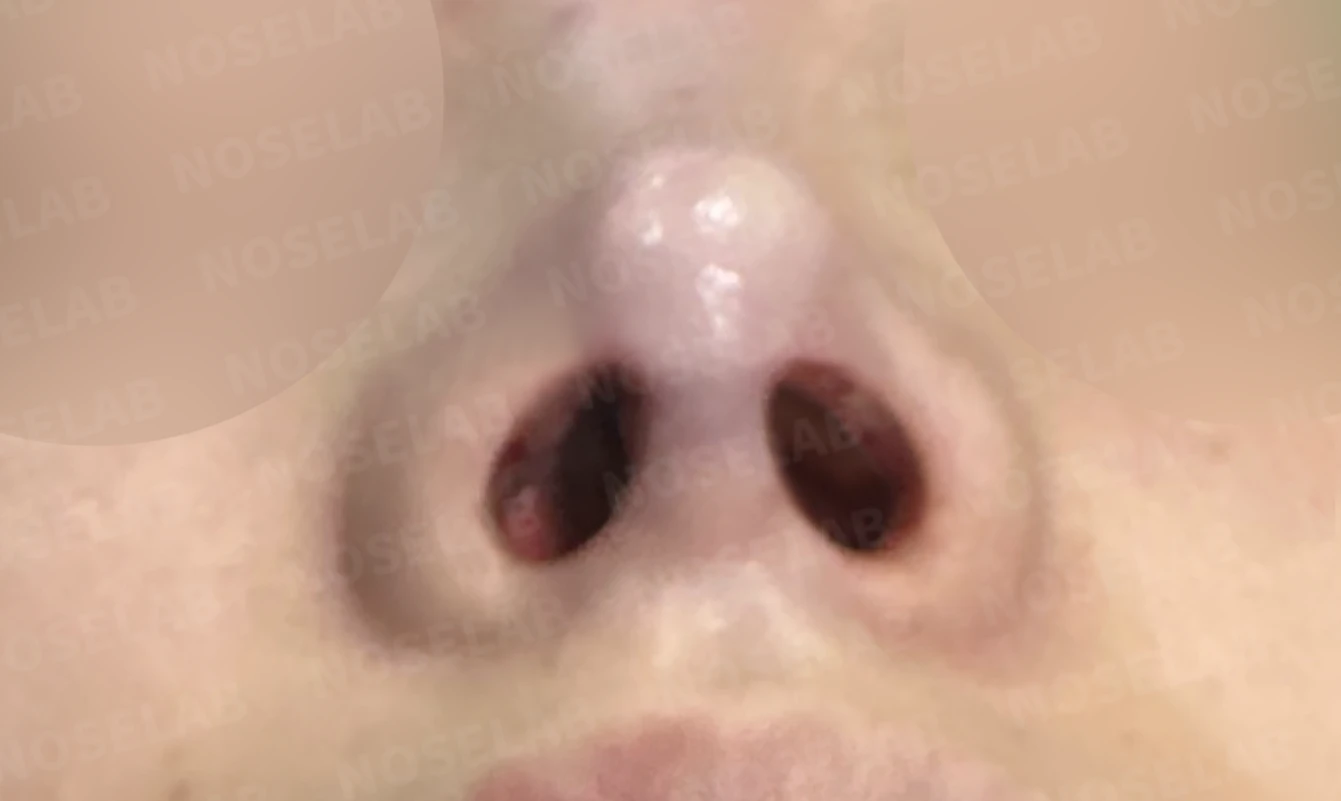
Nostril view on day 0 immediately after surgery. Photos taken immediately after surgery show swelling and may differ from the final result.
In this type of case, it was necessary to naturally improve the high radix and upturned nasal tip while simultaneously resolving the columellar and nostril asymmetry.
Importance of the radix:
If the radix is too high, the appearance becomes artificial and awkward. Adjusting it to an appropriate position creates a natural yet refined impression. Precisely carving the implant to fit the nasal bones is key.
Correction of an upturned nasal tip:
An upturned nasal tip can look juvenile and immature. Lowering it appropriately with autologous rib cartilage gives a mature and elegant feel. If it is lowered too much, it can look aged, so balance suited to facial proportions is essential.
Columellar and nostril symmetry:
When the columella is tilted or the nostrils are asymmetrical, overall facial balance is disrupted. Securing symmetry through precise correction significantly improves the frontal impression.
Role of the lower lateral cartilage:
Properly suturing and trimming the lower lateral cartilage sharpens the nasal tip contour. Using it in conjunction with autologous rib cartilage provides a more stable and natural result.
I will continue to do my best as a specialized clinic to deliver natural, harmonious results that consider each patient's facial proportions and unique characteristics.
This was Dr. Peter C. Kang. Thank you.
#closedrhinoplasty #closedrevisionrhinoplasty #autologousribcartilage #upturnednosecorrection #radixcorrection #columellaasymmetrycorrection #nostrilasymmetrycorrection #lowerlateralcartilage #naturalrhinoplasty

Limitations and risks
When autologous rib cartilage is used, scarring and pain may remain at the donor site on the chest, and pneumothorax (pleural injury) can occur rarely. Over time, the grafted cartilage may warp or undergo partial resorption.
When revising after implant removal, contracture may progress again after removal, the nasal height and length may decrease, and staged surgery may be necessary depending on the skin condition.
Common potential risks include infection, bleeding, asymmetry, scarring, skin necrosis, and insufficient improvement; results vary depending on individual skin condition and previous surgical history.