Hello, I am Dr. Peter C. Kang.
Today, I would like to share the case of a patient who was dissatisfied with the nasal shape after receiving nose filler 7 years ago and underwent rhinoplasty to achieve a well-defined, dramatic line.
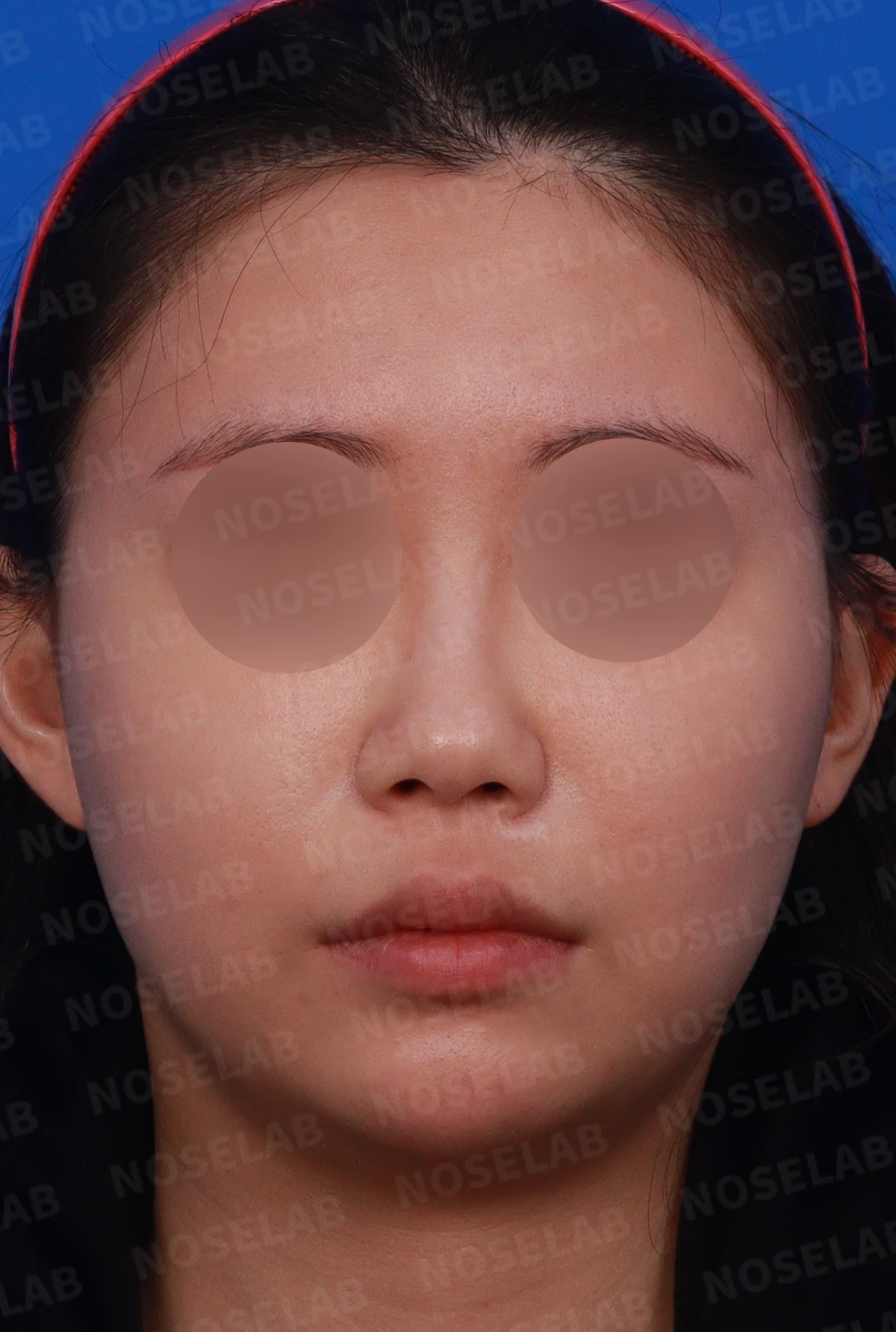
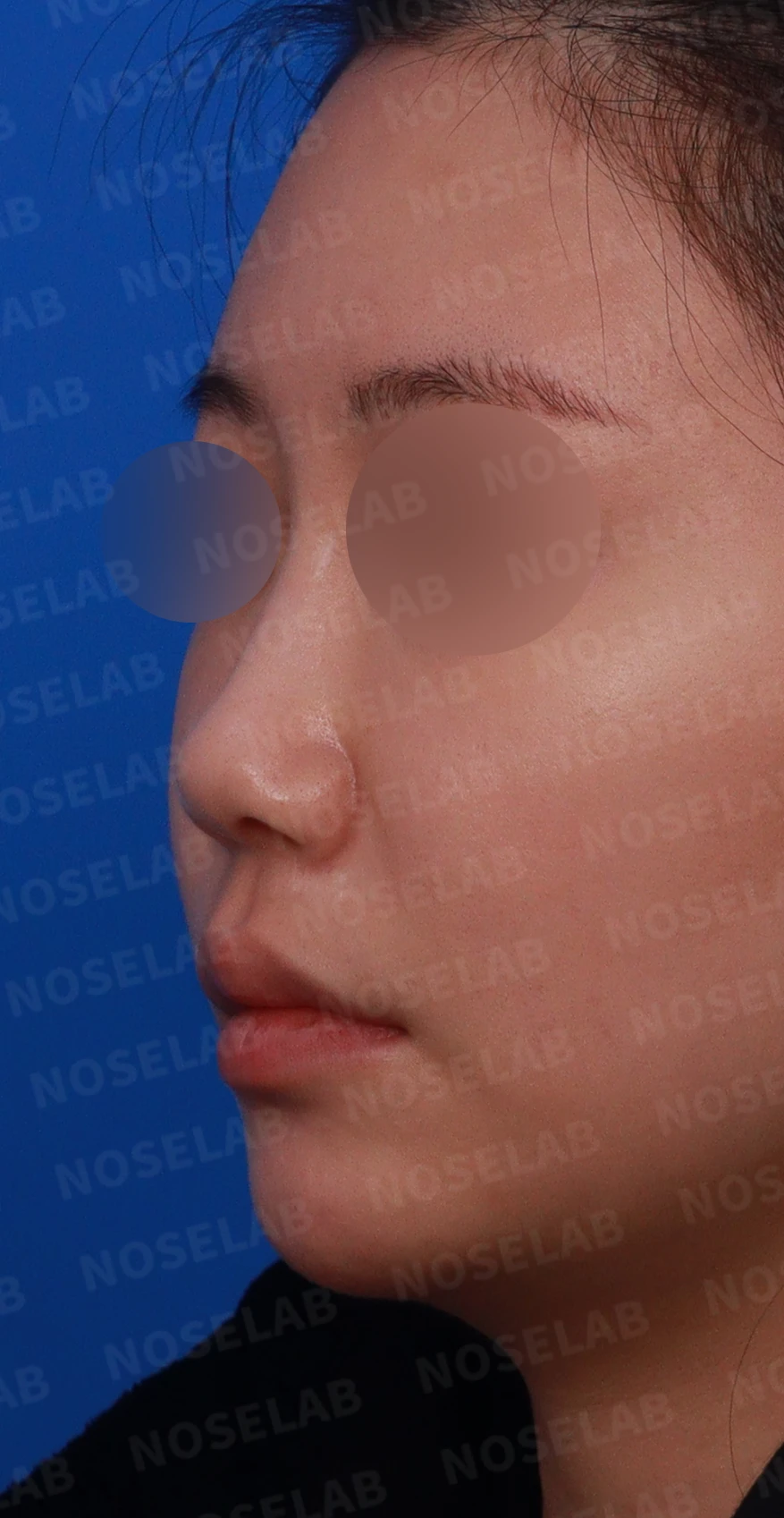
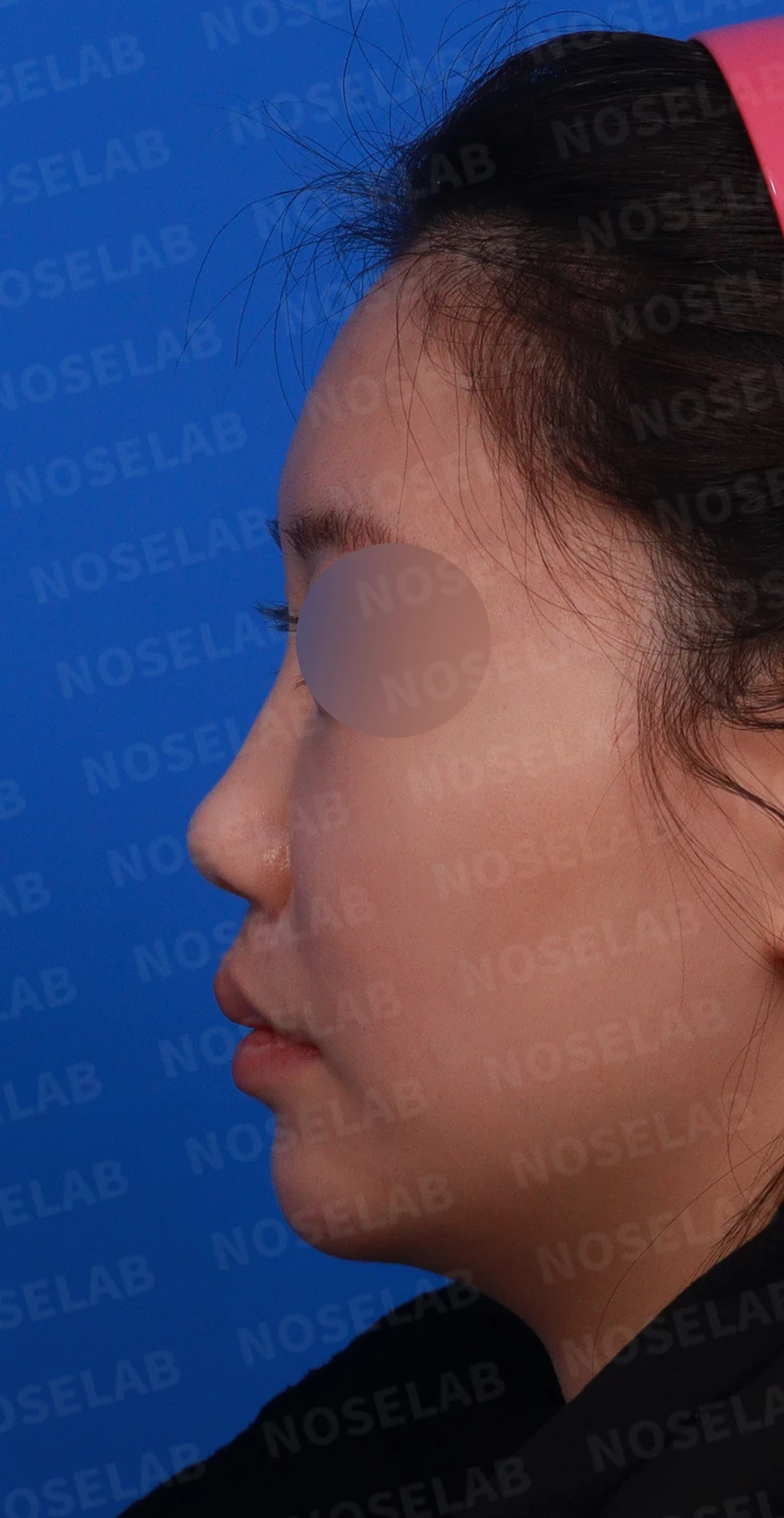
Front, left profile, and oblique views during design consultation
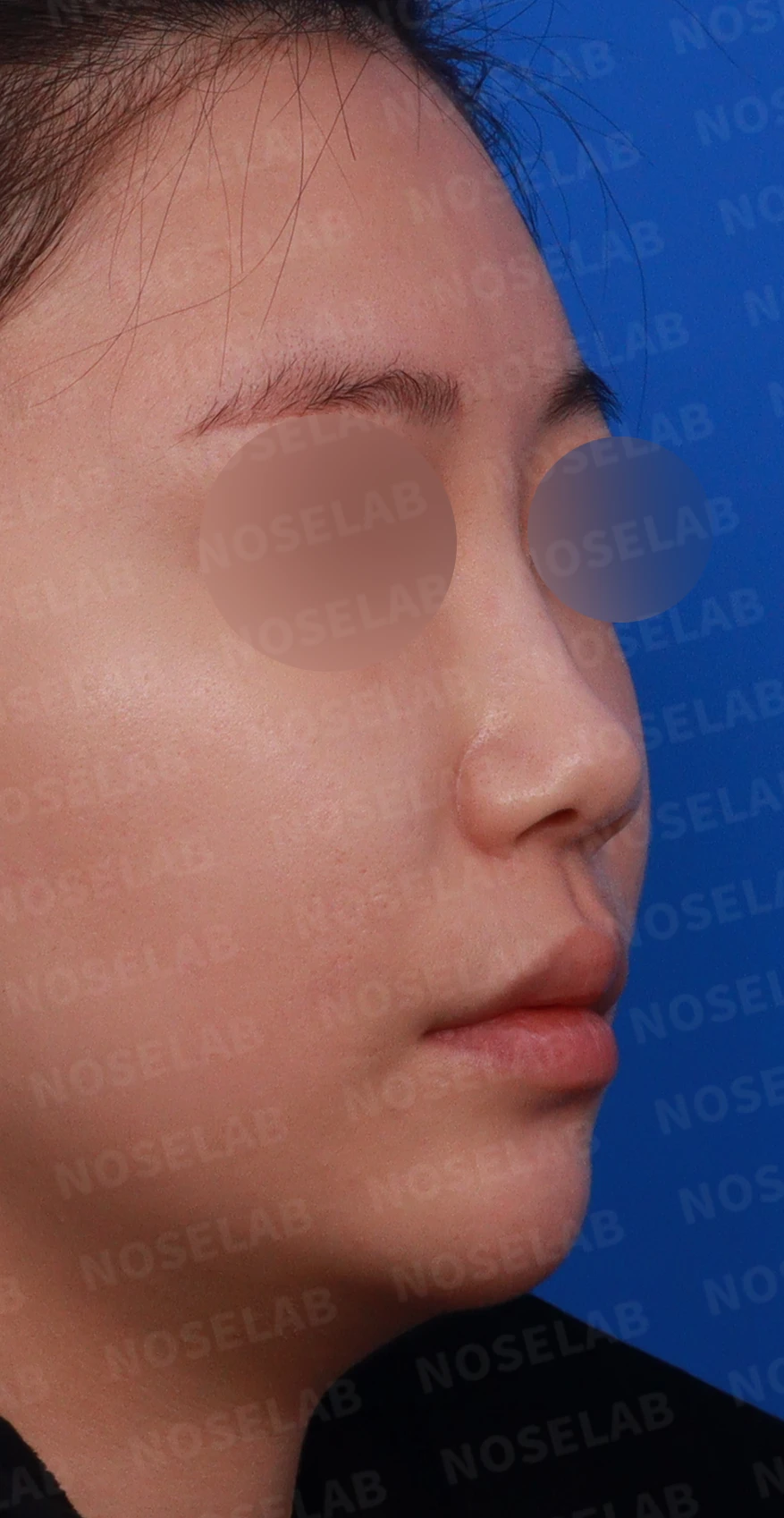
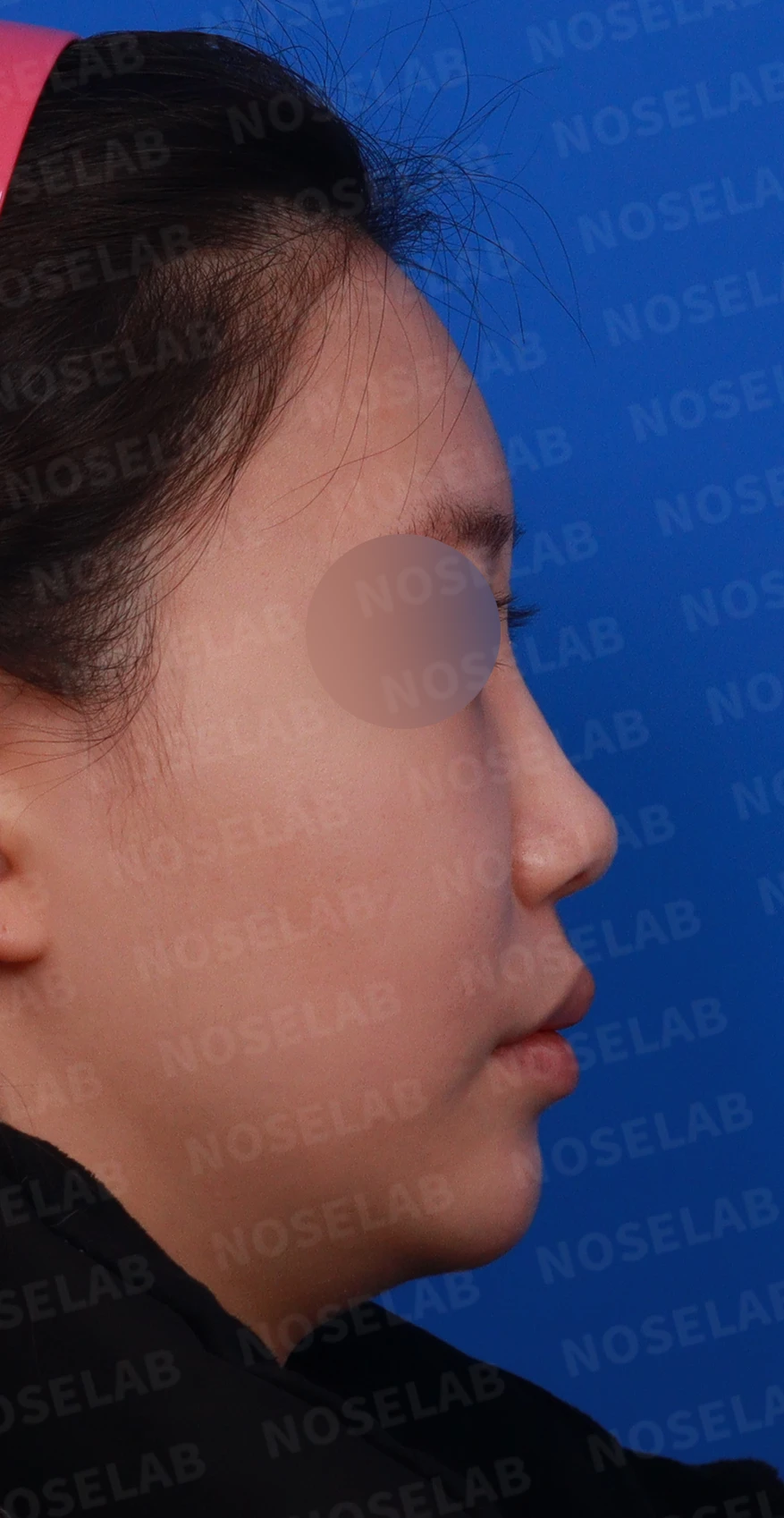
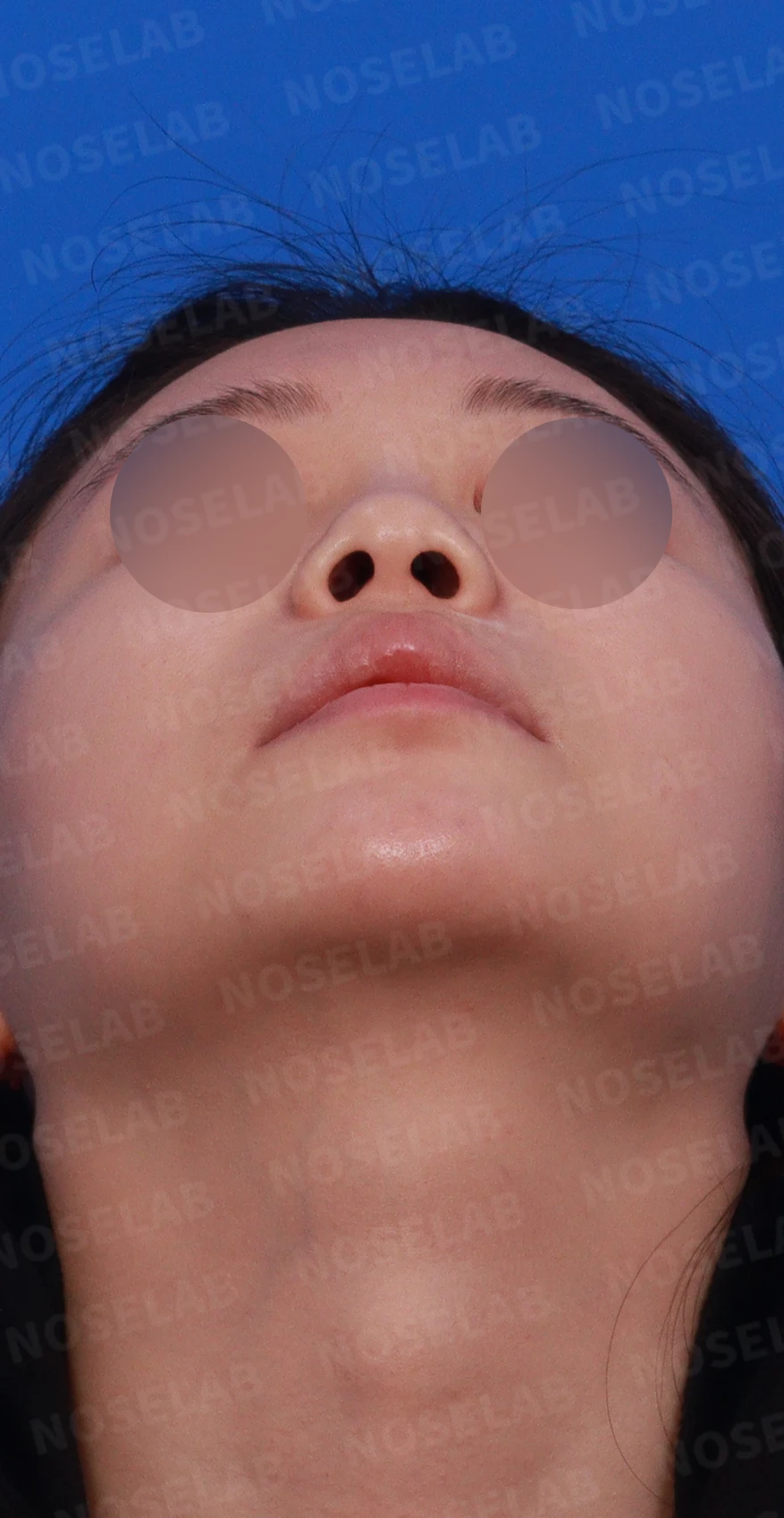
Design consultation, right oblique, profile, and nostril views
📍 Procedure history
7 years ago: nasal filler + nasal thread-lifting procedure
🔎 Initial consultation findings
Front view
Low nasal bridge
Small and blunt shape
Wide nose
Nasal bridge asymmetry (from filler)
Crooked appearance
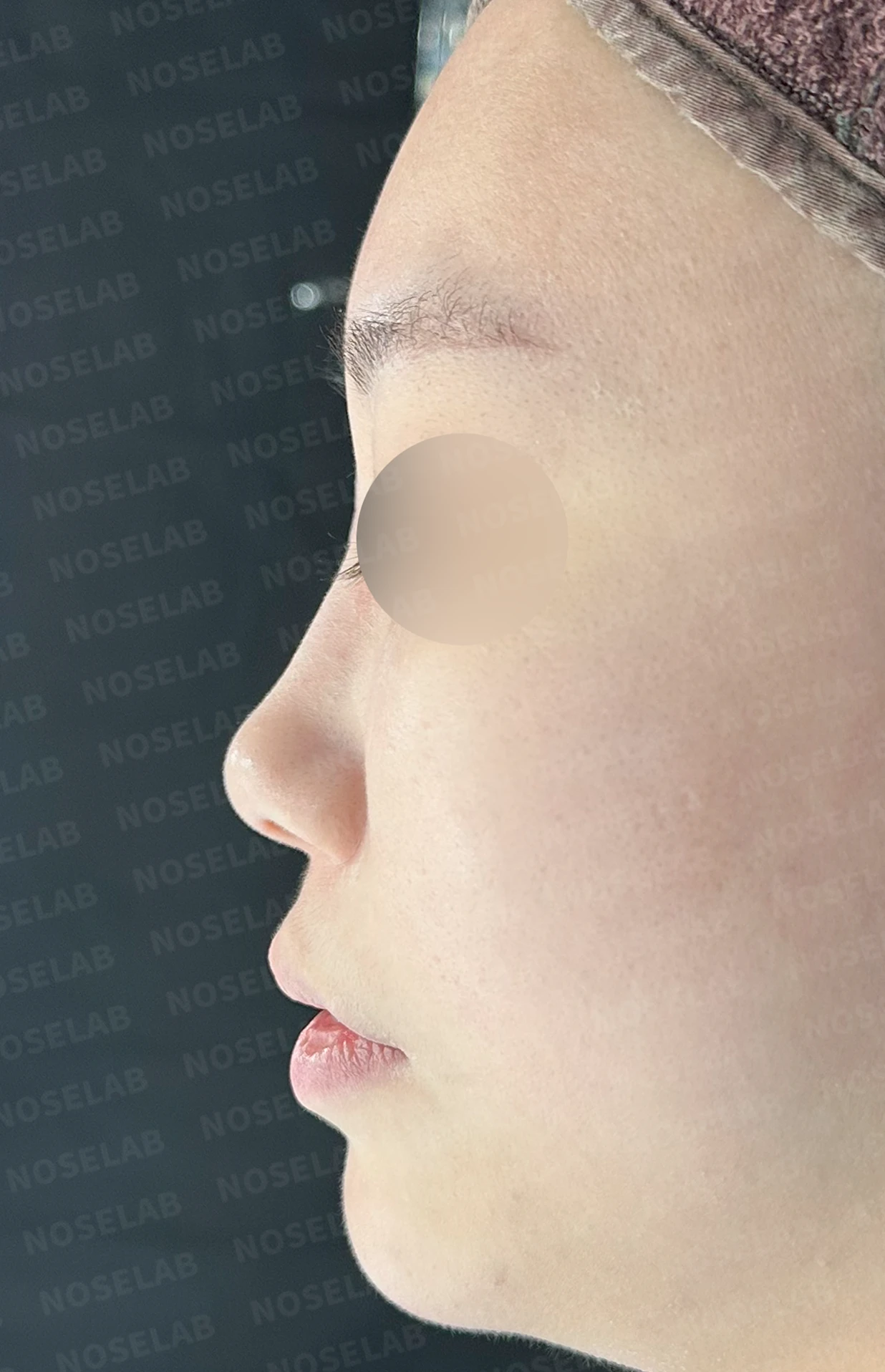
2. Profile view
Low nasal bridge
High radix
Uneven bridge contour
Protruding mouth findings
3. Nostrils
Asymmetry
4. Special considerations
Residual filler present
Very low skin elasticity and minimal stretch
Desired a prominent, dramatic nasal contour
✨ Patient's requests
Defined nasal line
Correction of nasal bridge asymmetry
Improvement of the crooked appearance
💉 Surgical procedure details
Foreign material removal
Safe removal of existing filler
Removal of nasal threads
2. Structural reconstruction
Use of donor rib cartilage (patient preference)
Combined use of septal cartilage
Formation of a sturdy tip support structure
3. Shape improvement
Achieving a dramatic look by utilizing the height differential between bridge and tip
Correction of nasal bridge asymmetry
Correction of the crooked appearance
Improvement of protruding mouth through nasolabial angle correction
✅ Surgical results
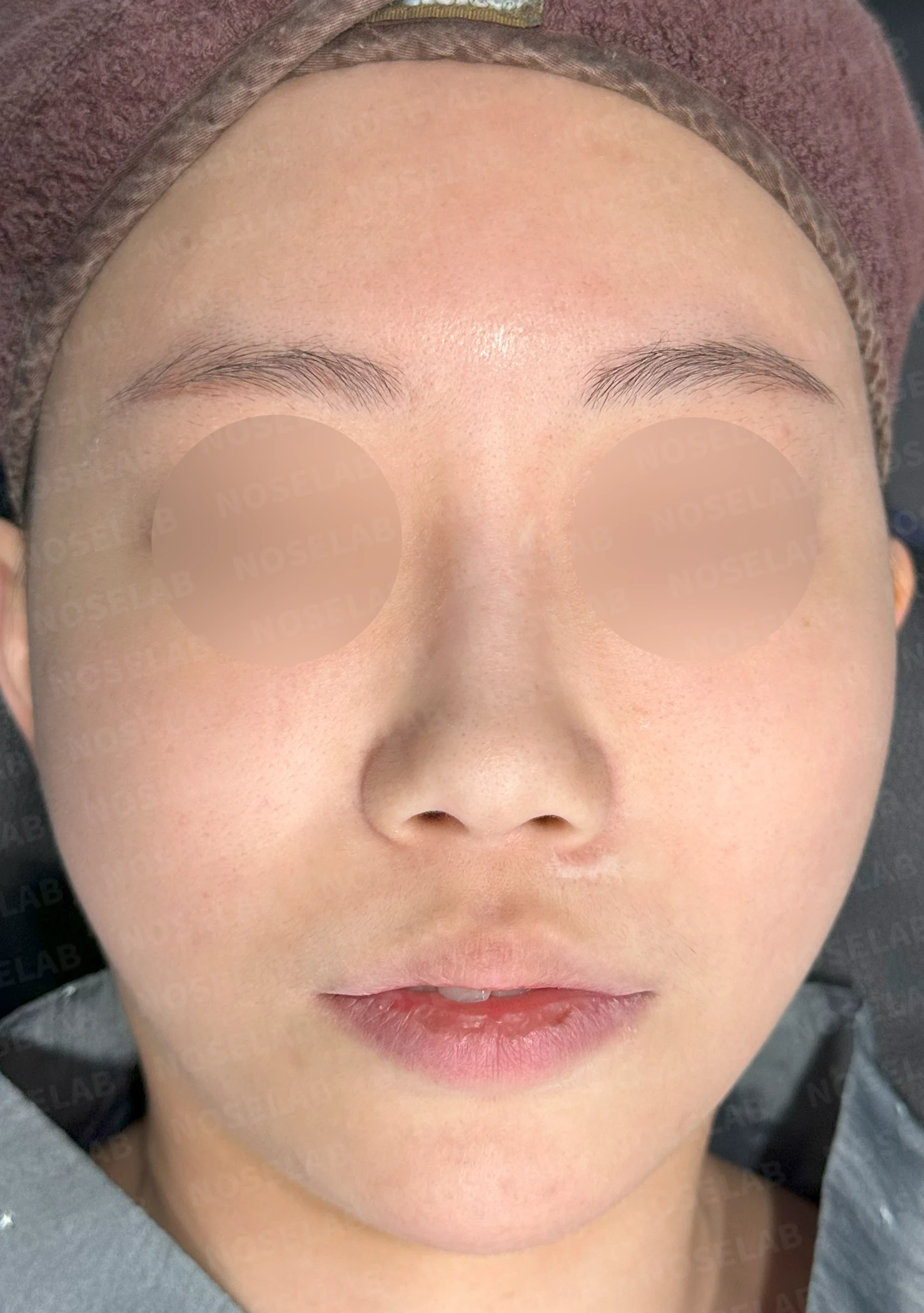
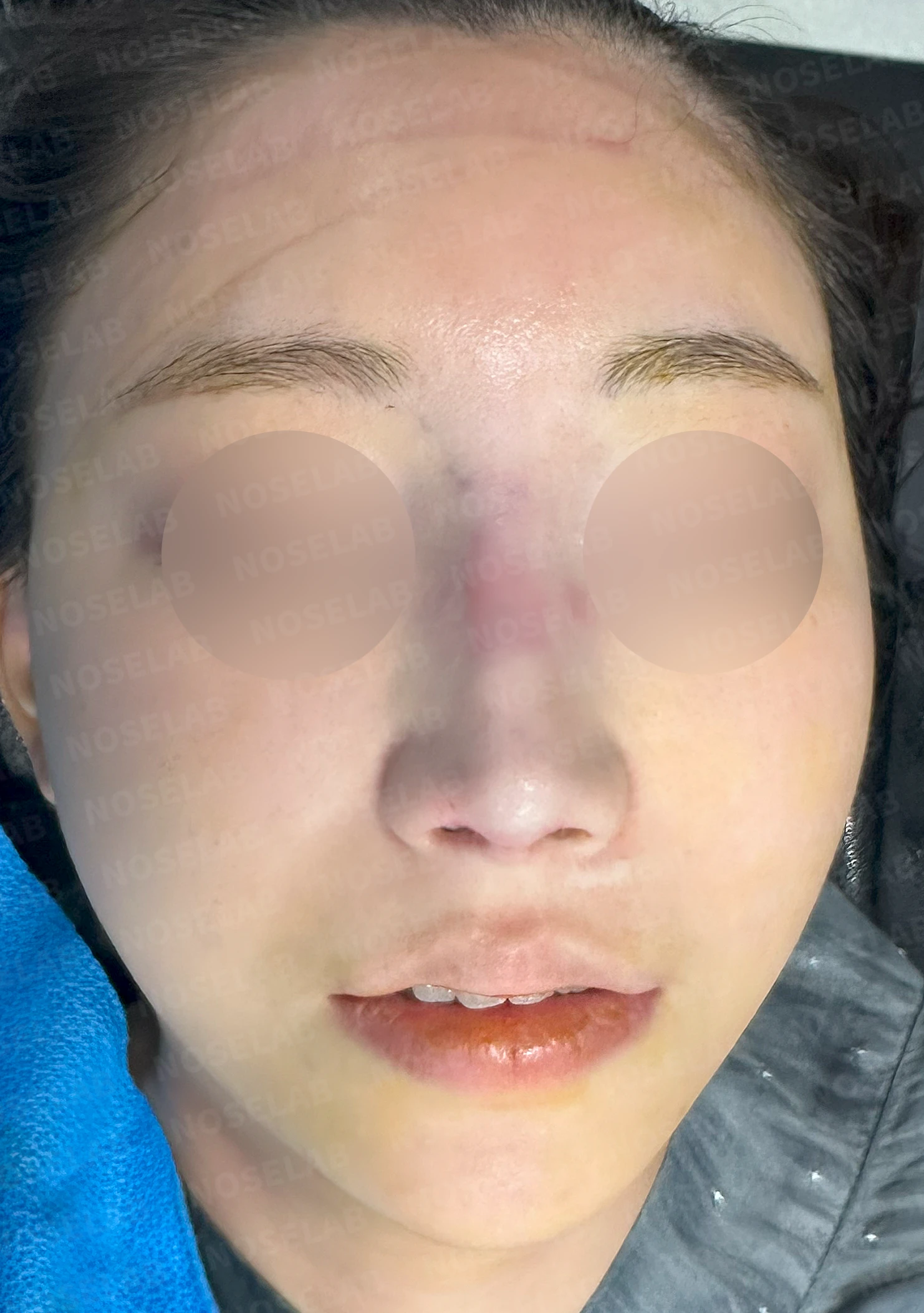
Before surgery / Day 0 immediately after surgery Photos taken immediately after surgery show swelling and may differ from the final result.
Front view
Improvement of bridge symmetry
Straightened nasal line
Appropriate nasal tip width
Before surgery / Day 0 immediately after surgery Photos taken immediately after surgery show swelling and may differ from the final result.
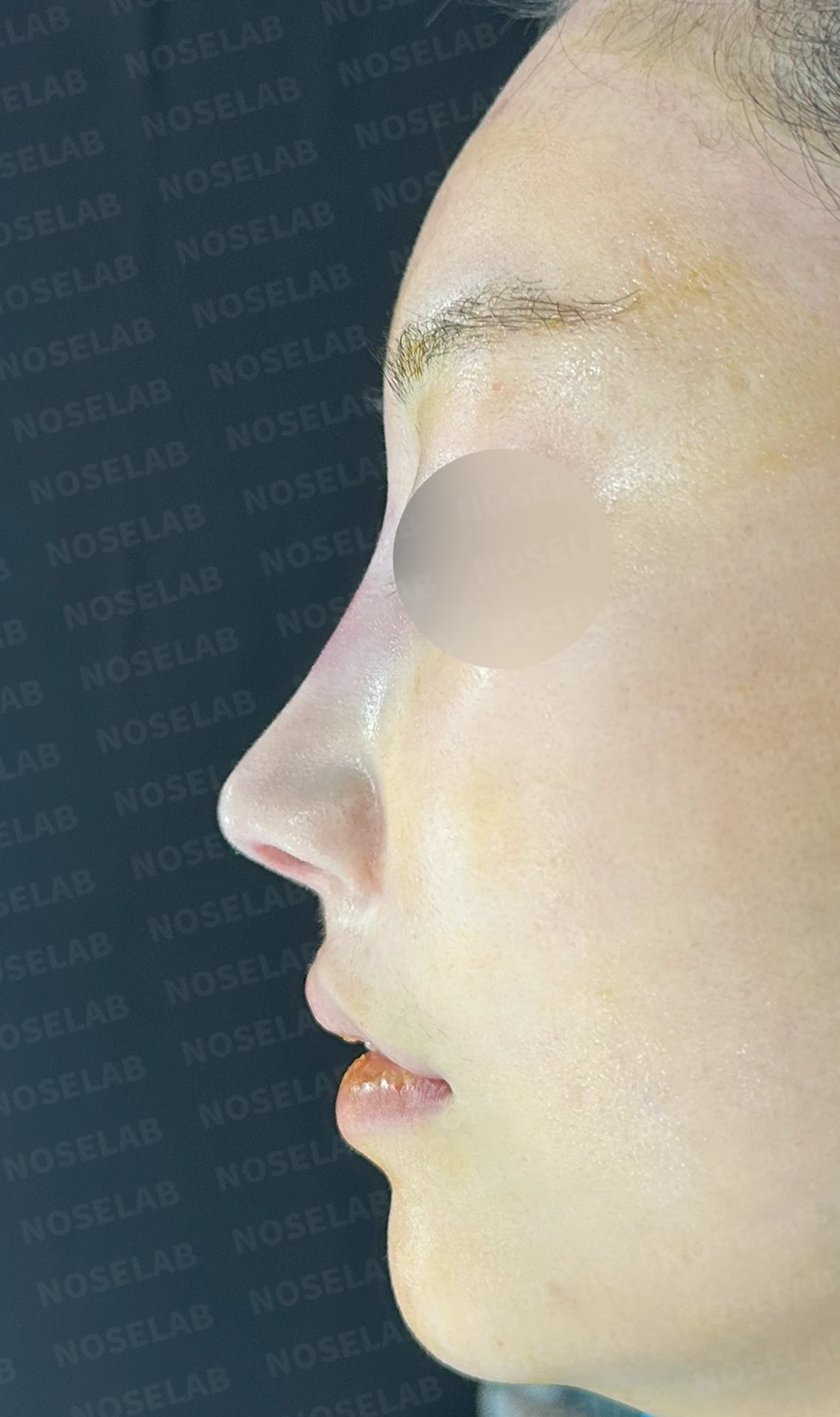
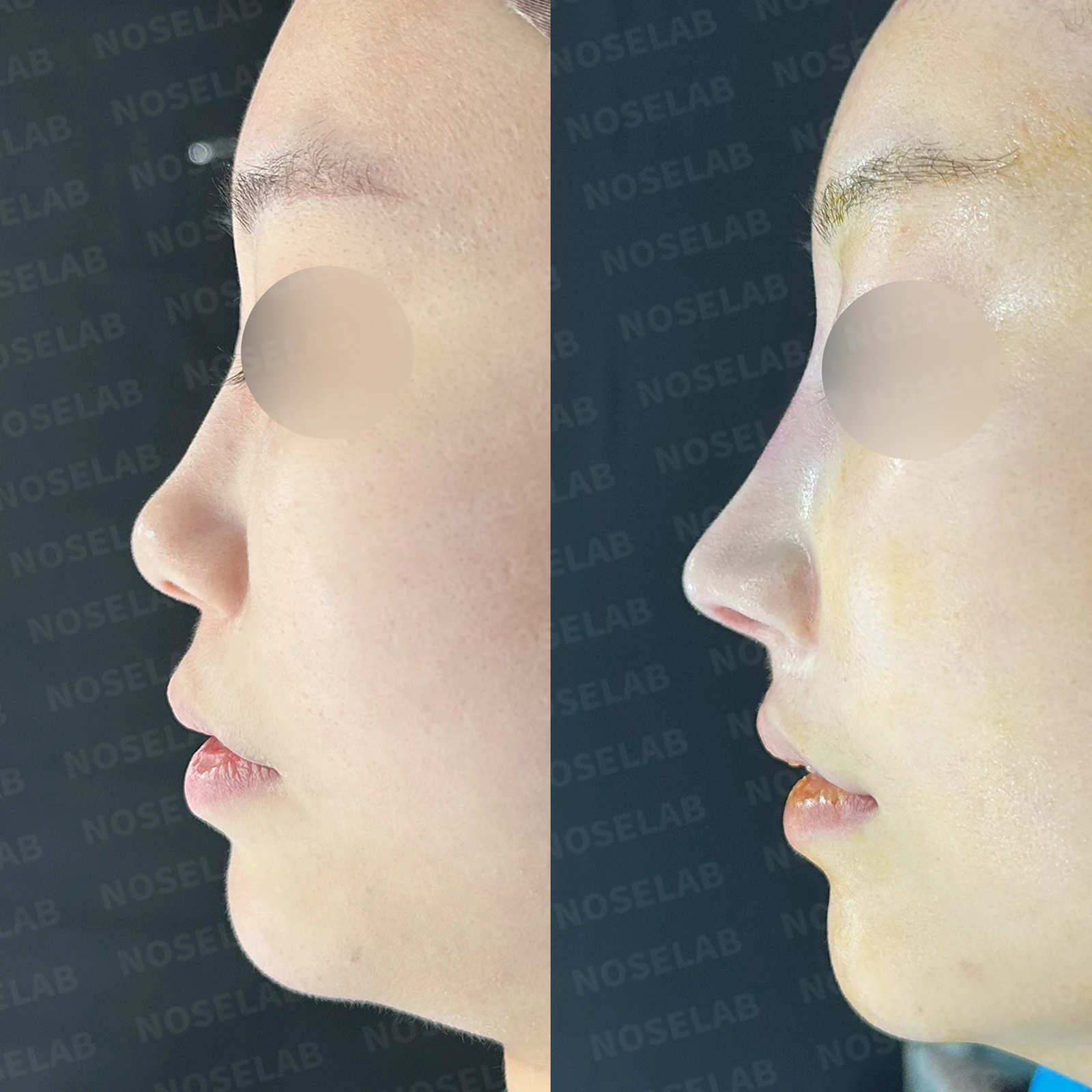
2. Profile view
Refined nasal profile through the height contrast between bridge and tip
Improvement of bulbous nasal tip
Correction of the nasolabial angle
Improvement of protruding mouth
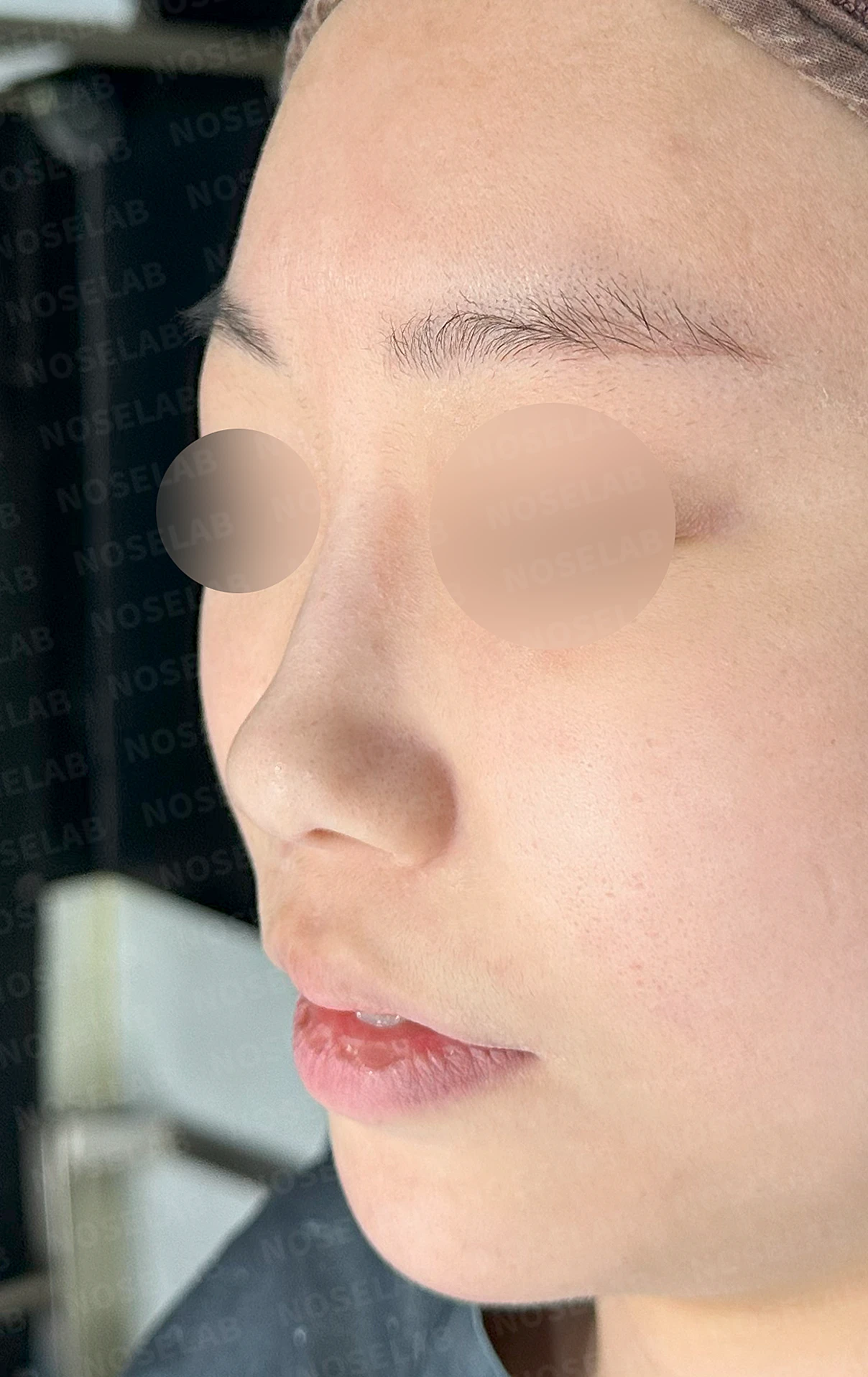
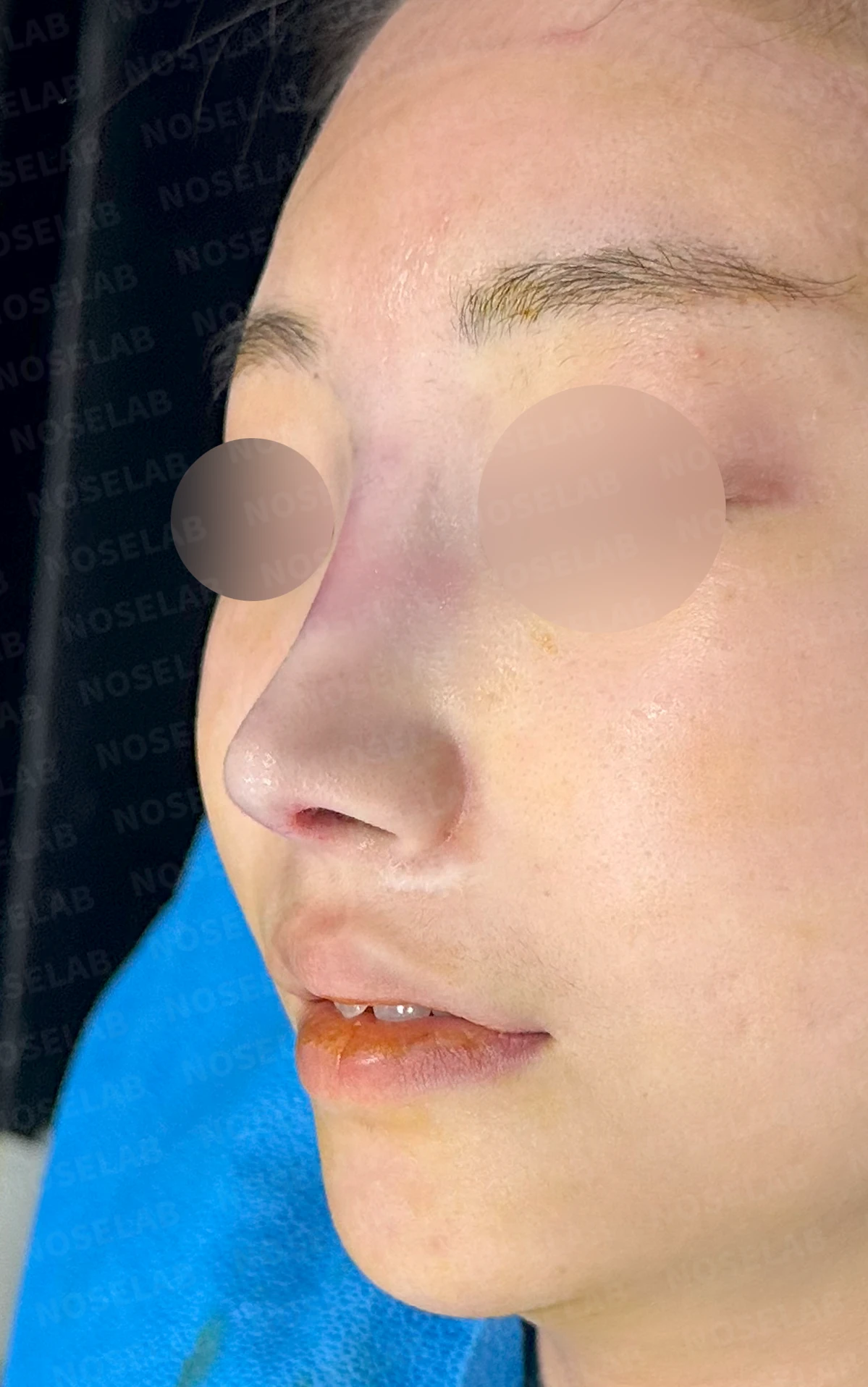
Before surgery / Day 0 immediately after surgery Photos taken immediately after surgery show swelling and may differ from the final result.
3. Nostrils
Improvement of asymmetry
Improvement of bulbous nasal tip
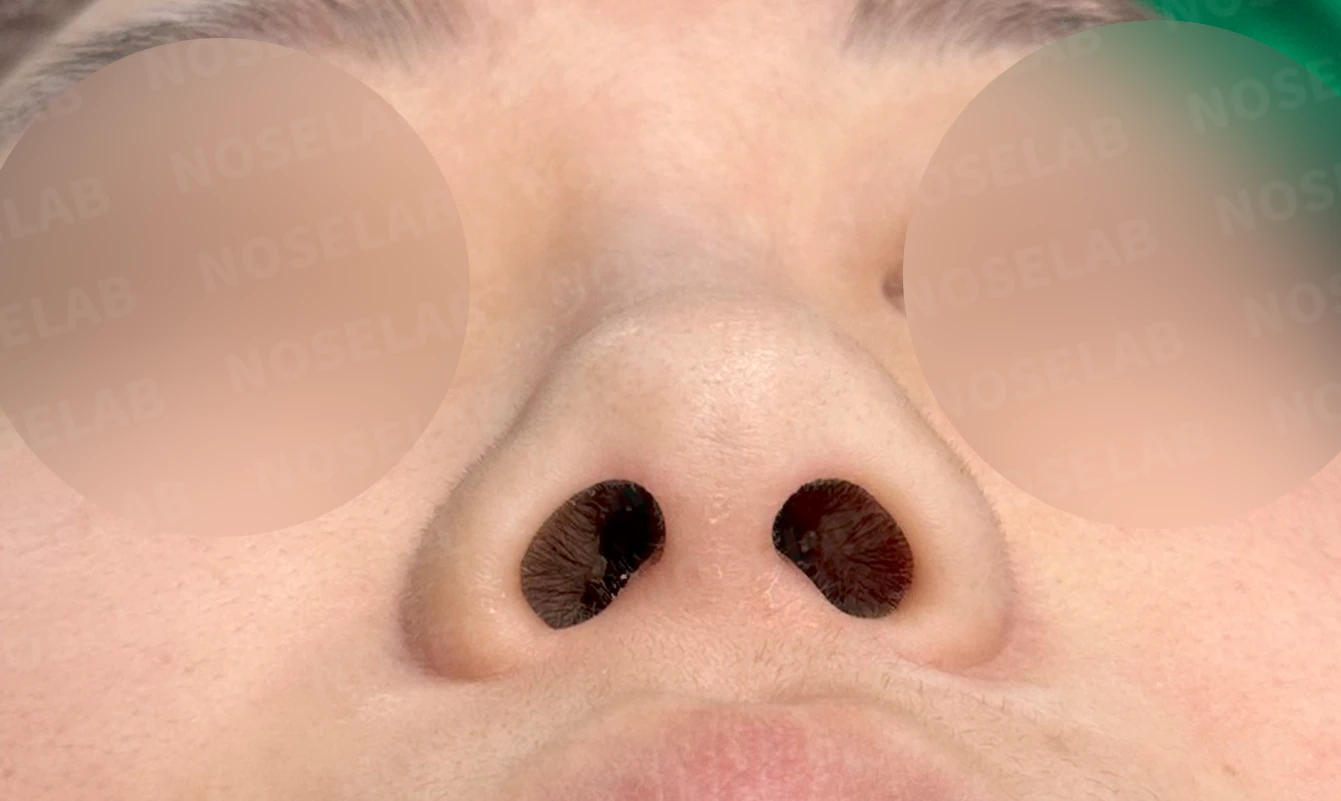
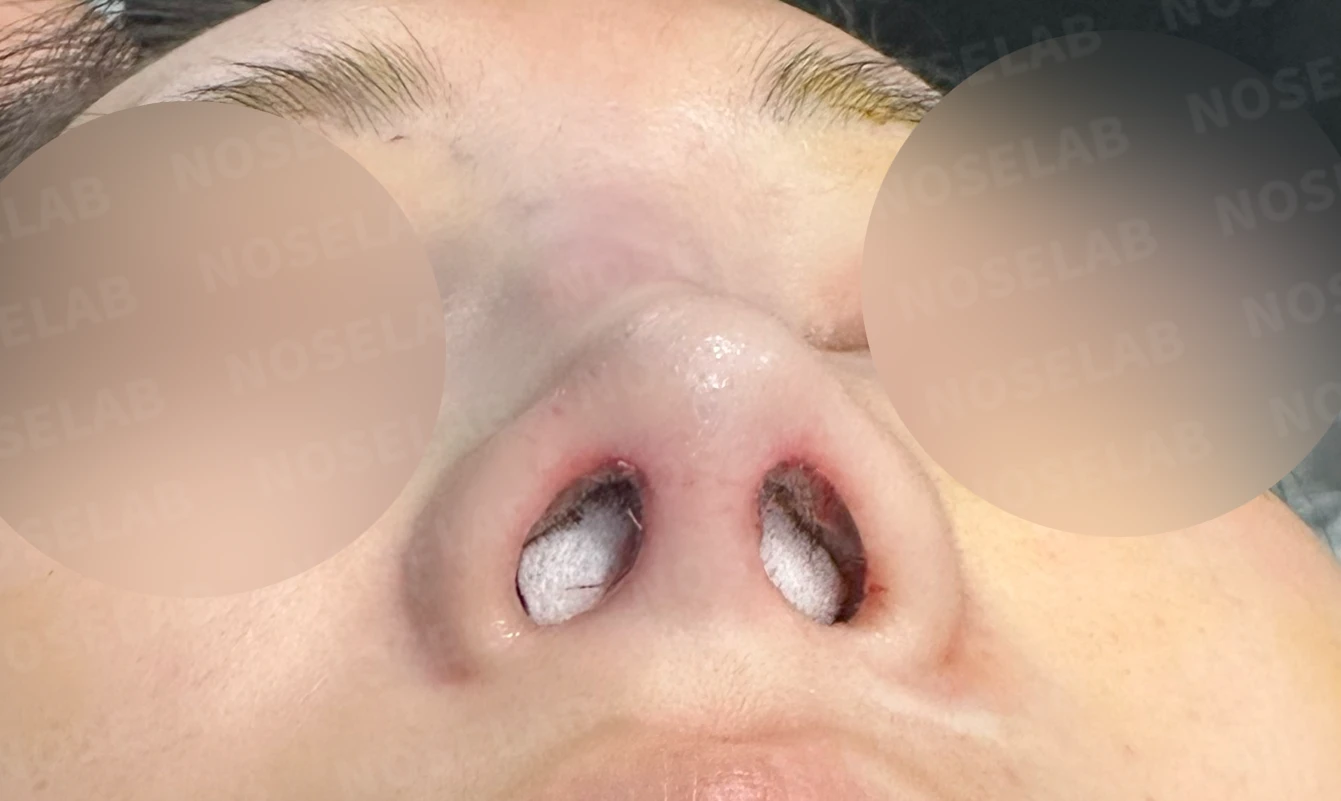
Before surgery / Day 0 immediately after surgery Photos taken immediately after surgery show swelling and may differ from the final result.
4. Overall changes
Maximally prominent contour within the limits of the skin envelope
Stable framework planned with safety in mind
Harmonious overall proportions
👨⚕️ Specialist's assessment
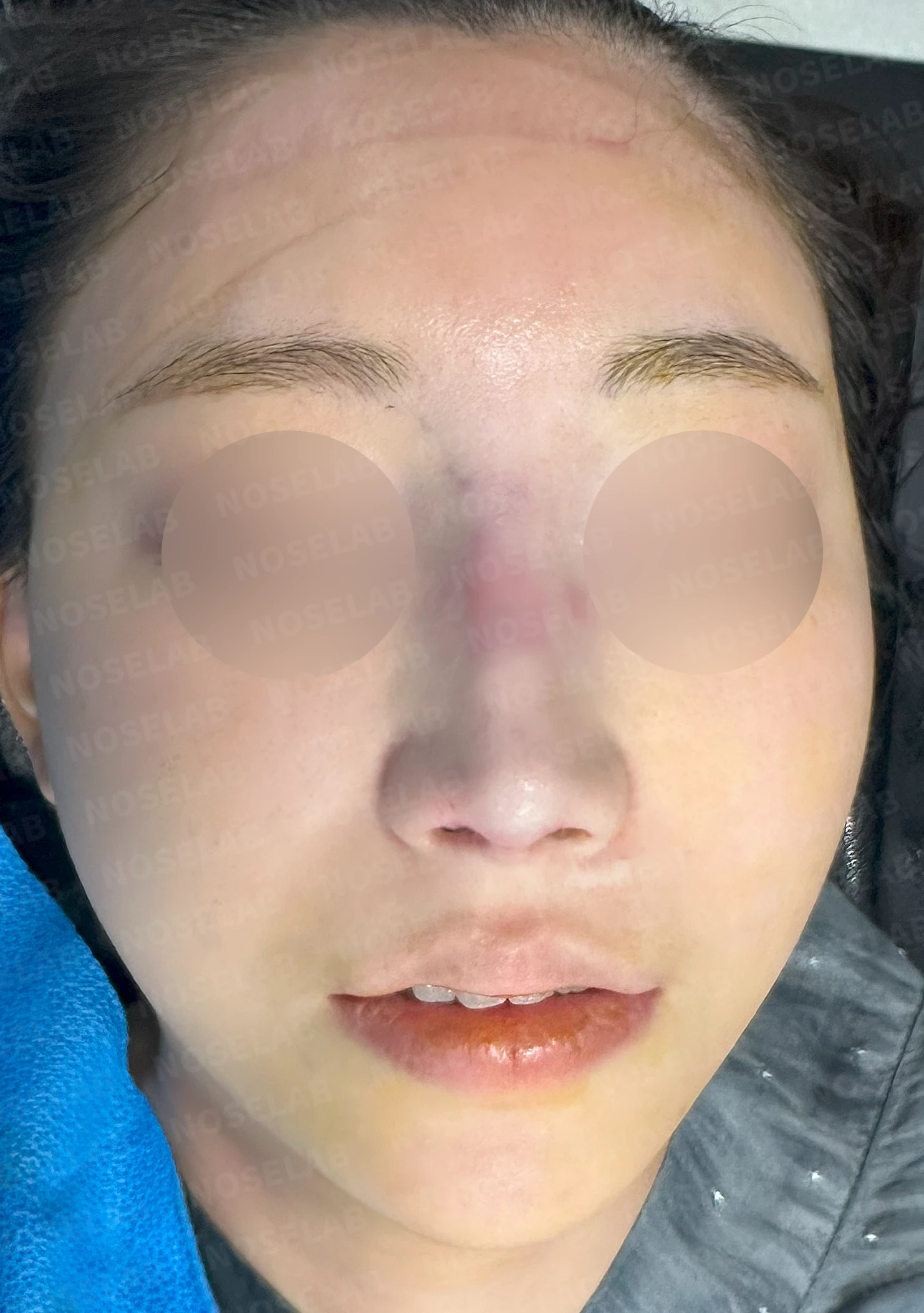
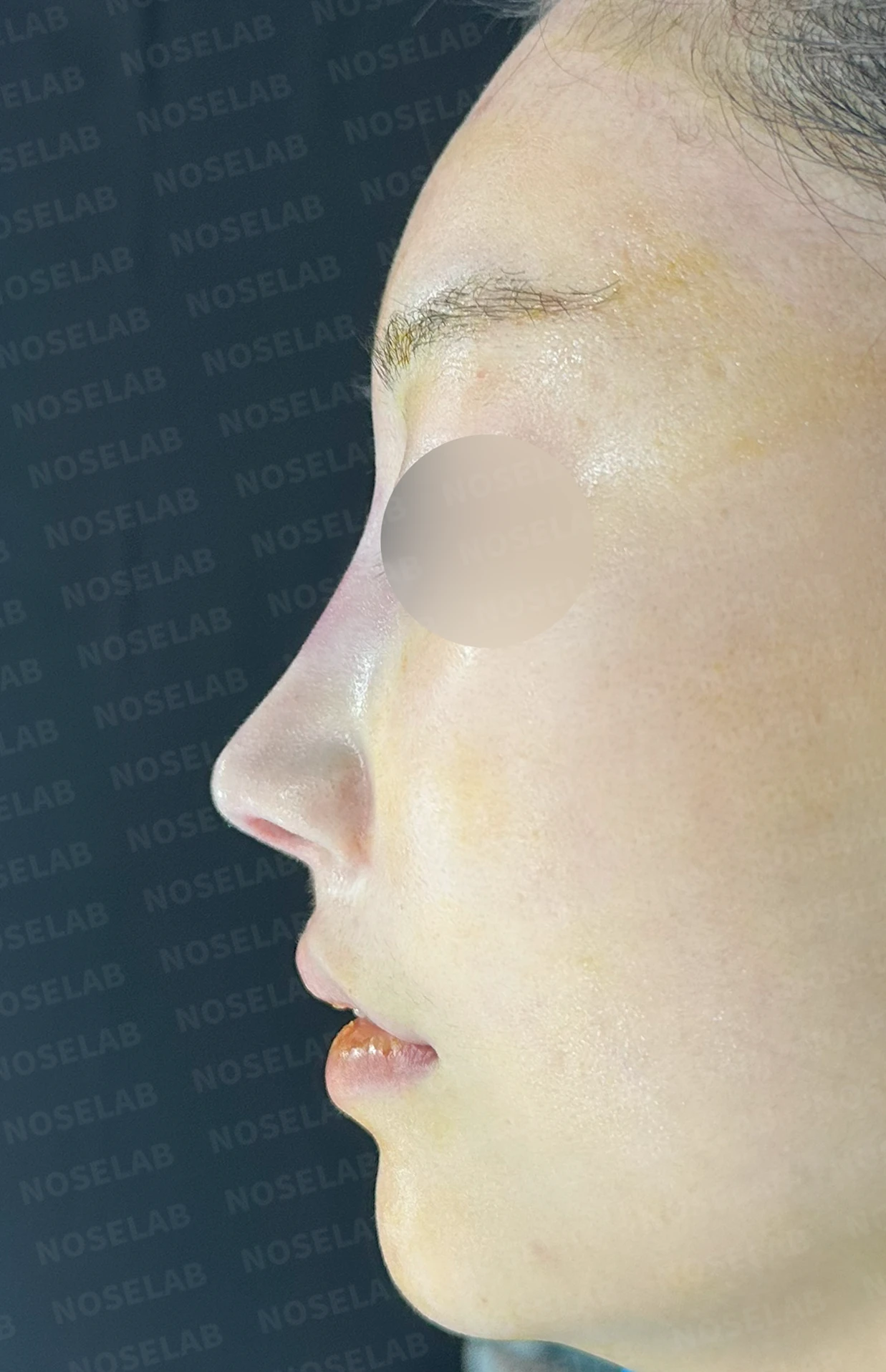
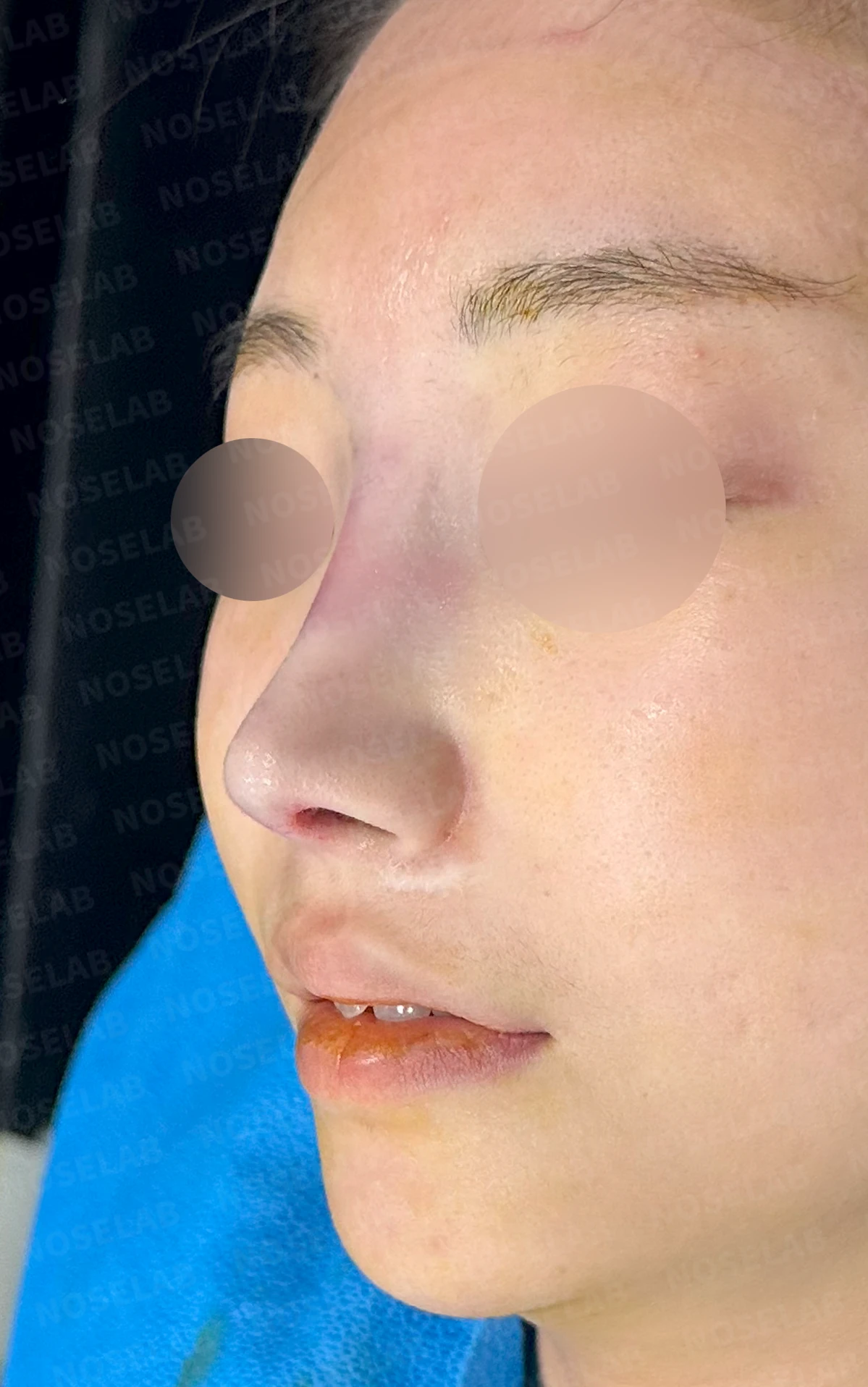
Front, profile, and oblique views immediately after surgery on day 0 Photos taken immediately after surgery show swelling and may differ from the final result.
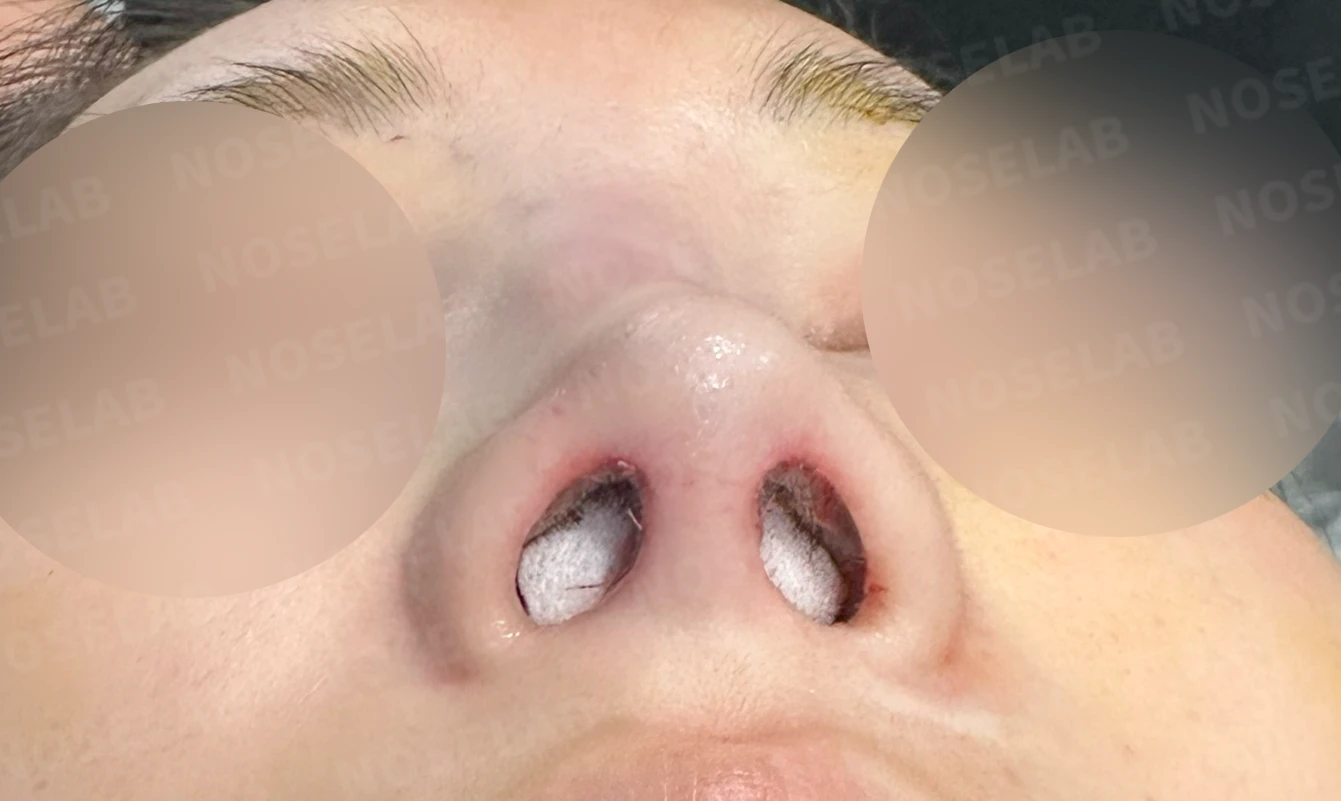
Nostril view on day 0 immediately after surgery Photos taken immediately after surgery show swelling and may differ from the final result.
This was the case of a patient seeking a prominent nasal shape after experiencing dissatisfaction following filler and thread procedures. An especially critical factor was that the patient's skin had almost no stretch, which placed a clear limitation on elevating the nasal tip excessively.
Taking these constraints into account, we chose an approach that achieved a distinct, defined look by utilizing the height difference between the bridge and tip. According to the patient's request, donor rib cartilage was used alongside septal cartilage to elevate the tip on a strong framework, while simultaneously correcting the bridge asymmetry and crooked appearance.
This was a case where a satisfactory outcome could be achieved within safe limits by making the most of the patient's unique anatomical conditions.
This was Dr. Peter C. Kang. Thank you.
Thank you.
#closedrhinoplasty #rhinoplasty #dramaticnose #donorribcartilage #customrhinoplasty

Limitations and risks
When using donor rib cartilage, long-term follow-up is necessary because the grafted cartilage may resorb or warp.
When foreign materials such as injected fillers are removed and reconstructed, contracture may recur, nasal height and length may decrease, and staged surgery may be necessary depending on the skin condition.
When the septum is corrected at the same time, nasal obstruction may persist or recur, and in rare cases, septal perforation or changes in smell may occur.
Common potential risks include infection, bleeding, asymmetry, scarring, skin necrosis, and insufficient improvement; results vary depending on individual skin condition and previous surgical history.