Hello, I am Dr. Peter C. Kang.
Today, I will introduce the case of a patient who underwent revision rhinoplasty to achieve a natural nasal line after filler and Hiko procedures.
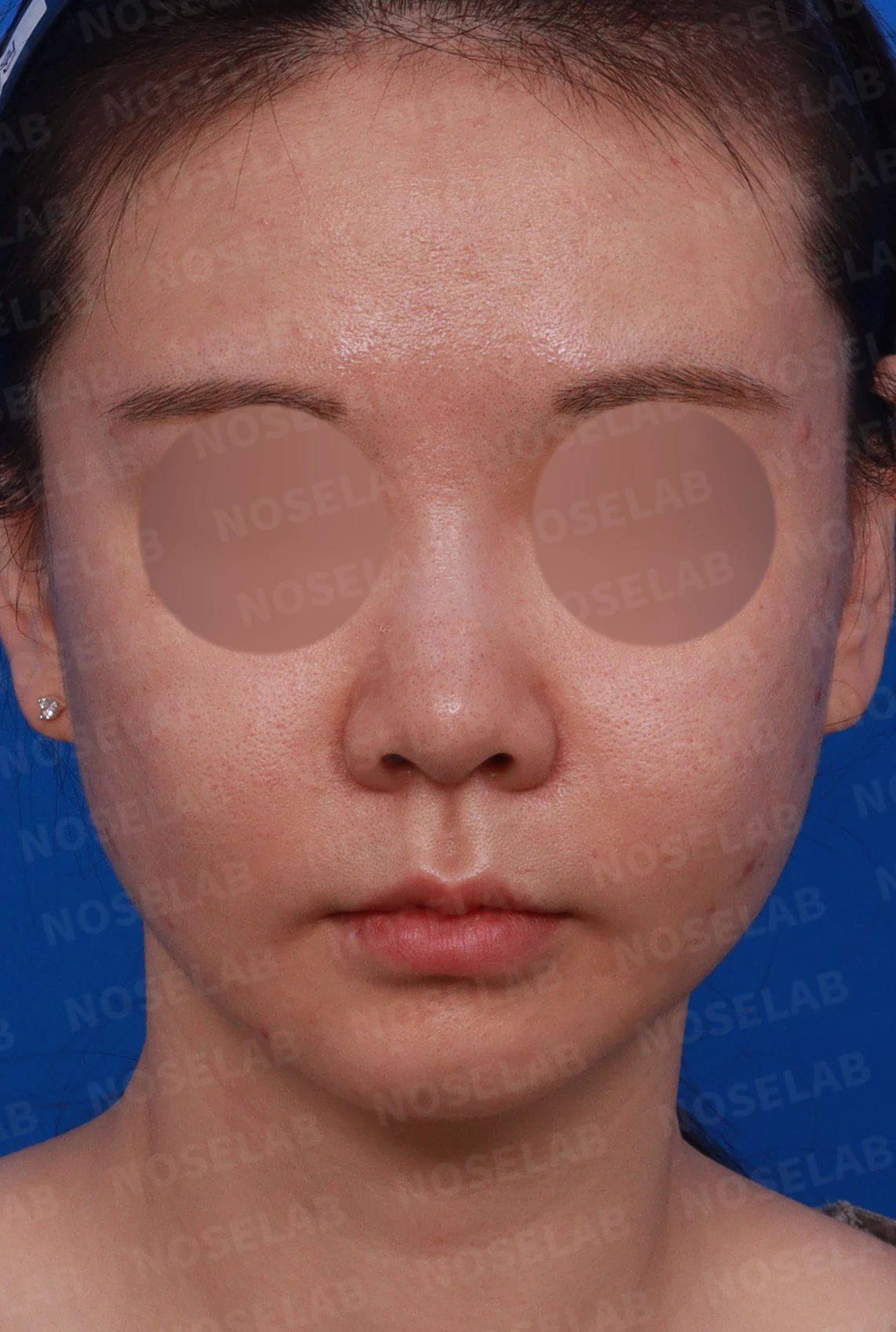
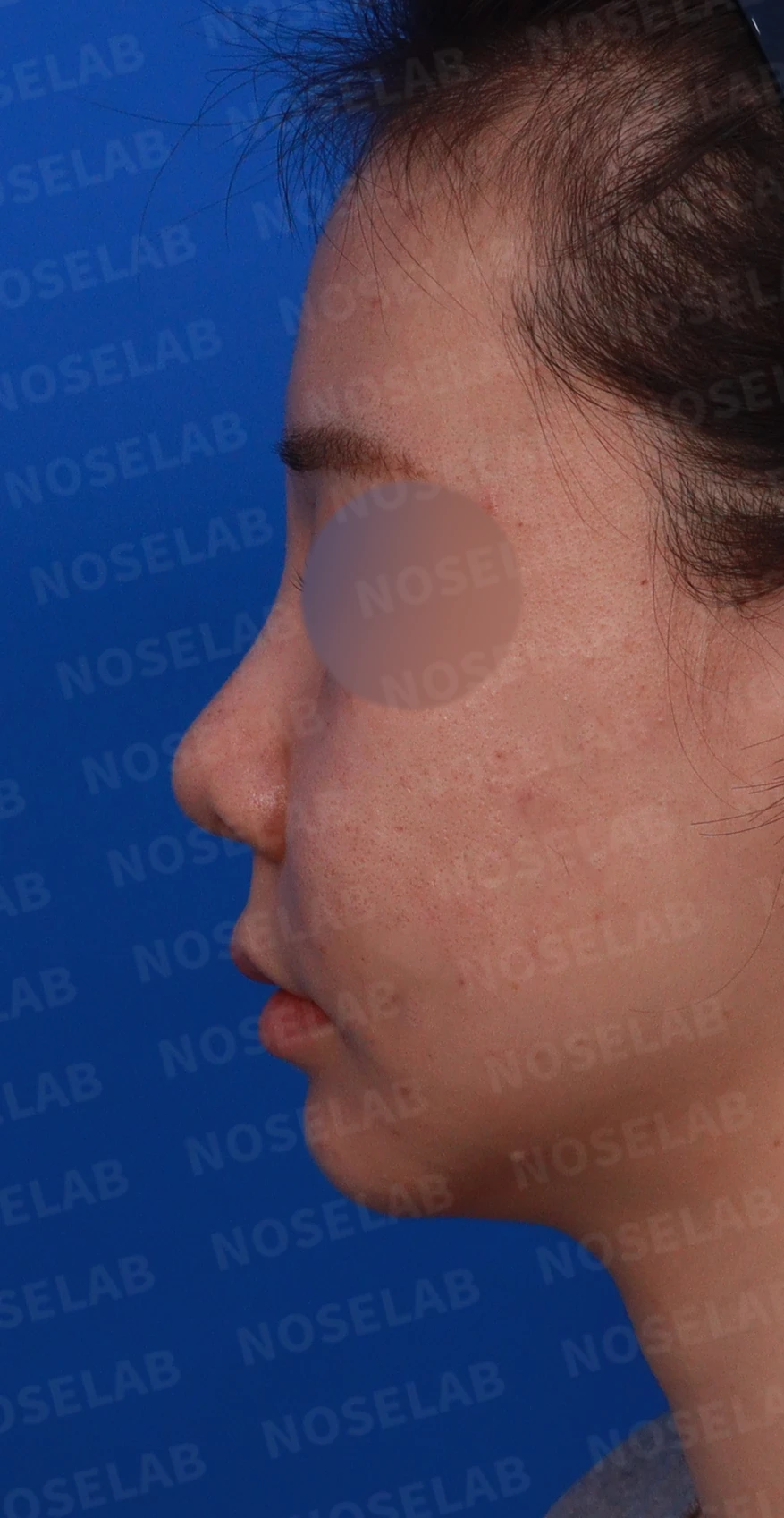
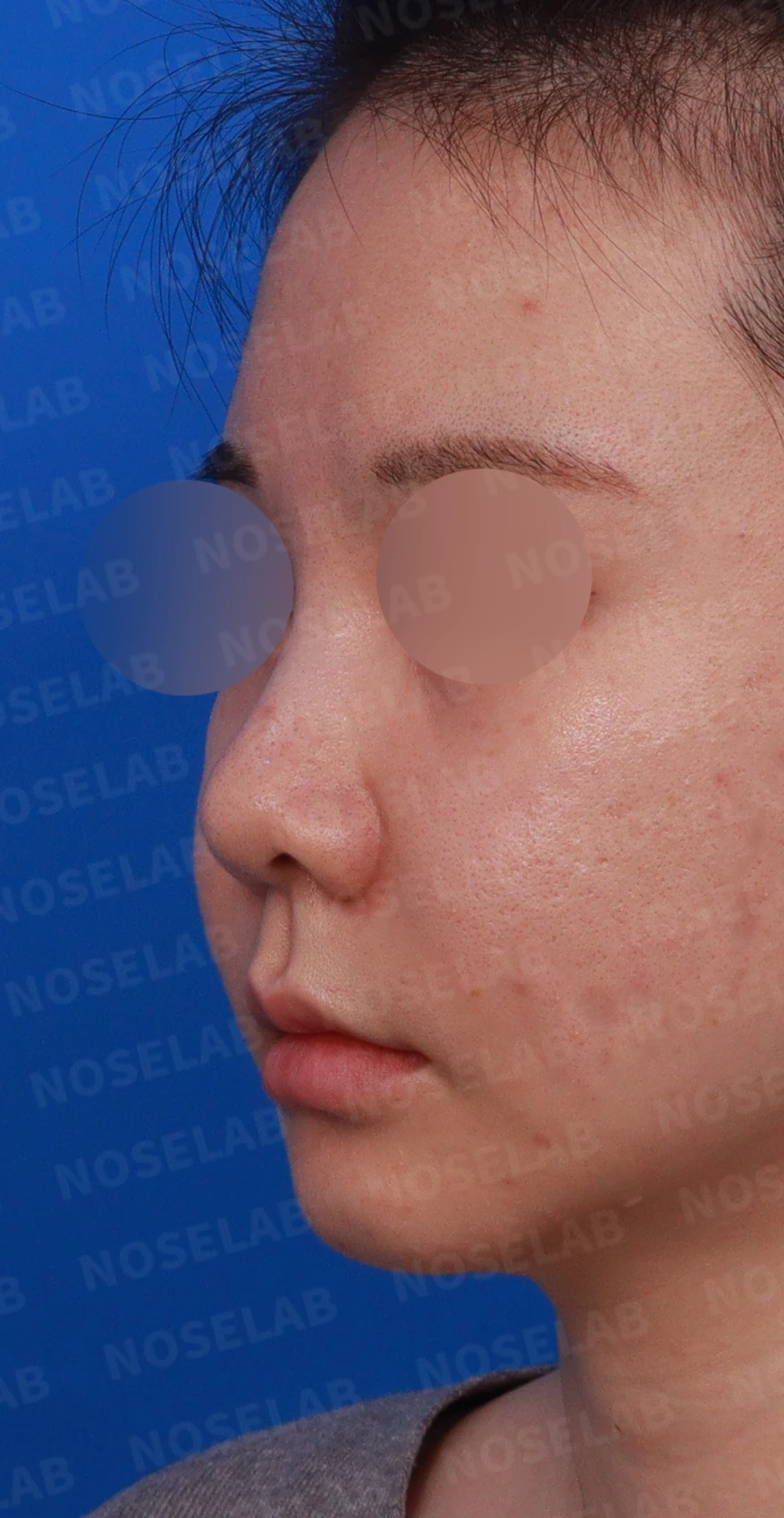
Front, left profile, and oblique views during design consultation
📍 Procedure history
1 year ago: Nasal filler + Hiko procedure
🔎 Initial consultation findings
Front view
Bulbous nasal shape
Bulbous nose shape
Low nasal height
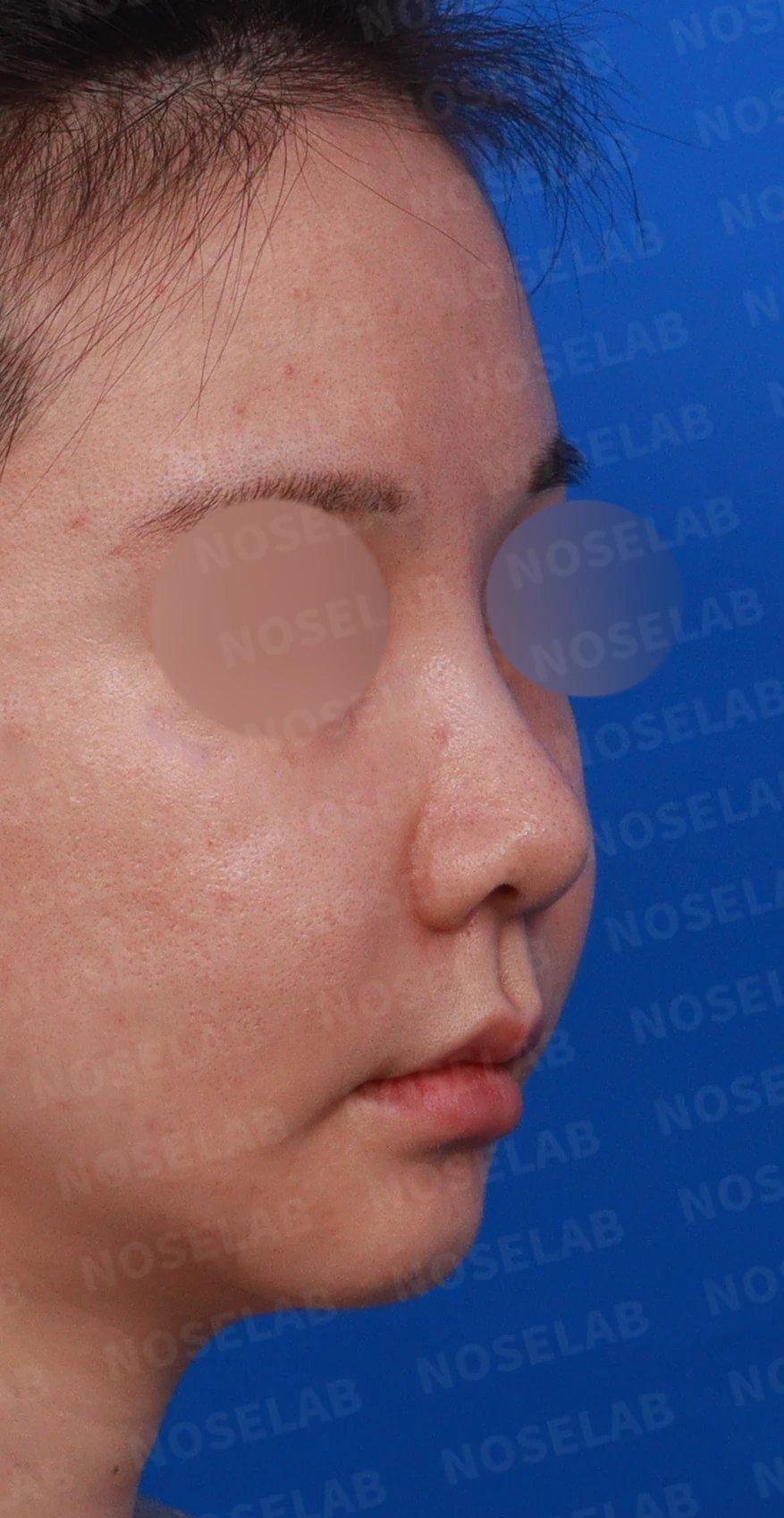
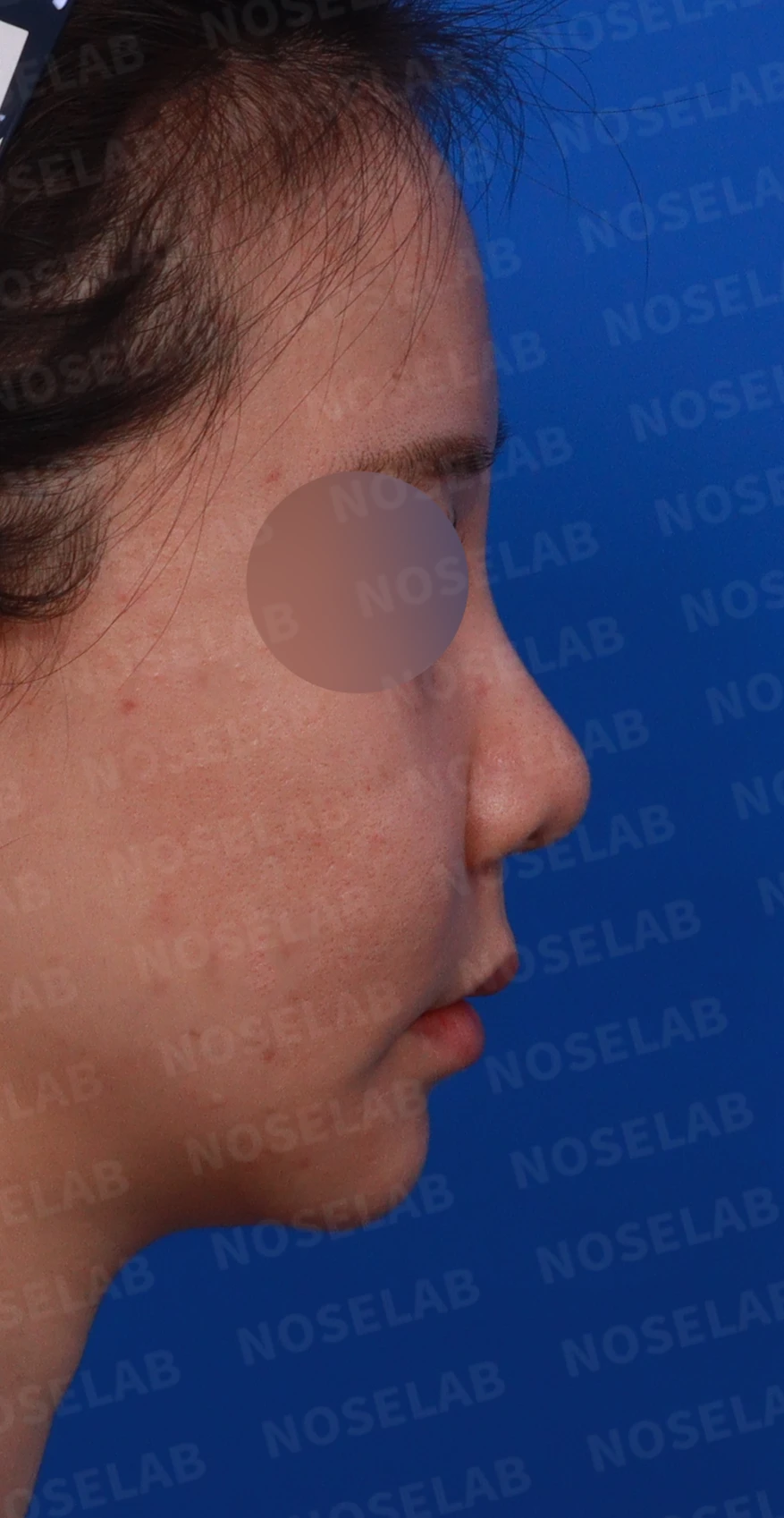
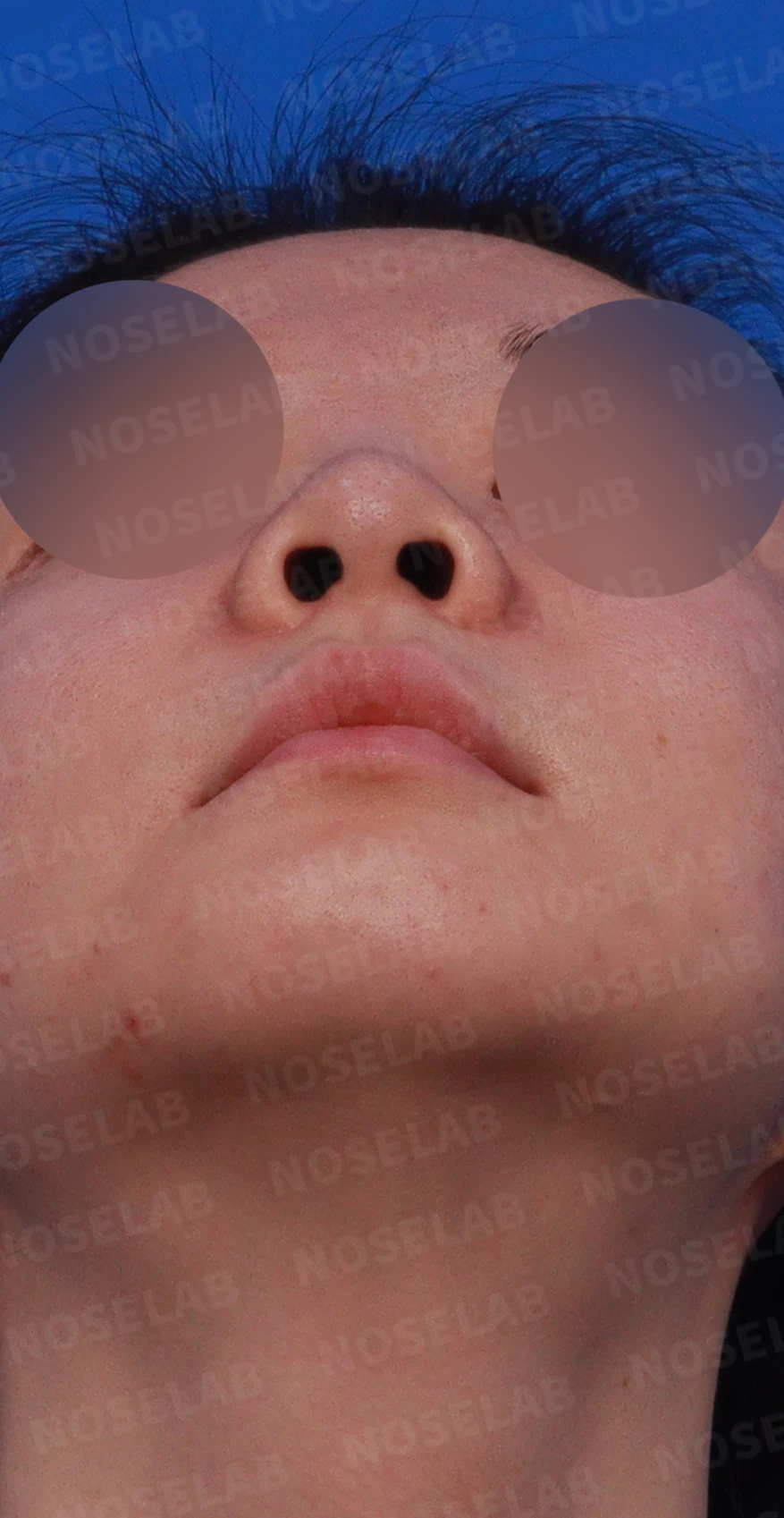
Design consultation: right oblique, profile, and basal (nostril) views
2. Profile view
Natural height
Nasolabial angle needing improvement
Need to adjust the columella position
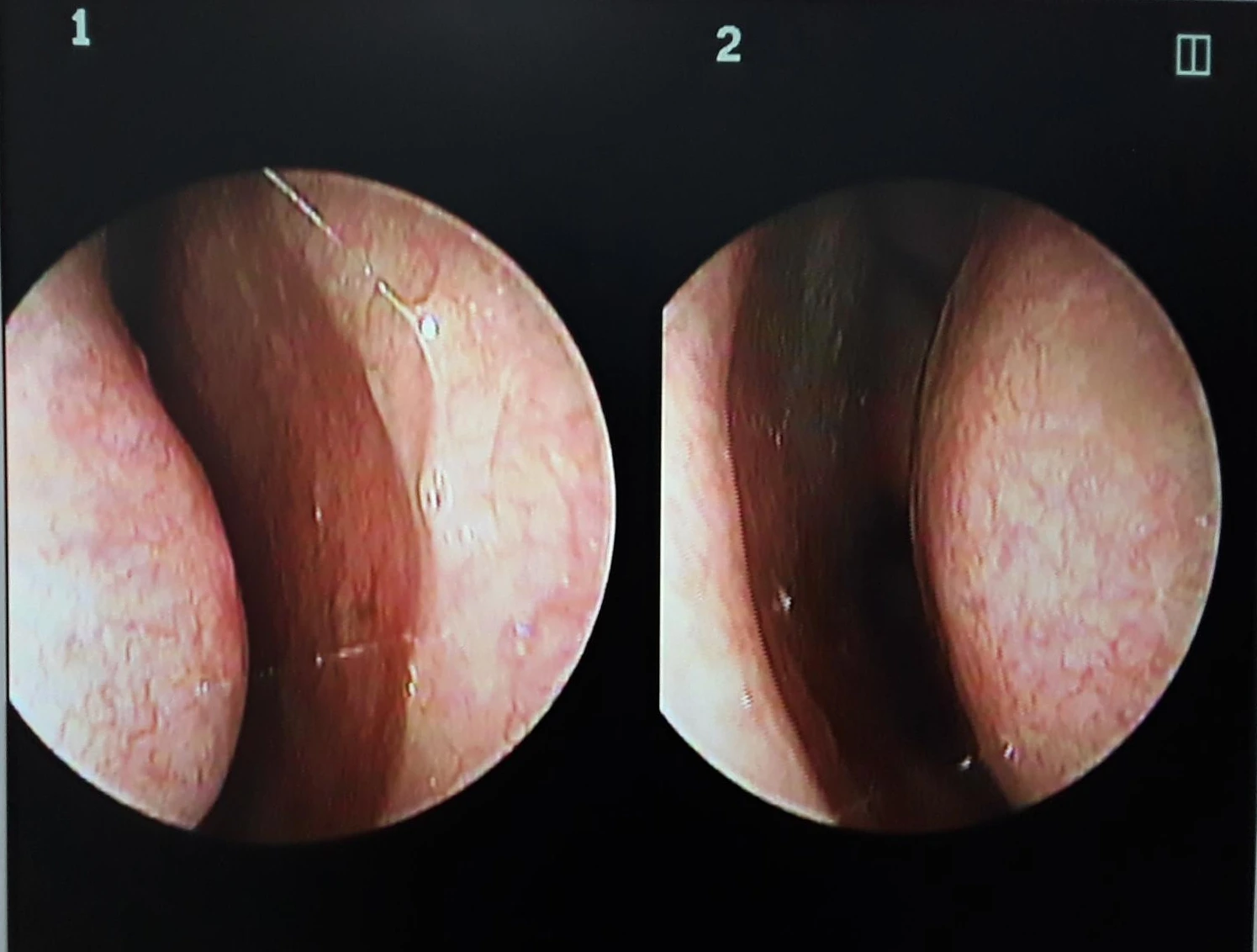
3. Function
Deviated septum
Rhinitis symptoms
✨ Patient's requests



Correction of bulbous nose
Natural shape without sharp points
Raising the height by only about 1-2 mm from the current state
Natural nasal line
💉 Surgical procedure details
Foreign material removal
Foreign body removal from the nasal bridge and nasal tip
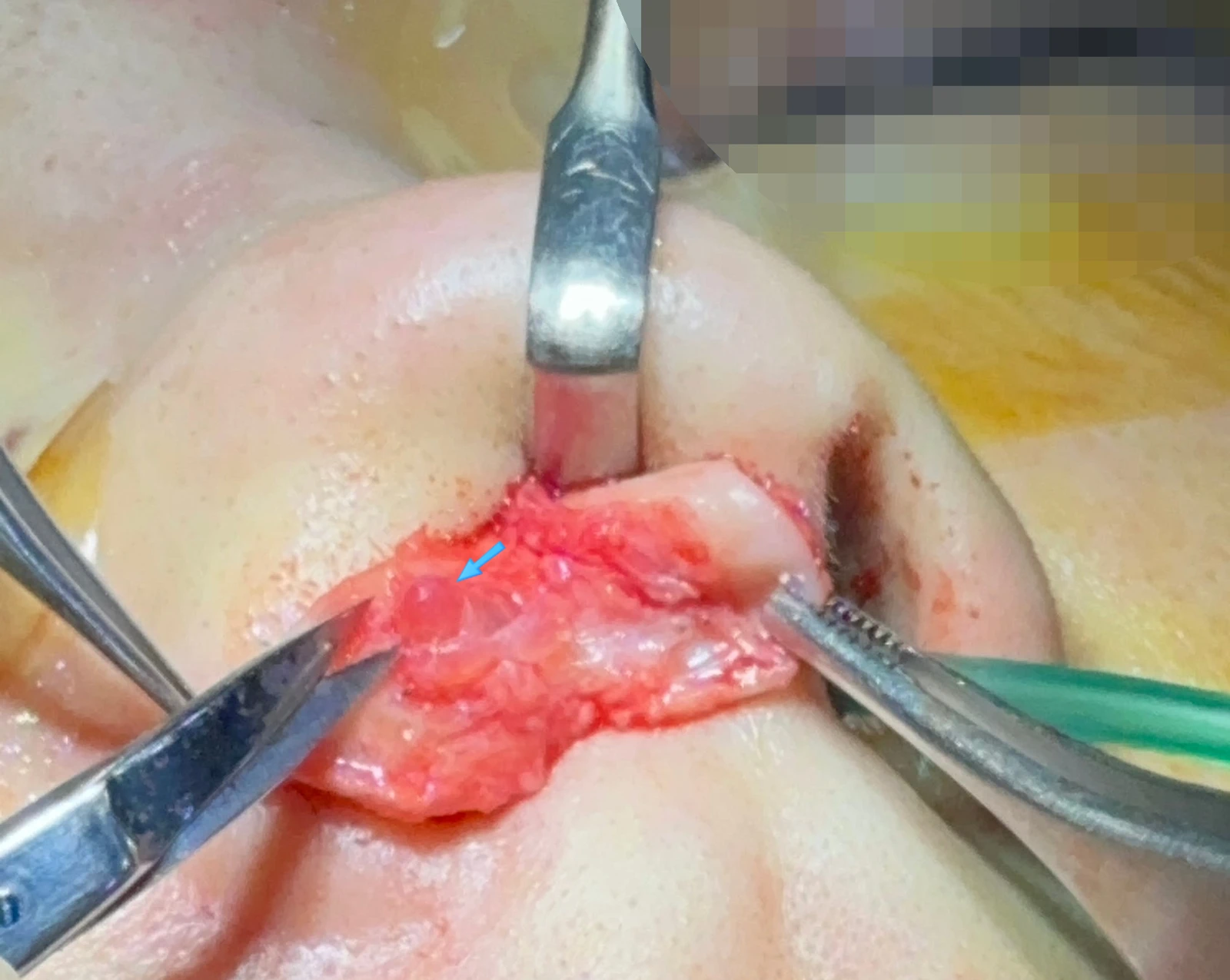
Photo of nasal tip filler
Careful removal of Hiko threads
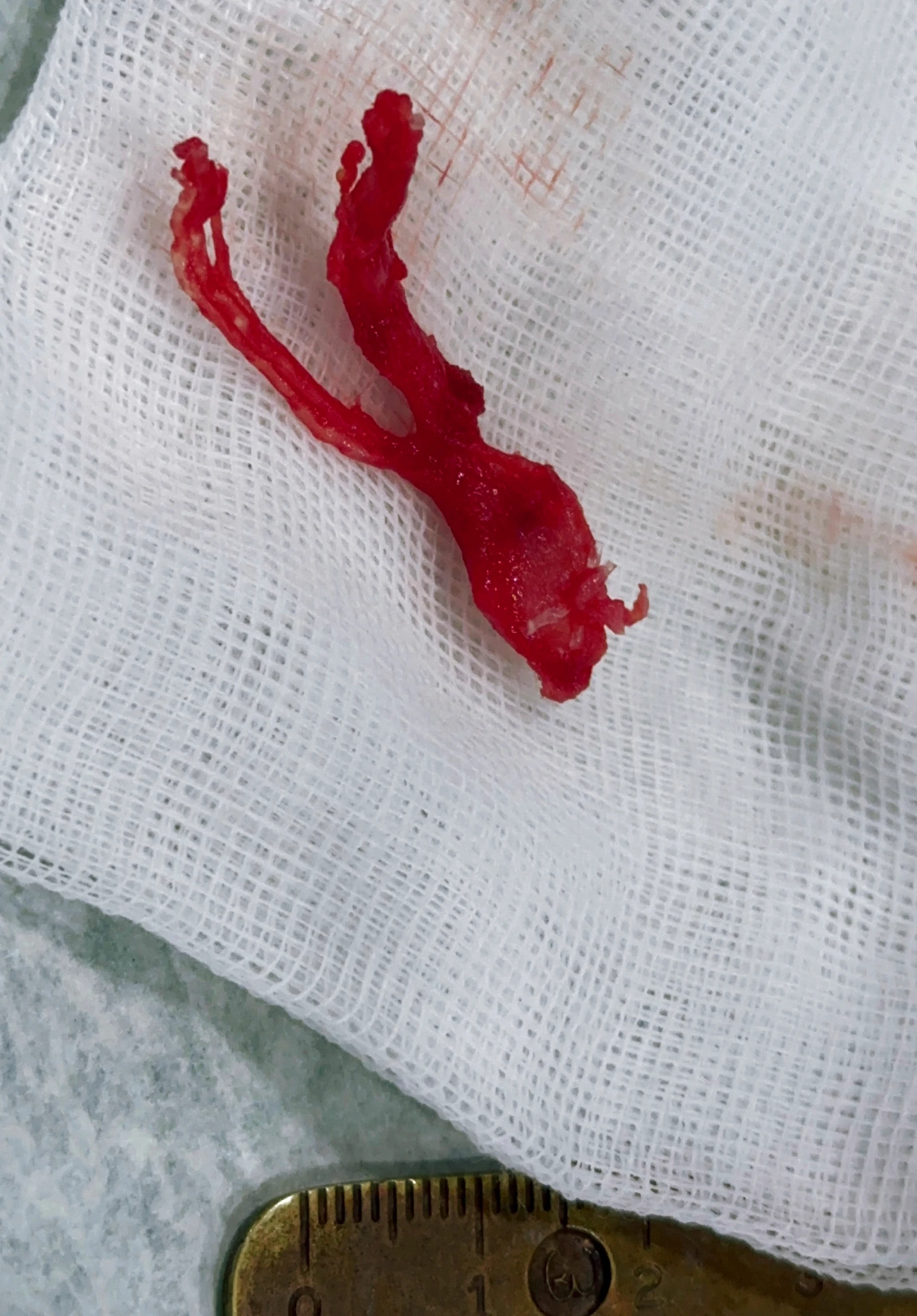
Removed Hiko threads
Evaluation of pre-existing materials
2. Shape improvement
Nasal tip elevation using donor rib cartilage and septal cartilage
Bulbous nose improvement (appropriate correction to improve satisfaction as explained during consultation)
Adjustment of columella position
3. Functional improvement
Septoplasty for deviated septum
Radiofrequency submucosal resection of the inferior turbinates
Improvement of nasal obstruction
✅ Surgical results
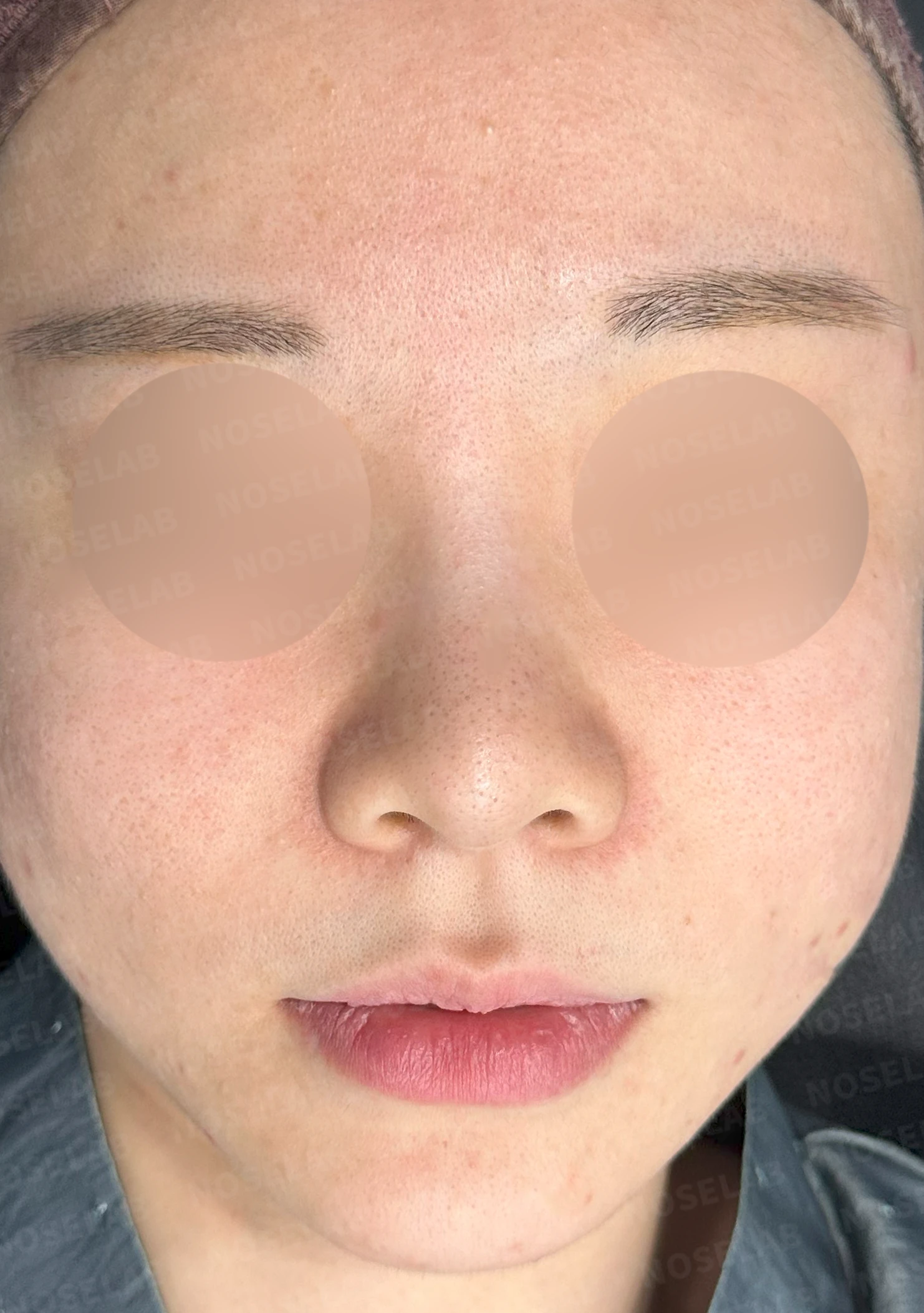
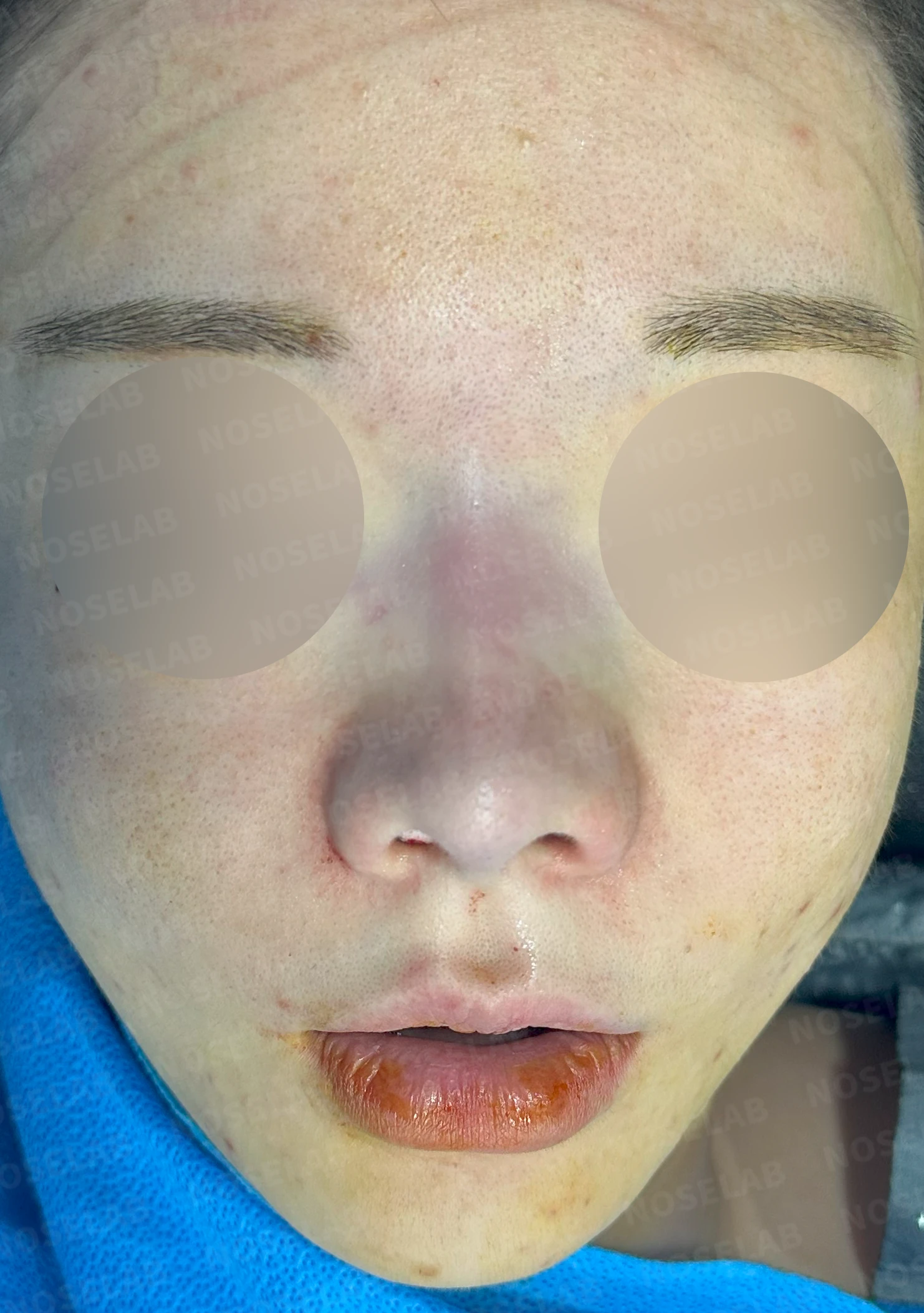
Before surgery / Day 0 immediately after surgery Photos taken immediately after surgery show swelling and may differ from the final result.
Front view
Improved bulbous appearance
Refined nasal shape
Natural elevation
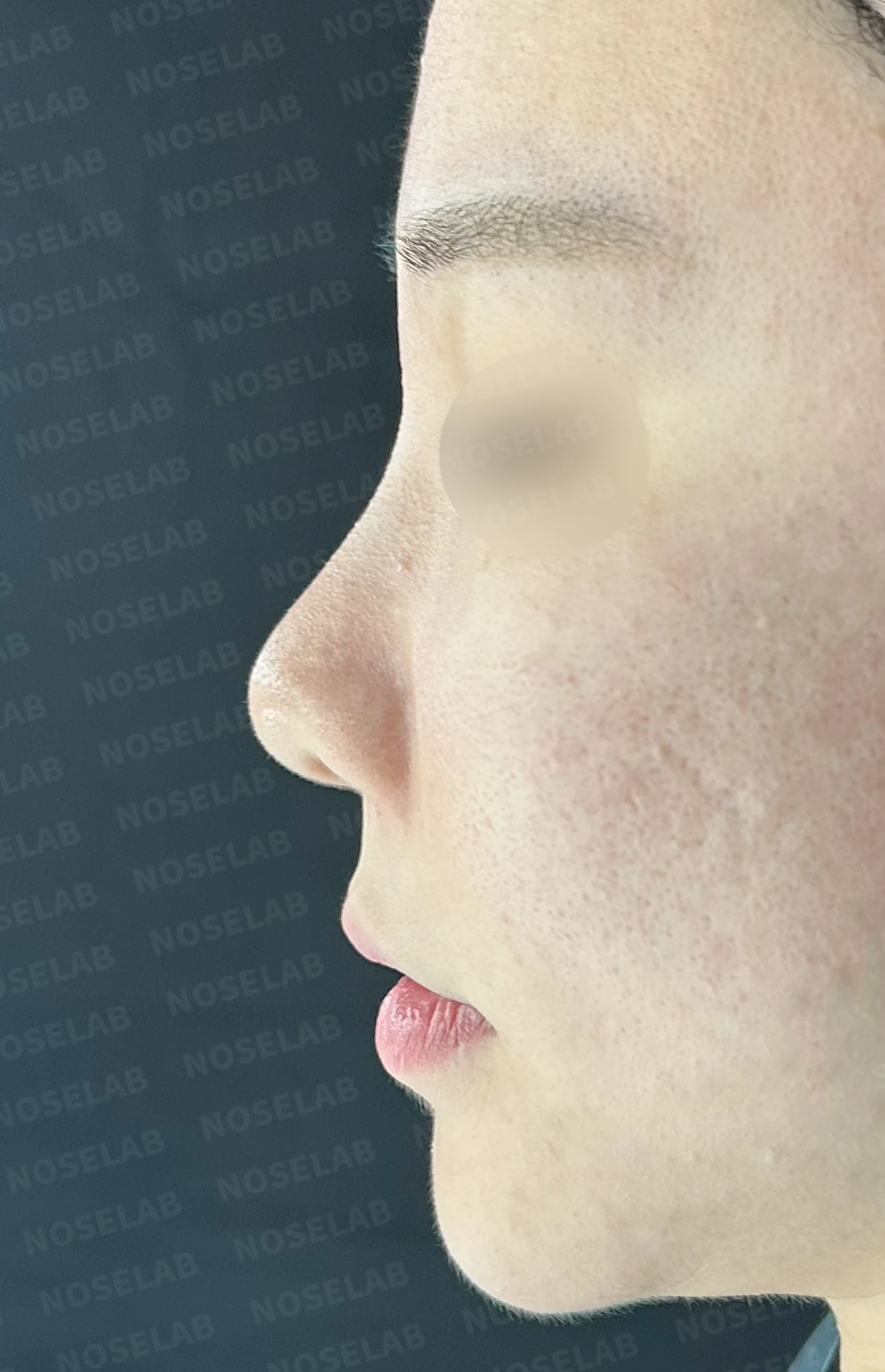
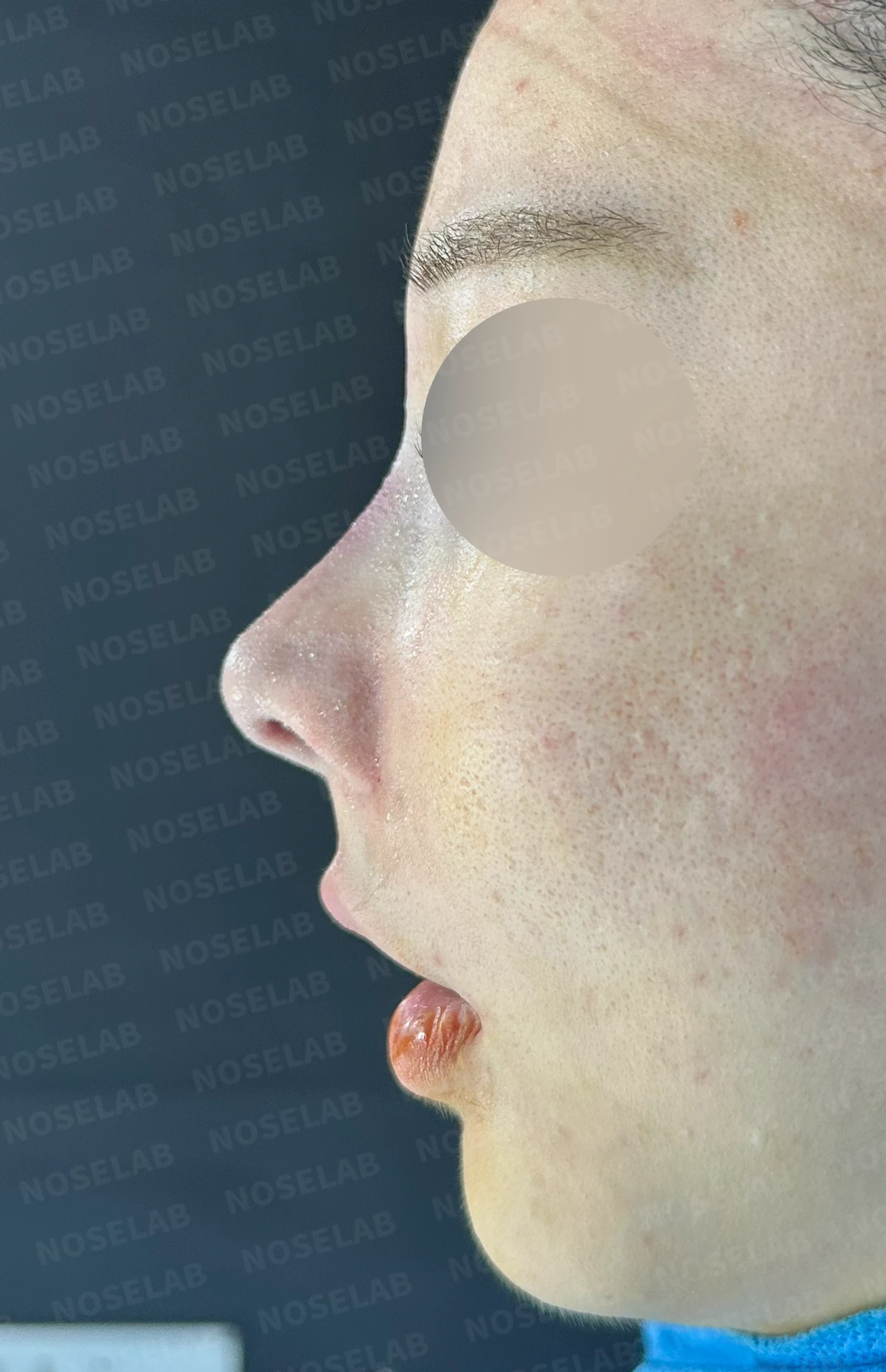
Before surgery / Day 0 immediately after surgery Photos taken immediately after surgery show swelling and may differ from the final result.
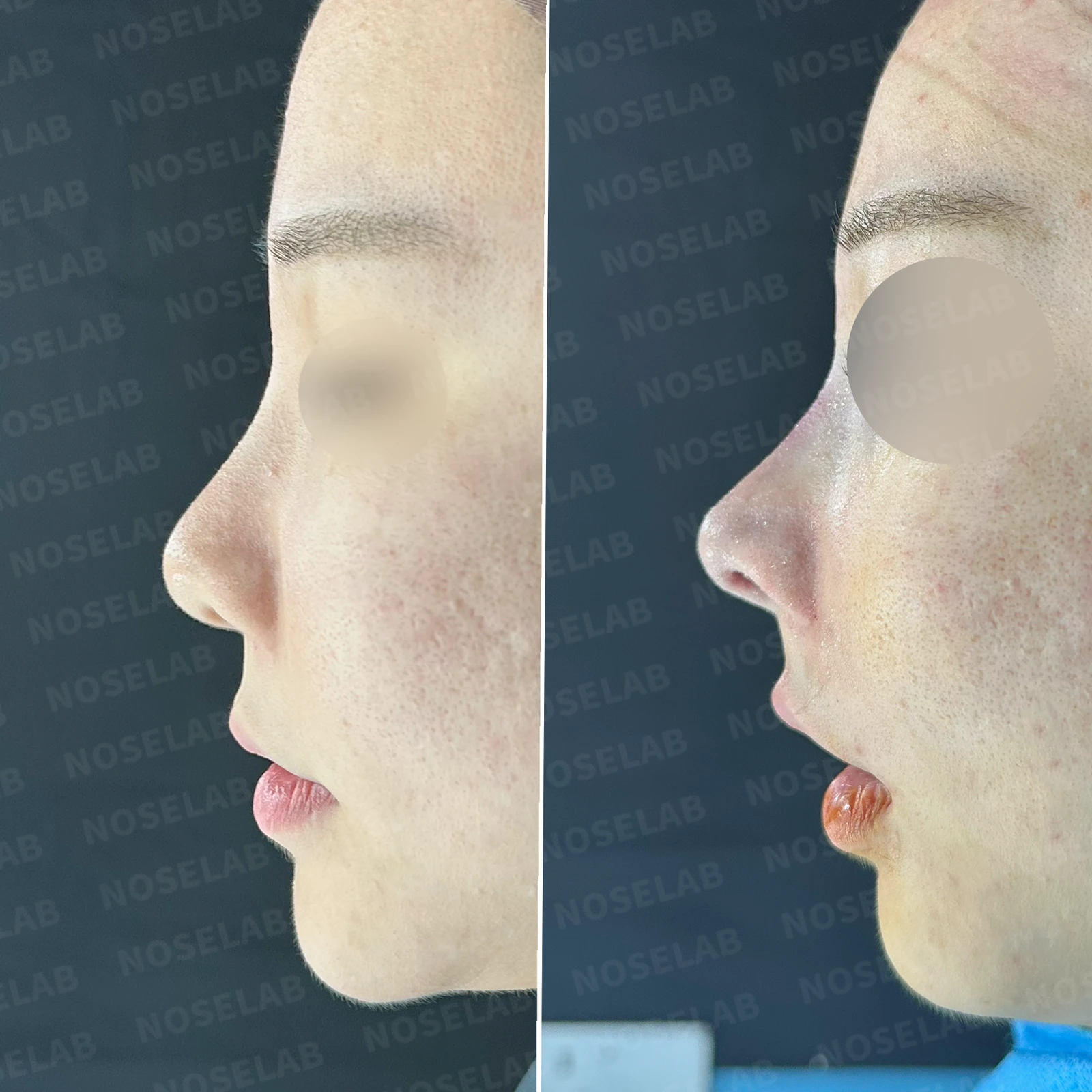
2. Profile view
Adequately elevated nasal tip
Naturally lowered columella
Improved nasolabial angle
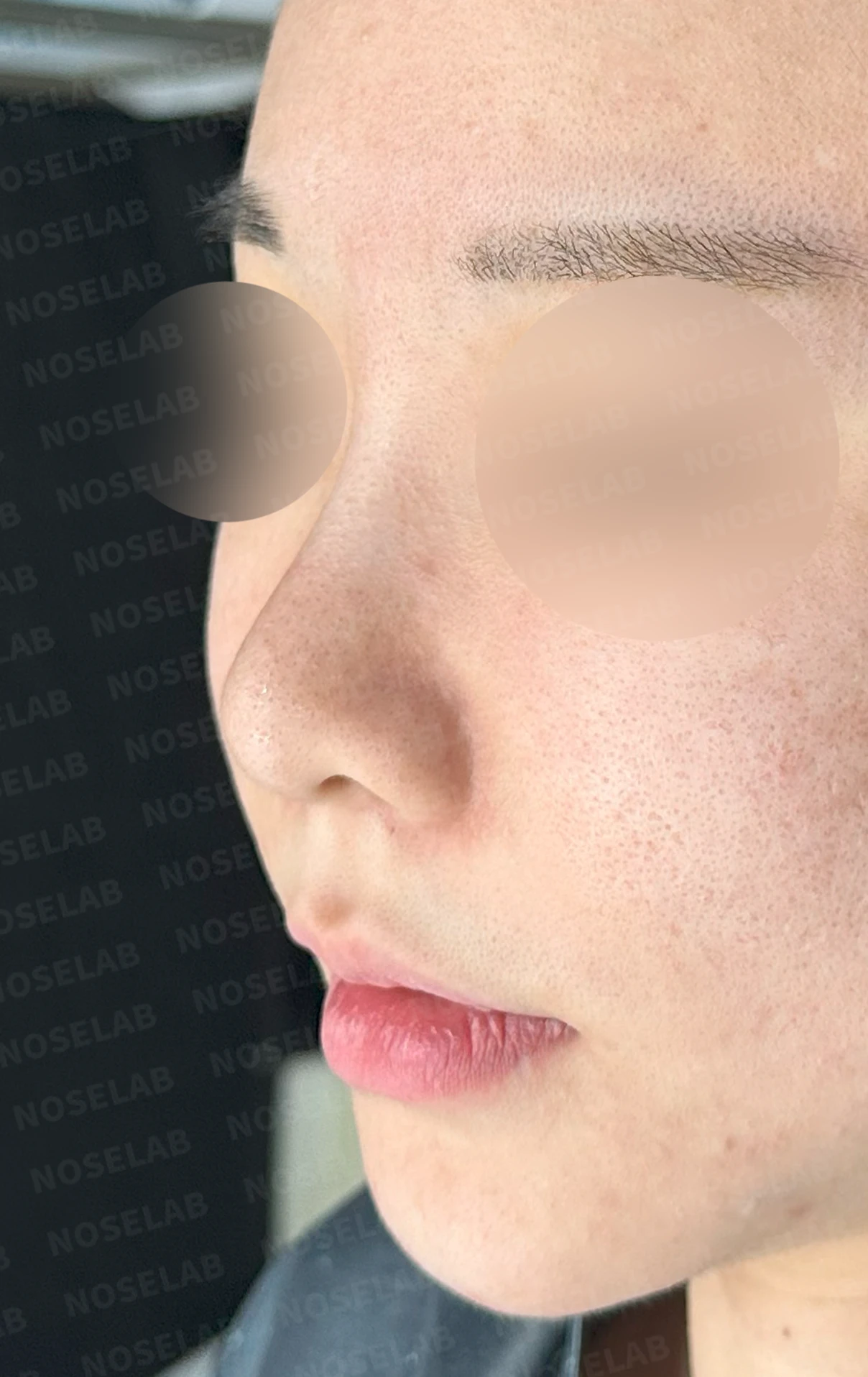
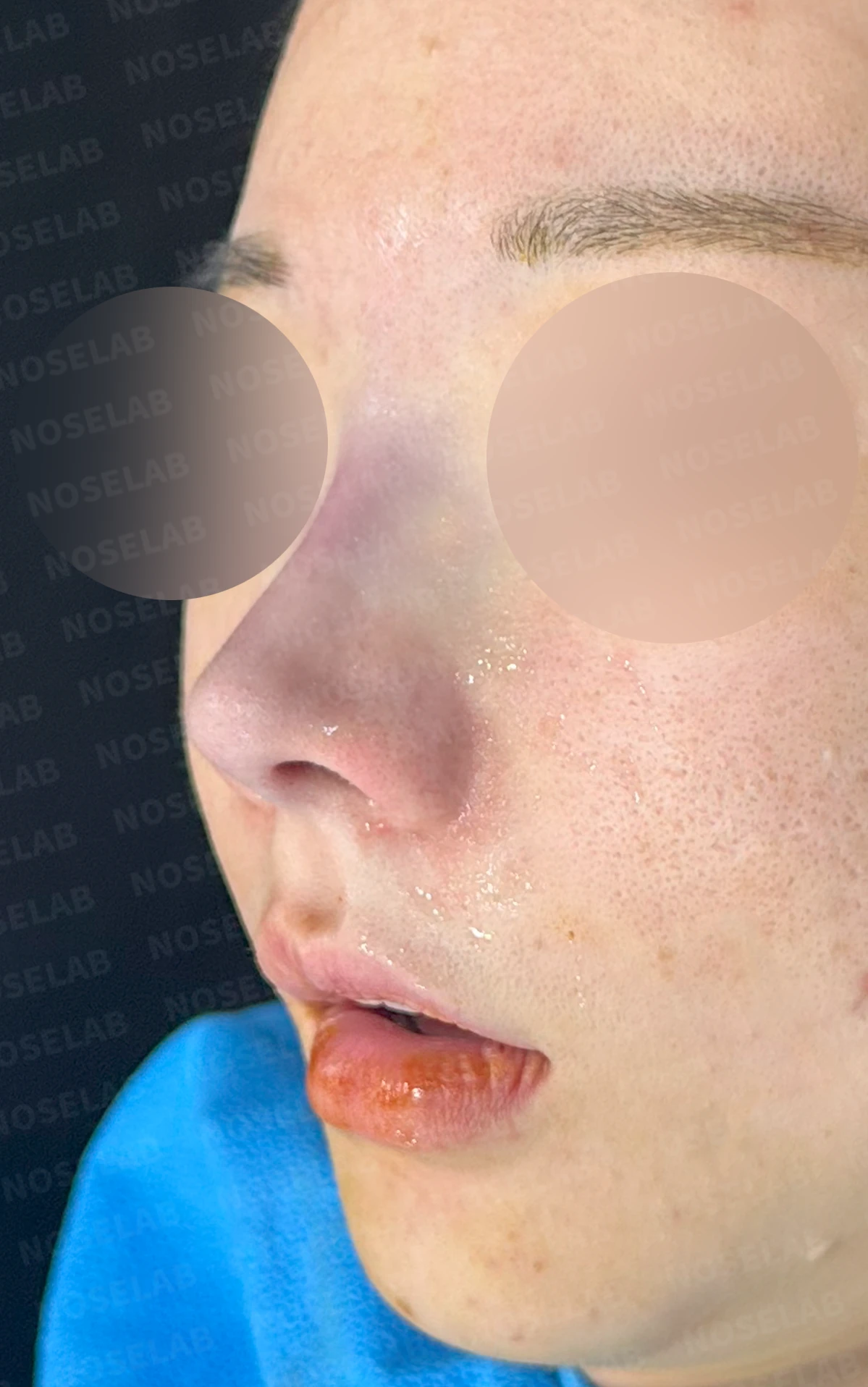
Before surgery / Day 0 immediately after surgery Photos taken immediately after surgery show swelling and may differ from the final result.
3. Function
Relief of nasal obstruction
Stable internal structural support
Improved breathing
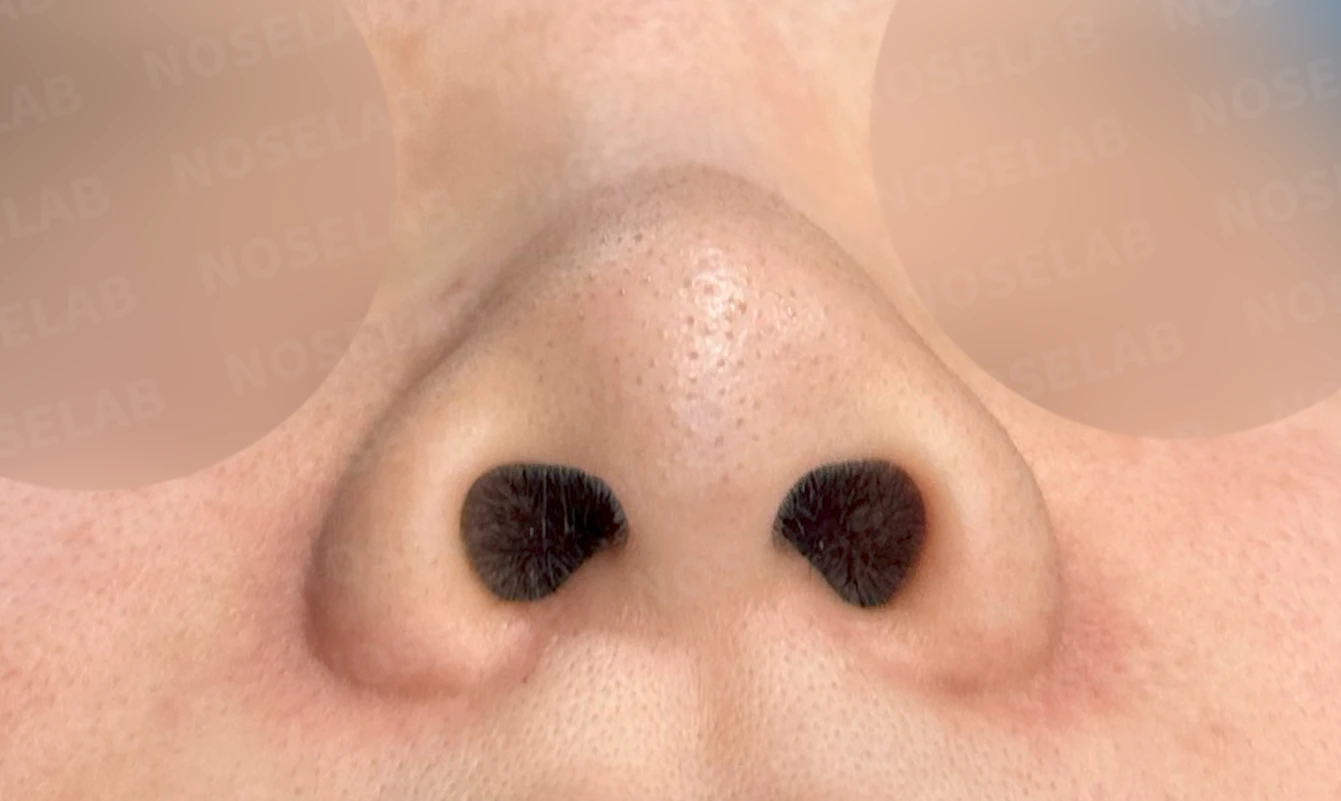
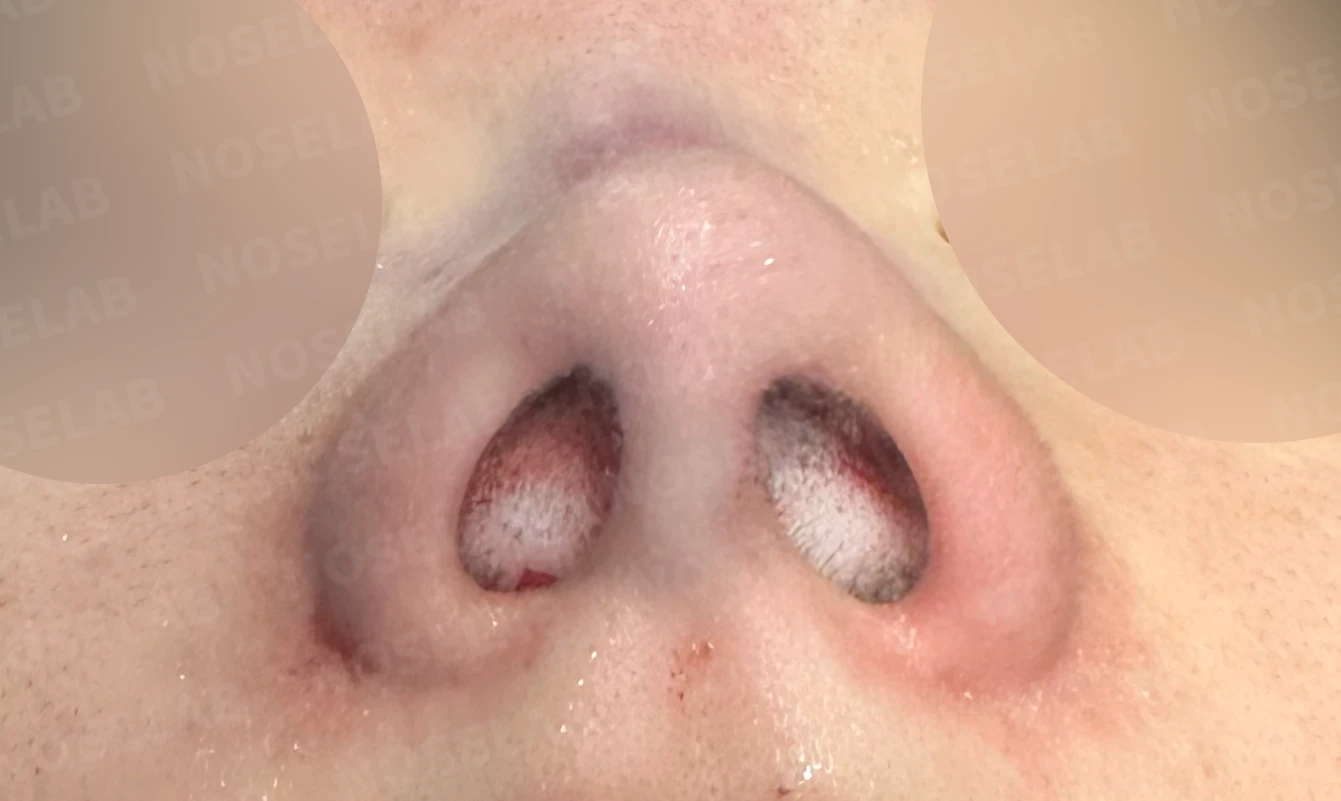
Before surgery / Day 0 immediately after surgery Photos taken immediately after surgery show swelling and may differ from the final result.
👨⚕️ Specialist's assessment
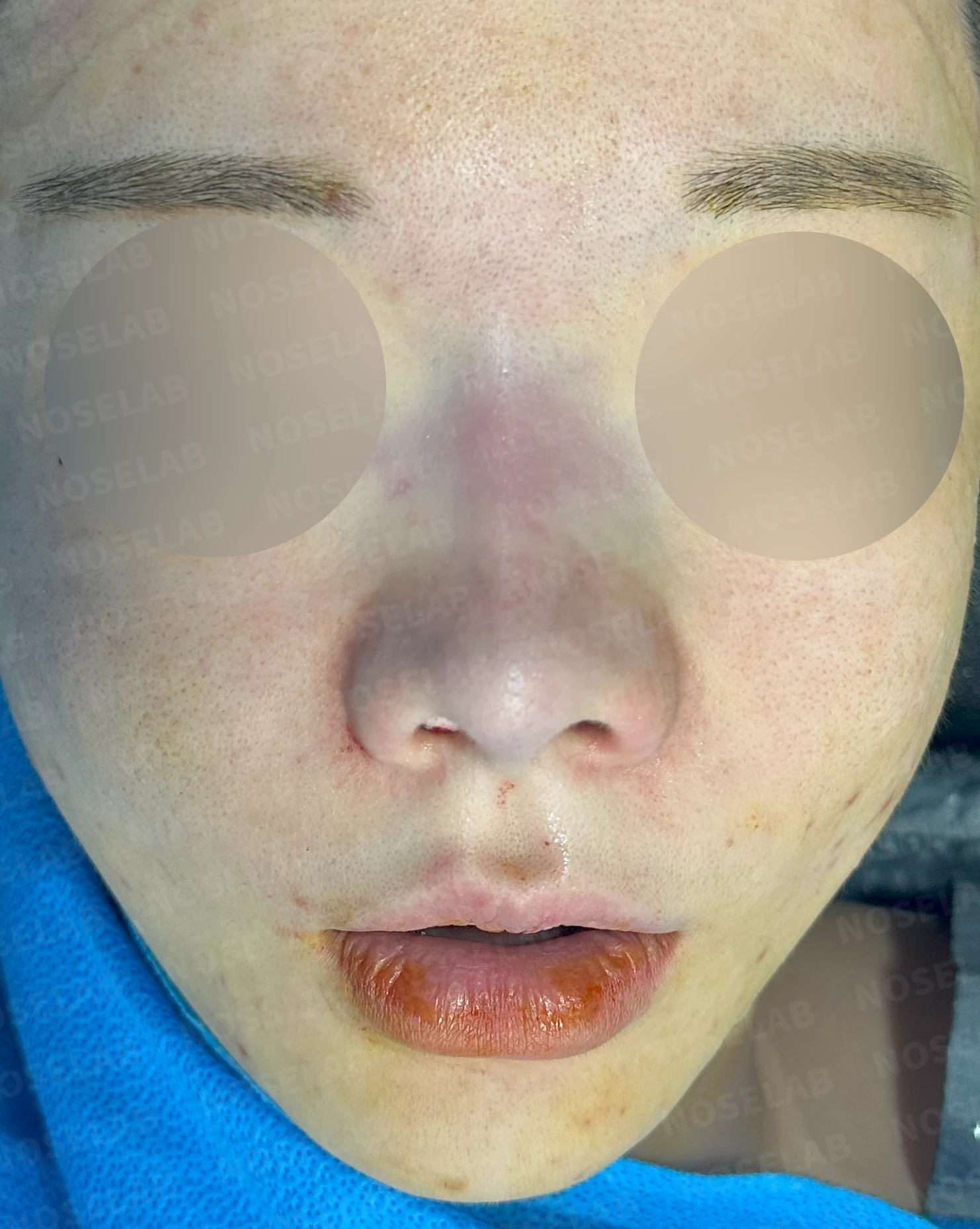
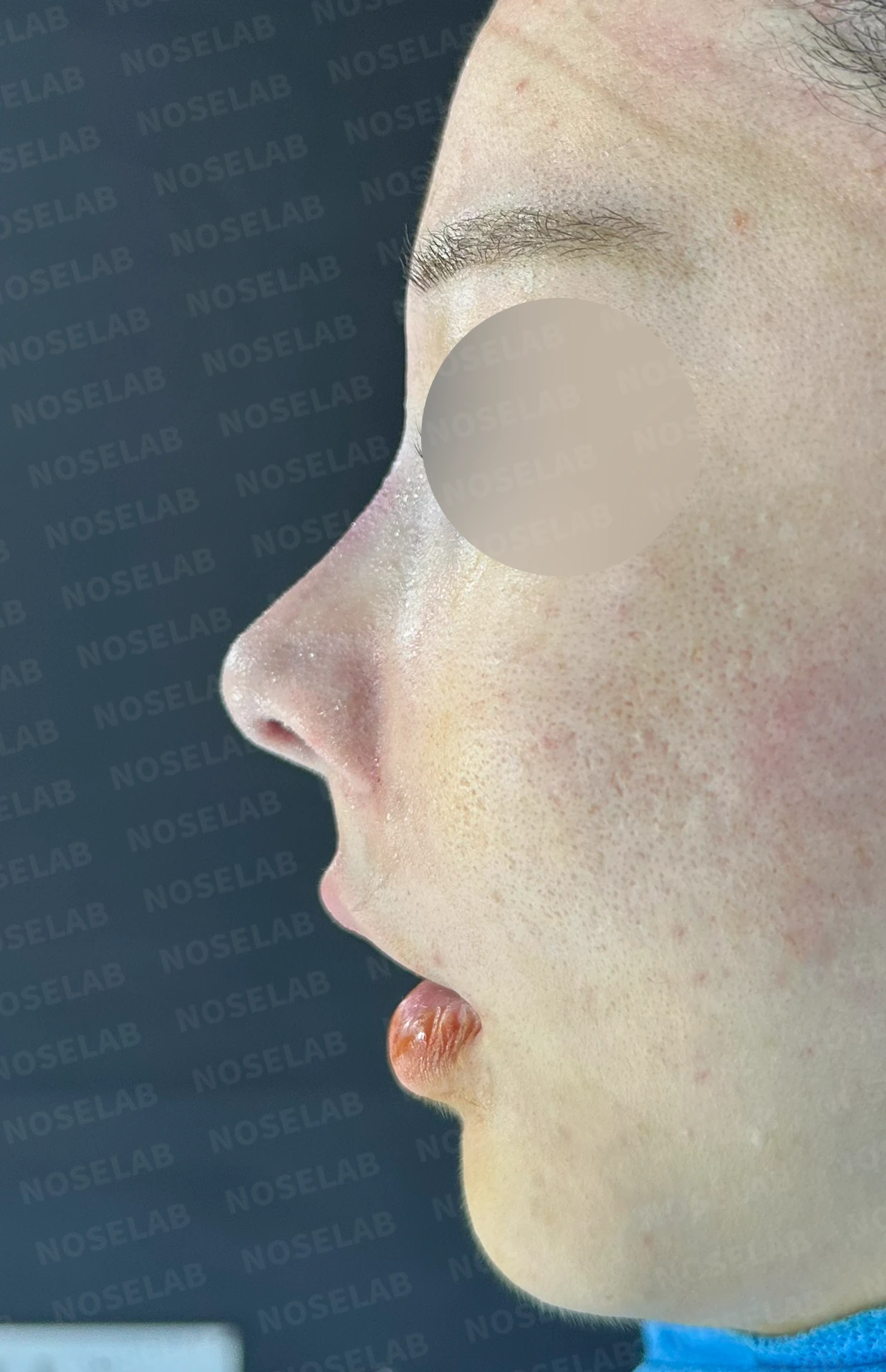
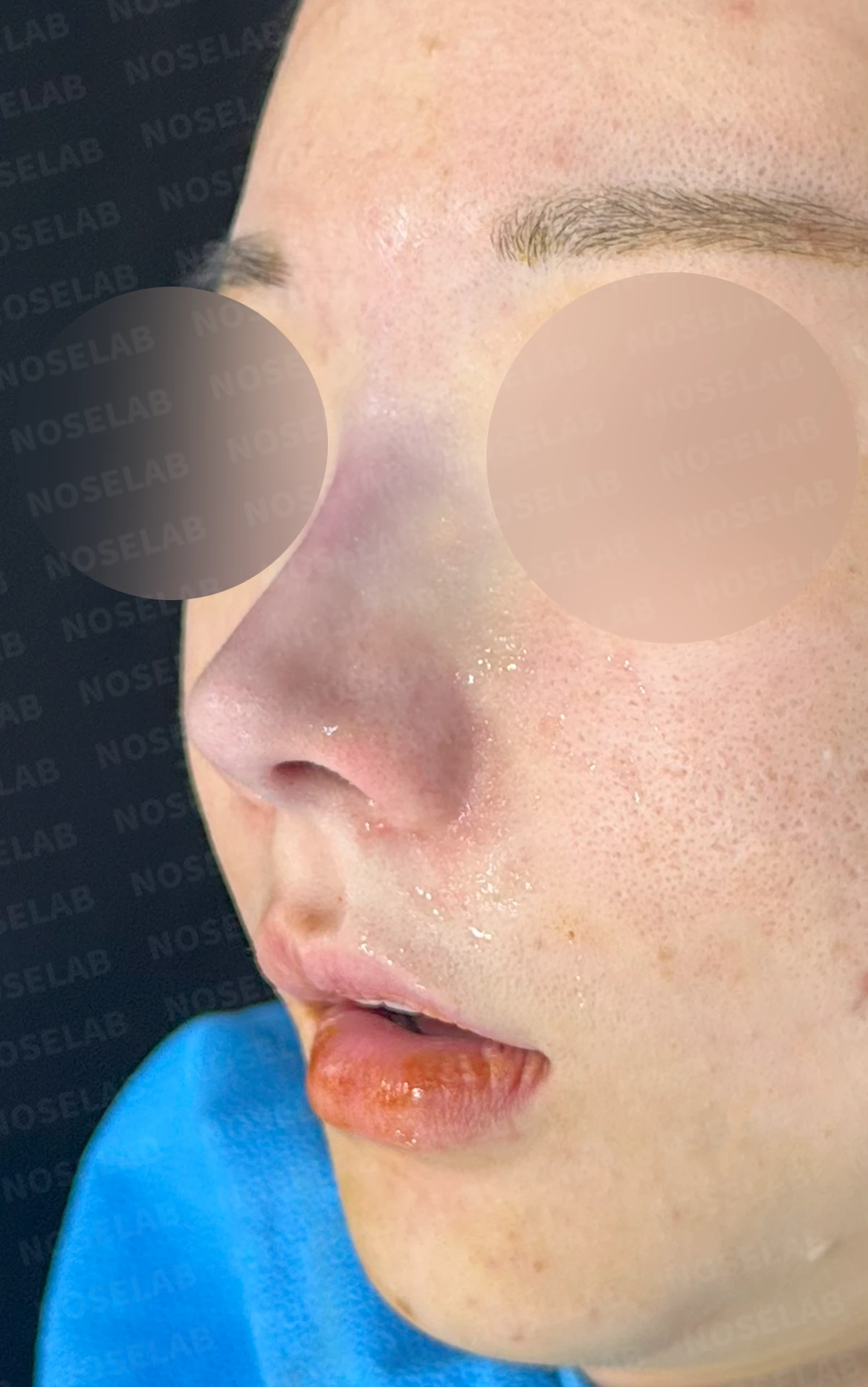
Front, profile, and oblique views immediately after surgery on day 0 Photos taken immediately after surgery show swelling and may differ from the final result.
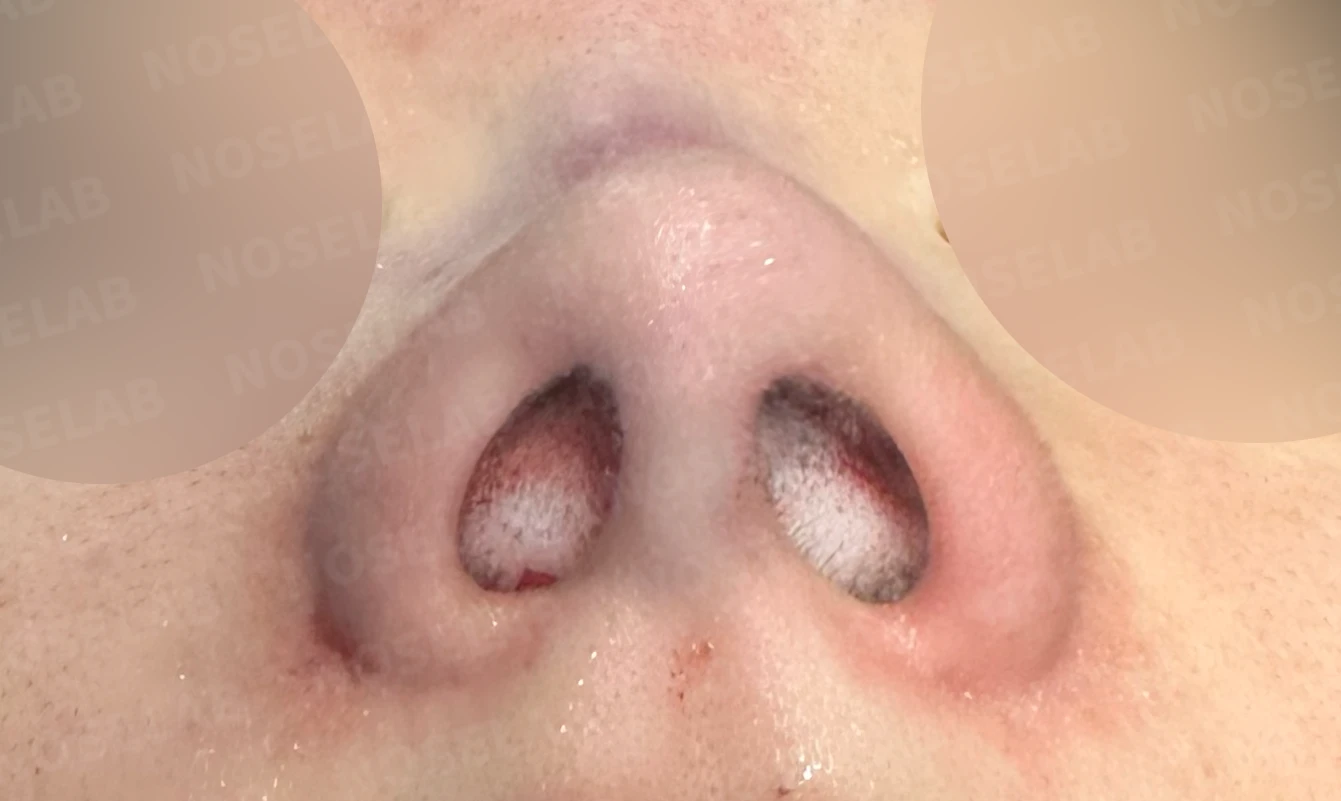
Nostril view on day 0 immediately after surgery Photos taken immediately after surgery show swelling and may differ from the final result.
This was a case where the patient sought more natural results through rhinoplasty 1 year after undergoing Hiko thread and filler procedures. During the pre-surgery consultation, I explained that bulbous nose correction might yield lower satisfaction if kept entirely subtle, and we carried out an appropriate correction taking the patient's requests into account.
Using donor rib cartilage and septal cartilage, the bulbous nasal tip was refined, and the natural 1-2 mm height increase requested by the patient was achieved. As the columella was appropriately lowered, the nasolabial angle also improved naturally, which in turn helped diminish the appearance of a protruding mouth.
This was Dr. Peter C. Kang. Thank you.
Thank you.
#closedrhinoplasty #revisionrhinoplasty #hikoremoval #bulbousnosecorrection #customrhinoplasty

Limitations and risks
When using donor rib cartilage, long-term follow-up is necessary because the grafted cartilage may resorb or warp.
When revising after implant removal, contracture may progress again after removal, the nasal height and length may decrease, and staged surgery may be necessary depending on the skin condition.
When foreign materials such as injected fillers are removed and reconstructed, contracture may recur, nasal height and length may decrease, and staged surgery may be necessary depending on the skin condition.
When the septum is corrected at the same time, nasal obstruction may persist or recur, and in rare cases, septal perforation or changes in smell may occur.
Common potential risks include infection, bleeding, asymmetry, scarring, skin necrosis, and insufficient improvement; results vary depending on individual skin condition and previous surgical history.