Hello, I am Dr. Peter C. Kang.
Today, I would like to share the case of a patient who underwent surgery for a straight bridge line to improve a bulbous nose and a blunt nasal tip.
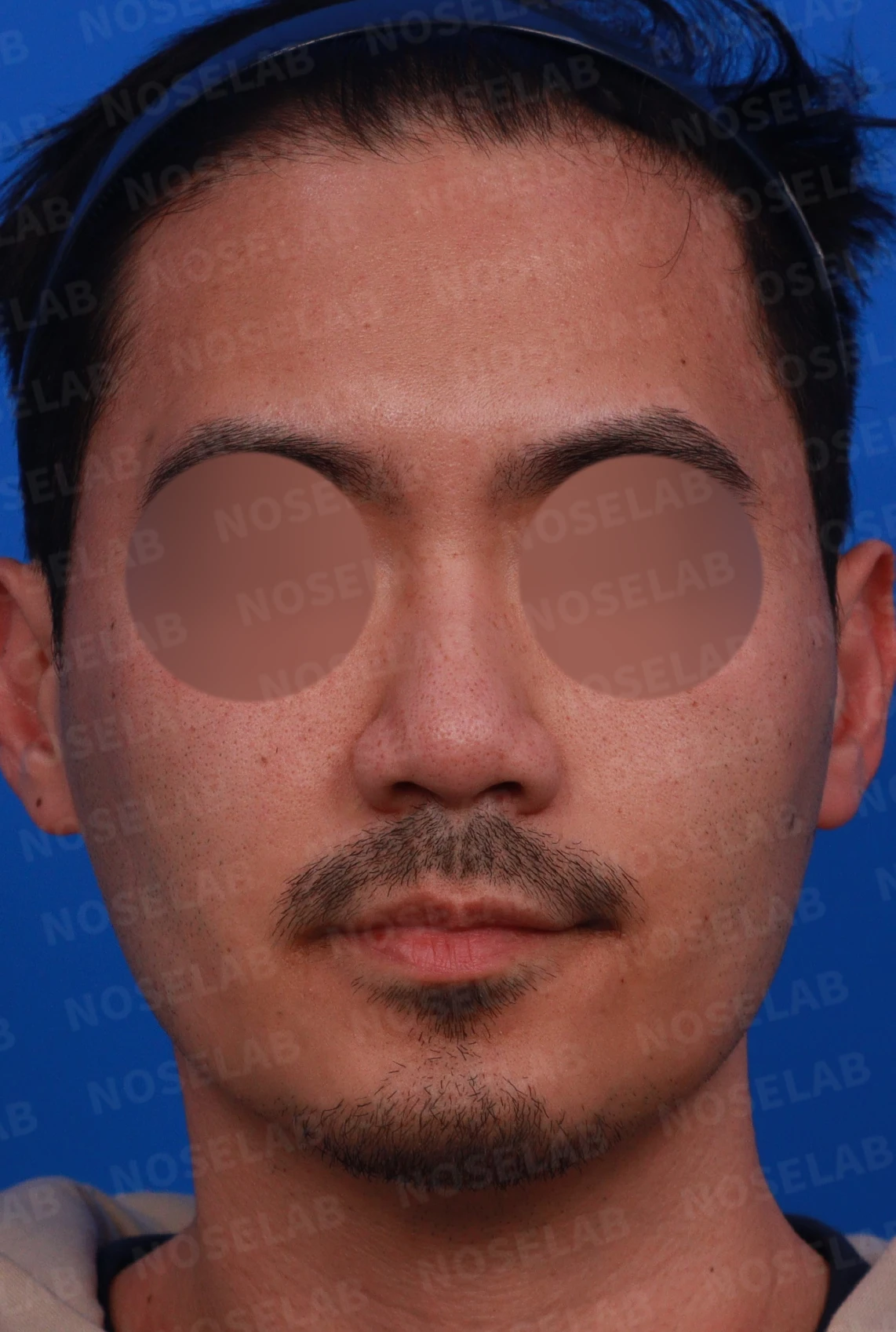
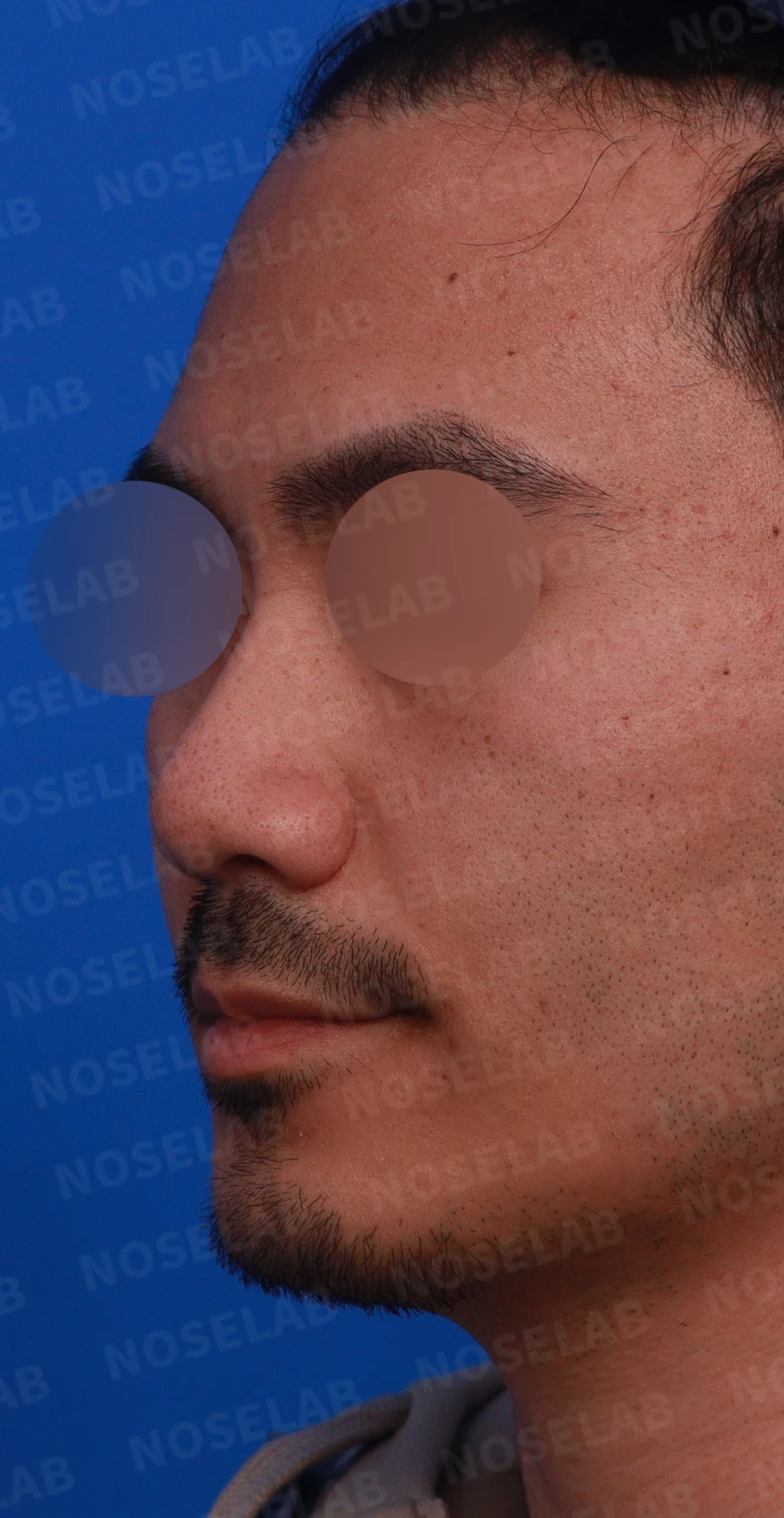
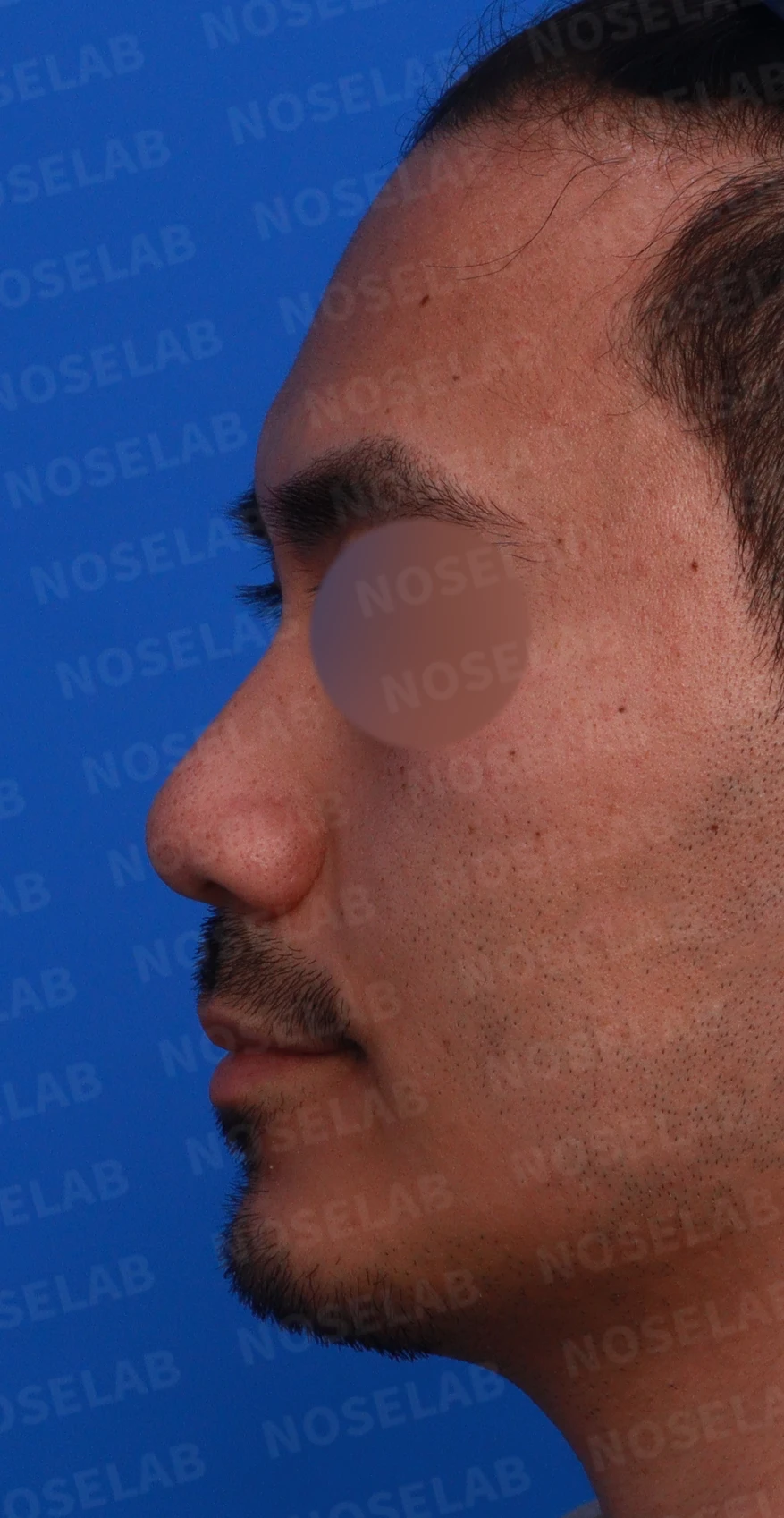
Front, left profile, and oblique views during design consultation
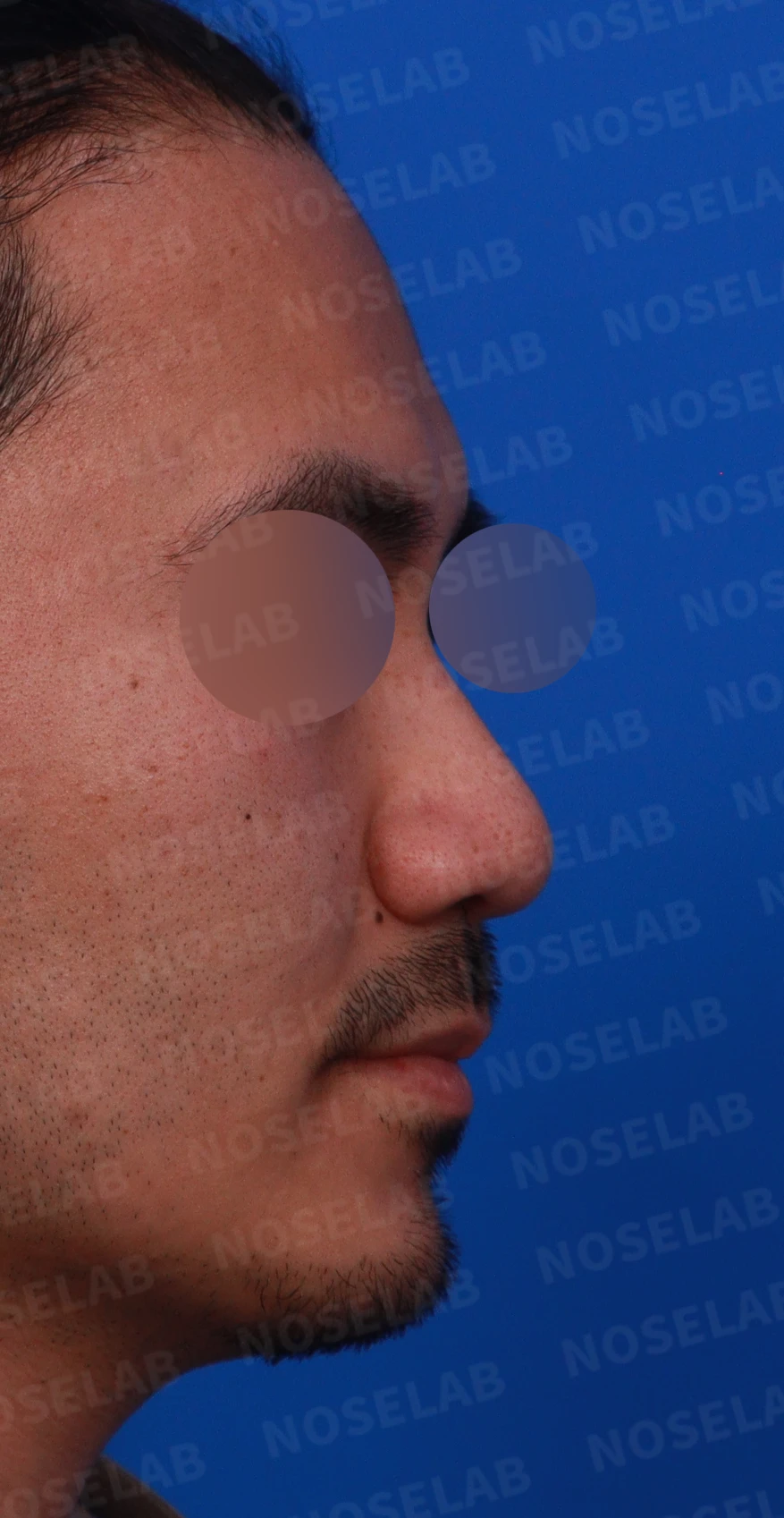
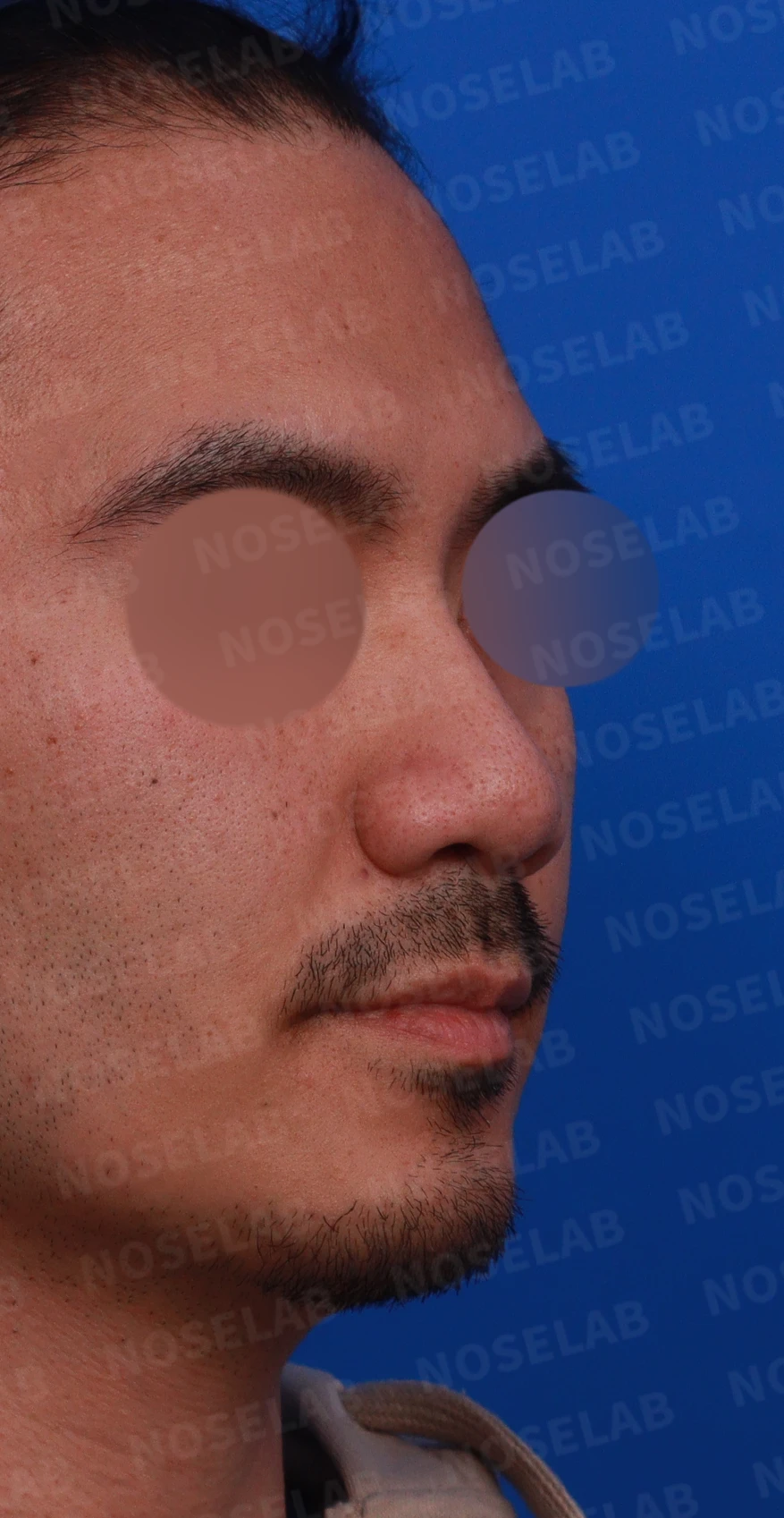
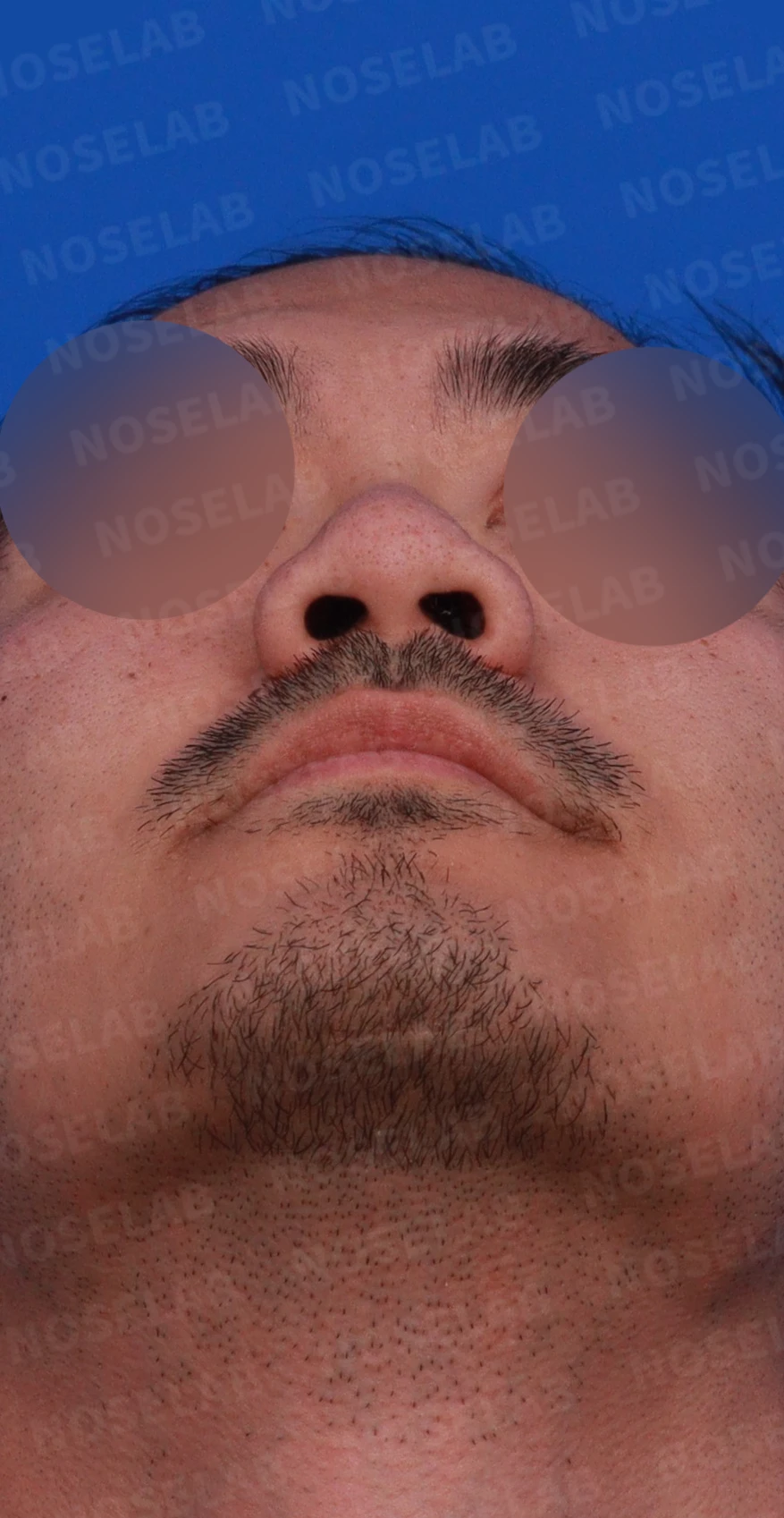
Right profile, oblique, and nostril views during design consultation
📍 Initial consultation findings
Front view
Blunt and broad nasal tip
Nostril asymmetry
Bulbous nose shape
2. Profile view
Drooping tip
Protruding mouth observed
Low radix
3. Nostrils
Nostril asymmetry
Columella deviated to the right
✨ Patient's requests
Improvement of bulbous nose
Creating a straight bridge line
A nasal tip that is not overly sharp
Avoiding an upturned nose
Improvement of nasal obstruction
💉 Surgical procedure details
Structural improvement
Bulbous nose correction
Creating a straight bridge line
Correction of tilted columella
2. Shape improvement
Refining a blunt nasal tip
Correction of the nasolabial angle
Securing overall balance
3. Functional improvement
Septoplasty
Radiofrequency laser submucosal resection of the inferior turbinate
Improvement of nasal obstruction
✅ Surgical results
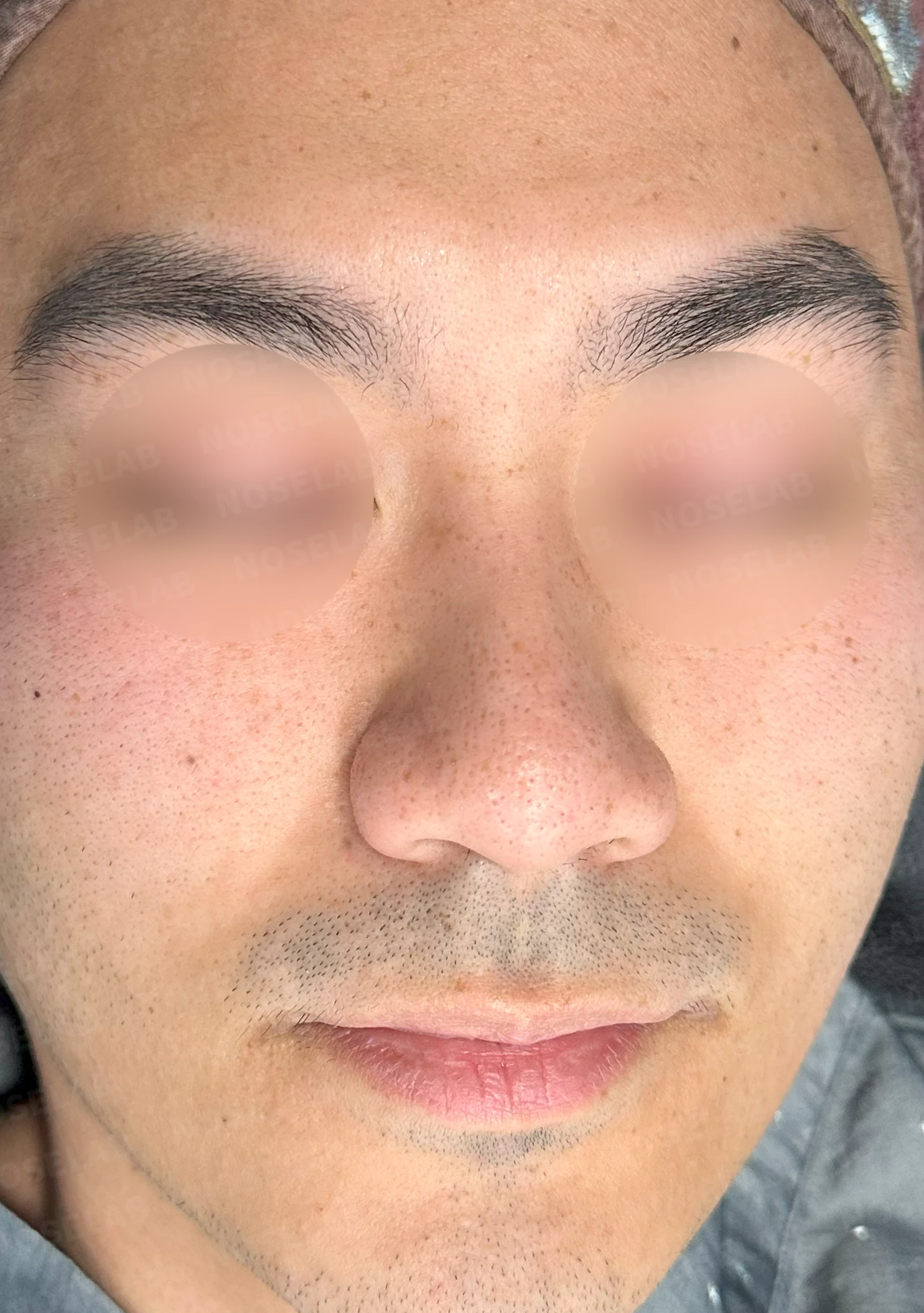
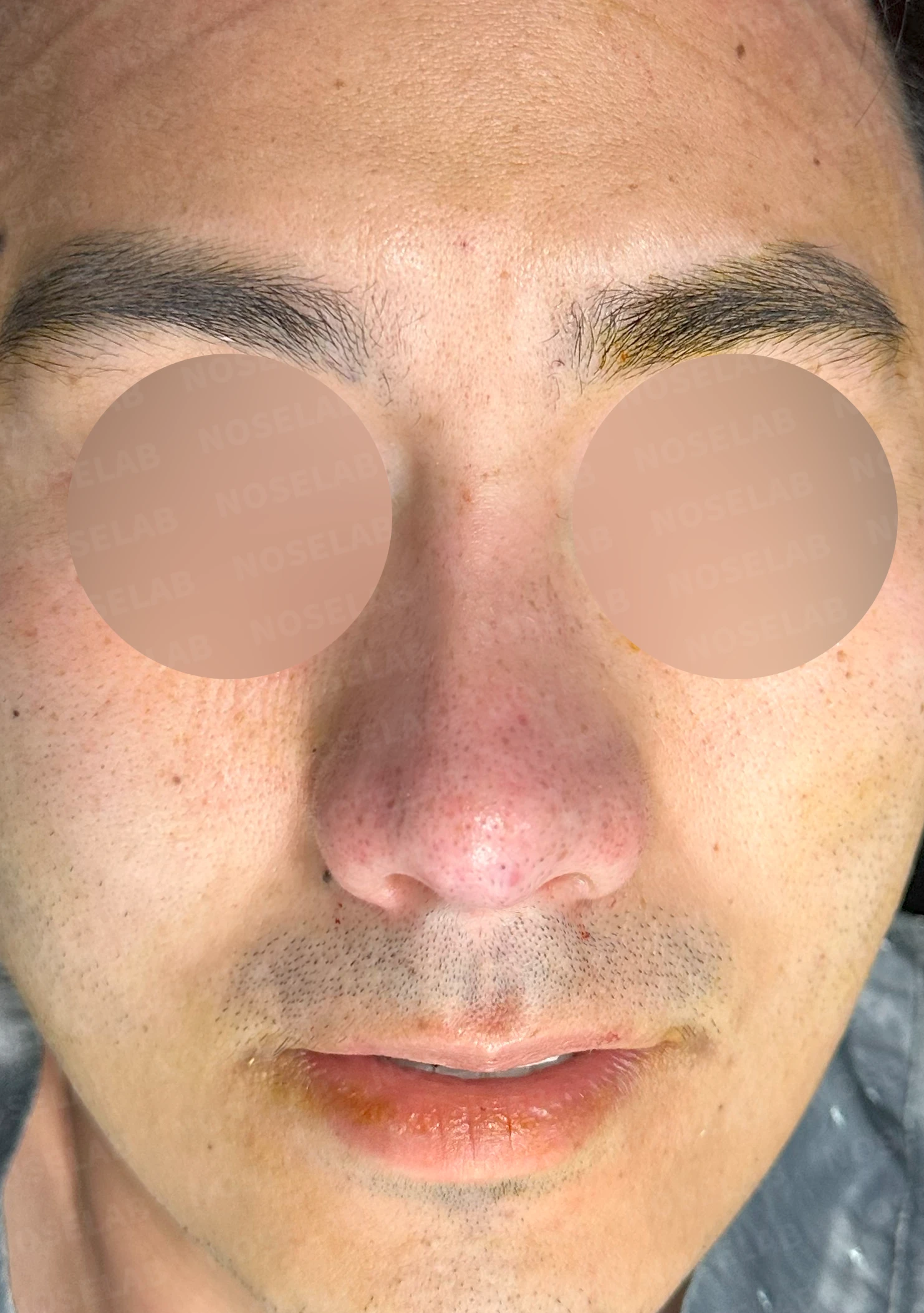
Before surgery / Day 0 immediately after surgery Photos taken immediately after surgery show swelling and may differ from the final result.
Front view
Improved bulbous tip shape
Refined nasal tip
Natural width
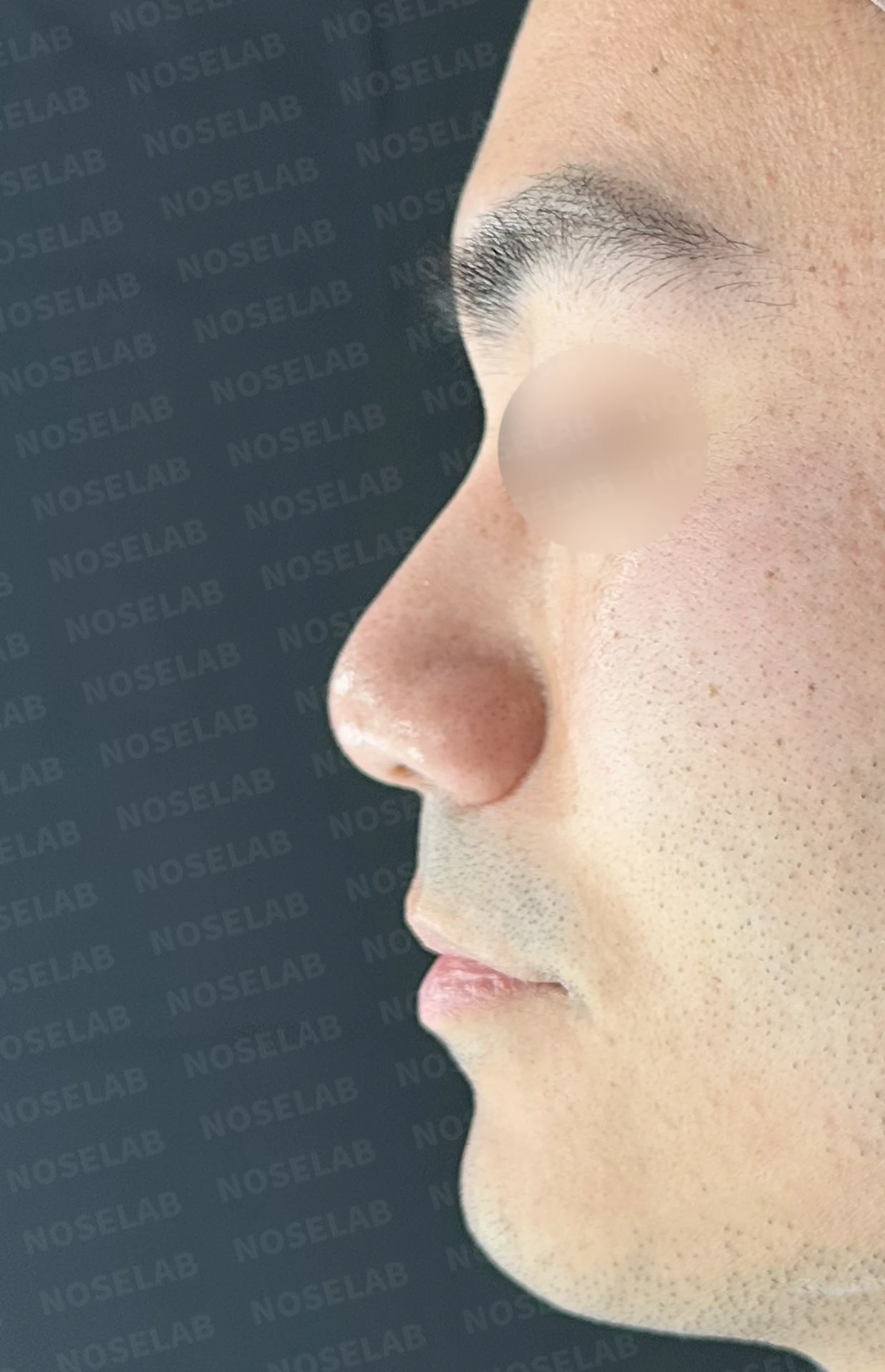
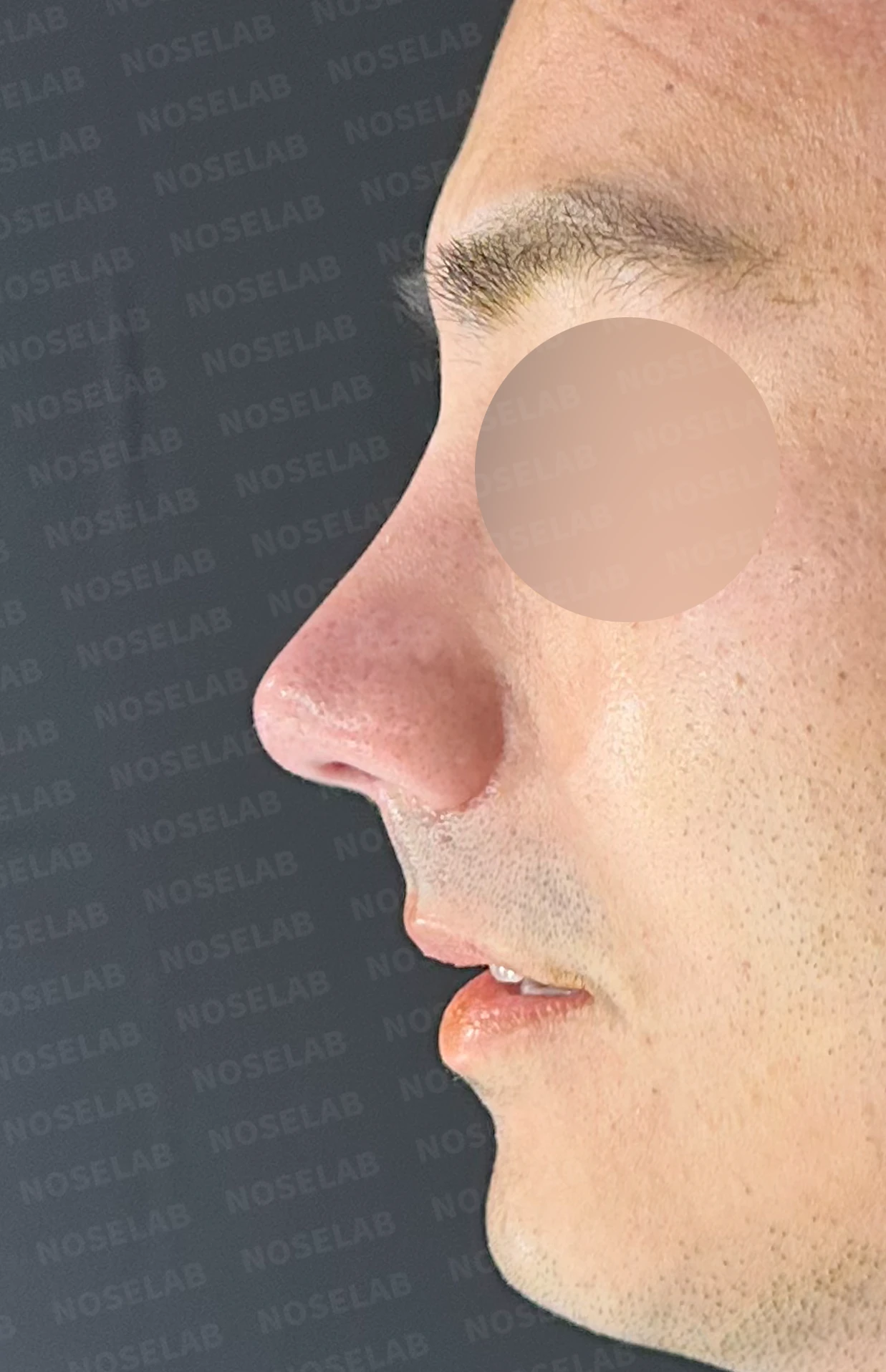
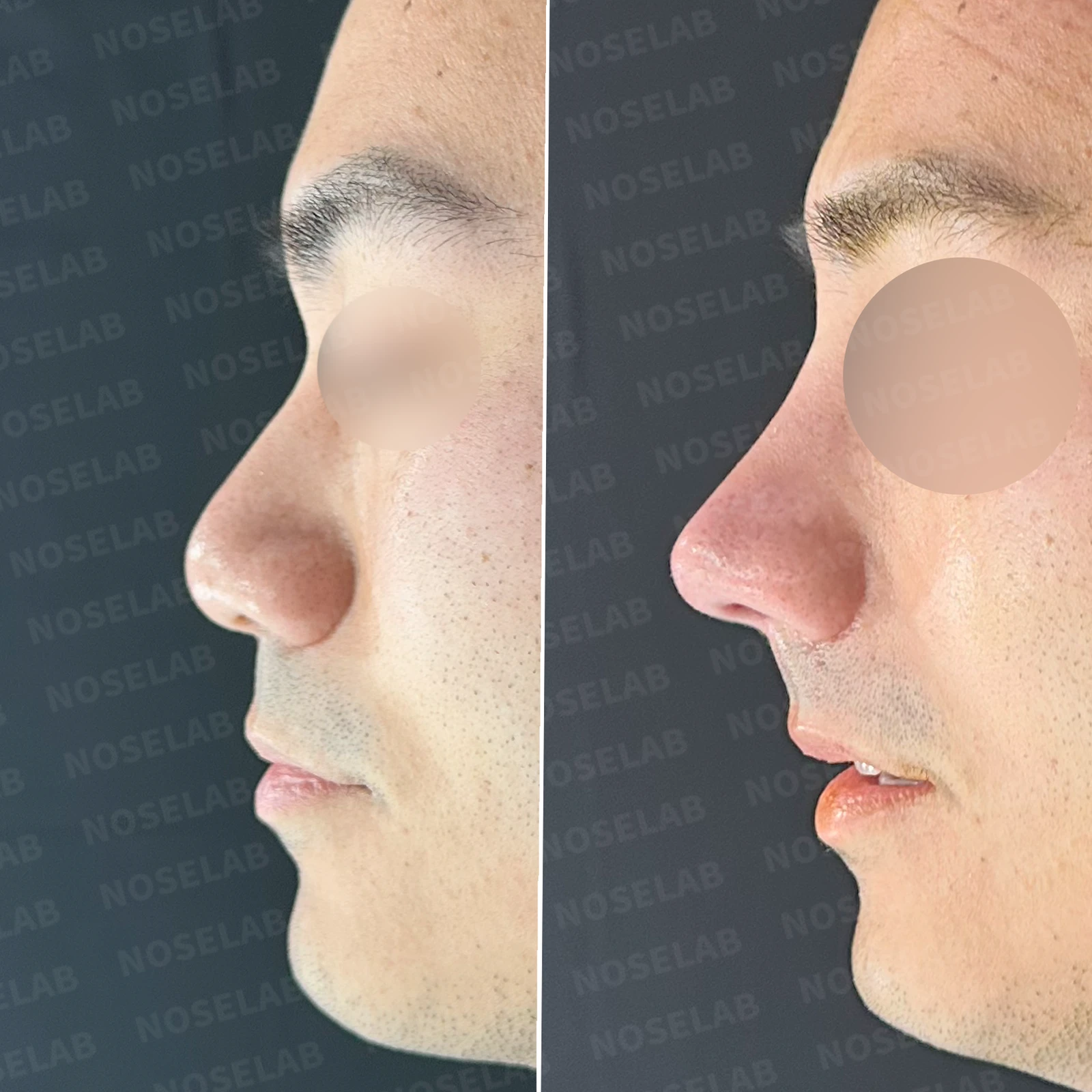
Before surgery / Day 0 immediately after surgery Photos taken immediately after surgery show swelling and may differ from the final result.
2. Profile view
Creation of a masculine straight bridge line
Relief of a protruding mouth by improving the nasolabial angle
Harmonious overall profile line
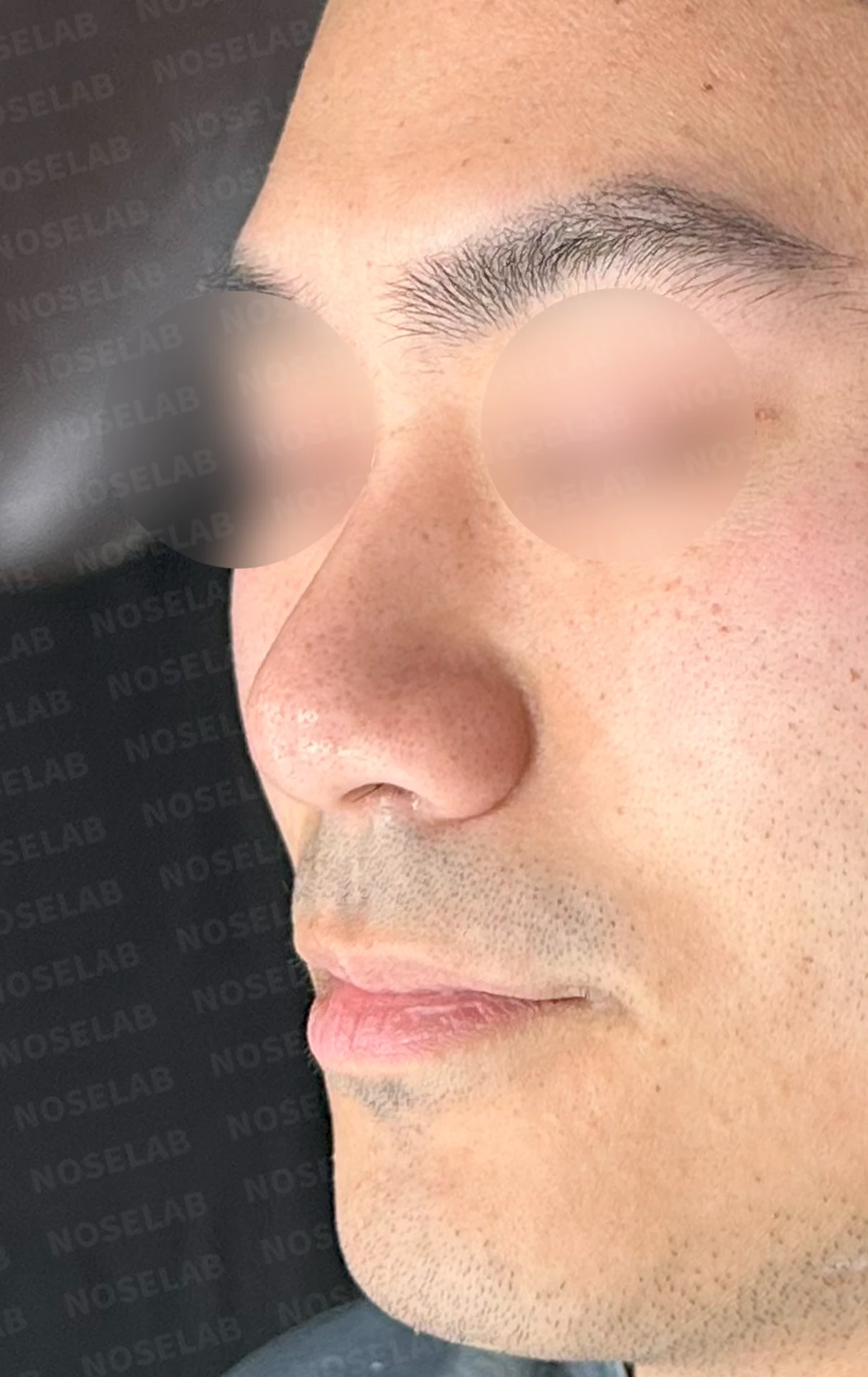
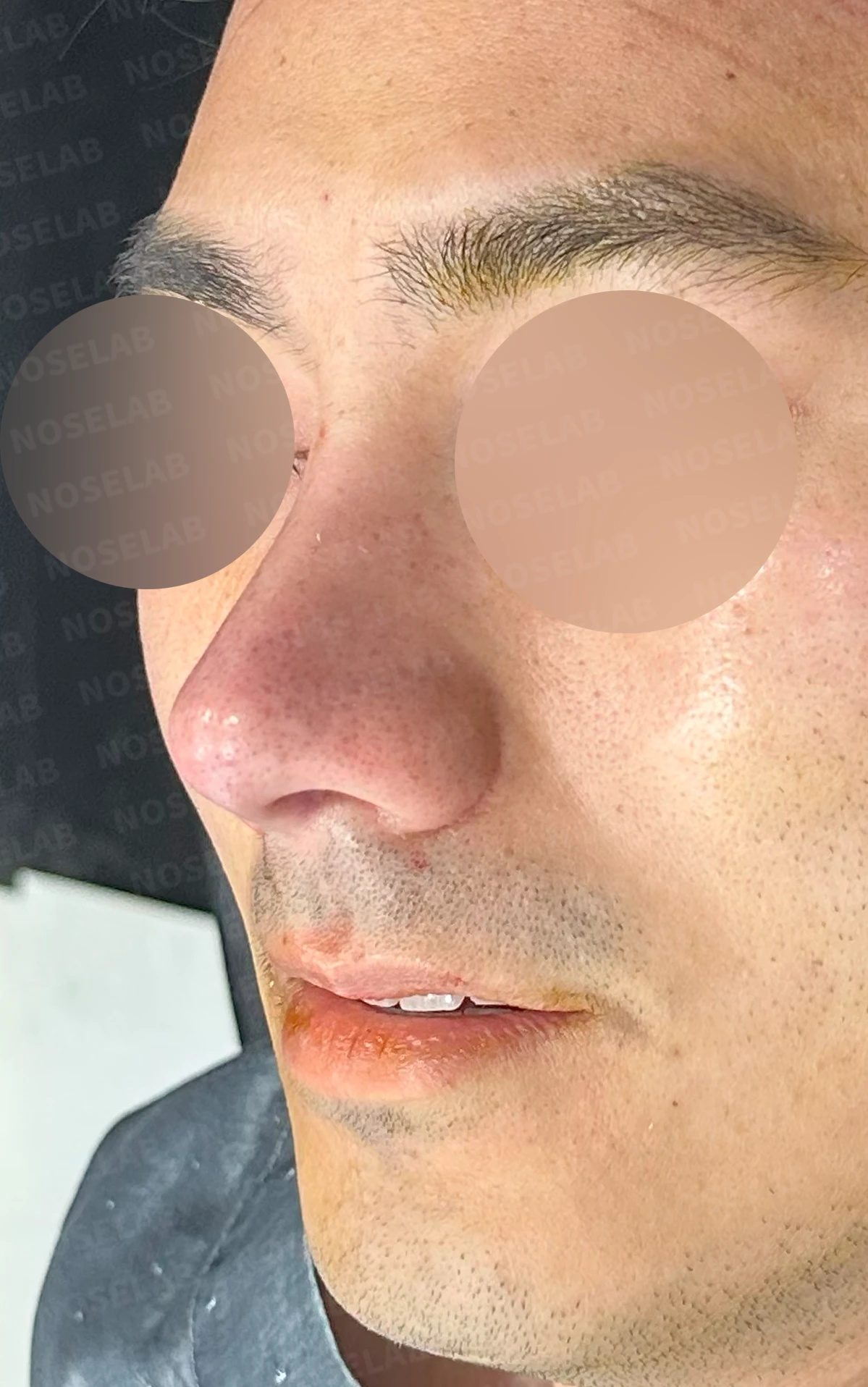
Before surgery / Day 0 immediately after surgery Photos taken immediately after surgery show swelling and may differ from the final result.
3. Nostrils
Improved nostril symmetry
Straightened columella
Balanced overall structure
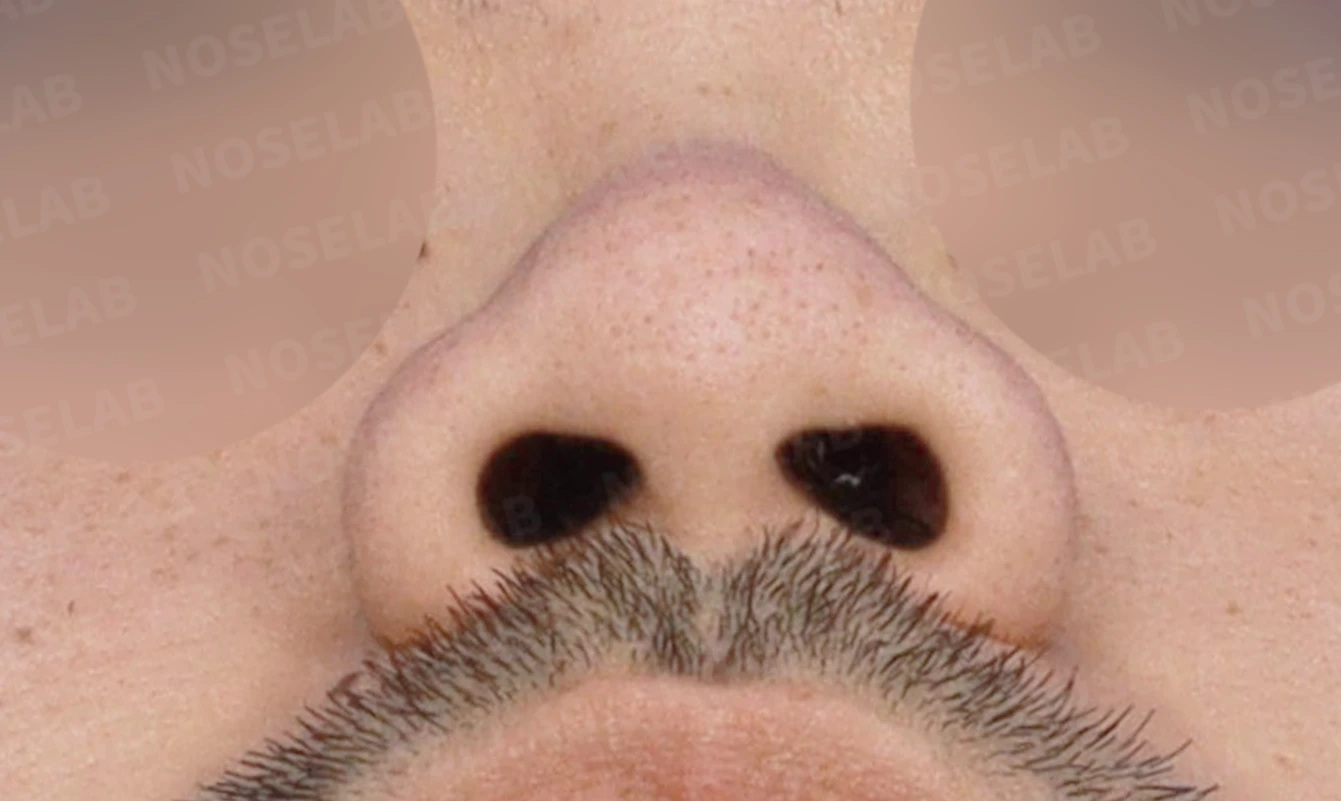
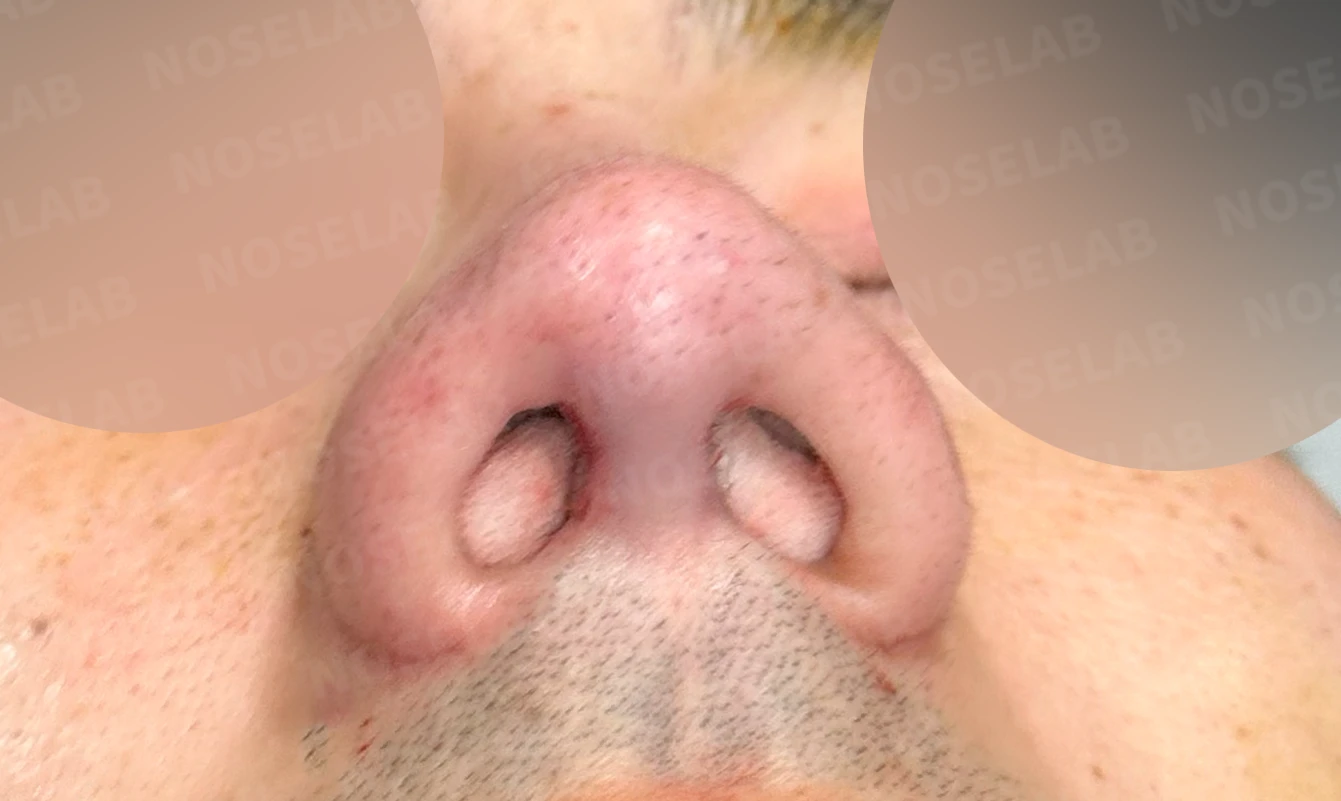
Before surgery / Day 0 immediately after surgery Photos taken immediately after surgery show swelling and may differ from the final result.
👨⚕️ Specialist's assessment
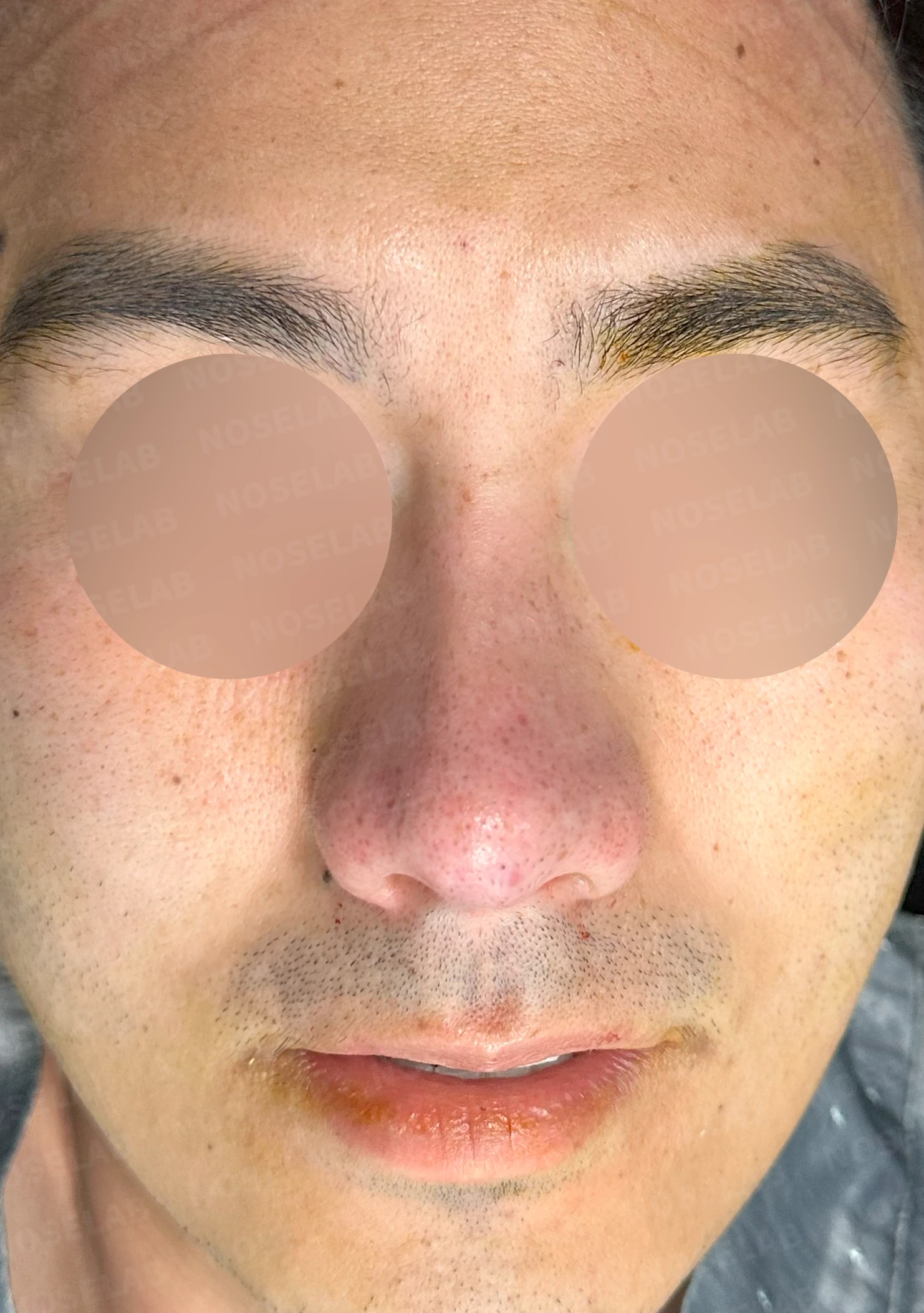
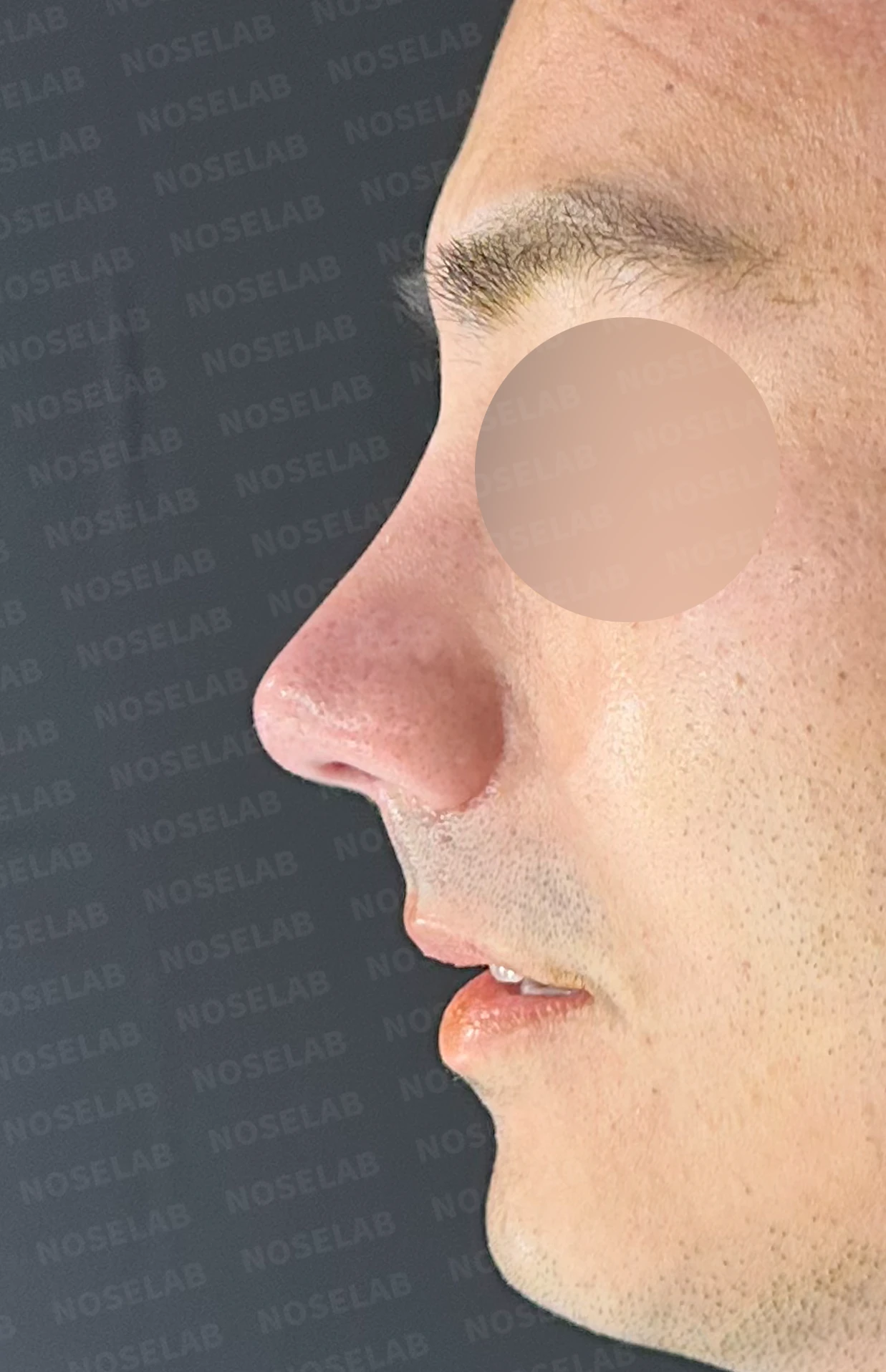
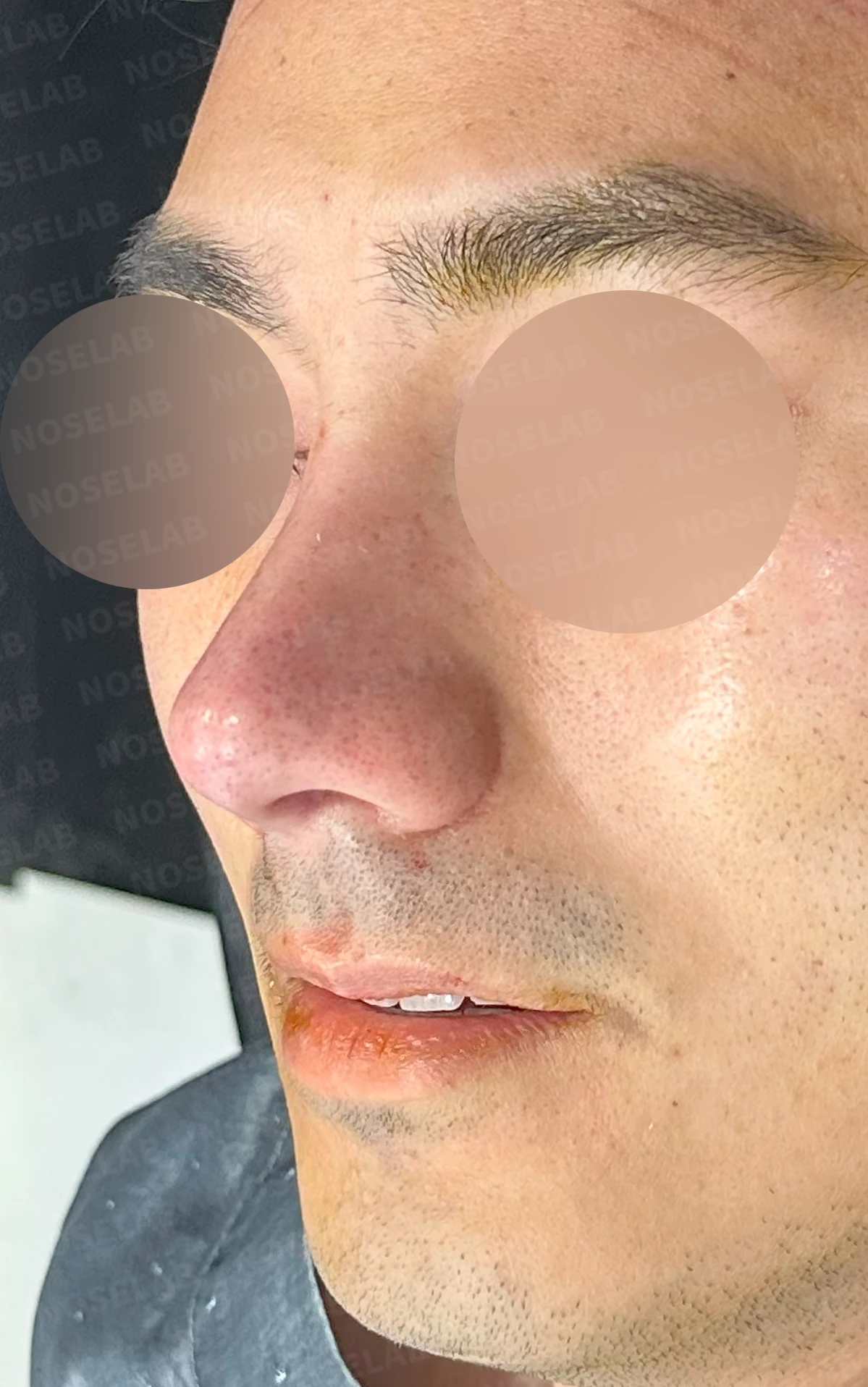
Front, profile, and oblique views immediately after surgery on day 0 Photos taken immediately after surgery show swelling and may differ from the final result.
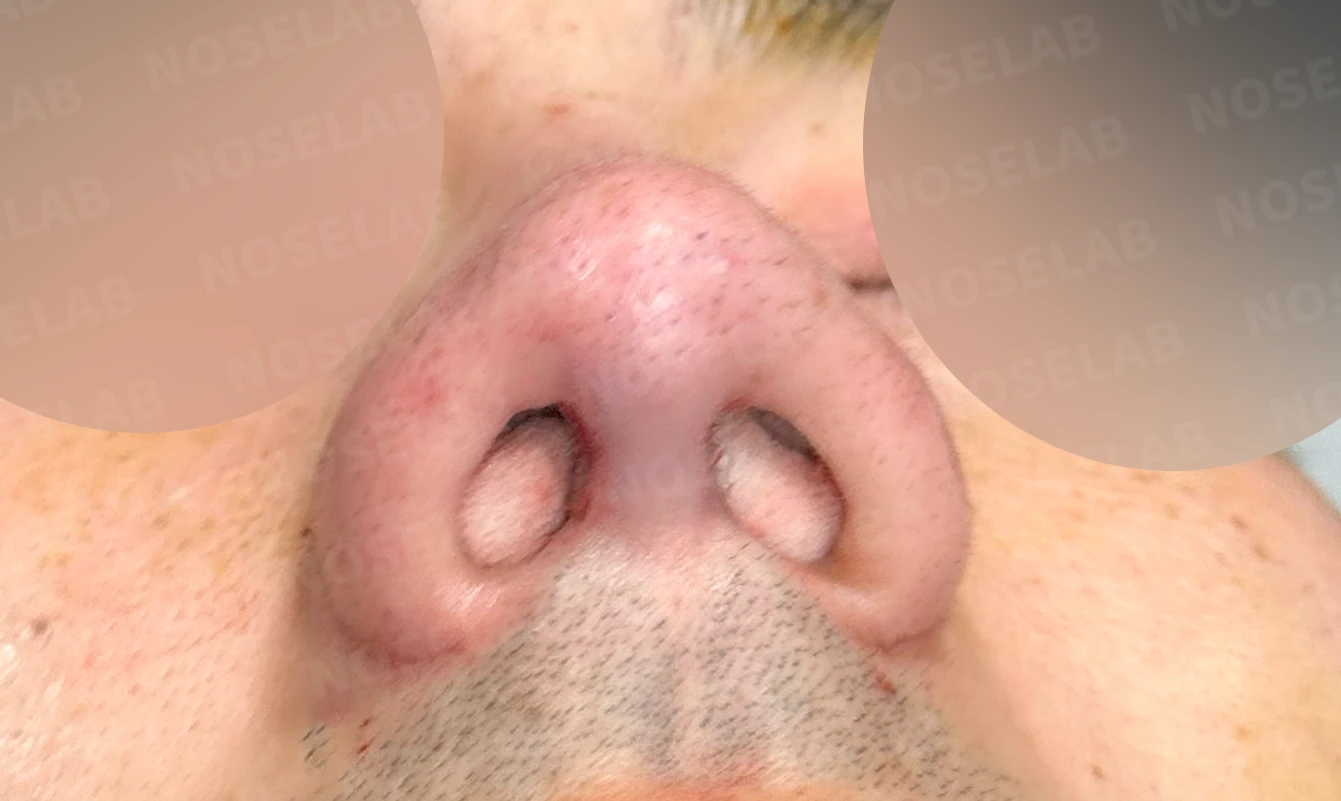
Nostril view on day 0 immediately after surgery Photos taken immediately after surgery show swelling and may differ from the final result.
Because the patient in this case did not want a sharp or upturned nose, the focus was placed on creating a natural, masculine straight bridge line. While improving the bulbous nose and blunt nasal tip, a natural result without an overdone appearance was achieved. In particular, straightening the columella that was tilted to the right and improving the nostril asymmetry were notable outcomes.
This was Dr. Peter C. Kang. Thank you.
Thank you.
#closedrhinoplasty #rhinoplasty #straightbridgeline #bulbousnoserevision #customrhinoplasty

Limitations and risks
When the septum is corrected at the same time, nasal obstruction may persist or recur, and in rare cases, septal perforation or changes in smell may occur.
Common potential risks include infection, bleeding, asymmetry, scarring, skin necrosis, and insufficient improvement; results vary depending on individual skin condition and previous surgical history.