Hello, I am Dr. Peter C. Kang.
Today, I would like to introduce the case of a patient who underwent reconstructive surgery to improve rhinitis symptoms and achieve a natural nasal profile.
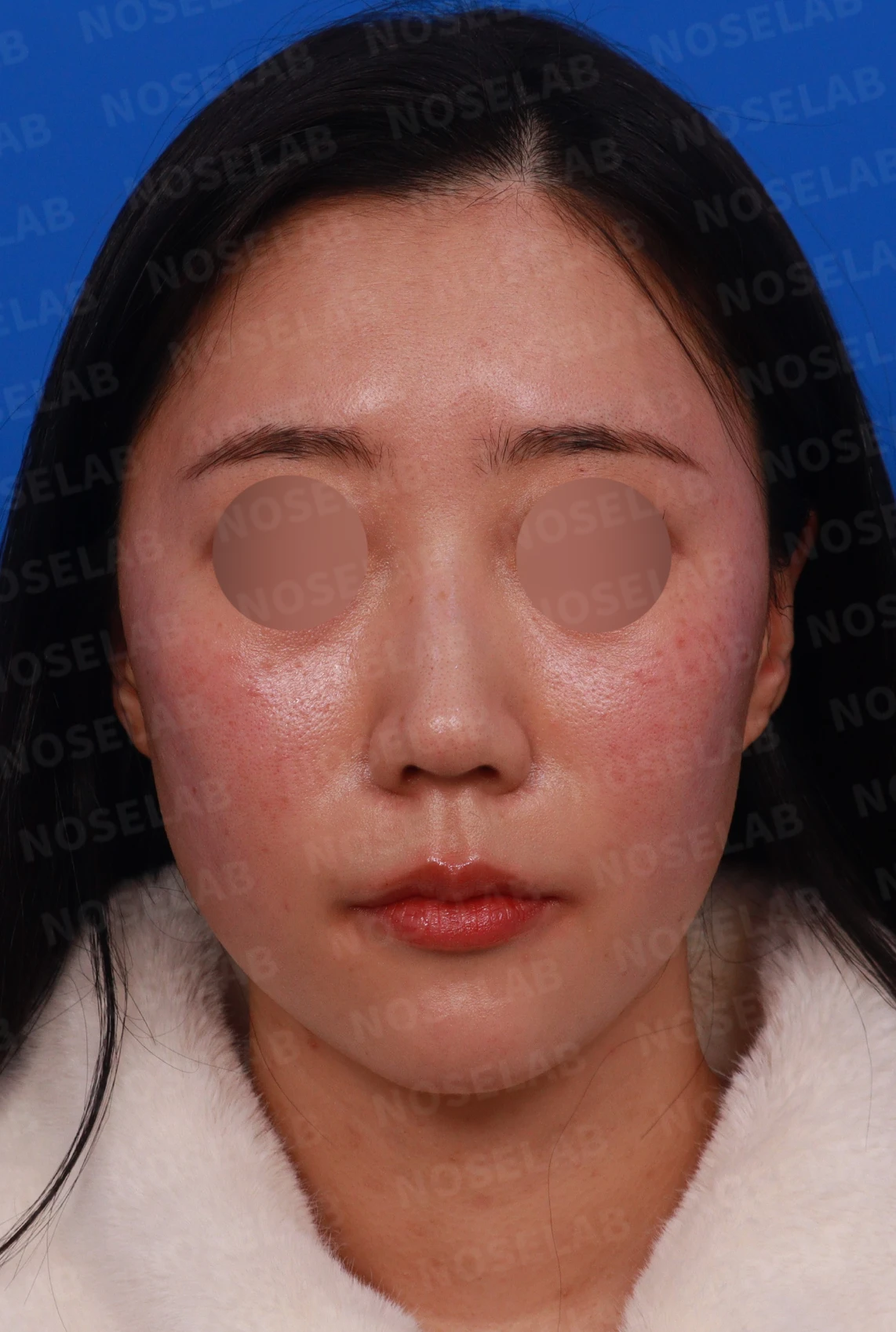
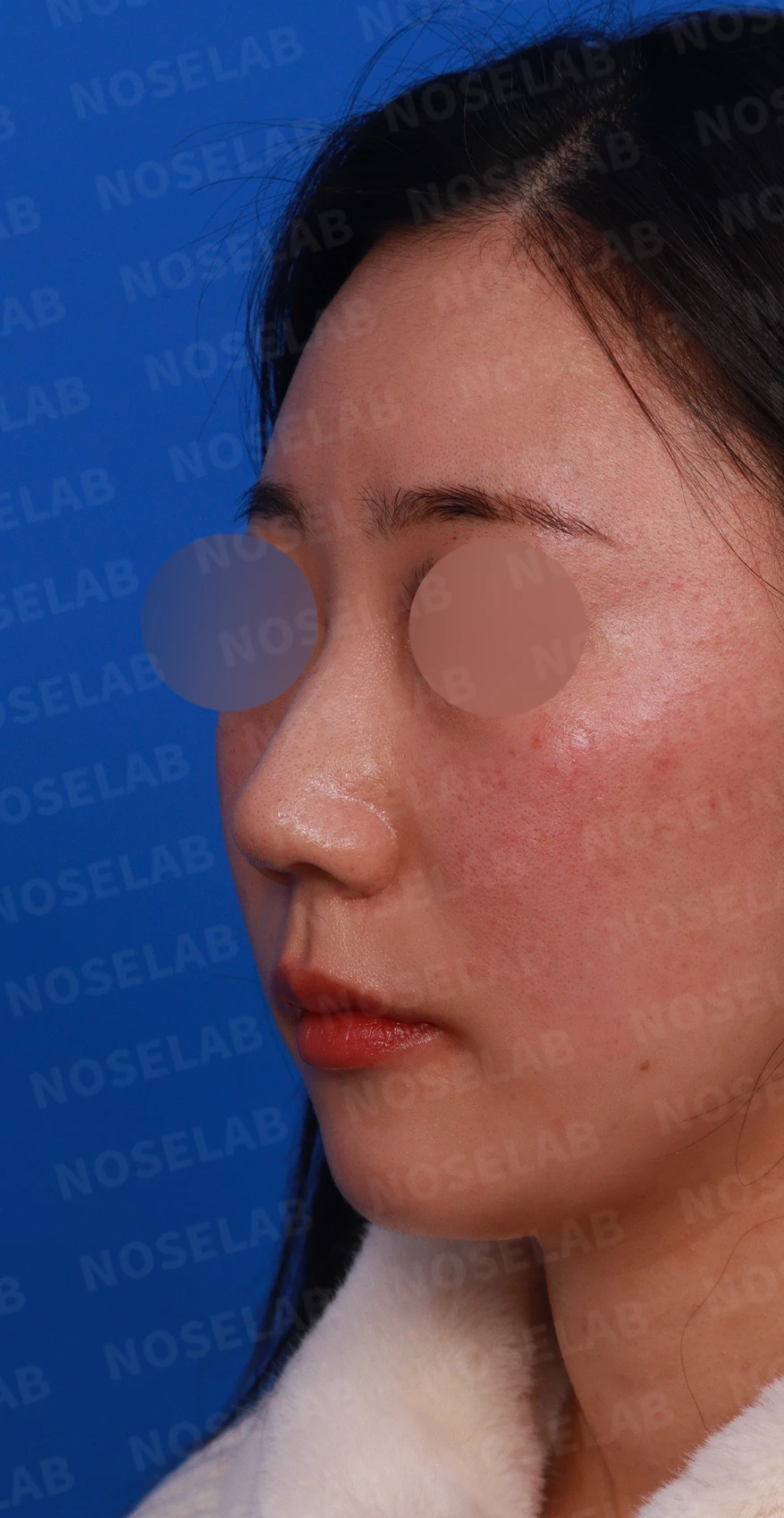
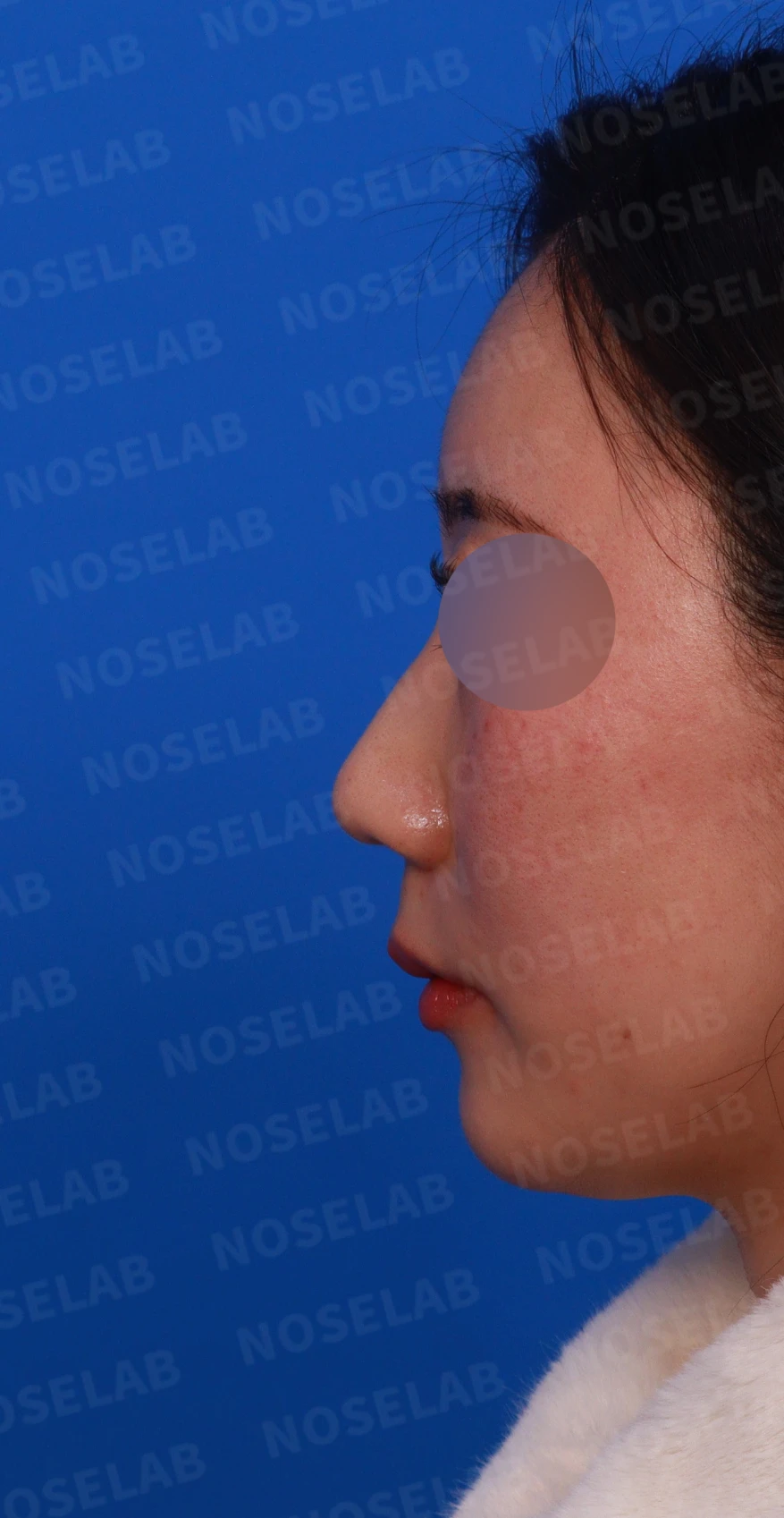
Front, left profile, and oblique views during design consultation
📍 Main symptoms
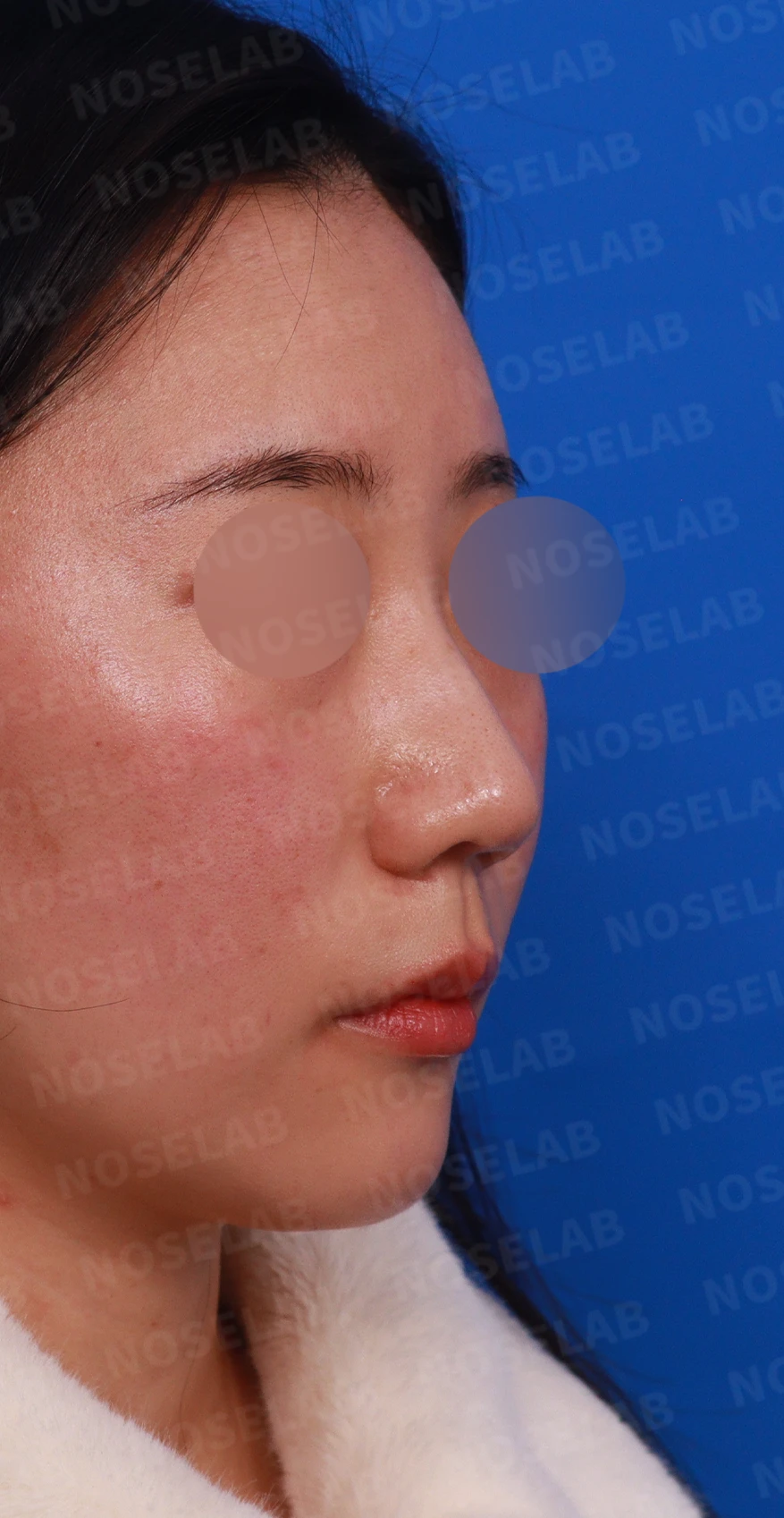
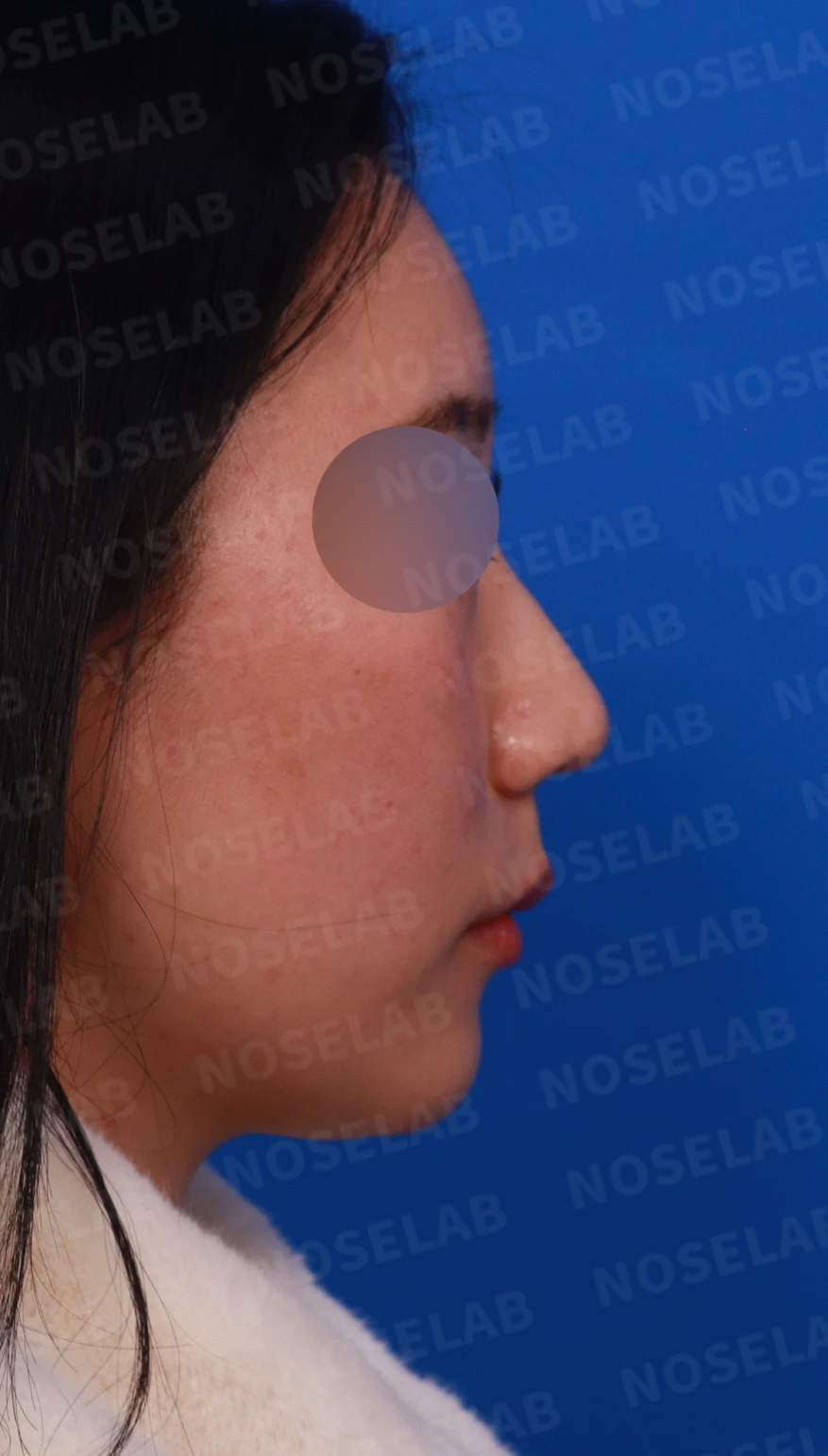
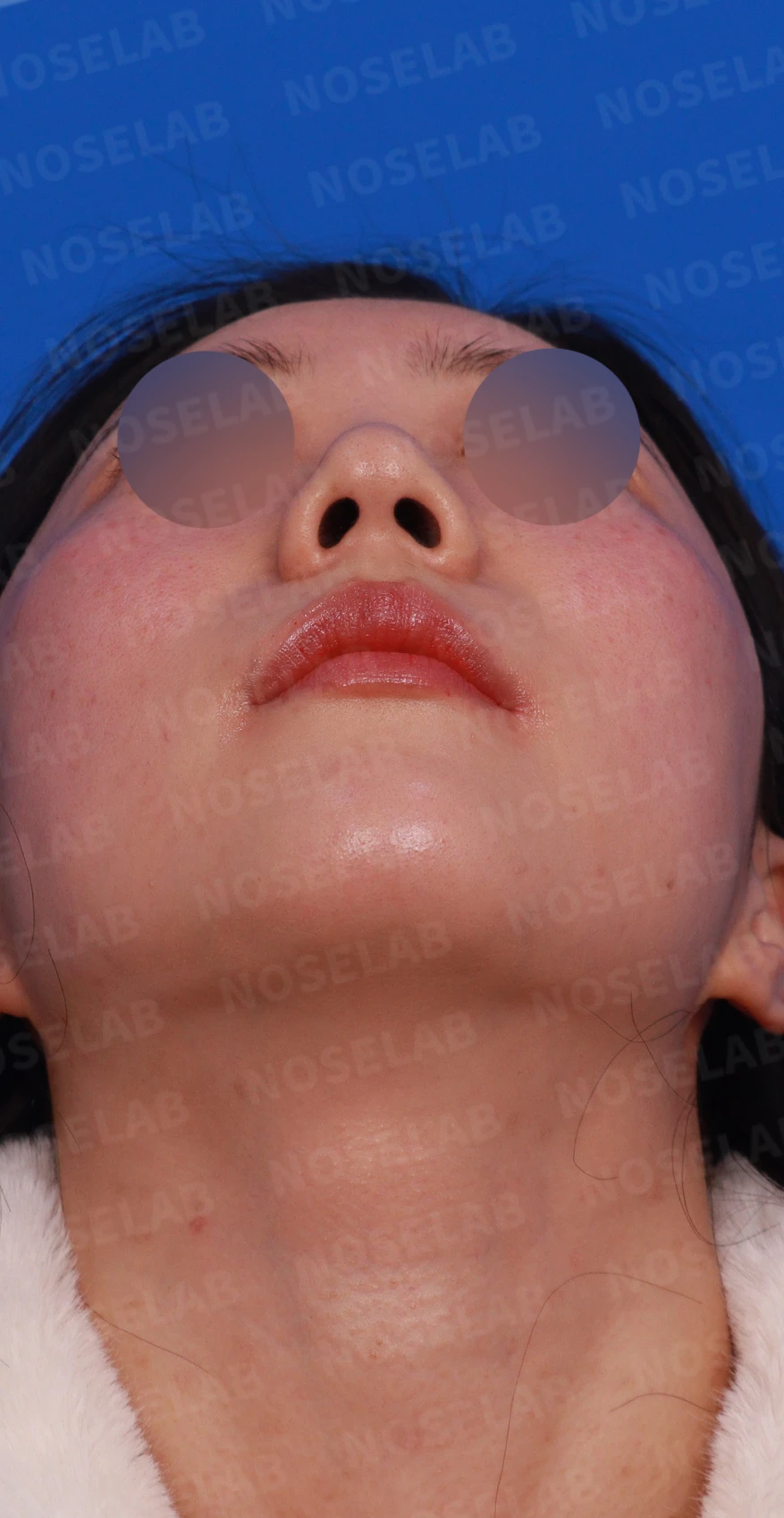
Design consultation photos: front, right profile, and oblique views
Chronic rhinitis
Bilateral nasal obstruction
Nasal bone asymmetry
Drooping nasal tip
✨ Patient's requests
A profile harmonious with the face
Improvement of drooping tip
Improvement of nasal bone asymmetry
Preventing the midface from appearing elongated
Desires a natural result
Correction of an overly upturned profile
Avoiding excessive volume
💉 Surgical procedure details
Basic structural improvement
Lateral osteotomy performed
Asymmetry correction
Refining the nasal bone line
2. Functional improvement
Use of donor rib cartilage
Septal cartilage reconstruction
Septal extension performed
3. Shape improvement
Adjusting nasal bridge height using a silicone implant
Creating a natural nasal tip line
Adjusting midface proportions
✅ Surgical results
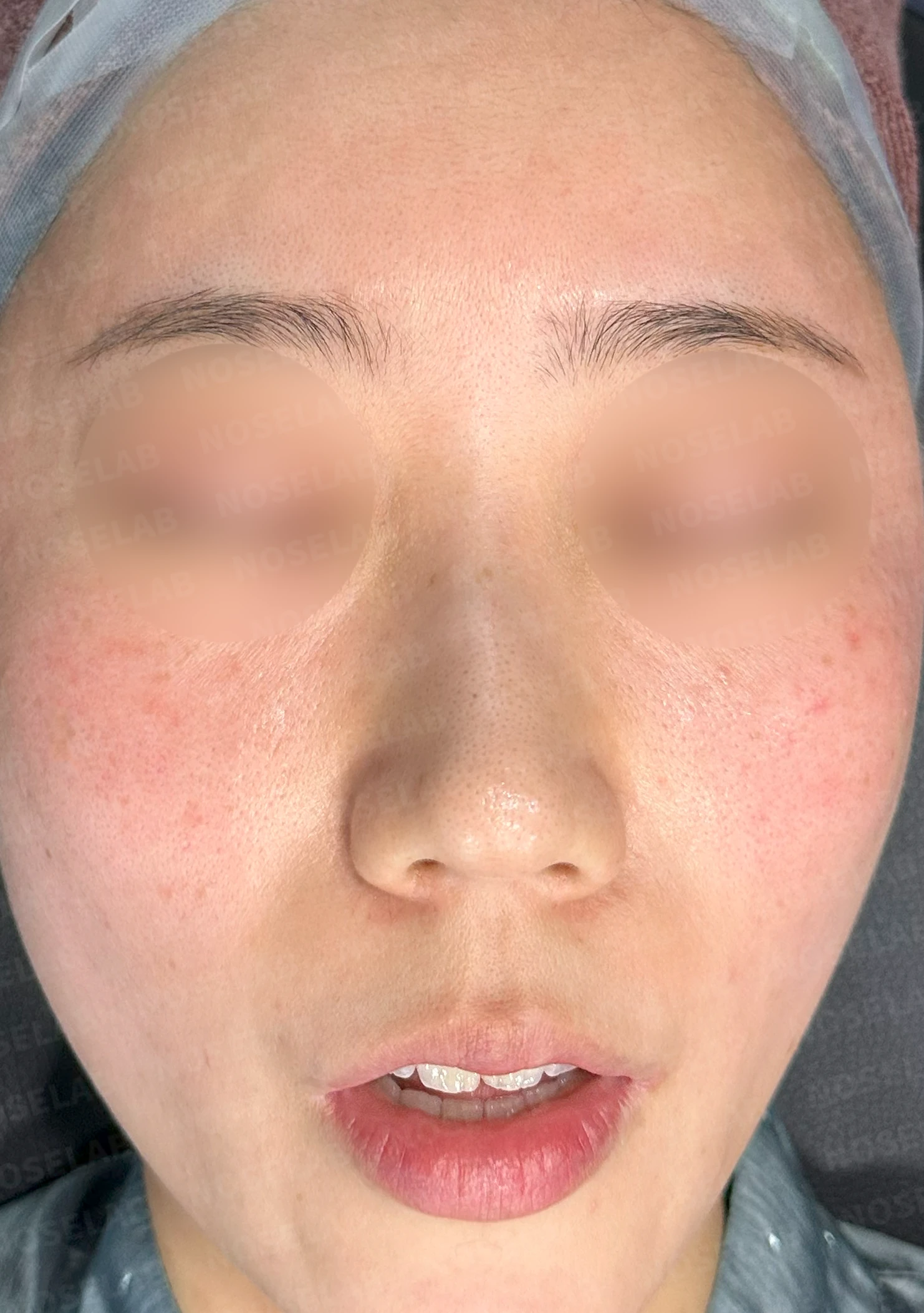
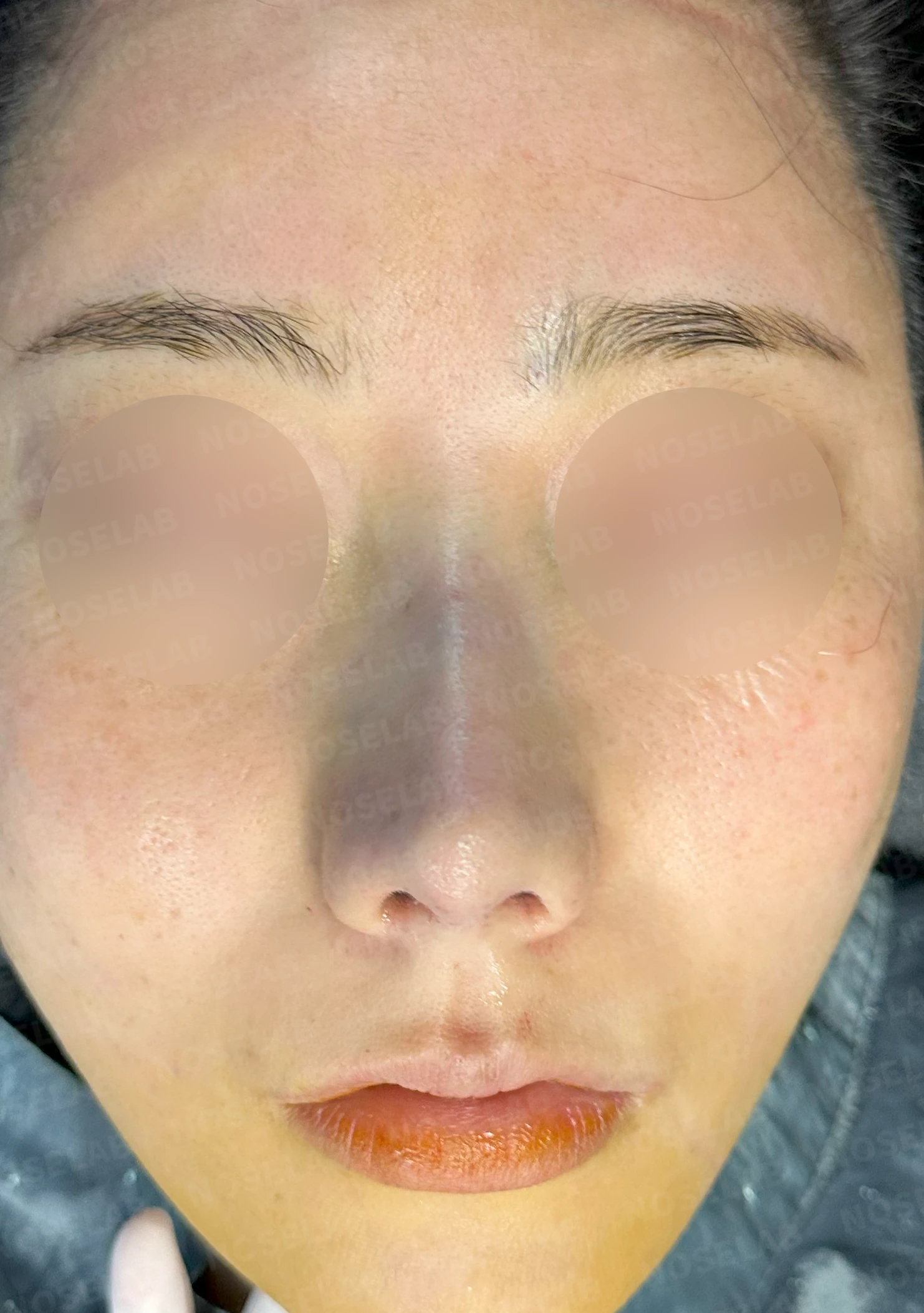
Before surgery / Day 0 immediately after surgery Photos taken immediately after surgery show swelling and may differ from the final result.
Front view
Improvement of nasal bone asymmetry
Balanced nasal bridge width
Natural three-dimensional definition
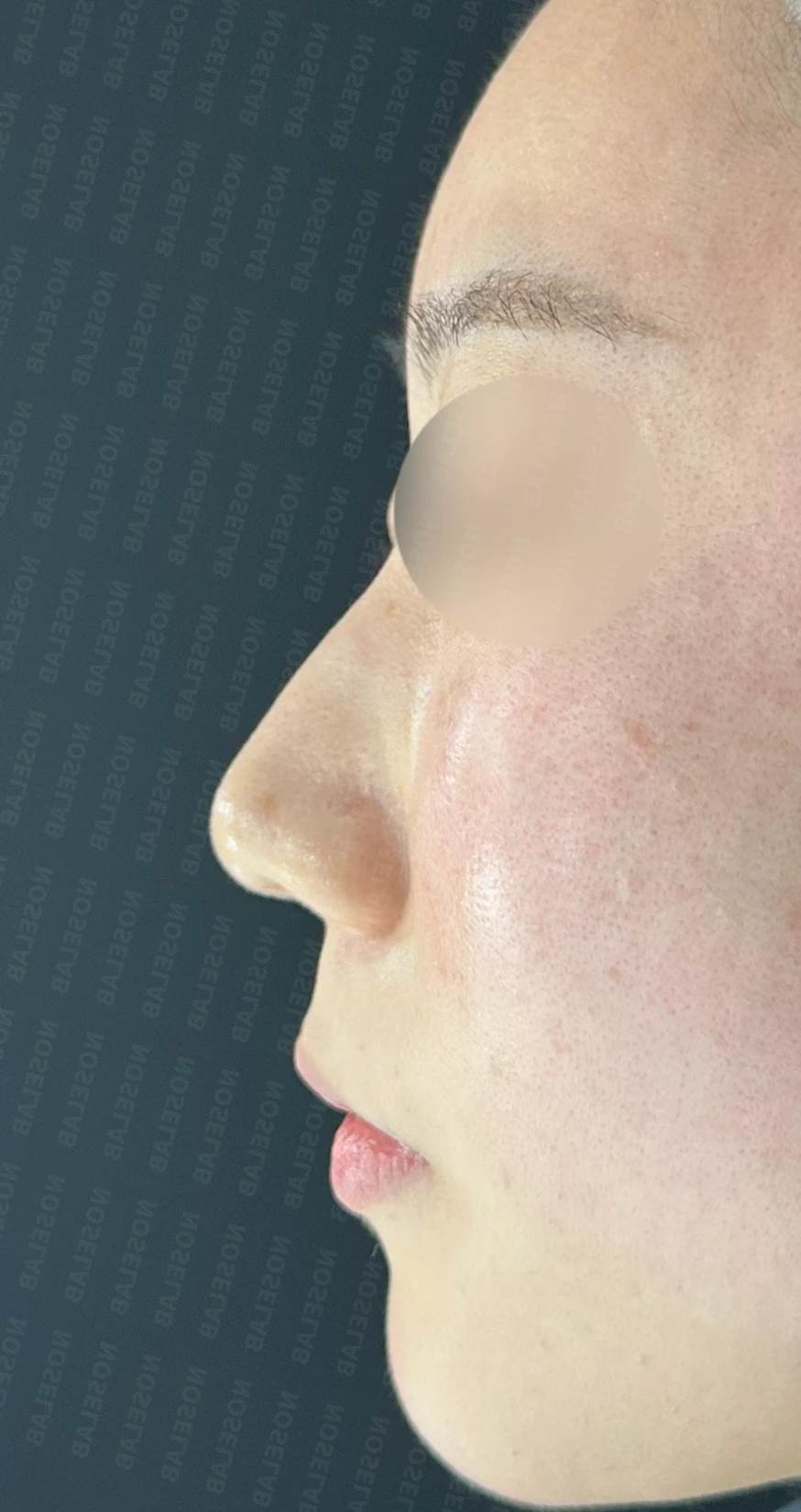
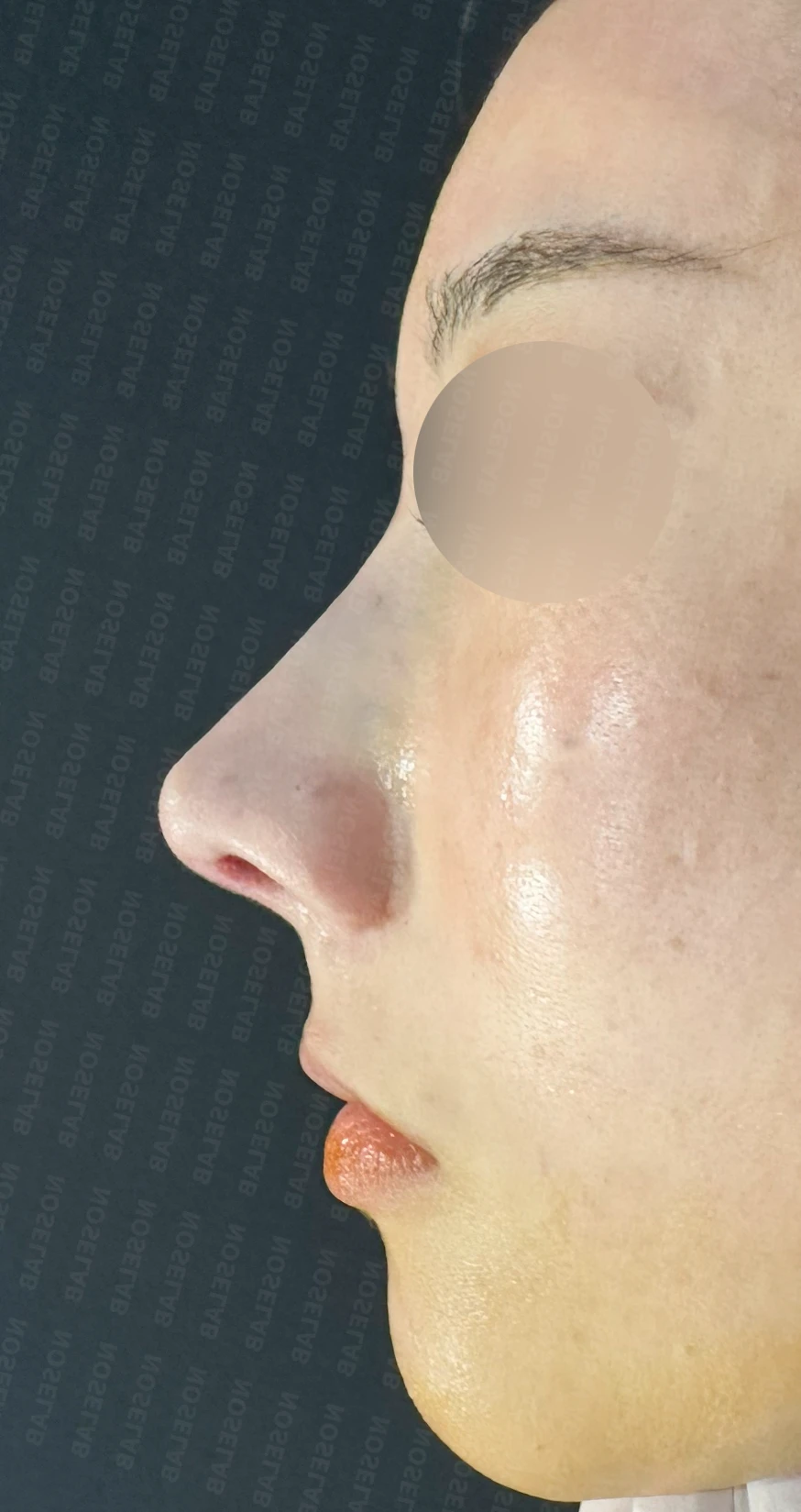
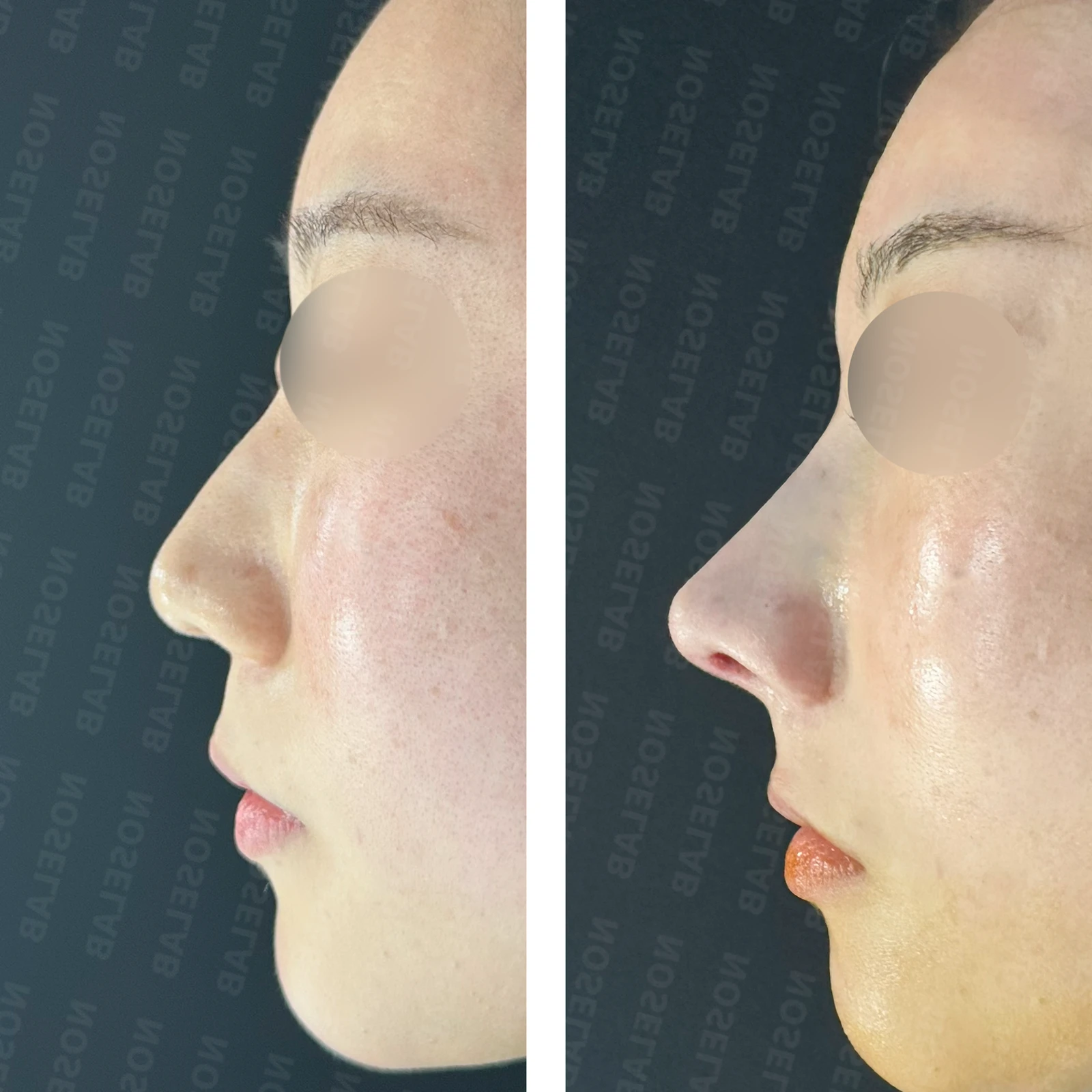
Before surgery / Day 0 immediately after surgery Photos taken immediately after surgery show swelling and may differ from the final result.
2. Profile view
Correction of an overly upturned profile
Appropriate bridge height
Improved tip position
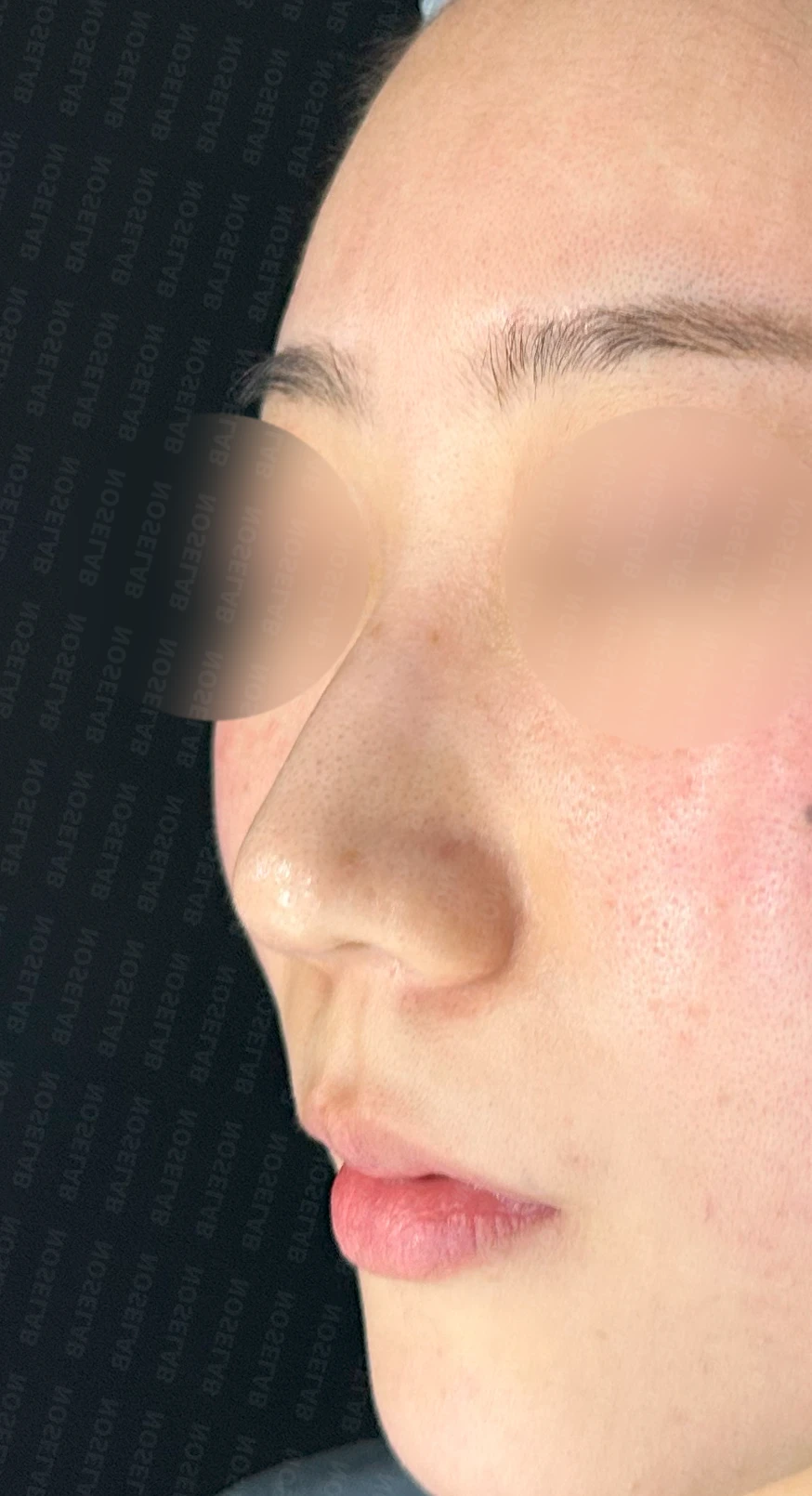
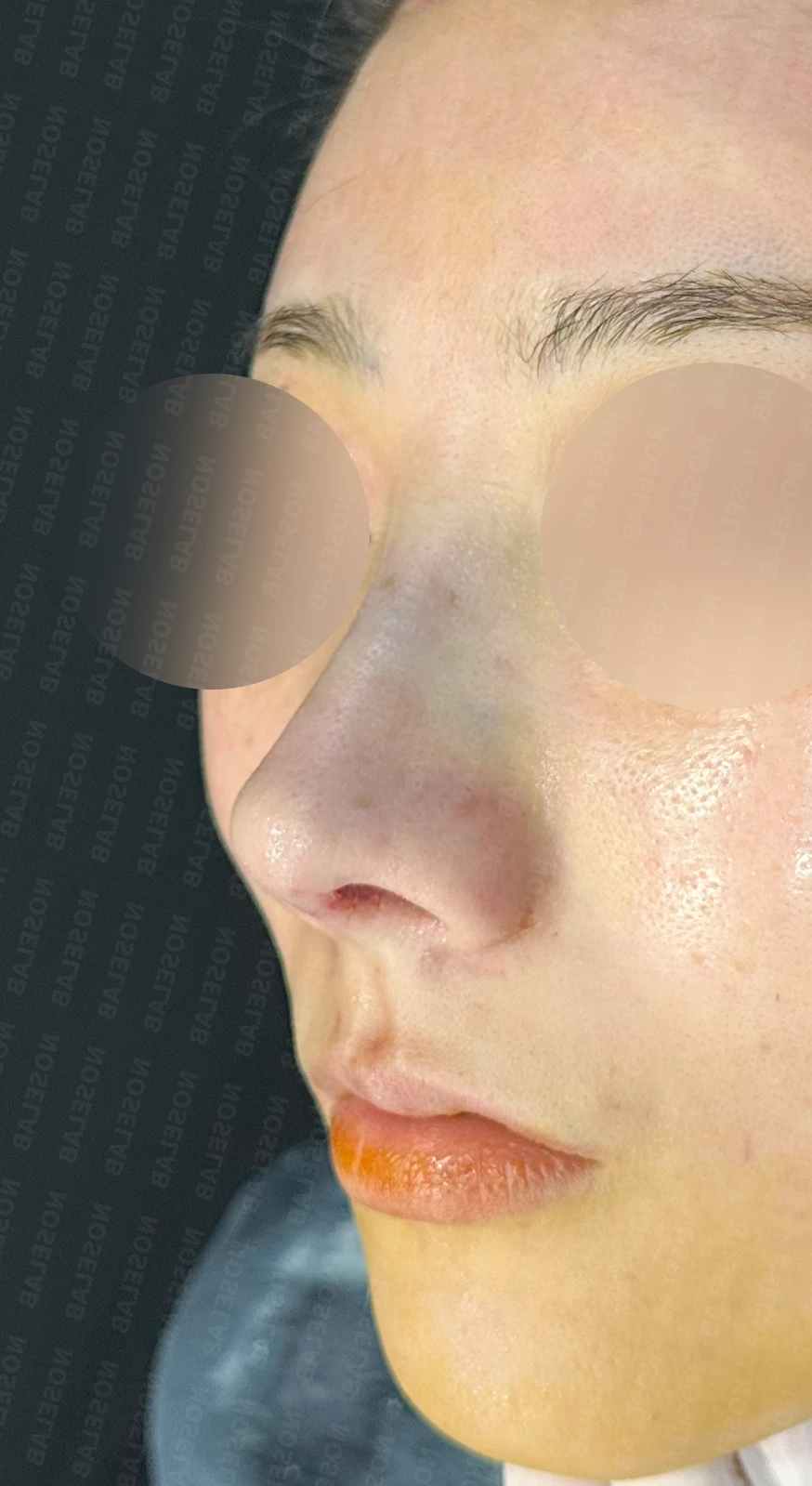
Before surgery / Day 0 immediately after surgery Photos taken immediately after surgery show swelling and may differ from the final result.
3. Oblique view
Smooth profile line
Natural curvature
Harmonious proportions
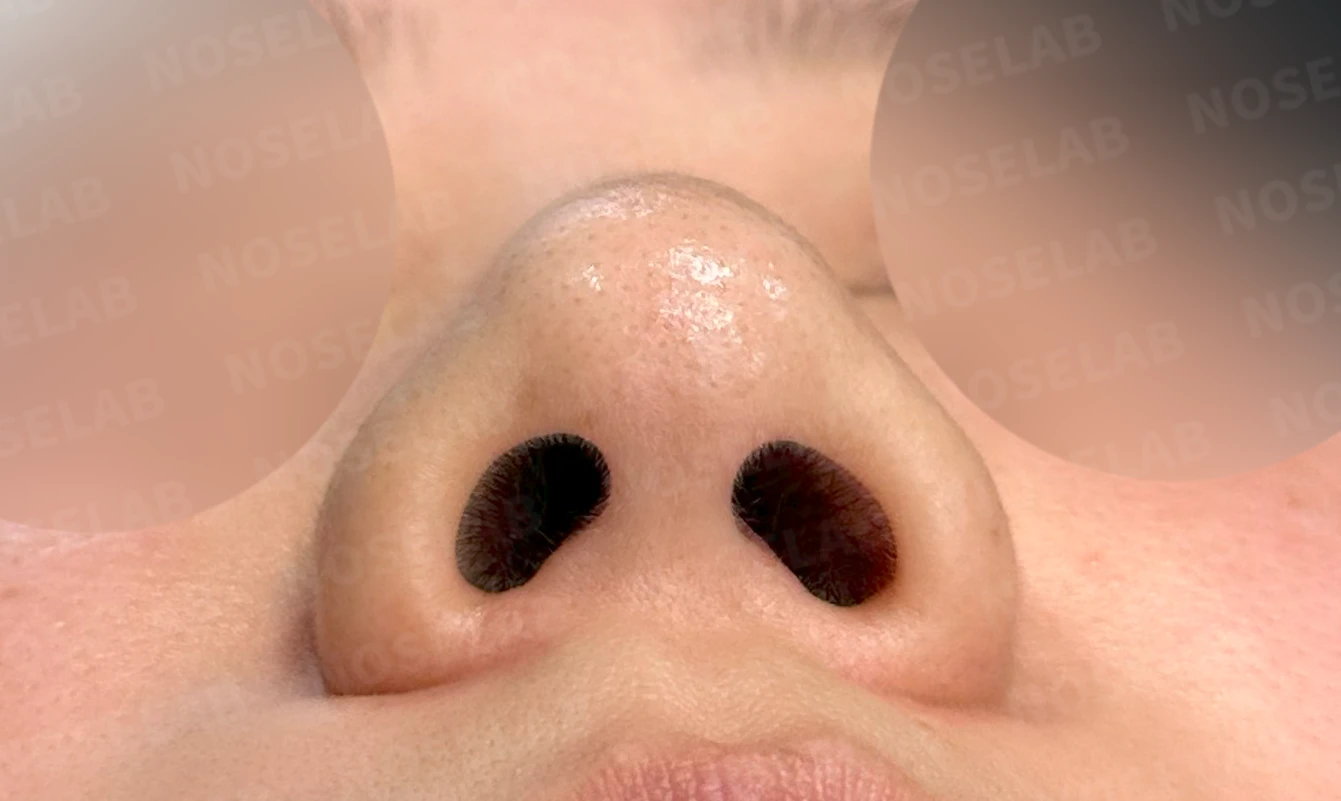
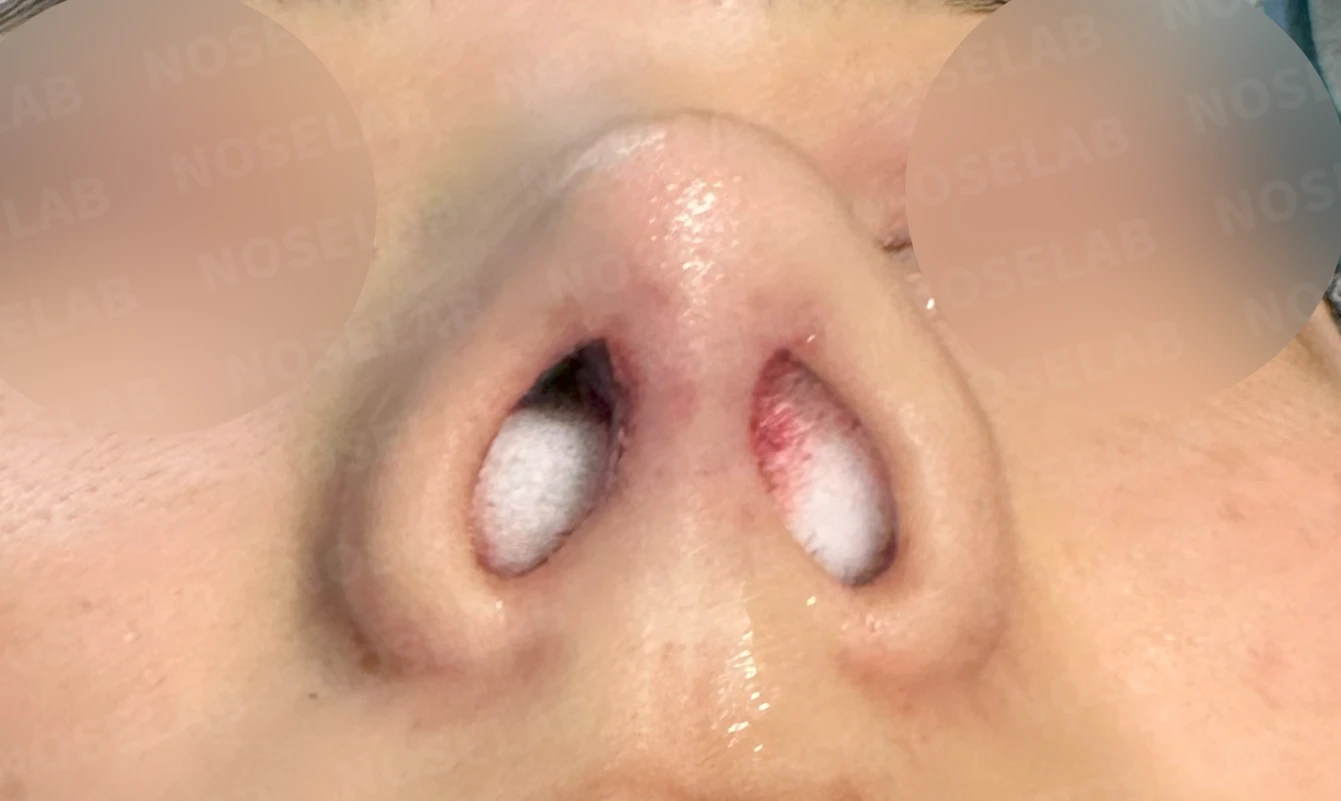
Before surgery / Day 0 immediately after surgery Photos taken immediately after surgery show swelling and may differ from the final result.
4. Function
Improvement of rhinitis symptoms
Smooth breathing
Relief of nasal obstruction
👨⚕️ Specialist's assessment
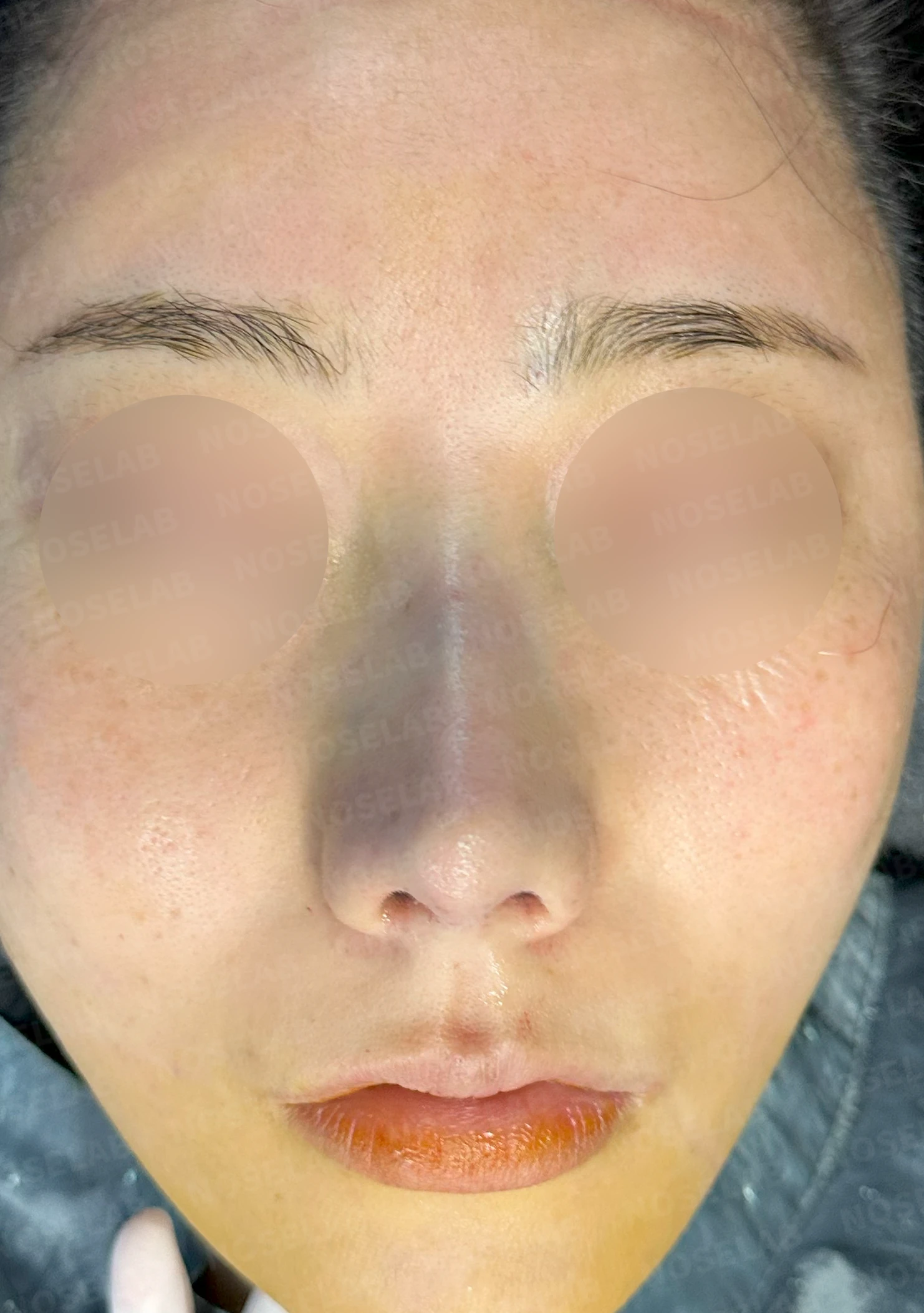
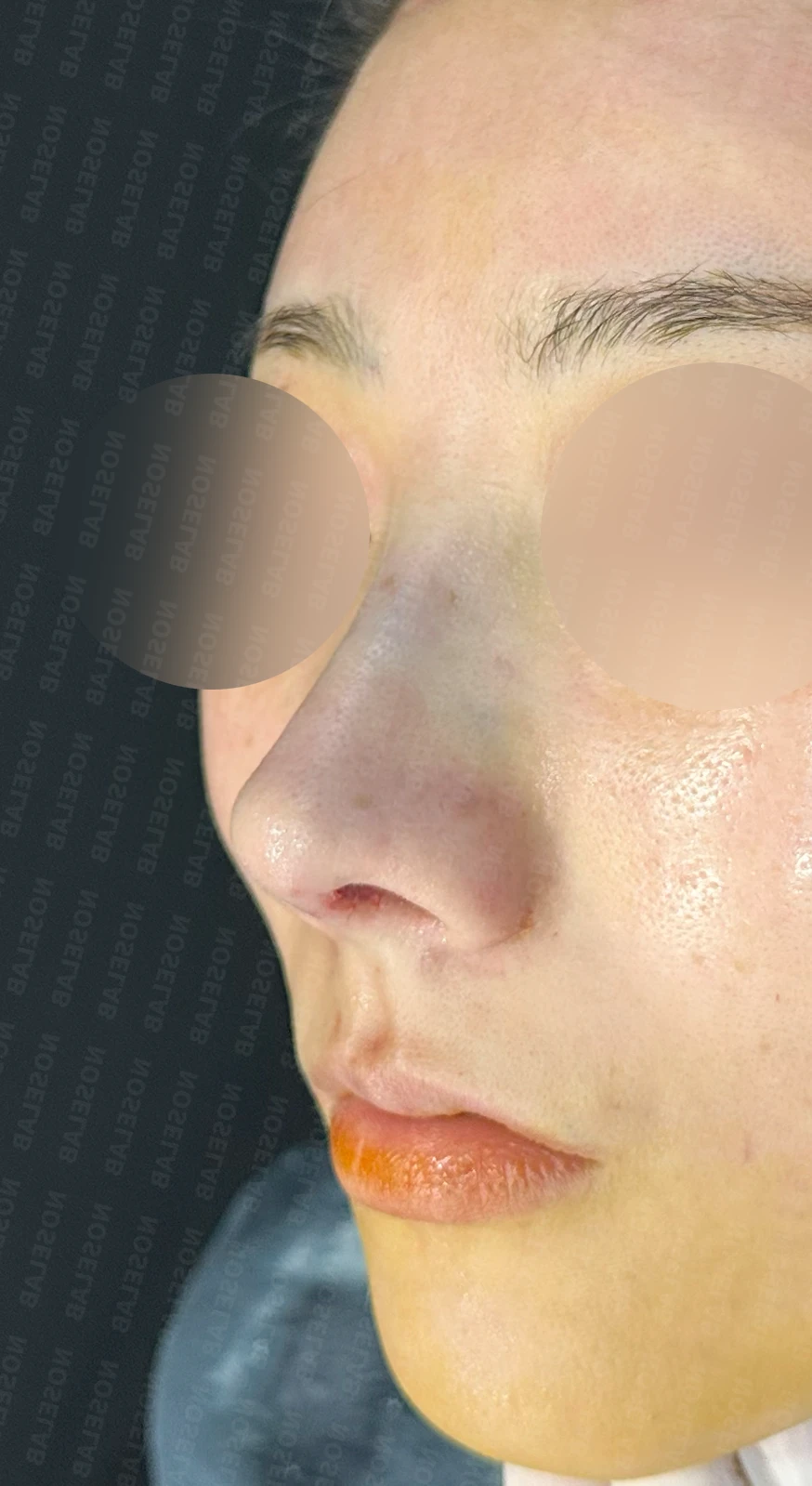
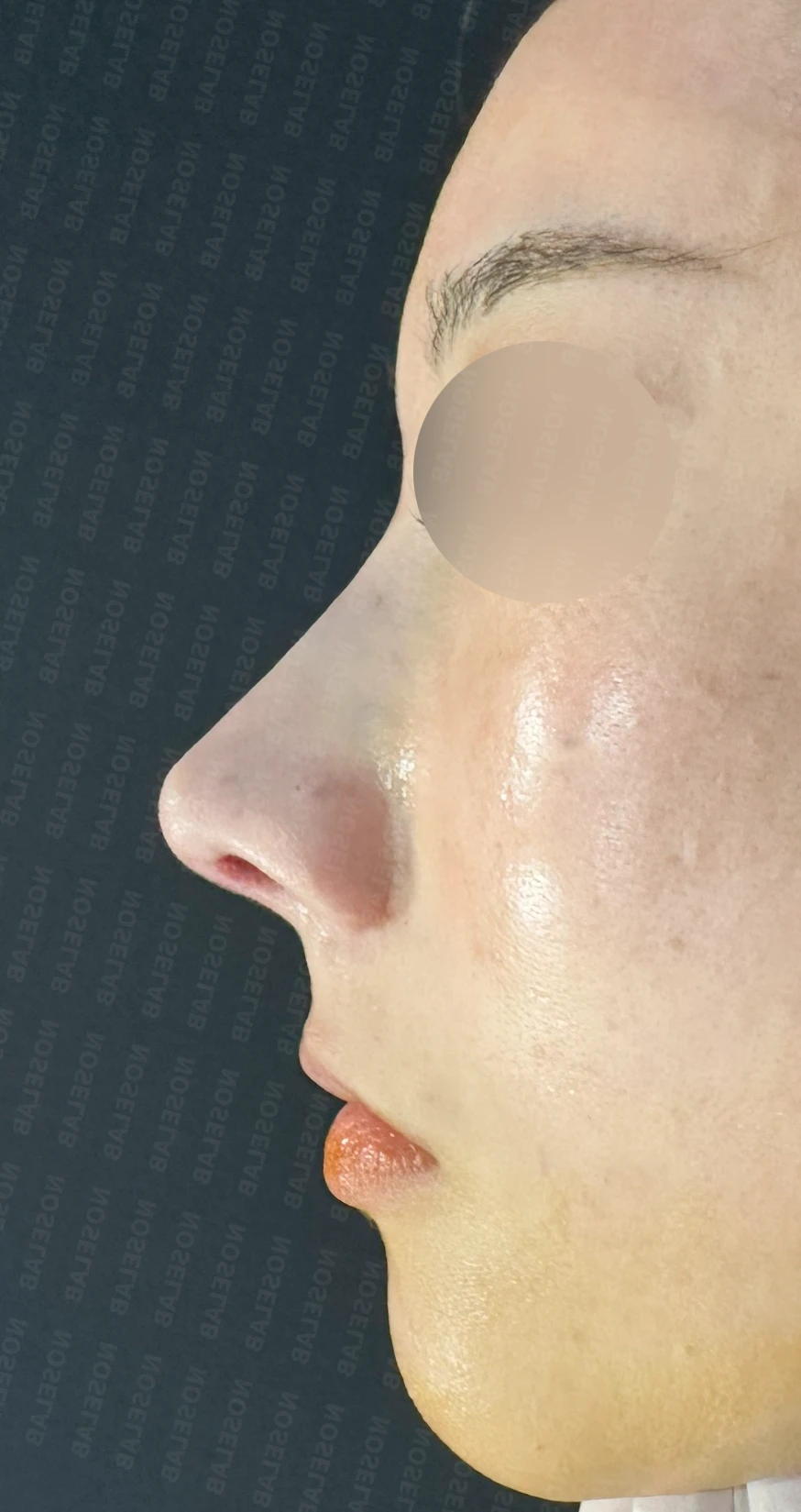
Front, oblique, and profile views on day 0 immediately after surgery. Photos taken immediately after surgery show swelling and may differ from the final result.
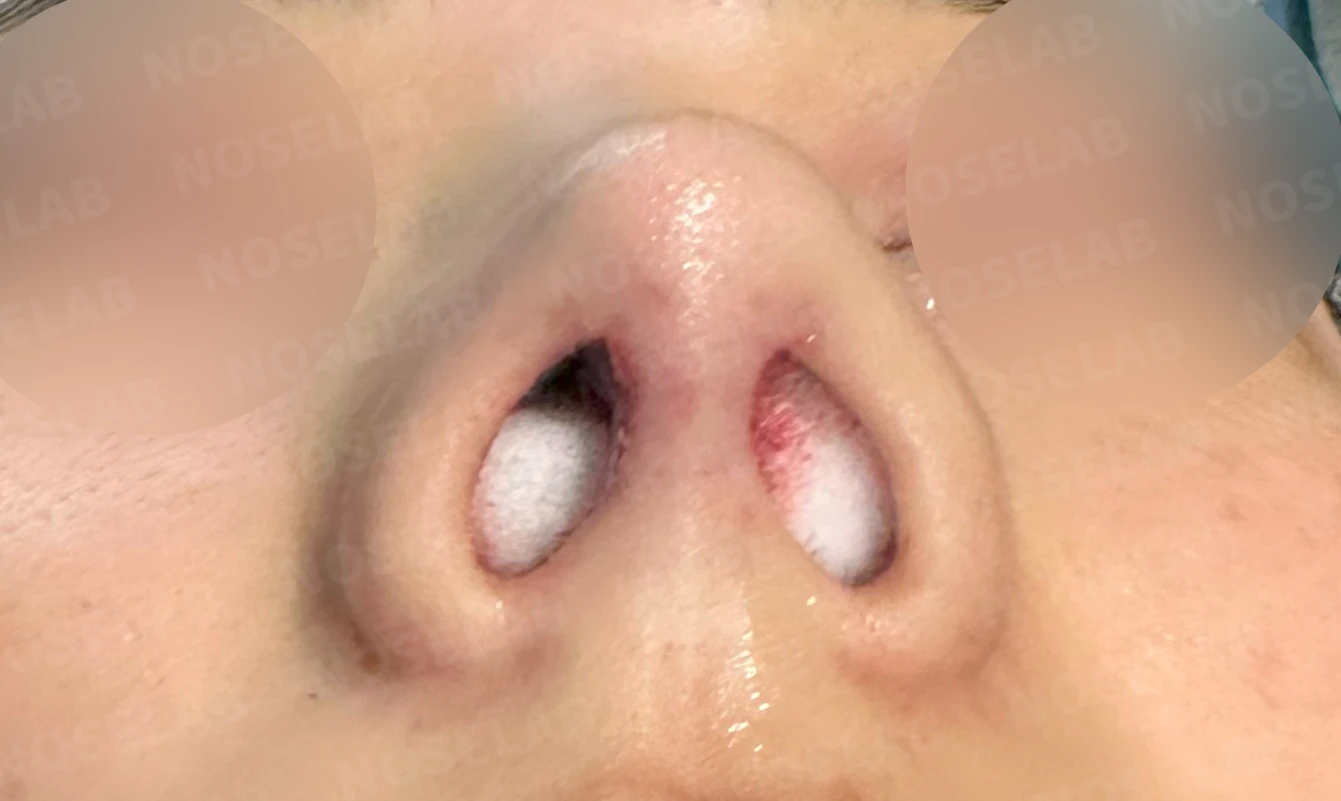
Nostril view on day 0 immediately after surgery. Photos taken immediately after surgery show swelling and may differ from the final result.
This was a case where functional improvement and aesthetic requirements had to be satisfied simultaneously. We secured structural stability by combining donor rib cartilage and septal cartilage, and corrected asymmetry through lateral osteotomy. In particular, we were able to achieve the natural nasal line and improved midface proportions that the patient desired.
This was Dr. Peter C. Kang. Thank you.
Thank you.
#closedrhinoplasty #revisionrhinoplasty #rhinitissurgery #naturalnose #customrhinoplasty

Limitations and risks
When using donor rib cartilage, long-term follow-up is necessary because the grafted cartilage may resorb or warp.
When the septum is corrected at the same time, nasal obstruction may persist or recur, and in rare cases, septal perforation or changes in smell may occur.
Common potential risks include infection, bleeding, asymmetry, scarring, skin necrosis, and insufficient improvement; results vary depending on individual skin condition and previous surgical history.