Hello, I am Dr. Peter C. Kang.
Today, I would like to share the case of a patient who underwent rhinoplasty to improve rhinitis symptoms along with achieving a natural nasal line.
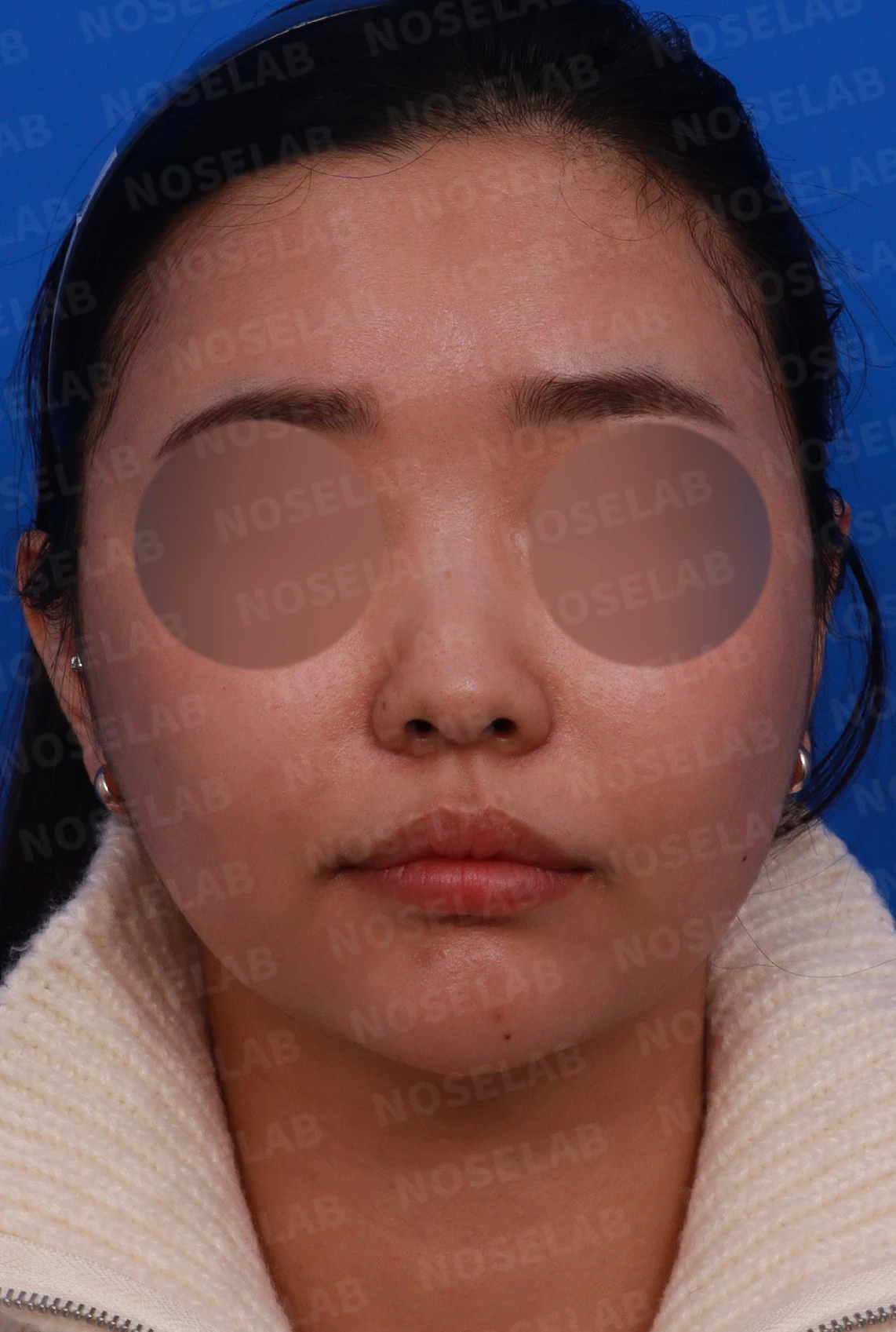
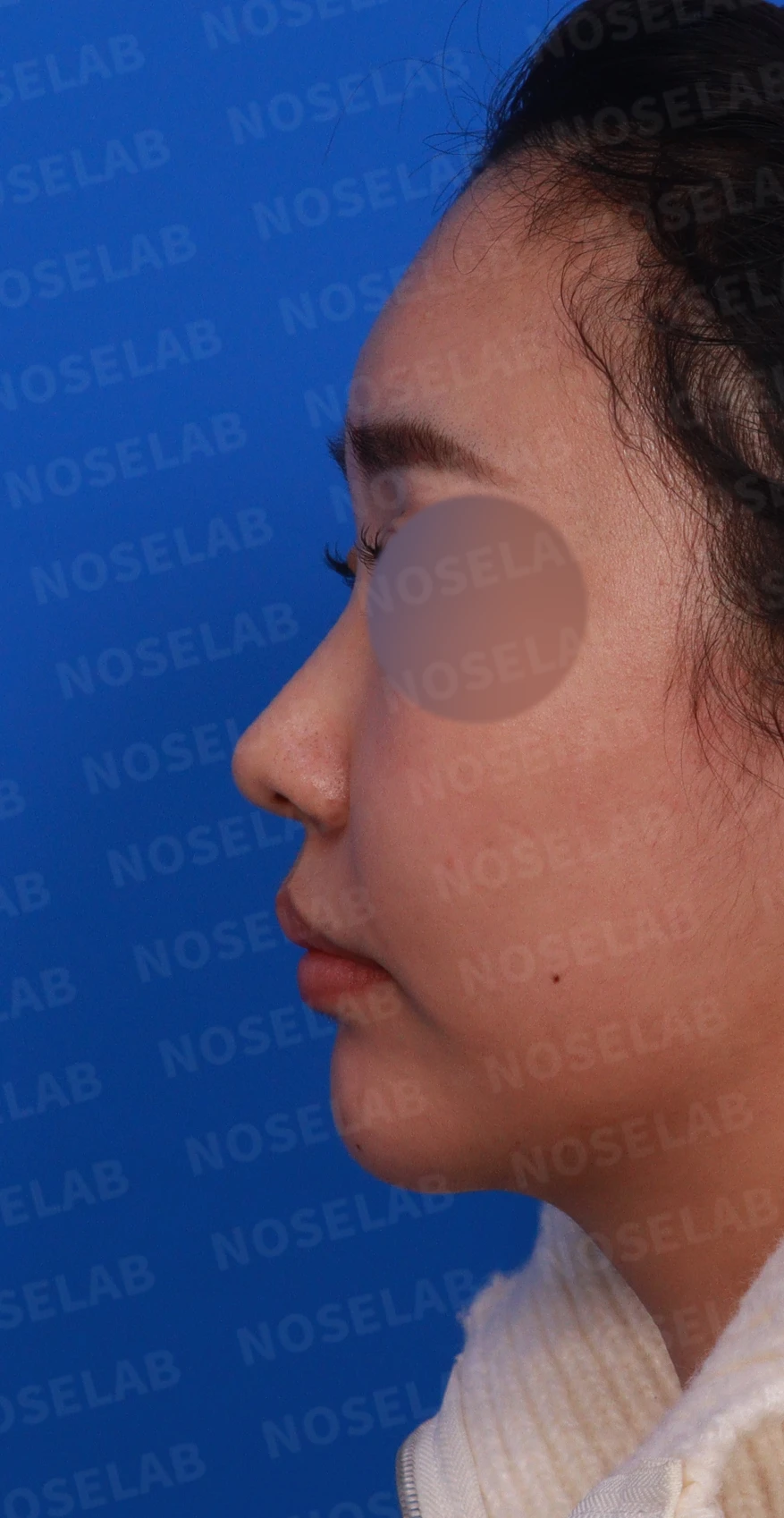
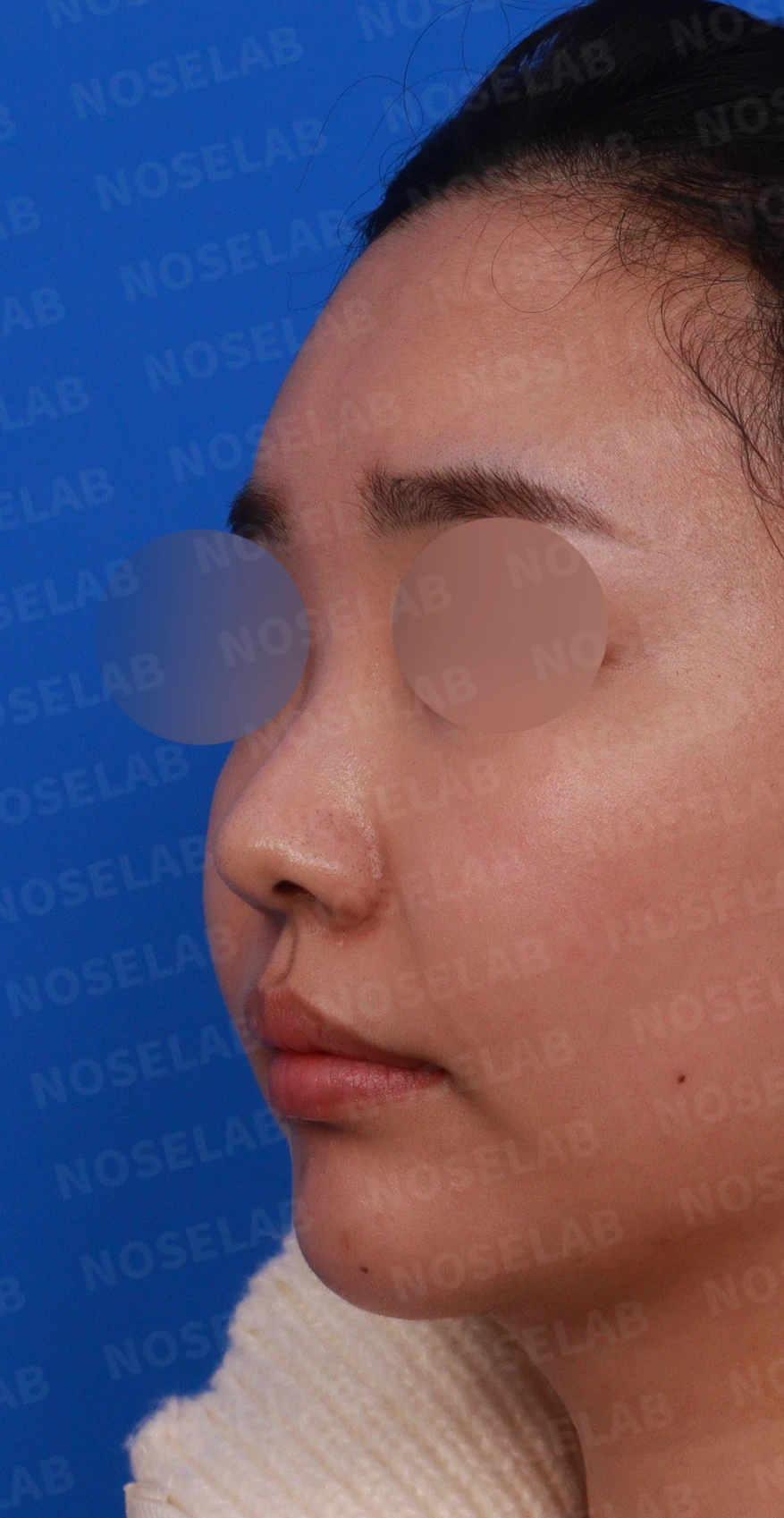
Front, left profile, and oblique views during design consultation
📍 Surgical history
8 years ago: Rhinitis surgery
4 years ago: Nasal filler injection, later dissolved
🤒 Current symptoms
Alternating nasal obstruction during sleep
Frequent phlegm production
Postnasal drip (phlegm draining down the throat)
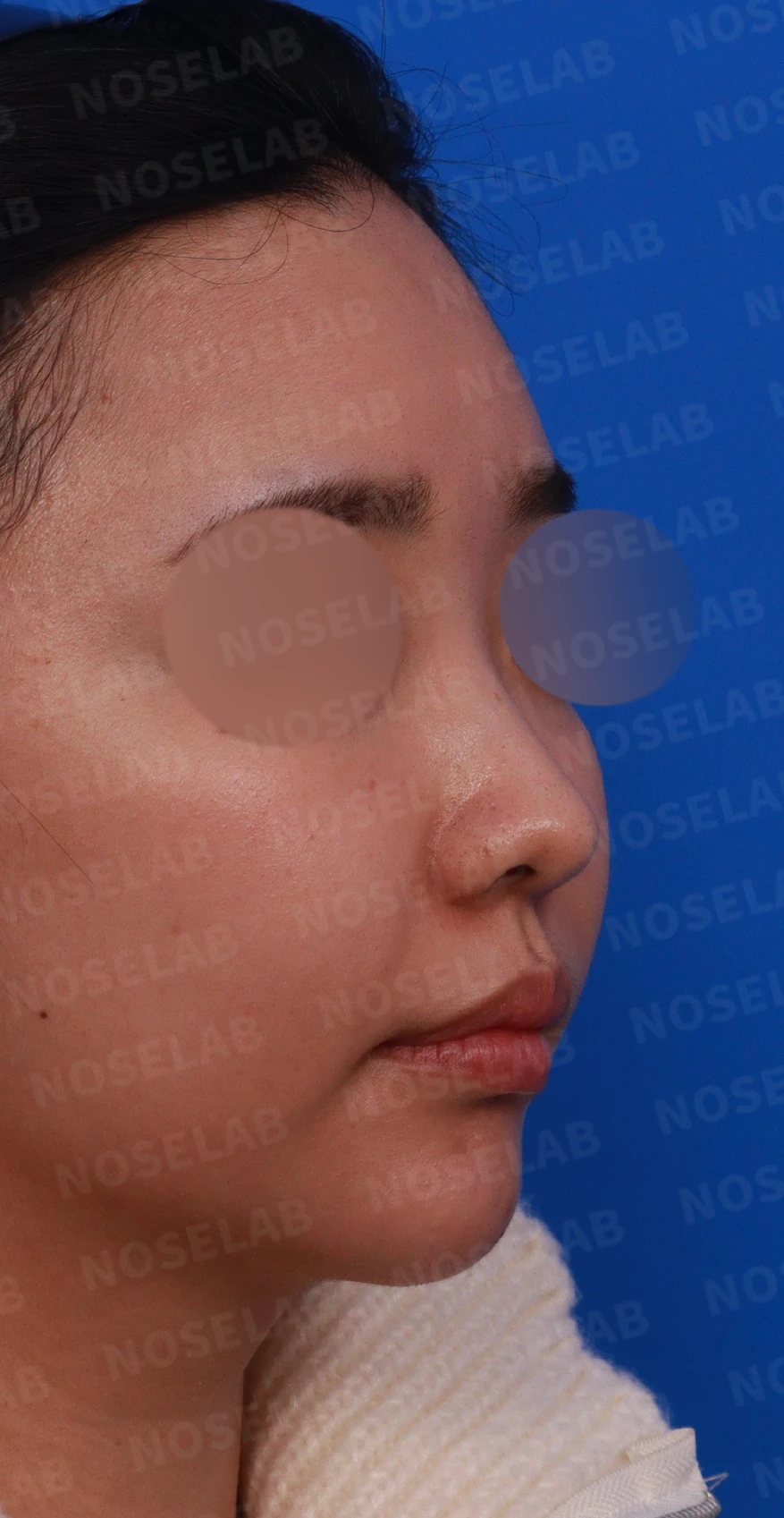
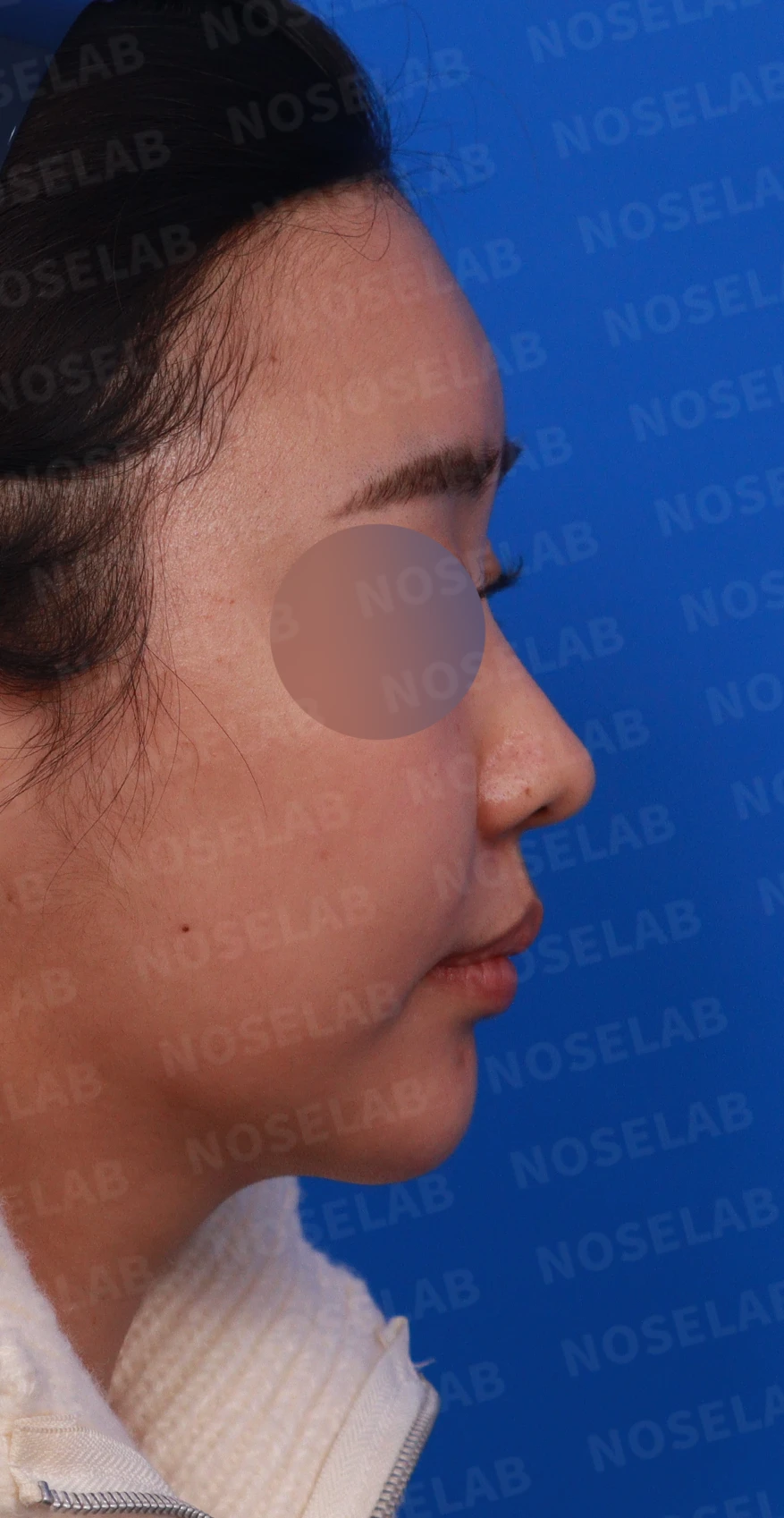
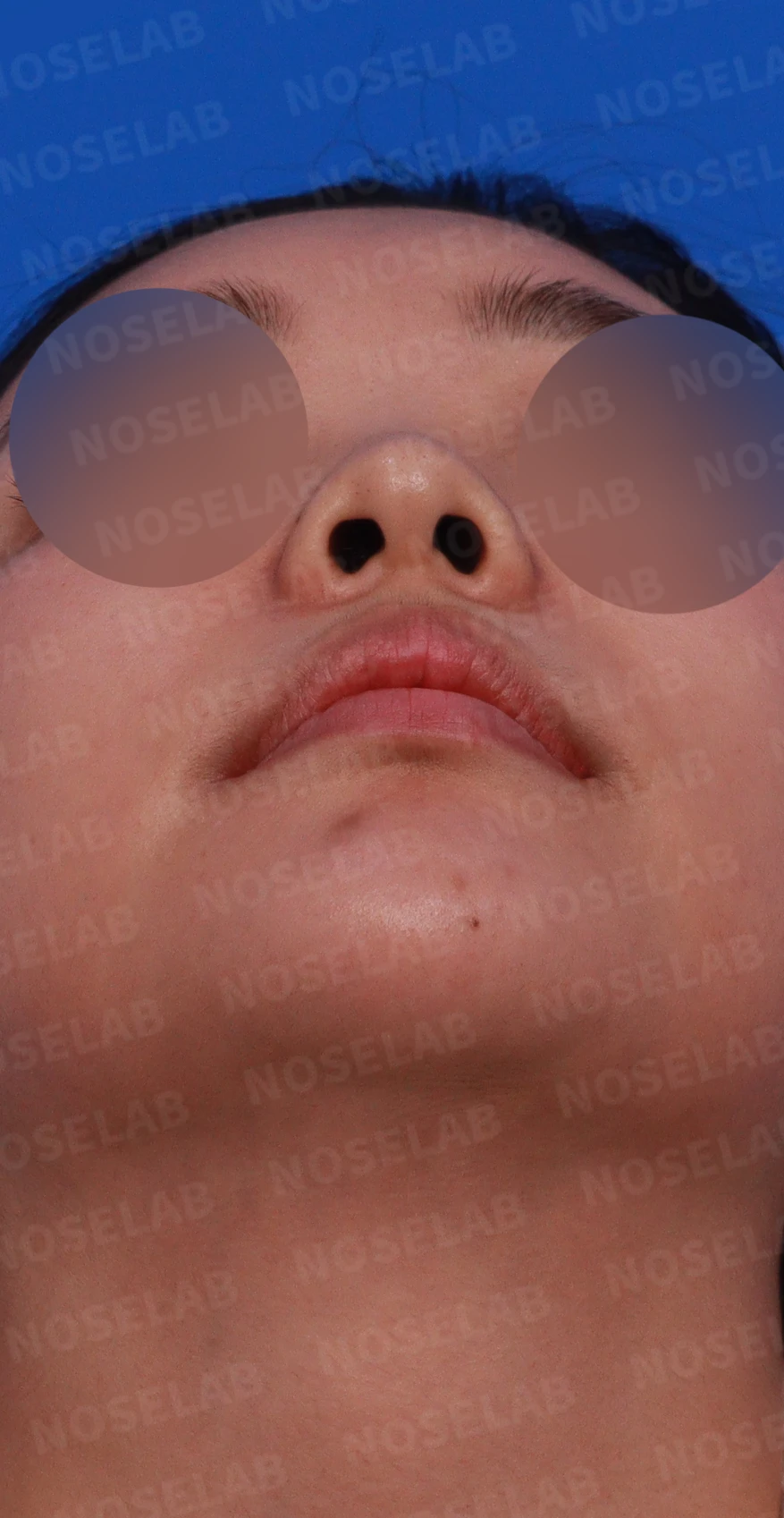
Right profile, oblique, and nostril views during design consultation
🔎 Initial consultation findings
Front view: The nasal bridge appears widened, flat, and crooked
Profile view: Low glabella with signs of a protruding mouth
Oblique view: Low glabella and a drooping nasal tip
Nostrils: Bilateral asymmetry and a blunt nasal tip
✨ Patient's requests
A natural nasal height that is not excessively high
Improvement of a crooked-appearing nose
A shape harmonious with the face
Open to using a silicone implant
💉 Surgical procedure details
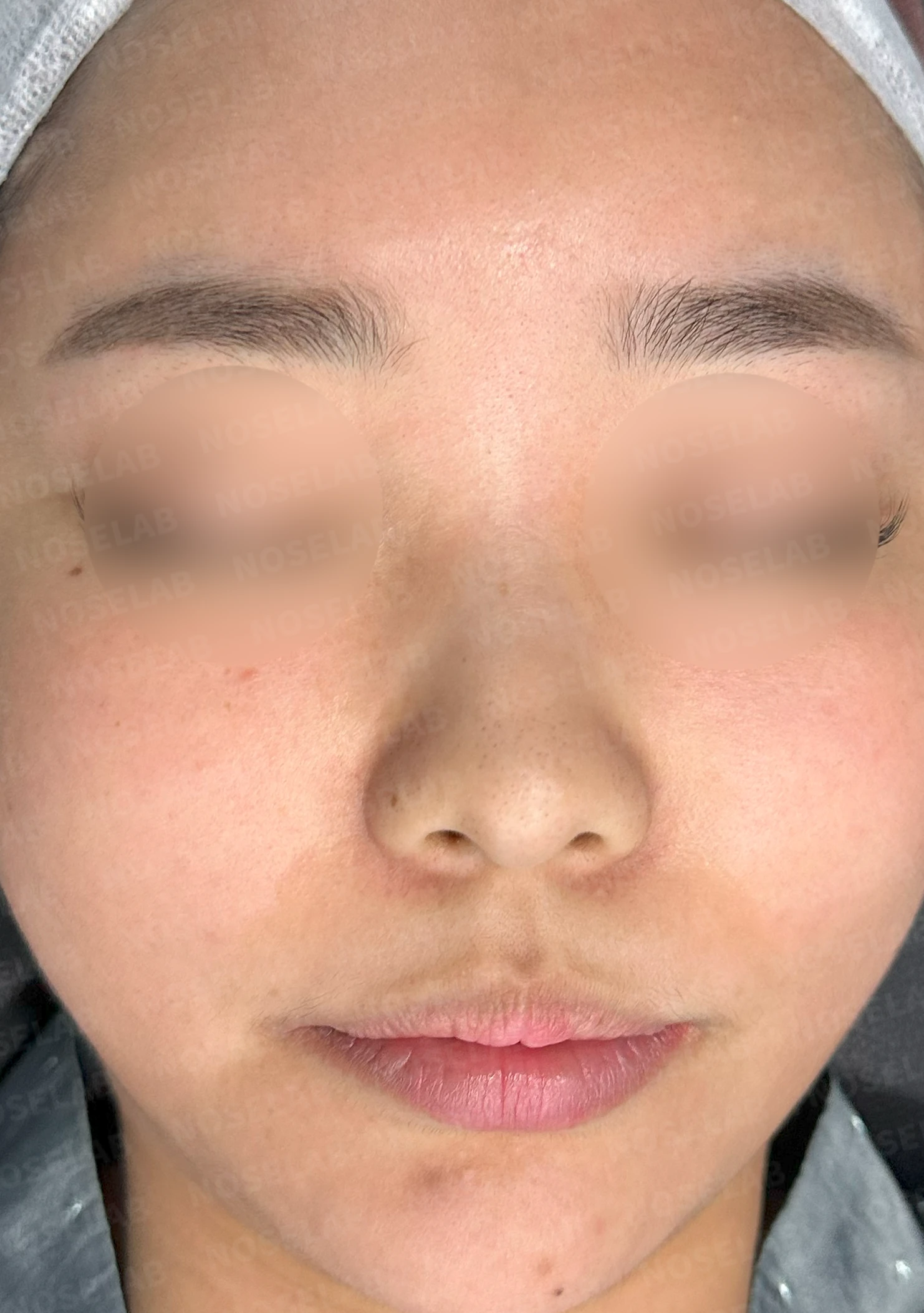
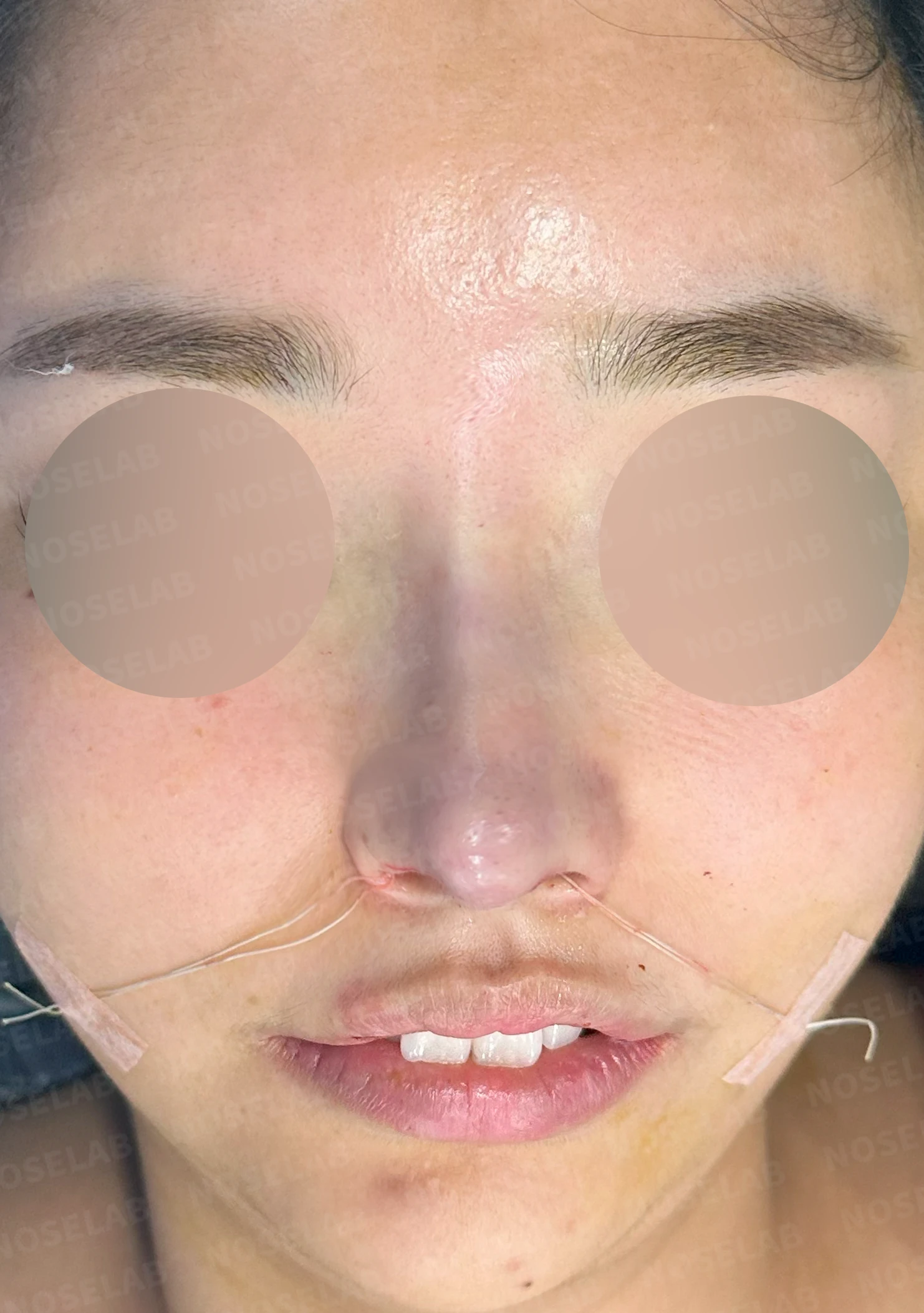
Before surgery / Day 0 immediately after surgery Photos taken immediately after surgery show swelling and may differ from the final result.
Functional improvement
Reduced the volume of the inferior turbinates through rhinitis surgery
Correction of deviated septum
Expanded the internal nasal cavity space
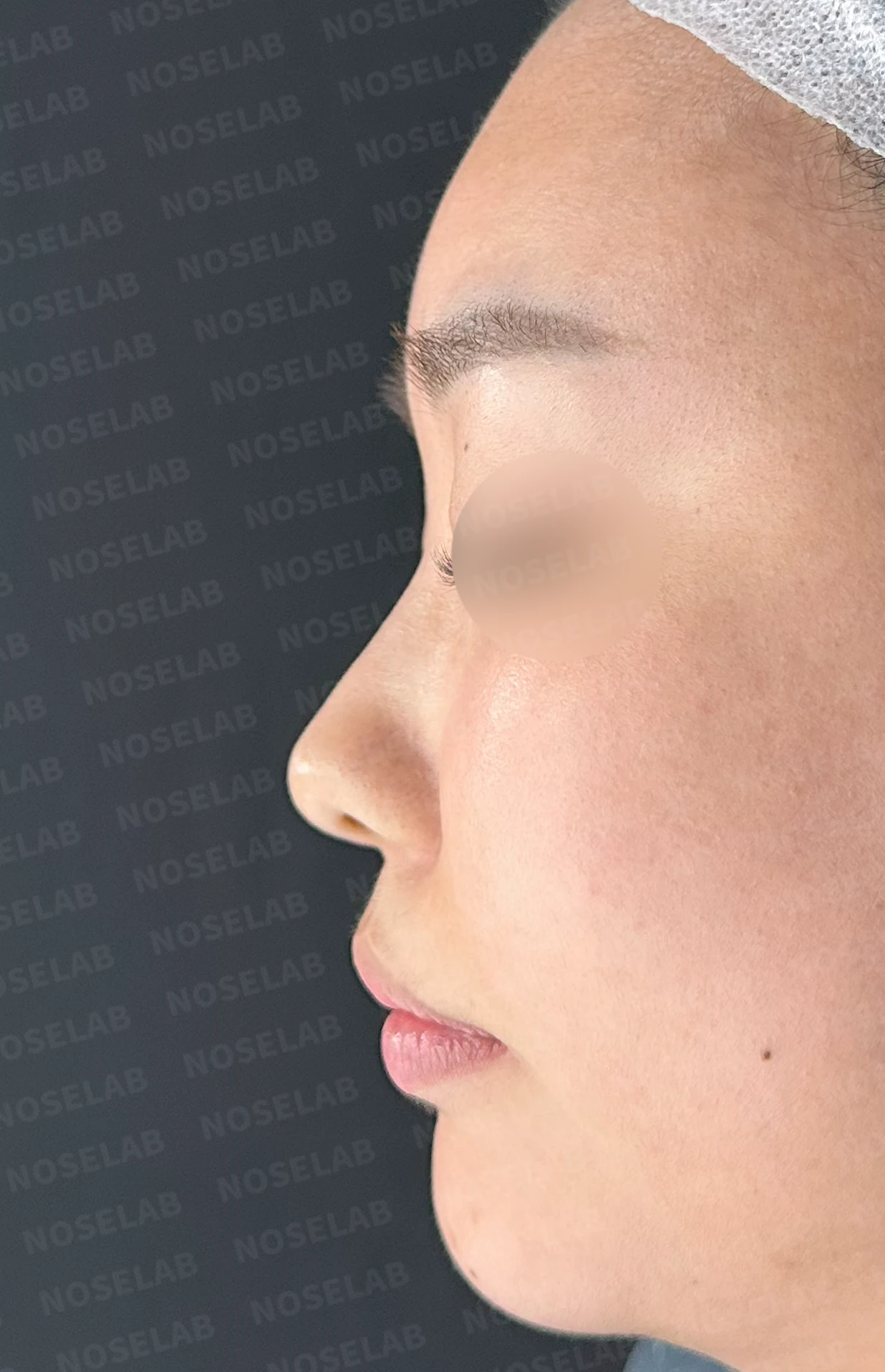
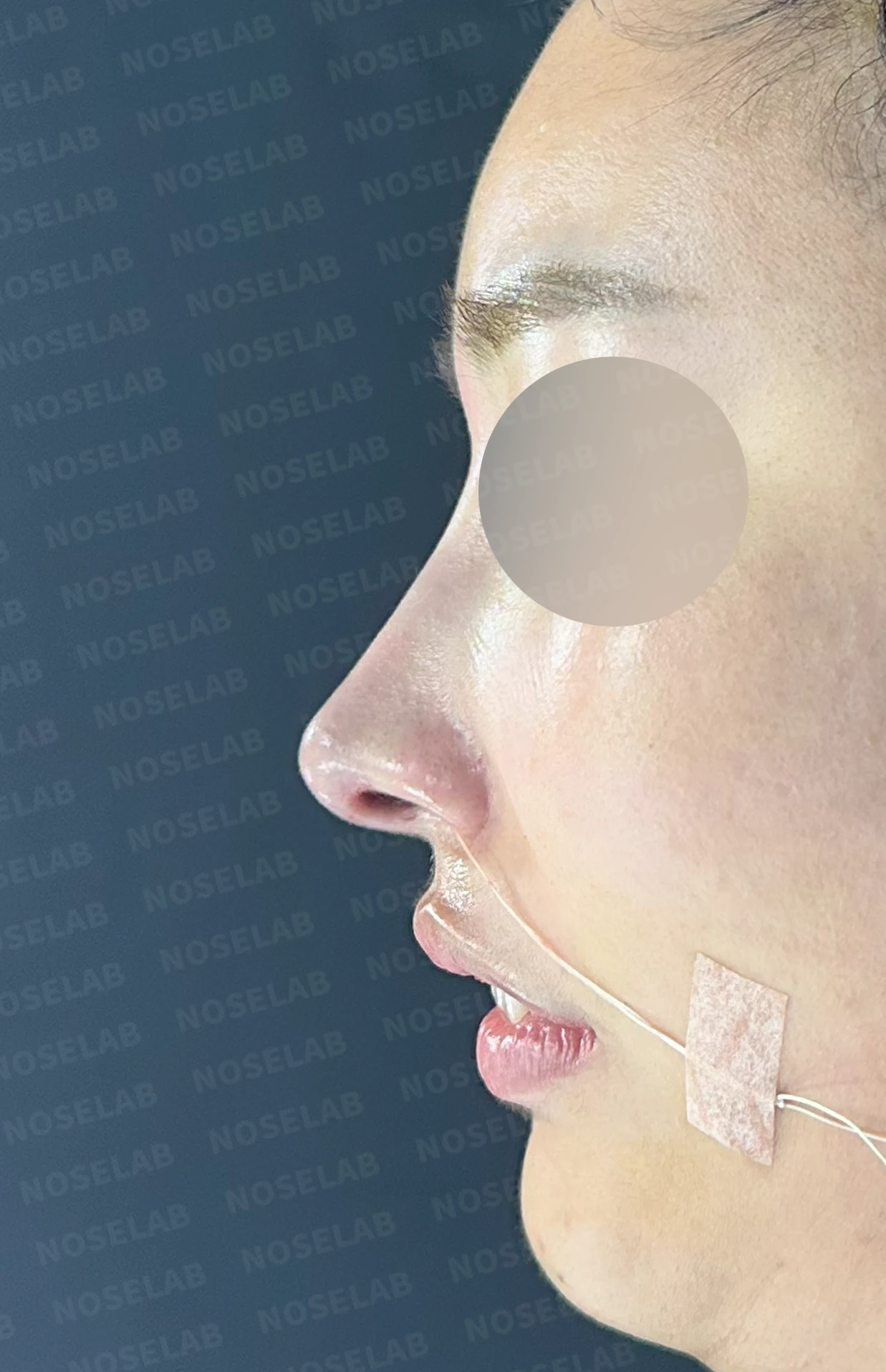
Before surgery / Day 0 immediately after surgery Photos taken immediately after surgery show swelling and may differ from the final result.
2. Structural improvement
Correction of crooked nose
Created a nasal bridge with natural height
Adjusted the nasal tip position to improve the appearance of a protruding mouth
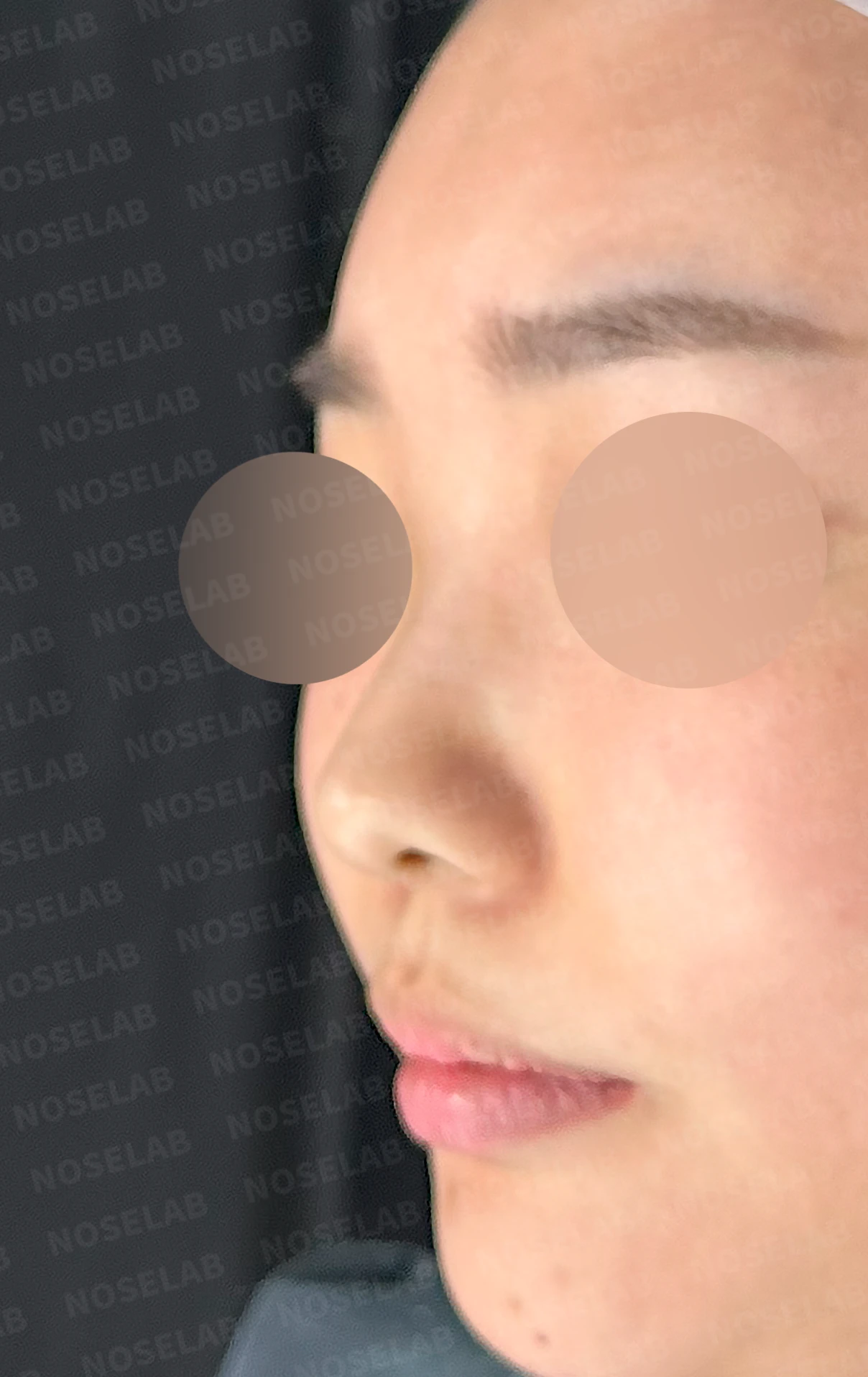
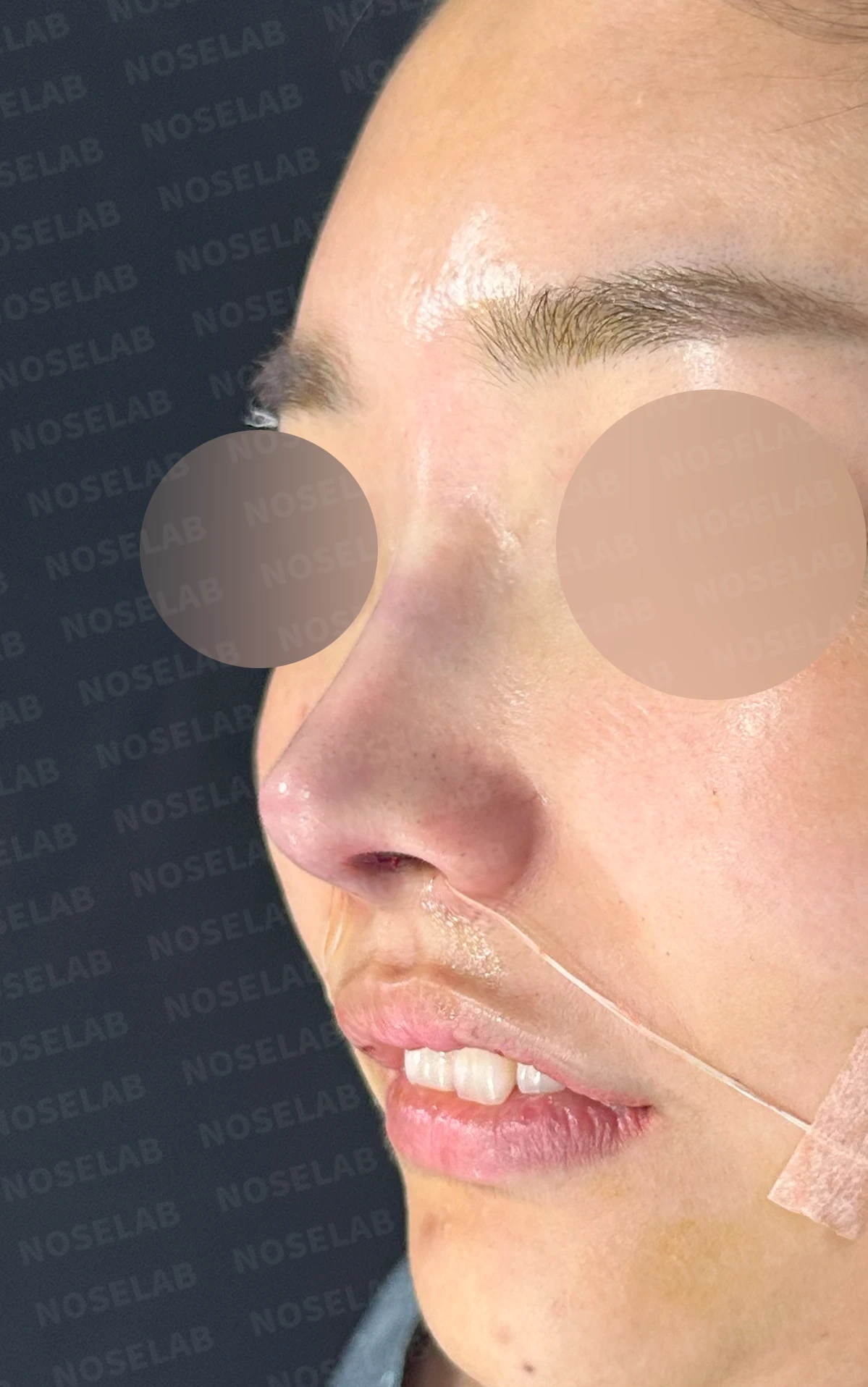
Before surgery / Day 0 immediately after surgery Photos taken immediately after surgery show swelling and may differ from the final result.
3. Balance improvement
Securing nostril symmetry
Refined the nasal tip into a sleek shape
Overall balance adjustment
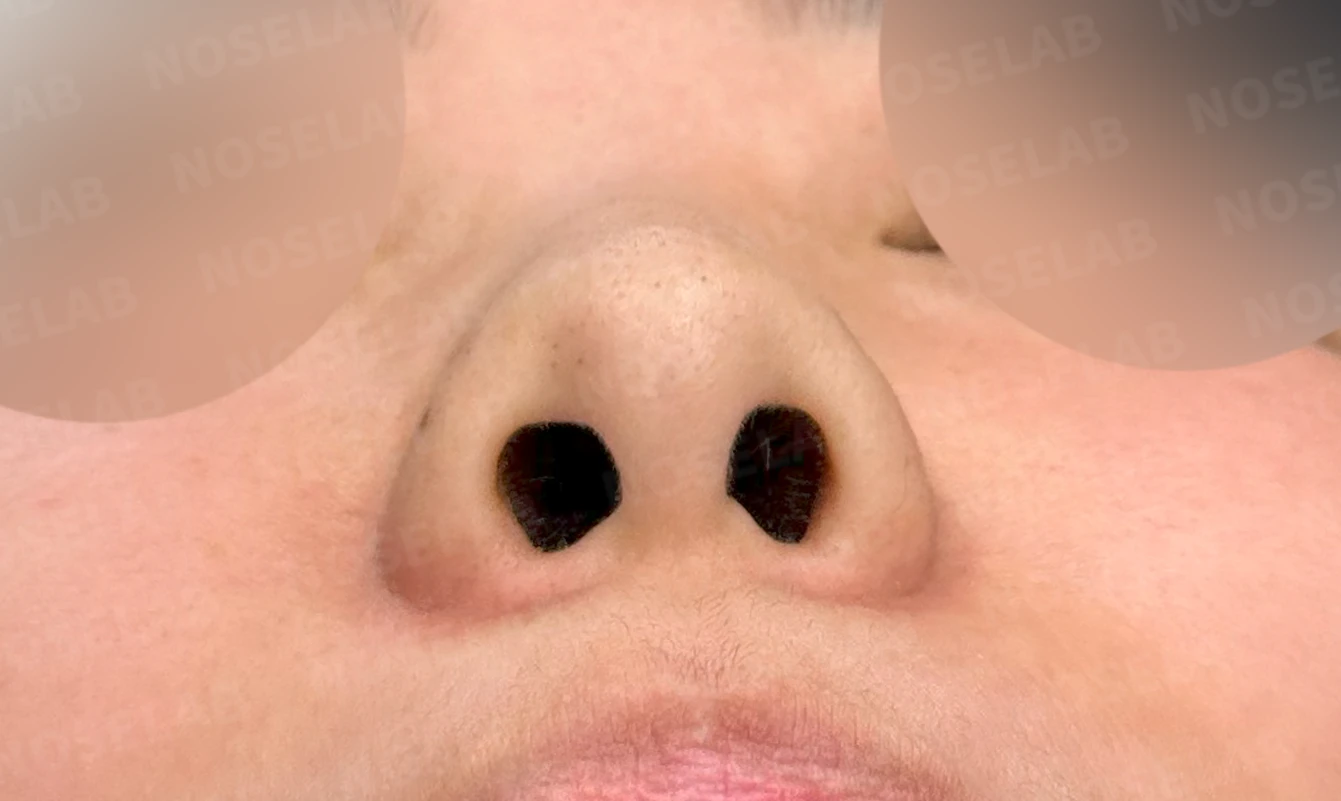
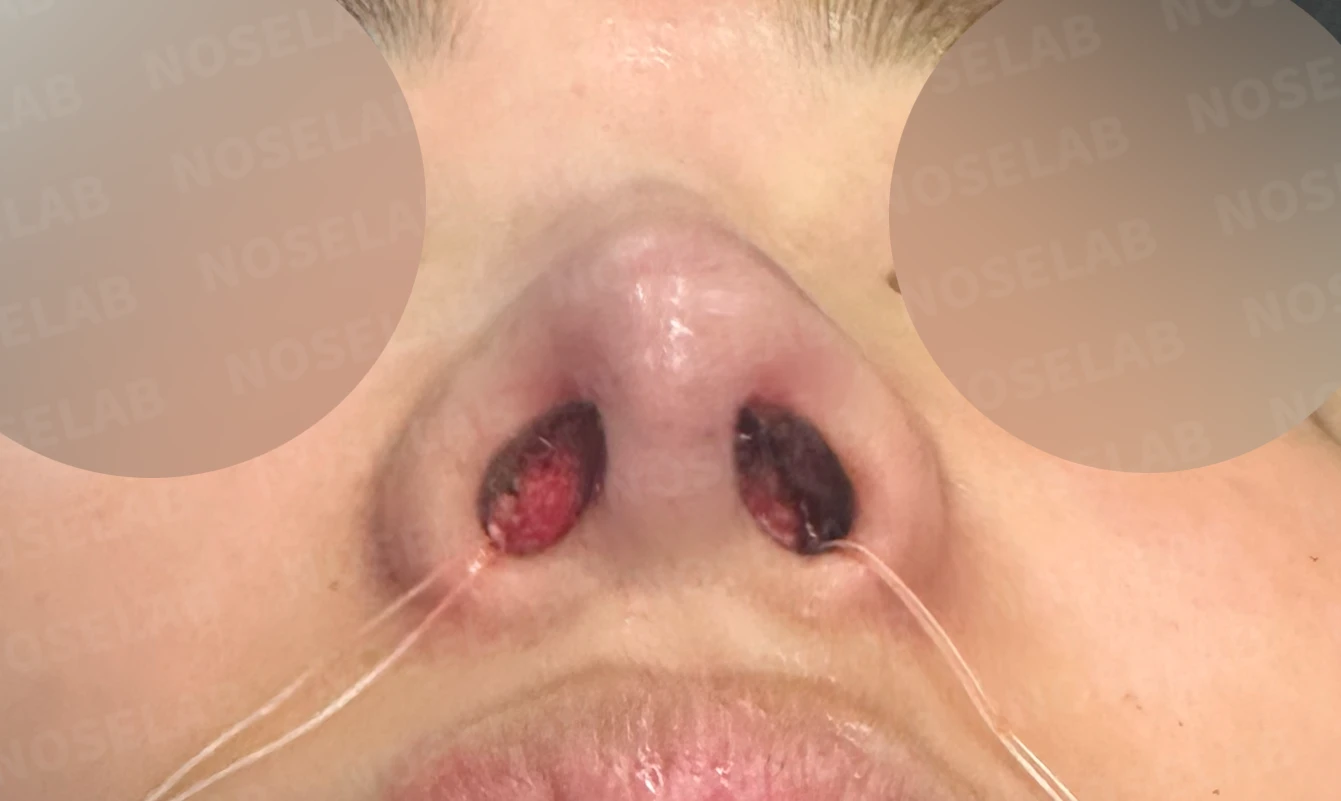
Before surgery / Day 0 immediately after surgery Photos taken immediately after surgery show swelling and may differ from the final result.
✅ Surgical results
Front view
The previously widened nasal bridge was refined into a slimmer contour
The previously crooked nose was straightened
Creating natural three-dimensional definition
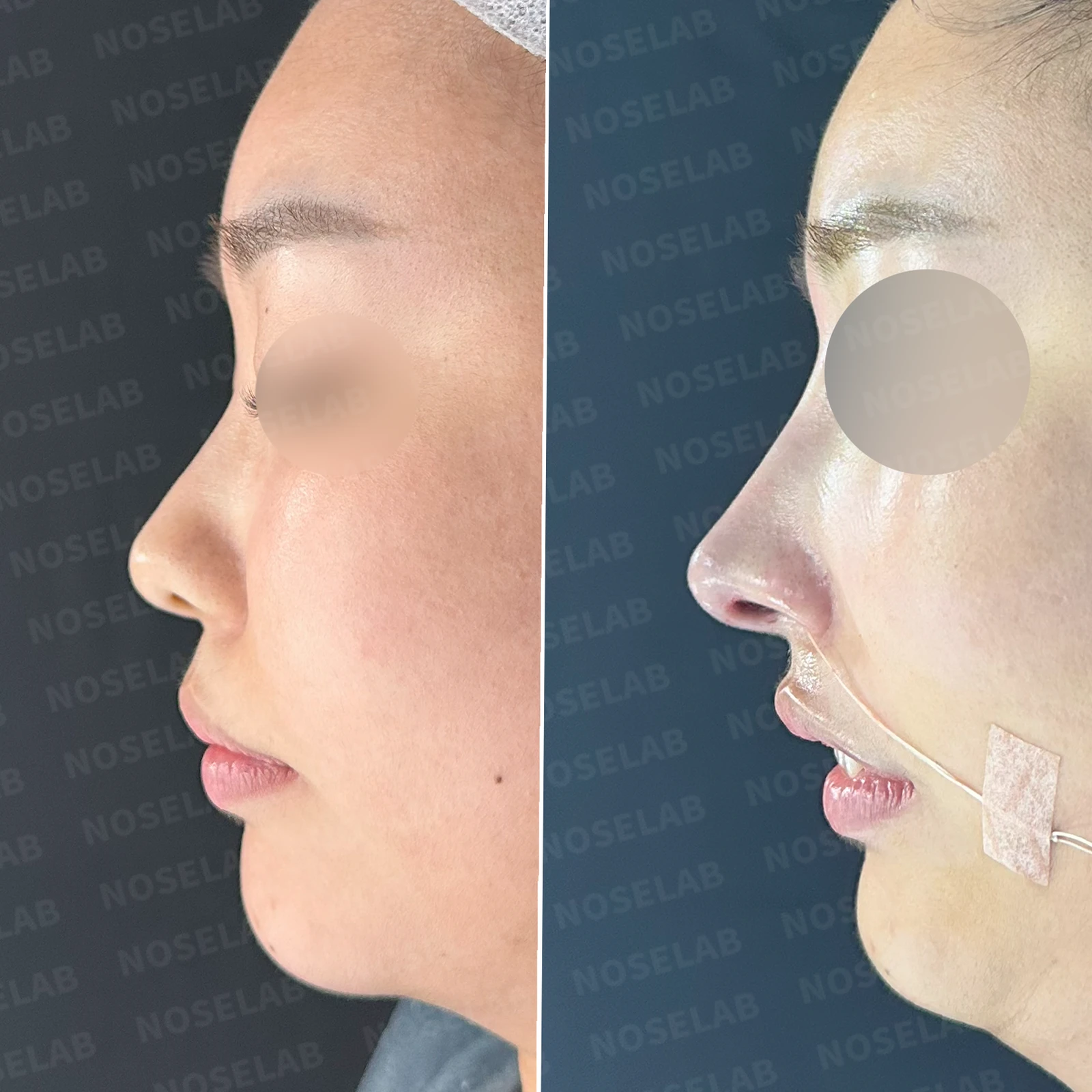
2. Profile view
Appropriate glabellar height
The appearance of the protruding mouth was improved through nasolabial angle correction
Correction of a drooping tip
3. Oblique view
Achieved a natural bridge line
Secured a stable nasal tip position
Improved overall harmony
4. Nostril view
Improvement of left-right symmetry
Completed a refined nasal tip shape
Restoration of smooth breathing function
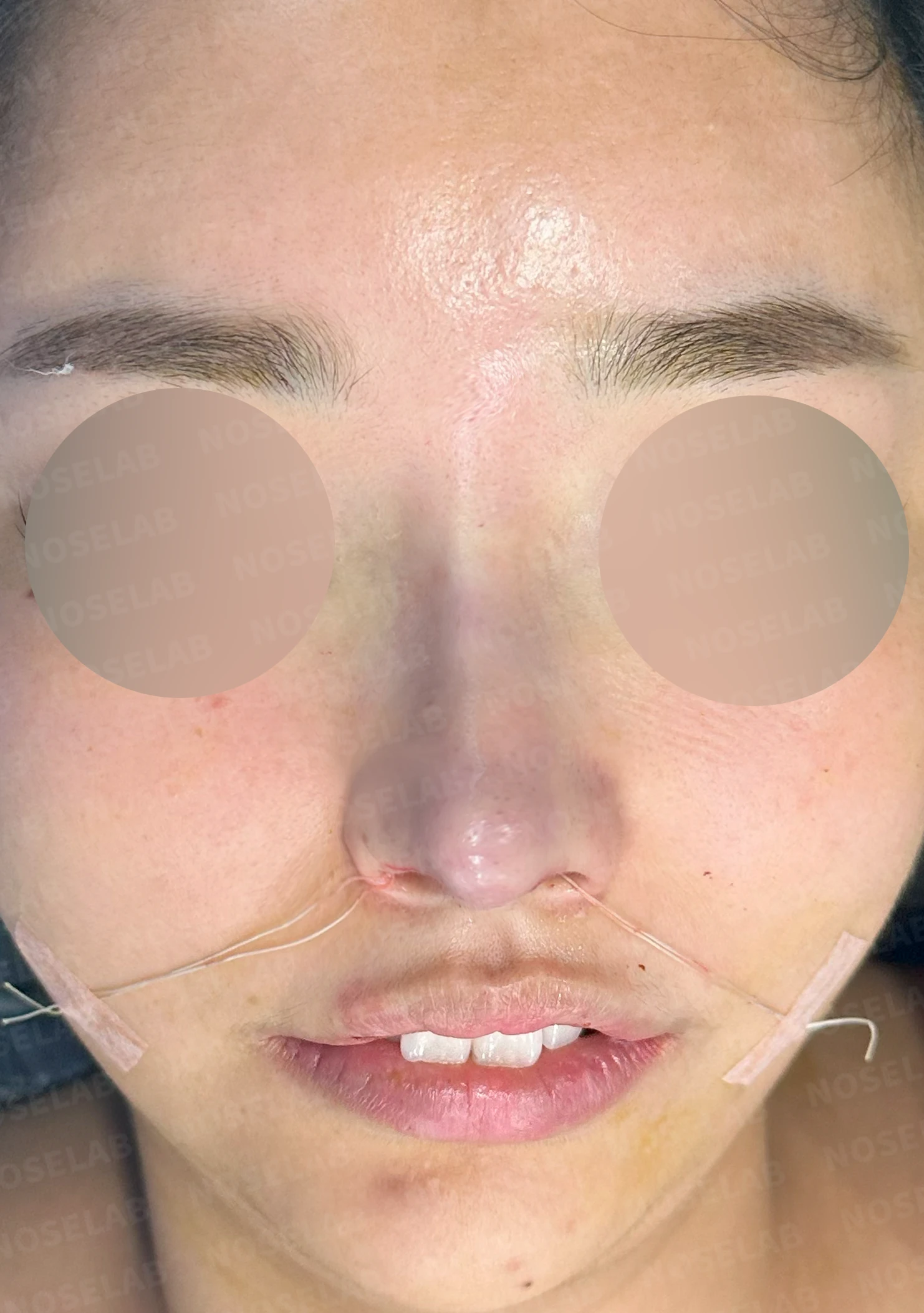
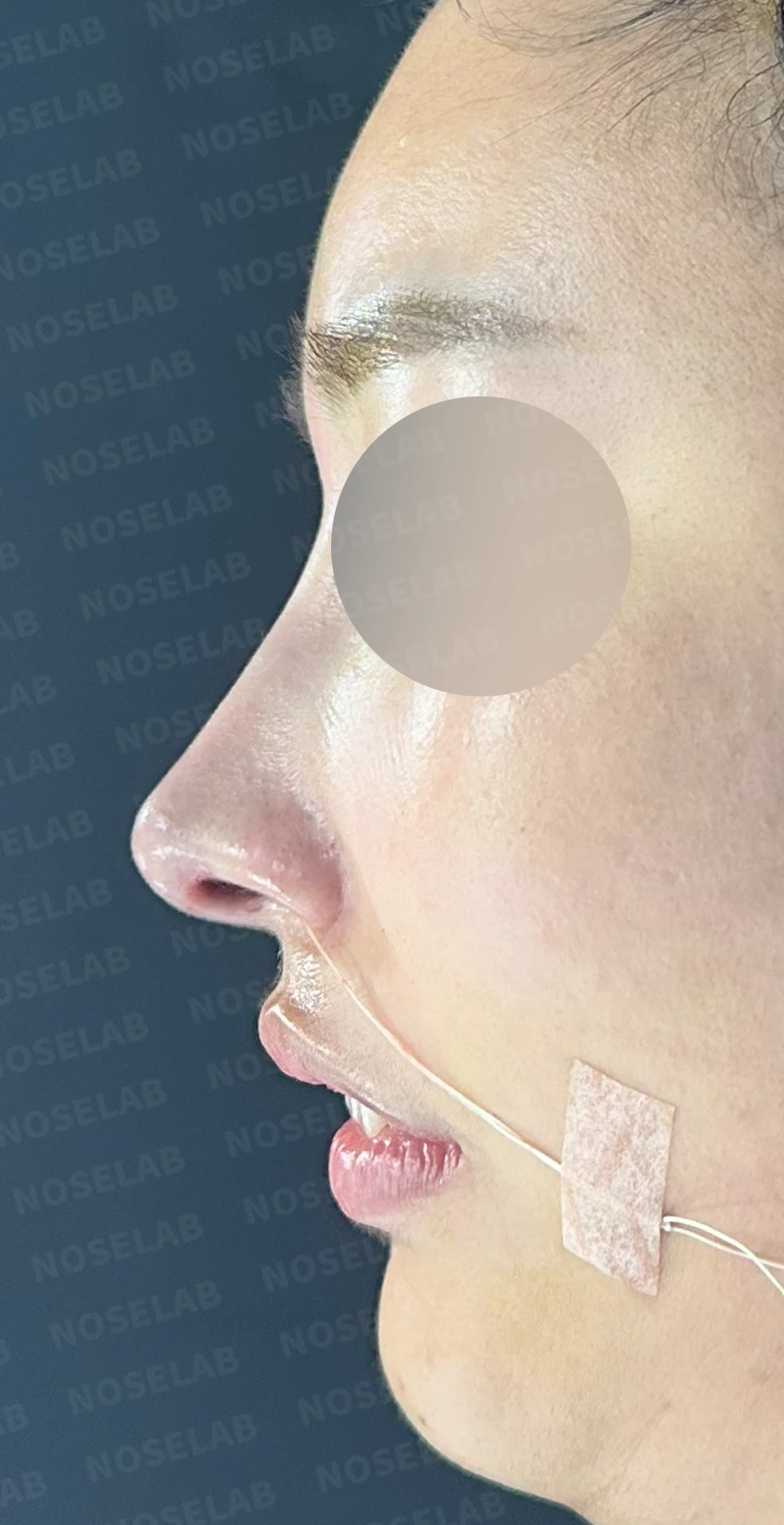
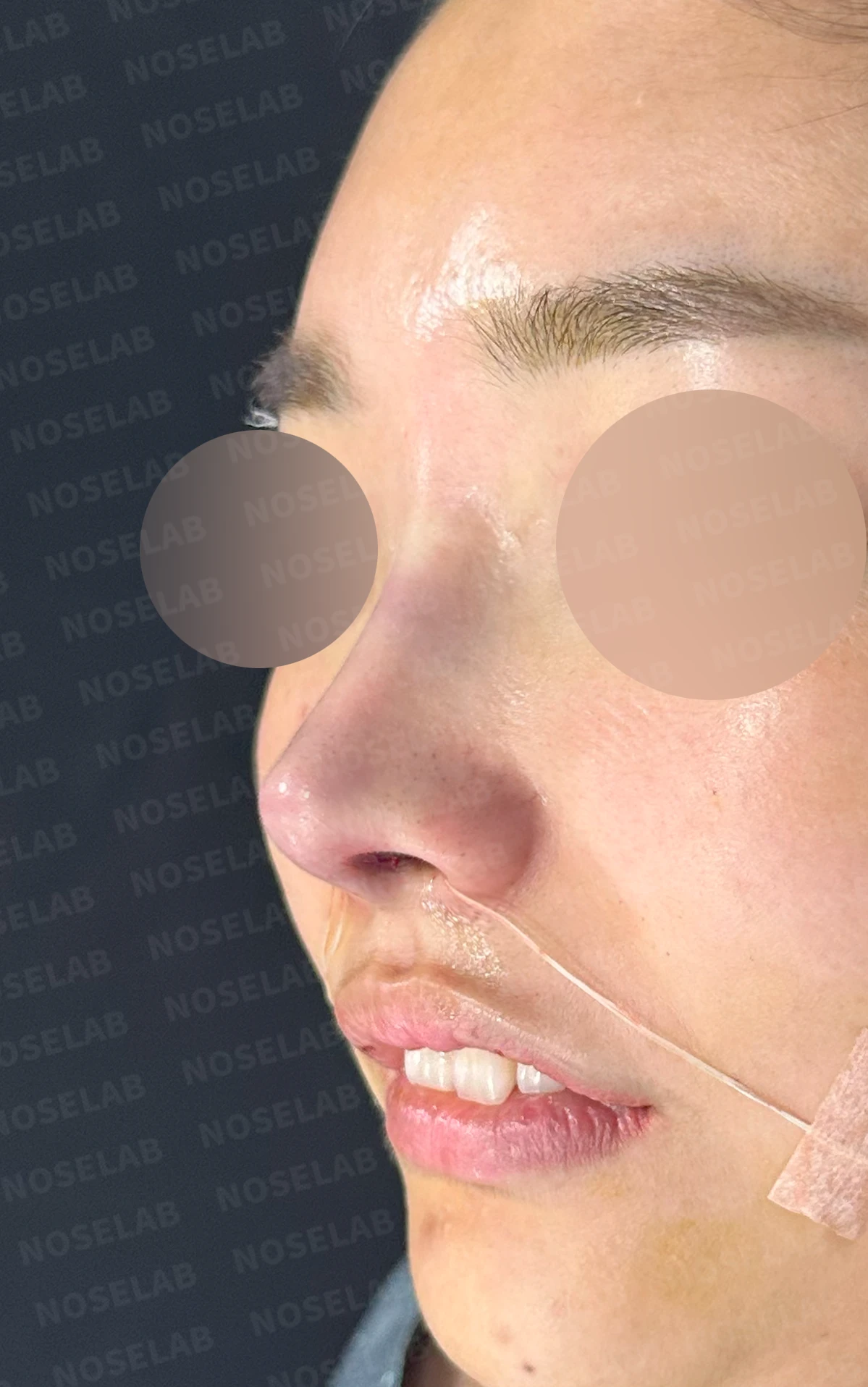
Front, profile, and oblique views taken immediately after surgery (day 0).Immediate postoperative photos show swelling and may differ from the final result.
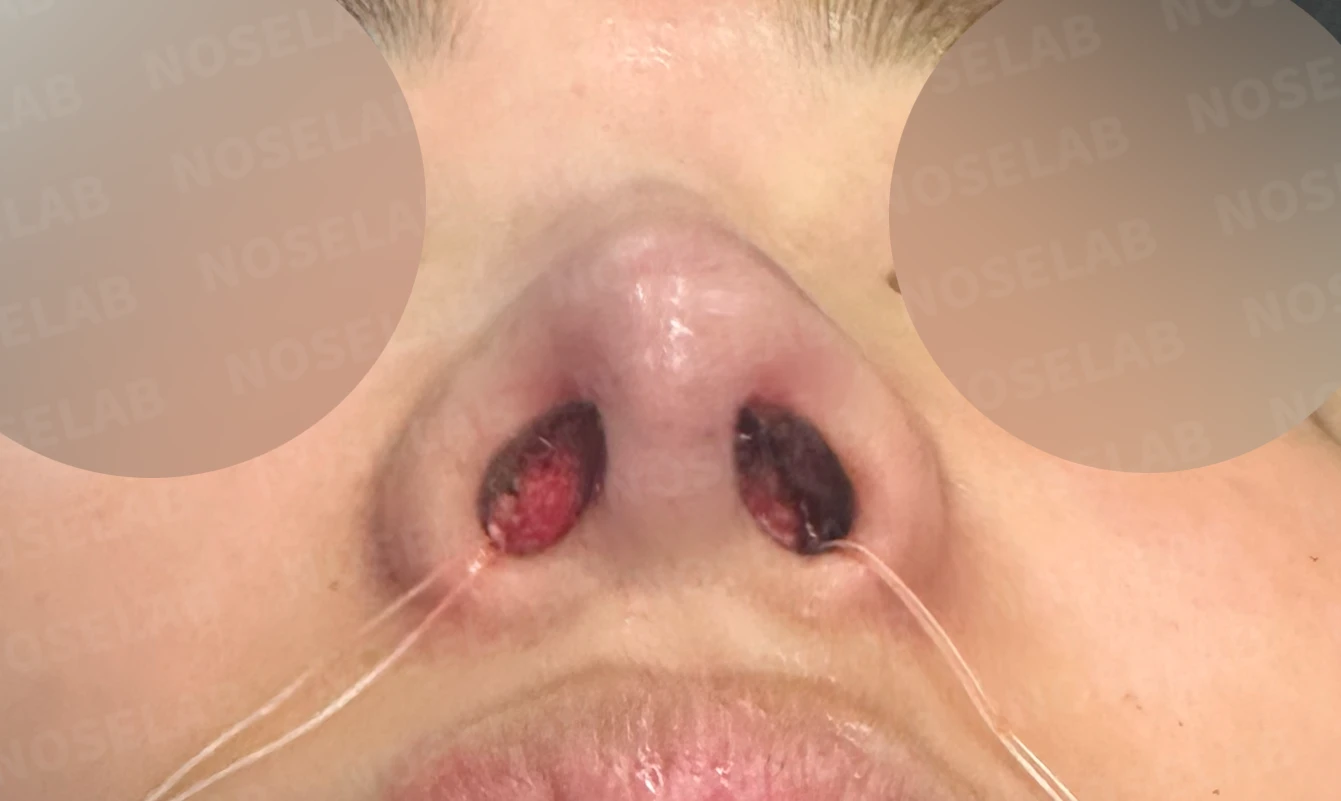
Nostril view on day 0 immediately after surgery. Photos taken immediately after surgery show swelling and may differ from the final result.
👨⚕️ Specialist's assessment
This was a case where both functional and aesthetic improvements needed to be achieved simultaneously. As the patient requested, we secured sufficient height without making it excessive, while also resolving the discomfort caused by rhinitis. In particular, by planning a design that considered the balance of the entire face, we were able to achieve a natural and satisfying result.
This was Dr. Peter C. Kang. Thank you.
#closedrhinoplasty #revisionrhinoplasty #rhinitissurgery #naturalnose #customrhinoplasty

Limitations and risks
When foreign materials such as injected fillers are removed and reconstructed, contracture may recur, nasal height and length may decrease, and staged surgery may be necessary depending on the skin condition.
When the septum is corrected at the same time, nasal obstruction may persist or recur, and in rare cases, septal perforation or changes in smell may occur.
Common potential risks include infection, bleeding, asymmetry, scarring, skin necrosis, and insufficient improvement; results vary depending on individual skin condition and previous surgical history.